The question isn't "morning or afternoon?" It's "which day of your trip?" Your first 48 hours run on a different clock.
The best time of day for Tokyo tours depends on your body clock, not the wall clock. The real question isn't "morning or afternoon?" — it's "which day of your trip?" Your first 48 hours after a transpacific flight run on a different clock.
Most tour companies default to 9am starts. This isn't because 9am is optimal for travelers—it's because 9am is convenient for operations. Your body, especially in its first 48 hours after a transpacific flight, doesn't care what the booking form says.
The real question isn't "morning or afternoon?" It's "which day of your trip are you booking?"
The 9am Default Is Designed for Guides, Not Guests
Why 9am Became Standard
Tour operators like predictable schedules. A 9am start means guides finish by late afternoon. It avoids rush hour (7:30-9:30am) by the time the tour gets moving. It fits the assumption that travelers want to "make the most of the day."
None of this considers how your body actually functions after crossing 13-16 time zones.
When 9am Works Against You
If you arrive in Tokyo on Day 1 and book a 9am tour for Day 2, you're scheduling an expensive experience during your body's most unpredictable window.
The question isn't whether 9am is too early. It's whether your physiology on that particular day can sustain what you're paying for.
Your First 48 Hours Run on a Different Clock
The Day 1-2 Pattern (Wake Early, Crash by 7)
For travelers arriving from the US (13-16 hour time difference), the first 48 hours follow a predictable pattern:
-
Wake extremely early: 3-5am, alert and unable to sleep
-
Functional through morning: energy peaks before noon
-
Crash mid-afternoon: concentration and enthusiasm drop sharply
-
Done by evening: difficulty staying awake past 7-8pm
This isn't weakness. It's circadian biology. Your internal clock adjusts approximately one day per time zone crossed. Functional adaptation—being able to perform normal activities—takes 3-4 days. Full adjustment takes much longer.
The good news: flying from the US to Japan is westward travel, which means you're delaying your body clock rather than advancing it. Westward is easier. Your return flight will be harder.
Day 3-4 and Beyond (Your Rhythm Returns)
By Day 3-4, most travelers experience rhythm stabilization. You'll still wake earlier than usual, but the afternoon crash becomes less severe. Evening tolerance returns. You can sustain a full day without the dramatic energy swings.
This is when a standard 9am-5pm tour makes sense. Your body can handle it.
Why This Changes Everything About Tour Timing
The same tour, scheduled on Day 2 versus Day 4, produces completely different experiences. Not because the guide changed. Not because Tokyo changed. Because you changed.
Scheduling around jet lag isn't surrendering to it. It's treating an expensive experience with the same respect you'd give the flight that got you there.
Tokyo Runs on Multiple Clocks
Your body clock isn't the only timing constraint. Tokyo itself operates on overlapping schedules that don't align with the generic "morning is best" advice.
What Actually Closes (Tsukiji, Shrine Hours)
Tsukiji Outer Market runs on a morning-only schedule. Most shops open between 5-6am. Peak breakfast service runs 7-9am. By noon, many vendors are closing. By 2pm, the market is largely shut down. If Tsukiji matters to you, your tour must start early enough to arrive while it's operational. For a deeper look at what a Tsukiji tour actually covers, we break that down separately.
Meiji Shrine opens at sunrise (between 5:00-6:40am depending on season) and closes at sunset (between 4:20-6:30pm). In winter, a 4pm arrival means the shrine is closing.
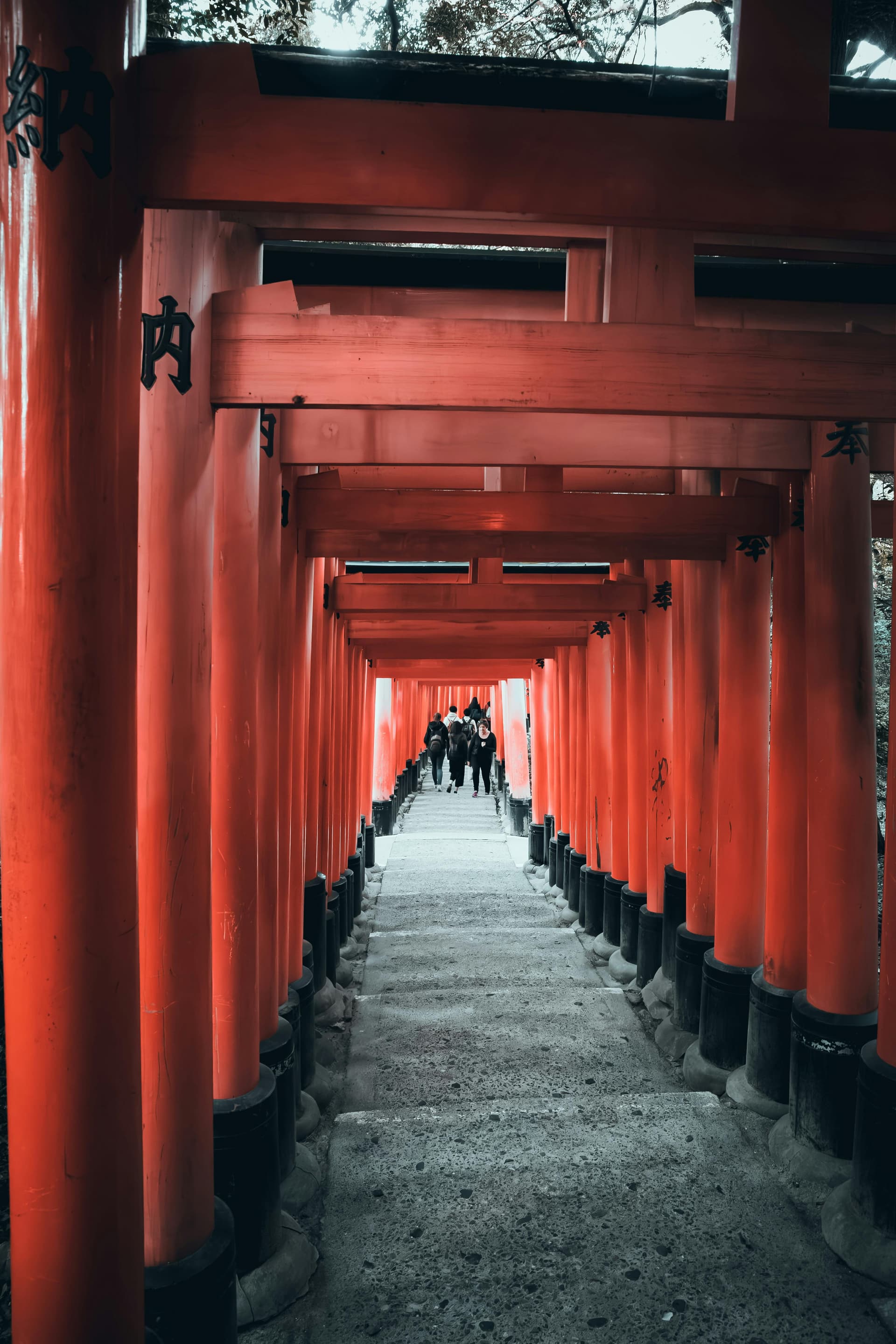
Sensoji Temple's main hall opens at 6:00am (6:30am October-March) and closes at 5:00pm. The grounds remain open 24/7, and the temple buildings stay illuminated until 11:00pm.
What Only Comes Alive After Dark (Neon Tokyo)
Shibuya and Shinjuku show completely different faces after sunset. During the day, they're transit hubs with shopping. After dark, the neon activates, izakayas fill with after-work crowds, and the entertainment district energy takes over.
A Shibuya tour that ends at 5pm misses the actual character of the neighborhood.
Golden Gai—Shinjuku's famous warren of tiny bars—doesn't even come alive until 8pm. Most bars open around 8pm, with peak hours running 10pm-2am. Arriving at 6pm means empty streets and closed doors.
The Trade-Off: Nakamise Opens at 10am, Crowds Arrive at 10am
Sensoji Temple is quiet before 8am—but the shops lining Nakamise street don't open until 9-10am. Visit early and you'll have the temple grounds nearly to yourself, but the shopping corridor will be shuttered.
By 10am, the shops are open. So are the crowds. Peak congestion runs 10am-3pm on weekends, when Nakamise becomes nearly impassable.
Evening offers a third option: the shops close around 5pm, but the temple grounds empty out and the illumination begins. Fewer crowds, dramatic lighting, restaurants opening for dinner. For more on how to approach Asakusa, including Sensoji timing strategies, we cover that in detail elsewhere.
There is no perfect time. Only trade-offs you choose based on what matters to you.
Evening May Be the Sweet Spot You're Overlooking
The default advice says go early. Beat the crowds. Make the most of daylight. This advice assumes you're fully adjusted and that crowds are the main enemy.
For travelers still adjusting to Tokyo time, evening is the better choice.
When the Crowds Leave (And the Lights Come On)
Temple crowds thin after 5pm. The neon districts activate. The Tokyo that felt like a logistics puzzle at noon becomes the city you came to experience.
If you pushed for a morning tour because that's what felt responsible, you may have missed the version of Tokyo you actually came to see.
The Afternoon Start Strategy
For travelers on Day 1-2, the standard 9am-5pm tour is the worst option. It spans your crash period and extends past your evening wall.
Two alternatives work better: a morning tour that ends by 2pm (before you crash), or an evening tour that starts at 5pm (after you've recovered). Both respect your circadian reality instead of fighting it.
Group Dynamics Change the Equation
The optimal timing for a solo traveler differs from a family of four spanning three generations.
Traveling with Kids (Use Their Jet Lag)
Children wake early from jet lag—earlier than adults. Rather than fighting this, lean into it. An early start (8-9am) captures their peak energy. Plan to finish by early afternoon (2-3pm) before everyone unravels.
A 6-hour tour that concludes at 3pm works better than forcing kids through an 8-hour day that ends with meltdowns at 5pm. We cover family-specific tour strategies in more detail elsewhere.
Traveling with Elderly Family (Protect Their Energy)
Older travelers need rest breaks and recover more slowly from jet lag. An afternoon start with slower pacing works better than an early morning push.
Consider starting at 10am or later, incorporating seated lunch breaks, and ending before the evening rush. Or consider a half-day format (4 hours) that doesn't exhaust limited energy reserves.
Couples and Friends (Evening Usually Wins)
For couples seeking atmosphere and romance, evening tours capture what morning tours miss. Illuminated temples. Neon streets. Izakaya dinners. The Tokyo that appears in films and memory.
If your priority is ambiance over checkbox efficiency, start in late afternoon and let the tour extend into evening.
Matching Tour Products to Their Natural Timing
Some tours are locked to specific windows. Others have flexibility.
Morning-First Tours
Tokyo Essentials starts at 8:45am specifically because it includes Tsukiji Outer Market at 9:30am. The market closes by noon-2pm. There is no afternoon version of this tour—the constraint is fixed.
Tokyo Together (family tour) also starts at 8:45am with Tsukiji at 9:30am. The 6-hour duration concludes around 3pm, designed to end before family energy collapses.
Timeless Tokyo and Ordinary Tokyo (8-hour tours) start at 8:45am to capture morning light at historical sites and neighborhood energy in residential areas. Ordinary Tokyo deliberately ends at 5pm in Yurakucho to catch the salaryman after-work scene—the timing is built into the tour's purpose.
Evening Tours
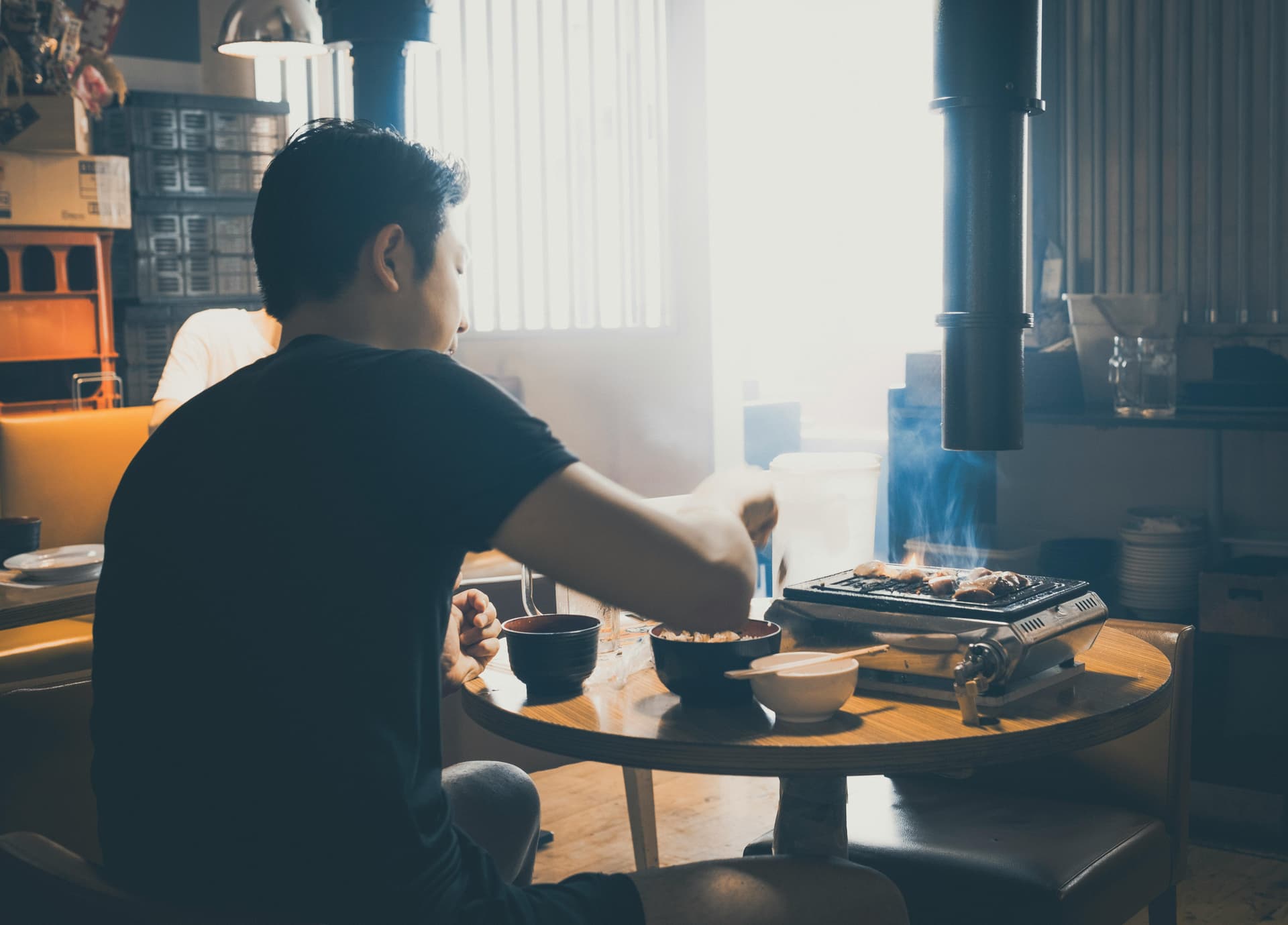
Standing Room Only starts at 6:15-6:30pm and runs until 10:30pm. This izakaya crawl through Suginami Ward cannot be moved to morning. The standing bars, the after-work atmosphere, the retro alleyways—none of this exists before dark.
Kushiyaki Confidential starts at 3:45pm and concludes around 9:30pm. The late-afternoon start captures the transition from daytime Shibuya to evening izakaya culture in Ebisu and Nakameguro.
Tokyo Trifecta starts at 1:45pm and ends at 5:30pm in Golden Gai with a toast. The afternoon timing is deliberate—catching Meiji Shrine in daylight, Harajuku's youth energy, and Shinjuku's early-evening transformation as lanterns light up and salarymen fill the alleyways.
Full-Day Tours (Split the Day Strategically)
Eight-hour tours present a choice: front-load morning activities or back-load evening experiences.
Infinite Tokyo (fully custom, 8 hours) can be designed either way. If Tsukiji matters, start early. If neon districts matter, start later and extend into evening.
The question is which neighborhoods anchor your priorities. Tsukiji demands morning. Golden Gai demands evening. You cannot have both in the same tour without accepting that one will be compromised.
A Decision Framework
There is no universal best time. But there is a best time for your specific situation.
Three Questions That Determine Your Start Time
1. Which day of your trip are you booking?
Day 1-2: Your body clock will sabotage a standard schedule. Plan around the crash. Day 3+: Standard timing works. Your rhythm has stabilized.
2. Does your must-see list include time-locked activities?
Tsukiji: Morning only. Golden Gai / neon Tokyo: Evening only. Temples without shopping: Early morning or evening. Temples with Nakamise shopping: Mid-morning (accept crowds).
3. What's your group composition?
Kids: Early start, early finish. Elderly: Later start, slower pace, shorter duration. Couples: Evening for atmosphere. Multi-generational: Consider two half-day tours instead of one full day.
If You're Booking for Day 1 or 2
Choose one of these patterns:
-
Early start, early finish: 8am departure, 2pm conclusion. Functional for your entire alert window.
-
Afternoon/evening tour: 5pm departure, 10pm conclusion. Sleep through your crash, tour when you've recovered.
-
Half-day format: 4 hours is easier to sustain than 8 during circadian disruption.
Avoid: 9am-5pm tours that span both your crash period and your evening wall.
If You're Booking for Day 3 or Later
Standard scheduling works. Your options open up. If you're comfortable navigating Tokyo independently by this point, you may not need a guide at all—we cover when you don't need a private tour separately.
-
Morning tours for Tsukiji, temples, neighborhood energy
-
Afternoon tours for Harajuku, Shibuya, transition into evening
-
Evening tours for izakayas, neon districts, illuminated temples
-
Full-day tours that combine morning sites with evening destinations
Match timing to priority. If you want Tsukiji, start early. If you want Golden Gai, start late. If you want both, book two tours on different days.
Frequently Asked Questions
What is the best time of day for a Tokyo private tour?
There is no universal best time — it depends on which day of your trip you're booking and what you want to see. If you're on Day 1-2 after a transpacific flight, your body clock will sabotage a standard 9am-5pm schedule. Either book an early start finishing by 2pm (before your afternoon crash) or an evening tour starting at 5pm. By Day 3-4, standard timing works as your circadian rhythm stabilizes.
Should I book a morning or afternoon tour in Tokyo?
Morning tours work best for time-locked attractions like Tsukiji Outer Market (closes by 2pm) and for families with jet-lagged kids who wake early. Afternoon and evening tours capture Tokyo's neon districts, izakaya culture, and illuminated temples — experiences that don't exist before dark. For travelers still adjusting to Tokyo time, evening is often the better choice because you can sleep through your afternoon crash.
How does jet lag affect Tokyo tour timing?
Travelers arriving from the US (13-16 hour time difference) typically wake at 3-5am, feel alert through morning, crash mid-afternoon, and struggle to stay awake past 7-8pm for the first 48 hours. Functional adaptation takes 3-4 days. Scheduling a tour on Day 1-2 during your crash window wastes an expensive experience. Consider a half-day format (4 hours) during your first two days, which is easier to sustain during circadian disruption.
What time do Tokyo attractions open and close?
Tsukiji Outer Market opens at 5am with peak hours 9am-noon, closing by 2pm. Meiji Shrine opens at sunrise and closes at sunset (as early as 4:20pm in winter). Sensoji Temple's main hall opens at 6am and closes at 5pm. Golden Gai bars don't open until around 8pm with peak hours after 10pm. Many Tokyo restaurants close between lunch and dinner (2-3pm to 5-7pm), and cafes often don't open until 10-11am.
Is an evening tour better than a morning tour in Tokyo?
Evening tours capture a side of Tokyo that morning tours miss entirely — neon-lit Shibuya and Shinjuku, izakaya-filled alleyways, illuminated temples, and after-work salaryman culture. For couples seeking atmosphere, evening tours are particularly strong. However, morning tours are essential if your must-see list includes Tsukiji Market or if you want quiet temple grounds before crowds arrive at 10am.
Where Hinomaru One Fits
Every tour we offer has flexible start times. During booking, we ask which day of your trip you're scheduling—and adjust timing to match your energy pattern, not our operational convenience. Morning tours can start at 8am or 10am. Evening tours can extend past sunset. The schedule bends to you.
At Hinomaru One, we design culturally rich, stress-free private Tokyo tours for first-time and seasoned travelers. Unrushed. Insightful. Always customized.
![How Much Is a Tour Guide in Tokyo? [$200–$540/Day, 2026 Guide]](/_next/image?url=%2Fimages%2F37505d69f17f.png&w=1920&q=75&dpl=dpl_EDEsKtMJvbCpiBx8ZUhr62DsHc6W)