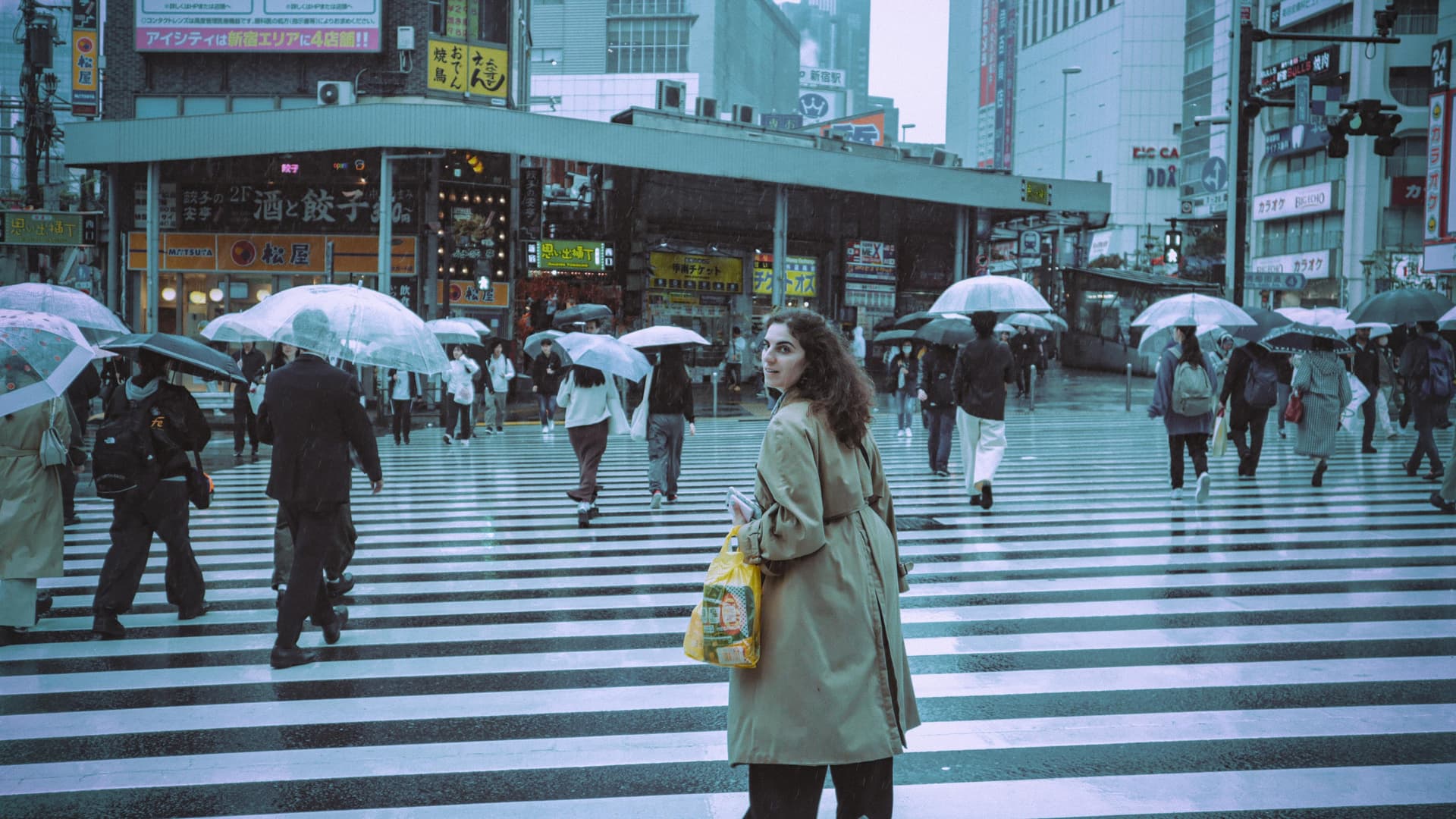
Rain Doesn't Cancel Your Tour—But It Does Change What We Can Show You.
A Tokyo tour in rain still goes ahead, through drizzle and downpours alike, but the route changes. Covered markets stand in for outdoor shrines, cafes become places to pause, and the underground networks keep the day going. The only weather that really cancels a tour is a typhoon.
Pre-Tour Rain Protocol
Your guide watches the forecast and gets in touch 24-48 hours before the tour if heavy rain is coming. You'll talk through whether you're happy to go ahead, what the adjusted route looks like, and practical things like where to meet.
You can cancel without penalty up to 24 hours before the tour. That gives you time to see the actual forecast for the day instead of relying on the 5-day prediction.
If it starts raining partway through, your guide adjusts on the spot:
-
Pause at cafes or covered areas
-
Shorten the route
-
End early if conditions become miserable
We plan every day with room for these changes.
The Real Cancellation Threshold
Tours run in ordinary rain, heavy rain included. Tokyo's covered stations, underground networks and taxis make that workable.
There are three reasons a tour gets cancelled:
Typhoons with transit warnings: JMA (Japan Meteorological Agency) issues warnings and trains start suspending service. This happens 1-2 times a year in Tokyo, mostly in September. Typhoons are tracked days ahead, so you'll know before tour day.
Extreme weather warnings: Government advisories tell people to stay indoors. JMA has three levels: Emergency Warnings (once-per-decade events), Warnings (serious disasters likely) and Advisories (stay alert). Tours cancel under Warnings or Emergency Warnings.
Your preference: If the forecast makes you uneasy, reschedule. That's what the 24-hour policy is for.
Rainy season (tsuyu) runs from early June to mid-July. Expect steady drizzle and gray skies for much of it. That's normal weather for Tokyo, and tours run right through tsuyu.
How Routes Actually Change
On a rainy day we trade open shrines and street walks for covered markets, underground passages and department stores. A typical swap:
| Sunny-Weather Route | Rainy-Weather Route |
|---|---|
| Meiji Shrine grounds (open forest paths) | Meiji Shrine covered corridors only (skip outer grounds) |
| Harajuku street walking (Takeshita-dori, Omotesando) | Tokyu Hands Shinjuku (5-floor department store, Japanese products) |
| Yoyogi Park | Shibuya underground network (multi-level shopping connecting Ginza Line, Fukutoshin Line) |
| Shibuya Crossing street-level photography | Department store food halls (Takashimaya, Isetan) |
| Shinjuku Golden Gai (outdoor alleys) | Museums (Edo-Tokyo Museum or teamLab) |
That's one example. The real changes depend on the tour you booked, what you're interested in, and how hard it's raining.
Tokyo's Indoor Infrastructure (The Hidden City)
Underground Tokyo is more than train lines. There are shopping districts, restaurant zones and covered walkways that run for kilometers.
Major underground networks:
Tokyo Station Yaesu: 180 shops and 60 restaurants along connected underground passages. You can walk from Tokyo Station through Yaesu Chikagai to nearby buildings without going outside.
Shinjuku underground: Links the JR lines, Tokyo Metro, Toei Subway and the private railways (Odakyu, Keio), with plenty of shops and restaurants along the way.
Shibuya underground: Passages on several levels run from the Hachiko exit to the Mark City shopping complex and connect the Ginza Line, Fukutoshin Line and Hanzomon Line stations.
These networks also help travelers with mobility needs. Our page on accessible touring options explains elevator routes and covered pathways.
Covered markets:
Nakamise (Asakusa): 250 meters of covered shopping street leading up to Sensoji Temple, with 89 shops selling traditional snacks, crafts and souvenirs. It's the old temple approach with a roof over it, and feels nothing like an underground mall.
Ameya-Yokocho (Ueno): A partly covered market of food stalls and discount shops with post-war history. It gets livelier when it rains.
Department store basements (depachika):
Takashimaya Nihonbashi, Isetan Shinjuku and Mitsukoshi Ginza all have big food halls in their basements. While you taste things, your guide explains where the ingredients come from, the regional specialties, and how gift-giving works here. You come away knowing a lot more about Japanese food than you would from shopping alone.
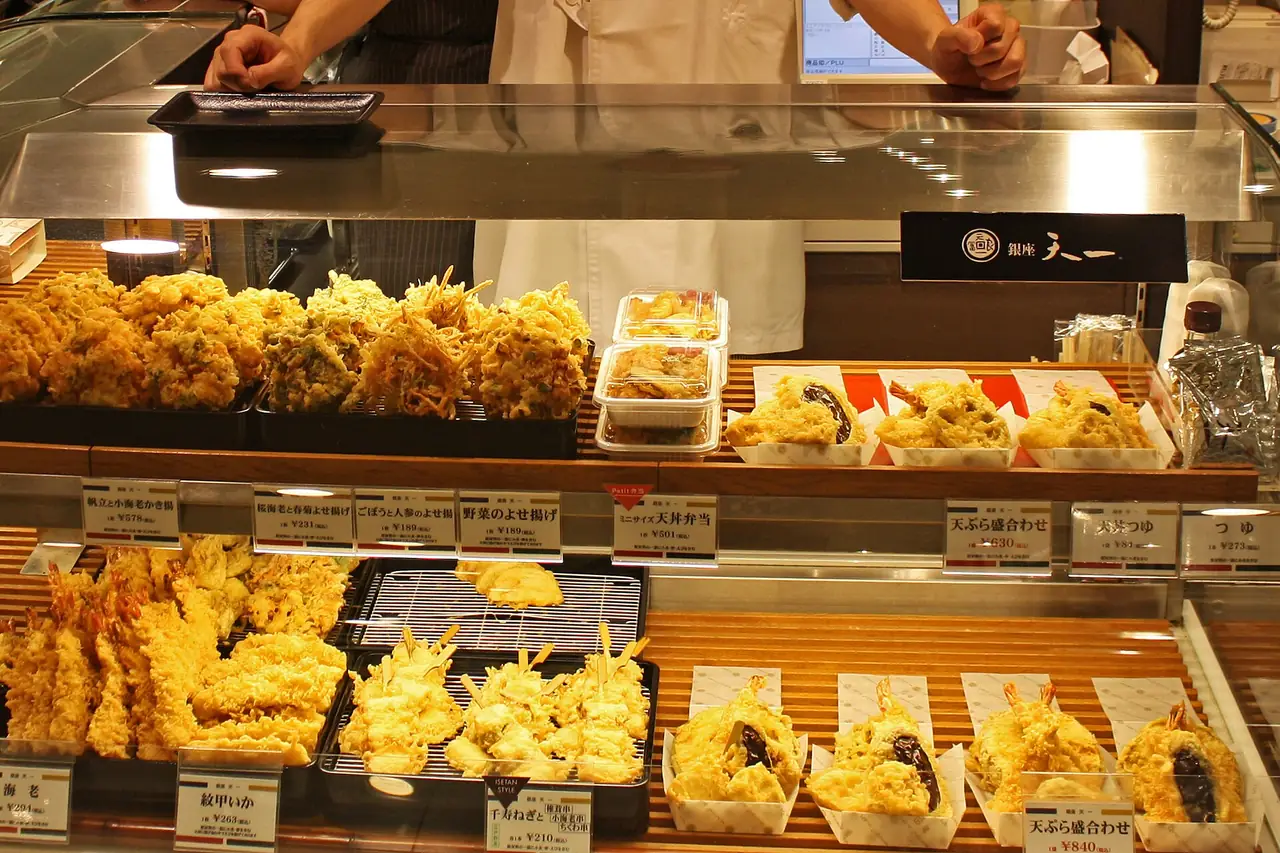
Most tourists never see this part of Tokyo. Rain pushes you into it, and then you see why locals use these spaces all the time. For more on how the city works, first-time visitor essentials covers Tokyo's infrastructure and systems.
Museums That Improve the Narrative
On a wet day we often build the route around one museum, which gives you more depth than a street walk would.
Edo-Tokyo Museum: Scale models show pre-modern Tokyo, what the city looked like before concrete and trains. Interactive exhibits run from the Edo period through the modern rebuilding. A typical visit takes 2-3 hours.
Tokyo National Museum: Japan's largest museum, with ceramics, textiles and historical artifacts shown in their cultural context. It pairs well with temple visits because it explains what you're looking at.
Mori Art Museum: Contemporary art on the 53rd floor of Roppongi Hills, where the weather hardly matters. You can combine it with the Tokyo City View observation deck on the 52nd floor.
teamLab Borderless/Planets: Digital art installations, fully indoors and built around the senses. With no outdoor distractions, it works even better on a rainy day.
A museum takes at least 1-2 hours, and 2-3 if you don't want to rush. That changes the pacing, since one museum replaces several shorter outdoor stops.
You do give something up. Outdoor temples show you architecture and garden design in place. Museums give you historical depth and a close look at artifacts. We like both, and we'd still pick the temple on a dry day.
Transportation in Tokyo Rain
Tokyo's train platforms vary in how exposed they are. The JR Yamanote Line uses outdoor platforms with canopies, covered overhead but open at the sides. Tokyo Metro subway platforms are fully covered, either underground or inside enclosed structures above ground.
When it rains, guides lean toward subway stations and avoid outdoor transfers:
-
Shinjuku JR (outdoor platform) → Shinjuku-sanchome subway (covered)
-
Harajuku JR → switch to Meiji-jingumae subway entrance
Taxi segments replace outdoor walking:
Harajuku to Shibuya: Usually a 15-minute walk along Meiji-dori. In rain it becomes a 10-15 minute taxi ride costing roughly ¥1,000-1,500.
Taxis are paid by you. Guides use them selectively, for the stretches where walking in the rain makes no sense, not for the whole day. For typical walking distances, how much walking to expect covers the standard routes.
Taxi availability varies by location:
Central areas (Shibuya, Shinjuku, Roppongi): Lots of taxis. Easy to hail on the street or find at a stand.
Eastern areas (Asakusa, Yanaka): Fewer taxis on the street. Station taxi stands are still reliable, but cruising taxis are less common.
Rain pushes up taxi demand everywhere, so they're harder to find wherever you are. If staying near covered stations matters for your trip, hotel location considerations covers neighborhoods that cope well with rain.
The Tour-or-Reschedule Decision Matrix
| Tour in Rain | Reschedule |
|---|---|
| Limited Tokyo days (rainy tour beats no tour) | Schedule flexibility exists in Tokyo |
| Curious about indoor Tokyo culture | Outdoor shrines/parks were primary booking reason |
| Tour is late in trip (outdoor sights already seen) | Forecast shows extreme all-day heavy rain |
| Not weather-dependent for experience quality | Very cold/wet sensitive |
With the 24-hour cancellation policy you can decide once you've seen the real forecast, instead of the 7-day projection. Tokyo forecasts are reliable 3-5 days out.
Tokyo copes with rain better than most cities, thanks to the covered stations, the underground networks and dependable taxis.
Sunny tours are still better for photographing outdoor shrines and walking through gardens. If you tour in the rain, expect a different day from the one you pictured, and a good one.
Rainy Season Planning Strategy
In Tokyo, tsuyu (rainy season) runs from early June to mid-July. It's mostly steady drizzle under gray skies, not tropical downpours, and lasts about 6-7 weeks.
If you're coming during tsuyu, plan on rain. Waiting for perfect weather may mean waiting the whole trip. For the wider seasonal picture, our Tokyo private tour planning guide covers weather through the year.
Booking strategy for rainy season:
Put your tour early in the trip. Spend a rainy day on the guided experience, with its underground networks, museums and food halls, and keep the sunny days for exploring parks and outdoor temples on your own.
If you leave the tour until late in the trip and it rains, you've also missed having the guide's knowledge for the independent days that came before. The Tokyo tour planning guide covers scheduling in more depth.
Weather unpredictability:
Tokyo forecasts are accurate 3-5 days out. Past 7 days, accuracy falls off sharply. Weather during tsuyu is especially changeable, with fronts shifting and dry spells turning up when you don't expect them.
So book around your own schedule and let the guide handle whatever weather turns up.
What You Trade vs What You Keep
Some of the day changes in rain and some of it doesn't.
| Lost in Rain | Gained in Rain | Unchanged |
|---|---|---|
| Outdoor temple grounds and shrine gardens | Underground Tokyo networks (most tourists never see these) | Guide expertise and cultural interpretation |
| Street photography (lighting, angles, spontaneous shots) | Covered shopping culture (Nakamise, department stores with guide context) | Transportation efficiency (taxis make it faster) |
| Scenic neighborhood walks (Yanaka, Daikanyama strolls) | Cozy food experiences (ramen/izakaya atmosphere enhanced) | Food culture access and explanation |
| Open-air market energy (Ameya-Yokocho crowd dynamics) | Museum depth (Edo-Tokyo Museum, teamLab immersion) | Customization and flexibility |
| Zero-planning experience |
It isn't an even trade. Outdoor shrines in sunshine look better than anything a rainy tour can offer. A rainy tour, though, shows you the indoor Tokyo that sunny-day visitors walk straight past.
Frequently Asked Questions
Do tours get cancelled for rain?
No. Tours go ahead unless there's a typhoon or other dangerous weather. Light to moderate rain is normal in Tokyo, so guides switch to covered options and the day carries on.
What if it rains on my outdoor itinerary?
Guides adjust as they go. A shrine visit turns into a museum visit, a neighborhood walk into time in the underground shopping streets, a food tour into covered markets and restaurant interiors. Your guide makes the switch, so you don't have to replan the day.
Should I bring rain gear?
For touring, a compact rain jacket beats an umbrella: your hands stay free and you get through crowds more easily. Guides usually carry spare umbrellas anyway. Waterproof shoes or shoe covers help in heavy rain.
What's different about rainy-day Tokyo?
You find Tokyo's underground: connected station complexes, department store basements (depachika), covered shopping arcades. The big attractions are less crowded on rainy days. The mood changes too. Izakayas feel cozier, and neon reflects off the wet streets.
Is rain more common at certain times?
Rainy season (tsuyu) runs mid-June to mid-July with frequent drizzle. Typhoon season (August-October) brings the odd heavy storm. Spring and fall get occasional rain, and winter is usually dry. Check the forecast, but don't cancel a booking over the chance of rain.
Where Hinomaru One Fits
People book private tours for two main reasons: to avoid the stress of planning, or to get cultural depth they couldn't find on their own.
Hinomaru One suits the first group well. If you're arriving with limited time, unsure about getting around, or traveling with family members who have different mobility needs, a day you don't have to plan takes a lot of hassle away. Your guide handles the logistics, adjusts the pace during the tour, and redraws the route when rain shows up in the forecast.
It also suits travelers who want things explained as they go. Our guides have advanced academic backgrounds and talk about Tokyo's urban development, food culture and neighborhood history as background that makes sense of what you're seeing. That counts for more in the rain, when depachika tasting turns into a lesson about ingredients and underground shopping into one about how the city is built.
It isn't for everyone. If you'd rather explore on your own with the odd restaurant tip, or you're comfortable with Tokyo's trains and reading maps, a private guide adds little. Budget travelers will do better with public transit and a guidebook. Large groups (6+) often find the pacing hard going, since it's built for families of 2-4.
On rain in particular, our flexibility helps when the weather turns. Guides switch to covered routes without asking you to approve each change. It's a convenience, and a rainy tour is still worse than a sunny one for shrine photography and outdoor markets.
What Hinomaru One Provides
| Included | Details |
|---|---|
| Rain gear | Umbrellas and ponchos provided |
| Taxi coordination | Guide calls taxis for strategic segments |
| Mid-tour flexibility | Cafe breaks, shortened routes, or early end if uncomfortable |
| Route redesign | Guide contacts you 24-48 hours before when heavy rain forecasted |
| NOT Included | Why |
|---|---|
| Full-day taxi service | Too expensive |
| Personal waterproof boots or rain jackets | Bring your own |
| Guaranteed museum access | Museums may be closed or fully booked |
Want to talk through rain plans for your dates? Tokyo Essentials and Infinite Tokyo both adapt well to rain, or contact us about a custom route that stays mostly indoors.
Photo credits
- Takeaway tempura counter in the basement food hall of a Tokyo department store: istolethetv from NYC, USA / Wikimedia Commons, CC BY 2.0, resized




.jpg)