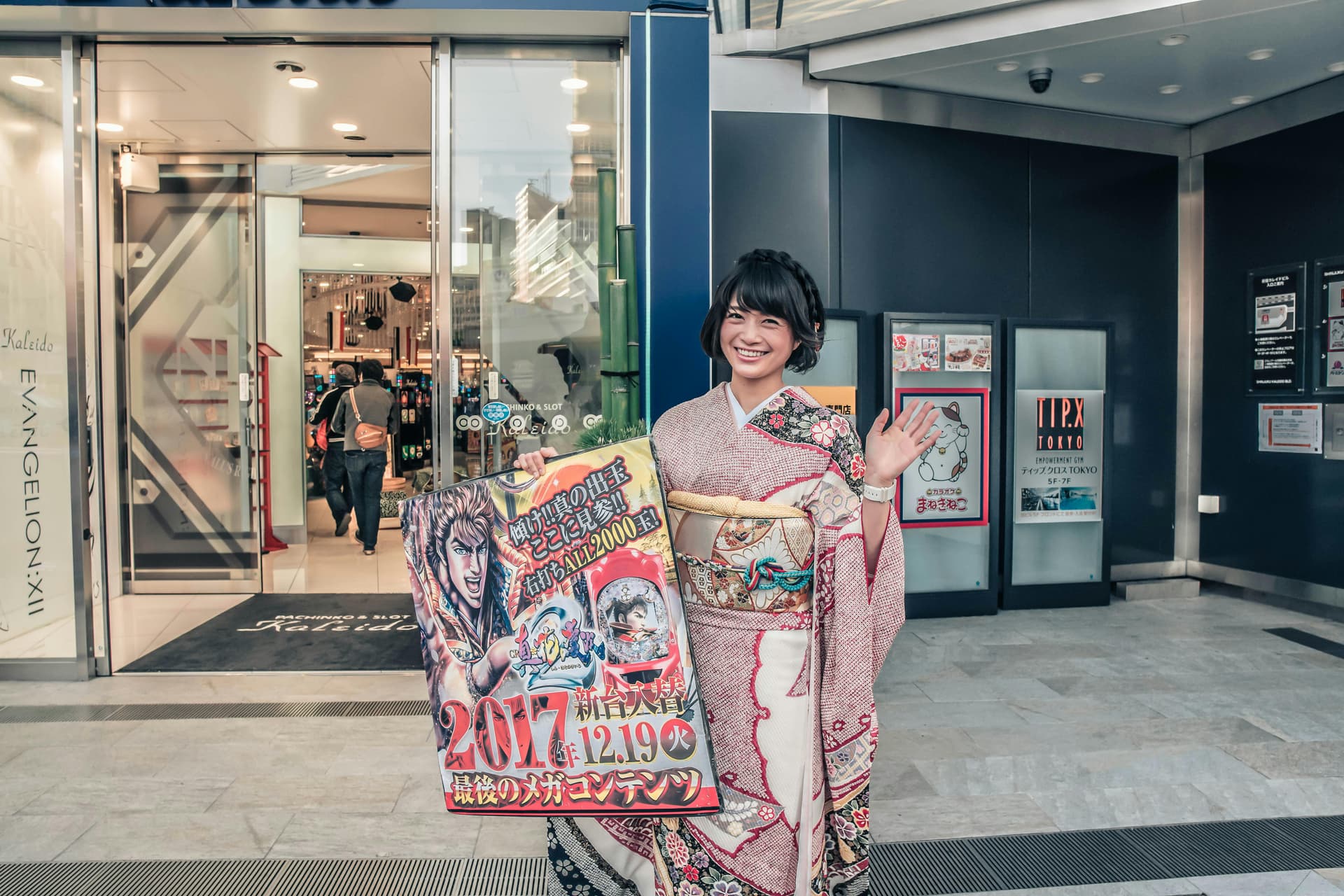
Private tours are less socially demanding than group tours — no performance for strangers, just one person who adapts to your energy.
The private guide experience in Tokyo asks less of you socially than most people expect. There are no strangers to perform for, only one person who adapts to your energy. The first 20 minutes might feel a little awkward, and then you're both busy with the city and the self-consciousness wears off.
If spending a day with a stranger is what worries you, this is how it usually goes, from the first greeting to six hours later. (If you're traveling solo and have other concerns beyond the social side, we cover considerations specific to solo travelers separately.)
The First 20 Minutes (Then It Stops Mattering)
Yes, the first 15-20 minutes can feel awkward. You're with someone you've never met, you aren't sure what's expected, and there's nowhere to hide.
What changes is where you're both looking. You stop paying attention to each other and start paying attention to the city. The awkwardness goes once you're looking at the same temple, tasting the same ramen, and working out the same station together, whether or not you "click" with your guide.
The Greeting (What Actually Happens)
Your guide arrives at your hotel lobby 10 minutes before the tour starts. Punctuality is taken seriously in Japan, so expect them to be exactly on time.
The greeting is a short bow or a handshake. A slight bow back (a 15-degree nod of the head) is respectful if you want to try one. Most guides offer foreigners a handshake because that's what they expect. It's polite and quick.
You don't have to fill the silence. The guide introduces themselves, confirms the plan, and you set off.
The Walk-and-Talk Transition
On the walk from the hotel to the station you're still very aware that you're with someone new, and the small talk feels a bit forced. You ask where they're from. They ask about your trip.
Then you get to the station, and the guide shows you which line you're taking, which exit you want, and how to read the signs. Your attention is on getting around.
By the time you're on the train, you're thinking about where you're going more than who you're with.
Why Focusing on Places Dissolves Self-Consciousness
At the first stop, whether it's a shrine, a market, or a neighborhood, the conversation moves from getting to know each other to "what am I looking at?"
The guide tells you the temple's history. You ask about the ritual. They point out details you'd have walked past.
From here the day runs on what you're doing. The arrangement is simple: they show, you look, and you ask when something catches your interest. Quiet stretches between explanations are fine while you walk and take things in, and nobody needs constant eye contact or conversation.
Why Private Tours Are Actually Easier for Introverts
Compared with a group tour, there's far less to manage socially.
| Group Tours | Private Tours | |
|---|---|---|
| Meeting strangers | 10-12 people, forced introductions | Just the guide |
| Social performance | Expected to engage with group, remember names | No performance pressure |
| Pace control | Set by consensus (chattiest/slowest person) | Adapts to your signals |
| Attention | Guide splits focus between personalities | Focused on you and the city |
| Flexibility | Must keep up with group energy | Linger, skip, or adjust as you want |
| Energy drain | Managing group dynamics + sightseeing | Just the experience itself |
No Performance for Strangers
On a group tour you meet 10-12 people you don't know. Introductions go around the circle, everyone says where they're from and why they came, and you're expected to smile, join in, and remember names.
A private tour has no group, so there's no icebreaker and nobody to perform for.
Other tourists aren't watching you either. If you want to stay longer somewhere, you stay. If you want to skip something, you skip it. You don't have to match anyone's energy or fake enthusiasm.
No Forced Icebreakers or Group Dynamics
Groups come with friction built in. Someone talks too much, someone walks too slowly, and the guide has to juggle different personalities and interests.
With a private tour, nobody needs managing. You aren't waiting for stragglers at Shibuya Crossing, and no one loud takes over the day.
Your guide isn't splitting their attention across several conversations or smoothing things over between people. Their attention stays on you and the city.
One Person Who Adapts to You
A group moves at a pace set by consensus, which in practice means the chattiest person sets the tone and the slowest walker sets the speed.
On a private tour the guide follows your signals. If you're quiet, they give you space. If you're curious, they go into more detail. If you need a break, you take one and nobody else is held up.
That's why introverted travelers often recommend private tours over groups. You get the structure and guidance without spending your energy on group dynamics.
Conversation: Optional, Not Required
The guide is there for your questions and doesn't expect you to keep talking. You talk when you're curious, and it's normal to go quiet while you take something in.
When Conversation Happens
Most conversation starts with your curiosity. You ask about the shrine's history, the guide explains, you ask a follow-up, and they answer that too.
At a ramen shop they walk you through the menu, you pick your toppings, and they tell you about the cooking style. You're talking about the food because it's in front of you.
On the train between neighborhoods you might chat about how the areas differ, or you might both look out the window. Either is fine, and you never have to make conversation for its own sake.
When Silence Is Normal (And Why)
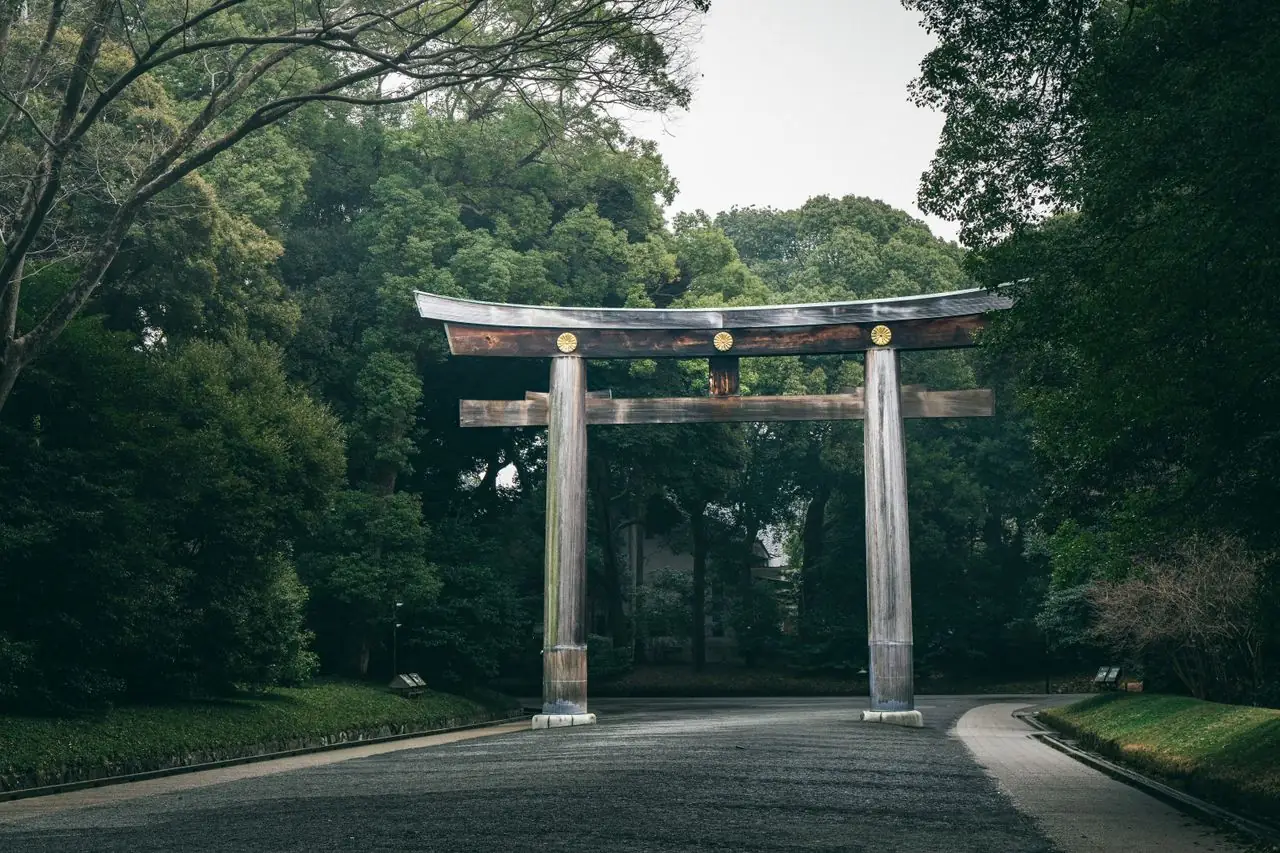
On the forest path at Meiji Jingu, silence suits the place. It's quiet and calm, and talking would break that.
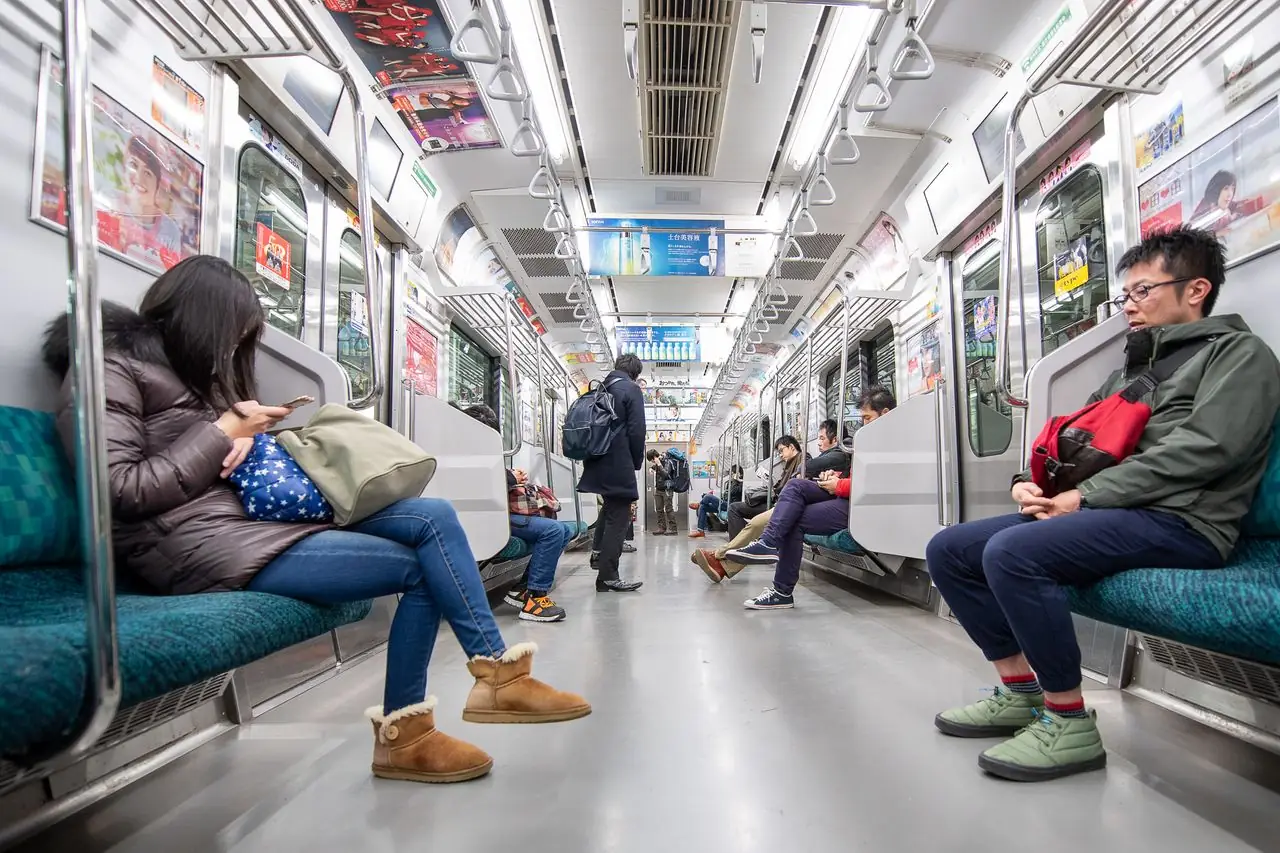
On the Metro between neighborhoods, silence is the default. Tokyo trains are quiet, locals avoid loud conversation, and the guide follows suit.
In Japan, keeping quiet in a shared space is a form of respect, and your guide grew up with that norm, so a silence on tour doesn't read as awkward to them.
If you're still taking in what you just saw, you don't need to fill the gap. The guide isn't waiting for you to.
What Guides Actually Prefer
Guides find relaxed, natural guests easier to work with than guests forcing themselves to be cheerful.
Quiet by nature? Fine. Full of questions? Also fine. What wears everyone out is a guest who feels they have to perform enthusiasm or keep chatting when they'd rather be quiet.
You don't need to be "on" for six hours.
How Guides Read Your Energy (And Adjust)
Guides adjust to your pace, energy, and curiosity as the day goes, reading your signals instead of following a script. It helps if you know how to communicate your preferences before the tour starts, so the guide can adapt from the first stop.
| Your Energy | Guide Response | What This Looks Like |
|---|---|---|
| Quiet, processing | Scales back, gives space | Offers info when relevant, then quiet. No forced questions. |
| Curious, engaged | Opens up, shares more | Deeper stories, tangents, extra time at spots you're interested in |
| Tired, low energy | Suggests breaks, slows pace | Coffee stop, shorter walking segments, less dense itinerary |
| Energized, fast-paced | Adjusts route to fit more | Adds neighborhoods, extends time, covers more ground |
Quiet Guest → Quieter Guide
If your answers are short and the pauses are long, the guide eases off. They tell you things when they're relevant and then leave you room to think.
They won't pepper you with questions to draw you out. They let the day run at a slower pace.
Curious Guest → More Stories
If you're asking follow-ups and getting into the details, the guide opens up with more background, more specifics, and the odd tangent.
Photographing everything at Yanaka cemetery? They slow down and let you shoot. Interested in food? They spend longer at Tsukiji and tell you more about the ingredients.
What "Adapting to Your Pace" Actually Means
Walking speed is only part of it. Guides adjust to what you need as you go: a coffee when you're tired, more time at the stops you like, a bathroom break without you having to ask.
All of this happens on the day, based on how you're responding. (We cover how to communicate specific preferences before the tour separately.)
The Shopping Question (Why You Feel Obligated — And Why You Shouldn't)
Guides take you into shops to show you how things work, and good operators avoid commission arrangements. You aren't expected to buy anything.
When a guide brings you to Kappabashi (Tokyo's kitchen equipment district) or a tea shop in Nihonbashi, it's to explain Japanese craftsmanship: the types of steel, how pricing works, what locals actually buy.
If a shopkeeper starts talking to you, "just looking" or a polite smile is enough. The guide won't push. If you'd rather skip a shop altogether, say so and the tour changes around your interests.
Any sense that you ought to buy something comes from you. Your guide isn't keeping track of purchases or expecting you to buy one to be polite.
Why Tokyo Makes This Easier
Tokyo's everyday manners take a lot of the social pressure off. People keep a polite distance by default, and silence is taken as respect.
| Cultural Norm | Tokyo | New York (for comparison) |
|---|---|---|
| Public transportation | Quiet, minimal talking | Conversations common |
| Service interactions | Brief, polite, no small talk | Chattier, more personal |
| Solo dining | Celebrated (counter seating, booths) | Less common infrastructure |
| Personal space | Respected even in crowds | Closer, more contact |
| Silence | Respectful, appropriate | Can feel awkward |
| Stranger engagement | Minimal | Small talk expected |
Polite Distance Is the Cultural Default
Even on crowded Tokyo streets, people avoid bumping into each other and give each other room.
Shopkeepers are polite without dragging out the conversation. Transactions are quick and smooth, and service staff don't expect small talk.
Your private tour takes on the same low-pressure manners. Your guide isn't expecting American-style chattiness or warmth on demand.
Silence Isn't Awkward — It's Respectful
Tokyo trains are noticeably quiet. Locals avoid phone calls and loud talk, and the mood is calm.
Eating alone at a ramen shop is completely normal. At places with individual counter booths, like Ichiran, you barely interact with anyone: you order on a form, eat quietly, and leave. Nobody thinks it's antisocial.
Your guide knows that silence in shared spaces is part of the culture. Walking quietly between neighborhoods or sitting quietly on the train is simply how people behave here.
Why This Works Differently Than New York
In New York people expect more social engagement. Service staff are chattier, strangers make small talk, public spaces are louder, and outgoing is the norm.
A private guide in NYC would keep up more conversation, because that's what people there expect.
The polite distance you see everywhere in Tokyo carries over to your guide. They're professional and on hand, and they don't fill every silence, because Japanese manners don't ask them to.
What If It Doesn't Work?
Personality mismatches are rare, but they happen. If your guide is low on energy, talks in a monotone, or just isn't your kind of person, the day can feel flat.
If it's early (the first hour), you can politely ask them to change their approach. If the mismatch is serious, contact the operator. (Asking the right questions before booking makes this less likely.)
Be realistic about the options. Swapping guides partway through is hard to arrange. Ending early is awkward but possible, and most operators will work with you if there's a real problem.
If you just need some headspace partway through, say so: "I need a few minutes to process. Is there a park or quiet spot nearby?" Guides are used to people's energy going up and down.
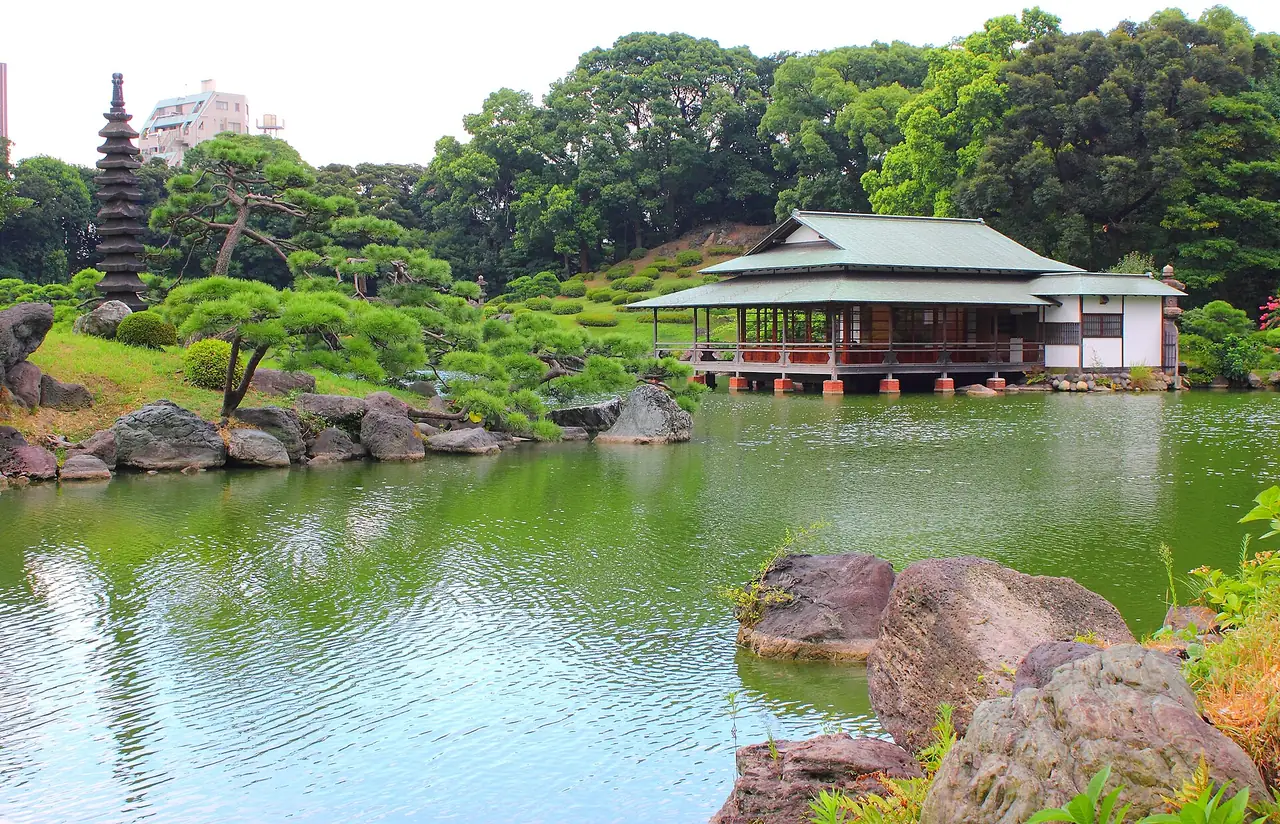
Knowing you can leave early can ease the fear of being stuck, even though most people never come close to using it.
Who This Actually Works For (Honest Assessment)
Private tours don't suit everyone. Some people will get a lot out of one, and some are better off exploring on their own.
Works Well If You're...
-
Curious but anxious about navigating Tokyo alone
-
Overwhelmed by planning and want structure without group pressure
-
Introverted and want social contact that doesn't ask you to perform
-
Interested in cultural background you won't find on Wikipedia
-
Willing to pay for less stress and local knowledge (if cost is your question more than the social side, we go through whether private tours are worth it in detail)
Less Ideal If You're...
-
Prefer total spontaneity with zero structure
-
Need constant alone time and find any guide interaction draining
-
Uncomfortable with any one-on-one interaction, even a professional one
-
Would rather spend the money on nicer hotels or more experiences
We also have a fuller comparison of the tradeoffs between private tours and exploring alone.
The Tipping Point
If the social side is the only thing holding you back, you now know roughly how the day goes. The first 20 minutes feel a bit awkward, and after that you're absorbed in the city. You can talk or stay quiet, and the guide adjusts to you. If you want to try it, the Tokyo Essentials tour is a comfortable six-hour introduction to private touring, and the Timeless Tokyo tour gives you eight hours with more history and culture.
Read this far and thinking "okay, I could handle that"? You probably can. Next, work out which type of tour matches your interests and energy level.
Thinking "even that sounds exhausting"? Exploring on your own or with an audio guide might suit you better. You could also look at whether a half-day tour would be less tiring than a full day.
Frequently Asked Questions
What is it like touring with a private guide for the first time?
The first 15-20 minutes can feel awkward, because you're with a stranger and not sure what's expected. Once you start paying attention to the city instead of each other, the self-consciousness goes. Your guide meets you in your hotel lobby, confirms the plan, and you set off. By the first stop the small talk has turned into "what am I looking at?", and most people have stopped thinking of it as a "tour" by lunch.
Are private tours awkward for introverts?
Private tours are easier for introverts than group tours. There are no icebreakers, no introductions to 10-12 strangers, and no group energy to keep up with. A good guide reads you: if you're quiet, they give you space, and if you're curious, they go into more detail. Silence between explanations is normal in Tokyo, where people keep quiet in shared spaces.
Do I have to talk the whole time on a private tour?
No. You talk when you're curious and go quiet when you're taking something in. On the forest path at Meiji Jingu, silence suits the place. On the train between neighborhoods you can chat or look out the window. Guides find relaxed, natural guests easier to work with than guests forcing cheerfulness, so you don't need to be "on" for six hours.
How does a private guide adjust to my pace and energy?
Guides adjust as the day goes, based on your signals. Quiet guests get room to think, with information offered when it's relevant. Curious guests get more stories and tangents. Tired guests get coffee breaks and shorter walks, and guests with energy to spare get extra neighborhoods and more time. The guide adjusts the pace, how much they talk, and the itinerary itself, along with how fast you walk.
What if I don't get along with my private tour guide?
Personality mismatches are rare, but they happen. Early in the tour (the first hour), you can politely ask the guide to change their approach. If it's serious, contact the operator; most will work with you. Asking the right questions before booking, about the guide's personality, the consultation process, and how guides are matched, makes a mismatch much less likely. You can also ask for a quiet spot partway through if you need a break.
Where Hinomaru One Fits
Our guides adjust to your energy from the first stop, giving quiet guests room to think and curious guests more stories. A consultation before the tour lets you tell us your preferences before you meet, so the first few minutes are easier, and the rest of the day goes at your own pace.
At Hinomaru One, we plan culturally rich, relaxed private Tokyo tours for first-time and returning travelers, at an unhurried pace and customized every time.
Photo credits
- Calm pond and lakeside teahouse at Kiyosumi Teien garden in Koto, Tokyo: Kakidai / Wikimedia Commons, CC BY-SA 4.0, resized