
Understand how tipping works in Japan and what it means for private guides and travelers.
Do you tip tour guides in Japan? Usually not. The no-tipping rule covers restaurants, taxis, and hotels, but a private guide who spends 6-8 hours with you is the exception.
Do You Tip Tour Guides in Japan?
Tipping isn't customary in Japan, but private tour guides are the exception. The no-tipping norm covers restaurants, taxis, and hotels, and a guide who spends 6-8 hours with you personally is a different case. A tip is never required, though it's appreciated for exceptional service. Most Western travelers tip ¥5,000-10,000 for a full-day tour.
Find the right amount for your situation:
Why Japan's No-Tipping Culture Exists
In Japanese service culture, doing the job well is part of the job and doesn't call for extra payment. Restaurant servers, taxi drivers, and hotel staff are paid to do good work. A tip suggests either that their salary is too low, which insults their employer, or that their usual service isn't good enough, which insults them.
That logic fits situations where:
-
The service is a simple transaction (a meal, a taxi ride)
-
The provider serves hundreds of customers and has no personal relationship with you
-
The price is fixed and clear
-
The interaction is short
Why Private Tour Guides Are Different
Your guide spends hours with you, shapes the day around your interests, and shares their own knowledge and stories. You get to know each other over the day.
The time is long, too: eight hours of attention, compared with thirty minutes of someone serving food.
The expertise is specialized. Your guide has advanced degrees, years of local knowledge, languages, and a deep understanding of the culture. That's what you're paying for on a dedicated private tour.
Most of their clients are Western tourists. Guides who work with international visitors know Western tipping habits and aren't confused or insulted by a tip.
Many guides expect tips from Western clients, though they don't ask for them. When the clients are international, gratuities are part of the industry norm. Guides who mostly work with Western tourists are used to tips and usually accept them, and they stay optional.
Should You Tip Your Tour Guide in Japan?
A tip isn't required, but it's appreciated when the service was exceptional. If your tour company builds guide fees into the upfront price, the guide is already fairly paid. Many clients tip when the guide went well past expectations or made the day personal in a real way.
If you book with a company that builds guide fees into the upfront price, the guide is already fairly paid. Nobody expects you to tip, and the guide won't think less of you if you don't. Our tour pricing guide breaks down what's usually included.
Many clients tip anyway when:
-
The guide went well past expectations
-
The day felt personal and exceptional
-
The guide adjusted to needs or changes nobody planned for
-
They want to say thank you
We'd call it a thank-you for exceptional personal service. The word "tip" carries an obligation that isn't there.
How Much Should You Tip a Tour Guide in Japan?
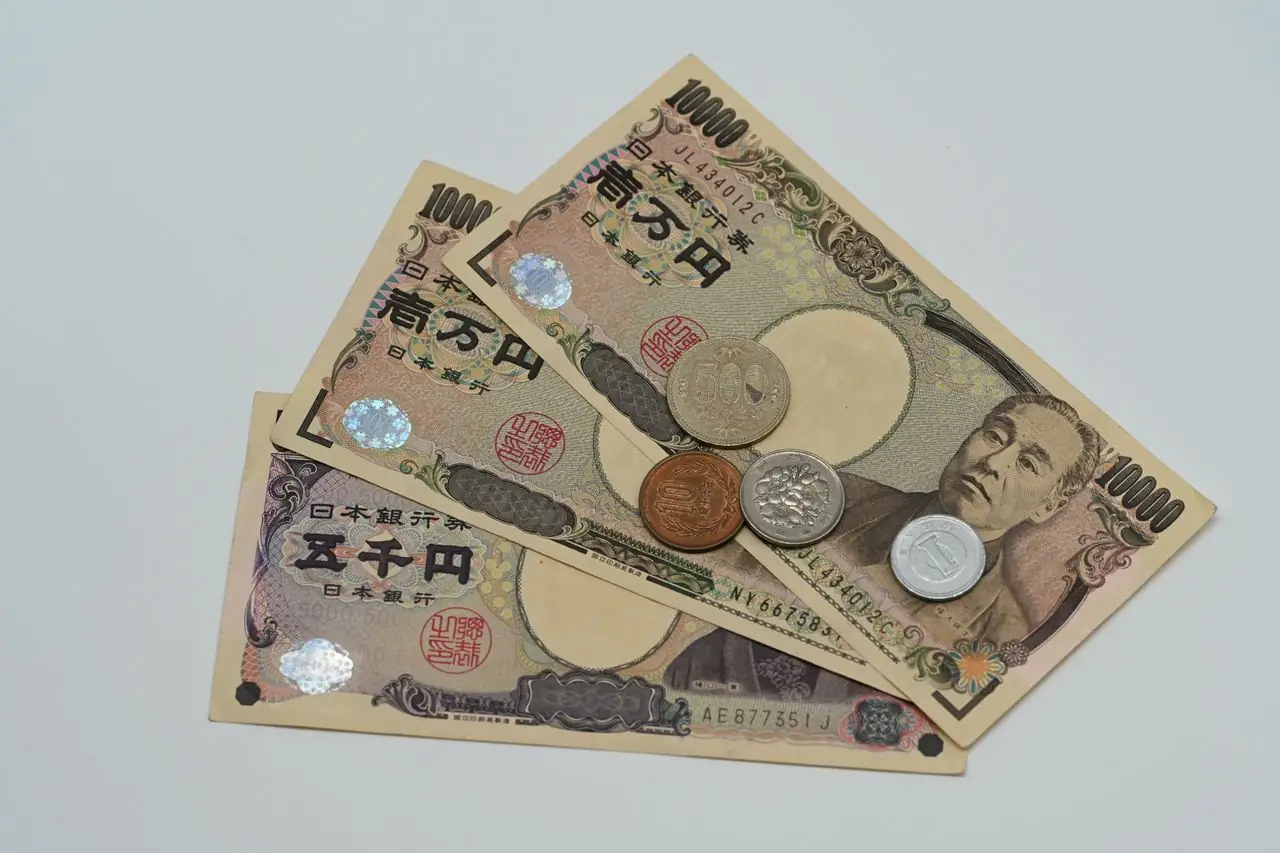
For a full-day tour (6-8 hours), the usual range is ¥5,000-10,000 ($35-70) per group. For a half-day tour, ¥3,000-5,000 ($20-35). That's per group, not per person, so a family of four doesn't multiply it by four. It's a thank-you for exceptional service and never an obligation.
| Tour Length | Typical Range | USD Equivalent |
|---|---|---|
| Half-day (4 hours) | ¥3,000-5,000 | $20-35 |
| Full-day (8 hours) | ¥5,000-10,000 | $35-70 |
| Multi-day tours | ¥5,000-10,000 per day | $35-70 per day |
Treat these as rough guidelines. Some travelers tip more for exceptional service, and others tip less or nothing. Any of those is fine.
Tipping on multi-day tours. If you have the same guide for several days, you can tip a smaller amount at the end of each day or give one tip at the end of the last day for the whole trip. Most travelers prefer the single tip at the end, since it feels less transactional and lets you go by the trip as a whole. For a 3-day tour with exceptional service, ¥15,000-25,000 in total is generous.
Group tipping math: a family of four after an exceptional full day can give ¥10,000 in total (¥2,500 per person), which is a generous thank-you. You don't multiply ¥10,000 by four.
How Do You Give a Tip to a Tour Guide in Japan?
Put the cash in a clean envelope rather than handing over bills. At the end of the tour, offer the envelope with both hands and a simple "Thank you for today." In Japanese: "Kyō wa arigatō gozaimashita. Kore wa kimochi desu." The envelope turns a payment into a considered gesture.
In Japan, handing someone cash directly comes across as crude.
The proper method:
-
Put the cash in an envelope. Hotel front desks have small ones, and any convenience store sells them. Plain white is fine.
-
Hand over the envelope, never loose bills. It shows respect and that you thought about it.
-
Offer it with both hands and a slight bow.
-
Say something like: "Thank you so much for today. This is a small token of our appreciation." In Japanese: "Kyō wa arigatō gozaimashita. Kore wa kimochi desu."
-
Do it at the end, when you're saying goodbye. Not at the start, and not halfway through.
The envelope turns "here's some money" into a thank-you, and your guide won't feel awkward taking it.
When NOT to Tip
The tour was fine but nothing special. If the guide delivered what was promised, competently, without going further, it's perfectly fine not to tip.
You already paid a premium price. On a very expensive tour where the guide fee is clearly substantial, nobody expects an extra tip.
The guide was disappointing. No tip, obviously, and you should tell the tour company too.
Your budget is tight. A sincere thank-you and a good review are worth a lot. Don't worry about tipping if money really is tight.
The tour company has a no-tipping policy. Some companies ask you not to tip. Go along with it.
Group Tours vs Private Tours: Different Tipping Norms
What's expected depends a lot on the kind of tour you booked.
Large group tours (10+ people). EF Tours, Cosmos, and other organized group operators often put tipping guidelines in their pre-trip materials, and some build gratuities into the price. If your company hasn't said anything, the usual range for international group tours in Japan is ¥2,000-3,000 per day for the tour leader and ¥1,000-2,000 per day for the bus driver.
Small group tours (2-8 people). These fall between group and private tours, and the norms depend on the operator, so check whether the company suggests a gratuity. If it doesn't, ¥3,000-5,000 per group for a full day is right for exceptional service.
Private tours. This is where the advice on this page applies most. Your guide spent the whole day on your group alone, and ¥5,000-10,000 for a full day is the usual range, as above.
Booked through Viator, TripAdvisor, or GetYourGuide? The etiquette is the same whatever platform you used. These platforms don't include gratuities in their prices, and your guide does the same work whether you booked directly or through a marketplace. Tip on the experience.
Tipping Bus Drivers and Private Car Drivers in Japan
Bus drivers on group tours. International tour companies usually recommend ¥1,000-2,000 per day for the driver, who handles the logistics, Tokyo's difficult traffic, and the luggage. That's a different job from the guide's and just as useful. Some packages include driver gratuities, so check your booking confirmation.
Private car drivers. If your private tour has a dedicated driver as well as the walking guide, the driver is often tipped separately, usually ¥2,000-3,000 for a full day. The driver does airport transfers, gets you between places, and waits while you're at each stop. Private car tours take a lot of coordinating.
Combined guide-driver. When one person drives and guides, tip as you would a guide (¥5,000-10,000 for a full day). Doing both is harder work.
Alternatives to Cash Tips
| Alternative | What It Does | Value to Guide |
|---|---|---|
| Written reviews | TripAdvisor, Google, website posts | Brings in future bookings |
| Company compliments | Email detailed praise to the tour company | Affects bonuses and recognition |
| Small gifts | Regional snacks or specialties from your home country | A thoughtful, culturally familiar gesture |
| Referrals | Recommend the guide by name to others visiting Tokyo | Direct business |
| Social media posts | Tag the company/guide on Instagram or Facebook | Marketing and visibility |
None of these does what cash does right away, but they help a guide's career over the long run.
How Hinomaru One Handles This
Our tour prices include fair pay for the guide, so you aren't topping up a low wage.
Tips are never required. Your guide won't think less of you if you don't tip, because the tour price already covers their time and expertise.
If you want to say thank you for exceptional service, your guide will accept a tip gratefully, presented properly in an envelope.
Reviews matter more to us. An honest review helps future travelers decide and helps us get better, and over time it's worth more than a cash tip.
We'll never prompt you. Our guides won't bring up tipping or hint at it, and you shouldn't feel any pressure. If you want to tip, you will, and if you don't, that's completely fine.
The Cultural Nuance: The "Omiyage" Approach
If a cash tip feels awkward, or you'd like something else, try the Japanese custom of gift-giving (omiyage).
Bring small food items from home, like regional chocolates, specialty snacks, or local coffee, and give them the same way: both hands, with thanks, at the end of the tour.
Japanese guides are comfortable with this. It shows you thought about it, and it avoids the feeling of a transaction that puts some people off cash tips. What it cost matters much less than the gesture.
What to Expect After the Tour Ends
Your relationship with your guide doesn't have to end with the tour, and what guides offer afterwards is often worth more than any tip. For the full picture, see what to expect on tour day.
Recommendations for the rest of your trip. Guides give you suggestions for your own plans: restaurant names in the neighborhoods you're visiting, which exits to use at the complicated stations, where to find things you mentioned wanting. Instead of a generic "try Tsukiji," expect something like "go to this counter at Tsukiji at 9:30 AM, order the chu-toro set, and skip the stalls aimed at tourists."
Rebooking with the same guide. If you got on well, you can ask for the same guide on other days. Most tour companies can arrange it when schedules line up. Some travelers book one day first, then add more days once they've seen how the guide works. Customizing your tour this way gives you the same guide across several days.
Photos from the tour. Many guides take photos during the day and send them afterwards, sometimes within hours. Not every guide does, but enough do that it's worth asking. They're candid shots, usually of moments you were too busy enjoying to notice.
The Practical Middle Ground
Most experienced travelers do something like this:
Good tour, met expectations: a sincere thank-you, plus a good review if you have time
Excellent tour, exceeded expectations: an envelope with ¥5,000-10,000, plus a good review
Exceptional tour, guide went far above and beyond: an envelope with ¥10,000+, a detailed review, and enthusiastic referrals
If you haven't booked yet, our guided experiences are built around that kind of personal connection.
The Bottom Line
Japan's no-tipping culture covers restaurants, taxis, hotels, and most other service.
It fits less neatly for private tour guides: they spend hours with you personally, mostly work with international tourists, and bring real expertise and customization.
So for tour guides, a tip isn't required or expected, and it's appreciated when you offer it for exceptional service. Present it properly, in an envelope with both hands. ¥5,000-10,000 is the usual range for a full day, and a review or referral is worth as much.
If you're unsure, a sincere thank-you, a thoughtful review, and recommending your guide to friends are always appropriate and always welcome.
For tipping everywhere else in Tokyo (restaurants, taxis, hotels), see our complete Tokyo tipping guide.
Frequently Asked Questions
Should I tip my tour guide in Japan?
Japan's service culture doesn't expect tips, but private tour guides are a gray area. They aren't offended by a tip, especially from international clients, and exceptional service deserves to be recognized. You don't have to, but a tip offered the right way is appreciated.
How much should I tip a Tokyo tour guide?
For a full-day tour (6-8 hours) with exceptional service, ¥5,000-10,000 ($35-70). For a half-day tour, ¥3,000-5,000 ($20-35). That's per group, not per person, and it's a guideline for excellent service, not an obligation.
How do I give the tip?
Put the cash in a clean envelope and hand it to your guide with both hands at the end of the tour. A simple "Thank you for today" is enough, and there's no need to make a show of it. The envelope signals respect, while handing over cash directly can feel transactional.
What if I don't have an envelope?
A folded piece of paper works. The point is presentation, showing you thought about it instead of pulling bills out of your wallet. Any clean, respectful way of handing it over is fine.
Are there other ways to thank my guide?
Yes, and they count just as much: a detailed review on Google or the booking platform, referrals to friends planning a Tokyo trip, and a sincere thank-you that mentions specific moments you enjoyed. Guides remember clients who say thanks and mean it.
Do you tip bus drivers on group tours in Japan?
The same principle applies to bus drivers on organized group tours. Tipping isn't expected in Japan, but international tour companies often suggest ¥1,000-2,000 per day for drivers and ¥2,000-3,000 per day for group tour leaders. Check your tour company's guidelines, since some include gratuities in the price.
Is it rude to tip in Japan?
At restaurants, in taxis, and at hotels, it can cause confusion. Staff may chase after you, thinking you forgot your change. Private tour guides who work with international tourists understand the gesture and appreciate it, though. Tipping your ramen chef is awkward. Thanking your guide with an envelope after 8 hours together is thoughtful.
Is the tip per person or per group?
Per group. Whether you're a couple, a family of four, or six friends, you give one tip in total. A family of four on a full-day tour giving ¥10,000 in total (about ¥2,500 per person) is a generous thank-you. Don't multiply the suggested range by the size of your group.
Do you tip tour guides booked through Viator or TripAdvisor?
Yes, the etiquette is the same. Viator, TripAdvisor, GetYourGuide, and similar platforms don't include gratuities in the price, and your guide gives you the same personal service however you booked. Tip on how good the day was.
Do you tip ski guides, activity guides, or porters in Japan?
Ski guides, kayak instructors, and other activity guides follow much the same norms as tour guides: no tip is expected, but one is appreciated for exceptional service. For a full-day ski guide, ¥3,000-5,000 is appropriate. Hotel porters in Japan don't expect tips, and a polite thank-you is enough. On an organized activity tour, check whether the operator already includes gratuities.
Where Hinomaru One Fits
Our guides are paid fairly through the tour price, so nobody expects a tip. When clients want to thank a guide for exceptional service, the guide accepts gratefully if it comes in an envelope. We'd most like you to finish the day feeling it was time well spent, without worrying about whether you tipped correctly.
Photo credits
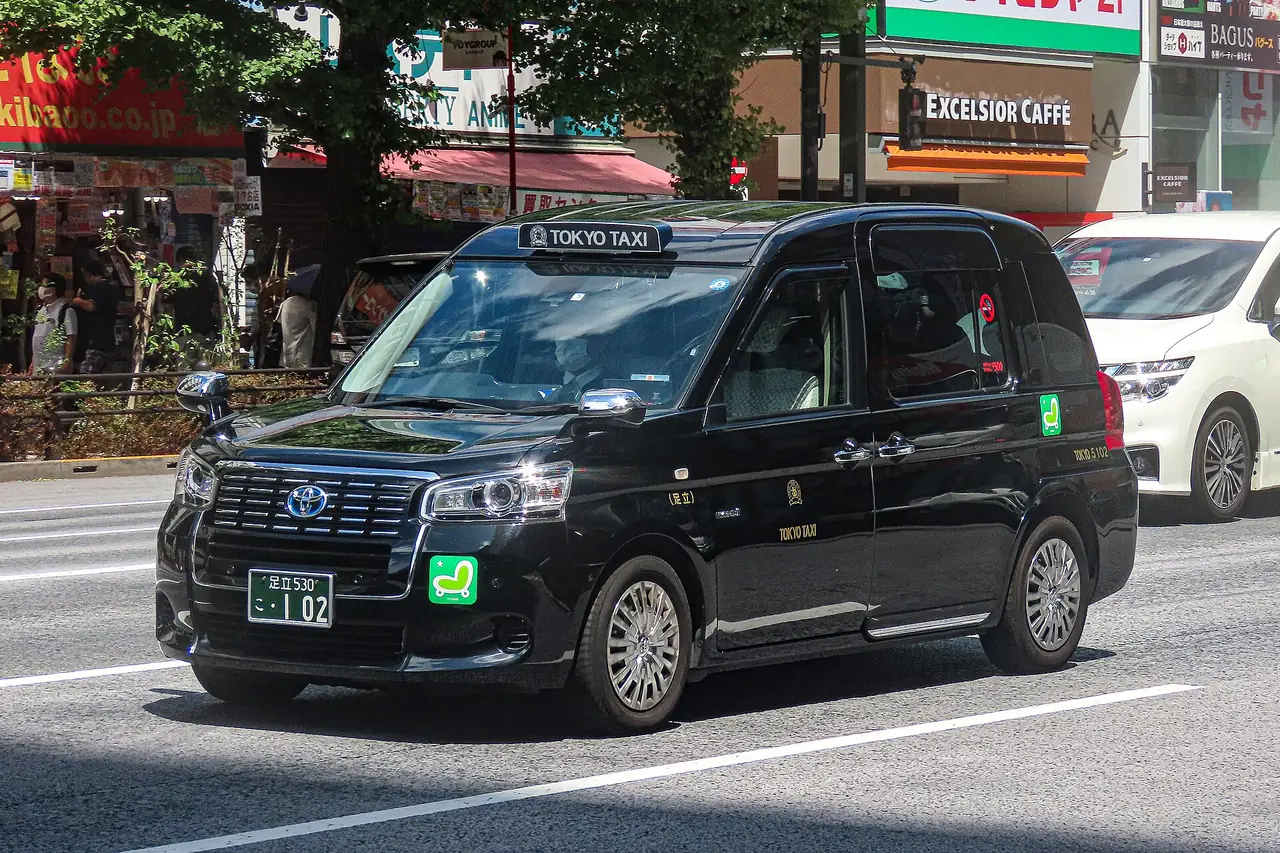
- Black Toyota JPN Taxi cab driving along a Tokyo street: N509FZ / Wikimedia Commons, CC BY-SA 4.0, resized

.jpg)