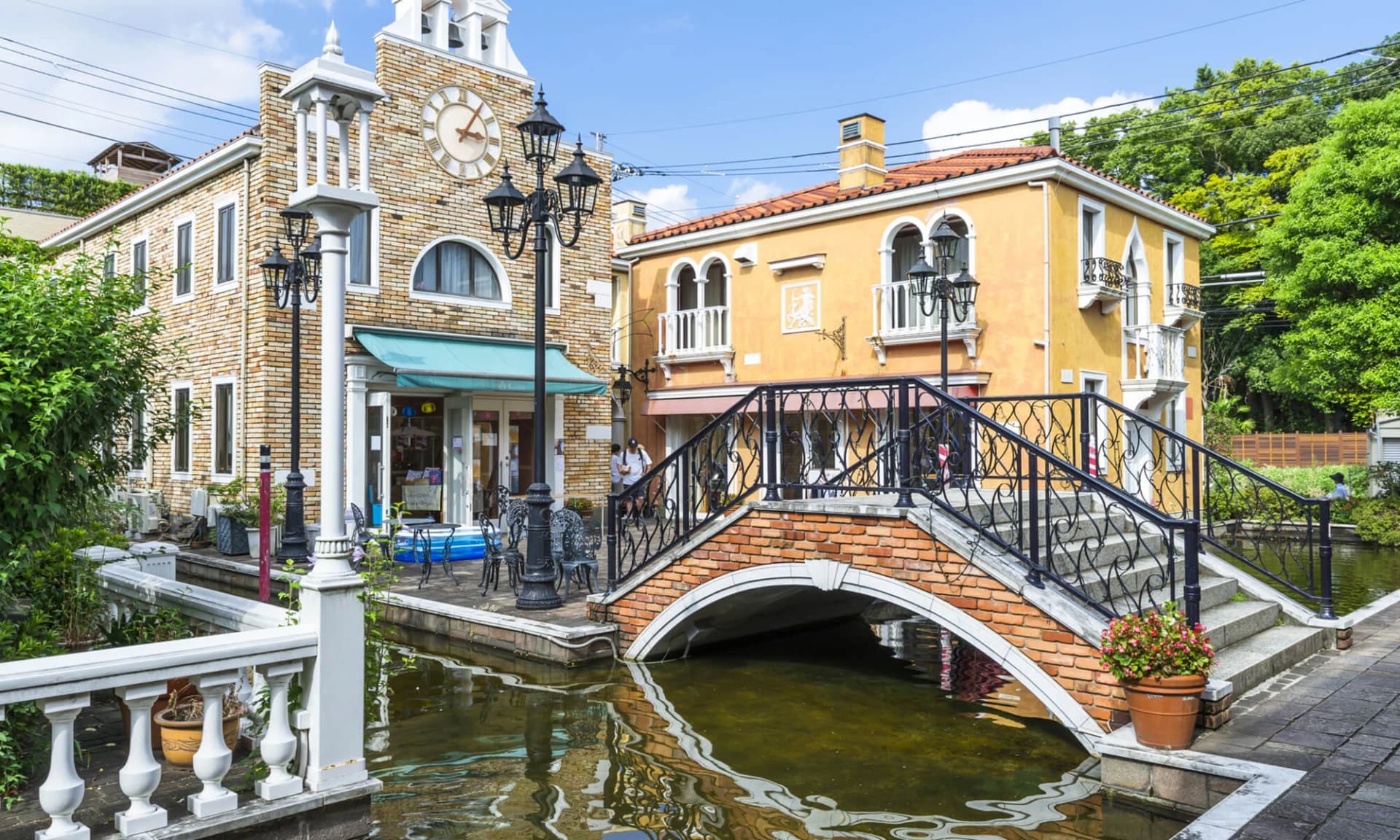
Jiyugaoka sits about sixteen minutes south of Shibuya on the Tokyu Toyoko Line, in the residential overlap between Meguro and Setagaya wards. It has spent ninety years building a reputation around one thing: French-style sweets. The neighborhood's identity traces back to a single patisserie that opened in 1933 and introduced the mont-blanc cake to Japan. That one shop seeded a culture. Today, Jiyugaoka has more patisseries per block than almost anywhere else in Tokyo, and the streets connecting them are lined with boutiques, cafes, and specialty shops that give the area a distinctly European feel, one that grew organically rather than being designed.
This is not a tourist neighborhood. You won't find it in most English-language guidebooks, and the crowd on any given afternoon is almost entirely Japanese, predominantly women in their twenties to forties, though the quality of the food draws serious eaters from across the city. The pace is slow. People come to eat a specific cake they've been thinking about all week, browse a few shops, sit in a cafe for an hour, and leave. There's no must-see attraction. The neighborhood itself is the attraction.
If you've already visited Daikanyama or Nakameguro, Jiyugaoka sits on the same Toyoko Line and makes a natural companion. But where Daikanyama is design and books, and Nakameguro is the canal and coffee, Jiyugaoka is sweets. That's the pitch. If pastry matters to you at all, this is the neighborhood.
What Jiyugaoka Actually Is
The story starts with a man named Sakota Chimaō, a Japanese confectionery artisan who trained in France and Switzerland in the early twentieth century. During a visit to Chamonix, he became taken with the Mont Blanc mountain and the chestnut-cream dessert named after it. In 1933, he opened a Western-style patisserie called Mont Blanc. It wasn't originally in Jiyugaoka. The first location was in Mitani-chō, near present-day Gakugei Daigaku Station, but wartime evacuation forced a closure, and when Sakota reopened after the war, he chose Jiyugaoka. The shop has been here ever since, now in its third generation under Sakota Naoyuki, and it has defined the neighborhood's identity for decades.
What happened next was gradual but cumulative. Other patisseries followed. Pastry chefs who trained in Paris and Lyon opened their own shops in Jiyugaoka because the customers were already there, women from the surrounding residential neighborhoods who had developed a taste for French-style cakes and tarts. By the 1990s and 2000s, world-class pâtissiers like Tsujiguchi Hironobu (Mont St. Clair) and Kaneko Yoshiaki (Pâtisserie Paris S'éveille) had set up flagship shops in the area. The concentration created a feedback loop: more patisseries attracted more customers, which attracted more patisseries.
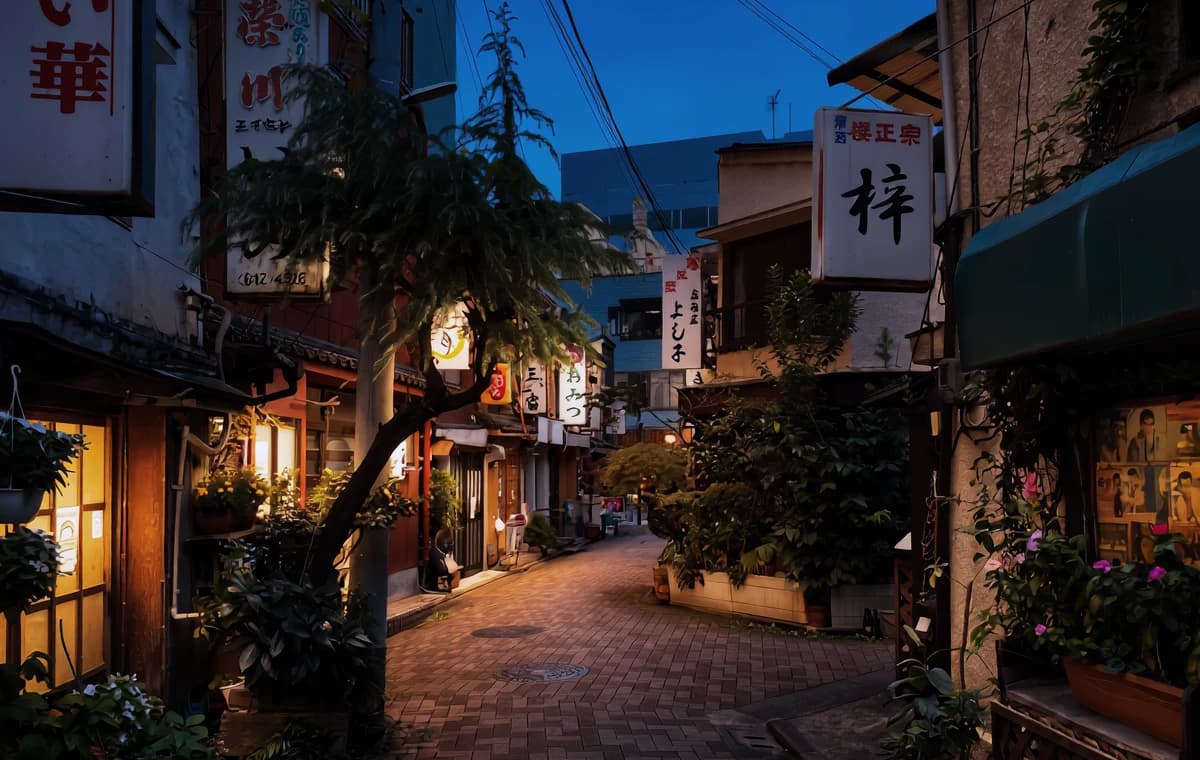
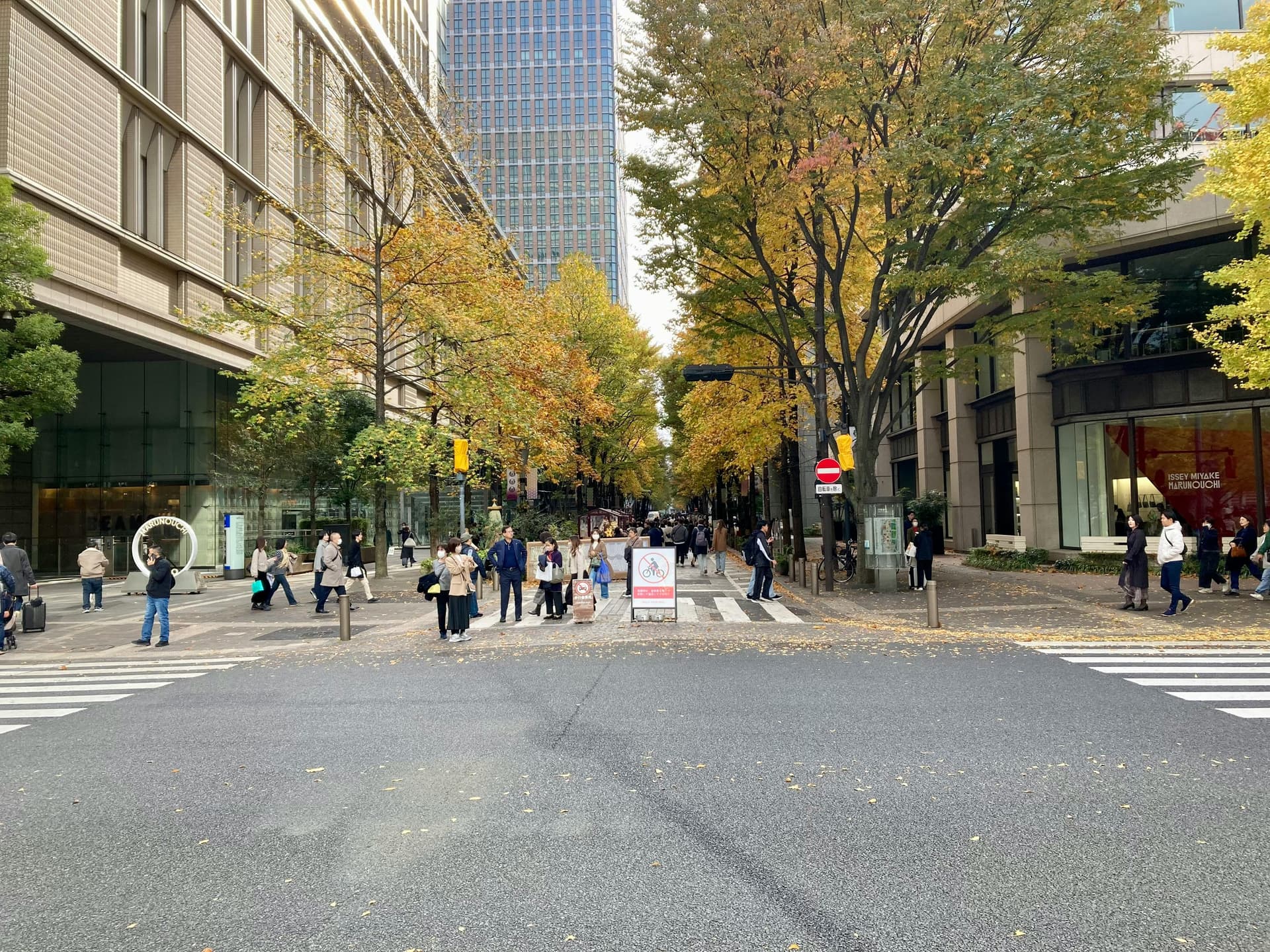
Today Jiyugaoka calls itself a "sweets town," and the label is accurate. The neighborhood has dozens of specialist pastry shops, chocolate boutiques, and dessert cafes packed into a compact area you can walk in thirty minutes. The streets reinforce the theme. Marie Claire Street (マリクレール通り), the main shopping avenue south of the station, is tree-lined and pedestrian-friendly, with European-style storefronts. La Vita, a small Venetian-themed complex with a canal, bridge, and gondola, sits a few minutes from the station and functions as the neighborhood's most photographed spot, though locals walk past it without a second look.
The crowd here is different from Daikanyama. Daikanyama attracts creative professionals in their thirties and forties, people who browse architecture books and drink single-origin coffee. Jiyugaoka draws a younger, more female-skewing audience, and the energy is lighter, more indulgent. People come here specifically to eat cake. They plan their visit around a particular patisserie's seasonal menu. It's a neighborhood built on precision and pleasure, which makes it one of the most genuinely enjoyable half-days you can spend in Tokyo.
The Mont-Blanc Pilgrimage
If you know nothing else about Jiyugaoka, know this: Japan's mont-blanc culture started here. The dessert itself, a dome of piped chestnut cream over sponge cake and whipped cream, originated in the cafes of the French and Italian Alps. The Japanese version diverges from the European original in important ways. Japanese mont-blanc typically uses a finer, silkier chestnut paste, often made from domestic Japanese chestnuts (kuri) rather than the marrons glacés common in France. The piping is thinner, the sweetness more restrained, and the texture lighter. If you've only had mont-blanc in Paris, the Jiyugaoka version will feel like a different dessert entirely. It is.
The original Mont Blanc restaurant (モンブラン) relocated to a new building in Jiyugaoka in February 2023 and is still very much open. The new space has been described as museum-like, a deliberate upgrade from the older, more casual shop that preceded it. Their signature mont-blanc uses the recipe that has been refined over three generations, and it remains the essential starting point for anyone interested in the dessert's history. A single mont-blanc runs around ¥700 to ¥900. The shop also sells a full range of Western-style cakes, but the mont-blanc is why you're here, and the staff know it.
The original shop inspired imitators, and several mont-blanc specialists now operate in and around Jiyugaoka. The broader mont-blanc boom in Japan, which has produced dedicated mont-blanc shops across Tokyo in recent years, traces its lineage directly to this neighborhood. Seasonal variations appear in autumn, when fresh Japanese chestnuts from regions like Ibaraki and Kumamoto arrive. Autumn mont-blanc at any serious Jiyugaoka patisserie is a different experience from the year-round version, richer and more aromatic, and it's the reason some locals visit every week between September and November.
Expect queues on weekends, particularly at the original Mont Blanc and at nearby patisseries during autumn chestnut season. Weekday mornings are calmer. If mont-blanc is your priority, arrive before 11 AM on a weekday, start at the original shop, and work outward from there.
Best Patisseries
Mont St. Clair (モンサンクレール) is the patisserie I'd send someone to if they could only visit one shop in Jiyugaoka. Founded by Tsujiguchi Hironobu, a pâtissier who has won multiple international confectionery competitions, it was his first standalone shop and remains his flagship. The display case at any given time holds dozens of petit gâteaux, each one constructed with the precision of a small architectural model. The cakes here lean rich and elaborate, with strong chocolate and fruit components. Tsujiguchi's background in competition pastry shows in every piece. Expect to pay ¥600 to ¥900 per petit gâteau. The shop draws consistent queues on weekends, particularly in the afternoon. Weekday mornings are manageable.
Pâtisserie Paris S'éveille (パリセヴェイユ) occupies a different register. The shop's owner-pâtissier, Kaneko Yoshiaki, trained extensively in Paris, and the style reflects it: more classical French, less flashy, with an emphasis on balance and clean flavors. Their most famous cake, Monsieur Arnaud, is a regular on "best cakes in Tokyo" lists compiled by Japanese food critics. The shop has about twenty seats for eat-in service, and the space fills quickly. Paris S'éveille is often called one of Jiyugaoka's "big three" patisseries alongside Mont St. Clair and the original Mont Blanc. Irregular closing days (check their Instagram before visiting) have tripped up more than a few people who made the trip specifically for this shop.
Magie du Chocolat (マジドゥショコラ) is a bean-to-bar chocolate specialist three minutes south of the station. The approach here is different from the patisseries above. Magie du Chocolat sources cacao directly from producers and emphasizes ethical trade alongside quality. Their chocolate cakes and bonbons are excellent, but the standout for a cafe visit is the matcha terrine, a dense chocolate bar layered with azuki bean and matcha that manages to feel both Japanese and European. The cafe space serves chocolate drinks and cake sets. Budget ¥800 to ¥1,200 for a cake set with a drink.
Fève Jiyugaoka Honten (フェーヴ 自由が丘本店) takes an unusual angle: bean-based sweets. Run by a respected local pâtissier, the shop uses various legumes as the base for desserts, producing cakes and confections that are lighter than traditional butter-heavy French pastry. The white, minimalist interior is easy to spot. It's worth a stop if you've been eating cake all morning and want something less rich but equally well-made.
Best Cafes
Café Enseigne d'Angle (カフェ・アンセーニュ・ダングル) has been in Jiyugaoka long enough to qualify as an institution. The interior is warm, wood-heavy, and slightly old-fashioned in a way that feels deliberate rather than dated. The coffee program is serious, built around properly extracted drip coffee and espresso drinks that hold their own against the specialty coffee shops in Nakameguro. This is where you come when you want to sit for an hour with a book and a cup of coffee that someone actually cared about making. Budget ¥500 to ¥800.
ONIBUS COFFEE operates a Jiyugaoka outpost that attracts the neighborhood's specialty coffee crowd. If you know ONIBUS from their Nakameguro or Okusawa locations, the quality is consistent: light-roast single-origin beans, pour-over or espresso, minimal food menu. The space is small and can feel crowded on weekends. ¥500 to ¥700 for a drink.
Kosoan (古桑庵) is not a cafe in the conventional sense. It's a traditional Japanese tea house set in a converted old residence with a garden that feels completely removed from the commercial streets outside. You sit on tatami, order matcha and seasonal wagashi (Japanese confections), and look out at a small garden through sliding screens. The contrast with the French patisserie culture surrounding it is striking, and that's part of the point. Jiyugaoka's identity is predominantly European-influenced, but Kosoan is a reminder that the neighborhood has older layers. Matcha sets run around ¥800 to ¥1,000. The atmosphere alone is worth the visit.
Best Restaurants
Jiyugaoka's restaurant scene is more scattered than its patisserie concentration, but several options stand out for lunch or dinner.
For a serious Japanese meal, Kakitsubata (杜若) operates as a refined kappo-style restaurant with seasonal multi-course menus. The space is intimate, built for adults, and the cooking emphasizes high-quality seasonal ingredients prepared with care rather than spectacle. Lunch courses start around ¥5,000, dinner higher. Reservations are strongly recommended, and the restaurant requires course orders for guests of middle-school age and above.
French and Italian restaurants cluster around the station area, reflecting the neighborhood's European bent. Several small bistros offer lunch sets in the ¥1,500 to ¥2,500 range, serving dishes that would feel at home in a Parisian arrondissement. The competition keeps the quality high. For a more casual lunch, Jiyugaoka has solid options in the ¥1,000 to ¥1,500 range, including pasta restaurants and curry shops that cater to the local office and residential crowd.
Wagyu-focused restaurants have gained ground in recent years. Several grill-forward spots serve A5-rank Japanese beef in formats ranging from quick lunch plates to elaborate dinner courses with wine or sake pairings. Lunch courses at these restaurants typically run ¥3,500 to ¥4,500, making them a more accessible way to eat high-grade wagyu than the tasting-menu temples in Ginza.
Shopping: Boutiques and Specialty Stores
Marie Claire Street is the spine of Jiyugaoka's shopping district, running south from the station through tree-lined blocks of independent boutiques, accessory shops, and specialty food stores. The scale is small, one or two-story buildings, each shop individually curated. The emphasis is on women's fashion, homeware, and food-related goods: imported kitchenware, specialty ingredients, artisan tableware.
La Vita, the Venetian-themed complex with its canal and miniature bridge, houses a handful of boutiques and accessory shops in a setting that photographs better than it probably should. It's small enough to walk through in ten minutes, but the shops inside tend toward handmade jewelry, vintage clothing, and imported European goods that fit the neighborhood's aesthetic. Local visitors treat it as a backdrop for photos rather than a serious shopping destination, though some of the smaller shops are genuinely interesting.
For specialty food shopping, Jiyugaoka has stores dedicated to olive oil, cheese, imported chocolates, and baking supplies. The neighborhood's patisserie culture has created a secondary market in home baking and confectionery tools, and several shops cater to amateur pastry enthusiasts looking for the same molds, piping tips, and specialty ingredients that the professional shops use. If you cook or bake, these stores are worth browsing.
The side streets between Marie Claire Street and the station hide smaller boutiques that are easy to miss. Handmade clothing shops, leather goods studios, and independent jewelry designers occupy the upper floors of residential buildings, announced only by small signs. This is shopping that rewards walking slowly and looking up.
How to Spend Half a Day in Jiyugaoka
Start at Jiyugaoka Station and walk south along Marie Claire Street to get the feel of the neighborhood. The street sets the tone: tree-lined, unhurried, European in aesthetic without trying too hard. From here, the original Mont Blanc is a short walk, and starting your morning with a mont-blanc and coffee at the founding shop gives you the narrative anchor for the rest of the day.
From Mont Blanc, work your way to Mont St. Clair or Paris S'éveille for a second pastry. Yes, two patisseries in one morning is normal here, and nobody will judge you for a third. Between shops, detour to La Vita for photos if you want them, or skip it and spend the time at Kosoan, the tea house, which offers a complete change of pace.
Lunch in the area, then an hour browsing the boutiques on and around Marie Claire Street. By early afternoon, you'll have covered the essential Jiyugaoka experience in about three to four hours.
From Jiyugaoka, you can walk to Nakameguro in roughly twenty minutes, following residential streets through Midorigaoka. The two neighborhoods pair well: Jiyugaoka for sweets in the morning, Nakameguro for coffee and the canal in the afternoon. Together they make a full day that shows a side of Tokyo completely absent from the standard tourist circuit.
Getting There and When to Visit
Jiyugaoka Station is served by two Tokyu lines: the Toyoko Line (from Shibuya, about 16 minutes) and the Oimachi Line (from Oimachi, about 16 minutes). From central Tokyo, the standard route is JR Yamanote Line or Metro to Shibuya, then transfer to the Tokyu Toyoko Line. The station is small and manageable, with exits that put you directly onto the neighborhood's main streets.
Come on a weekday morning if you can. The patisseries open between 10 and 11 AM, and weekday mornings give you the shortest queues at popular shops like Mont St. Clair and Paris S'éveille. Weekend afternoons are busy, particularly during autumn chestnut season (September through November), when the mont-blanc specialists draw long lines. If you're visiting on a weekend, arrive by opening time for the shops you most want to visit.
The neighborhood is compact and walkable in any weather, though summer heat makes the walking less pleasant. Spring and autumn are ideal. Cherry blossom season is better spent in Nakameguro along the Meguro River, but a spring morning in Jiyugaoka followed by an afternoon sakura walk in Nakameguro is an excellent combination.
One practical note: check opening days before you visit. Several of Jiyugaoka's best patisseries close on irregular schedules, and Paris S'éveille in particular has caught out visitors who didn't check Instagram beforehand.
Neighborhood Comparison
| Neighborhood | Vibe | Best for | Crowd | Distance from Shibuya |
|---|---|---|---|---|
| Jiyugaoka | European sweets, boutiques | Patisseries, leisurely afternoon | 20s-40s women, foodies | 16 min (Toyoko Line) |
| Daikanyama | Design, books, cafes | T-Site, quiet browsing | 30s-40s professionals | 14 min (Toyoko Line) |
| Nakameguro | Canal, coffee, boutiques | Cherry blossoms, coffee | 20s-30s | 13 min (Toyoko Line) |
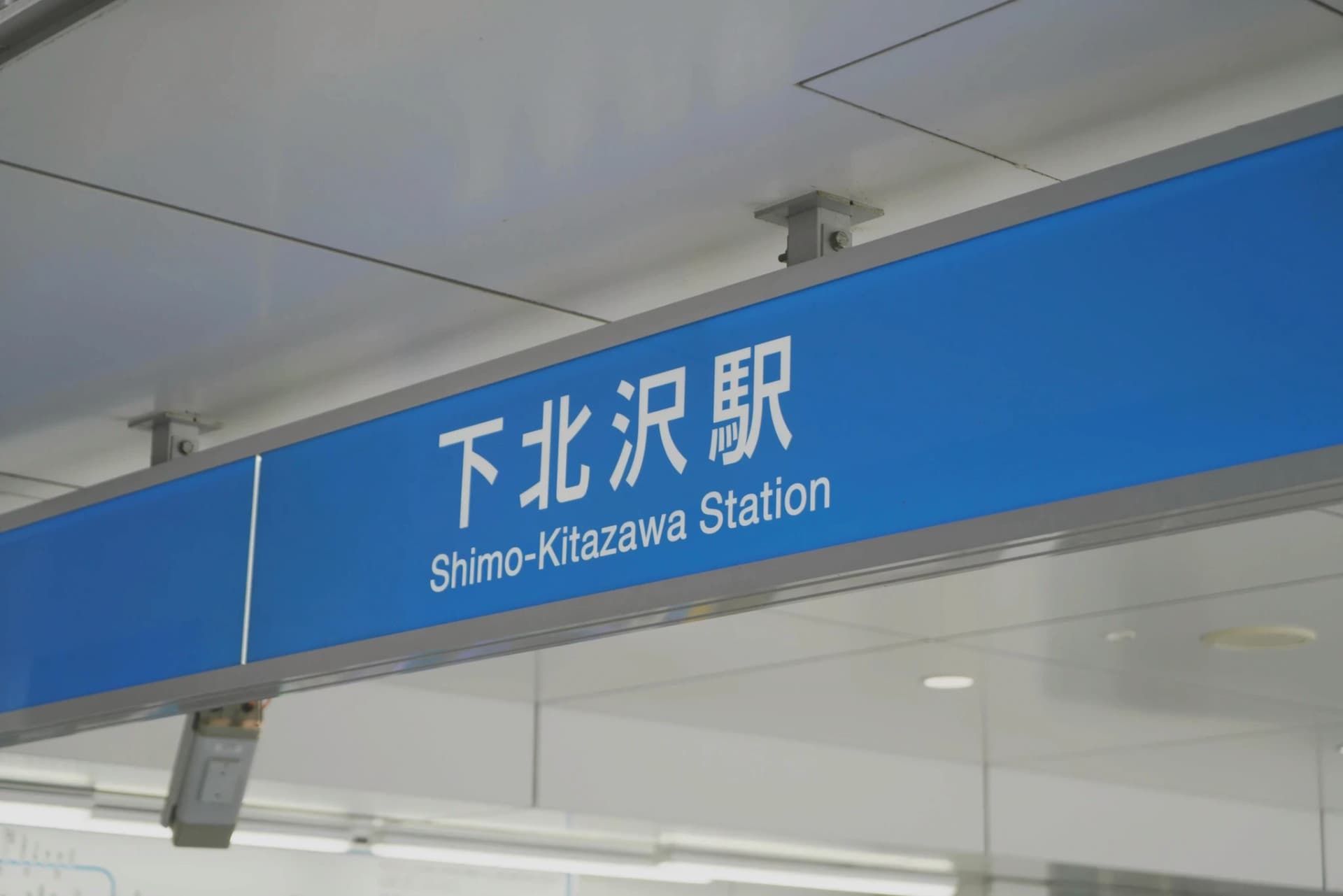
| Shimokitazawa | Bohemian, vintage, music | Live music, thrift shops | 20s students | 15 min (via Shibuya) |
Jiyugaoka as Part of a Private Tour
Jiyugaoka fits naturally into a food-focused day in Tokyo, particularly one that moves through the quieter neighborhoods along the Tokyu Toyoko Line. Combined with Nakameguro's coffee scene and Daikanyama's bookshops, it makes for a morning-to-evening experience that shows three distinct faces of upscale residential Tokyo, none of which appear in standard tourist itineraries.
Our Tokyo Essentials experience can incorporate a Jiyugaoka patisserie morning into a broader day of exploring the city's food culture. For something more tailored, our private tours in Tokyo let you build a day around exactly what interests you, whether that's eating your way through every mont-blanc specialist in the neighborhood or combining Jiyugaoka's sweets with a deeper exploration of Tokyo's culinary landscape.