Most visitors have eaten tempura before they come to Tokyo. Shrimp in batter, deep fried, served with a dipping sauce. They've had it at Japanese restaurants abroad, in bento boxes, as an appetizer. It was fine. Crispy, greasy, salty. Nothing to write home about.
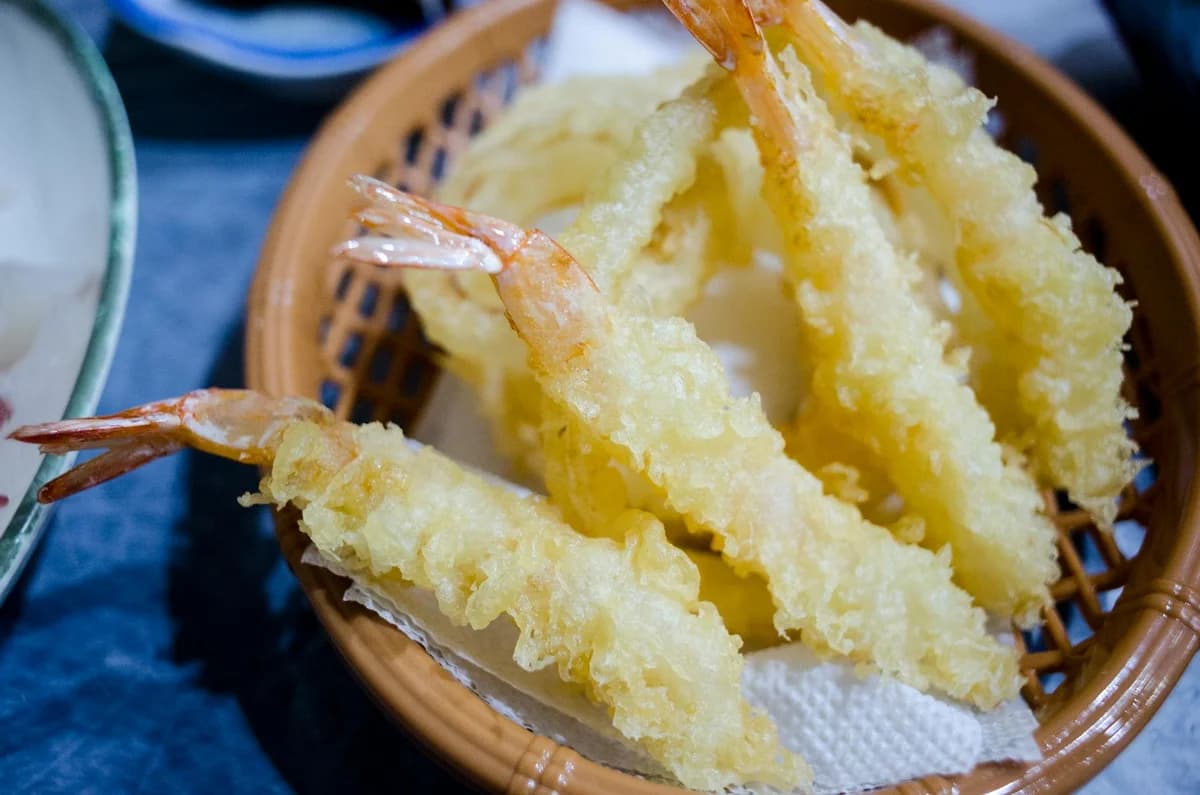
Then they sit at a counter in Tokyo and watch a chef drop a tiger prawn into oil heated to exactly 180°C. The batter is so thin it's nearly transparent. The prawn comes out thirty seconds later. The coating shatters when you bite into it. The shrimp inside is barely cooked, almost raw at the centre, sweet and firm. The whole thing weighs almost nothing. There's no grease on your fingers.
That gap between what you've had before and what you just ate is the entire story of tempura in Tokyo. The dish is technically simple. The execution, when done well, is one of the hardest things in Japanese cooking.
What Tempura Actually Is
Tempura is battered and deep-fried food. That's the entire concept. What makes it Japanese, and specifically what makes Tokyo tempura distinct, is how thin the batter is, how hot the oil runs, and how fast the whole process happens.
The batter is cold water, egg, and wheat flour. That's it. No leavening, no cornstarch, no beer. The flour goes in last and gets mixed barely at all. You want lumps. Overmixing develops gluten, and gluten makes the coating chewy and heavy. The best tempura batter is mixed for maybe ten seconds and used immediately before it warms up. Some chefs keep ice in the batter bowl to keep the temperature below 10°C.
The oil matters enormously. Most high-end tempura restaurants in Tokyo use sesame oil, or a blend of sesame and cottonseed oil. Pure sesame oil gives a nuttier flavour and a darker colour. Blended oil produces a lighter, cleaner result. The oil temperature sits between 160°C and 180°C depending on what's being fried. Root vegetables go in at the lower end, seafood at the higher end. The chef adjusts constantly.
Here's what separates a skilled tempura chef from someone following a recipe: they never fry too many pieces at once. Every item that enters the oil drops the temperature. Overcrowding means soggy batter. A good chef works one or two pieces at a time, adjusts the heat between items, and times each piece by sound. The sizzle tells them when moisture is leaving the ingredient. When the pitch changes, the piece is done.
The result, when everything goes right, is a coating so light it barely registers as fried food. You taste the ingredient first, the batter second, the oil not at all. That's the standard. Anything heavier than that, and you're eating ordinary fried food, not tempura in the way Tokyo defines it.
A Brief History
Tempura did not originate in Japan. Portuguese missionaries and traders arrived in Nagasaki in the sixteenth century and brought with them the technique of coating food in flour and frying it in oil. The word "tempura" likely derives from the Portuguese "tempero" (seasoning) or "têmporas" (the Ember Days, periods of religious fasting when fried food was permitted as an alternative to meat).
The technique spread slowly. It reached Edo (now Tokyo) during the seventeenth century, and by the mid-Edo period it had become a popular street food. Vendors set up stalls along the waterfront and near temples, frying small pieces of fish and vegetables to order. You stood, you ate with your hands or a skewer, and you moved on. It was fast food, sold for a few mon.
The oldest surviving tempura restaurant in Tokyo is Sansada (三定) in Asakusa, founded in 1837. Ginza Tenkuni (銀座天國), another institution, opened in 1885. These shops represent the transition from street stall to sit-down restaurant, a shift that happened gradually through the late Edo and Meiji periods.
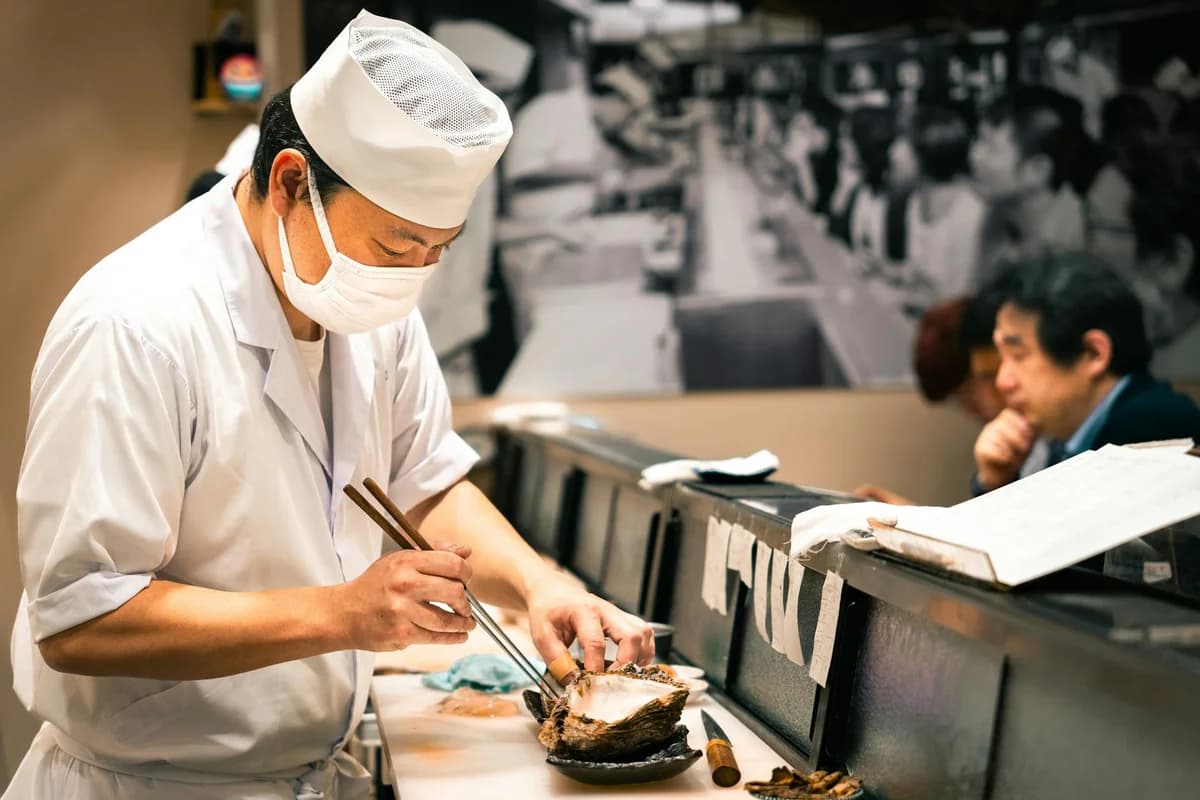
The modern counter-style tempura restaurant, where you sit facing the chef and receive pieces one at a time as they come out of the oil, is a twentieth-century development. This format changed tempura from something you ate quickly to something you experienced. The chef became a performer. The timing became part of the meal.
Tokyo's tempura tradition is categorised by locals into five major lineages (schools): Tenichi (天一), Mikawa (みかわ), Yamanoue Hotel (山の上ホテル), Tensei (天政), and Kyoboshi (京星). Each school has a distinct approach to oil selection, batter thickness, and frying rhythm. Most of the famous tempura restaurants in Tokyo today can trace their chef's training back to one of these five lines.
What Gets Fried
The classic tempura lineup at a Tokyo counter follows a rough order, and learning it helps you understand what to expect.
Tiger prawn (kuruma ebi) is the signature item. It's the first piece most chefs serve and the one that establishes the quality of the meal. The prawn should be firm, sweet, and barely cooked through. If it's rubbery or opaque all the way through, the chef overcooked it.
Kisu (Japanese whiting) is a small, delicate white fish that shows up on nearly every tempura menu. The flesh is mild, the texture is fine, and it cooks in seconds. It's a test of the chef's restraint. Overcook it even slightly and it dries out.
Sweet potato (satsuma imo) gets cut thick, sometimes two centimetres or more. It fries at a lower temperature for longer, and the result is almost confusing: the batter is crispy but the interior is creamy and sweet, more like a dessert than a side dish. The legendary chef Fumio Kondo at Tempura Kondo in Ginza is famous for elevating vegetable tempura, and his sweet potato is widely considered the benchmark.
Shishito pepper fries fast and pops when you bite into it. Lotus root (renkon) has a satisfying crunch. Eggplant (nasu) acts like a sponge for oil, so it needs careful technique to avoid becoming heavy. Shiso leaf, often wrapped around a piece of fish, adds a herbal note.
Kakiage is the mixed fritter, a loose tangle of thinly sliced vegetables and small shrimp fried together into a disc. A good kakiage holds together without being dense. Common combinations include onion, mitsuba (Japanese parsley), and sakura shrimp. Kakiage is often served at the end of the meal, either on its own or placed on top of a rice bowl (kakiage don).
The Seasonal Factor
What separates a good tempura restaurant from a great one is how seriously they take seasonal ingredients. The core items (prawn, kisu, sweet potato) appear year-round, but the best menus rotate around what's in season.
Spring brings sansai (mountain vegetables): taranome (fatsia shoots), fukinoto (butterbur buds), nanohana (rapeseed flowers), and bamboo shoots. These wild spring vegetables have a gentle bitterness that works perfectly against the light batter. Spring is arguably the best season for tempura in Tokyo.
Summer means eggplant and corn. Young ginger appears on some menus. The lighter cooking style of tempura suits the heat.
Autumn is for mushrooms: maitake, matsutake (if the budget allows), and shimeji. Root vegetables come into their own. Ginko nuts and chestnuts appear at premium counters.
Winter brings anago (conger eel), a classic that some chefs consider the most technically demanding item to fry. Winter root vegetables like kabu (turnip) and gobo (burdock) also feature heavily.
If you time your visit to Tokyo around March or April, the spring vegetable tempura alone is worth seeking out. Ask the chef what's in season. They'll tell you.
How to Eat It
At a counter-style tempura restaurant, pieces arrive one at a time, directly from the oil to your plate (or sometimes placed on paper in front of you). The single most important rule: eat it immediately. Tempura is a dish that degrades by the second. The batter absorbs moisture from the ingredient, and within a minute or two, the crunch is gone. The chef timed it for you to eat it now.
Salt or Sauce
You'll have two options in front of you: a small dish of tentsuyu (dipping sauce) and one or more types of salt.
Tentsuyu is a light broth made from dashi, soy sauce, and mirin, served with grated daikon radish and fresh ginger on the side. You mix the daikon and ginger into the sauce, then dip the tempura briefly. Briefly. You're not soaking it. A quick dip of one edge is enough. The daikon cuts the richness and the ginger adds brightness.
Salt options typically include fine sea salt and sometimes matcha salt (green tea salt) or curry salt. The technique: pinch a small amount between your thumb and forefinger and sprinkle it directly onto the piece. Don't dip the tempura into the salt dish.
The general guideline: use salt for lighter items (prawns, kisu, vegetables with delicate flavour) where you want to taste the ingredient itself. Use tentsuyu for richer items (eggplant, kakiage) that benefit from the sauce's acidity. But honestly, use whichever you prefer. The chef won't judge you. If you're unsure, ask. They'll often tell you which condiment they recommend for each piece as they serve it.
Eating Order
At a counter, the chef controls the order. Eat what's placed in front of you before the next piece arrives. Don't stockpile. Don't let pieces sit while you finish your beer.
If you're eating from a shared platter (more common at casual restaurants), the conventional approach is to start with lighter items and move toward richer ones. Seafood before root vegetables. Thin before thick. But this isn't a strict rule, and at a casual spot, nobody is watching.
For large pieces you can't eat in one bite (like a whole prawn), use your chopsticks to cut it on your plate. Don't bite half and put the rest back. It's fine to leave the prawn tail if you don't want to eat it.
Where to Eat Tempura in Tokyo
Street Food and Budget Sets (¥800 to ¥1,500)
Tempura started as street food and you can still eat it that way. Asakusa's Nakamise-dori and the streets around Senso-ji have vendors selling individual pieces of tempura on sticks for ¥200 to ¥400 each. These aren't refined, but they're hot and satisfying.
For a proper sit-down meal at budget prices, look for tendon (tempura rice bowl) shops. Tendon is a bowl of rice topped with several pieces of tempura and drizzled with a sweet soy-based sauce. It's the fastest, cheapest way to eat good tempura in Tokyo. Chains like Tenya (てんや) serve tendon sets starting around ¥500 to ¥800. The quality is consistent, the portions are generous, and the locations are everywhere. Tenya is not a gourmet experience, but it's honest tempura at an honest price, and it's where many locals eat tempura on a weekday lunch.
Independent teishoku (set meal) restaurants across Tokyo serve tempura sets in the ¥1,000 to ¥1,500 range. These include a bowl of rice, miso soup, pickles, and a plate of assorted tempura. Look for them in business districts like Nihonbashi and Shimbashi, where office workers queue for lunch.
Counter Dining (¥3,000 to ¥10,000)
This is the sweet spot. A seat at a mid-range tempura counter gets you a chef frying pieces to order in front of you, seasonal ingredients, quality oil, and the full experience of watching tempura being made. Lunch courses at this tier typically run ¥3,000 to ¥5,000. Dinner pushes higher, ¥6,000 to ¥10,000, with more courses and more premium ingredients.
Restaurants in this range often appear on the Tabelog Hyakumeiten (百名店, Top 100) list, which is the closest thing Japan has to a crowd-sourced Michelin guide. Names shift year to year, but the format is consistent: eight to twelve pieces served one at a time, finishing with rice (either plain or as a tendon), miso soup, and pickles.
Areas to look: Ginza, Nihonbashi, and Ningyocho are traditional tempura neighbourhoods. Azabu-Juban and Roppongi have newer places. Many of these restaurants seat eight to twelve people at a single counter, so reservations are essential, especially for dinner.
Premium and Michelin (¥20,000+)
At the top sits Tempura Kondo (てんぷら近藤) in Ginza. Chef Fumio Kondo has held two Michelin stars for over twelve consecutive years and is widely considered the most important living tempura chef. His contribution was conceptual as much as technical: he elevated vegetables to the same status as seafood in tempura, treating the process as steaming inside the thinnest possible batter rather than frying in the conventional sense.
Kondo's sweet potato tempura is the dish people talk about. He cuts it thick, fries it low and slow, and the result tastes nothing like fried food. The interior is pure, concentrated sweetness. The carrot, cut even thicker, is similarly transformative. An omakase dinner at Kondo runs ¥30,000 or more per person, and reservations are difficult.
Tempura Yokota (天冨良よこ田) in Azabu-Juban holds a Michelin star and a Tabelog rating above 3.7. The style is more traditional Edo-mae (heavier sesame oil, bolder flavour) compared to Kondo's lighter approach. Budget around ¥30,000 for dinner.
Other names worth knowing: Mikawa Zezankyo (みかわ是山居) in Monzen-Nakacho, run by the legendary Tetsuya Saotome, is another pillar of the premium tempura world. Saotome trained in the Mikawa lineage and is known for his bold, flavourful style. Sansada in Asakusa offers a more accessible premium experience with deep historical roots.
At this tier, you're paying for technique, ingredients, and the intimacy of a meal prepared by a chef whose entire career has been dedicated to one thing. Whether that's worth ¥30,000 is a personal call. But the craft is real.
The Lunch Advantage
Here's the practical insight most guides skip: the premium and mid-range tempura counters in Tokyo serve lunch at significantly lower prices than dinner. The same chef, the same oil, the same seasonal ingredients, but fewer courses and a shorter meal.
Lunch at a restaurant that charges ¥20,000 for dinner might run ¥8,000 to ¥12,000. A mid-range counter charging ¥8,000 at dinner often has a ¥3,000 to ¥4,000 lunch set. The quality difference between lunch and dinner at the same restaurant is minimal. You get fewer pieces and possibly fewer premium items, but the technique is identical.
If your budget allows one good tempura meal in Tokyo, make it lunch at a quality counter. You'll get 80% of the experience at 40% of the cost. Reservations are easier to get for lunch, too, and most counter restaurants serve lunch between 11:30 and 13:30.
Tempura vs Tonkatsu
Both are deep-fried. Both are central to Tokyo's food culture. If you only have time for one fried-food experience, here's how they differ.
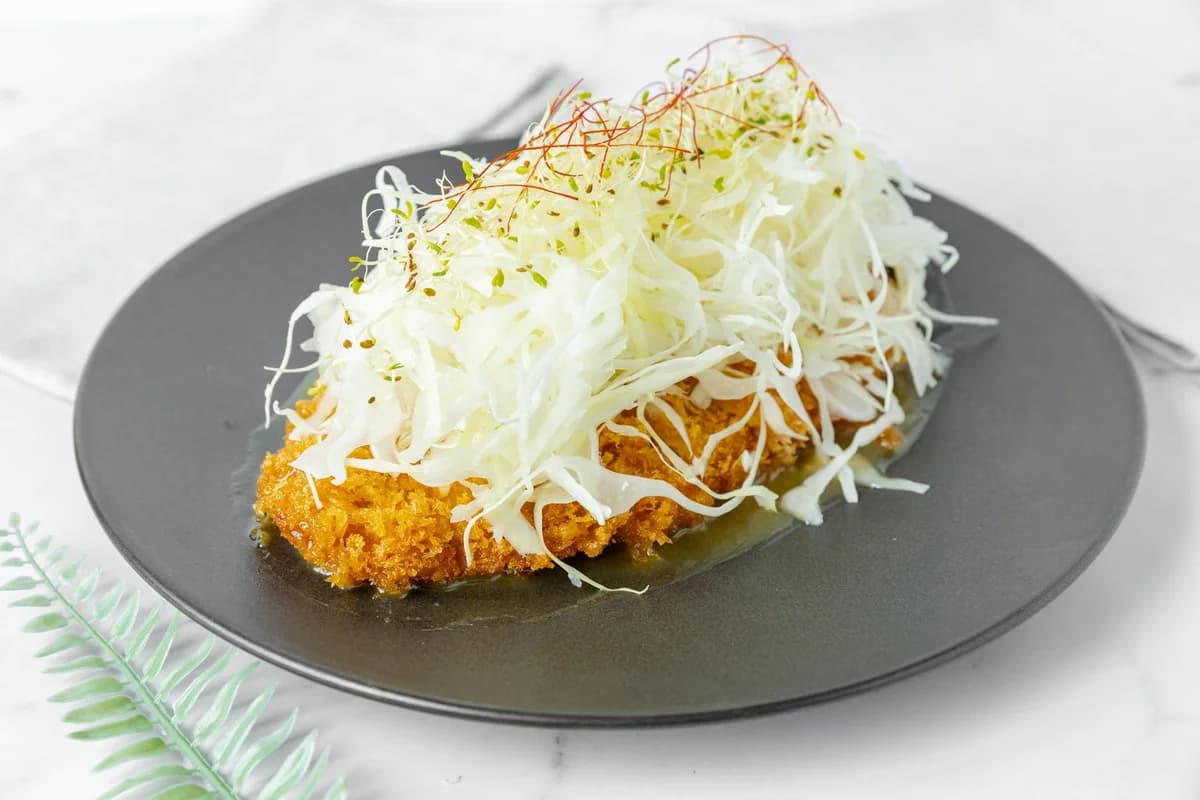
Tonkatsu is a thick pork cutlet coated in panko breadcrumbs, fried until the crust is golden and the interior is juicy. It's hearty, filling, and satisfying in the way comfort food is. You eat it as a set meal with rice and cabbage. The experience is about the pork: the cut, the breed, the doneness.
Tempura is lighter in every way. The coating barely exists. The ingredients change with the seasons. The experience at a counter is about watching the chef work and eating each piece at the moment it's ready. It's more of a performance than a meal in the traditional sense.
Tonkatsu is the better choice if you want something filling and straightforward. Tempura is the better choice if you're interested in technique, seasonal ingredients, and a more refined dining format. Both are worth trying. If you do both at lunch, the combined cost at good restaurants is less than one dinner at Kondo.
For a broader look at what Tokyo offers, the Tokyo food scene guide covers every category. For another counter-style Japanese dining experience, see our sushi guide. And if you want to experience Tokyo's food culture with a local who handles the reservations, recommendations, and ordering, the Kushiyaki Confidential experience is built around exactly that kind of deep dive.