Discover what safety in Tokyo looks like and how to travel confidently with clear, practical insights.
Is Tokyo safe? By any objective measure, yes-but understanding what can actually go wrong helps you travel confidently without being naive.
Tokyo is one of the world's safest major cities. Japan's homicide rate sits at approximately 0.25 per 100,000 people-dramatically lower than London (1.2), Paris (1.4), New York (4.0), or most other global capitals. Violent crime is rare. Property crime exists but remains uncommon compared to other cities of similar size.
That doesn't make it risk-free. Understanding what can actually go wrong-and when-helps you travel confidently without being naive.
Tokyo's Objective Safety Record
Tokyo's crime statistics place it among the safest major cities globally.
Homicide rates (per 100,000 people):
| City | Rate | Year |
|---|---|---|
| Tokyo/Japan | 0.25 | 2020 |
| London | 1.2 | 2024 |
| Paris | 1.4 | 2024 |
| New York | 4.0 | 2024 |
Tokyo's rate matches or falls below Japan's national average.
Property crime: Japan recorded 703,351 total crimes in 2023. Theft accounts for 70% (483,695 cases). For context, Japan's population is 125 million. Tokyo sees similar or slightly higher rates due to density, but these figures remain exceptionally low for a city of 14 million (37 million metro area).
Post-pandemic trends: Crime ticked up after 2020 but remains below 2019 levels. The 2024 total (737,679 reported crimes, up 4.9% from 2023) is driven primarily by fraud and cybercrimes-not street-level threats. Violent crime continues declining.
Tokyo's safety isn't hype. It's measurable.
The Risks That Actually Exist
Tokyo is safe, but pretending rare risks don't exist creates false confidence.
Groping on crowded trains (chikan): Harassment on packed morning trains is documented, particularly on the Chuo, Yamanote, and Saikyo lines. Women-only cars exist during rush hour (first train until ~9:30 AM) on most major JR and Tokyo Metro lines, excluding Ginza and Marunouchi. Outside peak hours, anyone can ride these cars.
Drunk businessmen in entertainment districts: Late-night Roppongi and Kabukicho (Shinjuku's red-light district) see aggressive club touts and intoxicated behavior after 11 PM. Not dangerous in the violent sense, but uncomfortable and occasionally confrontational.
Tourist-targeted scams: Bar scams in Roppongi involve inflated bills and pressure tactics. These aren't muggings-they're designed to extract money through intimidation rather than force. Fake charity solicitors and overpriced "exclusive" clubs also target foreigners.
Earthquakes: Tokyo sits in a seismically active zone. Buildings are engineered for this. Small quakes are frequent and harmless. Large ones are rare but possible. Preparedness matters more than fear.
Navigation stress: Getting lost or missing the last train isn't a crime, but it creates vulnerability. Stranded travelers make mistakes-wrong exits, unfamiliar neighborhoods, inability to communicate needs. This compounds at night.
Solo Female Travelers: Real Talk
Tokyo is safer for solo women than most major cities. That doesn't make it foolproof.
Women-only train cars: Available on Chuo, Yamanote, Chiyoda, Tozai, Hanzomon, Keio, Odakyu, Tokyu, Seibu, and Keisei lines during weekday morning rush (first train to ~9:30 AM). Some lines add evening service. Look for pink signage on platforms and train doors.
Ginza and Marunouchi lines don't have them.
Rush hour reality: Crowded trains create opportunities for harassment. Women-only cars exist because the problem is real-not theoretical. Peak morning commutes (7:30-9:30 AM) on inbound trains are when incidents occur.
Evening safety by neighborhood: Shibuya, Harajuku, Shinjuku, and Asakusa are busy and well-lit into the evening. Solo dining and walking are normal. Roppongi after midnight shifts from safe-crowded to late-night-sketchy. Touts become more aggressive. The energy changes.
When a guide matters: Solo travelers navigating Shinjuku Station at night, dining alone in unfamiliar izakayas, or exploring residential areas like Yanaka benefit from having someone who knows where to go and how things work. It's not about danger-it's about confidence. For travelers who want to explore without worrying about navigation or late-night logistics, private guides remove the guesswork.
Families and Seniors: What Changes
Tokyo's safety dynamics shift when you're traveling with children or elderly family members.
Crowding becomes a physical risk: Rush hour trains pack bodies tight. Shibuya Crossing at peak times creates genuine separation anxiety. Stations like Shinjuku, Tokyo Station, and Ueno have 200+ exits. Losing a child happens quickly.
Stroller and wheelchair challenges create bottlenecks: Older stations (Asakusa, Ueno) have stairs-only exits. Narrow platforms. Limited elevator access. What's a minor inconvenience for an individual becomes a safety issue when navigating with mobility needs.
Getting separated: Children wander in Akihabara's electronics maze, Harajuku's Takeshita Street, or Tsukiji's market chaos. Crowds absorb people. Language barriers prevent asking for help effectively.
Medical emergencies with language barriers: Knowing where English-speaking care exists matters. Explaining symptoms through a translator app works until it doesn't. Having someone who can communicate directly in an emergency removes the guessing.
Why guides become safety nets: Families and seniors benefit from not having to navigate alone, knowing accessible routes exist, and having someone present if things go wrong. The value isn't avoiding danger-it's eliminating stress. If you're traveling with young children or elderly family members, a guide becomes a practical safety measure.
Neighborhood Safety Map
Tokyo doesn't have "dangerous" neighborhoods in the Western sense. It has areas where late-night behavior changes character.
| Neighborhood | Character | When to Be Aware |
|---|---|---|
| Safest/Most Relaxed | ||
| Yanaka | Residential, quiet, elderly population | Anytime is fine |
| Kichijoji | Suburban feel, families, parks | Anytime is fine |
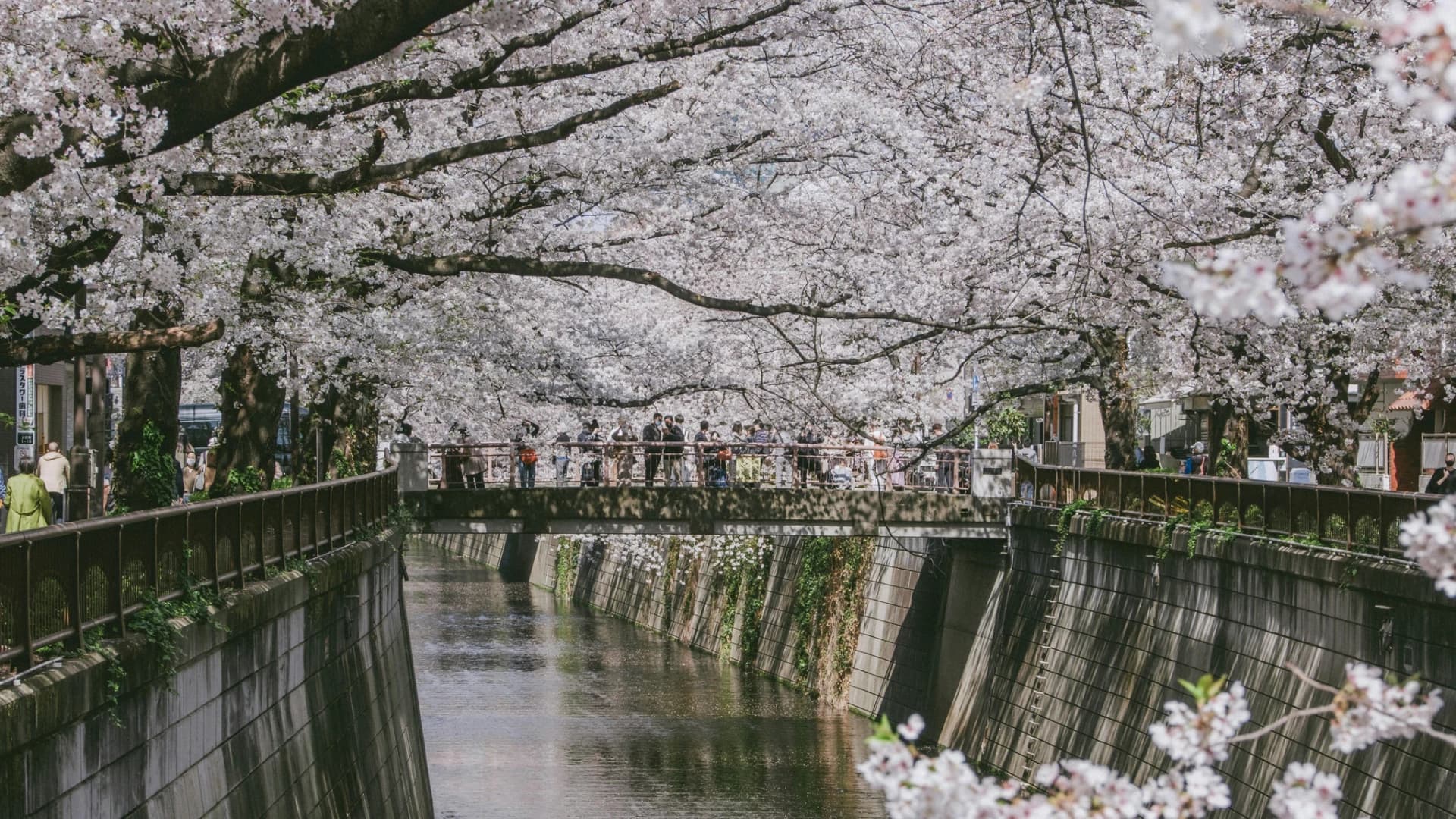
| Nakameguro | Upscale residential, canal walks | Anytime is fine |
| Setagaya ward | Low-rise residential Tokyo | Anytime is fine |
| Tourist-Safe but Crowded | ||
| Shibuya | Packed, well-lit, overwhelming crowds | Watch belongings in crowds |
| Harajuku | Chaotic, young crowds | Can feel overwhelming |
| Asakusa | Tourist-heavy, temple area | Standard tourist awareness |
| Akihabara | Electronics district, niche crowds | Standard tourist awareness |
| Late-Night Caution Zones | ||
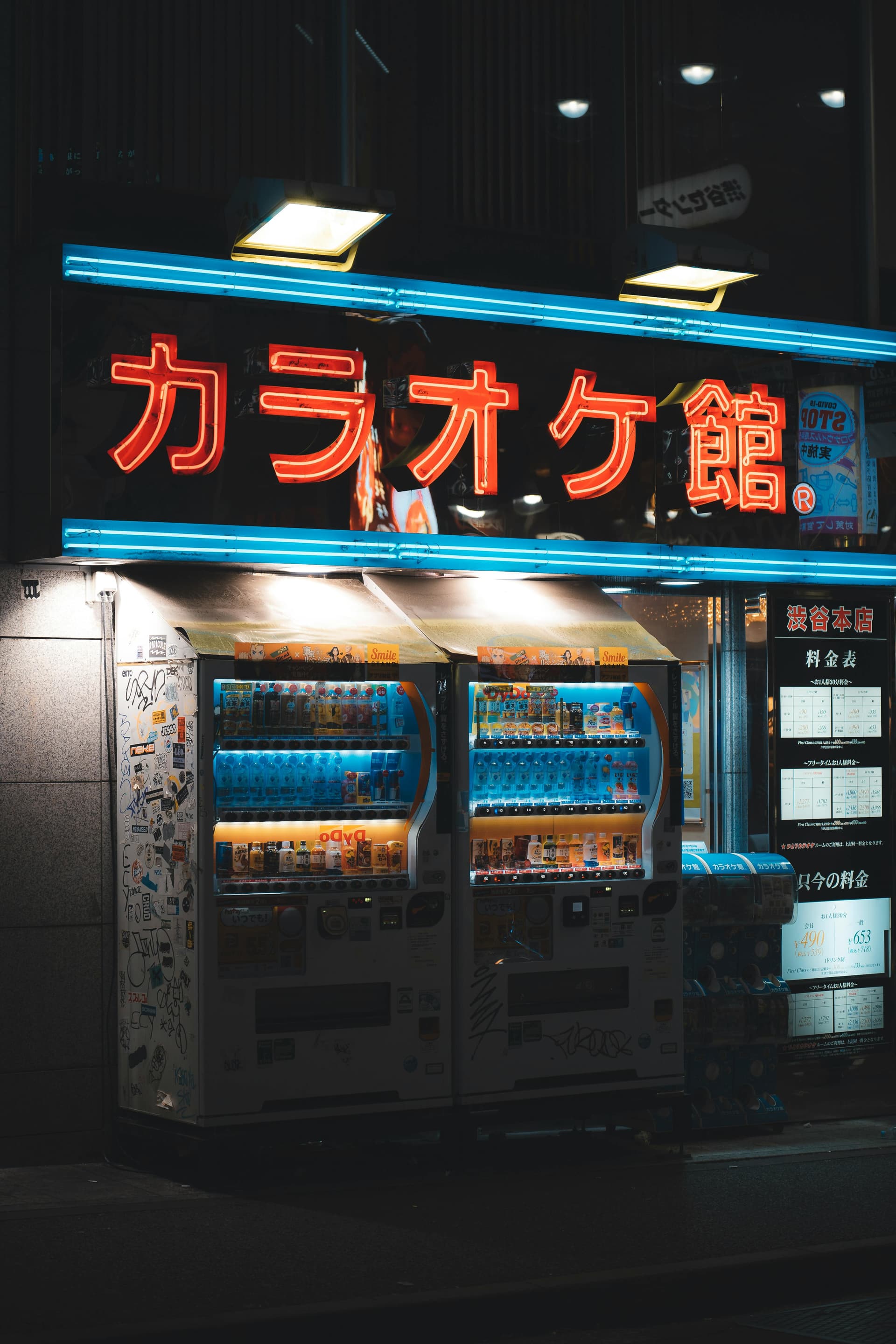
| Roppongi | Nightlife district | After midnight: aggressive touts, scams |
| Kabukicho (Shinjuku) | Red-light district, host clubs | Late night: understand the context |
| Ikebukuro (north) | Less polished, fewer tourists | After dark: less familiar territory |
These residential neighborhoods feel different from tourist zones-quieter, more local, genuinely low-key.
The bottom tier aren't "don't go" areas. They're "understand the context" areas. Daytime? Fine. Evening crowds? Fine. 2 AM alone? Different equation.
What to Do If Something Goes Wrong
Emergencies in Tokyo are manageable if you know the system.
Emergency contacts:
| Service | Number | Notes |
|---|---|---|
| Police | 110 | English operators available but may take time |
| Fire/Ambulance | 119 | Say "Kyūkyū desu" (ambulance) or "Kaji desu" (fire) |
| Japan Visitor Hotline | 050-3816-2787 | 24/7 English support for tourists |
| US Embassy Tokyo | 03-3224-5000 | Lost passports, legal issues, major emergencies |
| UK Embassy Tokyo | +81 3 5211 1100 | Lost passports, legal issues, major emergencies |
Koban (police boxes): Small police stations near every major train station. Officers provide directions, help with lost items, and handle minor issues. They're accessible and staffed 24/7.
Lost items: Tokyo's lost-and-found culture is exceptional. Items turned in at stations often make it to central lost-and-found offices. Report losses to the nearest koban or station staff.
Language barriers: If you can't communicate, find someone who can. Station staff at major hubs often have basic English. Hotel concierges can call on your behalf. The Visitor Hotline provides interpretation.
When Safety Means Not Getting Lost
Tokyo's safety extends beyond crime statistics. Logistical competence prevents vulnerable situations.
Shinjuku Station's 200 exits: Missing your connection or taking the wrong exit lands you somewhere unfamiliar. At night, that matters. Which exit leads where isn't obvious from signage alone.
Last train anxiety: Trains stop running around midnight. Missing the last train means expensive taxis, capsule hotels, or waiting until 5 AM. Being stranded creates decision pressure-wrong neighborhood, unfamiliar surroundings, limited options.
Language barriers in emergencies: You can't ask for help if you can't explain the problem. "Where am I?" becomes complicated when addresses don't work like Western addresses. Street names barely exist. Navigation depends on landmarks.
Wrong neighborhood at night: Ikebukuro's north side feels different from Kichijoji. Knowing which areas are residential versus entertainment matters. Getting off at the wrong station and walking aimlessly at 11 PM isn't dangerous-but it's stressful.
For visitors planning late nights, staying within walking distance of nightlife areas eliminates the last-train rush and late-night navigation. See our nightlife accommodation guide.
When having a guide is a safety buffer: Someone who knows where to go, how to get there, what to do if plans change, and how to communicate in Japanese eliminates the variables that create vulnerability. It's not about preventing crime-it's about preventing mistakes that compound. If language barriers or navigating as a first-timer feel overwhelming, having a guide means you're never lost when it matters.
Frequently Asked Questions
Is Tokyo safe for American tourists?
Yes. Americans face no specific risks in Tokyo that other travelers don't. English signage is common in tourist areas, the U.S. Embassy is in Minato (near Roppongi), and anti-American sentiment is not a safety concern. Standard tourist precautions apply-avoid bar scams in Roppongi, watch belongings on crowded trains, and keep embassy contact info saved.
Is Tokyo safe for tourists in general?
Tokyo is one of the world's safest cities for tourists. Violent crime targeting visitors is extremely rare. The main risks are tourist-specific scams (bar tabs in Roppongi, fake charity solicitors), getting lost in large stations, and minor theft in crowded areas. Navigation stress and language barriers create more problems than crime.
What are the safety issues in Tokyo for Americans?
The same issues all tourists face: bar scams in Roppongi, groping on crowded trains (primarily affects women), and earthquake preparedness. Americans are not singled out. The biggest "safety issue" is actually confidence-unfamiliar train systems, inability to read signs, and not knowing what's normal vs. concerning. Having a local guide eliminates most of these stressors.
How safe is Tokyo compared to other major cities?
Tokyo's homicide rate (0.25 per 100,000) is dramatically lower than London (1.2), Paris (1.4), or New York (4.0). Violent crime is rare. Property crime exists but at lower rates than comparable global cities. You're statistically safer walking Tokyo at 2 AM than most Western capitals at noon.
![Tipping in Tokyo: No — With a Few Exceptions [2026 Guide]](/_next/image?url=%2Fimages%2Fd244034d8a17.jpg&w=1920&q=75&dpl=dpl_8YuCq6wwwJXW7NvKEEZmVxnXJwMZ)