The problem isn't your teenager. It's the 'your turn, my turn' approach to day design.
When a trip to Tokyo with teenagers goes badly, the usual cause is the 'your turn, my turn' way of planning the days.
You're worried your teenager will hate this trip and spend it on their phone. You'll have paid thousands of dollars for eye rolls and forced smiles in front of temples they never asked to see.
Tokyo is rarely the problem, and neither is your teenager. Most of the time it comes down to how the family plans each day.
Splitting it up as "today we'll do teen stuff, tomorrow we'll do parent stuff" sounds fair, and in practice it doesn't hold up. One parent who hired an anime-focused guide put it this way: "My husband and I just wandered behind them all that day." On a day like that you're a chaperone more than a family on holiday. Flip it to a full day of temples and gardens and the teenagers check out, and you spend the afternoon managing their mood.
Both versions fail for the same reason: they plan the teen's wants and the parents' wants as two separate jobs, and a day with two agendas in it has someone bored at every stop.
What helps is finding the moments where teen interests and parent interests overlap, so nobody is giving something up and everyone comes away having had a good time.
15,000 Steps and the 3pm Wall
What Exhausted Looks Like
Families in Tokyo walk 15,000 to 20,000 steps a day, and by day two or three it catches up with them. Our guide to how much walking Tokyo tours involve has step counts by tour type.
One parent found her child "sitting on the floor in a Don Quijote telling us his feet were too tired to keep going." Another said her family was "broken tired" by evening. Both families had simply underestimated how much walking Tokyo takes.
Tired teens tune out, and then the parents spend their energy on moods instead of on the day.
Built-In Breaks (Including Phones)
Fight the phone and you get an argument. Plan breaks and the argument mostly goes away.
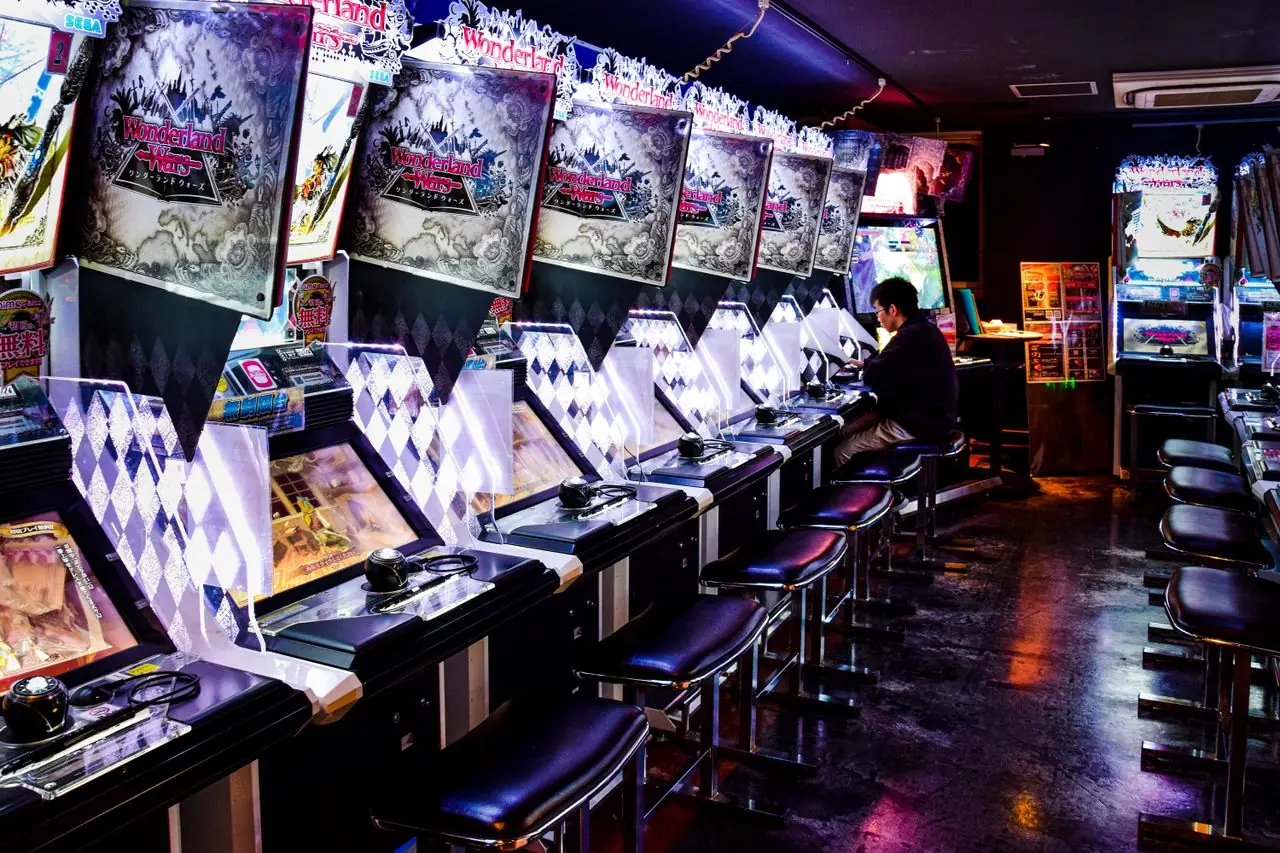
Arcades make good rest stops: your teen sits down, plays rhythm games for twenty minutes, and gets some energy back. Convenience stores have cheap snacks and air conditioning. Phone time works the same way. Put twenty minutes of it on the schedule and your teen has less reason to sneak it.
Why Early Dinner Saves the Evening
Push dinner late and you get cranky teens and worn-out parents. Eating early, at 5:30 or 6pm, saves the evening. Our timing guide covers optimal tour timing, including when to start and finish. Kids get tired in Japan; this is a lot more walking than a beach holiday. An early dinner means everyone eats while they're still hungry and gets real rest before the next day.
What a Blended Day Actually Looks Like
You're looking for stretches of the day where everyone joins in at once, instead of taking turns giving things up.
Morning: Everyone Eats
Start with food: Tsukiji Outer Market, conveyor belt sushi, or a neighborhood breakfast place. Everybody eats, so everybody's in, and nobody is waiting around for someone else.
Kura Sushi turns the meal into a game. You drop empty plates into a slot, and every five plates sets off a touchscreen game with capsule toy prizes. The Global Flagship in Asakusa (4th floor of Asakusa ROX, open 11am to 11pm) adds festival games like shooting galleries. You order on a tablet with 104 language options, and the whole setup feels more like an attraction than lunch.
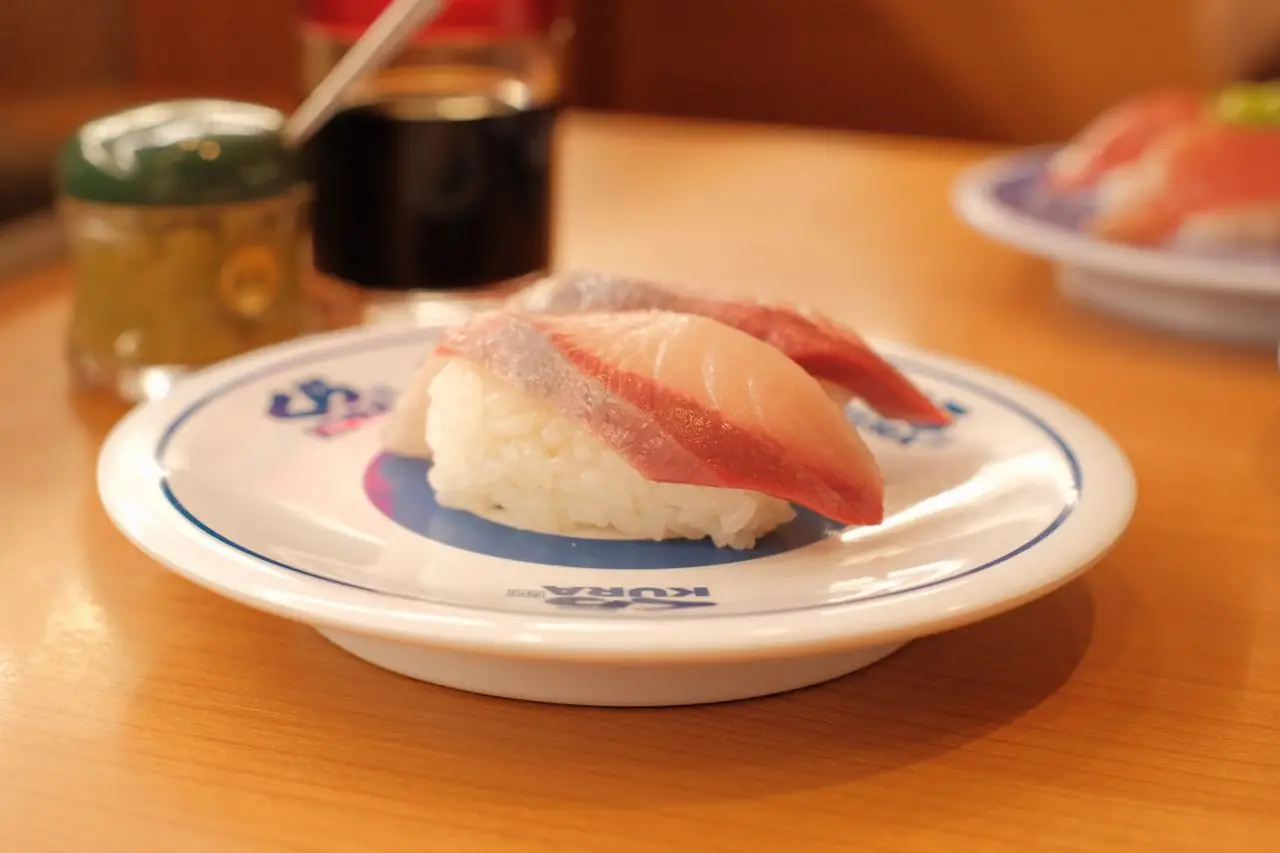
A shared meal also gives you a slow start while everyone is still jet-lagged.
Midday: Teen Energy Peak
Midday is when you go where your teen wants to go.
-
Gaming (Akihabara): Taito Station has whole floors of rhythm games, fighting games, and crane machines at 100 yen per play. Super Potato is the place for retro games.
-
Fashion (Shimokitazawa): Around 150-200 vintage shops. Flamingo for 1950s-90s American vintage. New York Joe Exchange (half price on first Sundays). BAZZSTORE for Gen-Z streetwear.
-
Photos (Shibuya): Purikura booths print ridiculous photos with stickers and effects for ~500 yen. Purikura no Mecca is open 24 hours.
Your teen has the most energy at this point in the day, so spend it on their things and save the garden for another time.
If You Want a Temple
Put it right at the start of the midday window, before energy drops, and keep it short.
Goshuin stamps help a lot. These calligraphy stamps are collected in a special book at temples and shrines and cost 300-500 yen each. For a teen, the temple becomes a place to collect something instead of something to stand and look at. One family said their teen "loved shopping for clothes in Harajuku AND Meiji Shrine" because the shrine felt like one stop on a bigger hunt.
Temples go fine in the morning and badly in the afternoon. Get the stamp and keep moving.
Afternoon: The Neighborhood Nobody Expects
By mid-afternoon everyone needs a change of pace, and a quiet local neighborhood is the easy answer.
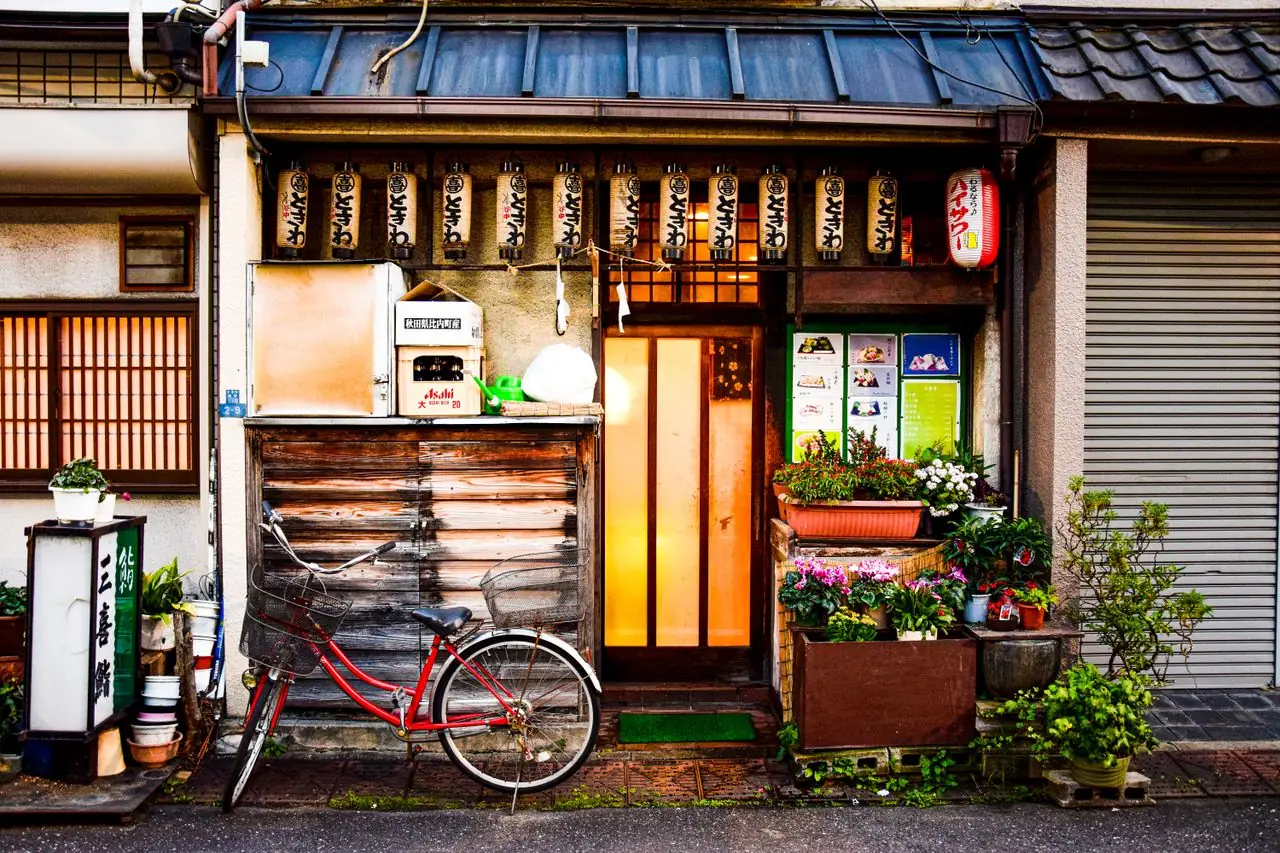
Yanaka feels like old Tokyo, with narrow streets, traditional snack shops, 70+ small temples, and Yanaka Ginza, a shopping street of handmade crafts and street food.
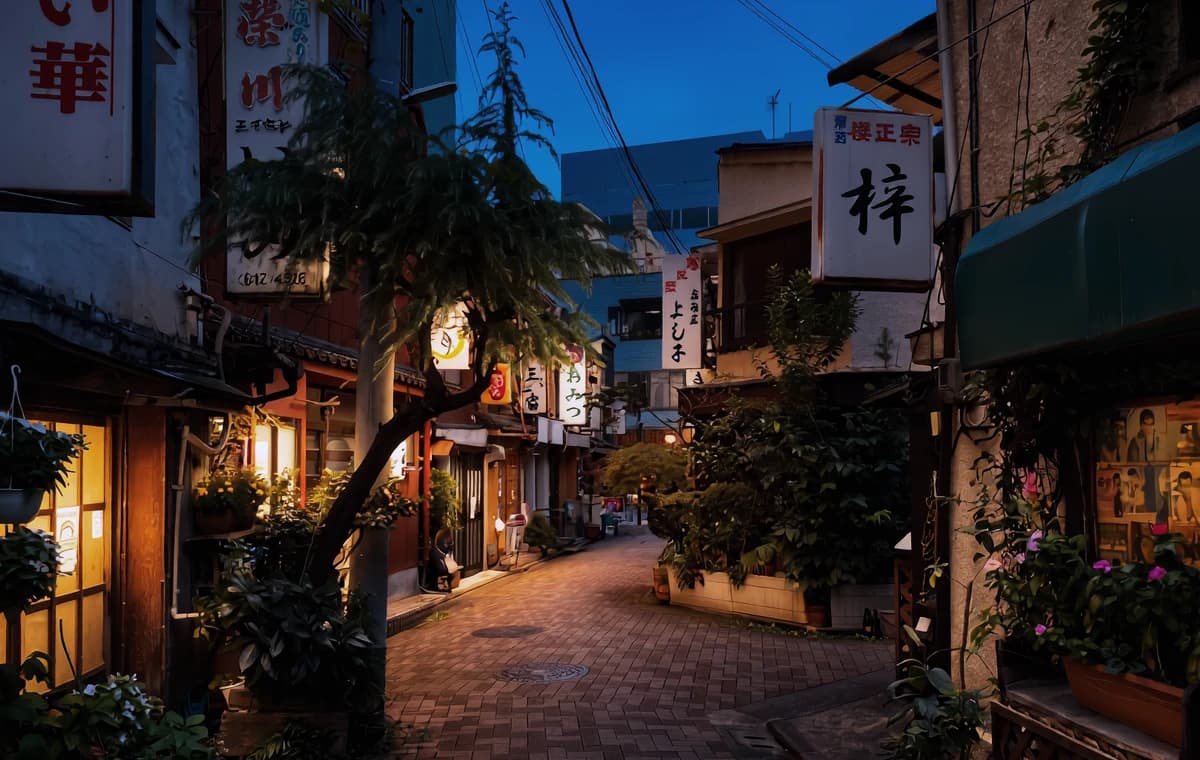
Kagurazaka is a former geisha district where cobblestone alleys sit next to French bakeries and Japanese sweet shops. The narrow backstreets are fun to poke around.
Parents get something interesting to look at, and everyone gets away from the crowds. Teens often surprise you here: they get into the quiet and start photographing things they didn't expect to like.
Evening: Wind Down Together
Eat early, go back to the hotel, and rest, so everyone starts tomorrow with something left in the tank.
When the Guide Makes the Difference
Teens Can Tell
Teenagers spot an adult playing authority figure immediately. A guide who lectures about history loses them within minutes. A guide who gets their references and takes their interests seriously changes how the whole day goes.
What matters most is whether the guide can connect with your teen. If you're weighing whether a private tour is worth it for your family, we break down the value there.
Satoshi's Background
Satoshi, one of our lead guides for family tours, lived in America for 20 years and worked as a clothing designer. He's a gamer, and his English is fluent, full of American idioms and references.
With a family of teenagers, he skips the lecture and asks the teen what they're into. He knows which Akihabara stores suit which interests, and he changes plans on the spot when energy shifts.
One family wrote: "Satoshi really showed us a fantastic time… he went above and beyond."
Another family wanted anime and pop culture for their teens:
"My family wanted anime stuff and everything else jam-packed into the day. Satoshi did not disappoint. My family is still raving days later — it made me look like a superhero for booking it!"
The Pre-Tour Conversation
We can only build a custom day if we know what to put in it.
Before an Infinite Tokyo tour, our concierge team talks with you about your teen. What are they into? What do they hate? How much energy do they usually have?
The guide builds the day from that conversation and arrives already knowing who they're guiding. A gaming-obsessed 14-year-old gets a different mix from a 17-year-old who's into fashion, and a reluctant teen needs a different pace from one who's been planning this trip for months.
Infinite Tokyo vs. Tokyo Together: Which Fits Your Family
If Your Teen Is the Only 'Wild Card'
Infinite Tokyo is our fully custom 8-hour experience. The pre-tour consultation lets us plan around your teen in particular. Gaming? Fashion? A bit of both with some cultural stops? We build the day from scratch around what your family actually likes. Our guide to how tour customization works explains the process.
It fits best when the teen is the main unknown: the rest of the family is easygoing, and you want the day shaped around keeping that one teenager interested.
Detailed Pricing for Families with Teenagers:
| Tour | Duration | 2 People | 3 People | 4 People | 5 People | 6 People |
|---|---|---|---|---|---|---|
| Tokyo Trifecta | 4 hrs | $314 | $345 | $376 | $407 | $438 |
| Tokyo Together | 6 hrs | $430 | $489 | $552 | $615 | $678 |
| Infinite Tokyo | 8 hrs | $550 | $629 | $708 | $787 | $870 |
What's included in every tour:
- Hotel pickup and drop-off coordination
- Help with all public transportation (you pay fares directly, ~¥500-1,000/person)
- Pre-tour consultation to plan around your teen's interests
- Fluent English-speaking guide with plenty of family experience
What's NOT included:
- Food and drinks (budget ¥2,000-4,000/person depending on what you order)
- Attraction admissions (most are free; arcades ~¥1,000-2,000/person if your teen wants to play)
- Shopping (obviously)
- Tips (appreciated, never expected)
Realistic daily budget per teenager:
- Casual food: ¥2,500-3,500
- Arcade games: ¥1,000-2,000
- Transport: ¥500-1,000
- Snacks/drinks: ¥500-1,000
- Total: ¥4,500-7,500 (~$30-50)
If You're Managing Multiple Ages
Tokyo Together is our 6-hour multigenerational tour, priced from $400 to $800 depending on group size. Our pricing guide explains how private tour pricing works in full.
It suits a group with younger kids, teenagers, and maybe grandparents too, all wanting different things. If younger kids are your main concern, our Tokyo with Kids guide covers neighborhoods, attractions, and logistics for that age range. We also go deeper into planning for families with mixed ages, step by step. The route stops where every age finds something: Tsukiji for food, Asakusa for culture and street snacks, Akihabara for anyone who wants to play games.
Tokyo Together isn't as customized as Infinite Tokyo, but it handles several age groups at once so you don't have to act as cruise director.
Both tours include hotel pickup and a guide who's used to family dynamics. Our guide to what to expect on tour day explains how guides handle the logistics. Choose based on whether your family needs a day built deeply around one teen or a balanced day across several generations.
Frequently Asked Questions
Will my teenager actually enjoy a guided tour?
That depends on the tour. Generic cultural tours bore most teens. A tour built around what they like, whether that's anime, gaming, fashion, or food challenges, keeps them interested. The pre-tour consultation is where we find out what your teen cares about, and the day gets planned around that.
Can the tour focus on anime and gaming?
Yes. Akihabara arcades, anime merchandise shops, themed cafes, and Nakano Broadway are all options. Guides know which stores carry the rare figures, which arcades have the best rhythm games, and where to find merchandise for a particular franchise. A day like that can be the whole plan.
What if my teen doesn't want to do anything cultural?
That's fine. Tokyo has no shortage of other things to do: shopping, arcades, eating your way around, street fashion, themed cafes. A tour can be 100% teen interests with zero temples, or it can add cultural stops tied to things they already like, such as walking through the forest at Meiji Shrine instead of sitting through a history lecture.
How much does a teen-focused tour cost?
The same as any private tour: $314-550 depending on duration and group size. A family of four on a 6-hour tour pays roughly $140 per person. Budget another ¥4,500-7,500 ($30-50) per teen for food, arcade games, and small purchases during the day.
Will the guide connect with my teenager?
A good guide will. They know Tokyo and can talk about games, food, and pop culture without turning it into a lecture. Tell us your teen's interests during the pre-tour consultation and the guide will turn up ready to talk about the things your teen actually likes.
Ready to Book?
If you want your teenager to look up from their phone and say "this is cool," a private guide who knows what teens like can get you there.