Okutama offers the same mountain access as Takao with far fewer visitors and more to do.
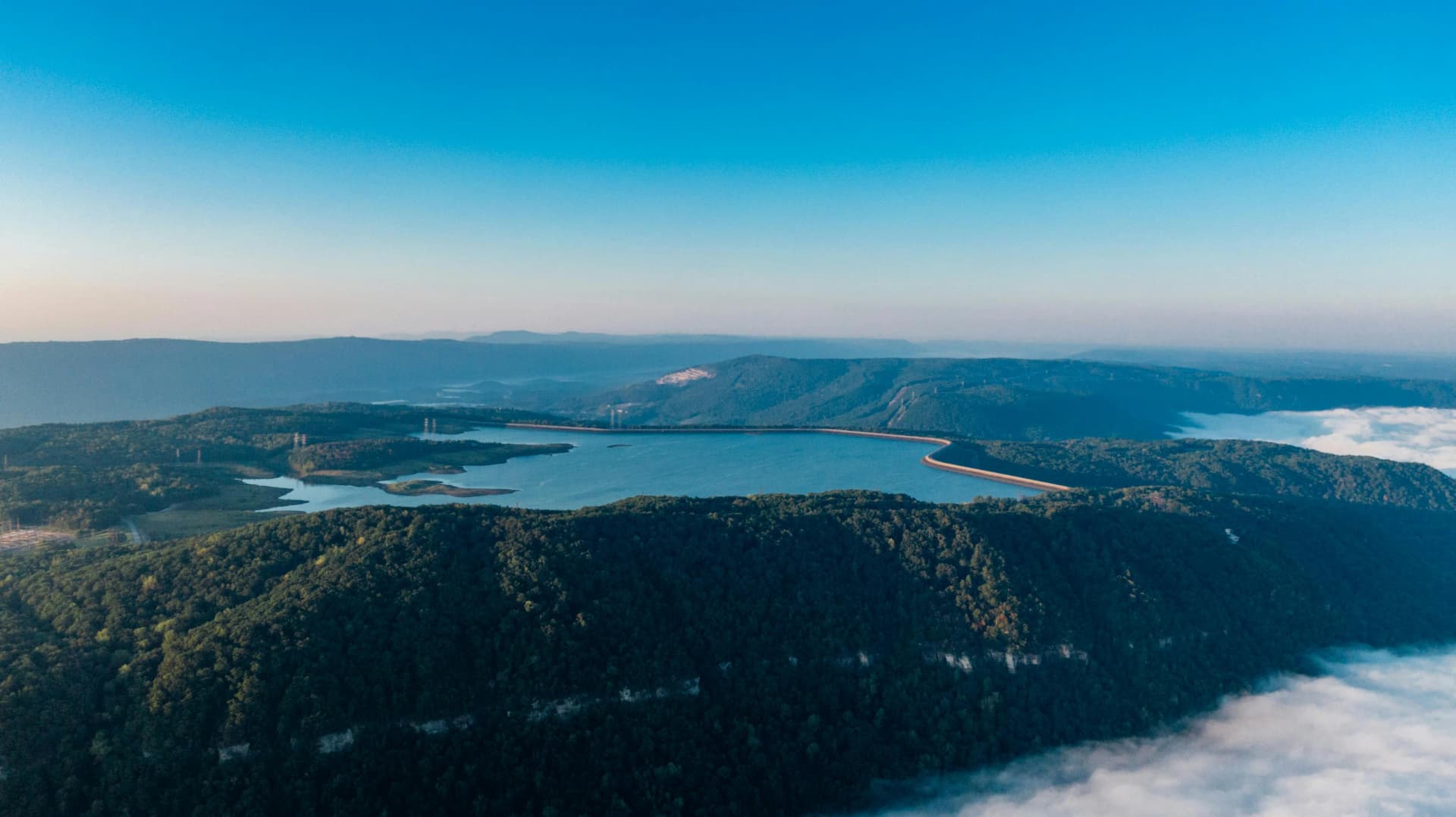
Lake Okutama is a reservoir 80 minutes from Shinjuku by train, set in mountain valleys where the JR Ome Line runs west from Tachikawa through increasingly narrow gorges until it reaches Okutama Station, the end of the line, surrounded by forested ridges that reach over 1,000 metres.
Most Tokyo residents think of Okutama as a hiking destination — the trailheads around Okutama Station access serious mountain terrain. But the area around the lake itself (Okutama-ko, a reservoir built in 1957) offers a different experience: scenic driving, a 220-metre floating bridge, a stalactite cave, and river kayaking, all within a few kilometres of the station.
Getting There
Train: JR Chuo Line from Shinjuku to Tachikawa (30 minutes), then JR Ome Line to Okutama Station (50 minutes, direct trains on weekends). Total: 80 minutes. The Ome Line runs infrequently — one or two trains per hour — so check the schedule before you go and plan your connections in advance.
Bus from Okutama Station: The Okutama-ko bus takes 20 minutes from the station to the lake area. Buses continue past the lake to the Mugiyama floating bridge stop (Ogouchi Shrine-mae) and beyond toward the Tozura bridge. The bus runs roughly once per hour, so missing one means a 60-minute wait. Build that buffer into your day.
By car: Chuo Expressway to Route 411, approximately 2 hours from central Tokyo. Faster on weekdays; weekend traffic on Route 411 can be significant. Parking at the lake fills by 10am on summer weekends. For the Nippara Cave, the approach road is extremely narrow — the public bus is strongly recommended over driving.
The Reservoir and the Villages Beneath It
The dam that created Lake Okutama was completed in 1957. Before the reservoir filled, the entire Ogouchi valley — farmland, homes, and a string of small shrines — was submerged beneath what is now the lake's deep green surface. Ogouchi Shrine, which sits on a forested peninsula jutting into the centre of the lake today, was founded specifically to enshrine all the village shrines that were lost to the rising water. It serves as a kind of memorial to what the valley gave up so Tokyo could have a reliable water supply.
That context changes the way the lake looks. The deep green water isn't just scenery — it's infrastructure, covering the remnants of an inhabited valley. The Tokyo Metropolitan Government operates a Water and Greenery Friendship Hall (水と緑のふれあい館) near the Ogouchi Dam Observatory, which explains the history of the reservoir and the surrounding forests. Free entry, worth 30 minutes.
The Floating Bridge — and Why It's Built from Drums
Lake Okutama has two floating bridges: Mugiyama (麦山の浮橋) and Tozura (留浦の浮橋), separated by about nine minutes by bus. Of the two, Mugiyama is the more visited — it sits near Ogouchi Shrine and has views toward Mt. Mito. Tozura has a quieter, more remote atmosphere with fewer visitors.
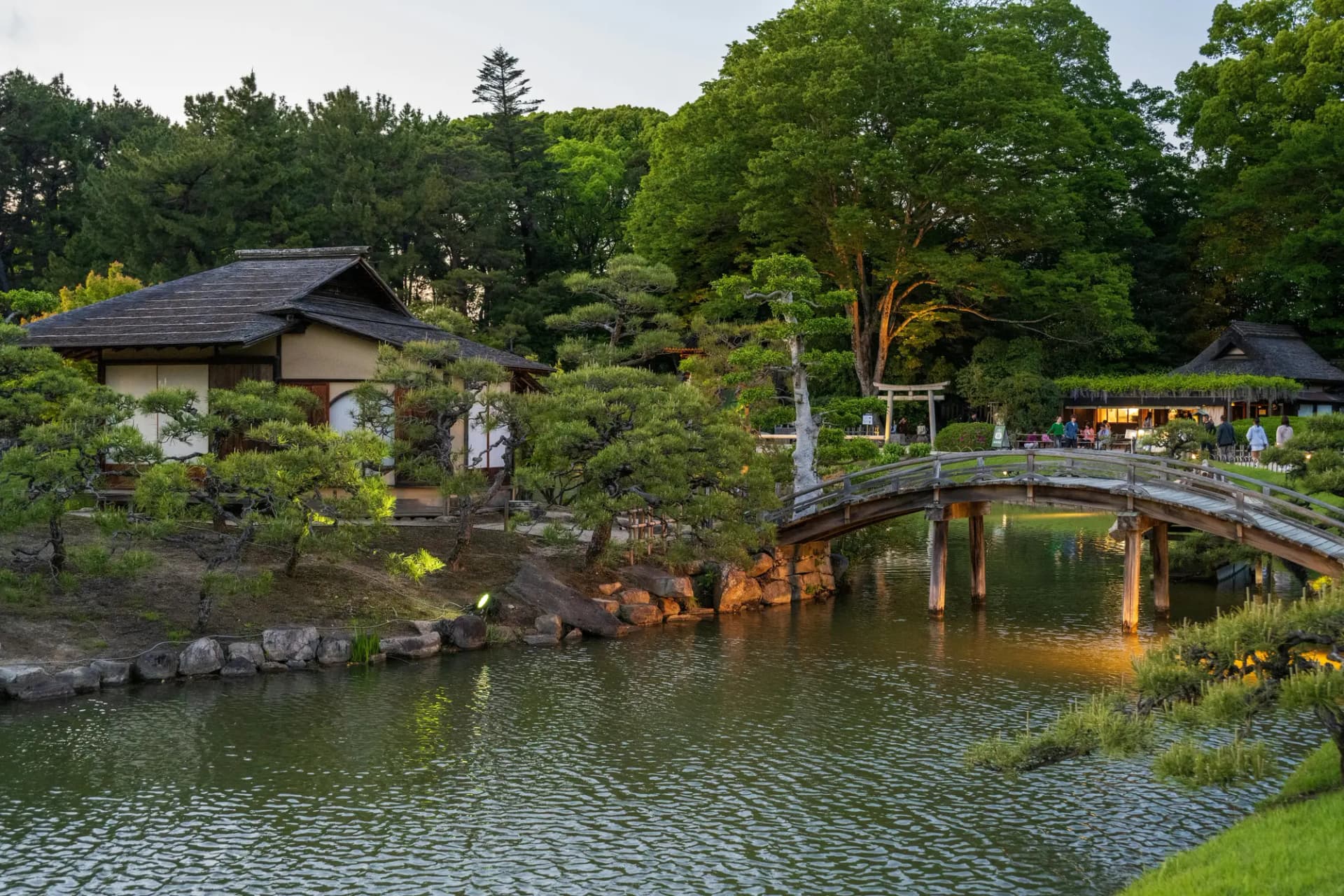
Both bridges are built on floating pontoons rather than fixed foundations, which is why they sway gently as you walk across them. The design isn't aesthetic whimsy. Because the water level in the reservoir fluctuates — rising after heavy rain, dropping during droughts — a fixed bridge would either sit too high or become submerged depending on the season. The pontoon design rises and falls with the lake. Mugiyama originally used actual steel drum cans as the floating elements, which is why locals still call it the Drum Bridge (太鼓橋). The drums have since been replaced with resin and metal cylinders engineered to look like the originals. The 220-metre crossing takes about 10 minutes on foot.
Both bridges close when the reservoir level drops far enough that the bridge sits too close to the lakebed, and during periods of strong wind. Before making the bridge the centrepiece of your day, check the Okutama Tourism Association website or call ahead — closures happen a handful of times each year for maintenance or weather.
Nippara Stalactite Cave
Nippara Stalactite Cave (日原鍾乳洞) is the largest limestone cave in the Kanto region, and one of the most impressive natural formations within the boundaries of Tokyo. The cave system runs 1,270 metres in total length with a height variance of 134 metres — it dips down and then climbs again, which gives the interior an unexpected scale. The Tokyo Metropolitan Government has designated it a natural monument.
The cave divides into two sections. The old cave was used for centuries as a site of mountain worship; legend holds that the hollow at its heart was used by the monk Kobo Daishi as a meditation retreat. The new cave was discovered in 1962 when construction workers broke through a rock wall and found a chamber that had been sealed for thousands of years. The two sections are now connected into a single walkable circuit.
Inside, the temperature holds at 11°C year-round — cold enough in summer to make you wish you'd brought a layer, warm relative to the outside air in winter. The formation includes stalactites and stalagmites shaped over hundreds of thousands of years, illuminated with coloured lights that turn the cave into something between geology and theatre. One of the highlights is a suikinkutsu — a buried earthen jar positioned so that dripping water falls into it, creating a clear, bell-like sound that resonates through the rock. It's an old Japanese garden feature usually associated with tea gardens, and its presence here, in a cave, is genuinely strange and beautiful.
The circuit takes 40 to 60 minutes at a comfortable pace. Some sections require ducking; wear shoes with grip. On rainy days water runs freely through the cave — bring a light waterproof layer. Admission runs approximately ¥800 for adults and ¥500 for children. The cave is a 30-minute bus ride from Okutama Station — the Nippara-bound bus runs infrequently, so check the schedule and plan your return bus before heading in.
Water Activities on the Tama River
For active visitors, the Tama River running through the Okutama valley offers two distinct experiences depending on how much adrenaline you want.
The gentler option is kayaking or canoeing on Shiromaru Lake (白丸湖), a smaller reservoir one stop before Okutama Station at Shiromaru Station. OKUTAMA BASE and Shiromaru Village operate Canadian canoe rentals on the lake — stable, quiet craft ideal for beginners or anyone who just wants to drift on emerald-green water with forested hills rising on both sides. Rental typically runs around ¥3,000 for two hours for a boat that accommodates up to three people, including life jackets and paddles. The lake is calm regardless of season and requires no prior paddling experience.
The river option is more physical. Guided rafting and kayak tours run from the Mitake and Kawai stations (two and three stops before Okutama) on the Tama River itself. The standard guided tour covers around 5km of river over roughly two hours — gentle enough for beginners and non-swimmers while still moving fast enough to feel like genuine river descent. Companies such as River Joy operate out of the Mitake area; their bases are about 25 minutes on foot from the station, or reachable by shuttle if you arrange it in advance. Tours typically depart from 9am, so arriving at Mitake Station by 9:30am keeps the timing clean. Budget around half a day if you're combining river activities with the lake area and cave.
Hato-no-su Gorge and Easy Hiking
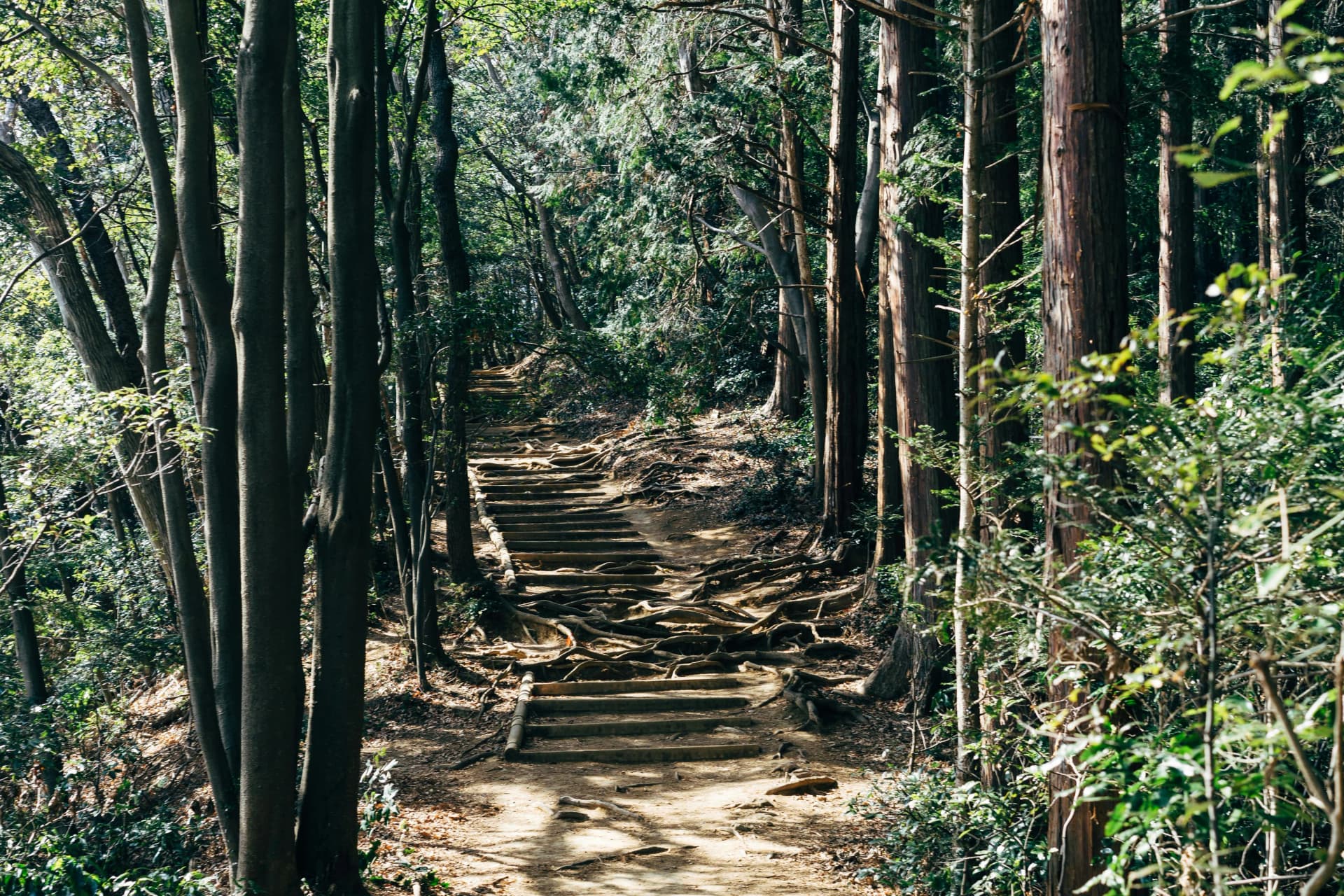
Hato-no-su Gorge (鳩ノ巣渓谷) is 20 minutes from Okutama Station and accessible by both bus and a short walk from Hato-no-su Station. The gorge trail follows the Tama River through steep rock walls and pools of clear water, taking 1 to 2 hours at an easy pace with minimal elevation. The canyon narrows dramatically in sections — the rock walls press close and the sound of the river fills the space. This is the most immediately dramatic landscape in the area, accessible to anyone with reasonable walking shoes.
For a longer walk, the Ikoi Trail runs 12km along the south bank of the reservoir from Ogouchi Dam to Yama-no-Furusato Village — rated easy, about four hours, open from mid-April through November. Yama-no-Furusato Village at the far end has a restaurant and traditional exhibits, and is accessible by bus back to Okutama Station.
The more serious mountain terrain — Odake, Mt. Mito, and the Okutama ridgelines — requires appropriate footwear and experience. These trails attract experienced hikers and are beyond the scope of a casual day trip.
Ogouchi Shrine
Ogouchi Shrine sits on a forested peninsula that juts into the centre of the lake, visible from the floating bridge. Founded to enshrine the village shrines submerged by the dam, it occupies an unusual position — part guardian deity of Tokyo's water supply, part memorial. The view across the lake from the shrine grounds is one of the better vantage points in the area. On the second Sunday of September, the shrine holds an annual festival with traditional performances from the old Ogouchi village communities.
When to Go
Spring (April): Cherry blossoms around the lake typically peak in mid-April, running about a week later than central Tokyo due to the altitude. Less crowded than equivalent Tokyo spots, and the combination of blossoms and mountain ridges is worth making the trip for.
Summer (June–September): Green and lush, with temperatures noticeably cooler than the city. River activities and the cave (a natural refuge at 11°C) are most appealing in summer. Weekends in July and August draw crowds to the popular spots — arriving before 9am or visiting on weekdays makes a meaningful difference.
Autumn (late October–mid November): Autumn foliage turns the mountain ridges behind the reservoir in late October, with peak colour typically arriving in the first two weeks of November. The week before the foliage peaks is the sweet spot — colour is already advancing and the crowds that follow peak haven't arrived yet.
Winter (December–February): Quiet, cold, and occasionally dusted with snow. The floating bridge stays open in calm weather. Good for photography; river activities pause until spring.
Building the Day
The relaxed day: Okutama Station → bus to Ogouchi Shrine-mae (Mugiyama floating bridge) → cross the bridge → bus or walk to lakeside area → Ogouchi Shrine → Water and Greenery Friendship Hall → bus to Nippara Cave → return train from Okutama. About 7 hours.
The active day: Mitake Station → rafting on the Tama River (half day, 9:30am start) → train to Okutama → Hato-no-su Gorge → bus to the floating bridge → dinner in Okutama town → last train back. 9 hours.
The cave-focused day: Okutama Station → bus to Nippara Cave (arrive early, beat the buses) → Nippara cave circuit (60 minutes) → return bus to Okutama → Hato-no-su Gorge → lakeside café → evening train. Good for summer or a shoulder-season weekday.
With a night stay: The Okutama area has traditional inns and mountain restaurants. Staying overnight unlocks the longer ridgeline hikes and empties the popular spots of day-trippers by late afternoon — the floating bridge at dusk, with no crowd, is worth the extra night.
Infinite Tokyo allows custom day trips including Okutama combinations — cave and gorge in one direction, lake and shrine in another.
FAQ
Can you visit Lake Okutama and Nippara Cave in the same day? Yes, though it requires attention to bus timing. The Nippara bus runs infrequently from Okutama Station, and the bus between the station and the lake area runs about once per hour. Plan your bus connections in advance using the Nishitokyo Bus schedule. The cave takes 45–60 minutes, and the bus back to the station takes 30 minutes — budget accordingly and don't assume the next bus is close.
Is the floating bridge open year-round? Mostly, but not always. The bridge closes when the reservoir level drops significantly during dry spells, during strong winds, and for periodic maintenance (several times per year). Check the Okutama Tourism Association website before making the bridge the main focus of your trip. The Tozura bridge and Mugiyama bridge close on the same conditions but are managed separately — one may be open when the other isn't.
Do I need experience for the Tama River rafting? No. The guided tours from Mitake and Kawai stations are designed for beginners, including non-swimmers. Operators provide all equipment, safety briefing, and guide instruction. The river section used for tours is fast and exciting without requiring technical skill. Children above a certain height and weight threshold are usually welcome — confirm with the operator when booking.
What is the temperature inside Nippara Cave? 11°C year-round. In midsummer, when outside temperatures reach 33–35°C in Tokyo, stepping inside the cave is a dramatic sensory shift. Bring a light jacket or layer regardless of the season. On rainy days and the following day or two, water runs freely through parts of the cave — a waterproof jacket is also useful in wet weather.
Is Okutama worth it compared to Mt. Takao? Different experiences. Mt. Takao is faster to reach, more developed, and has a clear hiking route to a summit. Okutama has more variety — cave, floating bridge, gorge, reservoir, river activities — spread over a larger area, with substantially fewer foreign visitors. If you want a single focused hike, Takao is easier to execute. If you want a full day of varied mountain experiences that feel genuinely off the tourist circuit, Okutama wins.