Choose a Tokyo base that matches how you shop—and keeps resets, routes, and evenings feeling easy.
Where to stay in Tokyo for shopping shapes the entire rhythm of your days — choose a base that matches how you shop, keeps bag-drop resets easy, and doesn't put you through a mega-station after a long afternoon. For broader lodging guidance beyond shopping, see our general Tokyo base selection guide.
How Tokyo Shopping Geography Really Works
Shopping clusters, not a single center
Tokyo's major shopping zones are like islands connected by rail. They're close on a map but feel far when you're moving at peak times, navigating multi-level stations, or carrying purchases.
Common shopping day patterns:
-
Department store day: Ginza ⇄ Nihonbashi ⇄ Tokyo Station area
-
Trend/fashion day: Shibuya ⇄ Harajuku/Omotesando ⇄ Daikanyama
-
Big station mall day: Shinjuku ⇄ Ikebukuro (and sometimes Shibuya)
-
Bargain/market day: Ueno/Okachimachi ⇄ Asakusa (with side trips)
-
Niche day: Akihabara (electronics/anime) or Kappabashi (kitchenware)
Your lodging decision is basically a decision about which of these patterns you want to be "easy" and which you're fine treating as a day trip. For more on how Tokyo's transport system works, that guide covers the full network.
The "two-bag rule" for choosing a base
If you expect to buy enough that you'll want to drop things off, your hotel needs to be:
-
Close to your shopping hub
-
One train with minimal transfers away
-
In a place where a taxi back won't feel irrational
If you don't follow this, you'll either overbuy early and spend the rest of the day managing bags, or underbuy because returning to the hotel feels like a chore.
Station complexity matters when you're tired
Tokyo's famous stations are not all equal.
-
Tokyo Station: Massive and navigable—but "near the station" can still mean a 10-minute internal walk through underground passages
-
Shinjuku Station: A world of exits and corridors spanning multiple buildings. The west exit and east exit feel like different neighborhoods. A hotel that looks close on a map can require navigating three levels and two passageways
-
Shibuya Station: Improved with recent redevelopment but still involves vertical movement through multiple complexes (Hikarie, Fukuras, Scramble Square all connect at different levels)
-
Smaller stations (Ginza Line stops, Omotesando, Ebisu): Calmer day-to-day even if they're less "connected"
The best base is often the one that reduces daily cognitive load, not the one with the most lines on paper. If station navigation complexity is more than you want to manage while carrying shopping bags, understanding common pitfalls helps—see our guide on Tokyo transport mistakes.
What Kind of Shopper Are You?
Use these as profiles. You don't need to fit perfectly—just identify your dominant pattern.
| Shopping Style | Where You'll Shop | What You Need From a Base |
|---|---|---|
| Department stores, flagship shopping, polished streets | Ginza (Mitsukoshi, Matsuya), Nihonbashi (Takashimaya), Marunouchi/Tokyo Station (Daimaru, KITTE), possibly Shinjuku department stores | Short walks, straightforward navigation, easy bag management, calm evenings and early mornings |
| Trend-forward fashion and brand browsing | Shibuya (109, Parco, Hikarie), Harajuku (Takeshita-dori, Omotesando, Laforet), Omotesando/Aoyama flagships, Daikanyama | Easy Yamanote line access or direct line to Shibuya, walkable streets and cafés, tolerance for crowds |
| Vintage, secondhand, neighborhood boutiques | Shimokitazawa (vintage concentration), Koenji (secondhand clusters), Kichijoji, Daikanyama/Ebisu streets | Strong west-side rail access (Odakyu, Chuo, Keio lines), patience for slower browsing days, easy hotel returns |
| Electronics, hobby goods, niche shopping | Akihabara (electronics, anime/manga), Nakano Broadway (collectibles), specialty streets (cameras in Shinjuku, instruments in Ochanomizu) | Direct routes avoiding transfers, comfort with daytime intensity and evening quiet |
| Bargains, markets, everyday Tokyo | Ueno/Okachimachi (Ameyoko market, discount retailers), Asakusa (traditional souvenirs), discount stores citywide | Good value logistics, walkable straightforward stations, openness to older neighborhoods and earlier closing |
These neighborhood boutiques and vintage shops often hide behind residential facades or on upper floors of unmarked buildings. For a deeper look at Shimokitazawa's vintage scene with local guidance, insider knowledge makes a difference.
Understanding Harajuku's fashion culture with insider perspective adds context most visitors miss
The Decision Factors That Matter Most
1) How often will you reset at the hotel?
If you'll reset daily (or twice daily), prioritize proximity to your main shopping hub over everything else.
If you'll reset every few days, you can choose a base for vibe, restaurants, and ease of seeing different parts of the city.
Simple test:
-
Hate carrying a tote for more than 30 minutes? Choose a close base
-
Fine shopping with a backpack and consolidating at night? You can be more flexible
2) Are your purchases bulky or small?
Bulky purchases (shoes, outerwear, home goods, kitchenware) shorten your ideal return path.
Small purchases (cosmetics, stationery, accessories) let you roam farther.
Tokyo makes bulky shopping easier than many cities because of escalators, coin lockers, and delivery options—but friction still accumulates if you're transferring trains.
3) Do you want nightlife after shopping?
Many shopping areas "switch modes" after department stores close around 8-9 PM.
-
Some areas go quiet quickly (Nihonbashi, parts of Ginza)
-
Some transition into dining and bars (Shibuya, Shinjuku, Ebisu)
If you care about evening energy, don't just choose where to shop—choose where you'll want to be after 8-10 PM.
4) Station navigation: do you value simplicity or connectivity?
A hyper-connected station can be a daily tax if exits are confusing.
If you're traveling with older family members, strollers, or anyone who dislikes stairs and crowds, prioritize:
-
Smaller stations
-
Predictable routes
-
Fewer transfers
5) Do you plan outlet day trips?
Many outlet experiences are outside central Tokyo (Gotemba Premium Outlets, Mitsui Outlet Park). If you plan a day trip by express bus or train, your base should make departures painless and your return predictable.
Staying near major transit hubs (Tokyo Station, Shinjuku, sometimes Shinagawa) reduces day trip friction—but it can be overkill if your real goal is simply shopping within the city.
Neighborhood-by-Neighborhood: What Each Base Makes Easy
Each area is a tool. Pick the tool that fits your shopping style.
| Neighborhood | What It Makes Easy | Trade-offs You Accept | Who This Fits | Tokyo Reality Check |
|---|---|---|---|---|
| Ginza / Yurakucho | Department stores, flagship shops, brand browsing on foot (Mitsukoshi, Matsuya, Ginza Six). "Finish the day, return to hotel, reset" rhythm. Calmer, orderly streets. Covered arcades for weather. | Can feel corporate or quiet late at night. Youth fashion requires travel to Shibuya/Harajuku (15-20 min). | Travelers prioritizing luxury, department stores, cosmetics, gift shopping. Anyone valuing predictable, low-friction daily routine. | Ginza's convenience is less about "being central" and more about dense shopping clusters with minimal transfers. If you expect multiple bag drop-offs, this is one of the easiest places to make that feel normal. |
| Tokyo Station / Marunouchi | Polished shopping-dining zone efficient in bad weather (extensive underground passages). Smooth day trip logistics. Department store access (Daimaru, easy to Nihonbashi/Ginza). | "Near Tokyo Station" can still mean long internal walks (station spans 800+ meters). Vibe can skew businesslike on weekdays. | Travelers wanting clean logistics and rail-heavy days. Shoppers liking department stores and curated malls without constant street browsing. | Tokyo Station is less a neighborhood, more a transit ecosystem. Reduces stress if moving around Japan—but you may pay a daily transit tax if only shopping Shibuya/Harajuku. |
| Nihonbashi / Kyobashi | Refined department store and specialty shopping (Takashimaya main store, Coredo complexes). Less crowded, more local business district atmosphere. Strong food hall (depachika) shopping. | Fewer obvious nightlife streets; evenings subdued. Constant fashion energy requires westward commute. | Travelers liking traditional department stores, food halls, specialty goods, calmer base. Shoppers interested in Japanese design and craft. | "Central" but more restrained than Ginza. Works well if you value morning calm and short walks. |
| Shinjuku | Department stores, big malls, high-volume retail (Isetan, Takashimaya Times Square, Lumine). Fast access everywhere. Wide food and evening options. Express trains to day trips. | Station complexity—over 200 exits. "5 min from Shinjuku Station" can mean 15 min from wrong exit. Heavy crowds throughout the day. | Shoppers wanting big selection and "do everything from one hub" approach. Travelers mixing shopping with day trips from major terminals. | Can be frictionless or exhausting. Google Maps distances hide staircases, passages, wrong turns. Pick hotel unambiguously close to specific exits you'll use. |
| Shibuya | Youth fashion, streetwear, flagship browsing, pop-ups (109, Parco, Hikarie, Miyashita Park). Easy access to Harajuku/Omotesando. "Always something happening" evening atmosphere. | Crowds, noise, fast-moving streets. Station complexity (multiple levels and exits). Construction/redevelopment creating occasional routing changes. | Travelers whose shopping centers on fashion districts and brand neighborhoods. People wanting dining and nightlife without commuting back. | If sensitive to crowds, Shibuya can be tiring as home base even if you love it as destination. Quieter micro-area a short walk away (toward Aoyama or Daikanyama) can be the difference between energizing and exhausting. For depth beyond the obvious shopping, see Shibuya with local guidance. |
| Harajuku / Omotesando / Aoyama | Stylish streets, curated boutiques, flagship stores (Omotesando Hills, Cat Street, Takeshita-dori). High café concentration. Calmer lodging than Shibuya while close to same ecosystem. Walking between areas without station re-entry. | Less convenient for east-side destinations without transfers. Nightlife more subdued—more "dinner" than "late night". Hotel density lower; tends toward boutique/luxury. | Shoppers prioritizing browsing on foot over huge malls. Travelers wanting fashionable atmosphere without constant station chaos. | "Quality over quantity" base. If shopping is about experiencing streets and storefronts rather than maximizing purchases, daily rhythm feels unusually pleasant. For neighborhood tours that include shopping context, cultural integration matters. |
| Ebisu / Daikanyama | Boutique shopping, design shops, smaller labels, relaxed browsing (Daikanyama T-Site, Ebisu streets). Easy access to Shibuya (one stop, 2 min). Strong grown-up food-and-drink scene. Manageable station size. | You'll travel for department stores and large malls. May feel too calm if your style is high-volume and price-driven. Fewer hotels than major hubs. | Travelers liking curated shopping and wanting social but not chaotic evenings. Shoppers interested in design, lifestyle goods, smaller-scale fashion. | Excellent "recover" base: close enough to Shibuya for shopping intensity, far enough to sleep well. |
| Ikebukuro | Large department stores and mall-style shopping close together (Seibu, Tobu, Lumine, Parco). Efficient for north/west Tokyo. Wide casual dining and daily convenience. Anime/manga specialty shopping. | Less "Tokyo shopping street" atmosphere. Some find it less intuitive as first base (less guidebook coverage). Station is large and can be confusing. | Shoppers wanting big retail density and valuing practical convenience. Travelers looking for smoother alternative to Shinjuku while still very connected. | If you like Shinjuku's convenience idea but want slightly different tempo, Ikebukuro delivers "everything nearby" with its own personality. |
| Ueno / Okachimachi | Bargain-oriented shopping and market streets (Ameyoko). Daytime exploration blending shopping with museums and parks. Straightforward base for northeast Tokyo. Discount stores. | Some areas quiet down earlier. High-fashion browsing requires travel (20+ min to Shibuya/Harajuku). Hotel quality varies more. | Travelers liking discount stores, street shopping, more local feel. Budget-conscious shoppers. | Often more "functional" than glamorous. If satisfaction comes from finding deals and walking lively daytime streets, can be strong base. |
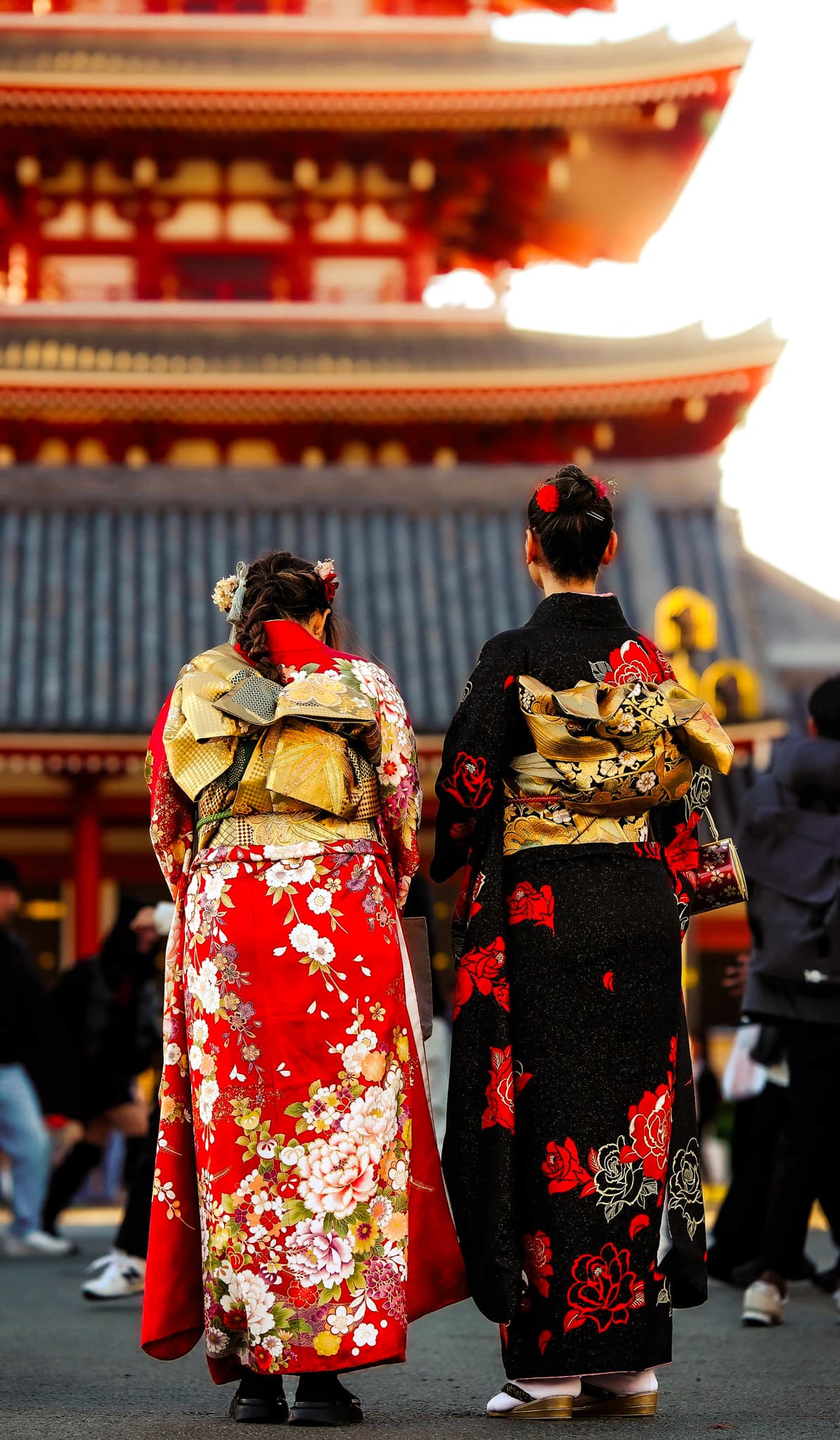
| Asakusa | Traditional-souvenir shopping and older neighborhood atmosphere (Nakamise-dori, craft shops). Calmer evening environment. Affordable hotel options. Access to Sky Tree shopping complex. | You'll commute for modern fashion districts and department stores (25-30 min to Shibuya). Some find it too quiet for nightlife. Fewer contemporary retail options. | Travelers valuing heritage atmosphere and treating major shopping districts as day trips. Shoppers interested in traditional crafts, souvenirs, local markets. | Works best when shopping is only one part of your trip and you want your hotel neighborhood to feel distinct. |
| Akihabara | Electronics, anime, hobby shopping, niche browsing (Yodobashi Camera, manga/anime stores, component shops). Quick access to central/east locations. Straightforward station layout. | Atmosphere is specific; if you don't love it, living there can feel narrow. Fashion-focused shopping requires regular travel. Evening energy limited once stores close (8-9 PM). | Travelers with strong electronics/hobby focus. Fans of anime, manga, Japanese pop culture. | If shopping list is niche and time-sensitive, staying close can be strategic. If it's only curiosity, visiting once is usually enough. |
Matching Bases to Realistic Itineraries
Think in terms of what you'll do on two or three consecutive days.
| Pattern | Typical Day | Bases That Support This | Trade-off |
|---|---|---|---|
| Department stores + food halls + polished evenings | Morning shopping → lunch in food hall → afternoon browsing → back to hotel → dinner | Ginza / Yurakucho, Nihonbashi / Kyobashi, Tokyo Station / Marunouchi | Trend shopping in Shibuya/Harajuku becomes deliberate excursion |
| Fashion browsing + cafés + nightlife | Late morning start → street browsing → cafés → pop-ups → dinner and drinks nearby | Shibuya, Harajuku / Omotesando / Aoyama, Ebisu / Daikanyama | East-side bargain districts and some museum-heavy days take more transit |
| High-volume retail from one mega-hub | Big station shopping complexes → department stores → broad dining selection | Shinjuku, Ikebukuro | Crowd management and station navigation |
| Value shopping + daytime neighborhoods | Morning market streets → casual lunch → museum/park → early dinner | Ueno / Okachimachi, (sometimes) Asakusa | Fewer late-night options and more commuting for modern fashion |
Practical Shopping Logistics That Affect Where You Should Stay
Bag management in Tokyo: what's realistic
If you shop seriously, you'll need a system. The best base makes your system simple.
Options you can combine:
Return-to-hotel resets: Easiest when your base is near your shopping hub
Station lockers: Coin lockers available at major stations (¥300-700/day depending on size). Popular stations like Tokyo Station, Shinjuku, and Shibuya have extensive locker networks but fill quickly during peak tourist seasons. Smaller stations have fewer lockers but lower demand.
Delivery services: Major department stores often offer hotel delivery (same day or next day). Some stores offer international shipping. Takkyubin courier services available at convenience stores for sending packages to hotels.
Even without relying on any single method, choosing a base that minimizes transfers reduces the "I'm carrying too much" moments.
Crowds and timing
If you dislike crowds, your base can help you start earlier and end calmer.
-
Department stores often feel calmer earlier in the day (opening is typically 10-10:30 AM)
-
Big-station hubs are most draining at commuter peaks (8-9 AM, 6-8 PM)
-
Some streets are enjoyable late morning and become shoulder-to-shoulder in mid-afternoon
A quieter base can make it psychologically easier to leave early, which often produces a better shopping day.
Weather and covered movement
Tokyo has plenty of underground passages and covered arcades, but they're unevenly distributed.
Areas with extensive covered connectivity:
-
Tokyo Station/Marunouchi (underground network connecting buildings and stations)
-
Shinjuku (complex underground passages)
-
Parts of Ginza (covered arcades)
Areas relying more on street-level walking:
-
Harajuku/Omotesando
-
Shimokitazawa
-
Daikanyama
If you're visiting in a rainy season or you're sensitive to heat/humidity, a base with easier covered movement can matter more than you expect.
Food as a shopping category
In Tokyo, food shopping is part of shopping.
If you care about depachika food halls, packaged snacks and gifts, or specialty groceries, then central department-store zones can be unusually satisfying. If your main base is far, you may find yourself planning "food shopping" as a separate trip. For help navigating language barriers while shopping, that context matters in smaller shops.
Common Mistakes
| Mistake | Fix |
|---|---|
| Choosing a base for "centrality" instead of for your shopping map | Tokyo doesn't reward vague centrality—it rewards clarity. Pick two main shopping hubs you care about most, then choose a base that makes at least one walkable and the other reachable with minimal transfers. |
| Underestimating how much you'll want a midday reset | Many travelers think they'll shop straight through. Then reality happens: crowds, heat, decision fatigue. If you expect serious purchases, choose a base that makes dropping things off feel normal. |
| Staying "near a station" without understanding exits and walking time | A hotel can be "near" a station and still require a long internal commute. Treat the specific station exit as your true location, not the station name. A hotel "near Shinjuku Station" could be a 2-minute walk from the south exit or a 15-minute walk from the east exit through corridors and stairs. |
| Copying someone else's neighborhood choice without matching their shopping style | A base that's perfect for luxury browsing can be frustrating for vintage hunting, and vice versa. Decide whether your trip is department-store driven, fashion-district driven, bargain-driven, niche-driven, or a balanced mix. Choose accordingly. |
Quick Self-Selection Guide
| If You Want | Lean Toward |
|---|---|
| Low-friction shopping routine with frequent bag drop-offs | Ginza / Yurakucho, Nihonbashi / Kyobashi |
| Fashion district immersion and evenings that stay lively | Shibuya, Harajuku / Omotesando / Aoyama |
| A connected mega-hub with huge retail density | Shinjuku, Ikebukuro |
| Value shopping and older neighborhood texture | Ueno / Okachimachi, Asakusa (if modern shopping is secondary) |
| Niche hobby shopping to be effortless | Akihabara |
This guide is published by Hinomaru One, a Tokyo-based private tour operator.