Mt Takao is the most-visited mountain in the world. The crowds are real, but so are the reasons people keep coming.
Mt Takao receives approximately 3 million visitors a year — more than any other mountain in the world. The reasons are straightforward: it's 599 metres tall, 50 minutes from Shinjuku by direct express, has six different hiking trails, a cable car for the less keen, and a seasonal beer garden at the summit. Yakuo-in Temple, 1,200 years old and Michelin-starred, sits partway up the main trail. All of this is accessible on an IC card for about ¥400 each way.
The crowds are the downside, and they're real. During autumn foliage season, the cable car queue hits two to three hours and the main trail turns into a single-file shuffle. Peak crowd window is 10am to 1pm on weekends year-round. But with the right timing — which this guide covers in specific terms — the mountain is genuinely worth it.
Getting There
Train: Keio Line Limited Express from Shinjuku (Keio) to Takaosanguchi Station — 50 minutes, no transfer, approximately ¥400. The Limited Express runs frequently; the faster "Keio Liner" requires a reserved seat but saves a few minutes. Use your Suica or IC card. Note: Keio Shinjuku Station is a separate building from JR Shinjuku — exit the JR gates and look for the Keio entrance on the south side.
Takaosanguchi Station puts you at the mountain's base. The cable car station, chairlift entrance, and the trailheads for Routes 1, 4, and 6 are all within a five-minute walk of the exit.
By car: Route 20 west from central Tokyo takes about 90 minutes depending on traffic. Parking exists near the base but fills quickly on weekends and is often full by 8am during autumn. The train is the better option for every practical reason.
Which Trail
Mt Takao has six numbered trails. Most visitors use Route 1. Most visitors should probably not use Route 1.
Route 1 (Omotesando): 3.8km, about 100 minutes up and 80 minutes down. Paved for most of its length, lined with souvenir shops and food stalls, and passes directly through Yakuo-in Temple. This is the right choice if you want the temple visit, the cable car hybrid option, or the simplest possible ascent. It's also the most crowded by a significant margin — on autumn weekends, it functions as a slow-moving queue.
Route 4: The best trail for most visitors who want something more than pavement. It runs parallel to Route 1 through mixed forest, connects via a suspension bridge midway up, and merges with Route 1 near the summit. Roughly the same distance and time as Route 1, but markedly quieter. The canopy provides good shade in summer. Recommended for anyone with reasonable fitness who finds the idea of hiking a paved shopping street only marginally appealing.
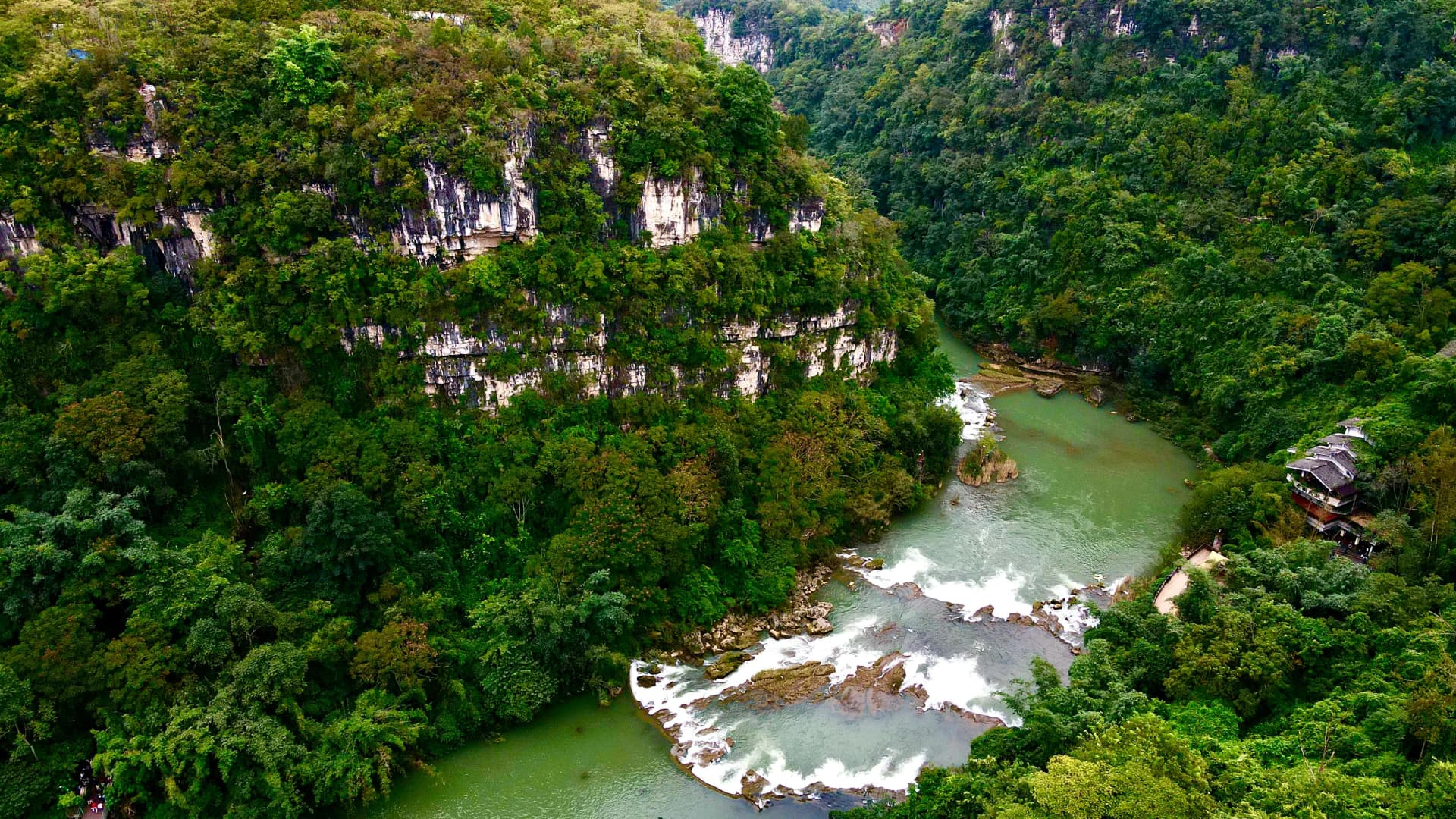
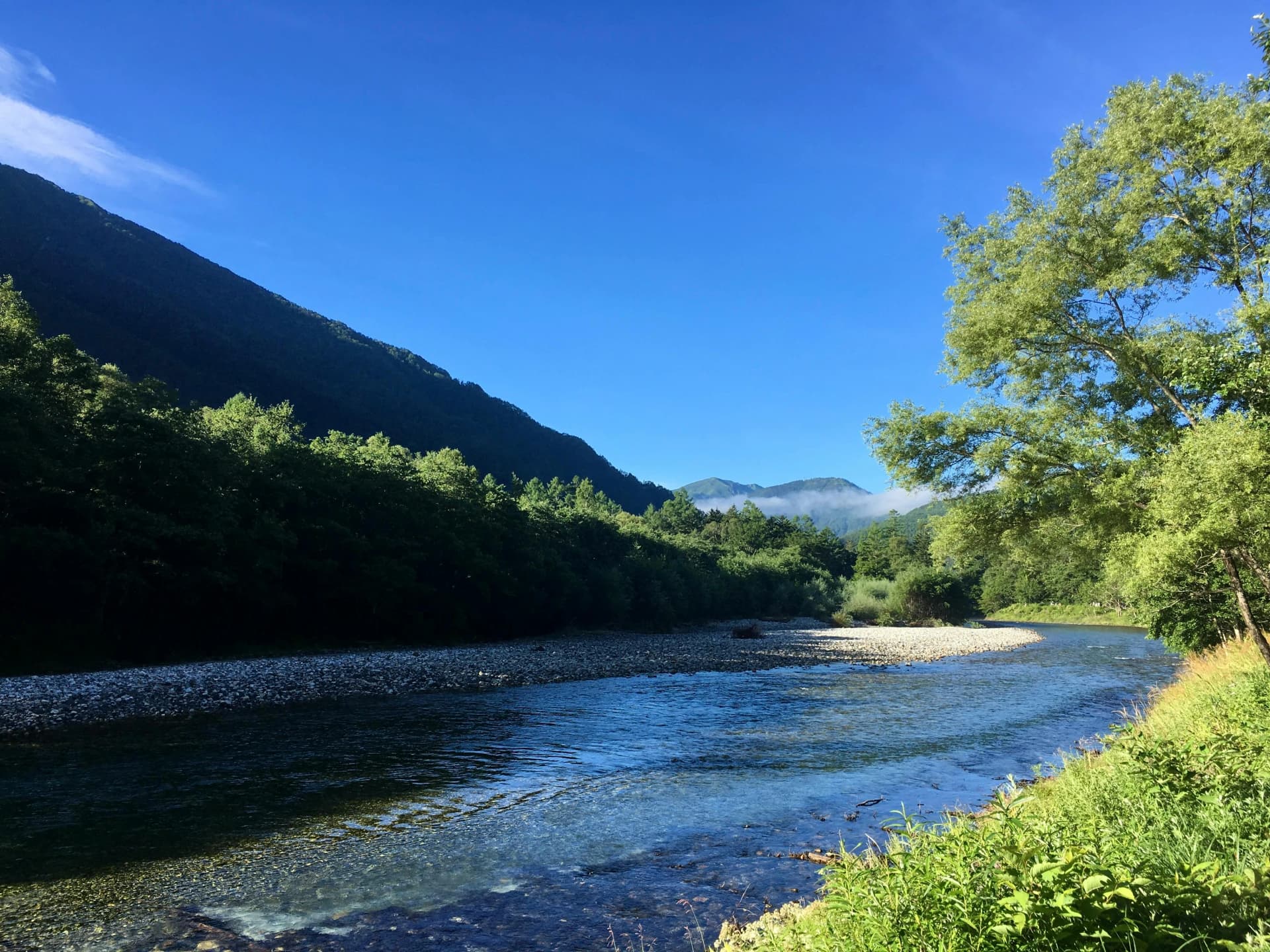
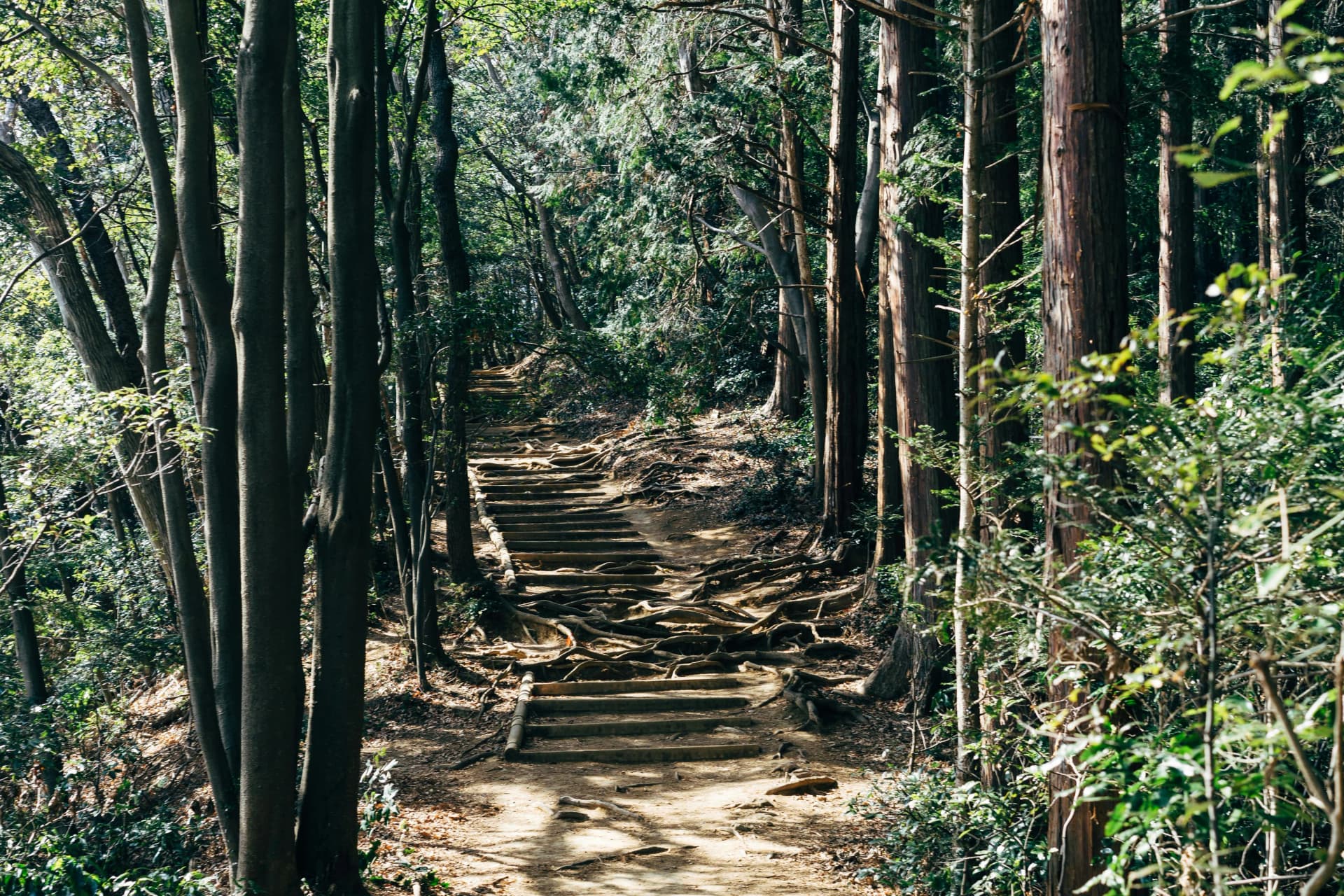
Route 6 (Biwa Waterfall): 3.3km, approximately 100 minutes up and 80 minutes down. Follows a stream bed through the mountain's densest forest section, passing Biwa Waterfall in the lower half. Unpaved, with stepping stones across the stream in several places. The quietest of the three main routes and the most rewarding if you want something that actually feels like a hike. The trail is one-way going up; you'll need to descend via Route 1 or Route 4.
Cable car / chairlift hybrid: The cable car (6 minutes, ¥490 one-way per adult) or chairlift (12 minutes, similar price) takes you from the base to mid-mountain at the Takaosan Station area. From there, it's about 30 minutes of walking to the summit. This is the appropriate choice for families with young children, visitors with mobility limitations, or anyone whose goal is the summit view and the temple rather than the hike itself.
The Kobotoke-Shiroyama extension: Beyond the Mt Takao summit, the ridge trail continues 4.3km to Kobotoke-Shiroyama (670m), a quieter peak with its own views. The extension adds roughly two hours to your day. Foot traffic drops dramatically past the summit — this is where you leave the crowds entirely.
Yakuo-in Temple
Yakuo-in is the reason Mt Takao has a Michelin designation, and it rewards more than a passing glance.
The temple was founded in 744 AD on the orders of Emperor Shomu, established by the monk Gyoki as a prayer site for the protection of the eastern provinces. Its formal name is Takaosan Yakuoin Yukiji. The temple was later revived in 1376 by the monk Shungen, who enshrined the principal deity — Izuna Daigongen — a figure depicted in the form of a karasu-tengu (crow-nosed goblin) riding a white fox. This is the origin of the Tengu imagery that defines the mountain's visual identity: the long-nosed guardian figures at the gate, the Tengu statues along the approach, the Tengu-branded food stalls.
Yakuo-in belongs to the Shingon-shu Chisan-ha sect, one of Japan's major esoteric Buddhist schools. It shares this affiliation with Naritasan Shinshoji Temple and Kawasaki Daishi — both major pilgrimage sites. The mountain itself is considered sacred ground within this tradition, which is part of why the trails are walked by religious practitioners (yamabushi) as well as hikers.
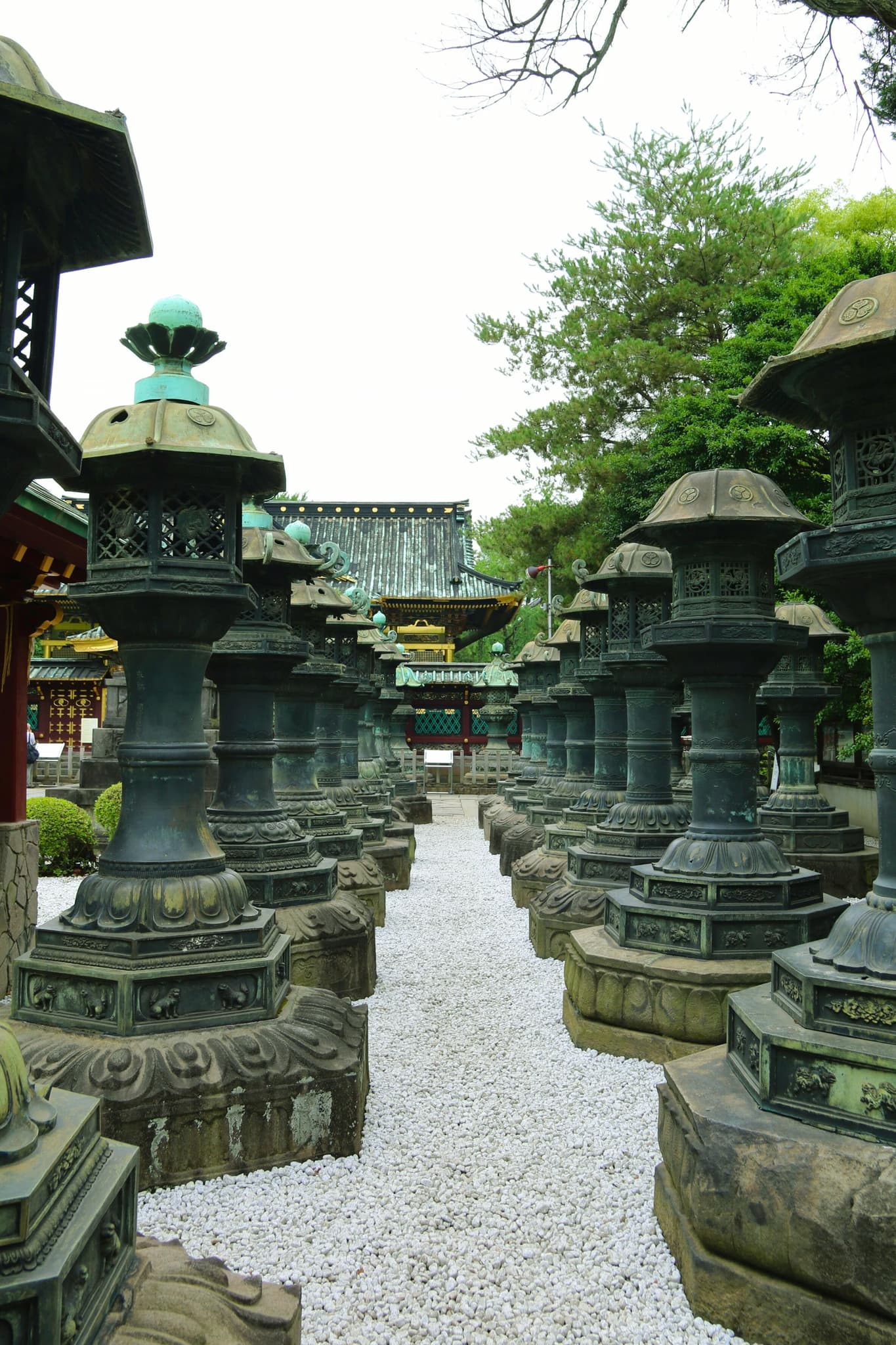
What to look for on the approach: the Sanmon Gate at the foot of the main stairs features four celestial guardians in unpainted zelkova wood. Above it, the Nio-mon (Deva Gate) guards the main hall complex. The Tengu no Koshikake Sugi — a cedar tree said to be a perch for the Tengu — stands on the right side of the path before the main hall. Admission to the temple grounds is free. The main hall itself closes to the general public, but the surrounding complex, cedar-lined approach, and guardian figures are open throughout the day.
The Summit
The summit sits at 599 metres, which is high enough to earn the Kanto plain views and low enough to remain accessible. The view platform looks west toward Mt Fuji and north across the spread of Tokyo's outer suburbs.
Mt Fuji visibility depends entirely on weather conditions. Cold, dry air — typically November through February — gives you the clearest sight lines. Summer months are almost always hazy; the mountain disappears behind moisture even on sunny days. The visitor centre at the summit posts a daily Fuji visibility indicator, which saves guessing. January and February have the highest probability of clear views, and the mountain is at its least crowded during those months.
The summit area itself has several food options, a gift shop, and seating. The observation deck is on the northwest side of the plateau. In clear conditions, the view from Kobotoke-Shiroyama to the west is arguably better — fewer people, slightly higher elevation, and a wider sight line — but it requires the extra two hours.
Beer Mount
From late June through late October, the summit operates an open-air beer garden — Beer Mount — that runs an all-you-can-eat buffet with unlimited drinks, seated on terrace benches overlooking the Kanto plain.
2025 season: June 28 to October 26. Closed September 8–12 for a maintenance break. Hours are 13:00–21:00 (last order 20:45). On Beer Mount operating days, the cable car extends its last run to 21:15.
Pricing: ¥5,000 per adult for 2 hours unlimited food and drink. Extensions are charged per person beyond the initial period. No reservations are required on weekdays; weekend evenings in August and September fill quickly and queuing for entry tickets starts before opening.
The food is buffet-style Japanese izakaya fare — edamame, grilled items, fried chicken, rice dishes — alongside beer, soft drinks, and chu-hi (canned cocktails). The elevation means genuine cooling on summer evenings when the city below is 4–5°C warmer.
This is the specific thing that makes Mt Takao unusual among accessible mountains near any major city: a proper seated meal with a cold beer at 488 metres, reached by cable car, at the end of a hiking day. It works.
When to Go
Spring (late March through May): Cherry blossoms appear at the base in late March and persist into mid-April along the trail. Spring air is clearer than summer, giving better Fuji views than you'd expect. Crowds are moderate except during the cherry blossom peak, when weekends fill up.
Summer (June through August): Fuji disappears into haze, heat on the lower trails is significant, and Beer Mount is running. Route 6's stream sections stay cool. Weekday mornings are manageable; weekend middays are unpleasant. The early morning start strategy matters most in summer.
Autumn (mid-October through December): Peak foliage typically runs from mid-to-late November. In 2024, the best colour ran November 22 through December 3. The Momiji Matsuri (Maple Festival) runs from late October through early December with food stalls and events at the base. This is also when Mt Takao becomes genuinely overcrowded — cable car waits of 90 to 120 minutes on weekends, and the Route 1 approach to Yakuo-in can be a shoulder-to-shoulder queue. Early November (the 1st through 15th) catches early colour before the weekend crush peaks. If you visit during peak foliage, a weekday is non-negotiable.
Winter (January through February): The best Fuji views of the year and the smallest crowds. Dress in layers — the summit sits at around 2–4°C on cold days. Trail 1 is passable without special footwear except after snow; Routes 4 and 6 can be icy. The combination of empty trails and clear views makes January arguably the single best month to visit.
Beating the Crowds
The crowd window that ruins most visits is 10am to 1pm on weekends. Everything before 10am and everything after 1pm on a weekday is a meaningfully different experience.
The specific tactic: arrive at Takaosanguchi before 9am. Take the first cable car of the day (cable car service begins at 8am), or start hiking Route 1 or Route 6 from the base immediately. At this pace, you reach the summit before the train from Shinjuku has filled with the day's main wave of visitors. By the time the 10am crowd hits the cable car queue, you're already at the top with a clear trail behind you.
On autumn weekends during peak foliage, 9am arrival is not early enough. Aim for 7:30–8am or visit on a Tuesday or Wednesday, when the mountain is reliably quieter than any weekend.
Route choice also matters: Route 4 and Route 6 carry a fraction of Route 1's traffic even during peak periods. If your goal is a hiking experience rather than the temple approach specifically, either of those trails will deliver it.
One more tactic from regular visitors: descend via a different route than you ascended. The cable car queue is almost always longer for descent than for ascent on busy days. Walking down Route 1 from the summit takes 70–80 minutes and bypasses the queue entirely.
Day Structure
A standard Takao day from Tokyo: Shinjuku (Keio) 7:50am → Takaosanguchi 8:40am → Route 6 ascent → summit by 11am → Yakuo-in on descent via Route 1 → lunch at summit or mid-mountain food stalls → cable car down → Takaosanguchi station 2:30pm → Shinjuku 3:20pm.
For Beer Mount evenings: ascend mid-afternoon via cable car or Route 1, watch sunset from the observation deck, Beer Mount 6pm–8pm, last cable car at 21:15, Shinjuku by 10pm.
Winter Fuji day: take the first Limited Express from Shinjuku after 8am, ascend Route 1 with the morning light, reach the summit by 10:30am for the clearest Fuji views, descend by noon, back in Tokyo for a 2pm lunch.
Infinite Tokyo allows any custom day trip structure, including combinations of Takao with the Sagamiko area, Hachioji castle ruins, or a longer Okutama extension.
FAQ
Do I need to book the cable car in advance? No. The cable car and chairlift are walk-up only — no reservations exist. The queue is the queue. If you arrive before 9am on a weekday, expect no wait. On peak autumn weekends, expect 60–90 minutes for the cable car. Walking up Route 1 from the base always beats the cable car queue for anyone in reasonable fitness.
Can I hike Mt Takao in normal shoes? Route 1 is fully paved and manageable in any footwear. Routes 4 and 6 have unpaved sections, stream crossings, and roots — trainers or trail shoes are appropriate. After snow, any trail can become icy; defer to the cable car or bring traction aids. In summer, the paths are dry and grip is not an issue.
Is the Beer Mount worth it? Yes, if you're visiting between late June and late October and enjoy an outdoor buffet-and-beer format. ¥5,000 for two hours all-inclusive is reasonable for Tokyo standards. The elevation makes summer evenings genuinely cool, the view across the Kanto plain toward the city is better than most rooftop bars, and there's something specific and memorable about earning it with a hike first. Go on a weekday to avoid the queuing system that weekend evenings sometimes trigger.
When is the best time to see Mt Fuji from the summit? January and February give you the clearest sight lines — cold dry air, low humidity, minimal haze. November has good visibility in the first half of the month. The visitor centre at the summit posts a same-day Fuji visibility update. Summer months (June through September) are almost always hazy regardless of how clear the sky looks from Tokyo.
Can I visit Mt Takao as part of a private tour? Yes. Infinite Tokyo is built for exactly this — a fully custom day trip that combines Mt Takao with nearby stops like Hachioji castle ruins, the Sagamiko lakefront, or a sake brewery in Okutama. The guide handles transport timing, trail choice based on your group's fitness and interest, and Yakuo-in context that turns a temple walk into something more than a photo stop.