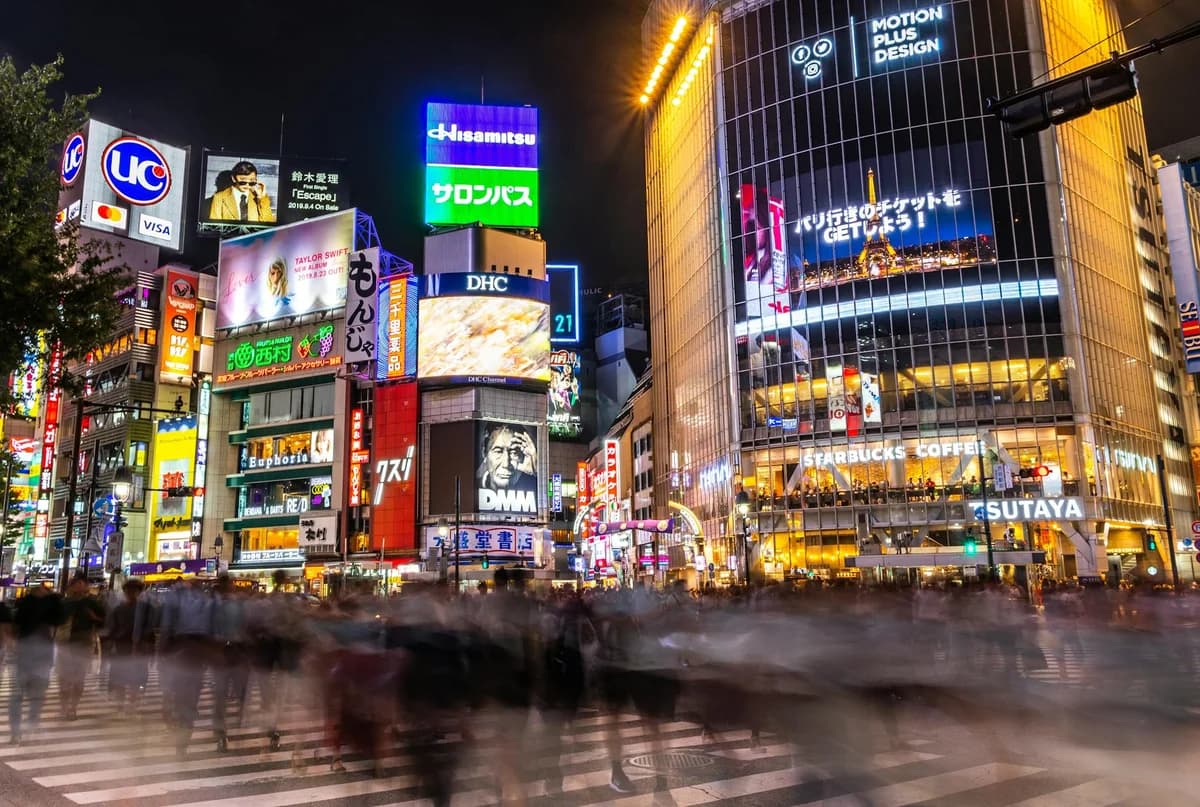
Tokyo at night is not a version of daytime Tokyo with the lights off. It's a different city running on different rules.
Around 5pm, office workers flood the stations heading home or heading to izakayas. By 7pm, the neon turns on in earnest across Shinjuku and Shibuya. By 9pm, the tourist attractions have cleared out and the observation decks go quiet. By midnight, the trains stop. And then something happens: the city doesn't stop with them. Ramen shops fill up. Convenience stores become the social center of every block. The streets get emptier but the people still out are the interesting ones.
Most Tokyo night guides point you toward bars and clubs. We already wrote that guide (Tokyo nightlife covers the drinking culture in depth). This is everything else. The views, the walks, the food, the strange reality of a city that technically never closes.
The View from Above: Observation Decks at Night
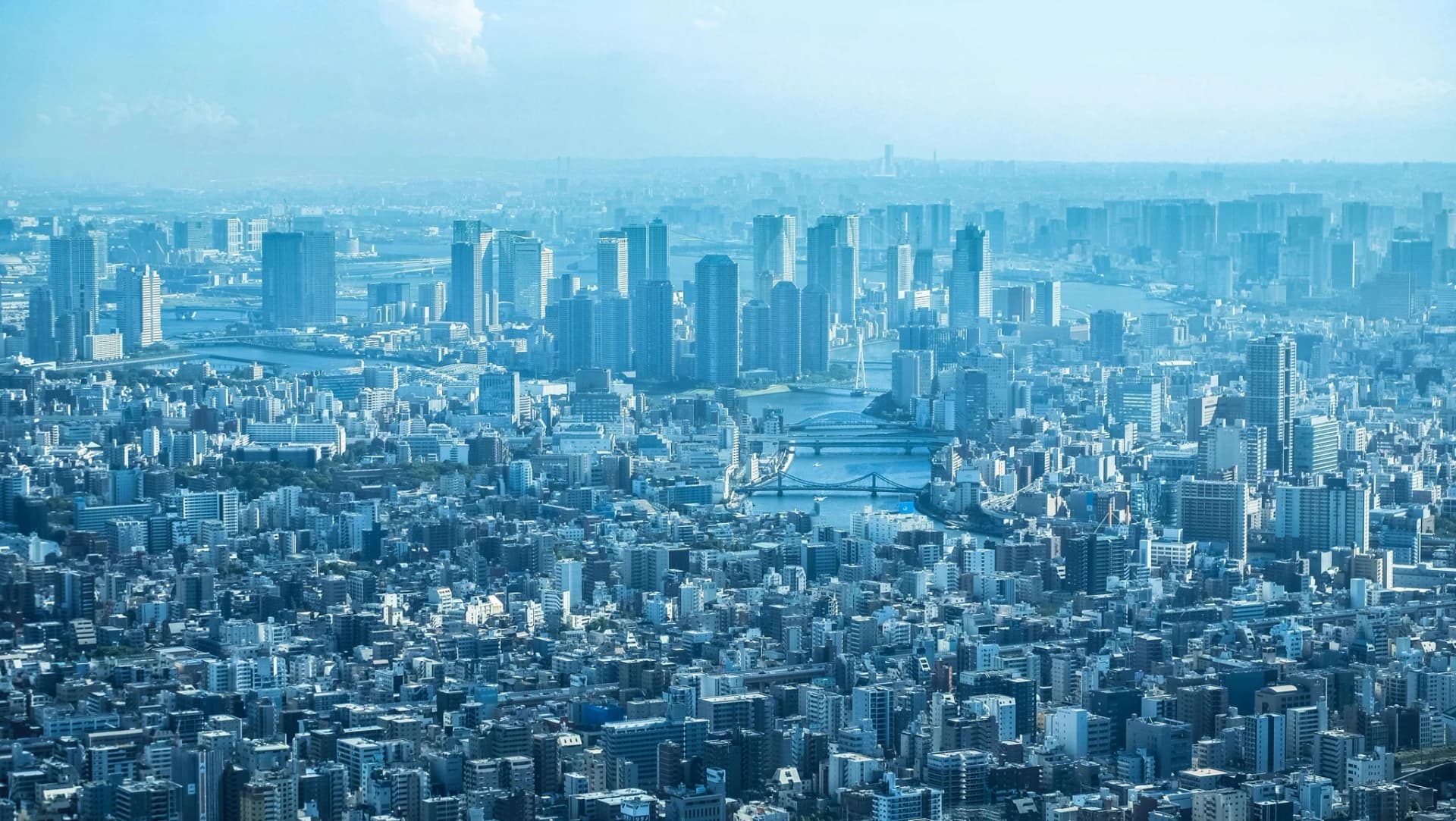
Tokyo's skyline doesn't photograph well in daylight. Too flat, too gray, too spread out. At night, it becomes a circuit board stretching to the horizon. Every observation deck in the city is better after dark.
Tokyo Tower (Main Deck, 150m)
Tokyo Tower gives you the better night view for most visitors, and it's the cheapest paid option.
The Main Deck at 150m costs ¥1,500 for adults. Open until 23:00 with last entry at 22:30. That late closing means you can come after dinner, after the crowds thin out, and still have plenty of time. The view from here puts Skytree in your sightline, lit up across the river, along with Rainbow Bridge and the Shinjuku skyscraper cluster.
The Top Deck Tour (250m) runs ¥3,300 online, ¥3,500 at the window. It's a guided experience with champagne-lounge atmosphere. Nice if you're celebrating something, but the Main Deck view is nearly identical for less than half the price.
Getting there: 5-minute walk from Akabanebashi Station (Oedo Line).
Tokyo Skytree (Tembo Deck, 350m)
Skytree is taller and more expensive. The Tembo Deck at 350m operates on variable pricing as of April 2026 — rates shift by day, time, and demand. Check the official site before visiting; advance web tickets are typically 10-15% cheaper than same-day. Last entry is 21:00.
The height is impressive. You're looking down on everything, including Tokyo Tower. But height has diminishing returns for night views. At 350m, the city lights start looking abstract rather than detailed. Tokyo Tower's 150m puts you close enough that you can see individual buildings and the texture of neighborhoods.
Buy tickets online in advance. They're ¥200-400 cheaper and you skip the queue. Weekend sunset slots sell out fast, but weeknight visits after 8pm are often quiet.
Shibuya Sky (230m)
The newest major deck, sitting on top of Shibuya Scramble Square. ¥2,200 for web tickets (adults). Open until 22:30 with last entry at 21:20.
Shibuya Sky's advantage is the open-air rooftop on the 46th floor. No glass between you and the view. On clear nights, you can see Tokyo Tower and Skytree simultaneously. It's also the most photogenic deck for Instagram-style shots because of the rooftop design.
The downside: it sells out. Daily. Book days in advance, especially for sunset and evening slots. And if it's raining or too windy, the outdoor section closes and you're stuck behind glass like everywhere else.
The Free Alternative: Tokyo Metropolitan Government Building
The 45th floor observation decks in Shinjuku cost nothing. Zero yen. Open until 22:00.
The South Observatory and North Observatory alternate closures for maintenance. The South Observatory runs a free projection mapping show at 19:30, 20:00, 20:30, 21:00, and 21:30. It's not the most dramatic view in Tokyo, but it faces west toward the mountains and catches the Shinjuku skyline from within. For a free attraction open until 10pm, it's hard to argue against spending 30 minutes here.
Roppongi Hills Tokyo City View (250m)
The 52nd floor of Mori Tower offers a 360-degree panorama. Open until 22:00 on weekdays and until 1:00am on Fridays and Saturdays. That late Friday/Saturday closing is unique. No other major observation deck stays open past midnight.
The rooftop Sky Deck (270m) is open-air and offers an unobstructed view of Tokyo Tower right next to you. Price was revised in mid-2025; check the official site for current rates, but expect around ¥2,000 for the indoor deck.
Honest Comparison
| Height | Adult Price | Open Until | Best For | |
|---|---|---|---|---|
| Tokyo Tower | 150m | ¥1,500 | 23:00 | Best value, detailed city view |
| Skytree | 350m | Variable (check site) | 21:00 (last entry) | Height bragging rights |
| Shibuya Sky | 230m | ¥2,200 | 22:30 | Open-air photos |
| Roppongi Hills | 250m | ~¥2,000 | 22:00 (1am Fri/Sat) | Late-night Fri/Sat viewing |
| TMG Building | 202m | Free | 22:00 | Budget travelers |
If you only go to one, go to Tokyo Tower. Best balance of view quality, price, and late hours. If it's a Friday or Saturday and you want to combine a late-night view with Roppongi, Tokyo City View's 1am closing is unbeatable.
Night Walks That Aren't Bar Crawls
Walking Tokyo at night is different from walking it during the day. The crowds thin. The temperature drops. The city's geometry shows up in ways that sunlight hides.
Sumida River Bridge Walk
Twelve bridges cross the Sumida River between Asakusa and Tsukuda, and they're all lit up in different colors after dark. The Sumida River Terrace is a paved riverside path that runs below street level, away from traffic. You can walk it in about 30 minutes for the highlight section.
Route: Start at Azumabashi (next to Asahi Beer Hall, the golden flame building). Walk south along the east bank terrace. Cross at Shin-Ohashi Bridge. Continue to Eitai Bridge, which glows blue and frames the Tsukiji/Tsukuda waterfront skyline.
From Sakurabashi, you get Skytree lit up behind you. From Eitai Bridge, you see the high-rise towers of River City 21 reflected in the water. Chuo-Ohashi has a French-inspired design with warm amber lighting (lit until 21:00).
The whole route is flat, paved, and well-lit. Bring a drink from a vending machine. You'll barely see another tourist.
Nakameguro Canal at Night
The Meguro River is famous during cherry blossom season. The rest of the year, it's a quiet residential walk with cafe light spilling onto the water. Start at Nakameguro Station and walk west along the canal toward Ikejiri-Ohashi. The stretch between the two stations takes about 20 minutes and passes independent cafes, small galleries, and restaurants that look better lit up from outside than they do in photos.
During winter (late November to February), the trees along the canal are sometimes fitted with warm-white lights. It's low-key compared to Marunouchi, but that's the point.
Odaiba Waterfront
Odaiba at night, without the crowds. The view from Daiba Park looks back at the city across Tokyo Bay: Rainbow Bridge, Tokyo Tower, the Shiodome skyline. The park itself sits on the remains of Edo-era coastal defense fortifications (the daiba that gave the area its name) and is usually close to empty after 8pm.
Route: Take the Yurikamome Line to Odaiba-kaihinkoen Station. Walk through the shopping area to the beach park. Turn left toward Daiba Park. The views open up as you pass the statue of Liberty replica (yes, there's a small one). Total walking time from station to the quietest viewpoint: about 15 minutes.
Shiodome to Hamarikyu
Start at Shiodome's Italian-inspired Caretta tower (the illumination displays outside are a winter attraction in themselves). Walk south toward Hamarikyu Gardens. The gardens close at 17:00, but the approach path gives you a striking contrast: a traditional Japanese garden framed by the Shiodome glass towers lit up behind it. Continue toward Tsukiji's outer market area, where a few restaurants still operate into the evening.
Winter Illuminations
Tokyo's illumination season runs roughly November through February, and the city takes it seriously. These aren't holiday decorations. They're planned light installations that draw millions of visitors.
Marunouchi Illumination (November to February)
The main event. About 250 trees along Marunouchi Naka-dori (the 1.2km street between Yurakucho and Otemachi) are wrapped in roughly 775,000 champagne-gold LEDs. The color is specific to Marunouchi and doesn't appear elsewhere in Tokyo.
The illumination extends along part of Gyoko-dori, the wide avenue connecting Tokyo Station to the Imperial Palace. 2025 marks the 24th year of this event. It's free, it's outdoors, and it looks best on a weeknight when you can actually walk through without being stuck in a crowd.
Best approach: Start at Tokyo Station's Marunouchi exit. Walk the full length of Naka-dori at a pace that lets you stop for coffee or window-shopping. End at Yurakucho Station.
Roppongi and Tokyo Midtown
Both Roppongi Hills and Tokyo Midtown run their own illumination events during winter. The garden area behind Tokyo Midtown typically hosts a starlight garden installation. Roppongi Hills lights up the Keyakizaka-dori (zelkova tree slope) with blue-white LEDs.
These are smaller than Marunouchi but combine well with dinner in the area. Check official sites for specific dates each year, as the schedule shifts slightly.
Other Seasonal Light Events
- Yebisu Garden Place: The annual Baccarat chandelier display runs late October through January. Free.
- Meguro River (winter): Smaller-scale warm lights along the canal. Less famous, less crowded.
Illumination events change yearly. The fixtures above are long-running and consistent, but specific dates shift. Check before going.
Late-Night Eating: What's Actually Open
Tokyo's nightlife guide covers izakayas and drinking spots. Here's what feeds you after midnight without a drink menu.
Ramen After Midnight
Fuunji (風雲児) in Shinjuku: Known for tsukemen (dipping noodles). The line is shorter after 10pm than during lunch. Closes late but not 24 hours; check current hours.
Nagi (凪) in Golden Gai, Shinjuku: Open 24 hours, 365 days. Famous for niboshi (dried sardine) broth that's thick and punchy. The shop is tiny, up a steep staircase in the middle of Golden Gai. Expect a wait even at 2am on weekends.
Tonton (屯ちん) in Ikebukuro (west exit): 24-hour tonkotsu ramen, one minute from the station. The kind of no-frills, always-open place that Ikebukuro does well.
Tokyo Ramen Street (Tokyo Station, underground): Eight shops in a row. Not all stay open late, but several serve until 22:30-23:00. Convenient if you're hotel-adjacent to Tokyo Station.
Konbini Culture at 3am
This sounds silly until you've done it. 7-Eleven, Lawson, and FamilyMart run 24 hours and their food is genuinely good. Onigiri (rice balls) made that day. Egg sandwiches that have no right being that good from a convenience store. Oden (hot pot items) simmering in a pot by the register in winter.
At 3am, konbini are social hubs. Taxi drivers eating nikuman (steamed pork buns) in the parking lot. Salarymen grabbing one more onigiri before finally heading home. Night-shift workers on break. It's one of the most honest Tokyo experiences available, and it costs ¥200-500.
Don Quijote (ドンキ)
The MEGA Don Quijote stores in Shinjuku, Shibuya, and other areas are open 24 hours. They're not restaurants, but they sell snacks, bento boxes, and enough oddities to keep you entertained for an hour at 4am when nothing else sounds appealing. The sensory overload of a Don Quijote at 3am, with the jingle playing on loop and floors of compressed merchandise, is a Tokyo experience unto itself.
Sensoji at Night
Most people visit Sensoji during the day, fighting through Nakamise-dori with 30,000 other tourists. The temple grounds are open 24 hours. The main hall closes at 17:00, but the buildings are illuminated from sunset until around 23:00.
The difference is dramatic. The Kaminarimon gate and five-story pagoda glow in warm light against the dark sky. Nakamise-dori's shops are shuttered, so you walk through an empty, quiet lantern-lit corridor. The main hall sits in its courtyard without the crowds. You can't go inside, but you can photograph it and stand in the space in a way that's impossible at noon.
This is one of the strongest "see it twice" recommendations in Tokyo. Go once during the day for the market and the atmosphere. Come back after 8pm for the architecture.
What's Actually Open at 3am
The "city that never sleeps" reputation is real, but it's selective. Not everything is open. Here's what you can reliably find in the dead hours.
Always open (24 hours):
- Convenience stores (7-Eleven, Lawson, FamilyMart) on every other block
- Don Quijote discount stores (major locations)
- Select ramen shops (Nagi in Golden Gai, Tonton in Ikebukuro)
- Karaoke chains (Big Echo, Joysound) in entertainment districts
- Manga cafes/internet cafes (these double as budget crash pads)
- Coin laundromats
Open very late (until 3-5am):
- Izakayas and bars in Shinjuku, Shibuya, Roppongi (covered in our nightlife guide)
- Some fast food (Matsuya, Yoshinoya locations in busy areas)
- Game centers (Round One, some locations)
Closed after midnight:
- All department stores
- Most restaurants outside entertainment districts
- Public transit (trains stop around midnight)
- Parks (technically close at various hours, but enforcement is minimal)
The 5am shift: Around 5am, first trains start running. Tsukiji outer market restaurants begin prep. Konbini stock fresh morning onigiri. The city transitions from "still up" to "already awake" with almost no gap in between.
Practical Tips for After Dark
Last Trains
Trains on major Tokyo lines stop between midnight and 12:30am from central stations. The Yamanote Line (the main loop) runs its final trains around midnight from most stops. First trains resume around 5:00am.
Missing the last train is a Tokyo rite of passage. Your options:
- Taxi: Expensive. Expect ¥3,000-5,000 for a 15-20 minute ride, more with late-night surcharges.
- Manga cafe/internet cafe: ¥1,500-2,500 for a private booth with reclining seat until morning trains start. Showers usually available.
- Night bus: Some routes run between major stations, but they're limited and infrequent.
- Just stay out: If it's past midnight and first trains are at 5am, five hours isn't that long. This is how many Tokyo residents handle it. A ramen at 1am, a walk at 2am, a konbini at 3am, another coffee at 4am, first train at 5am.
Safety
Tokyo at night is remarkably safe. Solo women walk through Shinjuku at 2am. Drunk salarymen sleep on park benches without getting bothered. Your phone sitting on a table at a 24-hour ramen shop will still be there when you come back from the bathroom.
The main risks are not criminal but practical: missing the last train without a plan, spending too much on taxis, or underestimating how cold it gets at 3am in winter. Dress warmer than you think you need to.
Taxi Tips
Taxis in Tokyo are metered and honest. No negotiation needed. The starting fare is ¥500 within central Tokyo (first 1.096km), then ¥100 per 255m. A late-night surcharge of 20% applies from 22:00 to 5:00.
Ride-hailing apps (GO is the dominant one) work well and let you set your destination without needing Japanese. In entertainment districts after midnight, street hailing is easy. In residential areas, use the app.
Best Nights to Go Out
Friday and Saturday nights have the most energy but the biggest crowds. Tuesday and Wednesday nights are Tokyo's sweet spot: enough people to keep things alive, few enough to actually move.
For observation decks, weeknight visits after 8pm are reliably uncrowded. For illuminations, weeknights avoid the weekend date-night surge.
Tokyo after dark rewards people who stay out past their comfort zone. The observation deck at 10pm. The ramen at 1am. The empty temple at midnight. The convenience store onigiri at 3am while waiting for the 5am train. None of this shows up in the standard sightseeing itinerary, and all of it is more memorable than most of what happens during the day.
If you're planning to stay out late, our Standing Room Only tour hits Tokyo's food scene during the evening hours when it's at its best. For a broader Tokyo overview that includes after-dark stops, Ordinary Tokyo builds the day around how residents actually use the city, including the parts that come alive after sunset.