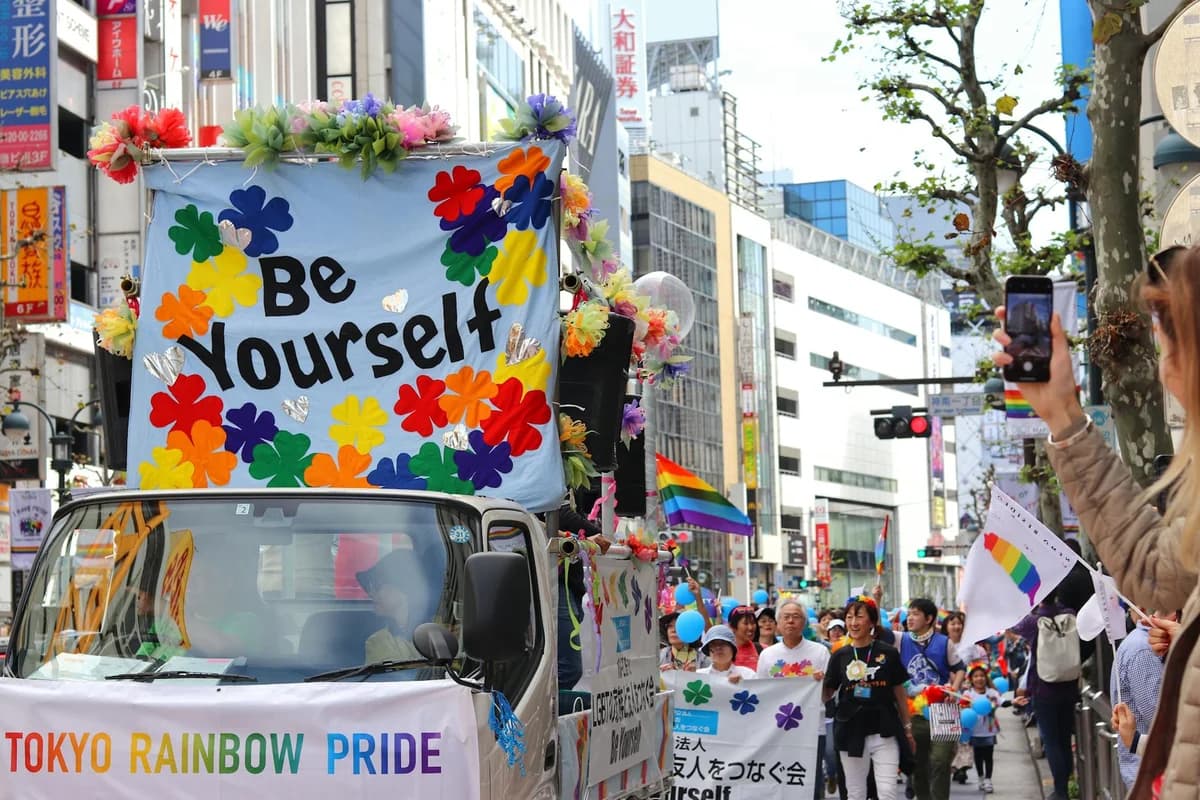
LGBTQ Tokyo is one of the safest and most welcoming cities in Asia for queer travelers. That statement comes with context. Japan has not legalized same-sex marriage nationally. Public displays of affection are uncommon across the board, not just for same-sex couples. There is no federal anti-discrimination law covering sexual orientation.
And yet. Shinjuku Ni-chome has over 300 bars packed into a few city blocks, making it one of the densest concentrations of LGBTQ venues anywhere in the world. Tokyo Rainbow Pride drew 15,000 marchers in 2025. Partnership certificates exist in dozens of municipalities. Queer travelers are very rarely targeted, and the city functions as genuinely safe ground.
The gap between legal progress and lived reality is the thing most guides get wrong about LGBTQ Tokyo. This one tries to get it right.
How Welcoming Is Tokyo Actually?
The honest answer: very welcoming in practice, slower on paper.
Japan operates on a social norm of minding your own business. This cuts both ways. You are unlikely to face hostility for being visibly queer. You are also unlikely to see the kind of open celebration that cities like Berlin or San Francisco display. The Japanese concept of reading the air (kuuki wo yomu) means that public life runs on discretion. Same-sex couples holding hands in Ni-chome will draw zero attention. Doing the same in a suburban neighborhood probably draws glances, not hostility, but glances.
For travelers, the practical reality is straightforward. Hotels do not question same-sex couples sharing rooms. Restaurants, attractions, and public transport treat everyone the same. Discrimination against tourists based on sexual orientation or gender identity is extremely rare.
Where things get more complicated is the structural level. Employment protections vary by municipality. Transgender individuals face significant bureaucratic hurdles to change legal gender markers. Social attitudes are shifting, particularly among younger generations, but Japan has not had the kind of cultural watershed moment that reshaped public opinion in many Western countries.
The bottom line for visitors: Tokyo is functionally safe and welcoming. You can be yourself here. The city will not perform rainbow capitalism at you, but it will leave you alone to enjoy yourself, which for many travelers is actually better.
The Legal Context
Same-sex marriage is not recognized under Japanese national law as of 2026. Multiple court rulings have found the ban unconstitutional or in a "state of unconstitutionality," but the Diet has not passed legislation to change it. This is an active legal and political issue, and the trajectory points toward eventual recognition, but it has not happened yet.
What does exist is a patchwork of partnership certificate systems at the municipal level. Shibuya Ward led the way in 2015, becoming the first municipality in Japan to issue same-sex partnership certificates. Setagaya Ward followed almost immediately. Shinjuku Ward began issuing certificates in 2018. By 2026, over 400 municipalities across Japan have adopted some form of partnership recognition, covering the majority of the population.
These certificates are not marriage. They do not grant inheritance rights, tax benefits, or the full legal protections of marriage. What they do provide is practical recognition: hospital visitation rights, the ability to sign housing leases together, and an official acknowledgment of the relationship. For residents, this matters. For travelers, the certificates are less directly relevant, but they signal the direction Japanese society is moving.
Tokyo Metropolitan Government passed a partnership certificate system covering the entire city in 2022, making Tokyo one of the largest jurisdictions in Japan to offer recognition.
What this means practically: Japan is not hostile. It is slow. The legal framework lags behind public attitudes, particularly in urban areas where acceptance is high. Travelers should not expect legal complications, but they should understand that the country is still working through these questions.
Shinjuku Ni-chome
Shinjuku Ni-chome (新宿二丁目) is the heart of LGBTQ Tokyo and one of the most concentrated gay districts in the world. Within roughly four city blocks, over 300 bars, clubs, and cafes cater to every part of the LGBTQ spectrum. The scale is hard to convey until you walk the streets at night and realize that nearly every door leads to a different venue.
How It Got Here
Ni-chome's history as a gay district traces back to 1958, when Japan's Anti-Prostitution Law (売春防止法) shut down the licensed red-light district that had operated in the area. The empty storefronts left behind by the former businesses became available at low rents. Gay bar owners, who had been scattered across Tokyo in more hidden locations, began concentrating here through the 1960s.
By the 1970s, Ni-chome had established itself as Japan's primary gay district. The concentration created a self-reinforcing cycle: more venues attracted more patrons, which attracted more venues. Today the district is recognized globally, and the density of LGBTQ establishments per square meter is among the highest anywhere.
The area sits just south of Shinjuku-sanchome Station on the Tokyo Metro Marunouchi and Fukutoshin lines. It is a 5-minute walk from Shinjuku Station's east exit. The streets are quiet during the day. After dark, the neon signs light up and the narrow stairways leading to second- and third-floor bars fill with people.
The Atmosphere
Ni-chome is not one thing. It contains dive bars with six stools where the mama-san has been pouring for 30 years. It has dance clubs that go until morning. It has quiet spots for conversation and loud spots for karaoke. It has venues for men, venues for women, mixed venues, and venues that cater to specific subcultures within the community.
The district does not feel like a tourist attraction. It feels like a neighborhood where people go out. Some bars are lively and welcoming to newcomers. Others are regulars-only spots where walking in cold will get polite but unenthusiastic service. This is normal. Tokyo drinking culture everywhere operates on the same principles of regular relationships with establishments, as we cover in our nightlife guide.
Most bars are small. Five to fifteen seats is typical. Cover charges (チャージ) of ¥1,000 to ¥1,500 are standard, with drinks running ¥700 to ¥1,000 on top. The economics are similar to Golden Gai or other small-bar districts in Tokyo.
Venues in Ni-chome
The scene changes constantly. Bars open and close. Ownership changes hands. What follows are established venues that have appeared consistently across multiple Japanese sources, but always check current status before visiting.
Mixed Bars (Open to Everyone)
AiiRO CAFE is one of Ni-chome's most visible venues, sitting right on Naka-dori (the main street through the district). It functions as an informal meeting point and starting place for many visitors exploring the area for the first time. Open-air seating when weather allows. Foreigner-friendly and English-spoken.
campy! bar gets recommended repeatedly as a good first stop for newcomers. The staff actively welcome first-timers and the atmosphere leans cheerful rather than intimidating. If you have never been to Ni-chome before, this is a low-pressure entry point.
Dragon Men is another well-known mixed venue that draws both Japanese and international crowds. Two floors, dance-friendly on weekends, conversation-friendly on weeknights.
Gay Bars
Arty Farty is one of Ni-chome's longest-running dance bars, popular with both Japanese and foreign visitors. It gets packed on weekends and has a reputation for being one of the more energetic venues in the district.
Advocates Bar (sometimes written Advocates Café) sits on Naka-dori and draws a regular crowd of both locals and visitors. Good for conversation, not too loud.
B Dash has been operating since 1983 and is known for its American-style interior and welcoming atmosphere. The staff speak some English and Chinese. Clear pricing system, which matters in a district where first-timers sometimes worry about hidden charges.
NEO GEO is a more intimate snack-bar style venue on Naka-dori. The clientele spans from 20s to 90s in age, and it is frequently recommended for people making their first visit to a gay bar.
Lesbian Bars
Lesbian bars are a minority within Ni-chome, estimated at roughly one-tenth the number of gay bars. They exist, but finding them takes slightly more effort.
Bar Gold Finger is the most well-known women's bar in the district, produced by the GOLD FINGER party collective that has been running women-only events since 1991. The bar itself welcomes first-timers and hosts regular events.
LAGOON actively encourages newcomers and has published guides for people making their "Ni-chome debut." The atmosphere is intentionally approachable.
Dorobune (鉄板女酒場 どろぶね) is recommended as a staple spot for women visiting Ni-chome for the first time. Casual, low-key, good for getting oriented.
A "Bian Map" (lesbian bar guide) of Ni-chome was published in 2024, listing 42 establishments. Copies were distributed at various venues in the district, and the map signals a growing effort to increase visibility for women's spaces in the area.
Clubs and Dance Venues
AiSOTOPE LOUNGE is Ni-chome's primary club venue, hosting themed events and dance nights throughout the week. Events range from drag shows to DJ nights to themed parties. Check their schedule before going, as the vibe varies significantly by night.
Several bars also function as informal dance spaces on weekends when the music gets louder and the tables get pushed aside.
Tokyo Rainbow Pride
Tokyo Rainbow Pride (東京レインボープライド) is the city's largest annual LGBTQ event and one of the biggest in Asia. It has been running since 2012, growing substantially each year.
2024: Held April 20-21 at Yoyogi Park in Shibuya. Two days of festival events plus a parade through the Shibuya and Harajuku area.
2025: Moved to June to align with global Pride Month. The theme was "Same Life, Same Rights." The festival ran June 7-8 at Yoyogi Park, with the parade on June 8 drawing an estimated 15,000 participants. The organizers expanded to a full month of programming including youth events, art exhibitions, human rights conferences, and educational content.
2026 and beyond: Check pride.tokyo for current year dates and programming. The event has been growing each year and the shift to June suggests a permanent alignment with international Pride Month.
How to participate: The festival at Yoyogi Park is free and open to everyone. The parade starts from the park and moves through Shibuya. No registration is required to march. Corporate floats and community groups form the organized contingent, but individual marchers join freely. The atmosphere is celebratory and family-friendly.
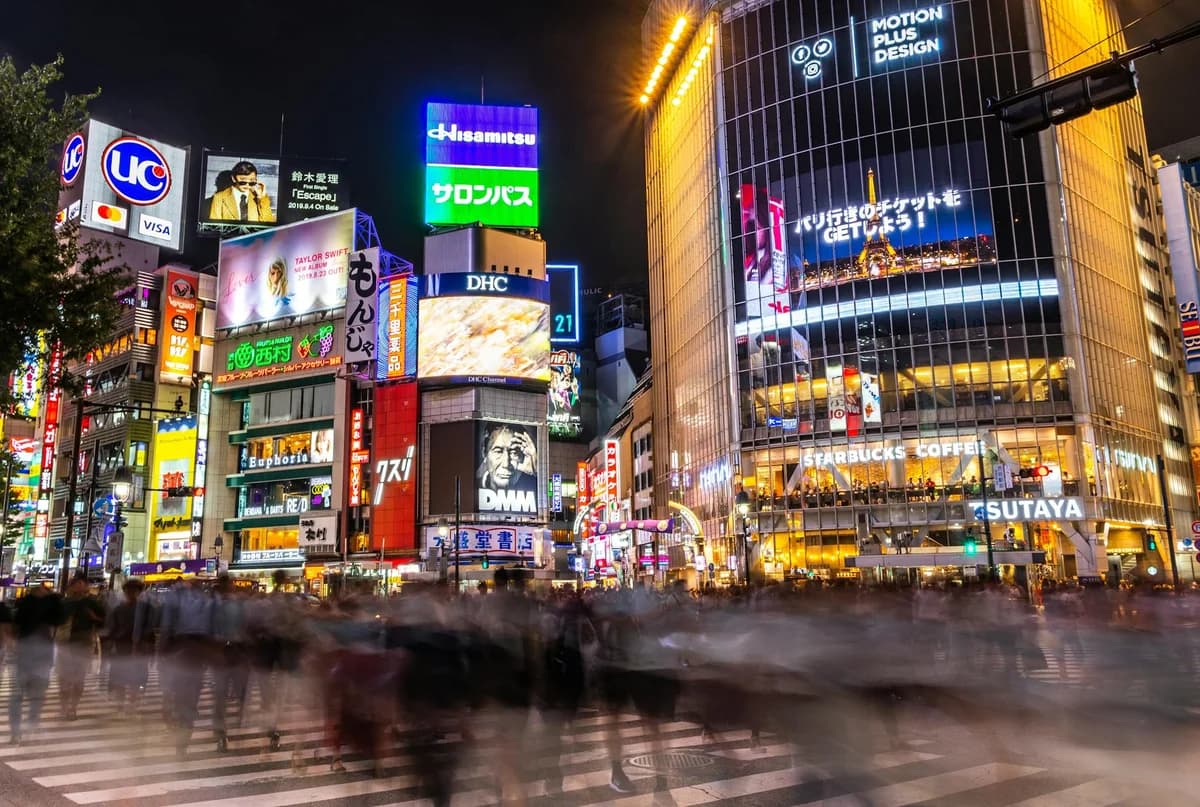
The parade route passes through central Tokyo, with the Shibuya Crossing area serving as a natural focal point. For photography, the route through Omotesando offers tree-lined streets and good light.
Beyond the main event, Pride House Tokyo Legacy operates year-round in Shinjuku as a permanent LGBTQ center offering events, resources, and community space. It opened in 2020 as part of the Tokyo Olympics legacy program and has continued operating since. It hosts film screenings, discussion groups, and art exhibitions throughout the year, and serves as a good resource for visitors looking to connect with Tokyo's LGBTQ community outside of the bar scene.
Smaller pride events and community gatherings happen throughout the year across the city. Rainbow Week events, film festivals, and community fundraisers fill the calendar between the major annual celebration. Following Tokyo Rainbow Pride on social media is the easiest way to stay current on upcoming events.
Beyond Ni-chome
While Ni-chome is the center of gravity, LGBTQ-friendly spaces exist across Tokyo.
Harajuku and Omotesando
The Harajuku area has long been associated with self-expression and subculture. Drag culture has a visible presence here, particularly around Takeshita Street and the back streets of Ura-Harajuku. The neighborhood's general ethos of "wear what you want, be who you are" extends naturally to LGBTQ visitors.
Shibuya
Shibuya Ward was the first in Japan to recognize same-sex partnerships, and the neighborhood reflects that progressive stance. Several cafes and bars in the area are explicitly LGBTQ-friendly. The annual Pride parade runs through here for a reason.
Nakano
Nakano is known primarily for anime and subculture, but its drinking alleys have a welcoming, anything-goes atmosphere. The Nakano Broadway building and surrounding streets attract a diverse crowd, and several bars in the area cater to or welcome LGBTQ patrons without making it their entire identity.
Shimokitazawa
Shimokitazawa is Tokyo's indie culture hub. Live music venues, vintage shops, and small bars create an atmosphere that is generally accepting and low-key. Not specifically LGBTQ-focused, but the kind of neighborhood where nobody cares who you are or who you are with.
Outside Tokyo
If your trip extends beyond the capital, Doyamacho in Osaka is often called Osaka's Ni-chome. It is smaller but has its own concentration of gay bars and a distinct Kansai flavor. Osaka in general trends more casual and outgoing than Tokyo, and the bar scene reflects that personality.
Practical Tips
Language
Many bars in Ni-chome operate primarily in Japanese. Some are explicitly welcoming to non-Japanese speakers. Others are not unwelcoming, but the experience will be limited if you cannot communicate.
Bars that regularly appear in English-language guides (AiiRO CAFE, Dragon Men, campy! bar, Arty Farty) tend to have at least some English capability. Smaller bars vary widely. A few Japanese phrases go a long way. "Hajimete desu" (it's my first time here) signals that you are a newcomer and generally triggers warmer treatment.
The website 2choco.net is the primary search directory for Ni-chome bars and includes information about which venues welcome non-Japanese visitors.
Some Bars Have Entry Restrictions
This is not discrimination. It is how small bars in Tokyo work. A six-seat bar where regulars come for specific conversation may politely decline walk-ins they cannot communicate with. Some bars are men-only. Some are women-only. Some have specific dress codes or age ranges. This is true across Tokyo's small-bar culture, not unique to Ni-chome.
If a bar does not feel welcoming when you walk in, leave gracefully and try another door. There are 300 of them.
Cash
Many Ni-chome bars are cash-only. Bring ¥10,000 to ¥15,000 for a night out. ATMs at convenience stores (7-Eleven, FamilyMart, Lawson) accept international cards and are open 24 hours.
Timing
Ni-chome is quiet before 9 PM. The district comes alive around 10 PM and stays busy until 3 or 4 AM, sometimes later on weekends. Friday and Saturday nights are the busiest. Weeknights are quieter but can feel more intimate and genuine.
If you are visiting Ni-chome for the first time, arriving around 9:30 or 10 PM gives you the full experience without the dead-streets feeling of arriving too early.
Accommodation
Staying in Shinjuku puts you within walking distance of Ni-chome and eliminates the last-train problem entirely. The area around Shinjuku-sanchome Station is particularly convenient. Several hotels in the area market themselves as LGBTQ-friendly, though in practice most Tokyo hotels are welcoming regardless of specific branding.
Solo Travel
Ni-chome is a great solo destination. The small bar format naturally facilitates conversation with bartenders and other patrons. Many bars actively welcome solo visitors. If you are traveling solo and looking for nightlife beyond the usual tourist circuits, Ni-chome is worth an evening.
Safety
Ni-chome is safe. Shinjuku in general is safe. The standard Tokyo advice applies: keep your belongings secure, be aware of touts in Kabukicho (the adjacent entertainment district, not Ni-chome itself), and trust your instincts about which establishments feel right.
The only Ni-chome-specific safety note: drink prices should be clear before you order. Reputable bars display pricing. If a bar does not, ask before ordering. This is standard advice for all of Tokyo's small-bar districts.
Making the Most of It
If you have one evening in Ni-chome, start at a mixed bar like AiiRO CAFE or campy! bar around 10 PM. Have a drink, orient yourself, talk to the staff about what else is happening that night. Then explore. Walk the streets, look at the signs, peek into doorways. The district rewards curiosity.
If you have multiple evenings, go deeper. Try a smaller bar where you need to ring a doorbell. Attend an event at AiSOTOPE LOUNGE. Visit on a weeknight when the crowds thin and the conversations get longer. The difference between one night and three nights in Ni-chome is the difference between seeing a neighborhood and starting to understand it.
Ni-chome is not a tourist attraction. It is a living, working neighborhood that has served Japan's LGBTQ community for over 60 years. Approach it with the same respect you would bring to any neighborhood where people actually live and socialize, and it will open up.
This guide is published by Hinomaru One, a Tokyo-based private tour operator. Our Infinite Tokyo experience can include an evening in Ni-chome with a guide who knows the district.