|
This guide explains what fall feels like in Tokyo — from climate and foliage to crowds and daily rhythm — helping you understand the season before you plan.
November 19, 2025
7 mins read
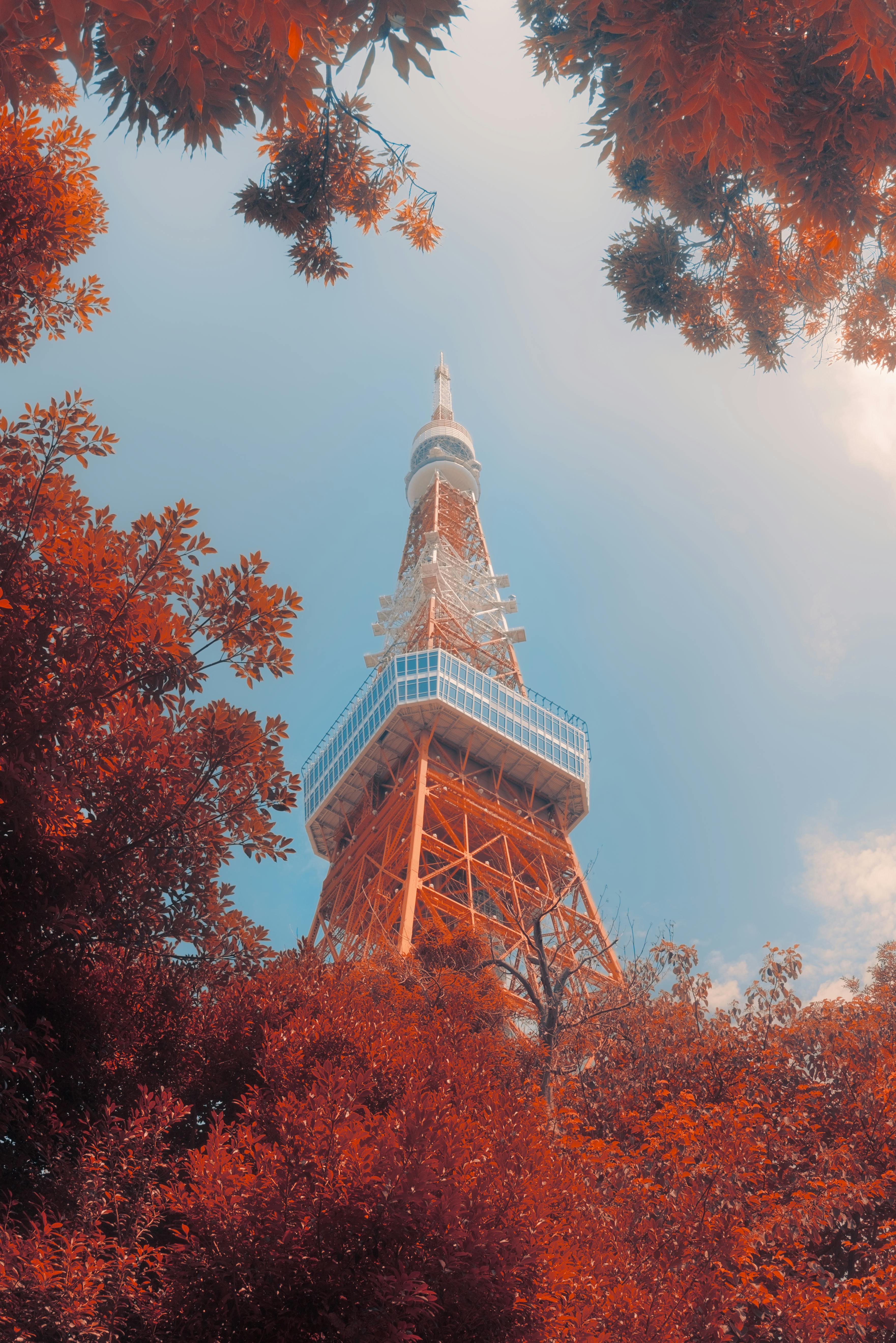
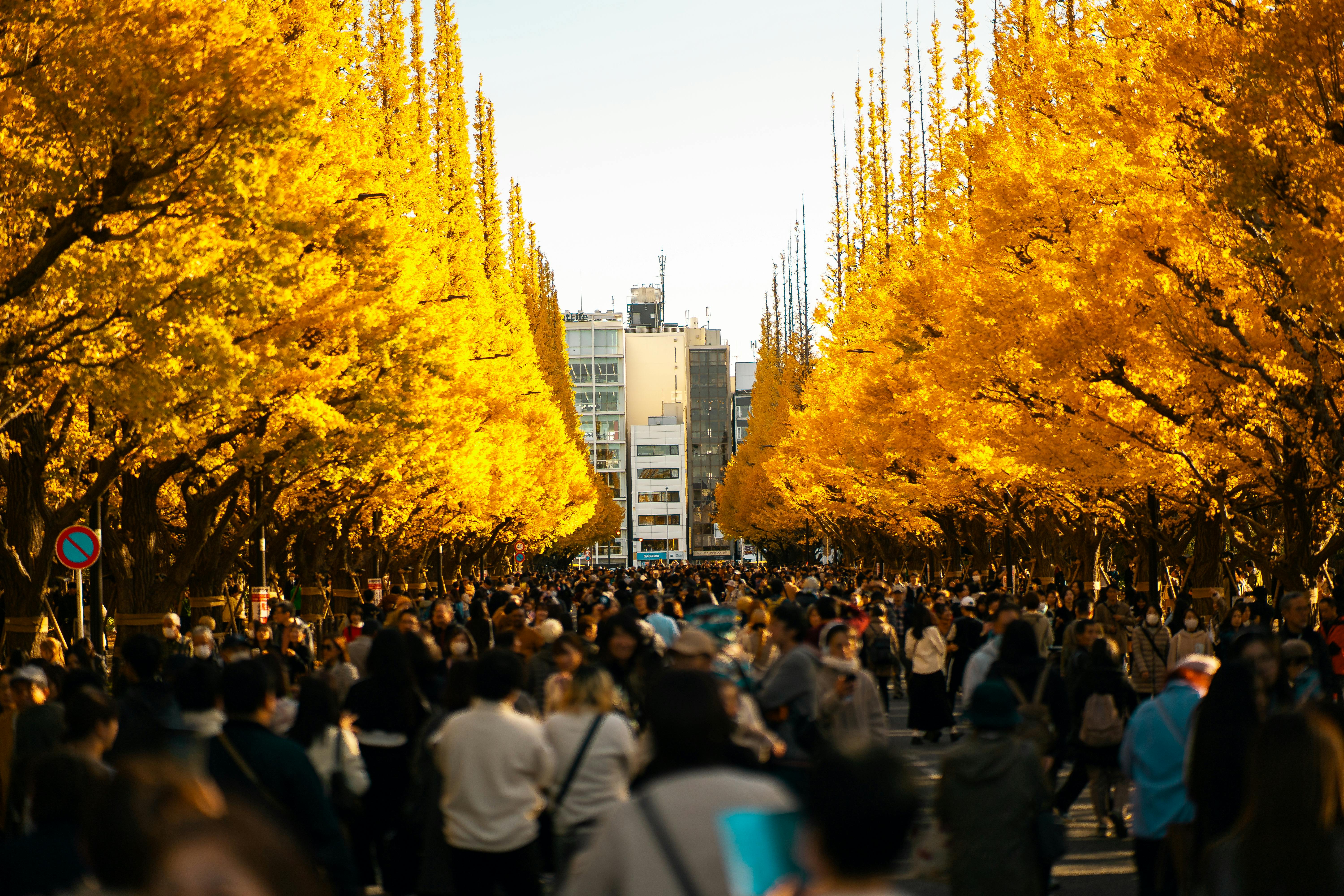
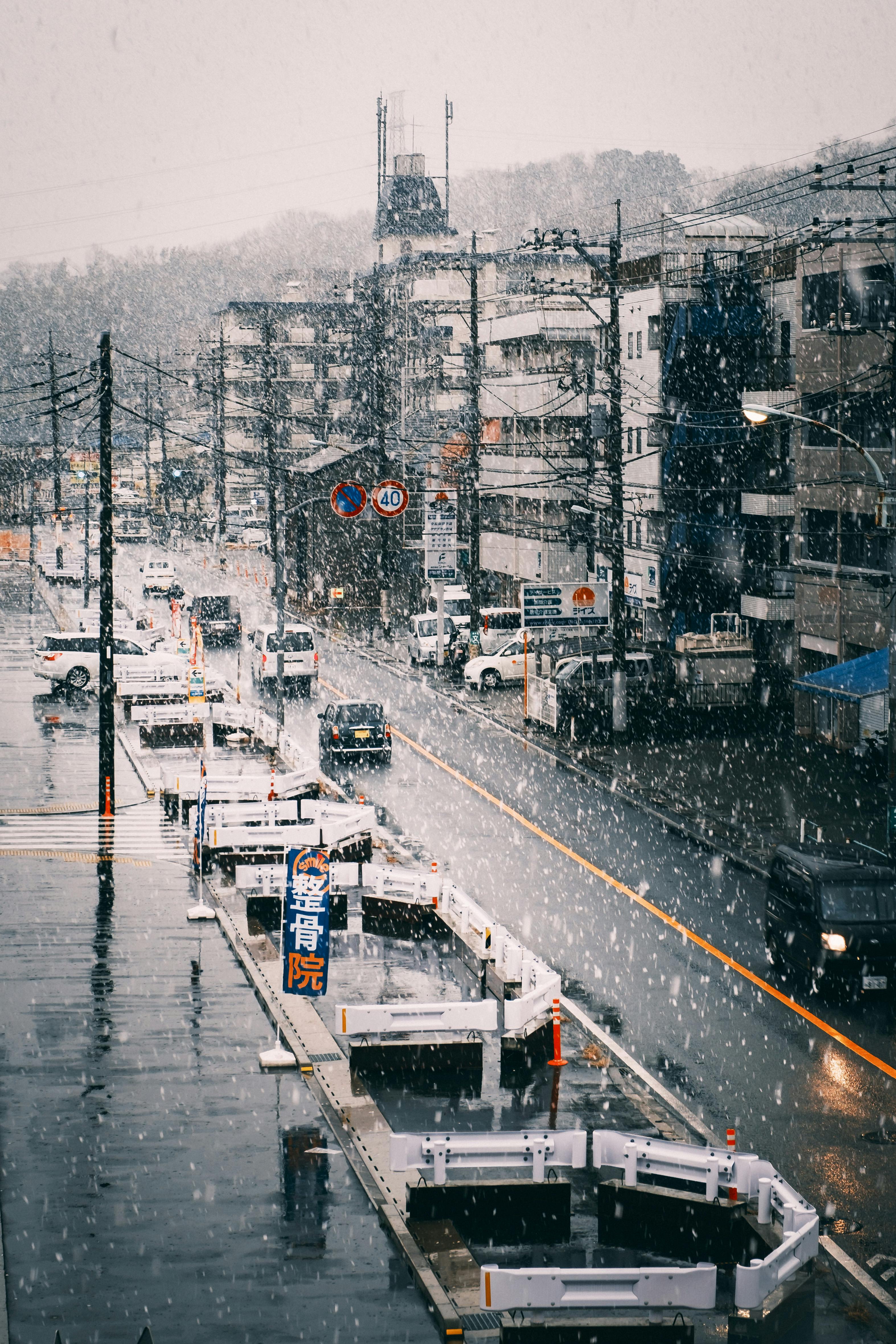
Tokyo's fall doesn't arrive as a single season. It unfolds in three distinct phases: early fall (September) when summer humidity finally breaks, mid-fall (October) when the city settles into comfortable walking weather, and late fall (November) when temperatures drop and ginkgo corridors turn gold. Each phase fits different trip styles and requires different planning tactics. For a broader look at Tokyo across all seasons, see our complete timing guide. Fall typically sees moderate pricing compared to peak cherry blossom season.
Understanding Tokyo's Fall Phases
Tokyo's autumn works best when you match your visit to what you actually want from the trip.
Month | Weather | Rain/Humidity | Best For |
|---|---|---|---|
September | Early: 30-35°C, feels like extended summer | Highest typhoon probability | Travelers with flexible schedules |
October | Daytime: ~22°C, overnight: ~15°C | Less frequent, less intense than September | First-time visitors |
November | Daytime: ~17°C | Driest month | Foliage prioritizers |
Weather and Daylight: How They Shape Your Day Structure
Fall's operational challenge isn't cold—it's managing temperature swings, shifting daylight, and rain windows.
Temperature swings matter for routing
September mornings might be 22°C, then hit 30°C by midday. You're managing layers constantly. By November, mornings around 10°C require a warm layer you'll remove by noon when temps reach 17°C.
This affects station navigation. Shinjuku during morning rush hour in November means corridors full of people wearing coats, making transfers slower. Carrying a jacket you've removed gets awkward in crowded stations—closeable day bags solve this. Understanding Tokyo's transit system becomes especially important during fall when you're carrying layers and managing weather shifts.
Sunset changes your evening options
Late October sunsets around 5:00 PM. By mid-November, sunset hits 4:30 PM. If you plan outdoor activities for late afternoon, you'll lose daylight faster than expected.
Practical routing: Put your most walking-heavy neighborhood in the morning and early afternoon. Save shopping districts, covered areas, and dinner neighborhoods for post-sunset hours. Where you stay matters more in fall when earlier sunsets and temperature swings affect evening plans.
Rain probability shapes backup planning
September averages 200-220mm of rainfall with possible typhoons. October sees 180-200mm—still significant. November drops to 90-100mm with fewer rain days.
September requires a real indoor stack: museum + covered shopping street + depachika + café plan, all in one area. October rain is manageable with an umbrella and flexibility. November rain is brief and infrequent enough that most visitors don't lose a day to weather.
The Tokyo Foliage Decision: City vs Mountains
Tokyo's fall color works differently than mountain regions. The city's magic is designed and framed—gardens that stage maple against water, temple precincts where leaves collect on stone paths, and long ginkgo corridors that turn entire streets gold.
How Tokyo foliage differs
Tokyo gardens aren't wild. They're composed. Rikugien Garden arranges maple trees around a central pond so color reflects on water. Koishikawa Korakuen positions viewing angles deliberately. Shinjuku Gyoen plants ginkgo in geometric patterns across open lawns.
Meiji Jingu Gaien's Icho Namiki Avenue is the iconic example: a perfectly straight corridor of ginkgo trees creating a golden tunnel. It's dramatic because it's architectural, not natural.
Mountain day trips deliver wilder, denser foliage. But they add 3-4 hours of transit each way, depend heavily on weather stability, and pull you away from Tokyo's food culture and neighborhood texture.
When staying in Tokyo makes sense
Short trips (3-4 days) lose too much time to day trip transit. Mobility constraints make city foliage more accessible—major gardens have flat paths and elevator-equipped stations nearby. Weather uncertainty favors staying in Tokyo where you can pivot plans quickly.
Tokyo foliage integrates with the rest of your trip. You can combine a morning garden visit with an afternoon in Nakameguro's autumn cafés and an evening in Shibuya—all in one cohesive day. Day trips compartmentalize foliage into a separate experience.
When day trips work
Five-plus-day trips have room for a full-day excursion. Car access changes the equation entirely—flexibility and timing control matter more than transit efficiency. Photographers prioritizing nature composition over urban design will prefer mountain backdrops.
If stable weather is forecast and you specifically want dramatic mountain-lake-foliage combinations, Hakone or Kawaguchiko deliver that. Nikko combines temples with forested hillside color. Kamakura offers coastal fall color with accessible temple walks.
Foliage Timing Without Chasing Forecasts
Tokyo's fall color peaks aren't single dates—they're windows that shift based on species, sun exposure, and microclimate.
Ginkgo vs maple timing
Species | Peak Timing | Where to See | Visual Type |
|---|---|---|---|
Ginkgo | Mid-November | Meiji Jingu Gaien, streets near Tokyo Station, Shinjuku Gyoen avenues | Golden corridor shots |
Maple | Late October to early November | Rikugien, Koishikawa Korakuen, temple precincts (planted around water) | Garden reflections |
Planning implication: If you visit early November, you'll likely catch both. Late November favors ginkgo. Late October favors maple.
Microclimate creates variation
Shinjuku Gyoen gets more sun than shaded Rikugien. Open avenues change faster than enclosed gardens. Trees on southern exposures turn before northern ones.
This means you can't rely on a single "Tokyo is at peak" announcement. Different spots peak across 2-3 weeks, which actually works in your favor if you understand it.
Real-time calibration on Day 1
Use your arrival day or first morning to calibrate:
What to Check | What It Tells You |
|---|---|
Street trees on airport/hotel route | Still mostly green → Peak is ahead |
Park edge tree line | Scan for color percentage |
Which areas look furthest along | Where microclimate is ahead |
Information sources: Garden websites (color status), station area information boards (peak timing), hotel concierge desks (what's turning now).
Adjustment tactics
If Meiji Jingu Gaien ginkgo is still green on Monday, plan that visit for Thursday or Friday. If Rikugien maple already looks full by Tuesday, prioritize that earlier in your trip.
You're not chasing forecasts or changing hotels. You're sequencing within your existing itinerary based on what you observe.
While you can calibrate timing yourself, fall's weather variability means plans often need real-time adjustment. If this kind of responsive routing matters to your trip, a guide who tracks current conditions and knows backup spots can change the experience.
Building Fall Days: Energy, Daylight, and Temperature
Fall days in Tokyo work best when structured around temperature peaks and daylight constraints.
Time | Priority | Why | Example |
|---|---|---|---|
Morning (9:00 AM-12:00 PM) | Outdoor | Coolest temps, best light, fewest crowds | Rikugien Garden at opening → walk through residential Komagome |
Midday (12:00 PM-2:30 PM) | Indoor flex | Sept heat spikes need AC; Nov midday offers brief warmth | Yanaka morning walk → Ameya-Yokocho covered street → Ueno museum rest |
Afternoon (2:30 PM-5:00 PM) | Mixed segments | Morning urgency gone but daylight remains | Shibuya coffee → Harajuku-Omotesando shopping → Shinjuku architecture |
Evening (5:00 PM onward) | Warmth-focused | Late fall gets cold quickly after sunset | Indoor-focused or early dinner, then transition fully indoors |
November practical tip: If evening plans include outdoor elements, position them right after sunset while residual warmth lingers, then transition fully indoors.
Where to Experience Fall in Tokyo
Rather than ranking spots, choose by the type of experience you want.
Designed gardens for deliberate composition
These gardens stage fall color intentionally. Paths reveal layers of color. Water reflects leaves. The experience is about pace and framing, not density.
Garden | Hours | Fee | Character | Special Notes |
|---|---|---|---|---|
Rikugien | 9:00 AM-5:00 PM | ¥300 | Maple-focused, water reflections | Evening illuminations (late Nov) extend to 9:00 PM |
Koishikawa Korakuen | 9:00 AM-5:00 PM | ¥300 | Smaller, more intimate | Strong water features with maple positioning |
Shinjuku Gyoen | 9:00 AM-4:30 PM (Oct-Mar) | ¥500 | Largest, most varied | French garden, English lawns, Japanese garden, ginkgo corridors |
Best timing: Weekday mornings before 10:00 AM. Gardens fill quickly once tour groups arrive. Fall foliage spots attract heavy crowds—weekday mornings give you the best window.
Ginkgo avenues for geometric gold
These are Tokyo's iconic fall corridors—straight lines of ginkgo creating golden tunnels against urban backgrounds.
Avenue | Access | Peak Timing | Crowd Management |
|---|---|---|---|
Meiji Jingu Gaien Icho Namiki | Free, 24hr | Mid-to-late November | The most photographed |
Streets near Tokyo Station | Free, 24hr | Mid-to-late November | Less crowded alternative |
Best approach: Don't treat avenues as long stops. Use them as connectors between two areas. Walk through, shoot if conditions are good, keep moving.
Shrine and temple precincts for material and texture
Fall works well in precincts because the materials—stone, wood, gravel—warm up as leaves fall. Even small neighborhood shrines feel seasonal.
Precinct | Character | Crowd Level | Pairing |
|---|---|---|---|
Sensoji (Asakusa) | Leaves on stone approaches, maple near precinct edges | Major site | Sumida River walk |
Nezu Shrine | Torii gates with maple | Less crowded | Yanaka walking district |
Meiji Jingu | Forested approach, enclosed fall atmosphere | Large—crowds disperse | Standalone visit |
Tactic: Visit one major precinct if it matters to you, then add two small neighborhood shrines you discover while walking other areas.
Riverside walks for distance and movement
Riversides give you long views, reflections, and space to walk without constant stopping. Fall color doesn't need to be dense to feel satisfying here.
River Walk | Route | Character | Best For |
|---|---|---|---|
Sumida River | Asakusa to Ryogoku | Flat, accessible, connects two distinct neighborhoods | Long stretches without navigational decisions |
Meguro River | Nakameguro area | Known for cherry blossoms; fall brings different color | Conversation while walking |
Best for: Conversation while walking, long stretches without navigational decisions, combining movement with seasonal atmosphere.
Evening illuminations
Some gardens and public spaces light their fall color after dark during peak season.
Location | Timing | Hours | Access | Crowds |
|---|---|---|---|---|
Rikugien | Late November (select dates, 2-3 weeks around peak maple) | Extended to 9:00 PM | Requires checking dates in advance | Expect crowds |
Roppongi Hills + other developments | Peak season | Various | Free, public space | Less crowded than gardens |
Planning note: Treat evening illumination as a single anchor event, not something to stack. Build a warm dinner plan after. Expect crowds and slower station areas nearby.
If you want to experience Tokyo's best fall moments without the trial-and-error of figuring out timing and crowds yourself, guides who specialize in seasonal routing can make the difference.
Fall Food Culture: Beyond Special Restaurants
Tokyo's autumn flavors show up everywhere, not just in restaurants.
Where seasonal food appears
Location | Fall Items | Why It Matters |
|---|---|---|
Convenience stores | Sweet potato snacks, chestnut desserts, seasonal drink flavors | Where "fall" enters daily life for locals |
Depachika (department store basements) | Premium seasonal sweets, chestnut Mont Blanc, persimmon items | Function as "food museums" to see and taste seasonal shifts |
Bakeries | Persimmon pastries, sweet potato breads, autumn-themed items | Appear in windows throughout the season |
Shopping street vendors | Warm snacks, sweet potato vendors, warm mochi, seasonal items | Reappear as evening temperatures drop |
Specific fall food areas
Area | Focus | Why Visit |
|---|---|---|
Tsukiji Outer Market | Seasonal fish shifts | Fall brings different catches—market reflects this better than tourists realize |
Nakameguro | Autumn café culture | Seasonal drinks, fall-themed desserts, cozy indoor spaces as weather cools |
How to engage without overplanning
Strategy | How | When |
|---|---|---|
Daily spontaneity | One seasonal item per day, picked spontaneously | No research—just notice what's appearing and buy it |
Rain-day depachika | Spend an hour in department store basement | When weather turns bad—samples and displays |
Late fall warmth | Warm street snacks | Evening temperatures drop—respond to what your body wants |
Packing and Comfort: The Fall Layering System
Tokyo's fall packing challenge is temperature swings, not sustained cold.
The three-layer system
Layer | Type | Purpose | Examples |
|---|---|---|---|
Base | Breathable top | Wear comfortably indoors (Tokyo trains, shops, buildings stay warm) | Cotton or lightweight synthetic |
Mid | Light sweater, cardigan, overshirt | Mornings and evenings | Easy to remove and carry |
Outer | Compact jacket | Wind resistance | Heavy insulation not needed until late November—packability matters more than warmth |
September needs the lightest version of this system. November needs all three layers daily.
Shoes are the critical decision
Fall is walking season. The most common regret is shoes that look good but don't handle:
Long station corridors (Shinjuku, Tokyo Station, major hubs)
Stairs and slopes in older neighborhoods (Yanaka, Kagurazaka, Ueno hills)
Sudden rain (frequent in September and early October)
Bring one comfortable pair as your daily shoe. If you bring a "nice" pair for dinners, make sure your everyday pair is genuinely walking-capable.
Packing essentials and what to skip
Bring | When/Why | Skip | Why |
|---|---|---|---|
Compact umbrella | Essential Sept-mid Oct | Heavy winter coats | Tokyo fall rarely needs serious insulation (until late Nov) |
Thin scarf | Surprisingly useful late fall—more versatile than heavy scarf | Fashion shoes without walking support | Your feet will tell you by Day 2 |
Closeable day bag | Tokyo crowds + sudden showers make open-top bags frustrating | Rigid printed itineraries | Fall weather requires flexibility |
Seasonal comfort notes
Dry air arrives late November. Lip balm and hand cream become necessary.
Allergies can occur in early fall as grasses finish their season. Pack what you already know works for you.
Fall trips go smoothly when you have an indoor plan ready before rain hits.
Build one indoor "stack" you can deploy in any neighborhood where you find yourself when weather turns:
The stack concept
Museum (quiet, time-flexible, climate-controlled)
Depachika (food browsing, snacks, souvenirs)
Covered shopping street (you can keep moving)
Café plan (two options in different areas so you can choose based on location)
Key principle: Stay in a tight radius. Don't scatter across Tokyo when weather is bad. Pick one area and go deeper.
Covered shopping streets by area
Location | Area | Character | Time Investment |
|---|---|---|---|
Nakano Broadway | Nakano | Covered arcade, collectibles, anime shops, food vendors | 2-3 hours |
Ameya-Yokocho | Ueno | Partially covered market street, food vendors, discount shops, street energy | Flexible |
Kichijoji Sun Road | Kichijoji | Local character, connects to Sun Road mall | Extended coverage |
Museums by area
Area | Museums | Character | Pairing Suggestions |
|---|---|---|---|
Ueno Park | National Museum, Western Art Museum, Science Museum | Easy to move between | Ameya-Yokocho for covered street component |
Roppongi | Mori Art Museum, National Art Center, Suntory Museum | Modern, spacious, well-designed for spending time | Art triangle walkability |
Sumida | Hokusai Museum | Smaller, focused | Asakusa covered areas + Sensoji precinct |
Depachika strategy for rain days
Depachika | Location | Character | Best For |
|---|---|---|---|
Isetan Shinjuku | Shinjuku | Massive, premium, exhausting in the best way | Can function as its own rain-day activity |
Takashimaya Nihombashi | Nihombashi | More traditional, high-end | Seasonal sweets displays |
Mitsukoshi Ginza | Ginza | Upscale, beautiful presentation | Smaller but substantial |
Tactic: Treat depachika as a "food museum" where you spend an hour browsing, sampling, and learning what's in season.
Café backup tactics
Type | Examples | Pros | When to Use |
|---|---|---|---|
Chain reliability | Blue Bottle, % Arabica | Guaranteed WiFi | Default rain backup |
Neighborhood finds | Ask hotel or look nearby | Sometimes better atmosphere | Light rain + flexible schedule |
Having a rain plan is one thing; pivoting smoothly when weather turns is another. If rain resilience is critical to your trip, understanding how tours handle weather changes can help you decide what level of flexibility you need.
Tokyo can deliver strong autumn atmosphere without leaving the city. Day trips make sense for specific goals, not as a default.
Goal-based framework
Destination | Transit Time | Round-Trip Cost | Best For | Trade-Offs |
|---|---|---|---|---|
Nikko | ~2 hours from Asakusa | ¥5,600-6,000 | Temples + forested hillside color | 3-4 hours total transit |
Kamakura | ~1 hour from central Tokyo | ¥1,900-2,000 | Coastal temples | 3-4 hours total transit |
Hakone | ~1 hr 25 min from Shinjuku | ¥4,400-5,000 | Lake views + mountain backdrops | Very weather-dependent |
Convenience priority → Stay in Tokyo
Build a nature-forward day inside Tokyo: Shinjuku Gyoen morning (large park, three garden styles, ginkgo) → Meiji Jingu midday (forested shrine approach) → Sumida River walk afternoon (waterside fall atmosphere).
This keeps your trip cohesive, integrates food and culture, allows instant plan changes if weather shifts, and doesn't cost you a day of neighborhood exploration.
Decision framework: Stay in Tokyo vs Day Trip
Stay in Tokyo If... | Take Day Trip If... |
|---|---|
Short trips (3-4 days): Transit eats too much time | Five-plus days: Room for full excursion |
Mobility constraints: City gardens/rivers more accessible | Car access: Flexibility and timing control |
Unstable forecast: Tokyo allows quick pivots | Nature photography priority: Mountain backdrops matter more |
Families with mixed interests: Variety without geographic commitment | Specific temple/historical interest: Nikko's significance justifies trip |
For full day trip options with specific logistics and timing, see our complete day trip guide.