Tokyo Travel Guide

Tokyo Travel Guide

|

When to Visit

When to Visit

Tokyo in Winter: Weather Reality, Planning Trade-offs, and What Changes

Tokyo in Winter: Weather Reality, Planning Trade-offs, and What Changes

A grounded, Tokyo-specific winter travel guide explaining cold-season realities, daily structure, wardrobe tips and season-adjusted planning.

November 1, 2025

8 mins read
tokyo convenient transit

Navigate Tokyo’s winter with clarity — understand weather, pacing, packing and seasonal rhythms for a smooth trip.

Navigate Tokyo’s winter with clarity — understand weather, pacing, packing and seasonal rhythms for a smooth trip.

Navigate Tokyo’s winter with clarity — understand weather, pacing, packing and seasonal rhythms for a smooth trip.

Tokyo winter isn't about dramatic snow scenes. It's about clear skies, crisp air, 4:30 PM sunsets, and a calendar shaped by New Year. The city feels cleaner—easier to navigate, more comfortable for long walks, reliably heated indoors. The trade-off is simple: darkness comes early, and the first week of January brings unusual closures that can disrupt normal sightseeing.

This guide focuses on the decisions winter forces you to make.

Winter Decision Framework: Who It's For and What You Trade

Winter Tokyo works if you like structured days, nighttime city atmosphere, and layering up. It's less ideal if you want late sunsets, warm evenings, or museum-heavy plans during New Year week.

What Winter Gives You

What Winter Takes Away

Clearer skies (better Mt. Fuji visibility November-May)

Outdoor time after 4:30-5 PM (mid-January sunset around 4:40 PM)

Less humid walking (easier outdoor time)

Some museum/shop access January 1-3

Winter illuminations (November-February)

Warm evening cafe culture

Fewer crowds in most areas (except major shrines during New Year)

Easy spontaneity (cold platform waits add friction)

Easier navigation (summer heat exhaustion eliminated)


Seasonal comparison: If you want late sunsets and outdoor cafe time, spring or fall wins. If you want atmospheric nights and value efficiency over lingering, winter delivers. For a full breakdown of when to visit Tokyo, see our complete seasonal comparison.

Winter Works Best For

Choose Another Season If You're

Photographers (clearer skies, dramatic lighting)

Park and garden enthusiasts (winter gardens are structural, not colorful)

Efficient travelers (short days force prioritization)

Late risers (losing daylight hurts more)

People who don't mind cold

On 3-4 day trips overlapping January 1-3 with heavy museum plans

Visitors comfortable with indoor/outdoor temperature swings


Weather Reality: Temperature, Daylight, and Snow Truth

Temperature by month


Month

High

Low

Notes

December

~12°C (54°F)

~4-5°C (39-41°F)

Cold evenings begin; daytime can feel mild in sun

January

~9-10°C (48-50°F)

~2-3°C (36-37°F)

Coldest month; indoor/outdoor contrast strongest

February

~10-11°C (50-52°F)

~3-4°C (37-39°F)

Still winter; slightly longer daylight by month's end

Daylight constraints

Mid-January (around January 10-15):

  • Sunrise: ~6:50 AM

  • Sunset: ~4:40-4:45 PM

You can't treat daylight as infinite. Outdoor neighborhoods, gardens, and views need prioritization for daylight hours.

Snow reality

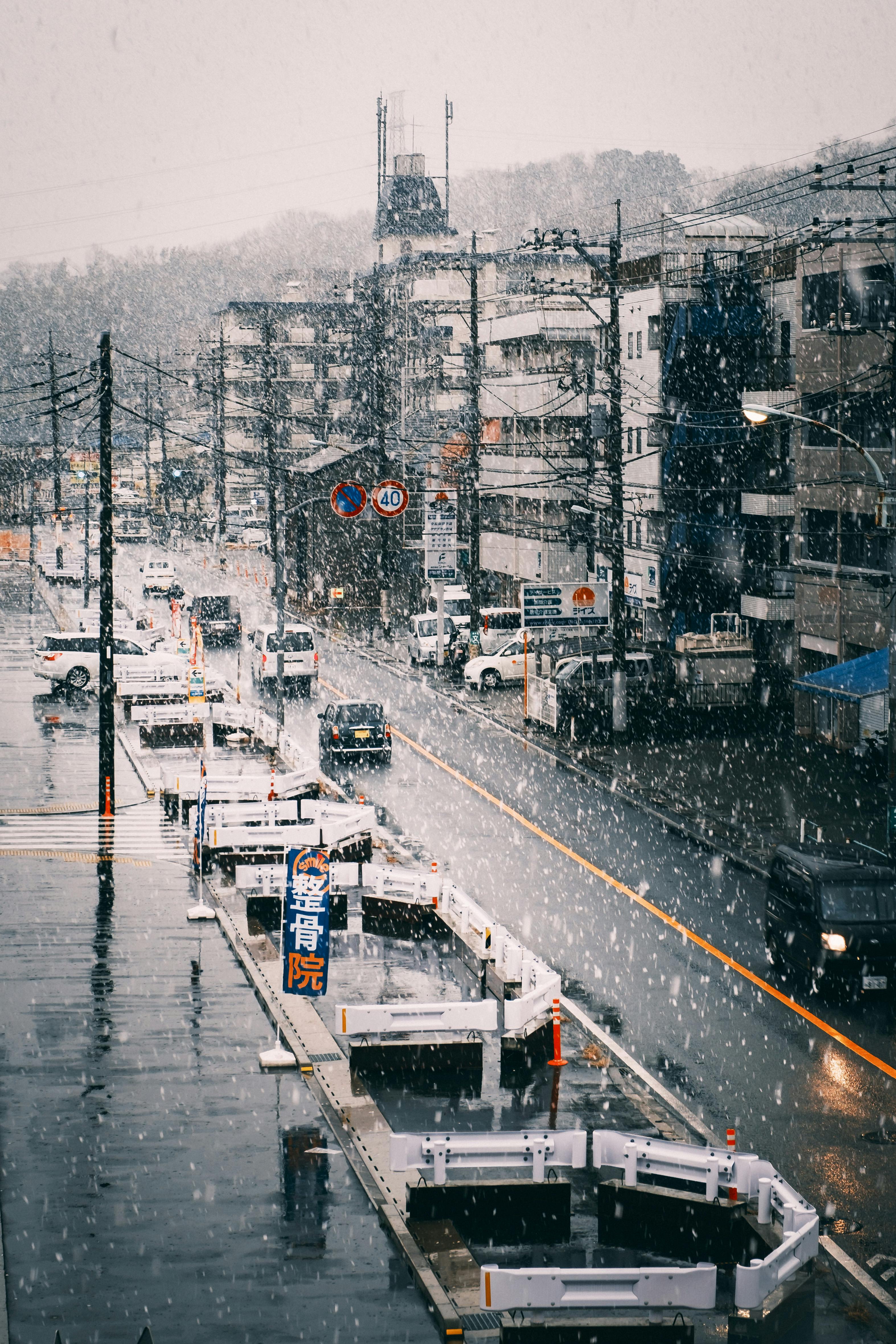
Tokyo averages 9-10 snow days per year, mostly in January and February. When it happens, it's occasional, not consistent.

What Snow Means in Tokyo

Impact

Melts into slush quickly

Streets turn wet and slippery, not snow-covered

Disrupts stairs/entrances

Station stairs and building entrances become hazardous

Affects mountain day trips

Nikko, Hakone routes can be snarled

Transit disruption

Taxis scarce, buses slow, trains usually fine

Pack for cold rain and wind first. Treat snow as a possible disruption, not the default scenery.

Wind and microclimates

More Wind Exposure

Less Wind Exposure

Sumida River waterfront

Ginza arcades (covered streets)

Wide avenues (Omotesando, Shinjuku station plaza)

Nakamise in Asakusa (covered)

Elevated areas

Narrow neighborhood streets

Rain and humidity

Winter feels drier than summer. Rain is less disruptive than summer downpours—you're less likely to lose entire days to weather. Still bring compact umbrella.

The Daylight Problem: How to Structure Winter Days

4:30-5 PM darkness changes everything. You can't fit three outdoor neighborhoods into one winter day the way you might in summer.

Three-block structure

Time Block

Priority

Best Used For

Block 1: Daylight Priority (10 AM - 3 PM)

Anything requiring light

Outdoor neighborhoods (Yanaka/Ueno, Asakusa, Harajuku/Omotesando); Gardens (structural winter beauty); Views and architecture; Waterfront walks; Outdoor markets

Block 2: Transition (3:00 - 4:30 PM)

Indoor stops before crowds peak

Department store food floors (Shinjuku Isetan, Shibuya Hikarie); Covered shopping (Nakano Broadway, Tokyo Station underground); Museums (if open); Coffee/tea break; Warm reset before going back out

Block 3: Night (5 PM+)

Nighttime atmosphere

Street food areas (Shinjuku Omoide Yokocho); Small shopping streets; Shibuya scramble area at night; Riverfront walks with illuminations; Izakayas and indoor dining

Cold management matters: keep moving, plan warm pit-stops, avoid stacking outdoor "stand still" moments.

Timing strategy

Early dinner (5-6 PM) leaves evening open for night walking without hunger stress. Most restaurants aren't crowded at 5 PM.

Convenience stores, cafes, and station waiting areas work as emergency warm-ups.

If coordinating daylight priorities, warm break timing, and efficient routing feels like too many variables to optimize, a guided day removes the navigation stress while maximizing your limited winter daylight hours.

Winter Dressing System: Layering for Tokyo Logistics

Tokyo winter dressing is about flexibility. You move from heated trains to windy crossings to warm shops repeatedly.

Three-layer system

Layer

Purpose

Key Feature

Base

Comfort indoors

Keep on without overheating (trains and shops run very warm)

Mid

Easy adjustment

Remove/add easily (you'll do this multiple times daily)

Outer

Wind protection

Block wind (heavy parkas usually unnecessary)

Specific gear notes

Item

Recommendation

Why

Hands

Thin gloves (not mittens)

Need fingers for phones and ticket gates

Ears

Ear warmers or beanie

Beanies overheat on trains; ear warmers pocket easily

Footwear

Grip over insulation

Tokyo is pavement walking, not snow trails; slush refreezes on stairs

Emergency buy

Uniqlo HeatTech

Available at major stations (Tokyo, Shinjuku, Shibuya)

The indoor reality

Tokyo interiors run warm, but not uniformly. Older buildings feel cooler. Trains and department stores can feel very warm.

The winning setup lets you shed a layer quickly without juggling bulky gear. Layer management becomes easier with a guide: they know which spots have coat checks, when to suggest a warm break, and how to structure the day so you're not carrying shopping bags through cold outdoor segments.

New Year Week Strategy: January 1-3 Planning

If your trip includes January 1-3, Tokyo shifts into a different mode. It's not a problem—just different constraints to plan around.

Closure patterns

Category

January 1

January 2-3

January 4+

Museums

Most closed

Most reopen Jan 2

Normal

Shops

Many closed

Rapid normalization

Normal

Department Stores

Closed

Reopen Jan 2-3

Normal

Shrines/Temples

Open (crowded—hatsumode)

Open

Normal

Convenience Stores

Open (24/7)

Open (24/7)

Normal

Specific example: Tokyo National Museum typically closed January 1, reopens January 2.

What IS available January 1-3

Category

Details

Notes

Shrines/Temples

Meiji Shrine, Sensoji, smaller neighborhood shrines

Expect crowds at major sites; hatsumode is major cultural moment

Neighborhood Walking

Yanaka, Shimokitazawa, any walking-focused area

Residential areas always accessible

Always Open

Convenience stores (24/7), some restaurants, parks

Especially chains and hotel restaurants

Reopens Jan 2+

Department stores, most museums

Rapid normalization after Jan 1

Planning strategy

If your must-do list is heavy on museums, schedule those outside January 1-3. If you can't, plan to use those days for shrine visits, seasonal food, and neighborhood walking—experiences that are actually most "Tokyo" during this period.

When to avoid New Year: if trip is only 3-4 days and museums are priority.

New Year week rewards local knowledge: knowing which shrines absorb crowds better, which neighborhoods stay active despite closures, and how to read the day's rhythm. If you're visiting during this period, a guide turns confusion into cultural immersion.

Neighborhood Choices for Winter: Where Cold Matters Less

Some neighborhoods work better in winter. Others become harder.

Neighborhoods that work BETTER in winter

Neighborhood

Why It Works

Yanaka/Ueno

Walking-focused with shorter routes; Museum fallback (Ueno museums); Less crowded in winter; Traditional atmosphere doesn't depend on weather

Asakusa

Compact core around Sensoji; Nakamise partially covered; Dense with warm food options; Short outdoor segments between indoor stops

Shibuya/Harajuku

Maximum indoor density; Short outdoor segments; Covered passages; Easy warm-up access (department stores, cafes everywhere)

Shinjuku

Station proximity; Department stores (Isetan, Takashimaya); Omoide Yokocho for quick warm food; Multiple train lines (minimize platform time)

Neighborhoods that become HARDER in winter

Neighborhood

Challenge

Odaiba

Waterfront exposure; Longer outdoor walks between attractions; Wind factor significant; Fewer warm fallback options

Sumida River walks

Beautiful but exposed; Limited warm pit-stops along route; Better in spring/fall

Kichijoji/Inokashira Park

Park-focused appeal; Loses advantage when cold; More rewarding in warmer months

Indoor fallback options by area

Area

Indoor Options

Shinjuku

Isetan, Takashimaya, Tokyo Metropolitan Government Building (free observation deck), station underground

Shibuya

Parco, Hikarie, Tokyu department stores

Ueno

Museums, Ameyoko covered market

Asakusa

Nakamise covered sections, Tokyo Station underground (accessible via train)

Neighborhoods near major stations have more warm pit-stop density. For complete neighborhood profiles, see our Tokyo neighborhoods guide.

Winter illuminations and nighttime Tokyo

Winter lighting is one of the most distinctive seasonal layers Tokyo adds. The important planning point is timing: illuminations are often tied to late autumn and the holiday season, but many displays extend beyond Christmas.

Japan-guide’s winter illumination roundup for the 2025/2026 season shows this clearly: some major areas run mid-November through late December, while others extend into February.
Even if your trip is in January or February, it’s worth checking what’s still running, because the “illumination season” in Tokyo frequently outlasts December.

How to fit illuminations into winter days without exhaustion:

  • Pair them with dinner neighborhoods so the lighting becomes part of your evening walk rather than a separate cold-only mission.

  • Avoid stacking two far-apart nighttime locations unless you’re comfortable with late trains and lots of outdoor transit.

  • If you’re traveling with kids or anyone sensitive to cold, choose one lighting area and build the evening around it.

Illuminations and Nighttime Strategy

Winter illuminations are one of Tokyo's most distinctive seasonal features. They run longer than most visitors expect.

Specific illumination locations and timing (2025/2026 season)

Location

Dates

Hours

Notes

Roppongi Hills (Keyakizaka Street)

Nov 4 - Dec 25, 2025

5 PM - 11 PM

Christmas market Nov 22-Dec 25

Tokyo Midtown

Nov 13 - Dec 25, 2025

5 PM - 11 PM

"Walk of Light" extends to Feb 23, 2026

Marunouchi/Tokyo Station

Nov 13, 2025 - Feb 15, 2026

4 PM - 11 PM

Until midnight in December; longest-running

Yebisu Garden Place

Seasonal (Nov-Dec typically)

Varies

Christmas market included

Tokyo Dome City

Nov 6, 2025 - Feb 14, 2026

Varies

Family-friendly

Yomiuriland Jewellumination

Oct 23, 2025 - Apr 5, 2026

Varies

Largest display; ~40 min from Shinjuku

Meguro River

Winter season

Varies

Pink LEDs between Gotanda-Osaki

Note: Shibuya Blue Cave not confirmed for 2025/2026 season (event doesn't run every year).

Integration strategy

Pair illuminations with dinner neighborhoods. The lighting becomes part of your evening walk, not a separate cold-weather mission.

Dinner Area

Nearby Illumination

Walking Distance

Roppongi

Keyakizaka illumination (Roppongi Hills)

Same area

Near Tokyo Station

Marunouchi illumination

5-minute walk

Shibuya

Seasonal displays in area

Varies by location

Time budget

Illuminations visible 5-10 PM. Plan one per evening maximum. More than that = too much cold standing time.

Cold management

Strategy

Purpose

Keep moving

Don't stand for long photo sessions

Plan warm food stops

Before or after viewing illuminations

Kids/seniors: 30-45 minute visits

Better than hour+ standing in cold

Avoid stacking two far-apart illumination locations unless you're comfortable with late trains and multiple outdoor transit segments.

Day Trips in Winter: What Changes

Day Trips in Winter: What Changes

Winter doesn't eliminate day trip options—it just changes the risk profile.

Short daylight = less margin

4:30 PM darkness means less time to wander outside before dark. If destination is scenery-focused, you'll miss evening light.

Strategy Point

Details

Start early

Leave Tokyo by 8-9 AM

Make trade-off decision

Do you want daylight for destination or for Tokyo? Can't maximize both

Know return time

Last comfortable train usually 6-7 PM

Destination trade-offs

Destination

Winter Conditions

Best For

Considerations

Nikko

Colder than Tokyo; snow more likely

Temple/shrine enthusiasts

Roads affected by snow; limited indoor options

Hakone

Weather-dependent views

Museum lovers, onsen seekers

Winter clarity can be excellent; good indoor backup

Kamakura

Temples/shrines work well

History/culture focus

Beach views less appealing when cold; compact and manageable

Yokohama

Urban, less weather-sensitive

Easy winter option

Dense indoor options; closer return to Tokyo

Weather disruption

Heavy snow can affect mountain routes (Nikko, Hakone more vulnerable than coastal areas). Have backup plan that stays in Tokyo. For detailed day trip planning beyond winter considerations, see our complete guide to Tokyo day trips.

If it snows or sleets: how to avoid turning the day into a slog

If it snows or sleets: how to avoid turning the day into a slog

Snow in Tokyo tends to be the kind that melts and refreezes into slush or slick patches, especially on steps and smaller side streets.

A few Tokyo-specific realities:

  • Station stairs and tiled entrances can become slippery.

  • Buses may run slower; taxis can be harder to get.

  • People still go out—just more carefully.

What helps most is not special gear, but shoe grip, a willingness to slow down, and avoiding ambitious multi-neighborhood routes that rely on perfect timing.
Where to Stay for Winter Comfort

Where to Stay for Winter Comfort

Winter amplifies two needs: minimizing nighttime transfers and maximizing proximity to warm options.

Core principle

Direct routes + indoor density nearby = winter comfort.

Station areas that work well

Area

Strengths

Best For

Shinjuku

Maximum indoor density; multiple lines; department stores everywhere; covered passages

Maximizing convenience and options

Shibuya

Dense with warm options; good nightlife; multiple lines; covered routes

Younger crowds, nightlife access

Ueno

Quieter than Shinjuku/Shibuya; museum proximity; JR Yamanote access

Those preferring less chaos

Tokyo Station area

Central location; extensive underground networks; department stores

Business travelers, central access

What to avoid

Accommodations requiring multiple transfers at night, areas far from convenience stores or cafes, and "atmospheric" neighborhoods that leave you cold and dark without backup options.

Tokyo-specific advantage

JR Yamanote Line access reduces platform time. One train vs. multiple subway transfers = less cold waiting.

Family/senior considerations

Priority

What to Look For

Station access

Elevator-accessible stations

Amenities nearby

Proximity to warm pit-stops

Safety

Well-lit streets for nighttime returns

Logistics

Fewer stairs/transfers

When traveling with kids or seniors in winter, the layering of concerns—cold tolerance, bathroom breaks, warm pit-stops, pacing, and early darkness—is where having a guide becomes most valuable. They manage the logistics while you stay present with your family. For detailed accommodation strategy, see our complete guide to where to stay in Tokyo.

Winter amplifies two needs: minimizing nighttime transfers and maximizing proximity to warm options.

Core principle

Direct routes + indoor density nearby = winter comfort.

Station areas that work well

Area

Strengths

Best For

Shinjuku

Maximum indoor density; multiple lines; department stores everywhere; covered passages

Maximizing convenience and options

Shibuya

Dense with warm options; good nightlife; multiple lines; covered routes

Younger crowds, nightlife access

Ueno

Quieter than Shinjuku/Shibuya; museum proximity; JR Yamanote access

Those preferring less chaos

Tokyo Station area

Central location; extensive underground networks; department stores

Business travelers, central access

What to avoid

Accommodations requiring multiple transfers at night, areas far from convenience stores or cafes, and "atmospheric" neighborhoods that leave you cold and dark without backup options.

Tokyo-specific advantage

JR Yamanote Line access reduces platform time. One train vs. multiple subway transfers = less cold waiting.

Family/senior considerations

Priority

What to Look For

Station access

Elevator-accessible stations

Amenities nearby

Proximity to warm pit-stops

Safety

Well-lit streets for nighttime returns

Logistics

Fewer stairs/transfers

When traveling with kids or seniors in winter, the layering of concerns—cold tolerance, bathroom breaks, warm pit-stops, pacing, and early darkness—is where having a guide becomes most valuable. They manage the logistics while you stay present with your family. For detailed accommodation strategy, see our complete guide to where to stay in Tokyo.

Winter amplifies two needs: minimizing nighttime transfers and maximizing proximity to warm options.

Core principle

Direct routes + indoor density nearby = winter comfort.

Station areas that work well

Area

Strengths

Best For

Shinjuku

Maximum indoor density; multiple lines; department stores everywhere; covered passages

Maximizing convenience and options

Shibuya

Dense with warm options; good nightlife; multiple lines; covered routes

Younger crowds, nightlife access

Ueno

Quieter than Shinjuku/Shibuya; museum proximity; JR Yamanote access

Those preferring less chaos

Tokyo Station area

Central location; extensive underground networks; department stores

Business travelers, central access

What to avoid

Accommodations requiring multiple transfers at night, areas far from convenience stores or cafes, and "atmospheric" neighborhoods that leave you cold and dark without backup options.

Tokyo-specific advantage

JR Yamanote Line access reduces platform time. One train vs. multiple subway transfers = less cold waiting.

Family/senior considerations

Priority

What to Look For

Station access

Elevator-accessible stations

Amenities nearby

Proximity to warm pit-stops

Safety

Well-lit streets for nighttime returns

Logistics

Fewer stairs/transfers

When traveling with kids or seniors in winter, the layering of concerns—cold tolerance, bathroom breaks, warm pit-stops, pacing, and early darkness—is where having a guide becomes most valuable. They manage the logistics while you stay present with your family. For detailed accommodation strategy, see our complete guide to where to stay in Tokyo.

Winter amplifies two needs: minimizing nighttime transfers and maximizing proximity to warm options.

Core principle

Direct routes + indoor density nearby = winter comfort.

Station areas that work well

Area

Strengths

Best For

Shinjuku

Maximum indoor density; multiple lines; department stores everywhere; covered passages

Maximizing convenience and options

Shibuya

Dense with warm options; good nightlife; multiple lines; covered routes

Younger crowds, nightlife access

Ueno

Quieter than Shinjuku/Shibuya; museum proximity; JR Yamanote access

Those preferring less chaos

Tokyo Station area

Central location; extensive underground networks; department stores

Business travelers, central access

What to avoid

Accommodations requiring multiple transfers at night, areas far from convenience stores or cafes, and "atmospheric" neighborhoods that leave you cold and dark without backup options.

Tokyo-specific advantage

JR Yamanote Line access reduces platform time. One train vs. multiple subway transfers = less cold waiting.

Family/senior considerations

Priority

What to Look For

Station access

Elevator-accessible stations

Amenities nearby

Proximity to warm pit-stops

Safety

Well-lit streets for nighttime returns

Logistics

Fewer stairs/transfers

When traveling with kids or seniors in winter, the layering of concerns—cold tolerance, bathroom breaks, warm pit-stops, pacing, and early darkness—is where having a guide becomes most valuable. They manage the logistics while you stay present with your family. For detailed accommodation strategy, see our complete guide to where to stay in Tokyo.

Bad Weather Protocols: Snow and Sleet Response

Bad Weather Protocols: Snow and Sleet Response

When snow happens in Tokyo, it's usually the kind that melts and refreezes into slush on contact.

Tokyo-specific realities

Challenge

Impact

Slippery spots

Station stairs (tiled, gets icy); Shrine/temple steps; Tiled building entrances; Smaller side streets

Transit impact

Buses slow down significantly; Taxis become scarce; Trains usually run fine

Overall behavior

People still go out—just more carefully

What helps most

Factor

How It Helps

Shoe grip

Better traction on icy surfaces

Willingness to slow down

Reduces slip risk on stairs and entrances

Shorter routes

Less exposure to cold and slippery conditions

Flexible timing

Avoiding ambitious multi-neighborhood plans requiring perfect timing

Indoor fallback plan by area

Area

Indoor Options

Shinjuku

Isetan, Takashimaya, Tokyo Metropolitan Government Building (free observation deck), station underground shopping

Shibuya

Parco (shopping/dining), Hikarie (shopping/dining), multiple cafes

Ueno

Museums (if open), Ameyoko covered market

Asakusa

Nakamise (partially covered), nearby department stores

Mindset shift

Slow down, shorten routes, accept reduced coverage. A snow day doesn't ruin the trip if you adjust expectations.

When snow happens in Tokyo, it's usually the kind that melts and refreezes into slush on contact.

Tokyo-specific realities

Challenge

Impact

Slippery spots

Station stairs (tiled, gets icy); Shrine/temple steps; Tiled building entrances; Smaller side streets

Transit impact

Buses slow down significantly; Taxis become scarce; Trains usually run fine

Overall behavior

People still go out—just more carefully

What helps most

Factor

How It Helps

Shoe grip

Better traction on icy surfaces

Willingness to slow down

Reduces slip risk on stairs and entrances

Shorter routes

Less exposure to cold and slippery conditions

Flexible timing

Avoiding ambitious multi-neighborhood plans requiring perfect timing

Indoor fallback plan by area

Area

Indoor Options

Shinjuku

Isetan, Takashimaya, Tokyo Metropolitan Government Building (free observation deck), station underground shopping

Shibuya

Parco (shopping/dining), Hikarie (shopping/dining), multiple cafes

Ueno

Museums (if open), Ameyoko covered market

Asakusa

Nakamise (partially covered), nearby department stores

Mindset shift

Slow down, shorten routes, accept reduced coverage. A snow day doesn't ruin the trip if you adjust expectations.

When snow happens in Tokyo, it's usually the kind that melts and refreezes into slush on contact.

Tokyo-specific realities

Challenge

Impact

Slippery spots

Station stairs (tiled, gets icy); Shrine/temple steps; Tiled building entrances; Smaller side streets

Transit impact

Buses slow down significantly; Taxis become scarce; Trains usually run fine

Overall behavior

People still go out—just more carefully

What helps most

Factor

How It Helps

Shoe grip

Better traction on icy surfaces

Willingness to slow down

Reduces slip risk on stairs and entrances

Shorter routes

Less exposure to cold and slippery conditions

Flexible timing

Avoiding ambitious multi-neighborhood plans requiring perfect timing

Indoor fallback plan by area

Area

Indoor Options

Shinjuku

Isetan, Takashimaya, Tokyo Metropolitan Government Building (free observation deck), station underground shopping

Shibuya

Parco (shopping/dining), Hikarie (shopping/dining), multiple cafes

Ueno

Museums (if open), Ameyoko covered market

Asakusa

Nakamise (partially covered), nearby department stores

Mindset shift

Slow down, shorten routes, accept reduced coverage. A snow day doesn't ruin the trip if you adjust expectations.

When snow happens in Tokyo, it's usually the kind that melts and refreezes into slush on contact.

Tokyo-specific realities

Challenge

Impact

Slippery spots

Station stairs (tiled, gets icy); Shrine/temple steps; Tiled building entrances; Smaller side streets

Transit impact

Buses slow down significantly; Taxis become scarce; Trains usually run fine

Overall behavior

People still go out—just more carefully

What helps most

Factor

How It Helps

Shoe grip

Better traction on icy surfaces

Willingness to slow down

Reduces slip risk on stairs and entrances

Shorter routes

Less exposure to cold and slippery conditions

Flexible timing

Avoiding ambitious multi-neighborhood plans requiring perfect timing

Indoor fallback plan by area

Area

Indoor Options

Shinjuku

Isetan, Takashimaya, Tokyo Metropolitan Government Building (free observation deck), station underground shopping

Shibuya

Parco (shopping/dining), Hikarie (shopping/dining), multiple cafes

Ueno

Museums (if open), Ameyoko covered market

Asakusa

Nakamise (partially covered), nearby department stores

Mindset shift

Slow down, shorten routes, accept reduced coverage. A snow day doesn't ruin the trip if you adjust expectations.

Seasonal Food as Winter Strategy

Seasonal Food as Winter Strategy

Warm food is energy management, not just culinary experience.

Strategic eating

Hot meals extend outdoor tolerance. Building warm meals into your day keeps you outside longer without feeling drained.

Specific winter food experiences

Food

Type

Where to Find

Use Case

Ramen

Quick, warming

Shinjuku Omoide Yokocho, Nakano

Meal stop between outdoor segments

Oden

Convenience store ready

Family Mart, 7-Eleven, Lawson (24/7)

Emergency warm-up anytime

Nabe (hot pot)

Sit-down dinner

Izakayas in Shinjuku, Shibuya

End-of-day warming meal

Nikuman

Hot steamed buns

Convenience stores (hot case)

Quick snack between activities

Taiyaki/Imagawayaki

Warm street snacks

Asakusa, station areas

Walking snack

Timing strategy

Meal Time

Strategy

Benefit

Lunch (12-1 PM)

Warm reset mid-day

Extends afternoon outdoor time

Dinner (5-6 PM)

Before evening gets coldest

Restaurant crowds lighter at 5 PM

Tokyo-specific advantage

Convenience store oden and nikuman available 24/7. Emergency warm-up always 5 minutes away.

This guide is published by Hinomaru One, a Tokyo-based private tour operator.

Warm food is energy management, not just culinary experience.

Strategic eating

Hot meals extend outdoor tolerance. Building warm meals into your day keeps you outside longer without feeling drained.

Specific winter food experiences

Food

Type

Where to Find

Use Case

Ramen

Quick, warming

Shinjuku Omoide Yokocho, Nakano

Meal stop between outdoor segments

Oden

Convenience store ready

Family Mart, 7-Eleven, Lawson (24/7)

Emergency warm-up anytime

Nabe (hot pot)

Sit-down dinner

Izakayas in Shinjuku, Shibuya

End-of-day warming meal

Nikuman

Hot steamed buns

Convenience stores (hot case)

Quick snack between activities

Taiyaki/Imagawayaki

Warm street snacks

Asakusa, station areas

Walking snack

Timing strategy

Meal Time

Strategy

Benefit

Lunch (12-1 PM)

Warm reset mid-day

Extends afternoon outdoor time

Dinner (5-6 PM)

Before evening gets coldest

Restaurant crowds lighter at 5 PM

Tokyo-specific advantage

Convenience store oden and nikuman available 24/7. Emergency warm-up always 5 minutes away.

This guide is published by Hinomaru One, a Tokyo-based private tour operator.

Warm food is energy management, not just culinary experience.

Strategic eating

Hot meals extend outdoor tolerance. Building warm meals into your day keeps you outside longer without feeling drained.

Specific winter food experiences

Food

Type

Where to Find

Use Case

Ramen

Quick, warming

Shinjuku Omoide Yokocho, Nakano

Meal stop between outdoor segments

Oden

Convenience store ready

Family Mart, 7-Eleven, Lawson (24/7)

Emergency warm-up anytime

Nabe (hot pot)

Sit-down dinner

Izakayas in Shinjuku, Shibuya

End-of-day warming meal

Nikuman

Hot steamed buns

Convenience stores (hot case)

Quick snack between activities

Taiyaki/Imagawayaki

Warm street snacks

Asakusa, station areas

Walking snack

Timing strategy

Meal Time

Strategy

Benefit

Lunch (12-1 PM)

Warm reset mid-day

Extends afternoon outdoor time

Dinner (5-6 PM)

Before evening gets coldest

Restaurant crowds lighter at 5 PM

Tokyo-specific advantage

Convenience store oden and nikuman available 24/7. Emergency warm-up always 5 minutes away.

This guide is published by Hinomaru One, a Tokyo-based private tour operator.

Warm food is energy management, not just culinary experience.

Strategic eating

Hot meals extend outdoor tolerance. Building warm meals into your day keeps you outside longer without feeling drained.

Specific winter food experiences

Food

Type

Where to Find

Use Case

Ramen

Quick, warming

Shinjuku Omoide Yokocho, Nakano

Meal stop between outdoor segments

Oden

Convenience store ready

Family Mart, 7-Eleven, Lawson (24/7)

Emergency warm-up anytime

Nabe (hot pot)

Sit-down dinner

Izakayas in Shinjuku, Shibuya

End-of-day warming meal

Nikuman

Hot steamed buns

Convenience stores (hot case)

Quick snack between activities

Taiyaki/Imagawayaki

Warm street snacks

Asakusa, station areas

Walking snack

Timing strategy

Meal Time

Strategy

Benefit

Lunch (12-1 PM)

Warm reset mid-day

Extends afternoon outdoor time

Dinner (5-6 PM)

Before evening gets coldest

Restaurant crowds lighter at 5 PM

Tokyo-specific advantage

Convenience store oden and nikuman available 24/7. Emergency warm-up always 5 minutes away.

This guide is published by Hinomaru One, a Tokyo-based private tour operator.

Newsletter

Unlock the secrets of Japan with Hinomaru One delivered straight to your inbox.

Hinomaru One Logo

PRIVACY

TERMS

Newsletter

Unlock the secrets of Japan with Hinomaru One delivered straight to your inbox.

Hinomaru One Logo

PRIVACY

TERMS

Newsletter

Unlock the secrets of Japan with Hinomaru One delivered straight to your inbox.

Hinomaru One Logo

PRIVACY

TERMS

Newsletter

Unlock the secrets of Japan with Hinomaru One delivered straight to your inbox.

Hinomaru One Logo

PRIVACY

TERMS