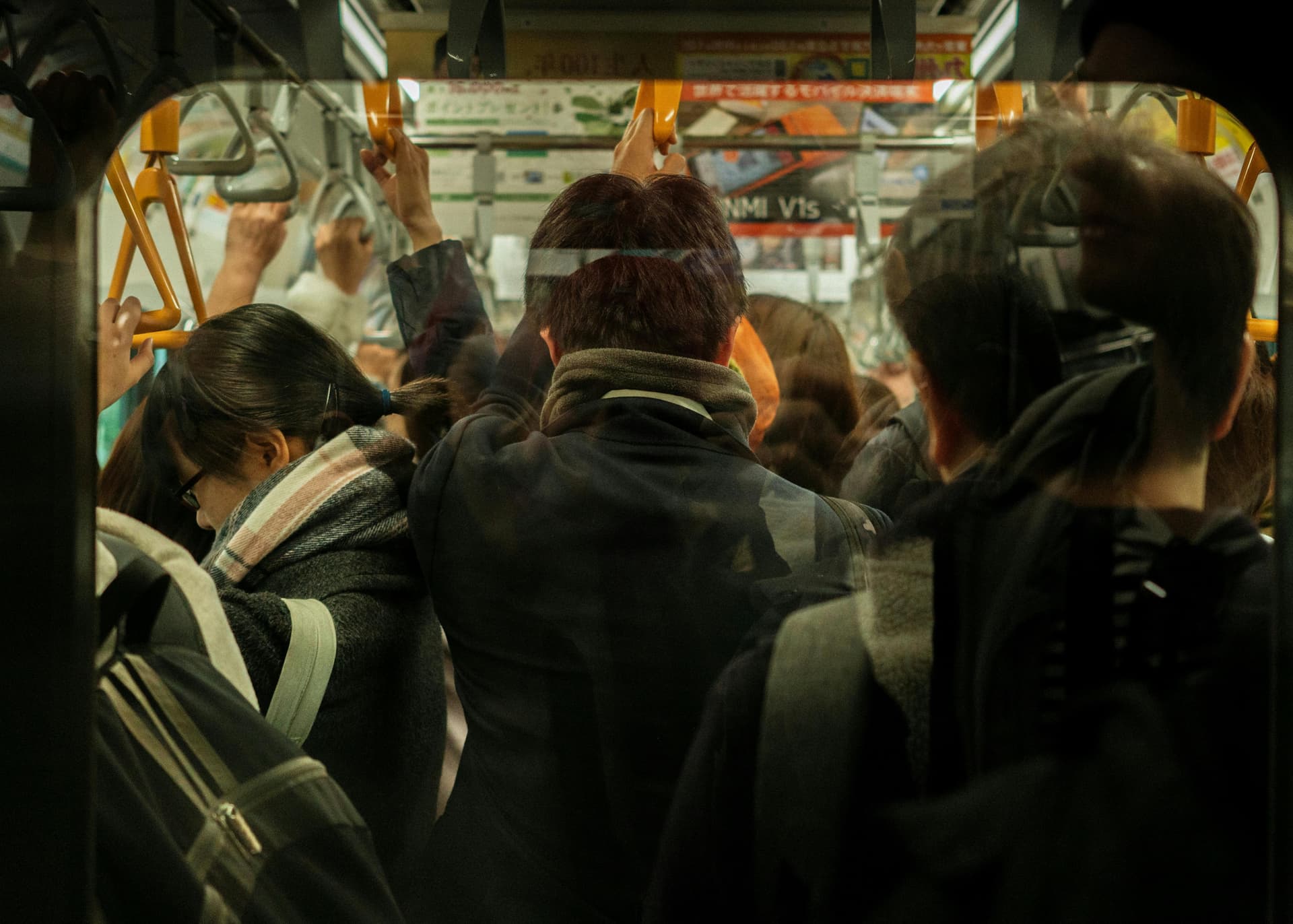
Understand Tokyo’s crowd patterns with clarity rather than chasing unrealistic avoidance strategies.
Avoiding crowds in Tokyo is less about finding the right tricks and more about understanding how the city’s crowd patterns actually work.
Tokyo is crowded in predictable ways. Understanding how crowds work—and which strategies actually reduce stress—helps you shape days you can tolerate rather than chase an empty city that doesn't exist.
This guide explains Tokyo's crowd patterns and gives you decision frameworks for managing them.
What "crowds" actually mean in Tokyo
Tokyo has multiple crowd types that feel different:
| Crowd Type | Characteristics | Where It Concentrates |
|---|---|---|
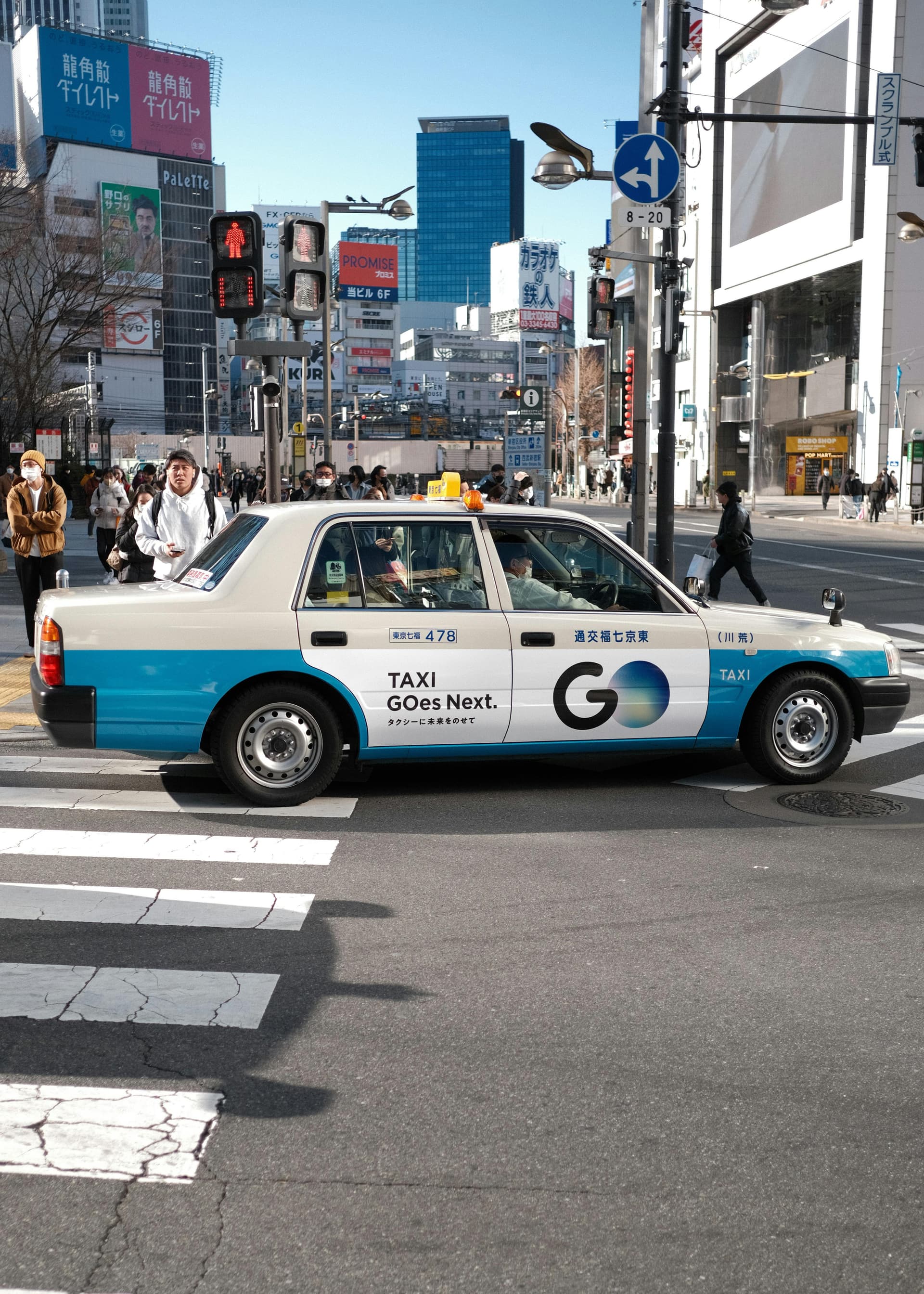
| Commuter density (high speed, high pressure) | Everyone moving at once: stations, platforms, escalators, sidewalks near offices. Not always loud, but intense—especially with luggage, kids, or jet lag. | Major transfer stations (Shinjuku, Shibuya, Tokyo Station); Office corridors (Marunouchi, Otemachi, Shinagawa) |
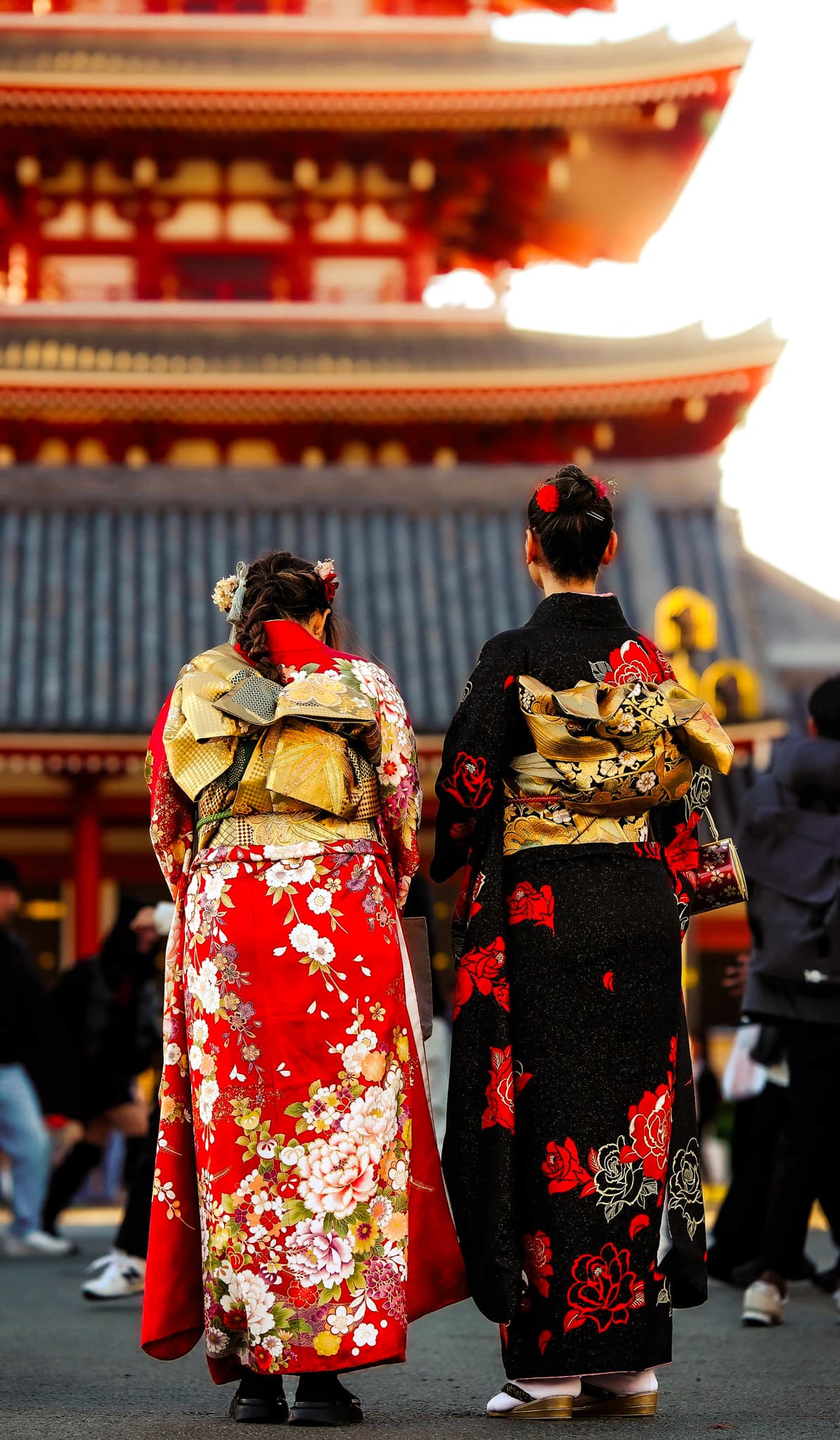
| Tourist clustering (slow speed, high friction) | Narrow spaces with photo stops and lines: shrine approaches, market lanes, famous crossings, viewpoints. Orderly but stop-and-go. | Landmark districts (Asakusa around Nakamise, parts of Harajuku); Food-market corridors (Tsukiji Outer Market streets) |
| Event spikes (short, sharp, localized) | Tokyo's constant small-to-medium events cause sudden surges: school trips, pop-ups, seasonal illuminations, fireworks, baseball games, concerts. You can be crowd-free for hours, then hit a wall near one venue. | Varies by event |
| "Nice crowds" (ambient, social, not stressful) | Some busy areas feel fine because space is wide and purpose is relaxed: parks, riversides, museum plazas, wide shopping streets. The goal isn't emptiness—it's comfort. | Parks, riversides, museum plazas, wide shopping streets |
The four levers that actually work
You have four ways to reduce crowd stress:
| Lever | What You Change | Example |
|---|---|---|
| Time | When you do the same thing | Visit Asakusa at opening instead of midday |
| Space | Where you do a similar thing | Choose Yanaka over Asakusa for traditional streets |
| Activity | What you do to avoid bottlenecks | Parks instead of compact market lanes |
| Access | How you enter | Timed entry ticket instead of walk-up queue |
The best plans use two levers at once. Tokyo fills demand efficiently—one lever alone often isn't enough.
Time: Build a day that dodges Tokyo's "pulse"
Tokyo has reliable daily rhythms. Avoid overlaps between commuter peaks, tourist surges, and dinner rush.
The two daily pressure zones:
| Time Window | Peak Hours | What Happens |
|---|---|---|
| Morning commute | 7:30-9:30 AM, peak around 8:00-9:00 AM | Trains dense, walking speed drops near business centers |
| Evening commute + dinner | 5:00-7:30 PM, peak around 6:00-7:00 PM | Stations swell, restaurants fill, nightlife areas congest |
For a calmer day:
-
Late morning starts on transit-heavy days
-
Early dinners or late dinners instead of standard peak
-
Midday museum/café blocks when tourist streets are thick
Use "first hour" selectively
"Go early" works best for narrow approaches and places with lines. Matters less in wide parks or neighborhoods where foot traffic disperses.
If you want Asakusa without slow-moving density, the first hour after businesses open feels different than midday. Trade-off: fewer food stalls fully running, quieter (less "festival") atmosphere.
Build "quiet transitions"
Crowds feel worst during transitions: exiting trains, finding platforms, crossing big intersections, moving between districts when everyone else is.
Calmer days have:
-
Fewer transfers
-
Fewer "must-arrive-at-exact-time" moments
-
At least one long, low-stakes walking segment in a non-headline neighborhood
Space: Tokyo is crowded by nodes, not by area
Tokyo crowds concentrate at nodes—stations, shrine approaches, viewing points—not uniformly across areas. Understanding Tokyo's neighborhood character helps you identify which areas naturally disperse people.
Identify what you actually want:
-
Traditional streetscape?
-
Shrine/temple atmosphere?
-
River walk?
-
Shopping browse?
-
Skyline view?
-
Food wandering?
Then choose places where that experience is distributed rather than bottlenecked.
Finding Tokyo neighborhoods that feel calm without being empty requires local knowledge—not just knowing Yanaka exists, but knowing which streets have the best rhythm at different times, where locals actually shop, and how to read the neighborhood's texture. Neighborhood-focused walking tours provide this depth.
Avoid "funnel architecture"
Tokyo crowds become stressful where design funnels people:
-
Narrow shrine approaches
-
Ticket gates at peak
-
Popular pedestrian bridges
-
Staircases and escalators at major transfers
-
Compact shopping arcades
If you must visit a funnel location, your best defense is time + access (off-peak arrival, timed entry, or a plan that doesn't require standing in the narrowest section).
Activity: Choose formats that absorb people instead of stacking them
Some activities naturally scale—they spread people out. Others force everyone into the same queue.
| Format Type | Examples | How They Handle Crowds |
|---|---|---|
| Low-friction ("breathe") | Large parks and gardens; Neighborhood walking on non-headline streets; Museum clusters; Riverside paths; Department store browsing | Space is wide, movement disperses; Entry managed, movement distributed; Wide aisles, multiple floors, many entrances |
| High-friction ("stack") | Famous street-food corridors; photo nodes; Limited-seating cafés with social media demand; Small "must-try" shops | Everyone stops, queues, blocks flow; One viewpoint, one crossing, one sign; Single line creates bottleneck |
If your priority is calm, avoid stacking formats on days you're already doing transit-heavy moves. Balancing different activity types throughout your day affects crowd exposure.
Knowing which activities naturally stack people versus disperse them requires local familiarity with hundreds of Tokyo venues. Building a day from scratch becomes a multi-hour research project. Customized guided days that pre-optimize these trade-offs become attractive not for convenience, but for better outcomes.
Access: When the city is busy, access beats willpower
Tokyo rewards light access planning: reservations, timed entry, digital tickets, knowing which entrance to use.
This isn't luxury—it's not spending your day in lines.
Simple access rule:
If an activity has (a) limited capacity and (b) social-media pull, assume it will create a line. Decide in advance whether you're willing to pay the time cost.
If not, choose:
-
Similar-format places with multiple branches
-
Time slots with managed entry
-
Alternative activity types that don't stack
Transportation: Reduce crowd stress without avoiding trains
Tokyo's rail system is excellent, but "avoid crowds" fails when people transfer through largest hubs at peak times.
Prioritize fewer transfers over fewer minutes
The calmest route often isn't the fastest on paper. Each transfer risks:
-
Packed platform
-
Escalator queue
-
Wrong-exit detour into dense corridor
For comfort:
-
Choose routes with one line for longer
-
Accept slightly longer ride
-
Avoid multiple mega-station transfers in one day
The problem is the station, not the line
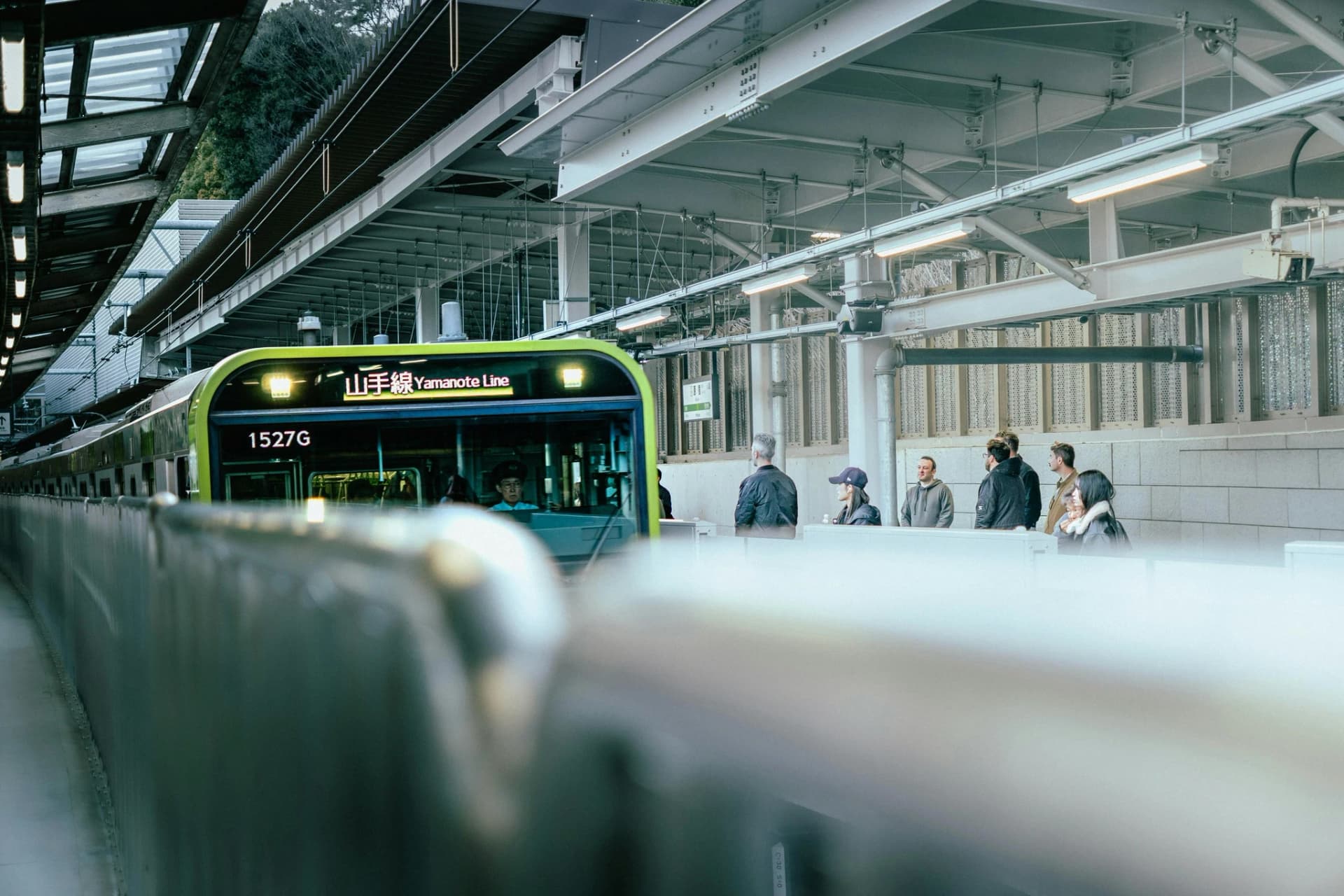
Often the stressful part isn't the train car—it's the station concourse. Big stations compress people into ticket gates, corridor turns, escalator choke points. Understanding Tokyo's transit system fundamentals helps you recognize these patterns and plan better routes.
Give yourself extra station time. Treat the station like a neighborhood, not a doorway. If you feel rushed, crowds feel twice as bad.
For first-time visitors arriving jet-lagged with luggage, navigating Shinjuku Station during evening rush hour is where many travelers break down. How guides handle navigation during crowds becomes valuable not as luxury, but as stress prevention.
Walking as a crowd tool
In dense tourist districts, walking 15-25 minutes can outperform transit because you avoid: station funnel, platform surge, transfer.
Walking works especially well for:
-
Moving between adjacent neighborhoods
-
Bridging between two stations to avoid a major hub
-
Turning a "line-based" day into a "street-based" day
Seasonal and calendar crowd patterns
Crowds in Tokyo aren't only about weekends. They're about Japan's school schedule, holidays, and seasonal attractions. Tokyo's seasonal patterns throughout the year affect not just weather but crowd distribution.
Weather as crowd amplifier
On pleasant, dry days, parks and famous streets fill. On rainy or very hot days, crowds move indoors: department stores, covered arcades, underground station passages.
"Avoid crowds" changes meaning with weather:
-
In heat: choose shade and indoor breaks, avoid stacking indoor-only stops
-
In rain: avoid mall-heavy itineraries that push you into the same indoor nodes as everyone else
Seasonal magnet periods
Tokyo has predictable seasons that concentrate visitors:
| Season | Typical Dates | What to Expect |
|---|---|---|
| Cherry blossom period | Late March to early April, typically peak viewing last week of March to first week of April | Massive crowds at famous viewing spots; dates vary 1-2 weeks year to year |
| Golden Week | April 29-May 5, with some years extending to May 6 | Major Japanese holiday period; domestic travel peaks; attractions and transit very busy |
| Autumn foliage period | Late November to early December for peak colors | Popular parks and temples fill; yellow ginkgo peaks late November, red maple peaks early December |
| Winter illuminations | Mid-November through December or early January | Evening crowds at illumination sites; most begin mid-November, run through Christmas or into early January |
The trick isn't "don't go." It's avoid single famous viewing nodes and choose viewing formats that don't funnel people into one photo point.
District design: Predict crowd stress before arriving
You can often predict crowd stress from the map. Choosing your Tokyo base location affects how much daily crowd exposure you face.
| Signal Type | Indicators | What They Mean |
|---|---|---|
| Green flags (low-stress crowds) | Multiple parallel streets; Wide sidewalks and many entrances; Large open space (parks, riversides); Activities spread over blocks; "Everyday Tokyo" land use (schools, local supermarkets, small clinics) | Grid disperses people; Space allows comfortable movement; Not dependent on single access point |
| Red flags (high-stress crowds) | One famous street with everything on it; One shrine approach everyone uses; One viewpoint with a single "best" spot; Compact market lane; Station that's a known transfer hub | Everyone funnels through same space; Single point of access creates bottleneck; Crowds compress unavoidably |
Practical planning templates
Instead of chasing "least crowded places," use templates that make crowds manageable. Tokyo itinerary frameworks can be adapted for crowd-aware planning.
| Template | Goal | Structure | Trade-off |
|---|---|---|---|
| A: Calm day in city core | Stay central but keep friction low | Late morning start, one major indoor stop with controlled entry, long neighborhood walk, early dinner, optional evening stroll in wide-area district | Fewer "famous queue" moments; day feels less like highlight reel, more like lived-in Tokyo |
| B: Crowd-sensitive sightseeing | Visit one headline attraction without overwhelm | Early single headline stop (first hour), buffer activity (park/museum), midday low-stakes area, dinner away from headline node | Committing to one "crowd expense" while protecting the rest of the day |
| C: Family/stroller-friendly | Avoid funnels and narrow lanes | One area with wide pedestrian space, long lunch window, playground/park time, short transit with minimal transfers | May skip compact market lanes and narrow streets that aren't fun with strollers anyway |
| D: Photographers' low-friction | Strong images without photo-node traps | Early neighborhood walk (soft light), mid-morning indoor/architectural stop, long afternoon streets, dusk skyline with multiple angles | Fewer "I stood exactly here" shots, more "this feels like Tokyo" variety |
Micro-tactics that matter
1) Know your station exit
The wrong exit drops you into dense corridors. At mega stations, have a preferred exit or landmark outside. Don't wing it.
2) Eat at off-peak hours
Queues are hardest at lunch and dinner peaks. For calm:
-
Earlier lunch
-
Late lunch
-
Early dinner
3) Don't stack three queue-prone stops
Common crowd-fail day: famous market lane → famous café → famous viewpoint. All queue formats. Even if each is "worth it," the day becomes line-shaped.
4) Build a "bail-out list"
Not "top alternatives"—formats:
-
Park
-
Museum
-
Department store
-
Riverside path
-
Quiet café on side street
When you hit unexpected density, switch formats rather than searching for "another famous thing."
Crowds vs. safety, etiquette, and comfort
Tokyo crowds are orderly, but norms reduce stress:
-
Keep moving when space is narrow; step aside before stopping to check maps
-
In packed transit, keep bags close to your body to reduce bumping
-
If traveling with kids, plan breaks before they melt down—crowds amplify exhaustion. Managing family comfort in crowded environments requires constant micro-decisions about pacing, breaks, and route adjustments.
-
If mobility-limited, plan for elevators and accessible routes; some transfers are long and tiring even when not crowded
A calm Tokyo day is less about "finding secret spots" and more about reducing decision fatigue. Managing energy and pacing becomes especially important when crowd tolerance drops with exhaustion.
If you only remember one strategy
Don't try to avoid Tokyo's crowds everywhere.
Instead:
-
Pick one crowded highlight you're willing to pay for (time/energy)
-
Protect the rest of the day with wide spaces + fewer transfers + off-peak meals
-
Treat crowds as node problems you can route around
Tokyo won't become empty—but it can absolutely become comfortable.
Simple crowd-avoidance checklist for Tokyo days
One headline node max per day (unless you enjoy crowds)
-
Fewer transfers beats "fastest route"
-
Avoid peak overlap windows (commute + meals)
-
Use buffers: parks, riversides, museums, wide-area browsing
-
Assume stacking formats will stack people—lines create lines
-
Know your exits at big stations
-
Plan one bail-out option (format, not a "secret place")
If you build days around comfort and flow, Tokyo becomes less about "escaping people" and more about moving through the city with control.
This guide is published by Hinomaru One, a Tokyo-based private tour operator.