Tokyo Travel Guide

Tokyo Travel Guide

|

Understanding Tokyo

Understanding Tokyo

Tokyo Neighborhoods Explained: How to Choose Areas That Actually Fit Your Trip

Tokyo Neighborhoods Explained: How to Choose Areas That Actually Fit Your Trip

This guide explains Tokyo’s neighborhoods in practical terms, helping travelers grasp the city’s structure without relying on rankings or must-see lists.

November 11, 2025

7 mins read
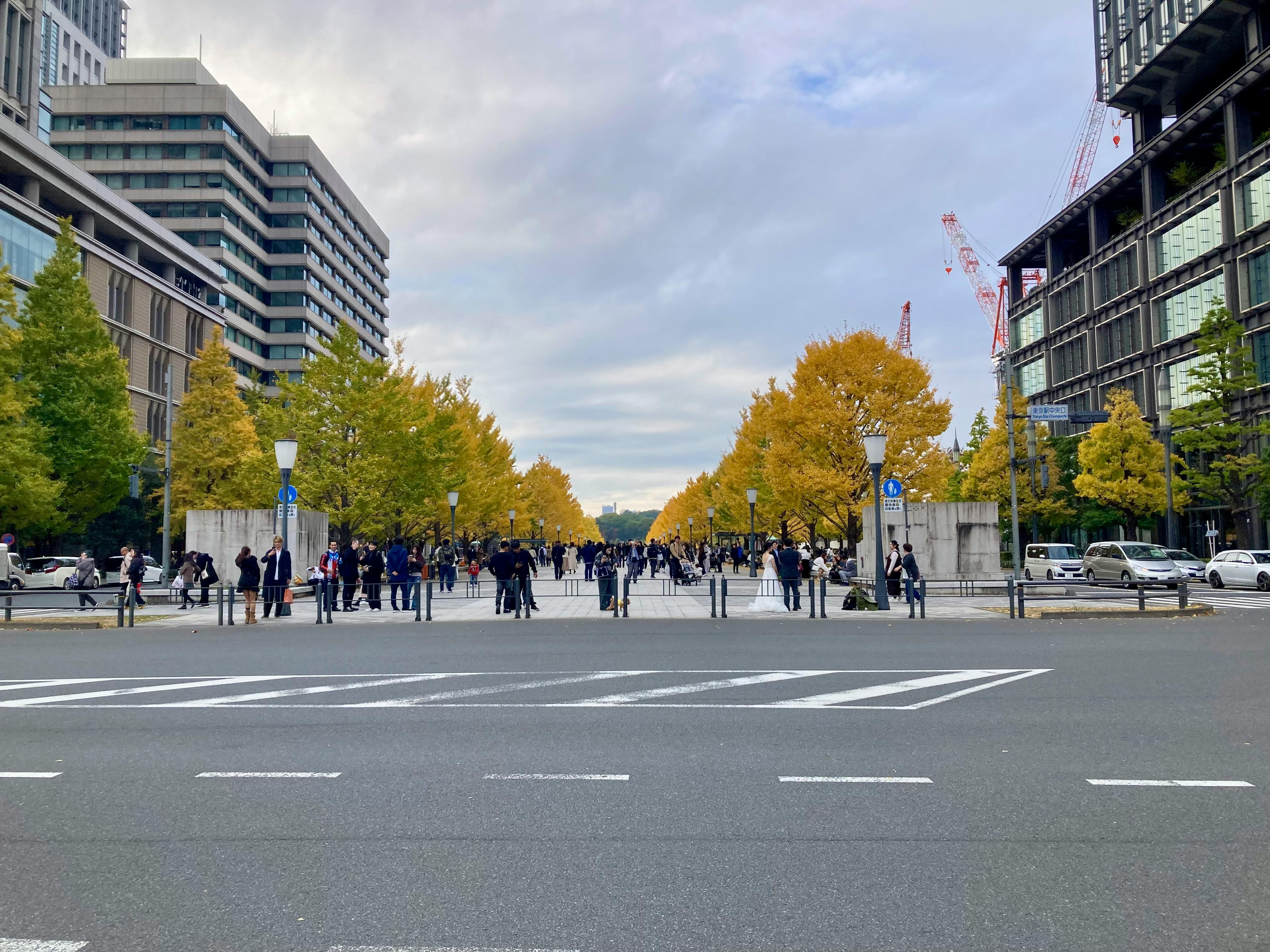
Understand Tokyo by learning how its neighborhoods function, feel and relate to one another.

Understand Tokyo by learning how its neighborhoods function, feel and relate to one another.

Understand Tokyo by learning how its neighborhoods function, feel and relate to one another.

Tokyo isn’t one “city experience” so much as a set of different cities stitched together by rail. Two neighborhoods can be 15 minutes apart on paper and still feel like different countries in rhythm, crowding, noise, and what a normal evening looks like.

This guide is designed to help you make usable decisions—where to stay, where to spend your days, and how to group your time—without turning Tokyo into a “top 10” checklist. You’ll see real neighborhood examples, but the point is the trade-offs, not the names.

The fastest way to get Tokyo neighborhoods wrong

Most first-time planning mistakes come from treating neighborhoods like static labels:

  • “This area is traditional.” (It might be traditional at 10:00, but not at 22:00.)

  • “This area is central.” (Central to what—your interests, your day trips, your tolerance for transfers?)

  • “This is where tourists stay.” (Tourists stay everywhere; the difference is what kind of tourist, why, and how it feels.)

Tokyo’s neighborhoods are better understood as friction profiles.

  • How hard is it to get out in the morning?

  • How punishing are transfers when you’re tired?

  • How chaotic is the station at rush hour?

  • How far is “one stop away” when the connection involves stairs, long corridors, and multiple ticket gates?

Once you see Tokyo this way, neighborhood choice becomes less about vibe and more about pacing and reliability.

A mental map that actually matches how Tokyo works

You don’t need to memorize every line in Tokyo. But you do want a few anchors that explain why certain areas feel “easy” and others feel like constant logistical tax.

1) The Yamanote Line is your orientation ring, not your itinerary

The JR Yamanote Line loops through big-name nodes—Tokyo Station, Ueno, Akihabara, Shinjuku, Shibuya, Ikebukuro, and more. This makes it a useful orientation ring: you can roughly locate other areas by where they sit relative to the loop.

But it’s not a guarantee of convenience.

  • The Yamanote is crowded and busy.

  • “One stop” can still mean long station walks.

  • Some areas that feel close on the map are awkward in practice because of transfers.

Use it to understand where things are, not as a promise that everything is equally reachable.

2) Stations are neighborhoods (and the station’s design matters)

In Tokyo, the station is not just a station. It’s a gravity field:

  • shopping complexes

  • underground passages

  • multiple lines under one name

  • different “sides” of the station that behave like different towns

Shinjuku is the clearest example: “staying in Shinjuku” can mean a calm business hotel in Nishi-Shinjuku, a short walk to Golden Gai, or a neon-heavy stretch near Kabukicho. Same label, very different daily experience.

When you’re deciding neighborhoods, you’re also deciding which station architecture you want to live inside for a few days.

3) East–west is a useful simplification (even if it’s not perfect)

A rough way to think about Tokyo is:

  • East / northeast: older street patterns, big parks and museums, river-side walks, more “daytime” tourism in places like Asakusa and Ueno.

  • West / southwest: major commercial nodes, nightlife gravity, fashion and food clusters, and more “late” energy in places like Shinjuku, Shibuya, and Roppongi.

This isn’t a rule, and Tokyo is full of exceptions. But it’s a useful planning simplification because it hints at how you’ll move: crossing the city repeatedly can quietly drain time and energy.

The decision questions that matter more than the neighborhood names

Before you pick an area, answer these in plain language:

  1. What’s your daily start time? Early museum/opening-hours person, or late brunch and evening wanderer?

  2. How much station complexity can you tolerate? Some people love big stations; others feel stressed by them.

  3. Are you optimizing for nights or mornings? Staying near nightlife can be great—unless you need quiet sleep.

  4. Do you care more about being “near sights” or “near lines”? Tokyo rewards line access more than proximity to a single attraction.

  5. Are you traveling with constraints? Stroller, mobility limitations, heavy luggage, small kids, or jet lag.

  6. What kind of “Tokyo” do you want in your face after 20:00? Bright and loud, or calm and local?

These answers don’t lock you into one neighborhood. They do narrow you into a neighborhood type.

Neighborhood types that show up in real trips

Instead of ranking neighborhoods, this section explains archetypes—the kinds of areas people end up in—and why they feel easy or hard.

Type A: Big transit hubs (high convenience, high stimulation)

Examples: Shinjuku, Shibuya, Ikebukuro, Tokyo Station / Marunouchi

Why people choose them:

  • many lines pass through

  • lots of late-night food options

  • easy to pivot plans when the weather changes

What the trade-off feels like:

  • stations can be overwhelming at peak times

  • “close to the station” can still mean a long internal walk

  • the area may feel more like a commercial node than a neighborhood

How to use them well:

  • If you like flexibility and don’t mind crowds, hubs reduce planning risk.

  • If you’re easily drained by noise, choose the quieter edge of the hub (for example: Nishi-Shinjuku rather than the loudest blocks).

  • Assume that your first and last 10 minutes of every outing is “station time.”

Who often regrets them:

  • travelers expecting charm outside the station complex

  • light sleepers staying too close to the most energetic blocks

Type B: “Old Tokyo” and daytime tourism cores (high atmosphere, time-boxed energy)

Examples: Asakusa, Ueno, Yanaka, Kagurazaka

Why people choose them:

  • street-scale walkability

  • a sense of texture: temples, older lanes, quieter evenings

  • easier to do mornings without fighting peak crowds

Trade-offs:

  • some areas quiet down early at night

  • certain routes require more transfers to reach west-side nightlife nodes

How to use them well:

  • Plan “east-side” days in clusters: Asakusa + Sumida River walks + nearby museum time.

  • If you’re staying here, schedule one or two west-side evenings and accept the ride home as part of the plan.

Common mismatch:

  • people who want late dinners, bar culture, and constant activity may find some of these areas too calm after dark.

Type C: Stylish residential-adjacent pockets (great evenings, slower mornings)

Examples: Nakameguro, Ebisu, Daikanyama, Jiyugaoka, Kichijoji, Shimokitazawa

Why they’re loved:

  • the evening walking experience can be excellent

  • cafes, small restaurants, independent shops

  • a sense of Tokyo that’s less “monumental” and more lived-in

Trade-offs:

  • not always the fastest base for a packed sightseeing itinerary

  • you may do more transfers to hit big-ticket areas

How to use them well:

  • Ideal if your trip is about food, small shopping, and nighttime strolling.

  • Better for travelers who prefer fewer mega-stations, even if routes are slightly longer.

Who often regrets them:

  • first-time visitors trying to cover the city aggressively; these areas shine when you’re okay with a slower pace.

Type D: High-end / business districts (quiet polish, lower street spontaneity)

Examples: Ginza, Marunouchi, Nihonbashi, parts of Akasaka

Why they work:

  • clean, orderly, and often quieter at night

  • strong hotel infrastructure

  • easy access to certain lines and central rail nodes

Trade-offs:

  • street life can feel subdued compared with Shinjuku/Shibuya

  • some areas are more “office calm” than neighborhood charm

Best fit:

  • travelers who want predictable comfort and don’t need a neighborhood to entertain them outside the hotel.

Type E: Nightlife magnets (high energy, variable sleep quality)

Examples: Roppongi, Shibuya (certain blocks), Shinjuku (certain blocks)

Why people choose them:

  • easy nights: you can stay out without worrying about a long ride back

  • dense clusters of bars, late food, and people-watching

Trade-offs:

  • louder streets

  • more touts and tourist-facing nightlife in certain pockets

  • weekend vs weekday mood swings

How to use them well:

  • Be specific about micro-location. Two streets can change your sleep.

  • If you’re traveling as a family or you want early mornings, pick an area that’s “near” nightlife rather than inside it.

Type F: Waterfront / newer-build Tokyo (space, views, different texture)

Examples: Odaiba, Toyosu, parts of Shinagawa bay-side

Why it can work:

  • more open space

  • newer infrastructure

  • a different visual Tokyo (bridges, water, skyline)

Trade-offs:

  • it can feel separated from the street-level Tokyo many travelers picture

  • some evenings feel quiet or self-contained

Best fit:

  • travelers who like modern city texture and don’t mind being a bit “outside” the classic tourist rhythms.

Micro-neighborhoods: the detail that saves your trip

If you only learn one thing from this guide, let it be this: neighborhood names are too big.

You don’t stay in “Shibuya.” You stay in a micro-area that interacts with your day.

Shinjuku isn’t one place

  • Nishi-Shinjuku can feel businesslike, wide streets, calmer at night.

  • The blocks near Kabukicho have a heavier nightlife presence.

  • The area around Golden Gai is its own micro-world, charming to some and claustrophobic to others.

If your goal is a flexible base, Shinjuku works. If your goal is “I want to step outside into charm,” you need to be much more selective.

Shibuya, Ebisu, and Daikanyama are a gradient

You can think of these as a slope from:

  • Shibuya: big-node energy, crowds, late motion

  • Ebisu: dining and neighborhood feel

  • Daikanyama: calmer, boutique-ish, slower

If you want to stay near Shibuya without living inside its peak volume, looking one stop away can change the entire experience.

Asakusa vs Kuramae is a useful contrast

  • Asakusa gives you immediate classic imagery and heavy tourist density around key spots.

  • Kuramae (nearby) can feel quieter, more design-forward, and less “festival” at night.

They’re close enough to pair, but different enough to matter for sleeping and evening pace.

Ueno vs Yanaka

  • Ueno is parks, museums, and a major station node.

  • Yanaka is slower lanes and a more residential texture.

If your trip includes museum days, Ueno’s practical value is real. If your trip is about quiet walking and atmosphere, Yanaka changes the tone.

How to group neighborhoods into days (so you stop crossing the city all the time)

A common Tokyo itinerary problem is accidental “ping-ponging.” You do something east, then something west, then back east—because the map makes it look close.

A more realistic approach is to build days around clusters.

Cluster logic that matches real energy

  • East-side daytime cluster: Asakusa + nearby river walks + Ueno museum/park time.

  • Central polish + shopping cluster: Ginza + Nihonbashi + Marunouchi (works well on rainy days because of indoor connections).

  • West-side commercial + nightlife cluster: Shibuya + Harajuku/Omotesando + Shinjuku as the evening gravity.

This doesn’t mean you must stay inside one cluster. It means you stop paying the cross-city transfer tax multiple times per day.

The “one big move” rule

If you’re doing a packed day, aim for:

  • one major cross-city move (east ↔ west), or

  • none.

Everything else becomes walking and short rides. Your energy lasts longer, and Tokyo starts to feel navigable instead of endless.

Staying in Tokyo: choosing a base that won’t punish you

If you’re choosing one base, the question isn’t “where are the best sights?” It’s:

  • how reliably can you start your day

  • how reliably can you end your night

  • how much mental load will your station add

Base strategy 1: The flexible hub base

Works well when:

  • you want to improvise

  • weather might change plans

  • you don’t want to commit to one “side” of Tokyo

The trade-off is stimulation: big hubs are not gentle. If you pick this strategy, choose your hotel’s micro-location carefully.

Base strategy 2: The calm base + planned cross-city evenings

Works well when:

  • you value sleep and calm streets

  • you like morning walks

  • you’re okay scheduling specific nights in west-side areas

The trade-off is that the ride home is part of the plan. This is fine if you treat it as intentional rather than a surprise.

Base strategy 3: Split stay (only if you hate packing less than you hate commuting)

A split stay can work when:

  • you’re doing a longer trip

  • you want a truly different Tokyo texture

  • you’d rather pack once than cross the city daily

But be honest: changing hotels costs time and attention. If your trip is short, the cure can be worse than the disease.

Practical friction you can feel in your legs

Tokyo planning advice often ignores the physical reality of travel days. Neighborhood choice changes how much of your day is spent on:

  • stairs and escalators

  • long station corridors

  • crowded platforms

  • navigating multiple exits

If you have mobility constraints (or just don’t enjoy obstacles)

Prioritize:

  • simpler stations

  • fewer transfers

  • predictable routes

This doesn’t mean avoiding Tokyo. It means avoiding making every day a puzzle.

Some neighborhoods are easier because the walking environment is calmer and the station isn’t a multi-level maze. Others are doable but require careful micro-location near the right exit.

If you’re traveling with a stroller

You don’t need a “stroller neighborhood.” You need:

  • routes with fewer surprise stairs

  • time buffers for elevators (which can be busy)

  • a base that doesn’t require complex transfers to do basic things

In Tokyo, the difference between an enjoyable day and a stressful one is often: one transfer you didn’t need to make.

What different travelers actually need from a neighborhood

What different travelers actually need from a neighborhood

Because this page is for “all audiences,” the goal here isn’t to recommend places. It’s to explain why different people define “good location” differently.

First-time visitors trying to see a lot

What usually helps:

  • strong line access

  • fewer transfers

  • a base that doesn’t lock you into one side of Tokyo

What usually hurts:

  • choosing a neighborhood purely for atmosphere, then spending the trip commuting

  • staying far from a station because the hotel looks charming on a map

Repeat visitors chasing specific moods

What tends to matter more:

  • evening walking pleasure

  • food density in a smaller radius

  • the feeling of returning “home” to a neighborhood rather than a transit node

Food-focused travelers

Tokyo rewards food exploration in almost every area. The neighborhood decision is less about “best restaurants” and more about:

  • whether you want late-night food options nearby

  • whether you want to wander and choose spontaneously

  • how comfortable you are with busy streets and queues

Nightlife-focused travelers

If nightlife is a priority, decide what kind:

  • dense bar streets

  • club-oriented areas

  • quiet cocktail bars that require a short ride

The neighborhood fit depends on whether you want to be able to walk back, or whether you’re fine with a ride home. That’s a lifestyle decision, not an attraction decision.

Families and multi-generational groups

The best neighborhood for a group is often the one that minimizes daily friction:

  • simpler transit

  • calmer evenings

  • easier “early exit” options when someone needs to head back

Groups don’t fail because they didn’t pick the perfect sights. They fail because the daily operations become tiring.

“Explained” neighborhood examples, with the trade-offs made explicit

“Explained” neighborhood examples, with the trade-offs made explicit

This section names well-known areas because readers need concrete anchors—but the goal is to show how to interpret them, not to rank them.

Shinjuku: maximum flexibility, maximum volume

Shinjuku functions as a switchboard. If you want a base that lets you pivot plans and keep evenings open, it’s hard to beat.

But it’s also a place where convenience has a cost:

  • crowded station flows

  • more sensory input

  • micro-location determines whether your nights feel calm or chaotic

Treat Shinjuku as a strong base when your trip is high-variance and you want options. Avoid it if you want “quiet charm” outside the door.

Shibuya: the modern Tokyo postcard, plus constant motion

Shibuya is a city’s nervous system on display. For some travelers, it’s energizing. For others, it’s exhausting.

The best way to use Shibuya is to be honest about what you want:

  • If you want the feeling of Tokyo’s peak energy, it delivers.

  • If you want to visit that energy but not sleep inside it, consider the nearby gradient (Ebisu/Daikanyama) and accept a short ride.

Asakusa: classic imagery, daytime intensity, quieter nights

Asakusa is one of the clearest “Tokyo” images people carry in their heads. That comes with predictable crowding at key hours.

It can be an excellent choice if:

  • you like early mornings

  • you want a walkable area with clear atmosphere

  • you’re okay that many evenings feel calmer

It can be a mismatch if:

  • you want late-night variety outside your hotel

  • you dislike dense tourist flows

Ueno: practical cultural days and a major node

Ueno earns its place on itineraries because it’s structurally useful:

  • a major station

  • park and museum time

  • easy starts for certain north/east movements

It’s less about “vibe” and more about how cleanly it enables a certain kind of trip. If you’re doing multiple museum/park mornings, Ueno reduces friction.

Ginza / Nihonbashi / Marunouchi: central polish and indoor convenience

These areas are often misunderstood as “only luxury.” In practice, their advantage is more operational:

  • central rail access

  • orderly streets

  • indoor connectivity in bad weather

If you want a calm base with predictable infrastructure, these districts can work well. If you want street spontaneity at night, you may find them too quiet.

Akihabara: niche gravity and a distinct rhythm

Akihabara is highly specific. It’s not “just shopping.” It has a particular rhythm and set of crowds.

It works best when:

  • your interests genuinely pull you there

  • you like a neighborhood that has a clear identity

If your trip has only light interest, it can be better used as a daytime visit rather than a base.

Roppongi: international nightlife gravity, not universally loved

Roppongi can be convenient if you’re doing evenings that lean international, late, and social.

The trade-off is that it can feel less like “Tokyo street texture” and more like a nightlife and dining node. Some travelers love that; others find it interchangeable.

Common neighborhood mistakes (and how to avoid them)

Common neighborhood mistakes (and how to avoid them)

Mistake 1: Choosing a base because it’s “central”

In Tokyo, “central” is rarely the right concept. What you want is:

  • line access that matches your plans

  • transfer simplicity that matches your energy

A base that is “central” in a geographic sense can still be annoying if you need awkward transfers every day.

Mistake 2: Underestimating transfers

A transfer is not just changing trains. It’s:

  • navigating signage

  • finding the correct platform

  • walking long corridors

  • sometimes going up and down multiple levels

If your trip is short, minimizing transfers matters more than shaving a few minutes off a single ride.

Mistake 3: Overcommitting to one vibe

If you pick a base purely for atmosphere, you can end up commuting for everything else. A better pattern is to:

  • pick a base that matches your operational needs

  • schedule your vibe-neighborhood visits as specific blocks of time

Mistake 4: Ignoring how evenings actually work

A neighborhood that’s perfect for daytime wandering may feel empty at night. A nightlife area may feel loud when you want sleep.

Don’t ask “is it a good area?” Ask:

  • “Is it a good area at the hours I’ll be awake?”

Mistake 5: Treating Tokyo like one continuous walking city

Tokyo has wonderful walking—inside neighborhoods. But between neighborhoods, it’s rail. If you plan “we’ll just walk,” you can accidentally turn your day into a long, draining trek.

Plan your walking as neighborhood walking, not city walking.

Mistake 1: Choosing a base because it’s “central”

In Tokyo, “central” is rarely the right concept. What you want is:

  • line access that matches your plans

  • transfer simplicity that matches your energy

A base that is “central” in a geographic sense can still be annoying if you need awkward transfers every day.

Mistake 2: Underestimating transfers

A transfer is not just changing trains. It’s:

  • navigating signage

  • finding the correct platform

  • walking long corridors

  • sometimes going up and down multiple levels

If your trip is short, minimizing transfers matters more than shaving a few minutes off a single ride.

Mistake 3: Overcommitting to one vibe

If you pick a base purely for atmosphere, you can end up commuting for everything else. A better pattern is to:

  • pick a base that matches your operational needs

  • schedule your vibe-neighborhood visits as specific blocks of time

Mistake 4: Ignoring how evenings actually work

A neighborhood that’s perfect for daytime wandering may feel empty at night. A nightlife area may feel loud when you want sleep.

Don’t ask “is it a good area?” Ask:

  • “Is it a good area at the hours I’ll be awake?”

Mistake 5: Treating Tokyo like one continuous walking city

Tokyo has wonderful walking—inside neighborhoods. But between neighborhoods, it’s rail. If you plan “we’ll just walk,” you can accidentally turn your day into a long, draining trek.

Plan your walking as neighborhood walking, not city walking.

Mistake 1: Choosing a base because it’s “central”

In Tokyo, “central” is rarely the right concept. What you want is:

  • line access that matches your plans

  • transfer simplicity that matches your energy

A base that is “central” in a geographic sense can still be annoying if you need awkward transfers every day.

Mistake 2: Underestimating transfers

A transfer is not just changing trains. It’s:

  • navigating signage

  • finding the correct platform

  • walking long corridors

  • sometimes going up and down multiple levels

If your trip is short, minimizing transfers matters more than shaving a few minutes off a single ride.

Mistake 3: Overcommitting to one vibe

If you pick a base purely for atmosphere, you can end up commuting for everything else. A better pattern is to:

  • pick a base that matches your operational needs

  • schedule your vibe-neighborhood visits as specific blocks of time

Mistake 4: Ignoring how evenings actually work

A neighborhood that’s perfect for daytime wandering may feel empty at night. A nightlife area may feel loud when you want sleep.

Don’t ask “is it a good area?” Ask:

  • “Is it a good area at the hours I’ll be awake?”

Mistake 5: Treating Tokyo like one continuous walking city

Tokyo has wonderful walking—inside neighborhoods. But between neighborhoods, it’s rail. If you plan “we’ll just walk,” you can accidentally turn your day into a long, draining trek.

Plan your walking as neighborhood walking, not city walking.

Mistake 1: Choosing a base because it’s “central”

In Tokyo, “central” is rarely the right concept. What you want is:

  • line access that matches your plans

  • transfer simplicity that matches your energy

A base that is “central” in a geographic sense can still be annoying if you need awkward transfers every day.

Mistake 2: Underestimating transfers

A transfer is not just changing trains. It’s:

  • navigating signage

  • finding the correct platform

  • walking long corridors

  • sometimes going up and down multiple levels

If your trip is short, minimizing transfers matters more than shaving a few minutes off a single ride.

Mistake 3: Overcommitting to one vibe

If you pick a base purely for atmosphere, you can end up commuting for everything else. A better pattern is to:

  • pick a base that matches your operational needs

  • schedule your vibe-neighborhood visits as specific blocks of time

Mistake 4: Ignoring how evenings actually work

A neighborhood that’s perfect for daytime wandering may feel empty at night. A nightlife area may feel loud when you want sleep.

Don’t ask “is it a good area?” Ask:

  • “Is it a good area at the hours I’ll be awake?”

Mistake 5: Treating Tokyo like one continuous walking city

Tokyo has wonderful walking—inside neighborhoods. But between neighborhoods, it’s rail. If you plan “we’ll just walk,” you can accidentally turn your day into a long, draining trek.

Plan your walking as neighborhood walking, not city walking.

A simple way to pick where to stay (without overthinking)

A simple way to pick where to stay (without overthinking)

If you want a fast decision method, use this:

  1. Pick two or three must-do anchors (for example: a museum morning in Ueno, an evening in Shinjuku, a shopping afternoon in Shibuya/Omotesando).

  2. Identify which of those anchors you’ll do more than once.

  3. Choose a base that makes the repeated anchor easiest.

  4. For everything else, accept that you’ll be on trains—just reduce transfers where you can.

This approach avoids the trap of trying to optimize for everything at once.

If you want a fast decision method, use this:

  1. Pick two or three must-do anchors (for example: a museum morning in Ueno, an evening in Shinjuku, a shopping afternoon in Shibuya/Omotesando).

  2. Identify which of those anchors you’ll do more than once.

  3. Choose a base that makes the repeated anchor easiest.

  4. For everything else, accept that you’ll be on trains—just reduce transfers where you can.

This approach avoids the trap of trying to optimize for everything at once.

If you want a fast decision method, use this:

  1. Pick two or three must-do anchors (for example: a museum morning in Ueno, an evening in Shinjuku, a shopping afternoon in Shibuya/Omotesando).

  2. Identify which of those anchors you’ll do more than once.

  3. Choose a base that makes the repeated anchor easiest.

  4. For everything else, accept that you’ll be on trains—just reduce transfers where you can.

This approach avoids the trap of trying to optimize for everything at once.

If you want a fast decision method, use this:

  1. Pick two or three must-do anchors (for example: a museum morning in Ueno, an evening in Shinjuku, a shopping afternoon in Shibuya/Omotesando).

  2. Identify which of those anchors you’ll do more than once.

  3. Choose a base that makes the repeated anchor easiest.

  4. For everything else, accept that you’ll be on trains—just reduce transfers where you can.

This approach avoids the trap of trying to optimize for everything at once.

FAQs

FAQs

Do I need to understand Tokyo’s neighborhoods before I go?

No. You need just enough to avoid high-friction decisions. If you can tell the difference between a hub base, an atmosphere base, and a calm base, you’re already ahead.

Is it better to stay in one place or move hotels?

For short trips, one base is usually simpler. A split stay can work on longer trips if commuting would otherwise dominate your days—but hotel changes cost time and attention.

Are Tokyo neighborhoods “safe”?

Tokyo is generally experienced as a safe city by travelers. The more practical safety questions tend to be about nightlife pressure (touts, tourist-facing traps) and late-night decision-making rather than daytime neighborhood danger.

How many neighborhoods should I plan to visit?

Enough to match your interests without turning the trip into transit. Many satisfying first trips are built on a handful of strong clusters rather than trying to sample everything.

Is it bad to stay outside the famous areas?

Not at all—if your line access is good and you’re honest about how often you’ll cross the city. Some of the most pleasant evenings happen in quieter residential-adjacent pockets.

What’s the single biggest factor for a smooth Tokyo trip?

Reducing daily friction: fewer unnecessary transfers, a base that matches your pace, and days built around clusters rather than constant cross-city bouncing.

Do I need to understand Tokyo’s neighborhoods before I go?

No. You need just enough to avoid high-friction decisions. If you can tell the difference between a hub base, an atmosphere base, and a calm base, you’re already ahead.

Is it better to stay in one place or move hotels?

For short trips, one base is usually simpler. A split stay can work on longer trips if commuting would otherwise dominate your days—but hotel changes cost time and attention.

Are Tokyo neighborhoods “safe”?

Tokyo is generally experienced as a safe city by travelers. The more practical safety questions tend to be about nightlife pressure (touts, tourist-facing traps) and late-night decision-making rather than daytime neighborhood danger.

How many neighborhoods should I plan to visit?

Enough to match your interests without turning the trip into transit. Many satisfying first trips are built on a handful of strong clusters rather than trying to sample everything.

Is it bad to stay outside the famous areas?

Not at all—if your line access is good and you’re honest about how often you’ll cross the city. Some of the most pleasant evenings happen in quieter residential-adjacent pockets.

What’s the single biggest factor for a smooth Tokyo trip?

Reducing daily friction: fewer unnecessary transfers, a base that matches your pace, and days built around clusters rather than constant cross-city bouncing.

Do I need to understand Tokyo’s neighborhoods before I go?

No. You need just enough to avoid high-friction decisions. If you can tell the difference between a hub base, an atmosphere base, and a calm base, you’re already ahead.

Is it better to stay in one place or move hotels?

For short trips, one base is usually simpler. A split stay can work on longer trips if commuting would otherwise dominate your days—but hotel changes cost time and attention.

Are Tokyo neighborhoods “safe”?

Tokyo is generally experienced as a safe city by travelers. The more practical safety questions tend to be about nightlife pressure (touts, tourist-facing traps) and late-night decision-making rather than daytime neighborhood danger.

How many neighborhoods should I plan to visit?

Enough to match your interests without turning the trip into transit. Many satisfying first trips are built on a handful of strong clusters rather than trying to sample everything.

Is it bad to stay outside the famous areas?

Not at all—if your line access is good and you’re honest about how often you’ll cross the city. Some of the most pleasant evenings happen in quieter residential-adjacent pockets.

What’s the single biggest factor for a smooth Tokyo trip?

Reducing daily friction: fewer unnecessary transfers, a base that matches your pace, and days built around clusters rather than constant cross-city bouncing.

Do I need to understand Tokyo’s neighborhoods before I go?

No. You need just enough to avoid high-friction decisions. If you can tell the difference between a hub base, an atmosphere base, and a calm base, you’re already ahead.

Is it better to stay in one place or move hotels?

For short trips, one base is usually simpler. A split stay can work on longer trips if commuting would otherwise dominate your days—but hotel changes cost time and attention.

Are Tokyo neighborhoods “safe”?

Tokyo is generally experienced as a safe city by travelers. The more practical safety questions tend to be about nightlife pressure (touts, tourist-facing traps) and late-night decision-making rather than daytime neighborhood danger.

How many neighborhoods should I plan to visit?

Enough to match your interests without turning the trip into transit. Many satisfying first trips are built on a handful of strong clusters rather than trying to sample everything.

Is it bad to stay outside the famous areas?

Not at all—if your line access is good and you’re honest about how often you’ll cross the city. Some of the most pleasant evenings happen in quieter residential-adjacent pockets.

What’s the single biggest factor for a smooth Tokyo trip?

Reducing daily friction: fewer unnecessary transfers, a base that matches your pace, and days built around clusters rather than constant cross-city bouncing.

Newsletter

Unlock the secrets of Japan with Hinomaru One delivered straight to your inbox.

Hinomaru One Logo

PRIVACY

TERMS

Newsletter

Unlock the secrets of Japan with Hinomaru One delivered straight to your inbox.

Hinomaru One Logo

PRIVACY

TERMS

Newsletter

Unlock the secrets of Japan with Hinomaru One delivered straight to your inbox.

Hinomaru One Logo

PRIVACY

TERMS

Newsletter

Unlock the secrets of Japan with Hinomaru One delivered straight to your inbox.

Hinomaru One Logo

PRIVACY

TERMS