Best Time to Visit Tokyo
The best time to visit Tokyo depends on which of three competing variables matters most to you: weather comfort, crowd levels, or seasonal phenomena like cherry blossoms and autumn foliage. They rarely align — these guides break down the real trade-offs.
When Should You Visit?
When 38 million annual visitors concentrate in the same weeks, knowing the calendar becomes a planning advantage. The sweet spots most travelers miss: early May (post-Golden Week, 22–24°C, restaurant reservations available days ahead instead of weeks), late November (between foliage crowds and December holiday rush, illuminations beginning while autumn color lingers), and mid-January to February (annual visitor and hotel rate lows, shorter museum queues, space to photograph). Golden Week itself averages +16% on hotel prices, with some properties hitting +200%. Explore the calendar below to find your window.
Select a date to see seasonal details.
By Season
Each season transforms Tokyo into a different city. Spring and fall are the safe defaults — mild temperatures, manageable humidity, and the famous seasonal events. But summer offers underground shopping networks and 4:25am sunrises for early touring, while winter brings 40% fewer tourists and Mt. Fuji visibility jumping from 10–20% to 50–68%.
Events
The experiences that only exist in specific windows. Cherry blossom crowds at Ueno Park go from nearly empty at 6am to impassable by 11am on weekends. Fall foliage has two separate peaks — ginkgo yellow around November 25–27 and maple red around November 28–December 2, with only a 3-day window where both colors overlap. And during Golden Week, residents leave the city while tourist areas fill — commuter trains sit unusually calm while Asakusa overflows.
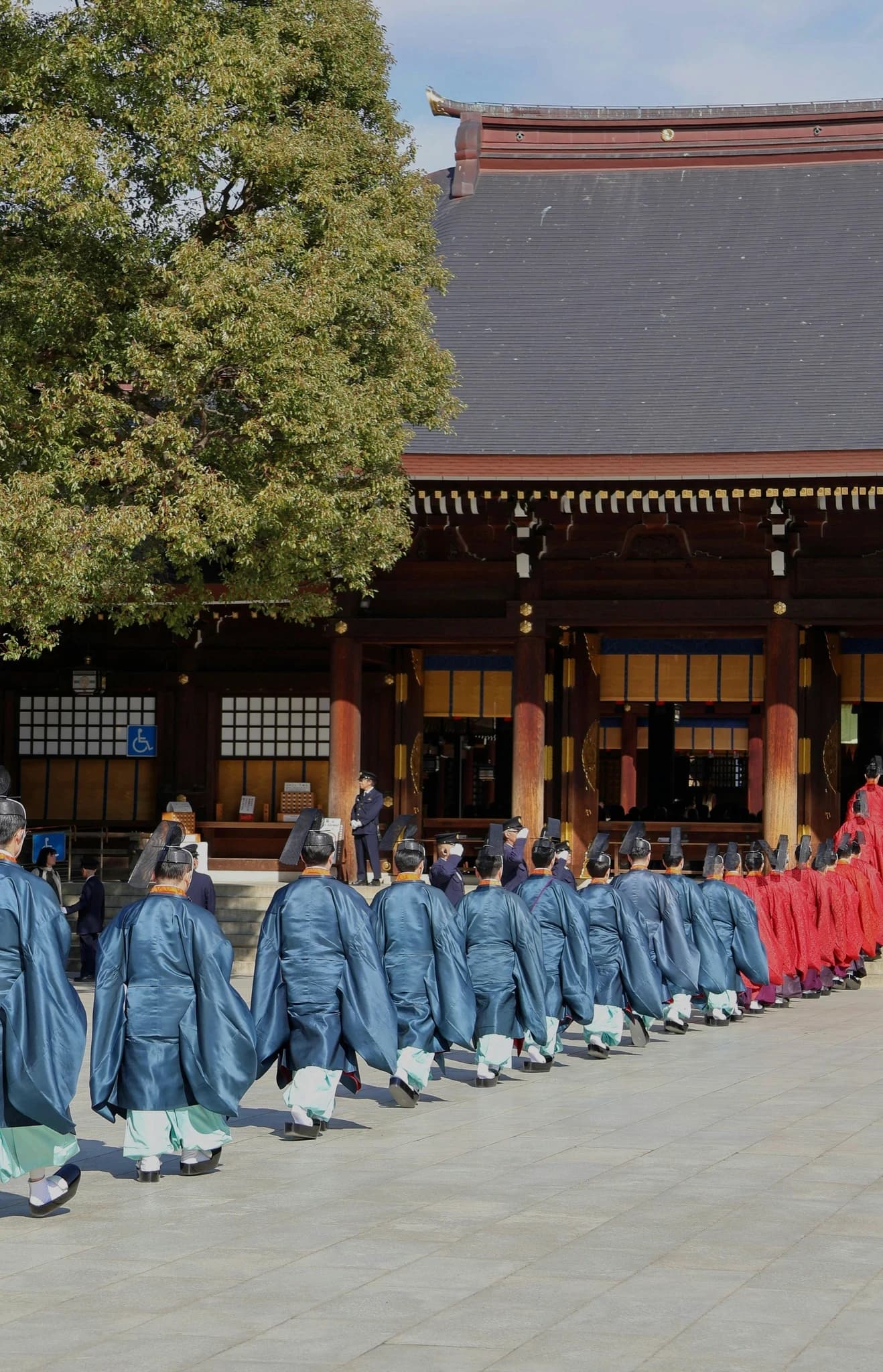
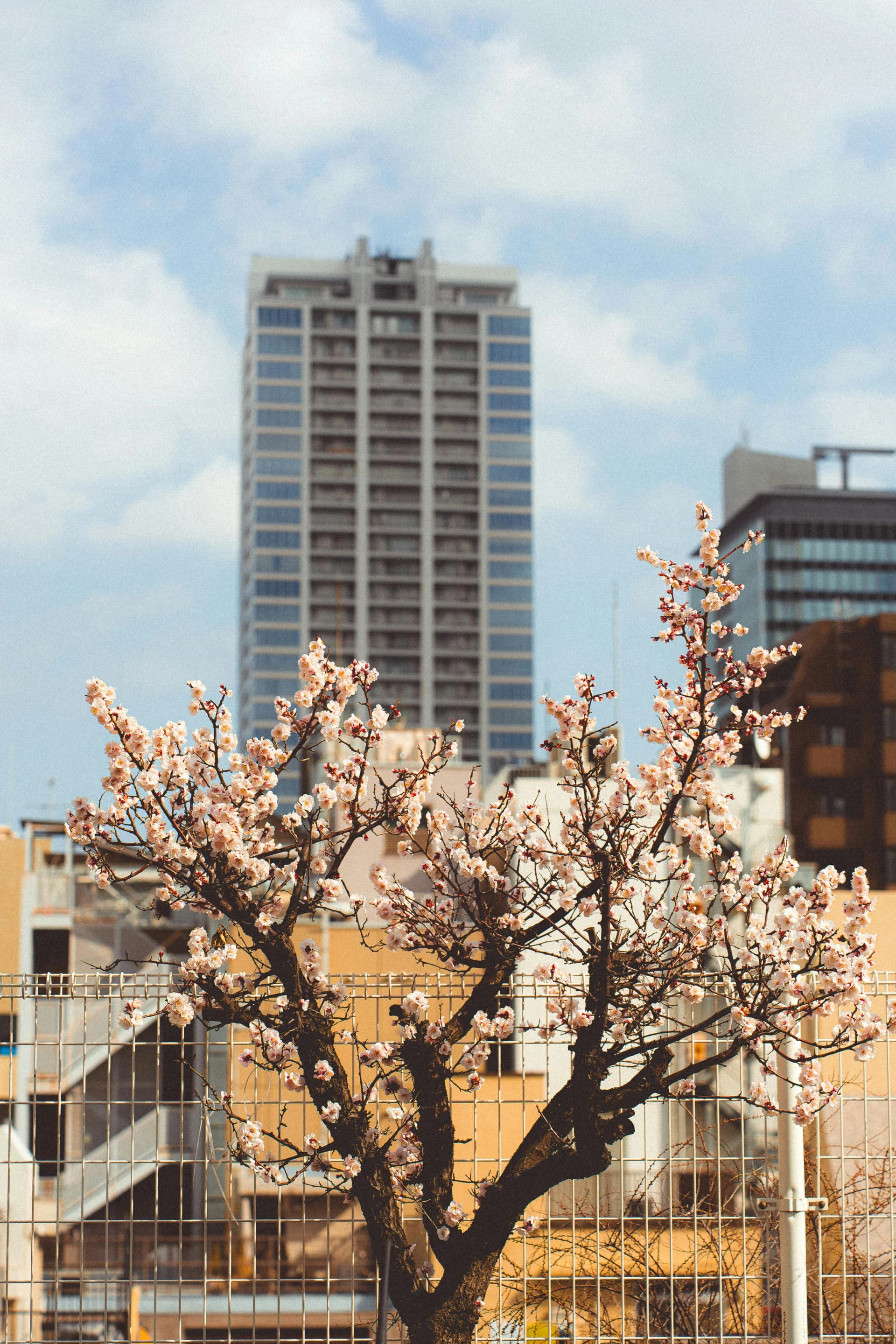
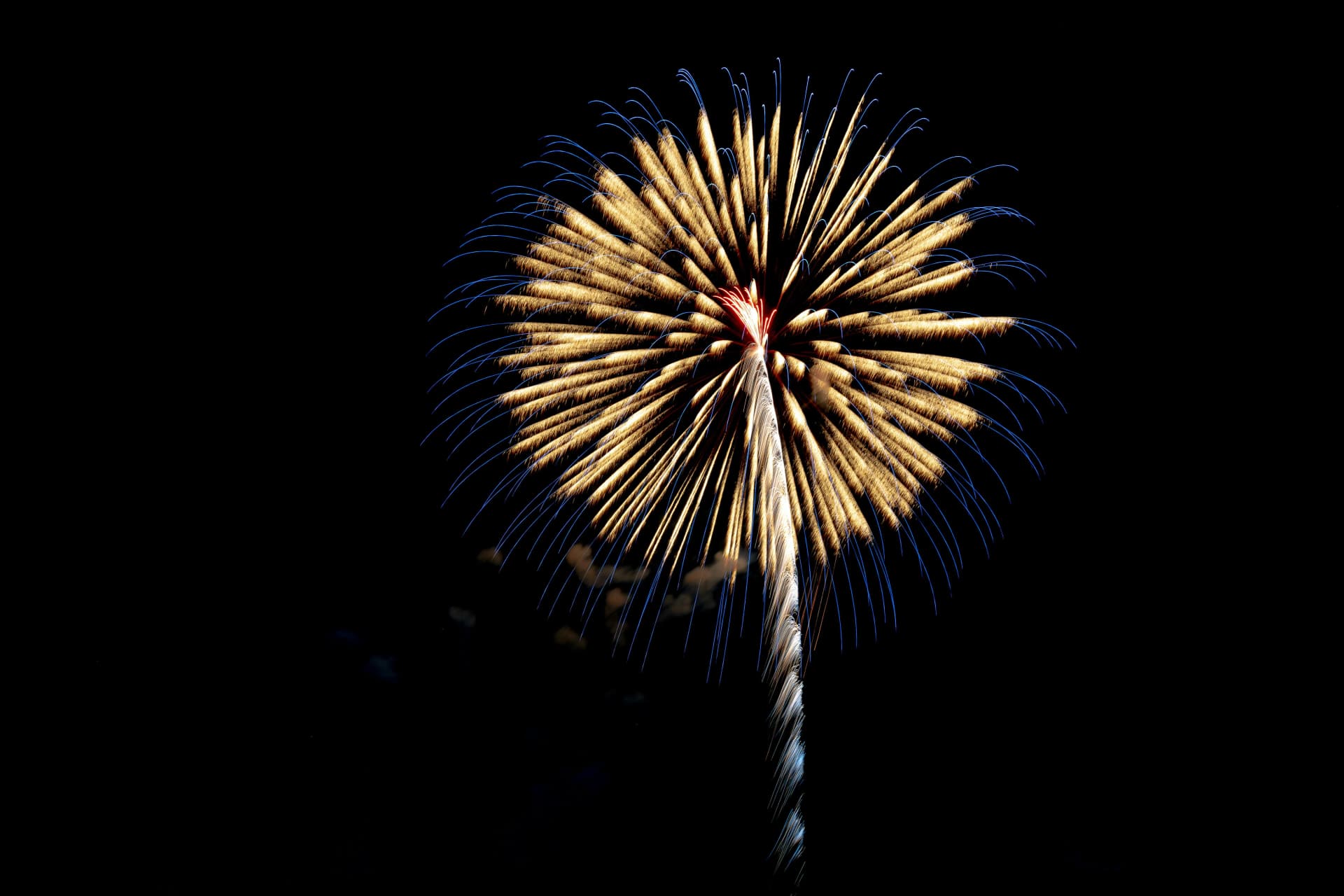
The best time to visit Tokyo depends on which of three competing variables — weather, crowd levels, and seasonal phenomena — matters most to you.
The question "when’s the best time to visit Tokyo?" sounds simple. It isn't. It's actually three different questions wearing one coat—and the answer depends on which one you're asking.
Three Questions, One Answer
What you're really asking when you ask "when"
Travelers conflate three separate variables when choosing dates: weather comfort, crowd levels, and seasonal phenomena. These rarely align. The month with the best weather has the worst crowds. The weeks with the most famous phenomena have the highest prices. The quietest periods come with trade-offs few people have considered.
Weather-first travelers
If comfortable walking weather matters most, you're optimizing for spring (March through May) or fall (October through November). Daytime temperatures range from 18-25°C in spring and 17-22°C in fall. Humidity stays moderate—60-75% in spring, 70-80% in fall—before the extremes of summer and winter arrive.
Crowd-averse travelers
If avoiding density matters most, you're looking at different windows entirely. The quietest months aren't the most famous ones. The timing that minimizes crowds often means accepting trade-offs in weather or missing peak phenomena—though not always.
Phenomenon-seekers
If you're building your trip around cherry blossoms or fall foliage, you're accepting a different set of trade-offs. Peak bloom and peak color attract peak crowds and peak prices. The timing isn't fully predictable. Whether the experience feels transcendent or exhausting depends on how you approach it.
The Seasons Most Guides Recommend (And Why That's Not Wrong)
Spring: The draw and the tradeoff
Spring's reputation comes from genuine advantages: mild temperatures, longer daylight, and cherry blossoms if you time it right. The tradeoff is that everyone else knows this too. March through May brings the highest concentration of international visitors, hotel prices that climb through April, and restaurant reservations that require weeks of advance planning.
Fall: Similar comfort, different crowds
Fall offers similar comfortable temperatures without cherry blossom season's intensity. October averages 20-22°C. November cools to 17°C. Autumn foliage draws crowds, but they're more spread across November than cherry blossoms compress into one unpredictable week.
Why these work for most first-timers
Spring and fall are reasonable defaults for first-time visitors who want walking weather and no seasonal constraints on what's open. They're not objectively "best"—they're the lowest-risk choice for people who haven't yet identified what they're actually optimizing for.
Cherry Blossom Season: Beautiful, Unpredictable, Exhausting
The timing gamble
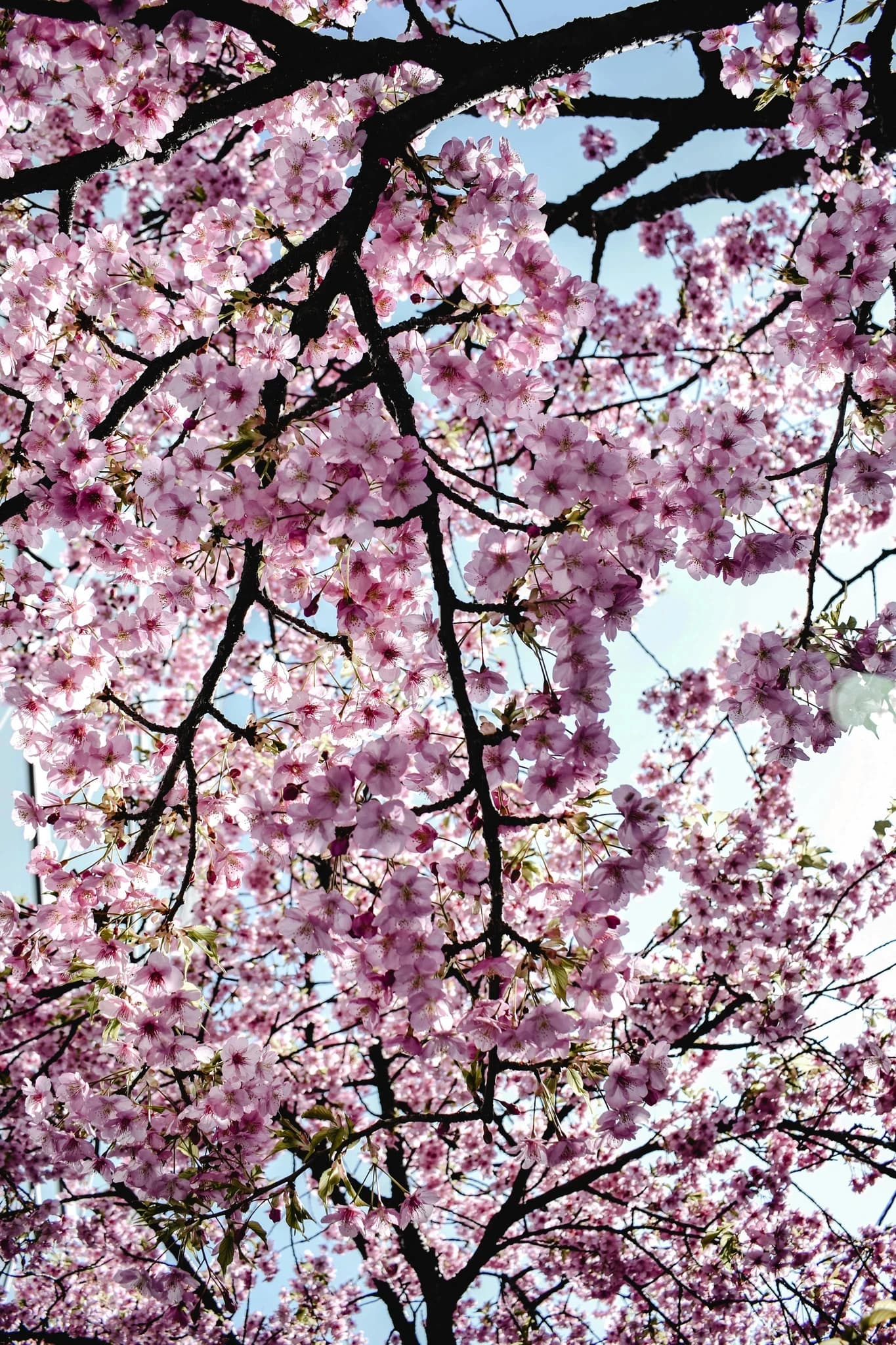
Cherry blossom forecasts become reliable four to six weeks before bloom, when green buds appear on branches. Earlier forecasts—the ones released in January and February—are preliminary estimates that shift by a week or more.
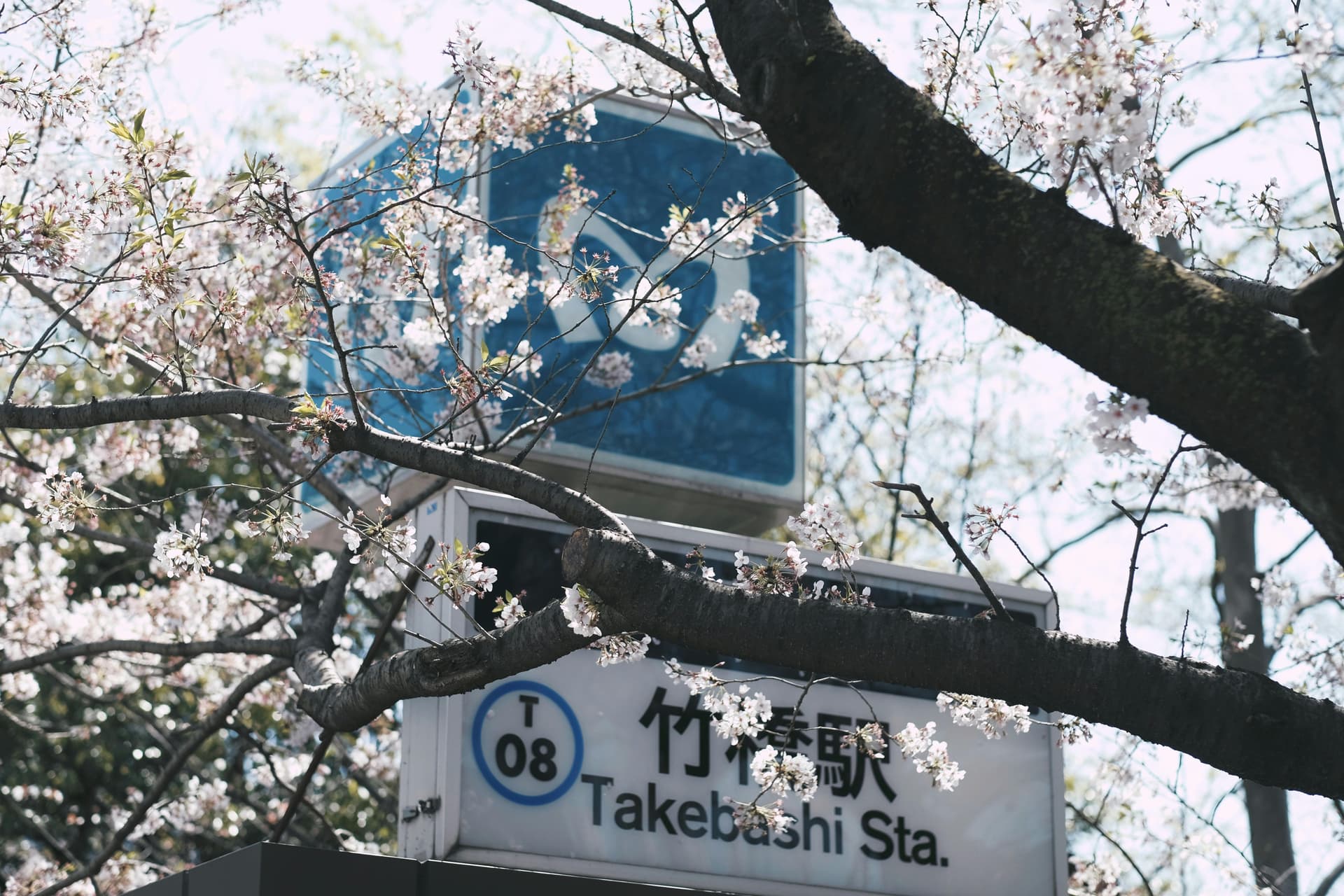
Tokyo's blossoms open between March 22 and 26. Full bloom arrives March 28 through April 5. Year-to-year variation of plus or minus one week is normal. Some years full bloom comes mid-March. Other years it stretches into mid-April.
Travelers who book flights six months ahead are making a calculated bet. Some win. Some arrive a week too early or too late. "I got defeated two years in a row," one traveler reported—one year the blossoms came early, the next year late.
What crowds actually look like
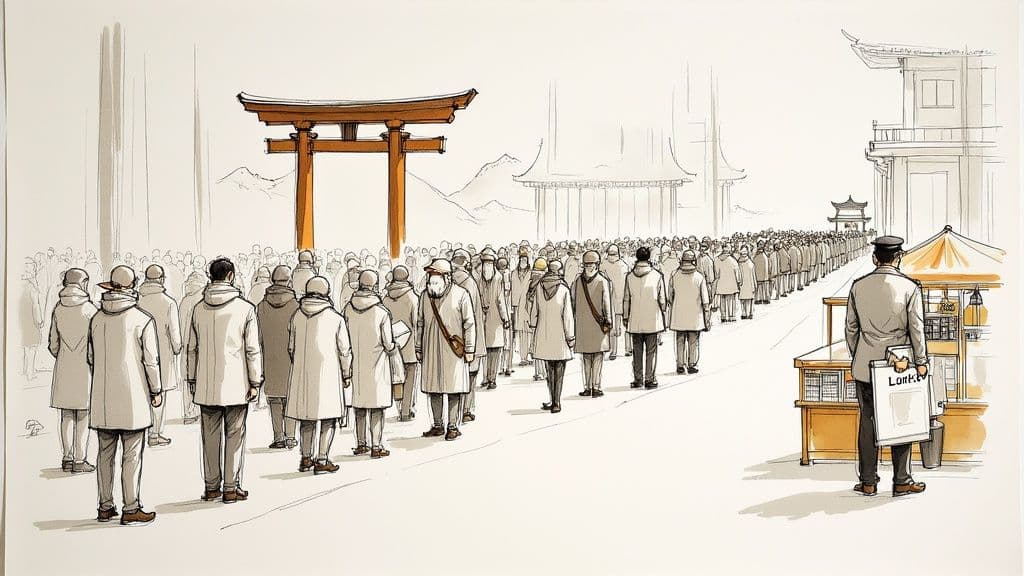
At major viewing spots like Ueno Park, 6:00 to 7:00 AM is nearly empty. By 11:00 AM, the paths are "nearly impassable" on weekends. The peak crowd window runs from late morning through mid-afternoon.
This pattern matters more than the dates you choose. Travelers willing to see blossoms at dawn have a different experience than those arriving at noon.
The price premium
Hotels double or triple their rates during peak bloom. Restaurant reservations require two to four weeks of advance booking at popular spots. Cherry blossom season isn't just expensive—it requires planning discipline that eliminates spontaneity.
Who should still come
Cherry blossom season is right for travelers who prioritize the phenomenon over comfort or cost. If you've dreamed of seeing sakura for years, if the timing uncertainty doesn't stress you, if you're willing to wake at dawn and plan reservations weeks ahead—the experience can be worth the trade-offs.
For everyone else, the blossoms are beautiful but not mandatory. Tokyo offers compelling reasons to visit in every season.
Fall Foliage: Two Peaks, Not One
Yellow before red
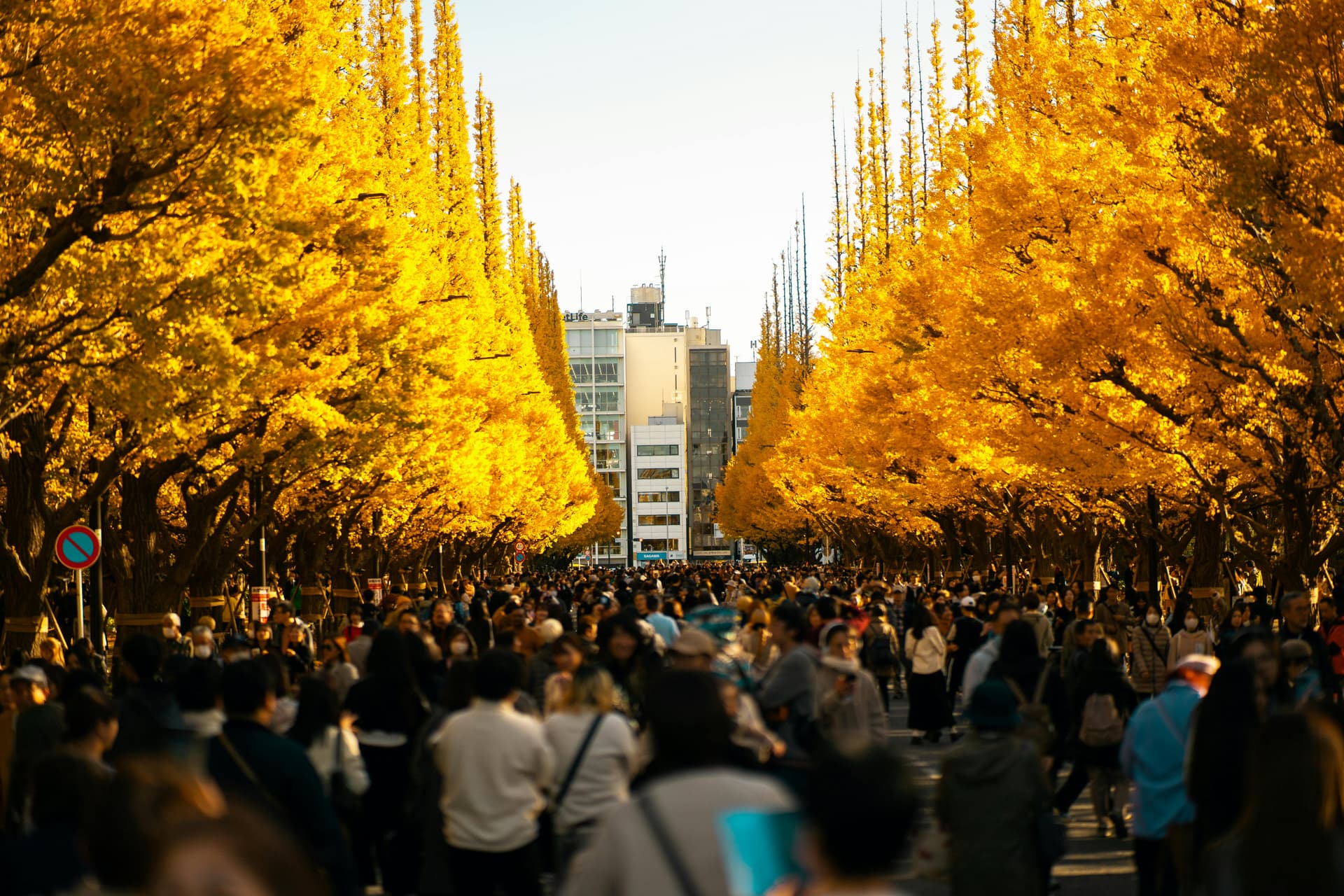
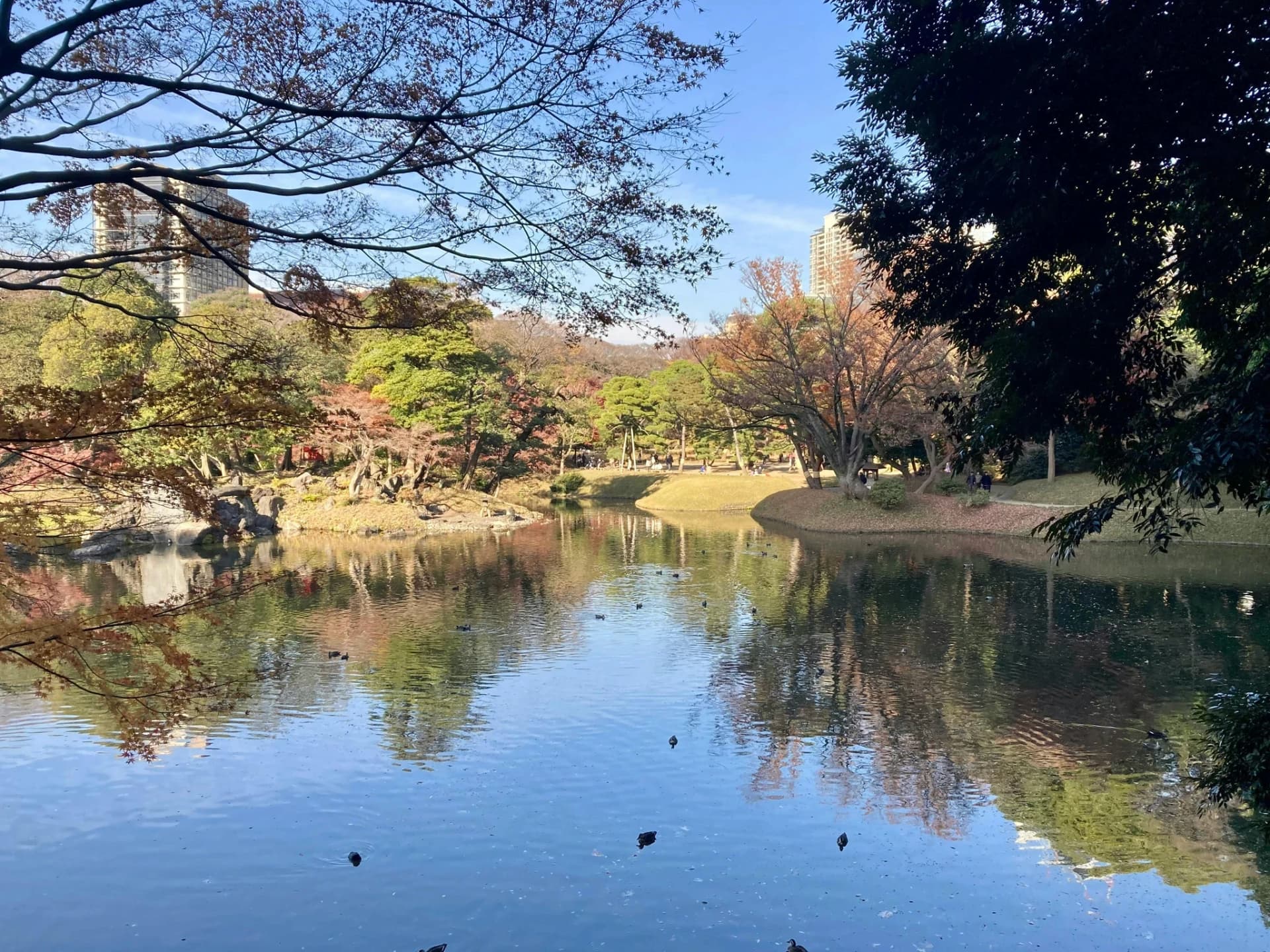
Tokyo's autumn color arrives in two separate waves. Ginkgo trees turn golden yellow around late November—November 25 through 27 in a typical year. Japanese maples turn red a week later, peaking November 28 through December 2.
The gap between peaks runs five to seven days. The window when both ginkgo and maple are at peak color simultaneously is only three days.
The narrow overlap window
Arriving "in late November for fall foliage" doesn't guarantee seeing both colors. What you'll actually see depends on timing within that window. Arrive during the first wave and you'll see spectacular yellow. Arrive during the second and you'll see vivid red. The brief overlap offers both.
Why fall is actually harder to time
The assumption that fall foliage is easier to plan than cherry blossoms is wrong. Cherry blossom timing varies by plus or minus one week year to year. Fall foliage timing varies by plus or minus one to two weeks, depending on autumn temperatures.
Foliage has one advantage: leaves don't blow away in rain like cherry petals. Once peak color arrives, it's more resilient. A rainstorm during cherry blossom week can end the season overnight. A rainstorm during foliage season leaves the leaves on the trees.
The Seasons Most Guides Tell You to Skip
Summer: Hostile weather, accessible city
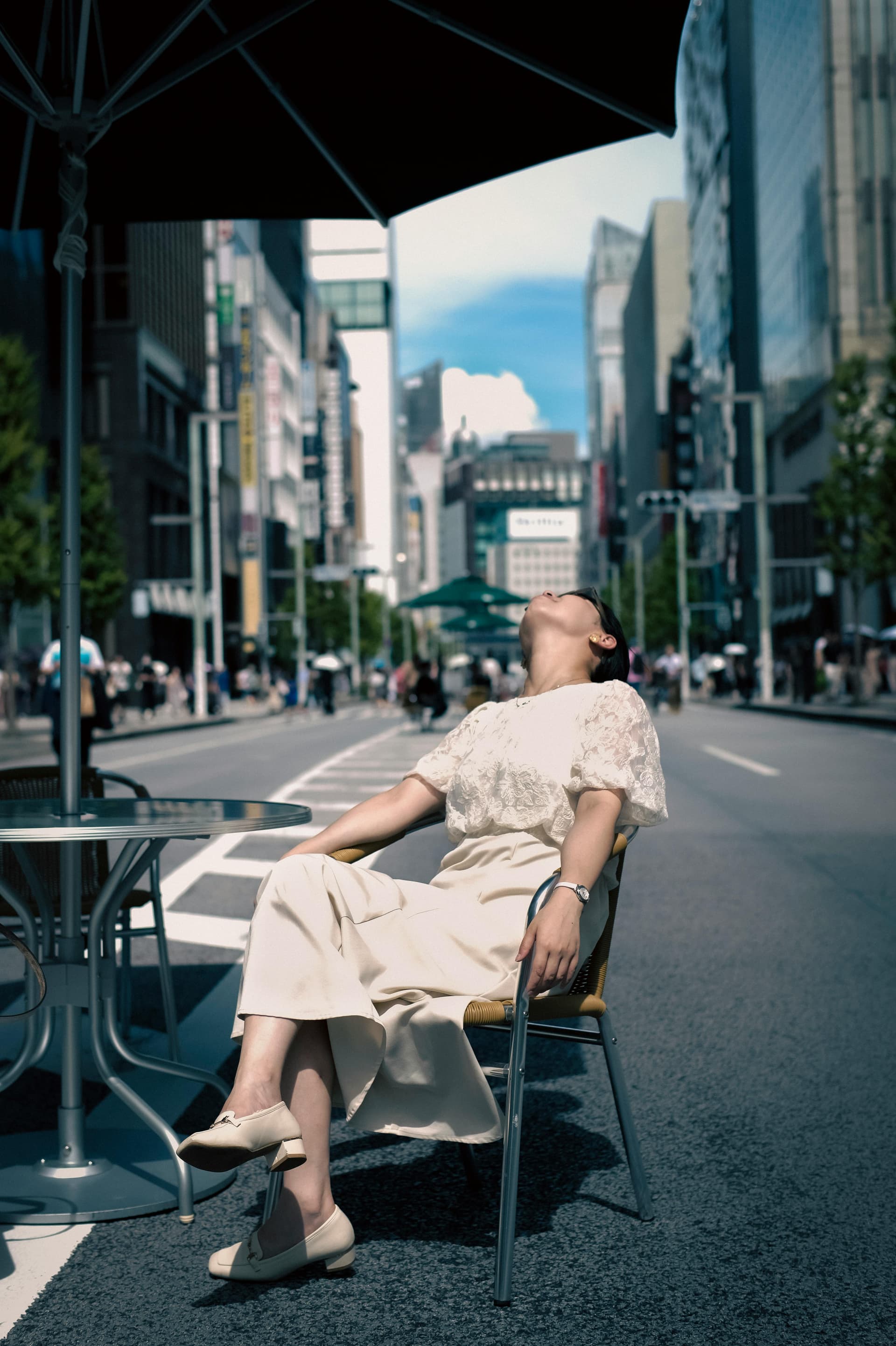
Tokyo summers are legitimately challenging. July and August bring temperatures of 29-32°C with humidity of 76-83%. Government health advisories recommend avoiding outdoor activities between noon and 4:00 PM. Nearly 8,000 people were hospitalized for heatstroke in Tokyo during summer 2024.
But Tokyo's infrastructure makes summer more navigable than rural Japan. Shinjuku's underground shopping networks connect multiple train lines without surfacing. Yaesu Chikagai beneath Tokyo Station holds approximately 180 shops and restaurants, all climate-controlled. Nakamise Shopping Street offers 250 meters of covered walkway approaching Sensoji Temple.
Summer sunrise comes as early as 4:25 AM in June. Travelers willing to tour temples at 6:00 AM experience the city before the heat arrives and the crowds wake up.
Summer festivals—from neighborhood Obon celebrations in August to fireworks over the Sumida River—offer experiences unavailable in other seasons.
Winter: Cold days, clear skies, calm crowds
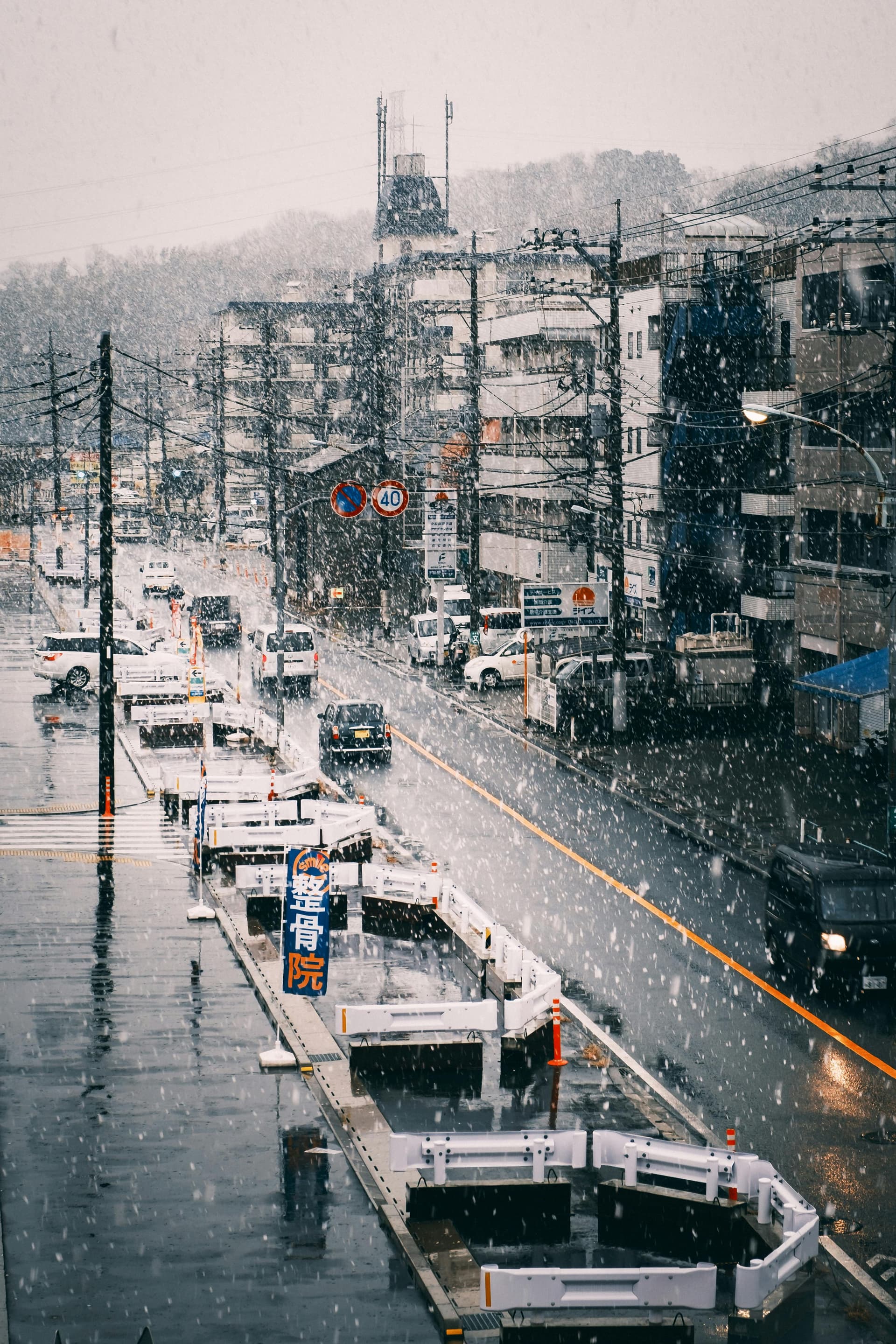
Winter brings cold temperatures (0-10°C) and early sunsets around 4:30 PM. Travelers default to other seasons without considering what winter offers.
Tokyo in winter sees roughly 40% fewer tourists than spring or autumn. Hotel rates drop. Restaurant reservations become available on short notice. The city feels less like a destination and more like a place where people actually live.
Clear winter skies mean Mount Fuji visibility rises to 50-68%—compared to 10-20% during humid summer months. January and February offer the best odds of seeing the mountain from Tokyo on any given day.
Winter illuminations transform the city's evening hours. The season has its own appeal for travelers who prioritize clarity, space, and lower costs over comfortable walking weather.
Who these seasons are actually for
Summer suits travelers with flexibility—those willing to tour early, rest midday, and embrace covered corridors. Winter suits travelers who prefer authenticity over peak experiences—fewer tourists, lower prices, and a city operating at its normal rhythm.
Neither is a compromise. Both are the right choice for specific priorities.
Golden Week: When the City Empties and Fills at Once
The exodus pattern
Golden Week runs from late April through early May, clustering national holidays into a stretch when Japanese workers take vacation. Tokyo sees a paradox: residents leave the city while tourists flood in.
"Tokyo was the quietest I'd seen it for a lot of my trip," reported one traveler who accidentally booked Golden Week. Tokyo residents travel to visit family in rural areas or vacation abroad.
The result is that commuter trains like the Yamanote Line are "unusually calm." Business districts and residential neighborhoods thin out. The city's rush hour disappears.
The influx pattern
While residents leave, tourists arrive. Tourist areas—Asakusa, Shibuya, Disneyland—become more crowded than usual. The experience is "lots of tourists, few locals."
What actually closes
Small family-run shops and restaurants close unpredictably during Golden Week. The family that runs your favorite ramen shop might be visiting grandparents in Niigata. Chain restaurants and major retailers stay open. Tourist-focused businesses expect the traffic.
Is it worth it?
Hotel prices rise an average of 16% during Golden Week, with some properties increasing 200% or more. The timing offers neither spring weather advantages nor cherry blossom phenomena. What it offers is a different version of Tokyo—one with tourists but without the rhythm of local life.
For travelers who want to experience Tokyo as locals experience it, Golden Week may be the wrong time. For travelers whose schedules align with Golden Week regardless, the paradox creates opportunities in the quiet spaces between tourist zones.
The Sweet Spot Most Travelers Miss
Early May: After Golden Week, before rainy season
The week after Golden Week ends—May 7 onward—offers excellent conditions that few travelers target. Temperatures range from 22-24°C. Humidity sits around 65-70%, comfortable before the rainy season arrives in June.
Crowds thin as domestic travelers return to work and school. Restaurant reservations that required weeks of advance planning during cherry blossom season become available one to three days ahead. The city is lush and green without the peak-season intensity.
Late November: Between peaks, illumination season begins
Foliage crowds thin after the first week of December. December's holiday rush hasn't started. Late November—roughly November 20-30—sits in this gap.
Winter illuminations begin appearing across the city while autumn color lingers. Hotel prices haven't climbed to December holiday rates. For travelers who want cool-weather Tokyo without peak-season density, this window delivers.
Mid-January to February: The true off-season advantage
The winter advantages above concentrate in a specific window. Mid-January through February—after New Year festivities end—is when visitor numbers hit their annual low and hotel rates follow.
Shorter museum queues, available restaurant tables, and space to photograph without crowds become daily reality rather than occasional luck. The trade-off remains cold weather and early darkness.
What the Season Pages Cover
Each season has depth beyond this comparative overview. The dedicated pages explore:
Spring: Month-by-month breakdown from March through May, packing for temperature swings, pacing for cherry blossom viewing, and strategies for navigating the busiest weeks.
Summer: Heat management tactics, festival calendar and fireworks dates, rainy season navigation, and indoor-outdoor routing that makes the season workable.
Fall: Foliage timing by specific location, the two-peak phenomenon in detail, koyo culture and viewing etiquette, and November crowd patterns day by day.
Winter: Cold-weather pacing, illumination locations and dates, New Year's considerations, and why February deserves more attention than it gets.
If you're planning a private guided tour, timing considerations shift—crowds affect tour routing, seasons change what guides can show you, and weather determines walking comfort. The tour planning guide covers what changes when someone else handles logistics. For first-time visitors, Tokyo Essentials adapts its route based on season — cherry blossom paths in spring, covered arcades in summer, foliage gardens in fall.