Tokyo Private Tours

Best Time to Visit Tokyo With a Private Guide

Best Time to Visit Tokyo With a Private Guide

Peak season attracts everyone for good reason. But the best time for a private tour isn't always when Tokyo is most famous—it's when your guide can actually show you the city.

November 23, 2025

7 mins read

Cherry Blossom Season Sounds Perfect—Until You're Fighting Crowds With Your Guide Instead of Actually Experiencing Tokyo.

Cherry Blossom Season Sounds Perfect—Until You're Fighting Crowds With Your Guide Instead of Actually Experiencing Tokyo.

Cherry Blossom Season Sounds Perfect—Until You're Fighting Crowds With Your Guide Instead of Actually Experiencing Tokyo.

Everyone wants to visit Tokyo during cherry blossom season. The photos look magical, the timing feels right, and every travel blog says "go in April." But here's what those blogs don't mention: your private guide will spend half the day managing crowds instead of showing you Tokyo. The best time to book a private tour isn't necessarily when Tokyo is most famous—it's when your guide can deliver the experience you're paying for. That calculus changes depending on what you value: iconic moments, comfortable weather, or actually experiencing neighborhoods without fighting throngs.

The Sweet Spots: When Guides Can Do Their Best Work

The Sweet Spots: When Guides Can Do Their Best Work

The Sweet Spots: When Guides Can Do Their Best Work

The Sweet Spots: When Guides Can Do Their Best Work

Early May (May 8-31): The Secret Best Time

After Golden Week chaos ends (May 6), Tokyo enters its most underrated season. Weather is warm but not hot (20-25°C), humidity is low, rain is rare. Cherry blossoms are gone, which means crowds thin dramatically.

Why this is ideal for private tours:

  • Guides can take you anywhere without crowd management

  • Restaurant reservations are available

  • You can actually pause and appreciate things without being jostled

  • Photos don't include 200 other tourists

  • Guides have mental bandwidth for spontaneous detours

This is when your guide can show you the Tsukiji peppercorn specialist properly, explain temple architecture without shouting over crowds, and find that perfect izakaya without an hour wait.

Late October Through November: Autumn's Long Window

Fall foliage in Tokyo peaks mid-November, but the entire October-November window offers excellent touring conditions. Days are cool and crisp (15-20°C), skies are clear, humidity drops.

Why this works for private tours:

  • Weather is comfortable for all-day walking

  • Autumn colors add beauty without crushing crowds (not as intense as cherry blossoms)

  • Food culture shines (seasonal ingredients, autumn festivals)

  • Longer season means more flexibility than cherry blossoms' narrow window

Your guide can plan routes around foliage timing, adjust for weather, and deliver thoughtful experiences instead of crowd avoidance strategies.

The Challenging Times: When Guides Manage Crowds, Not Experiences

The Challenging Times: When Guides Manage Crowds, Not Experiences

The Challenging Times: When Guides Manage Crowds, Not Experiences

The Challenging Times: When Guides Manage Crowds, Not Experiences

Cherry Blossom Season (Late March-Early April): Beautiful But Brutal

Yes, cherry blossoms are stunning. Yes, they're iconic. But here's the reality of touring Tokyo during peak sakura:

What your guide deals with:

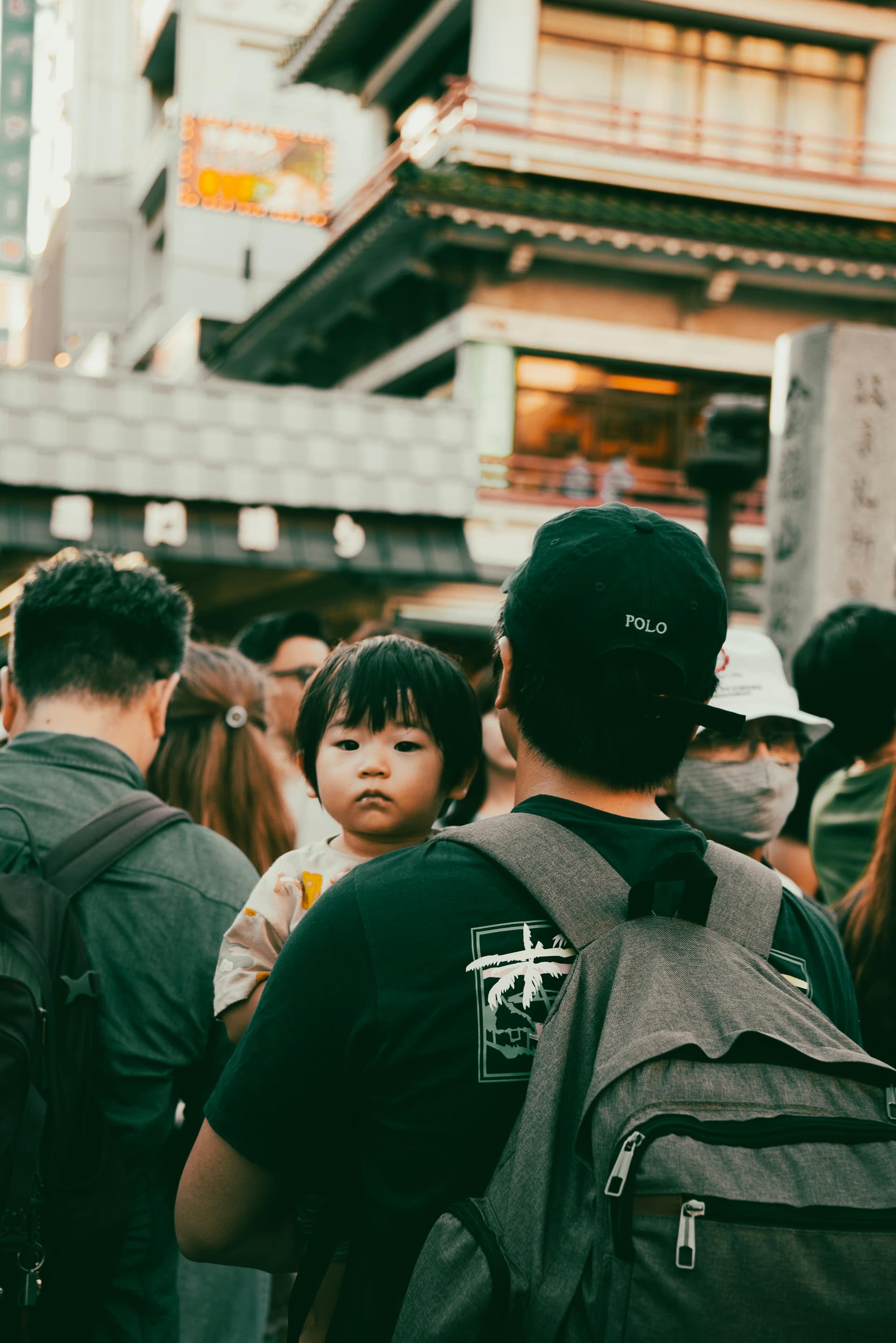
  • Ueno Park so crowded you can't move through paths

  • Restaurant reservations impossible at popular spots

  • Transit delays from crowd volume

  • Every viewpoint packed with selfie-takers

  • Difficulty hearing guide explanations over crowd noise

Your guide becomes a crowd navigator instead of a cultural interpreter. You'll see cherry blossoms, but you won't experience Tokyo—you'll experience crowd management.

If you must visit during cherry blossoms: Book your tour for late March (before peak) or mid-April (after peak). The blossoms might not be perfect, but your guide can actually guide.

Golden Week (April 27-May 6): Japan Travels, Guides Suffer

This is Japan's most intense domestic travel period. Trains are packed, hotels are triple price, attractions are mobbed with Japanese families on holiday.

Why private tours struggle:

  • Your guide can't get you anywhere efficiently

  • Even "hidden" spots are crowded

  • Restaurant and venue access becomes impossible

  • Everything takes twice as long as normal

Avoid booking private tours during Golden Week unless you have no other option. If you're already in Tokyo during this period, use those days for independent museum visits or day trips—save guided tours for before or after.

Rainy Season (June-Early July): Constant Umbrellas

Tokyo's tsuyu brings persistent drizzle and high humidity. Not typhoon rain—just constant, draining wetness.

Impact on private tours:

  • Outdoor exploration becomes miserable

  • Photos are grey and dreary

  • Humidity makes walking exhausting

  • Umbrellas become constant props

  • Many planned activities don't work in rain

Some travelers don't mind rain, but week-long drizzle changes the experience fundamentally. Your guide adjusts to indoor options, but Tokyo's magic lives in its streets and neighborhoods—hard to appreciate under an umbrella.

Month-by-Month: How Each Season Affects Your Guide Experience

Month-by-Month: How Each Season Affects Your Guide Experience

Month-by-Month: How Each Season Affects Your Guide Experience

Month-by-Month: How Each Season Affects Your Guide Experience

Here's how each month impacts what your private guide can actually deliver. For detailed weather patterns, festivals, and general travel considerations, see our complete Best Time to Visit Japan guide.

Time Period

Guide Rating

Why

January (Post–New Year)

✅ Good for Guides

Cold but empty temples, available restaurants, high flexibility for spontaneous detours. Guides can show Tokyo without obstacles.

February

✅ Good for Guides

Very low crowds allow complete freedom to adjust routes, spend extra time, and access spots without reservations.

March (Early)

✅ Good for Guides

Manageable crowds and plum blossoms; guides can offer thoughtful experiences before cherry blossom rush.

March 20 – April 14

⚠️ Challenging for Guides

Cherry blossom peak = crowd management, alternate routes, and expectation management. Beautiful but limiting.

April 27 – May 6 (Golden Week)

❌ Worst for Guides

Extremely crowded; normal and backup routes become inefficient. Everything takes longer. Best to avoid.

May 8–31

✅ Excellent for Guides

Best conditions: perfect weather, low crowds, great restaurant access, spontaneity. Ideal for proper Tokyo touring.

June – Early July

❌ Difficult for Guides

Rainy season requires constant pivots, umbrellas, and indoor alternatives. Hard to show street-level charm.

July (Mid–Late)

⚠️ Physically Demanding

Heat + humidity require breaks, shorter walks, more AC stops. Less ground covered.

August

❌ Worst for Physical Comfort

Extreme heat makes walking tours uncomfortable; guides must watch for heat exhaustion and limit outdoor time.

September

⚠️ Unpredictable for Guides

Typhoon risk = backup plans for backup plans. Hard to guarantee specific experiences.

October

✅ Excellent for Guides

Ideal weather, manageable crowds, autumn colors. Great for spontaneous discoveries and relaxed pacing.

November

✅ Excellent for Guides

Peak autumn colors, comfortable weather. Crowds exist but manageable; good mix of iconic + hidden spots.

December 1–20

✅ Good for Guides

Cold but festive, low crowds, holiday lights. Guides have flexibility and can show winter charm.

December 28 – January 3

❌ Worst for Logistics

Year-end rush + closures restrict access to many venues. Better to come after January 4.

How Weather Actually Impacts Your Tour

How Weather Actually Impacts Your Tour

How Weather Actually Impacts Your Tour

How Weather Actually Impacts Your Tour

Temperature matters less than you think. Tokyo winter (5-10°C) is manageable with proper layers. Tokyo summer heat (30-35°C) is genuinely miserable and shortens effective touring hours.

Rain matters enormously. One rainy day is fine—your guide adjusts. Week-long drizzle fundamentally changes the experience. June's rainy season isn't one day—it's weeks of grey.

Humidity crushes summer tours. It's not just heat—it's 80% humidity making every activity exhausting. Guides build in more breaks, cover less ground, and watch for heat exhaustion signs.

Clear skies transform experiences. Fall and winter have Tokyo's clearest skies. Photos are sharp, visibility is excellent, Mount Fuji appears in distance. Summer haze obscures everything.

The Real Trade-offs: What You Gain and Lose

The Real Trade-offs: What You Gain and Lose

The Real Trade-offs: What You Gain and Lose

The Real Trade-offs: What You Gain and Lose

Visit During Peak Season (Cherry Blossoms/Golden Week):

  • Gain: Iconic moments, famous seasonal beauty, "postcard Tokyo"

  • Lose: Guide flexibility, spontaneous discoveries, ability to actually experience neighborhoods, comfortable pacing

Visit During Shoulder Season (May/October-November):

  • Gain: Guide can show you real Tokyo, spontaneous detours, hidden spots, comfortable exploration

  • Lose: Missing the "perfect" Instagram moment, less famous seasonal markers

Visit During Off-Season (Winter/Rainy Season):

  • Gain: Lowest prices, emptiest temples, most flexibility, intimate experiences

  • Lose: Less comfortable weather, some seasonal limitations

There's no universal "best"—only what matches your specific priorities.

How Hinomaru One Handles Seasonal Booking

How Hinomaru One Handles Seasonal Booking

How Hinomaru One Handles Seasonal Booking

How Hinomaru One Handles Seasonal Booking

We're honest about seasonal challenges. If you want to book during Golden Week or peak cherry blossom season, we'll explain the limitations before you commit.

We adjust routes seasonally. Cherry blossom season tours focus on less-crowded viewing spots. Summer tours include more air-conditioned breaks. Winter tours account for shorter daylight.

We recommend optimal timing. During planning, our concierge team will suggest whether your chosen dates are ideal or if shifting a few weeks would dramatically improve your experience.

Pricing reflects reality. Peak season costs more because guides deal with harder conditions. Shoulder season offers better value because guides can deliver better experiences.

Special Considerations for Multi-Day Tours

Special Considerations for Multi-Day Tours

Special Considerations for Multi-Day Tours

If booking multiple tour days, timing matters even more:

Smart strategy: Book one tour day during shoulder season (May or October-November) to see Tokyo at its best, then explore independently during peak season if your schedule requires it.

Cherry blossom timing: If you must visit during sakura season, book your first tour day for early morning starts (6-7am) when crowds are manageable, save afternoon tours for less crowded neighborhoods.

Summer survival: If traveling in July-August, book shorter tours (4 hours instead of 8) or start early (8am finish by noon) before heat becomes unbearable.

The Bottom Line

The Bottom Line

The Bottom Line

The "best" time to visit Tokyo with a private guide isn't when Tokyo is most famous—it's when your guide can show you Tokyo properly.

Absolute best for private tours: Early May (post-Golden Week), October-November

Good but challenging: Cherry blossom season (beautiful, crowded), early July (festivals compensate for heat), December (cold but festive)

Avoid if possible: Golden Week, August heat, June rainy season, late December-early January

Cherry blossoms are iconic, but an early May tour where your guide can show you hidden izakayas, explain craft culture without shouting, and spontaneously detour to interesting shops delivers more Tokyo than fighting crowds at Ueno Park.

Planning your Tokyo visit? Check out our seasonal guide at Best Time to Visit Japan for detailed month-by-month weather, festivals, and travel considerations. Then explore our Tokyo Essentials, Tokyo Trifecta, or Infinite Tokyo tours. Our concierge team will help you choose timing that maximizes what your guide can actually deliver.

TOKYO PRIVATE TOURS

Discover the hidden layers of Tokyo most never see.

Our private Tokyo tours are designed for travelers who want to connect — not just check boxes. With a local guide by your side, you’ll experience the city’s contrasts at your own pace: tranquil shrines, vibrant street food, hidden backstreets, and bold modern culture.

TOKYO PRIVATE TOURS

Discover the hidden layers of Tokyo most never see.

Our private Tokyo tours are designed for travelers who want to connect — not just check boxes. With a local guide by your side, you’ll experience the city’s contrasts at your own pace: tranquil shrines, vibrant street food, hidden backstreets, and bold modern culture.

TOKYO PRIVATE TOURS

Discover the hidden layers of Tokyo most never see.

Our private Tokyo tours are designed for travelers who want to connect — not just check boxes. With a local guide by your side, you’ll experience the city’s contrasts at your own pace: tranquil shrines, vibrant street food, hidden backstreets, and bold modern culture.

TOKYO PRIVATE TOURS

Discover the hidden layers of Tokyo most never see.

Our private Tokyo tours are designed for travelers who want to connect — not just check boxes. With a local guide by your side, you’ll experience the city’s contrasts at your own pace: tranquil shrines, vibrant street food, hidden backstreets, and bold modern culture.

Newsletter

Unlock the secrets of Japan with Hinomaru One delivered straight to your inbox.

Hinomaru One Logo

PRIVACY

TERMS

Newsletter

Unlock the secrets of Japan with Hinomaru One delivered straight to your inbox.

Hinomaru One Logo

PRIVACY

TERMS

Newsletter

Unlock the secrets of Japan with Hinomaru One delivered straight to your inbox.

Hinomaru One Logo

PRIVACY

TERMS

Newsletter

Unlock the secrets of Japan with Hinomaru One delivered straight to your inbox.

Hinomaru One Logo

PRIVACY

TERMS