Tokyo Travel Guide

Tokyo Travel Guide

|

When to Visit

When to Visit

Tokyo in Spring: A Practical, Reality-Based Guide

Tokyo in Spring: A Practical, Reality-Based Guide

This guide explains what spring in Tokyo is really like — from weather changes and sakura season to crowd levels and daily pace — before you plan.

October 19, 2025

7 mins read
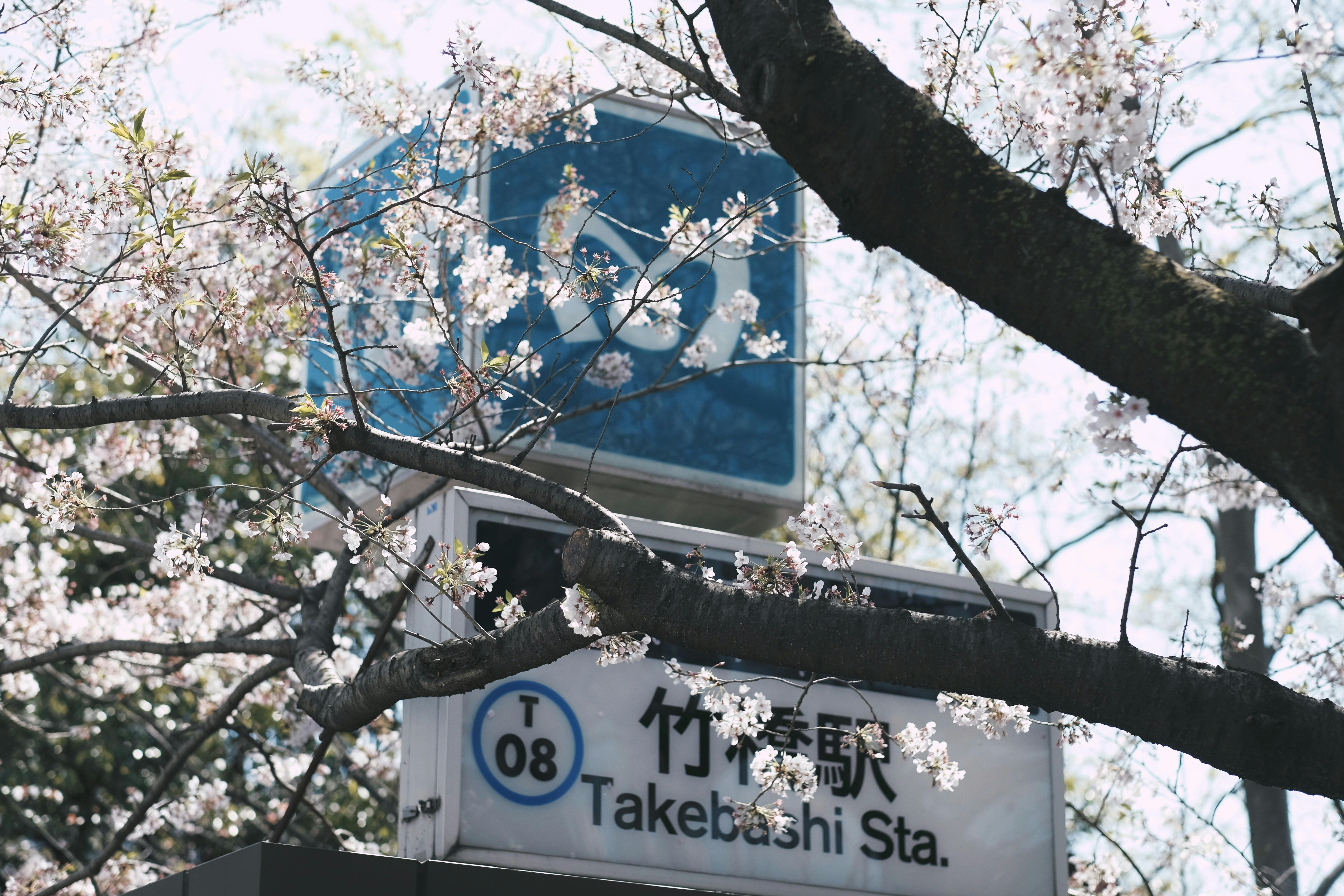
tokyo convenient transit

Understand Tokyo in spring by seeing how climate, crowds and seasonal rhythm shape the experience.

Understand Tokyo in spring by seeing how climate, crowds and seasonal rhythm shape the experience.

Understand Tokyo in spring by seeing how climate, crowds and seasonal rhythm shape the experience.

Spring in Tokyo is famous for cherry blossoms, but the day-to-day experience is shaped just as much by timing uncertainty, crowds, and micro-weather as it is by pink petals. If you're planning a trip, the most useful approach is to treat "spring" as a range of conditions—cool-to-mild temperatures, occasional rain, big swings in crowd density, and a short period where blossoms are at their most photogenic.

This guide focuses on the decisions that actually matter: planning when bloom timing won't cooperate, choosing neighborhoods based on your constraints, and staying comfortable during long walking days.

Understanding Tokyo's Spring Phases (Not One Season)

Tokyo spring isn't one predictable experience—it's three distinct planning windows with different conditions, crowds, and priorities.

Phase

Timing

Conditions

Crowd Pattern

What Matters Most

Sakura Rush

Late March to Early April

Brisk mornings/evenings

Concentrated around blossom hotspots, especially weekends

Everyone wants the same two-week window; city feels compressed

Green Transition

Mid-April

More stable weather

Tourist density drops slightly; popular areas still busy

Most comfortable for long walking routes

Golden Week Zone

Late April to Early May

Temperatures rise, daytime warm

Domestic travel surge; transport hubs crowded

Calendar matters more than flowers; accommodation prices up ~16%

Calendar Forces That Shape Spring

Spring overlaps with Japan's academic year transitions (March graduations, April starts) and fiscal year changeovers. Business districts shift tempo. Local families travel during Golden Week, creating patterns international visitors don't always expect. Train stations see different movement flows than summer or winter.

If you plan for a single outcome—peak cherry blossoms, perfect blue skies—you'll end up stressed. Plan for a range, and spring becomes easier to enjoy. Understanding how many days to spend in Tokyo helps you match trip length to spring's variability.

Weather Variability and Comfort Planning

Tokyo spring weather is generally pleasant, but it's not uniformly mild. Expect cool mornings, warmer afternoons, and quick changes depending on wind and cloud cover. A day that starts crisp can feel almost summerlike if the sun comes out and you're walking continuously.

Challenge

What Happens

Planning Response

Temperature swings

Mornings ~10°C, afternoons 18-20°C; wind amplifies differences

Layering matters more than a "spring jacket" label; riverside walks (Sumida River) feel colder than sheltered streets (Shibuya)

Rain

Intermittent or light rain; reduces comfort and photo quality

Shoes that dry slowly make next day miserable; plan for rain impact, not just coverage

Walking fatigue

Long distances + standing on trains + crowd navigation = exhausting

Comfort planning (shoes, pacing, breaks) not optional; "mild" day can still tire you out

Pollen

Seasonal allergies stronger in spring

Bring what works for you; don't assume you'll find preferred brand on arrival

Cherry Blossom Reality: Timing, Microclimates, and Mindset

Cherry blossoms aren't a fixed-date event. Even within Tokyo, peak bloom timing varies by microclimate—sun exposure, heat-retaining concrete, proximity to water, elevation.

Peak Bloom Is Brief

The iconic look (full blossoms, minimal leafing) doesn't last long—typically 3-5 days. Full bloom isn't the only good viewing window. Slightly before peak can be more visually delicate; slightly after can look dramatic when petals start falling.

Microclimates Create Timing Variation

Tokyo doesn't bloom all at once. Different areas bloom at different times based on microclimate:

Area Type

Examples

Typical Timing

Why

Central Tokyo parks

Ueno Park, Yasukuni Shrine

Bloom first

Urban heat island effect, heat-retaining concrete

Western suburbs & elevated

Tachikawa, Kichijoji, Inokashira Park

2-5 days later

Cooler temperatures, less urban heat

Riverside areas

Sumida River areas

Varies by year

Wind exposure creates variability

It's completely normal for one neighborhood to look "done" while another still looks great.

Wind and Rain Can End the Party Fast

A single stormy day can strip blossoms. This is part of the experience, not a planning failure.

Reframe Your Expectations

Treat blossoms as a bonus you can chase lightly, not the single pillar of your trip. Build an itinerary that's satisfying even if the blossoms are early, late, or rained on. If you're in the city for only two or three days, plan one flexible "blossom loop" that can move between areas quickly—an early start near a large park, then a riverside walk, then a neighborhood with cafes or museums you'd enjoy regardless of bloom quality.

Crowd Patterns and Calendar Forces

Spring crowds in Tokyo aren't evenly distributed. A few calendar forces matter more than travelers expect.

Weekdays vs Weekends

The difference at blossom hotspots can be huge. If you can schedule your "sakura day" on a weekday, do it. Weekend crowds at famous spots create bottlenecks that add 20-30 minutes to what should be simple walks.

Golden Week Impact

Golden Week (late April to early May) creates a domestic travel surge:

Impact Area

What to Expect

Planning Action

Accommodation

Higher demand, premium pricing

Book 2-4 months ahead (ideally 3 months)

Transport hubs

Shinjuku Station, Tokyo Station crowded

Avoid with luggage; plan around peak days

Hotel pricing

Convenient areas (Shibuya, Shinjuku, Ginza)

Expect price increases ~16%

Availability

Mid-range and budget options tightest

Weekend dates adjacent to GW book fastest

Hotels near major stations fill up 2-3 months ahead. Weekend dates adjacent to Golden Week (the Saturday-Sunday before and during the holiday cluster) book fastest.

Golden Week is when local knowledge makes the most difference—guides know alternative routes, less-obvious timing, and how to navigate the domestic travel surge that catches international visitors off guard.

Academic and Fiscal Year Transitions

Spring overlaps with the end/start of the school year. You may see group outings and local movement patterns change. Late March and early April can feel busy for locals in ways that spill into transportation and city tempo.

Time-of-Day Patterns

Time

Crowd Density

Best For

Early morning

Calm window

Outdoor locations, photos, crowd-sensitive activities

Midday-afternoon

Peak density

Indoor pivots, less-popular spots

Evening

Higher density at illuminated spots

Accept crowds or skip famous night viewing

Front-load outdoor icons early in your trip, then leave flexibility later. If weather turns, you still have indoor options. If blossoms peak later than expected, you have time to adjust.

Location Selection by Constraint (Not by Ranking)

Instead of asking "Where is best?", ask: What kind of experience do you want, and what can you tolerate? Understanding how Tokyo's neighborhoods differ helps with location decisions.

Priority

What to Look For

Trade-Off

Space and slower pacing

Large parks where you can spread out

"Perfect" blossom corridors less concentrated; breathing room but not the densest tunnel effect

Iconic dense canopy

River corridors and paths with "tunnel" effects

Crowd friction, bottlenecks near bridges and popular photo angles; high visual payoff but real squeeze

Night atmosphere

Evening illumination spots

Maximum crowds, low-light photo challenges; beautiful lighting but highest density

Easy logistics

Near major train lines with exit strategy

Everyone else has the same idea; convenience areas see higher foot traffic; 15-min walks can become 35 minutes

Examples with honest trade-offs:

  • Meguro River: Gorgeous canal-side blossoms. Famously crowded. Great when you accept the squeeze; frustrating when you don't.

  • Shinjuku Gyoen: Garden-like, entry rules, more controlled atmosphere. Can reduce chaos compared to open parks. Entry fee and formal expectations.

  • Sumida Park / riverside areas: Blossom viewing with skyline scenery. Open, windy. Can change comfort levels quickly. Less intimate than smaller parks.

No rankings. No "best." Just trade-offs that match your priorities. When guides add value is knowing which parks work with strollers, which riversides photograph well in morning light, and which spots peak later if blossoms are delayed—optimization that's hard to DIY on a short trip.

Day Planning Framework for Spring Conditions

A workable spring day plan is less about stuffing in attractions and more about using time-of-day well. Crowds and light shift dramatically.

Time of Day

Strategy

What to Prioritize

Morning: The Calm Window

Start early at major outdoor locations while still spacious

Photos, crowd-sensitive must-dos, outdoor priority

Midday: Crowd Management

Shift to where crowds disperse

Museums, depachika (department store food halls), quieter neighborhoods, larger parks with multiple entries

Late Afternoon: Street-Level Tokyo

Good for neighborhoods

Shopping streets, backstreets, shrines, casual dining, golden-hour photos

Evening: One Anchor

Pick one thing and do it well

Night views, relaxed dinner (queue or reserve), second outdoor stop if weather cooperates

Example day structure: Early morning park stroll → midday indoor time (museum or shopping street) → late afternoon neighborhood like Asakusa (temple area + riverside) where you can adjust based on weather and energy.

Framework adapts to weather, bloom status, energy level. Emphasis on pacing over maximization. Tours designed for comfortable pacing adjust in real-time based on weather, energy, and crowds—the kind of adaptive planning that's stressful to manage yourself, especially with family or elderly travelers.

What to Book Early vs Keep Flexible

pring punishes over-planning in one way and under-planning in another. The sweet spot is to lock in the things that become painful without reservations, while keeping your days adaptable.

Category

Book Early

Keep Flexible

Accommodation

Convenient areas, especially peak bloom and Golden Week (2-4 months ahead, ideally 3 for GW). Choosing where to stay becomes more important when spring crowds amplify location trade-offs.

Experiences

One or two high-demand time-slots you'd regret missing (museum slots, evening viewpoints with timed entry)

Outdoor routes

Blossom routes, neighborhood walks

Parks/riversides

All outdoor blossom viewing

Dining

Most casual dining (unless specific restaurant goal)

Goal: Minimum regret when conditions change, not maximum efficiency.

Hanami Etiquette and Park Behavior

"Hanami" (blossom viewing) ranges from quiet strolling to full-on group picnics. The vibe depends on location, day of week, time, and whether the park allows alcohol and large gatherings.

General realities visitors run into:

Reality

What It Means

When It's Worst

Picnic space is competitive

Can't assume you'll find comfortable patch of grass

Warm weekend afternoons in peak season

Trash discipline matters

Popular parks become messy fast; limited bins

Peak weekends, festival-energy spots

Paths get congested

Calm photos difficult, movement slow

Peak times at famous locations

Etiquette is mostly common sense: Don't block paths. Keep noise reasonable. Respect posted rules. Some gardens have more formal expectations (quiet, no sprawling picnics) than open public parks.

Set your expectations appropriately: In high-traffic places like Ueno Park during peak season, the experience is often less "tranquil nature" and more "city festival energy." If you want serenity, choose times (early morning) or locations (less central) that match that goal.

Navigating Spring Transit and Walking Friction

Navigating Spring Transit and Walking Friction

Tokyo's transit system is excellent, but spring crowds add friction. The main challenges aren't navigation—they're time, space, and fatigue.

Spring Crowds Add Time and Friction

Peak commute hours on weekdays (especially in business districts) amplify station congestion. Stations with multiple exits can have one jammed while another is clear—Shibuya, Shinjuku, and Ueno during sakura weekends show this pattern clearly.

Practical strategies:

Strategy

When/Why

Impact

Avoid peak commute

Weekdays 7:30-9:30 AM, 5:30-7:30 PM

Reduces station congestion stress

Fewer long transfers

Traveling with kids, strollers, elderly

Less fatigue, fewer friction points

Multiple exit stations

Heading to hotspots

One exit jammed, another clear

Selective walking

One-two stations pleasant

Five stations in crowds = mistake

Locker awareness

Busiest stations fill up during surges

Treat as useful when available, not guaranteed

Luggage Considerations

Shinjuku Station and Tokyo Station during Golden Week with luggage = bad time. If possible, use hotels near smaller stations (Ebisu, Omote-sando) or plan luggage forwarding services.

Stations with multiple exits can have one jammed while another is clear during sakura weekends. Figuring this out with luggage or strollers during Golden Week adds stress—this is where guides help with navigation and communication, knowing which exits, which timing, and which routes avoid spring bottlenecks.

Spring Food and Dining Strategy

Spring Food and Dining Strategy

Tokyo is never short on good food, but spring brings seasonal cues that show up everywhere from convenience stores to high-end restaurants.

Seasonal markers you'll notice:

What You'll See

Where

Why Spring-Specific

Sakura-themed sweets/drinks

Everywhere

Limited-time seasonal releases

Strawberry season items

Desserts, cafes

Peak harvest timing

Lighter, fresher menus

Most restaurants

Response to rising temperatures

Hanami bentos

Department stores, convenience stores

Designed for outdoor eating

The main decision: where to eat given crowd pressure.

In peak season areas, casual places can have lines. Department store basements (depachika) are a practical alternative: lots of choice, predictable quality, easy take-away for a park lunch if picnic rules allow.

Practical example: Riverside blossom walk is packed and you don't want to queue for a café? Grab a curated take-away meal from a depachika and eat in a quieter park corner. Often turns a stressful midday into a pleasant reset.
Family, Accessibility, and Mobility Considerations

Family, Accessibility, and Mobility Considerations

Tokyo can work well for families in spring, but crowd density changes the equation.

Consideration

What Helps

What to Expect

Timing

Earlier starts to avoid peak compression

Spring crowds amplify congestion at all transit points

Route selection

Parks with open space vs narrow promenades

Bottleneck routes become stressful with strollers

Pacing

Regular breaks; kids hit wall after multiple trains + walking

One major outdoor goal per day, not three

Backup plans

Indoor options near main outdoor plan

Weather and crowds require flexibility

Station access

Check elevator routes in advance

Longer routes to elevators; busy platforms stressful

Terrain

Research specific locations

Gardens and older areas may have steps, uneven surfaces

Practical Approach

Choose one major outdoor goal per day, not three. Spring crowds are the hidden tax that makes "ambitious" days collapse. Pacing matters more in spring than other seasons.

Tokyo tours designed for families address these spring-specific challenges directly, and accommodation choices for families with mobility needs become more important when spring crowds amplify station congestion.

Tokyo can work well for families in spring, but crowd density changes the equation.

Consideration

What Helps

What to Expect

Timing

Earlier starts to avoid peak compression

Spring crowds amplify congestion at all transit points

Route selection

Parks with open space vs narrow promenades

Bottleneck routes become stressful with strollers

Pacing

Regular breaks; kids hit wall after multiple trains + walking

One major outdoor goal per day, not three

Backup plans

Indoor options near main outdoor plan

Weather and crowds require flexibility

Station access

Check elevator routes in advance

Longer routes to elevators; busy platforms stressful

Terrain

Research specific locations

Gardens and older areas may have steps, uneven surfaces

Practical Approach

Choose one major outdoor goal per day, not three. Spring crowds are the hidden tax that makes "ambitious" days collapse. Pacing matters more in spring than other seasons.

Tokyo tours designed for families address these spring-specific challenges directly, and accommodation choices for families with mobility needs become more important when spring crowds amplify station congestion.

Tokyo can work well for families in spring, but crowd density changes the equation.

Consideration

What Helps

What to Expect

Timing

Earlier starts to avoid peak compression

Spring crowds amplify congestion at all transit points

Route selection

Parks with open space vs narrow promenades

Bottleneck routes become stressful with strollers

Pacing

Regular breaks; kids hit wall after multiple trains + walking

One major outdoor goal per day, not three

Backup plans

Indoor options near main outdoor plan

Weather and crowds require flexibility

Station access

Check elevator routes in advance

Longer routes to elevators; busy platforms stressful

Terrain

Research specific locations

Gardens and older areas may have steps, uneven surfaces

Practical Approach

Choose one major outdoor goal per day, not three. Spring crowds are the hidden tax that makes "ambitious" days collapse. Pacing matters more in spring than other seasons.

Tokyo tours designed for families address these spring-specific challenges directly, and accommodation choices for families with mobility needs become more important when spring crowds amplify station congestion.

Tokyo can work well for families in spring, but crowd density changes the equation.

Consideration

What Helps

What to Expect

Timing

Earlier starts to avoid peak compression

Spring crowds amplify congestion at all transit points

Route selection

Parks with open space vs narrow promenades

Bottleneck routes become stressful with strollers

Pacing

Regular breaks; kids hit wall after multiple trains + walking

One major outdoor goal per day, not three

Backup plans

Indoor options near main outdoor plan

Weather and crowds require flexibility

Station access

Check elevator routes in advance

Longer routes to elevators; busy platforms stressful

Terrain

Research specific locations

Gardens and older areas may have steps, uneven surfaces

Practical Approach

Choose one major outdoor goal per day, not three. Spring crowds are the hidden tax that makes "ambitious" days collapse. Pacing matters more in spring than other seasons.

Tokyo tours designed for families address these spring-specific challenges directly, and accommodation choices for families with mobility needs become more important when spring crowds amplify station congestion.

Rainy Day Planning (Salvage Without Forcing)

Rainy Day Planning (Salvage Without Forcing)

Rain doesn't have to ruin spring—unless your itinerary assumes outdoor perfection.

Strong rainy day plan:

Component

Options

Purpose

One indoor anchor

Museum, exhibition, large shopping complex, aquarium

Main destination that fills 2-3 hours

One covered area

Shopping arcades, underground passages (Shinjuku, Tokyo Station)

Protected walking without full indoor confinement

One comfort stop

Coffee/tea spot, long lunch, time to regroup

Mental reset and pacing break

Mistake to avoid: Turning rain into a frantic transportation day, zig-zagging across the city to "make up for lost time." Rain adds time and friction. Accept a smaller radius and enjoy a deeper experience in one area.

Rain doesn't have to ruin spring—unless your itinerary assumes outdoor perfection.

Strong rainy day plan:

Component

Options

Purpose

One indoor anchor

Museum, exhibition, large shopping complex, aquarium

Main destination that fills 2-3 hours

One covered area

Shopping arcades, underground passages (Shinjuku, Tokyo Station)

Protected walking without full indoor confinement

One comfort stop

Coffee/tea spot, long lunch, time to regroup

Mental reset and pacing break

Mistake to avoid: Turning rain into a frantic transportation day, zig-zagging across the city to "make up for lost time." Rain adds time and friction. Accept a smaller radius and enjoy a deeper experience in one area.

Rain doesn't have to ruin spring—unless your itinerary assumes outdoor perfection.

Strong rainy day plan:

Component

Options

Purpose

One indoor anchor

Museum, exhibition, large shopping complex, aquarium

Main destination that fills 2-3 hours

One covered area

Shopping arcades, underground passages (Shinjuku, Tokyo Station)

Protected walking without full indoor confinement

One comfort stop

Coffee/tea spot, long lunch, time to regroup

Mental reset and pacing break

Mistake to avoid: Turning rain into a frantic transportation day, zig-zagging across the city to "make up for lost time." Rain adds time and friction. Accept a smaller radius and enjoy a deeper experience in one area.

Rain doesn't have to ruin spring—unless your itinerary assumes outdoor perfection.

Strong rainy day plan:

Component

Options

Purpose

One indoor anchor

Museum, exhibition, large shopping complex, aquarium

Main destination that fills 2-3 hours

One covered area

Shopping arcades, underground passages (Shinjuku, Tokyo Station)

Protected walking without full indoor confinement

One comfort stop

Coffee/tea spot, long lunch, time to regroup

Mental reset and pacing break

Mistake to avoid: Turning rain into a frantic transportation day, zig-zagging across the city to "make up for lost time." Rain adds time and friction. Accept a smaller radius and enjoy a deeper experience in one area.

Photography and Viewing Strategy

Photography and Viewing Strategy

If photos matter to you, spring is rewarding—but only if you plan around light and people.

Time

Light Quality

Crowd Level

Best For

Challenges

Early morning

Gentle, directional

Fewer crowds

Photos, calm viewing

Need to wake early

Midday

Harsh, flat

Peak density

Quick snapshots only

Flattens blossoms visually, crowd clutter

Evening

Beautiful but low

Highest at famous spots

Atmosphere shots

Low light, technical difficulty, maximum density

Realistic Expectations About Tripods and Space

Many crowded areas are not tripod-friendly. Some locations have explicit rules. The easiest wins often come from:

  • Using longer focal lengths to compress blossom scenes without standing in the middle of a path

  • Looking for side streets, bridges, and higher vantage points that reduce crowd intrusion

Other Tokyo Seasons: Tokyo in Winter | Tokyo in Summer

If photos matter to you, spring is rewarding—but only if you plan around light and people.

Time

Light Quality

Crowd Level

Best For

Challenges

Early morning

Gentle, directional

Fewer crowds

Photos, calm viewing

Need to wake early

Midday

Harsh, flat

Peak density

Quick snapshots only

Flattens blossoms visually, crowd clutter

Evening

Beautiful but low

Highest at famous spots

Atmosphere shots

Low light, technical difficulty, maximum density

Realistic Expectations About Tripods and Space

Many crowded areas are not tripod-friendly. Some locations have explicit rules. The easiest wins often come from:

  • Using longer focal lengths to compress blossom scenes without standing in the middle of a path

  • Looking for side streets, bridges, and higher vantage points that reduce crowd intrusion

Other Tokyo Seasons: Tokyo in Winter | Tokyo in Summer

If photos matter to you, spring is rewarding—but only if you plan around light and people.

Time

Light Quality

Crowd Level

Best For

Challenges

Early morning

Gentle, directional

Fewer crowds

Photos, calm viewing

Need to wake early

Midday

Harsh, flat

Peak density

Quick snapshots only

Flattens blossoms visually, crowd clutter

Evening

Beautiful but low

Highest at famous spots

Atmosphere shots

Low light, technical difficulty, maximum density

Realistic Expectations About Tripods and Space

Many crowded areas are not tripod-friendly. Some locations have explicit rules. The easiest wins often come from:

  • Using longer focal lengths to compress blossom scenes without standing in the middle of a path

  • Looking for side streets, bridges, and higher vantage points that reduce crowd intrusion

Other Tokyo Seasons: Tokyo in Winter | Tokyo in Summer

If photos matter to you, spring is rewarding—but only if you plan around light and people.

Time

Light Quality

Crowd Level

Best For

Challenges

Early morning

Gentle, directional

Fewer crowds

Photos, calm viewing

Need to wake early

Midday

Harsh, flat

Peak density

Quick snapshots only

Flattens blossoms visually, crowd clutter

Evening

Beautiful but low

Highest at famous spots

Atmosphere shots

Low light, technical difficulty, maximum density

Realistic Expectations About Tripods and Space

Many crowded areas are not tripod-friendly. Some locations have explicit rules. The easiest wins often come from:

  • Using longer focal lengths to compress blossom scenes without standing in the middle of a path

  • Looking for side streets, bridges, and higher vantage points that reduce crowd intrusion

Other Tokyo Seasons: Tokyo in Winter | Tokyo in Summer

Final Reality Check

Final Reality Check

Use this as a reality check when finalizing your plan:

  • Timing: Are you mentally prepared for blossoms to be early/late?

  • Crowds: Do you prefer iconic spots (with crowds) or calmer ones (with less spectacle)?

  • Pacing: Can your itinerary handle a slower speed in peak areas?

  • Weather: Do you have at least one indoor anchor per day?

  • Comfort: Are your shoes and layers designed for long walking days?

  • Calendar: Are you traveling near Golden Week, and have you adjusted expectations accordingly?

  • Flexibility: Have you left at least one half-day open to chase good weather or peak bloom?

If you can answer those confidently, spring in Tokyo becomes less of a gamble and more of a reliably enjoyable season.

This guide is published by Hinomaru One, a Tokyo-based private tour operator.

Use this as a reality check when finalizing your plan:

  • Timing: Are you mentally prepared for blossoms to be early/late?

  • Crowds: Do you prefer iconic spots (with crowds) or calmer ones (with less spectacle)?

  • Pacing: Can your itinerary handle a slower speed in peak areas?

  • Weather: Do you have at least one indoor anchor per day?

  • Comfort: Are your shoes and layers designed for long walking days?

  • Calendar: Are you traveling near Golden Week, and have you adjusted expectations accordingly?

  • Flexibility: Have you left at least one half-day open to chase good weather or peak bloom?

If you can answer those confidently, spring in Tokyo becomes less of a gamble and more of a reliably enjoyable season.

This guide is published by Hinomaru One, a Tokyo-based private tour operator.

Use this as a reality check when finalizing your plan:

  • Timing: Are you mentally prepared for blossoms to be early/late?

  • Crowds: Do you prefer iconic spots (with crowds) or calmer ones (with less spectacle)?

  • Pacing: Can your itinerary handle a slower speed in peak areas?

  • Weather: Do you have at least one indoor anchor per day?

  • Comfort: Are your shoes and layers designed for long walking days?

  • Calendar: Are you traveling near Golden Week, and have you adjusted expectations accordingly?

  • Flexibility: Have you left at least one half-day open to chase good weather or peak bloom?

If you can answer those confidently, spring in Tokyo becomes less of a gamble and more of a reliably enjoyable season.

This guide is published by Hinomaru One, a Tokyo-based private tour operator.

Use this as a reality check when finalizing your plan:

  • Timing: Are you mentally prepared for blossoms to be early/late?

  • Crowds: Do you prefer iconic spots (with crowds) or calmer ones (with less spectacle)?

  • Pacing: Can your itinerary handle a slower speed in peak areas?

  • Weather: Do you have at least one indoor anchor per day?

  • Comfort: Are your shoes and layers designed for long walking days?

  • Calendar: Are you traveling near Golden Week, and have you adjusted expectations accordingly?

  • Flexibility: Have you left at least one half-day open to chase good weather or peak bloom?

If you can answer those confidently, spring in Tokyo becomes less of a gamble and more of a reliably enjoyable season.

This guide is published by Hinomaru One, a Tokyo-based private tour operator.

Newsletter

Unlock the secrets of Japan with Hinomaru One delivered straight to your inbox.

Hinomaru One Logo

PRIVACY

TERMS

Newsletter

Unlock the secrets of Japan with Hinomaru One delivered straight to your inbox.

Hinomaru One Logo

PRIVACY

TERMS

Newsletter

Unlock the secrets of Japan with Hinomaru One delivered straight to your inbox.

Hinomaru One Logo

PRIVACY

TERMS

Newsletter

Unlock the secrets of Japan with Hinomaru One delivered straight to your inbox.

Hinomaru One Logo

PRIVACY

TERMS