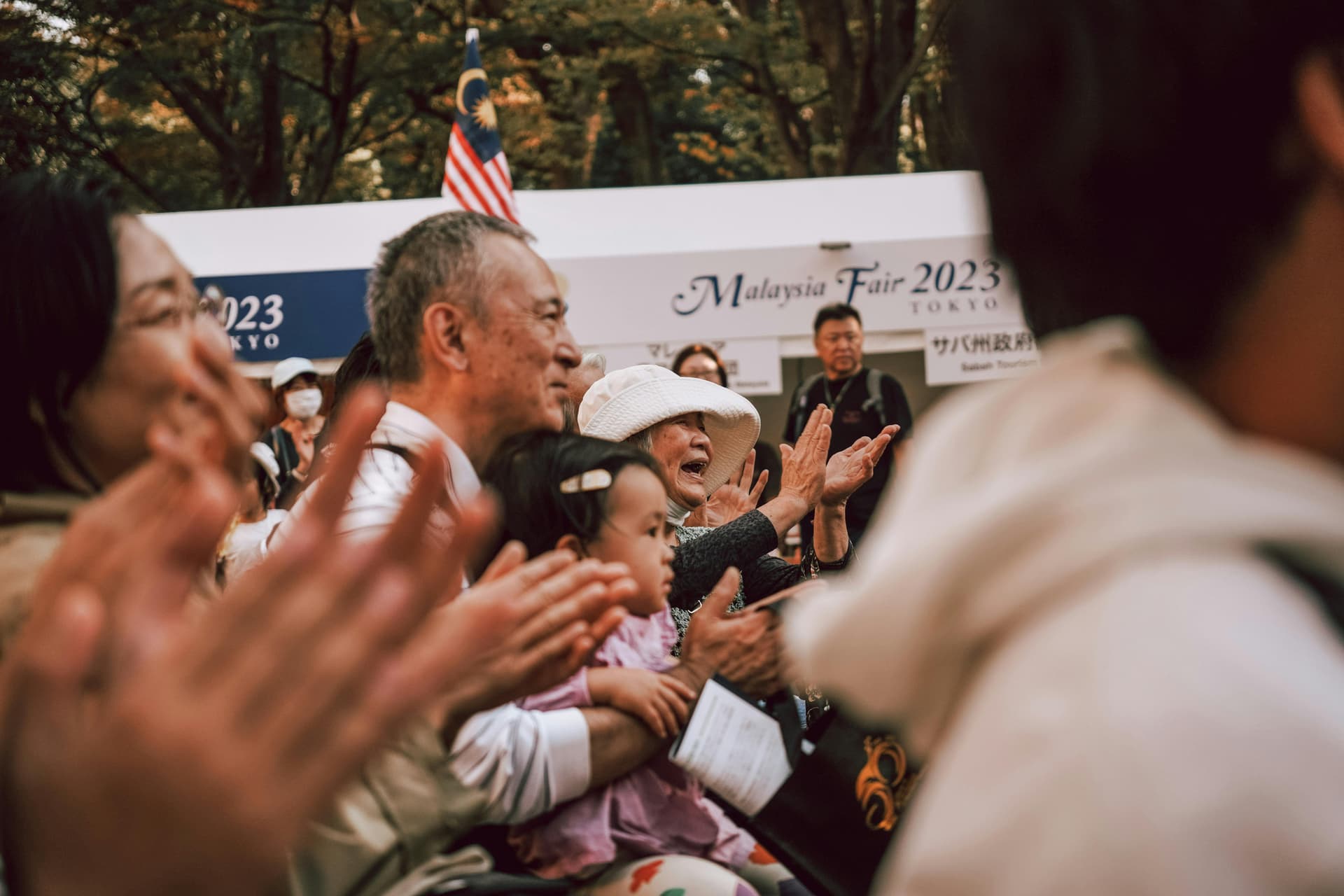
Everything families need: where to stay, what to do, how to get around, and when to book a private tour for multigenerational groups.
Tokyo with kids goes well for families who get a few things right before they land: which neighborhood you sleep in, how you get around, and what you do at which time of day.
This guide also covers the attractions that actually hold a child's attention, practical transport advice, where to eat, how to handle strollers and nursing rooms, and day trips that suit every age in the group.
Best Neighborhoods for Families in Tokyo
Your neighborhood decides a lot with children. Stay in the right one and the day starts with a short walk to a park. Stay in the wrong one and every outing begins with a crowded transfer.
Ueno: Top Pick for Families
Ueno regularly comes out as the best neighborhood for families visiting Tokyo, and it earns it:
- Ueno Park: A huge green space with a zoo, several museums, and plenty of room for kids to run
- Excellent transit access: The JR Yamanote Line runs straight to the major hubs
- Walkable attractions: The zoo, the National Museum of Nature and Science, and Shinobazu Pond are a short walk from each other
- Budget-friendly dining: Ameyoko Market has cheap food and souvenirs
For young children it's also a lot calmer than central Tokyo.
Asakusa: Traditional Tokyo with a Slower Pace
Asakusa is 15 minutes from Ueno by public transport and feels older and more traditional:
- Senso-ji Temple: Tokyo's oldest temple, entered through the giant red lantern of the Kaminarimon gate
- Nakamise Shopping Street: Snacks and souvenirs kids like
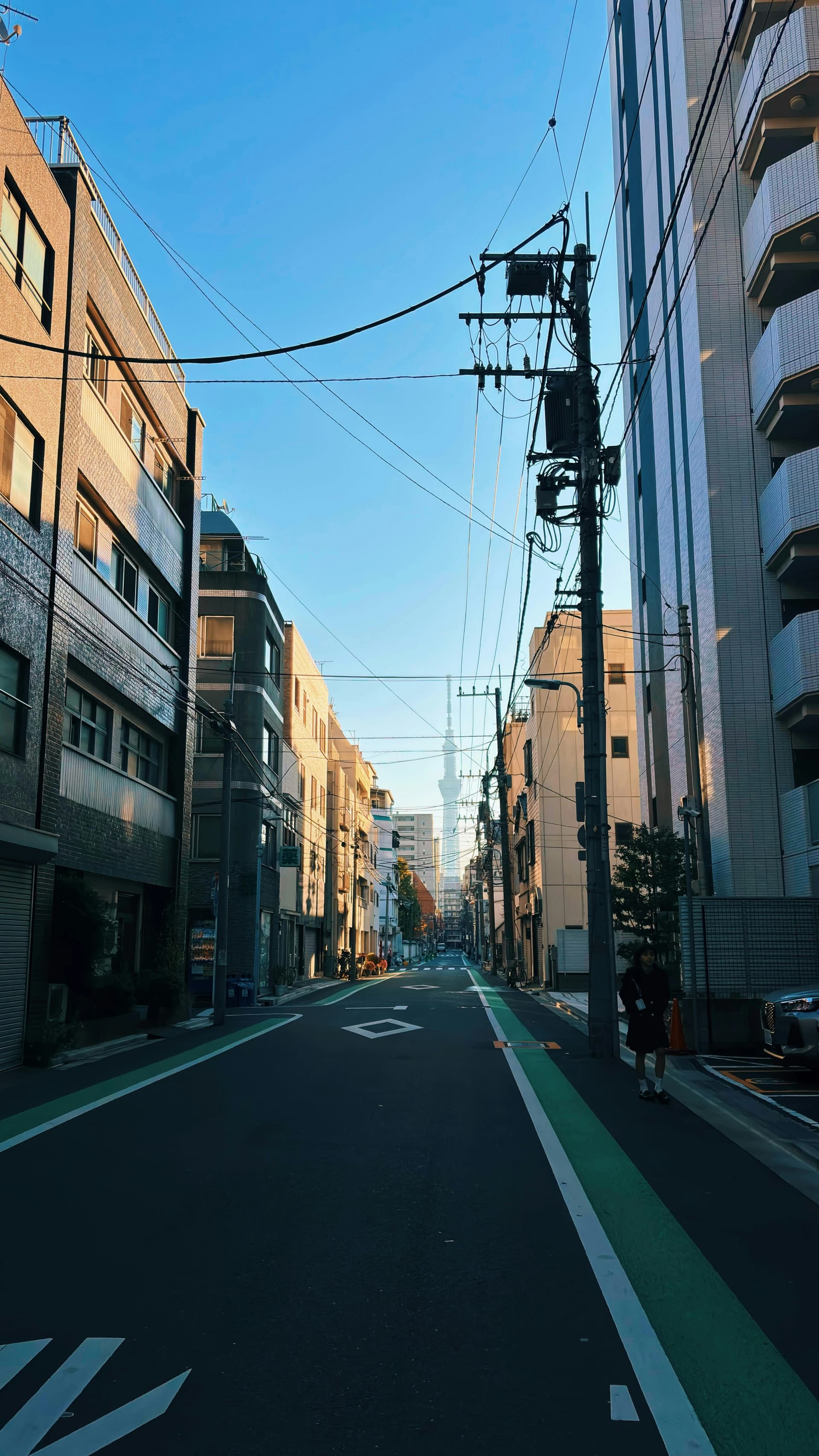
- Easy day-trip access: Close to Tokyo Skytree and Sumida Aquarium
- Quieter evenings: Much calmer at night than Shibuya or Shinjuku
It suits families who want a taste of "old Tokyo" and still need a good train connection.
Shinjuku: A Solid Alternative
Shinjuku is busy, but it has real advantages for families:
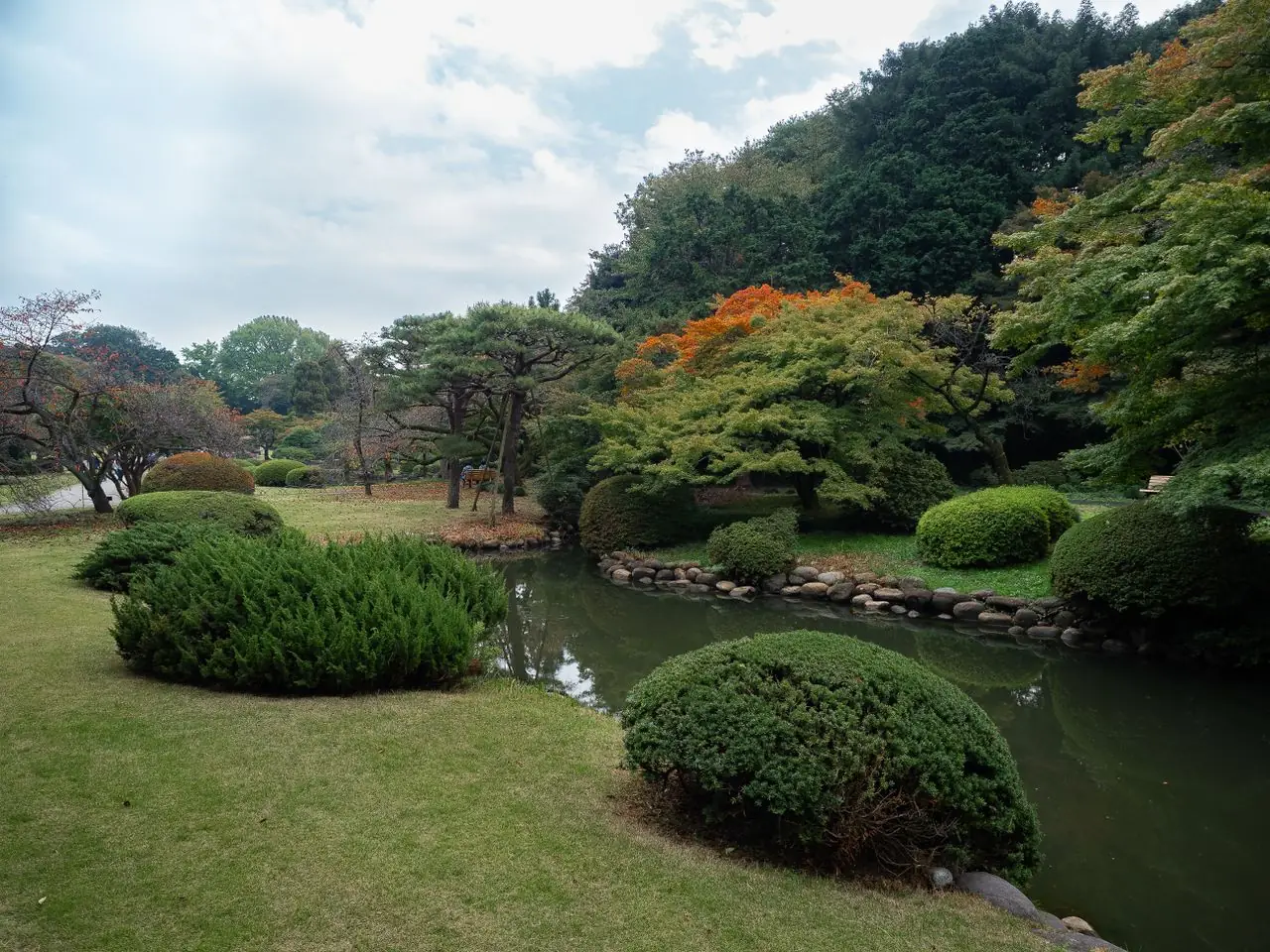
- Shinjuku Gyoen National Garden: One of Tokyo's largest parks, with wide lawns where kids can run around
- Spacious hotels: Rooms are bigger than what you'll get in Asakusa or Ueno
- Indoor entertainment: Malls and entertainment complexes for rainy days
- Transit hub: Trains go everywhere from here, including direct lines to day-trip destinations
Pick Shinjuku if room size matters to you and crowds don't bother you much.
What About Shibuya?
We'd skip Shibuya as a home base. Teens love the scramble crossing, but the crowds, the noise, and the screens everywhere wear out younger children fast. Go for half a day and sleep somewhere else.
Kid-Friendly Attractions and Experiences
Tokyo has plenty of places built for children. These are the ones families keep coming back happy from.
For Toddlers and Young Children (Ages 0-6)
teamLab Planets (Toyosu)
- Digital art museum where kids wade through rooms of water and light
- Children 3 and under enter free (paid child tickets start at age 4)
- A new kids' play area opened in January 2025
- It sells out, so book ahead
Tokyo Toy Museum (Yotsuya)
- Set in a former elementary school
- Hands-on exhibits with vintage and modern toys
- A good rainy-day option
- Japanese name: 東京おもちゃ美術館
Ueno Zoo
- The giant pandas went back to China in January 2026. The zoo still has pygmy hippos and lions, and the grounds are a pleasant walk
- Easy with a stroller
- Pair it with the museums in Ueno Park
Sunshine Aquarium (Ikebukuro)
- Inside the Sunshine City complex
- Indoors, so weather doesn't matter
- Kids love the penguins
For School-Age Children (Ages 7-12)
KidZania Tokyo (Toyosu)
- Children role-play real jobs: pilot, firefighter, chef, surgeon
- Indoor facility on three floors
- Kids earn "KidZo" currency to spend on activities
- You need a reservation, and it should be made well in advance
National Museum of Nature and Science (Ueno)
- Dinosaurs, space exploration, and hands-on science exhibits
- English explanations on most displays
- Cheap to get in
Subway Museum (Edogawa)
- Real train cars kids can climb through
- Driving simulators
- Admission ¥220 adults / ¥100 children
Asakusa Hanayashiki
- Japan's oldest amusement park (opened 1853)
- Small rides that suit younger kids
- The rollercoaster is gentle enough for a first ride
For Teens
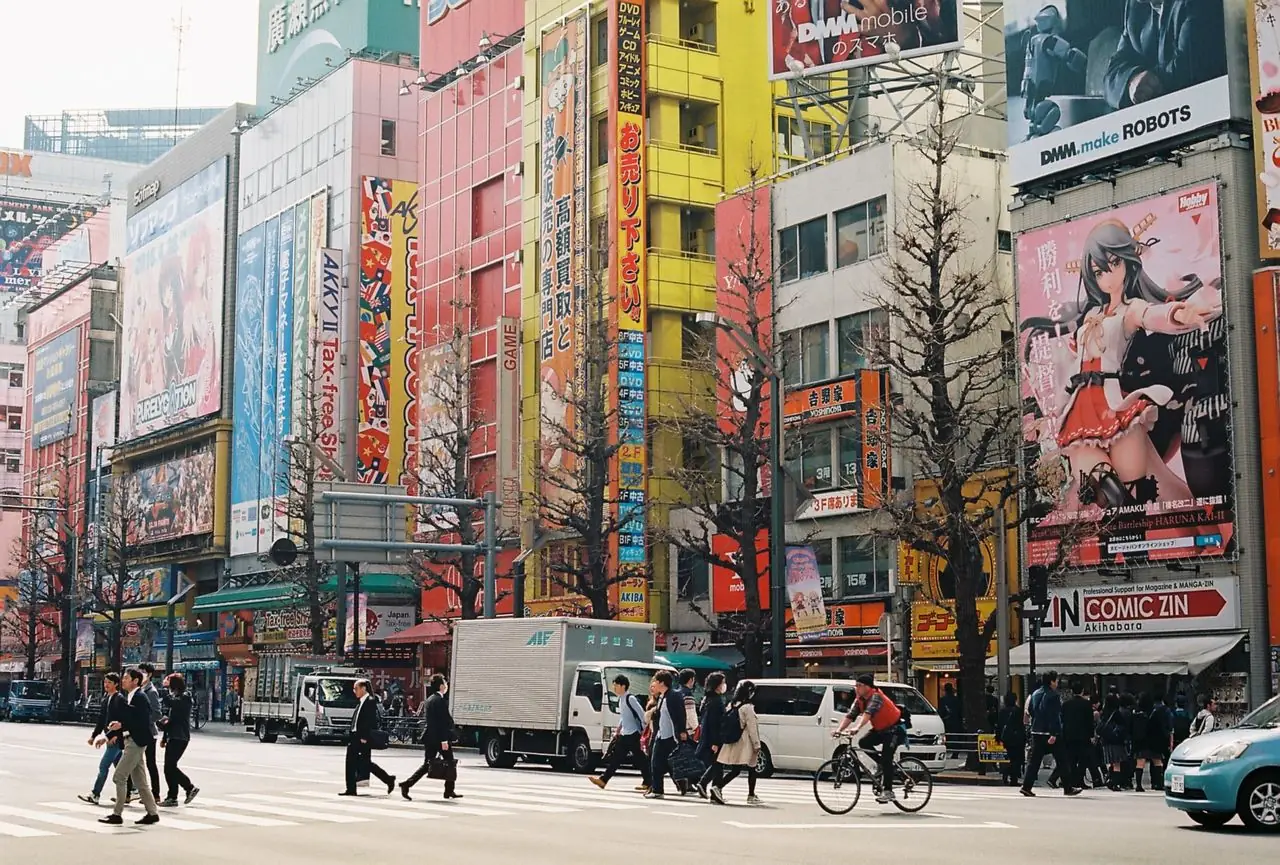
Akihabara
- The center of anime, manga, and gaming
- Arcades several floors high, full of claw machines
- Maid cafés (an experience, if a quirky one)
Tokyo Joypolis (Odaiba)
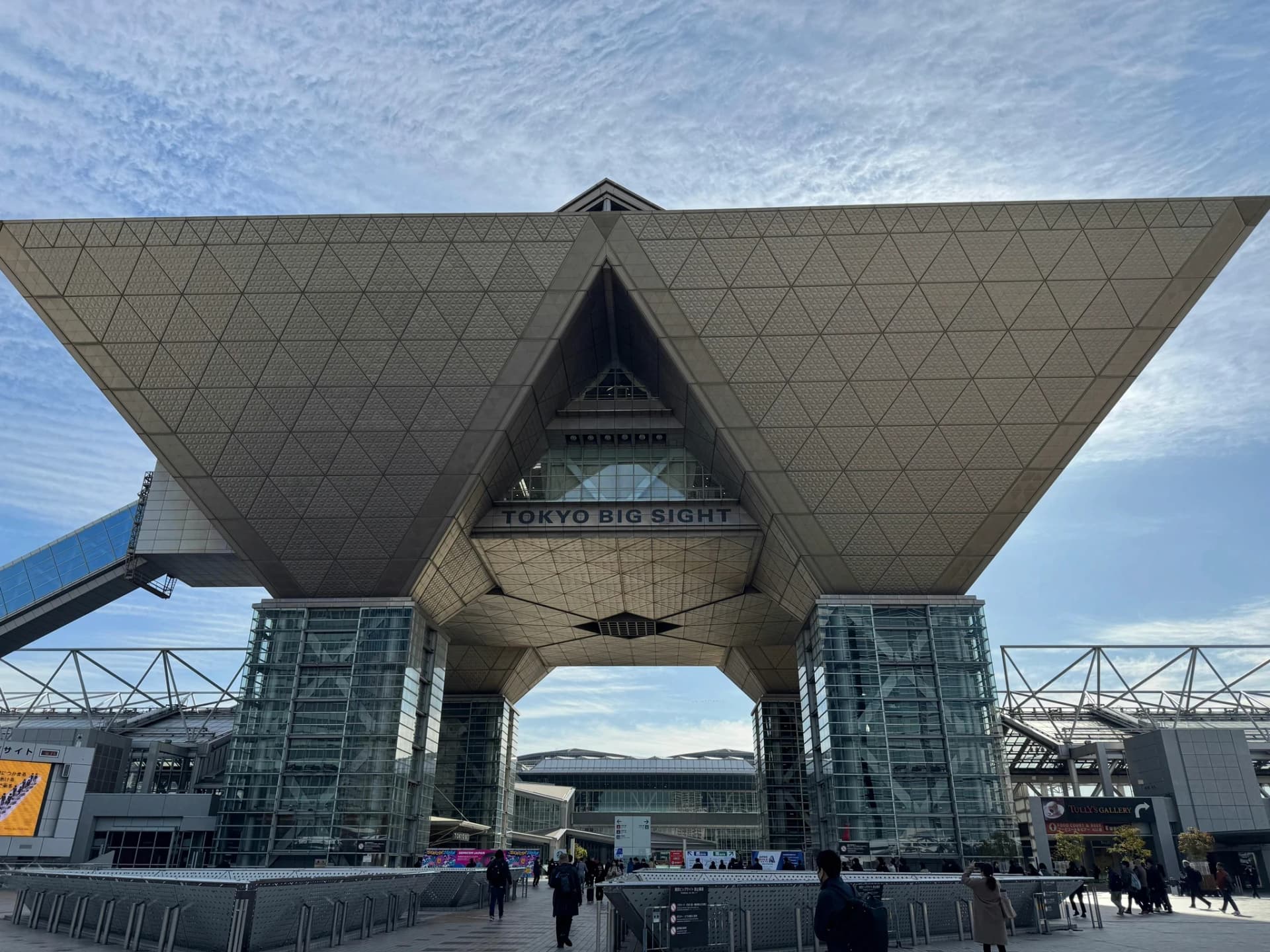
- Indoor amusement park with VR rides and arcade games
- Good when the weather is bad
Sanrio Puroland (Tama)
- Hello Kitty theme park
- Teens enjoy it too, mostly for how over the top it is
- Plan on a full day (45 minutes from central Tokyo)
If most of your group are teenagers, our guide to Tokyo with teenagers lays out a blended day built around older kids.
The Secret Weapon: Department Stores
Japanese department stores are great with kids. The basement food halls are perfect for grab-and-go meals, the top floors usually have family restaurants with children's menus, and, most useful of all, every major store has a nursing room and baby-changing facilities.
Try Isetan (Shinjuku), Mitsukoshi (Ginza), or Takashimaya (Nihonbashi). Many lend strollers for free.
Transportation Tips for Traveling with Kids in Tokyo
Tokyo's trains are clean and punctual, and once you've figured out the system they're easy with children. A few things help.
Train Travel with Children
Fare discounts:
- Children under 6 ride free with a paying adult (up to two per adult; a third child, or an under-6 using their own reserved/limited-express seat, pays a child fare)
- Ages 6-11 pay a child fare, roughly half the adult price
- Add a Suica or Pasmo card to Apple Wallet on your iPhone and just tap through the gates
Stroller strategy:
- Turn on the "wheelchair accessible" option in Google Maps. It sends you through stations with elevators and keeps you off the stairs.
- Elevator exits can be hard to find, so give yourself extra time in big stations
- A light folding stroller (like the gb-pockit) is worth buying. Now and then you'll have to carry it up a flight of stairs
Rush hour:
- Avoid 7:30-9:00 AM and 5:30-7:30 PM on weekdays
- Trains are packed shoulder to shoulder at those times
- Mid-morning and mid-afternoon are far easier with kids
Taxis
For short hops, especially when the kids are tired, take a taxi. It costs more than the train and saves you the stations entirely. The doors open and close automatically, so leave them alone.
Walking
Streets are clean and well paved, and most are fine for strollers. Sidewalks are wide in most areas, though older neighborhoods like Asakusa have narrower lanes. Distances look shorter on a map than they feel on foot, so check walking times in a map app.
Family-Friendly Restaurants and Food Experiences
Most Japanese restaurants are happy to see families, and many have children's menus.
Types of Restaurants That Work Well with Kids
Department store restaurants: The restaurant floors (usually the top 2-3 floors) are used to families, with picture menus and children's meals. Many have private rooms.
Chain restaurants: Saizeriya, Gusto, and Jonathan's all have kids' menus with hamburg steak, curry rice, and pasta.
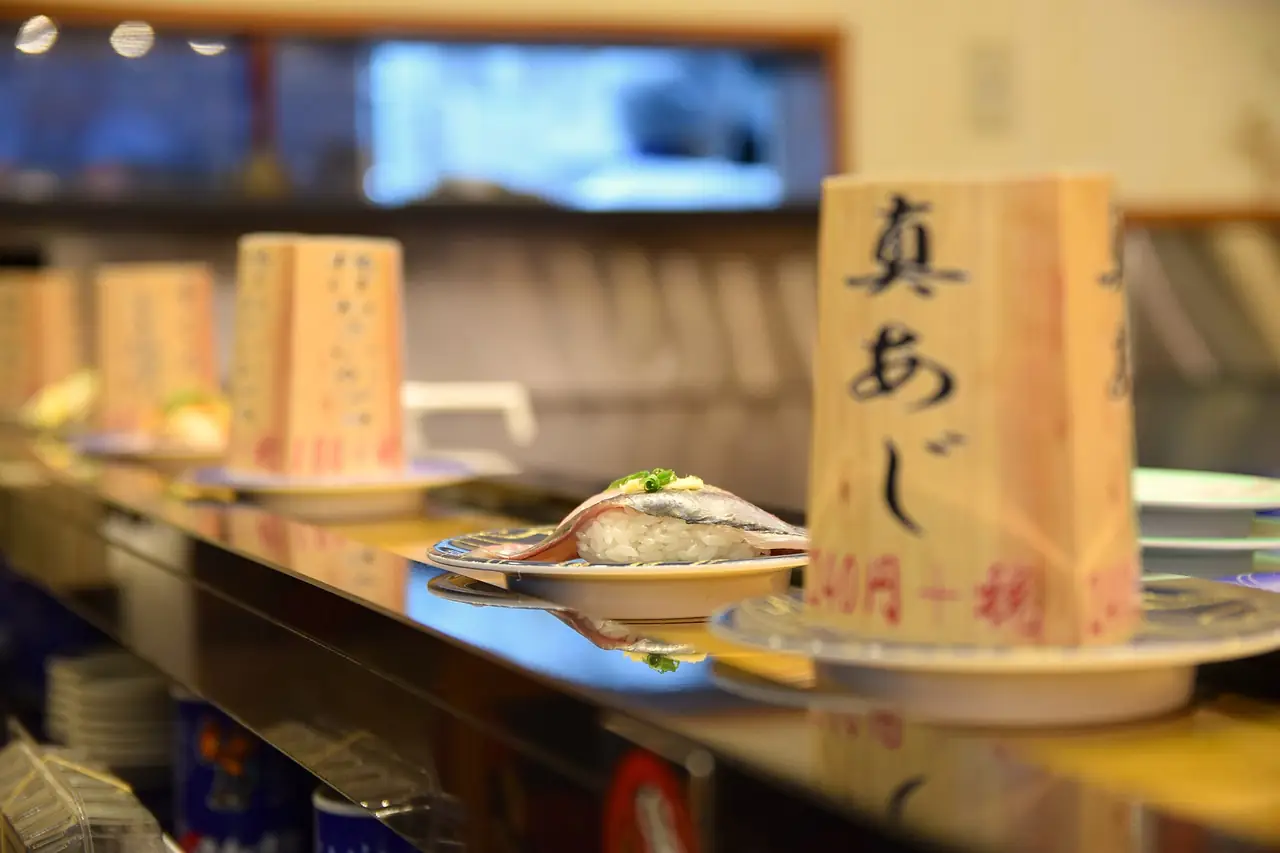
Conveyor belt sushi (kaiten-zushi): Kids enjoy watching the plates go past and picking their own. Sushiro and Kura Sushi are everywhere.
Ramen shops: Many are too tight for a stroller, but chains like Ichiran have booth seating that works for families.
Baby Facilities in Restaurants
Plenty of restaurants have children's chairs (low chairs or booster seats). If you need a high chair, call ahead; larger places usually have one. Baby-changing facilities are more common in department store restaurants than in independent shops.
Food Picky Eaters Will Actually Eat
If your child isn't sure about Japanese food:
- Yoshinoya: Beef bowl chain with mild flavors
- Familiar chains: McDonald's, KFC, and Subway are everywhere
- Convenience stores (konbini): Onigiri (rice balls), sandwiches, and fried chicken (karaage-kun) rarely fail
- Department store food halls: Let them point at the pre-made meals that look good
Day Trips from Tokyo with Children
When you want a day outside the city, these trips work well with kids.
Kamakura (55 minutes by train from Tokyo Station)
Best for: All ages, especially families who want temples, beaches, and easy walking in one day
The Great Buddha (Daibutsu) is the main event, a bronze seated figure about 11.5 meters tall, cast beginning in 1252. Kids can even go inside it. Add any of these:
- Enoshima Electric Railway: A pretty train ride along the coast
- Komachi Street: Shopping street with snacks and souvenirs
- Hase-dera Temple: Gardens and views
- Beaches: Swimming in summer
Kamakura is easy to walk and much slower than Tokyo.
Yokohama (30 minutes from Tokyo Station)
Best for: Families with young children who want a city by the sea
Yokohama packs a lot of kid-friendly stops into a small area:
- Cup Noodles Museum: Make your own custom instant ramen
- Yokohama Cosmo World: Amusement park with a giant Ferris wheel
- Shin-Yokohama Ramen Museum: Food court built to look like 1958 Tokyo
- Minato Mirai: Waterfront area with parks and shopping
Buy a 1-Day Yokohama Enjoy Pass for discounts on the main attractions.
Nikko (2+ hours from Tokyo)
Best for: Families with older kids (10+) who can handle walking and stairs
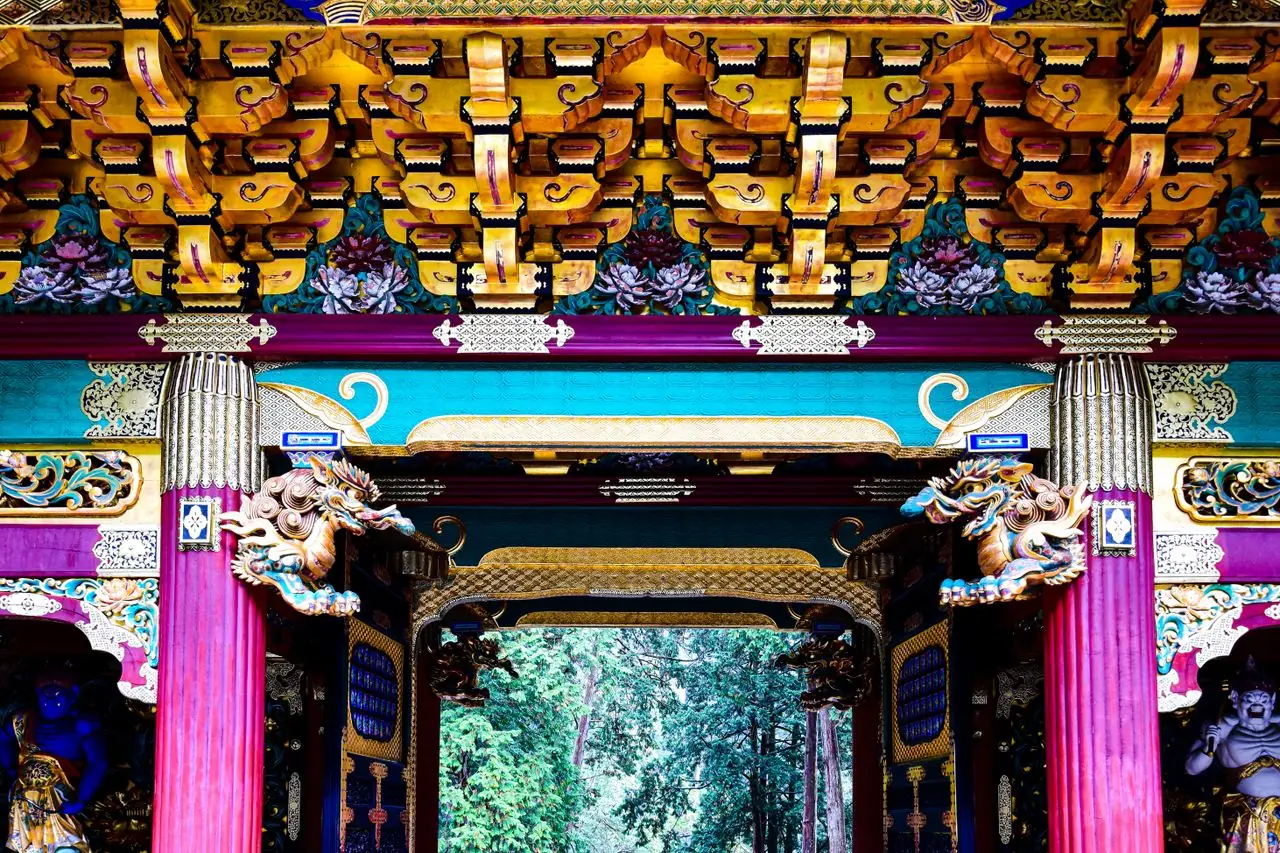
Toshogu Shrine in Nikko is covered in gold leaf and carved monkeys, and the buildings are elaborate, but seeing it means a lot of walking and a lot of stairs. Skip it with children under 8 or anyone who has trouble getting around.
With teens, Nikko goes further than Kamakura, with mountain trails, waterfalls, and a town that feels properly old.
What to Skip with Young Kids
- Harajuku on weekends: The crowds are intense
- Tsukiji Outer Market: Crowded, narrow streets that are hard with a stroller
- Shibuya Crossing at rush hour: Fun to look at, miserable to cross with kids
Practical Tips: Strollers, Nursing Rooms, and Daily Logistics
Few cities are as well set up for families as Tokyo. Most of it is easy to miss until you know what to look for.
Baby Care Facilities
Nursing rooms (授乳室) are in train stations, department stores, public buildings, and museums. Look for the baby bottle symbol or the kanji. Inside you'll usually find:
- Private nursing cubicles
- Diaper-changing tables
- Hot water dispensers for formula
- Small seating areas
The MamaPapaMap app shows you the nearest one in real time.
Stroller Rentals
You can borrow a stroller for free at:
- Most major department stores
- Large shopping malls
- Museums and theme parks
Bring your own light stroller for the trains, then swap it for a loaner once you get where you're going if one is offered.
Diapers and Baby Supplies
Drugstores (Matsumoto Kiyoshi, Tsuruha, Welcia) stock diapers, wipes, and formula. Convenience stores (7-Eleven, FamilyMart, Lawson) have the basics, but only in a few sizes.
For more choice, go to a Babies "R" Us or Akachan Honpo (a baby goods chain).
Restrooms
Public restrooms in Tokyo are clean, free, and easy to find. Most major stations have them. Western-style toilets are standard now, though older buildings still have some squat toilets. Many stalls have a small shelf for bags, which helps a lot when you're juggling kids and shopping.
Emergency Numbers
- Police (emergency): 110
- Police consultation (non-emergency): #9110
- Fire/Ambulance (emergency): 119
- TELL Lifeline (English-language support): 0800-300-8355
When to Book a Private Tour
Plenty of families do Tokyo with kids on their own. With three generations in the group, a private tour takes most of the strain out of the day.
A multigenerational family tour (like Hinomaru One's Tokyo Together Family Tour) takes care of the hard parts:
- Stroller-accessible routes planned in advance
- Real-time navigation so nobody gets lost
- Menu translation and restaurant recommendations
- Adaptive pacing that lets the kids set the speed while grandparents stay comfortable
- Hotel pickup so you never wrestle tired children through a station
With children under 8, or a group running from toddlers to grandparents, a private Tokyo tour means less stress and more of the day spent together.
Final Checklist: Tokyo with Kids
Before you go:
- Book teamLab Planets tickets in advance
- Reserve KidZania if you're going (spots fill weeks ahead)
- Load Suica/Pasmo card to your phone
- Download MamaPapaMap app for nursing room locations
- Choose accommodation near a Yamanote Line station
- Pack a lightweight, foldable stroller
- Consider a private tour for multigenerational groups
The nursing rooms, clean trains and family restaurants are already there. Planning ahead just means you know where to find them when a child needs one.
If you'd like help with your family's Tokyo itinerary, have a look at Hinomaru One's private tours.
Photo credits
- A plate of aji nigiri beside wooden price tags on a kaiten-zushi conveyor belt: Raita Futo from Tokyo, Japan / Wikimedia Commons, CC BY 2.0, resized
.jpg)