Good family tours work through sequential optimization—spending time on one kid's interest, then pivoting—not finding activities everyone loves equally.
Things to do in Tokyo with kids are easier to manage than the city's reputation suggests, as long as you plan around age and energy instead of distance.
Best Things to Do in Tokyo with Kids
First, the activities that hold kids' attention, sorted by age. The logistics come after.
Always works (all ages):
- Akihabara arcades: GiGO, Taito Station, and Bandai Namco have whole floors of crane games, rhythm machines, and Gundam experiences. Kids play while parents browse.
- Pokémon Center Nihonbashi: the main flagship store. Give it 30–45 minutes at least.
- Tsukiji Outer Market: food on sticks, tuna being sliced in front of you, tamagoyaki from Yamachou. Kids watch it made and then eat it.
- Ueno Park: room to run, pigeons to feed, and the zoo (Ueno Zoological Gardens, ¥600 adults / ¥200 kids). A good place to reset everyone's energy.
Works well (ages 6+):
- teamLab Borderless: digital art you walk through and touch. Kids and adults both love it. Book in advance.
- Tokyo Skytree: the height really is impressive, so make an event of it.
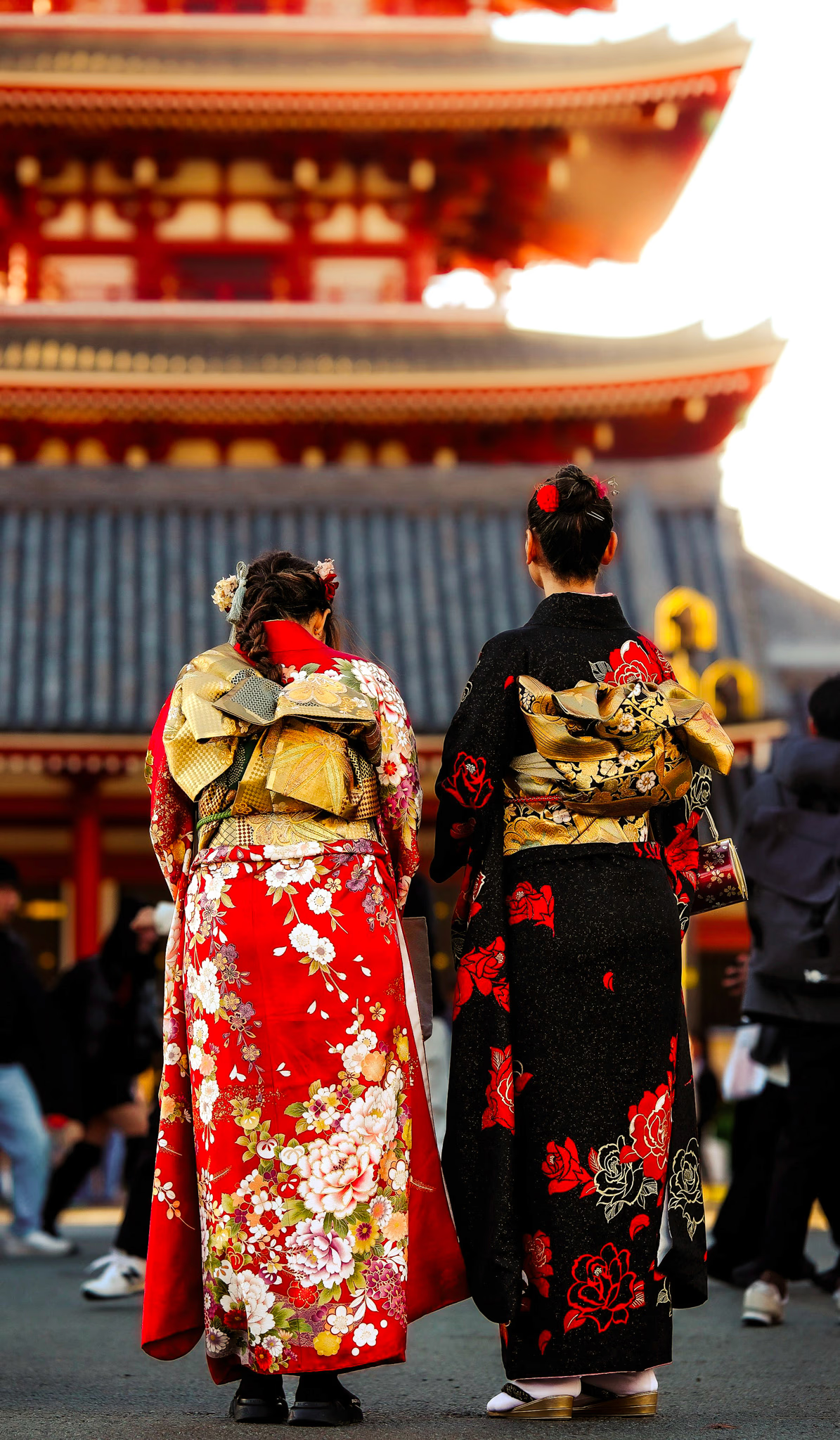
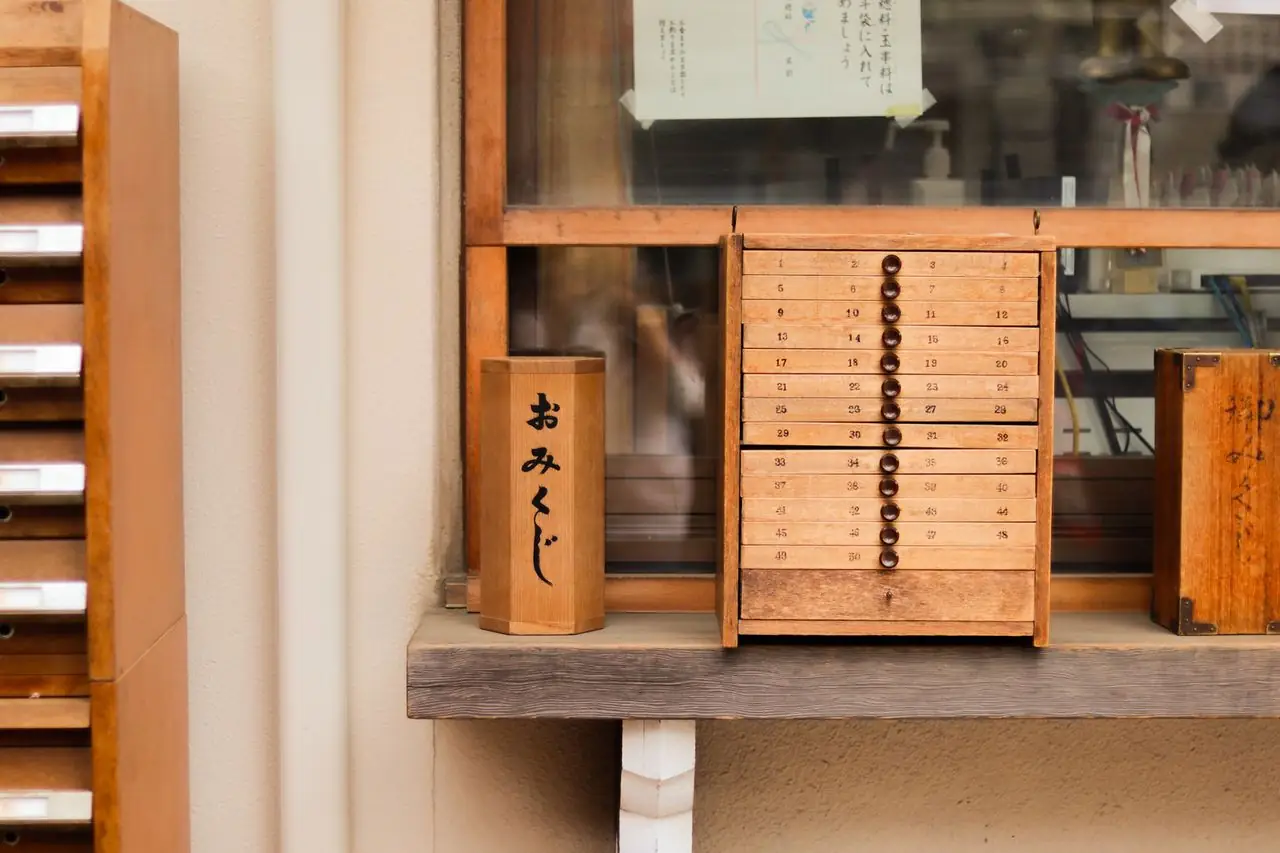
- Sensoji Temple (Asakusa): draw paper fortunes (omikuji), count lanterns, buy small souvenirs on Nakamise-dori.
- KidZania Tokyo: kids "work" jobs in a miniature city. Japanese families love it, so book online weeks ahead.
Works for teenagers:
- Harajuku / Takeshita Street: youth fashion, crepes, street style.
- Shibuya Crossing: stand and watch for a while, then walk through it.
- Nakano Broadway: anime, manga, and retro collectibles without the Akihabara crowds.
Plan on 4 stops a day when touring Tokyo with kids, not 8. Kids do better with things they can do than with things they're meant to look at, and a loose plan holds up better than a rigid one.
Say your 7-year-old wants Pokemon, your 14-year-old wants Harajuku fashion, and your spouse wants temples. You want everyone happy, and with Tokyo's pace, Tokyo's trains, and your kids' real energy limits, you can't give everyone what they want at the same moment. Slowing the tour down won't fix that. Giving each person a turn, one after another, will, once you accept that different ages need different things. That's what we mean by sequential optimization.
Why "Family-Friendly" Tours Usually Fail
What "Family-Friendly" Actually Means (Spoiler: Nothing Specific)
Tours sold as "family-friendly" promise that everyone stays together and everyone stays happy. Without an age attached, the label tells you nothing. A tour built for 10-year-olds fails 4-year-olds, who need naps and a bathroom every 90 minutes. The same tour bores 16-year-olds who'd rather be in Akihabara than at a temple.
In practice "family-friendly" usually means "we'll go slower," and going slower leaves the real problem where it was.
The Age Problem Nobody Mentions
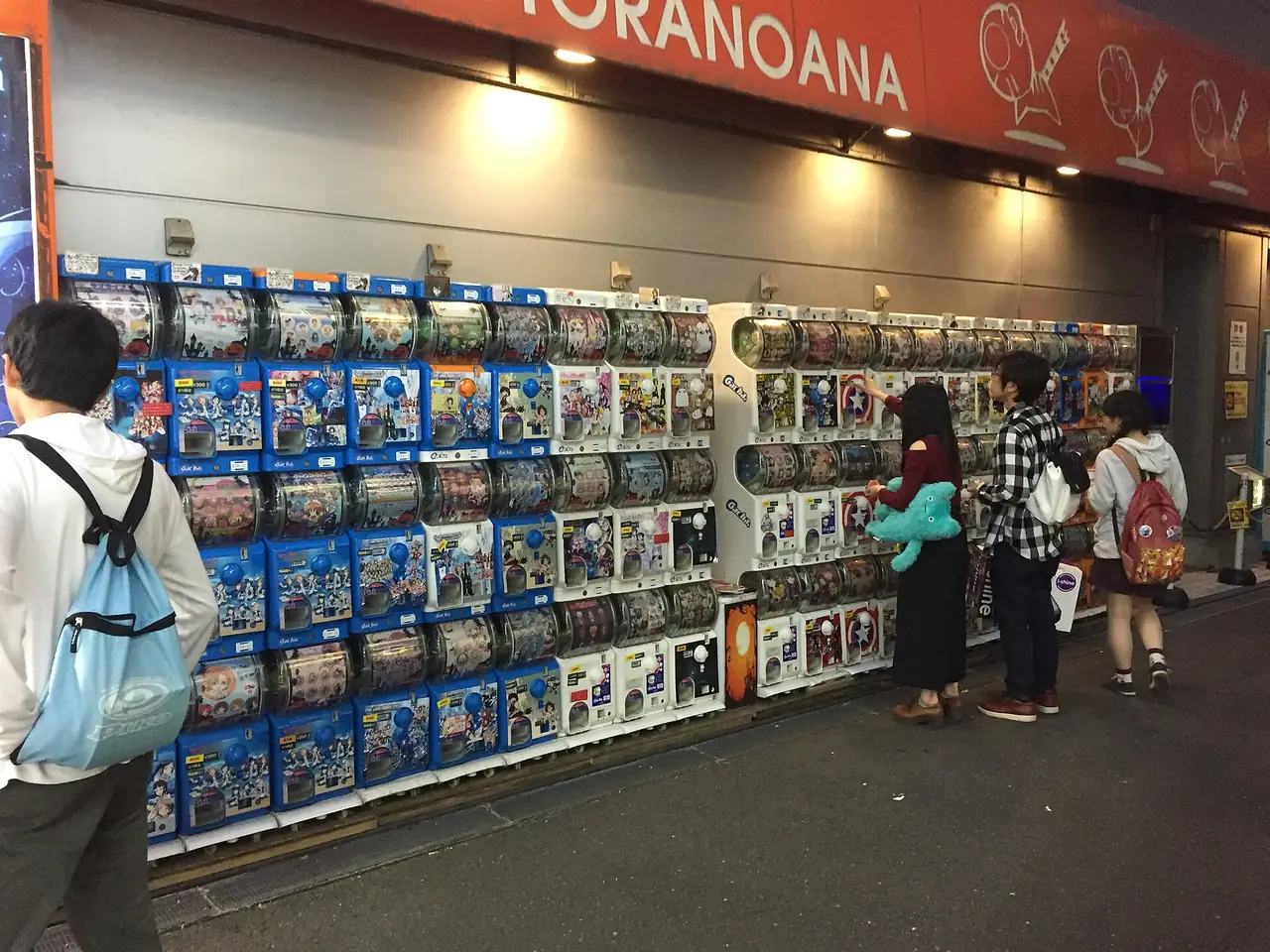
Kids of different ages get interested in different ways. Seven-year-olds engage through play and movement: arcade games at GiGO, capsule machines that drop Pokemon toys, room to run in Ueno Park. Fourteen-year-olds want some independence and a real look at the culture. They want Harajuku's fashion boutiques, a chance to ask about youth culture, and to be treated like adults.
Parents want the day to mean something and want the logistics handled. You want context at the temples, confidence you aren't missing something important, and someone who knows which stations have elevators.
These needs barely overlap, and a tour that tries to please every age equally usually ends up pleasing nobody.
Why Slowing Down Isn't Enough
The usual fix is fewer stops and more time at each. That helps with exhaustion and does nothing for interest. Your teenager still doesn't care about temples when you spend 45 minutes there instead of 20. Your 7-year-old is still bored at the textile museum at half speed.
A slower pace treats a family like a group of adults who tire faster. Family touring works once you accept that someone is always a little bored, and that you satisfy people one at a time.
How Tokyo's Infrastructure Works Against Family Touring
Stairs, Elevators, and the Stroller Navigation Problem
Tokyo's train system wasn't built with strollers in mind. Tokyo Metro guarantees 100% elevator coverage, with one barrier-free route from street to platform. JR has elevators at most major stations, though not all of them. The trouble is usually the transfer between lines inside a single station. Those passages often have no elevator, so you exit to the street, walk, and go back in.
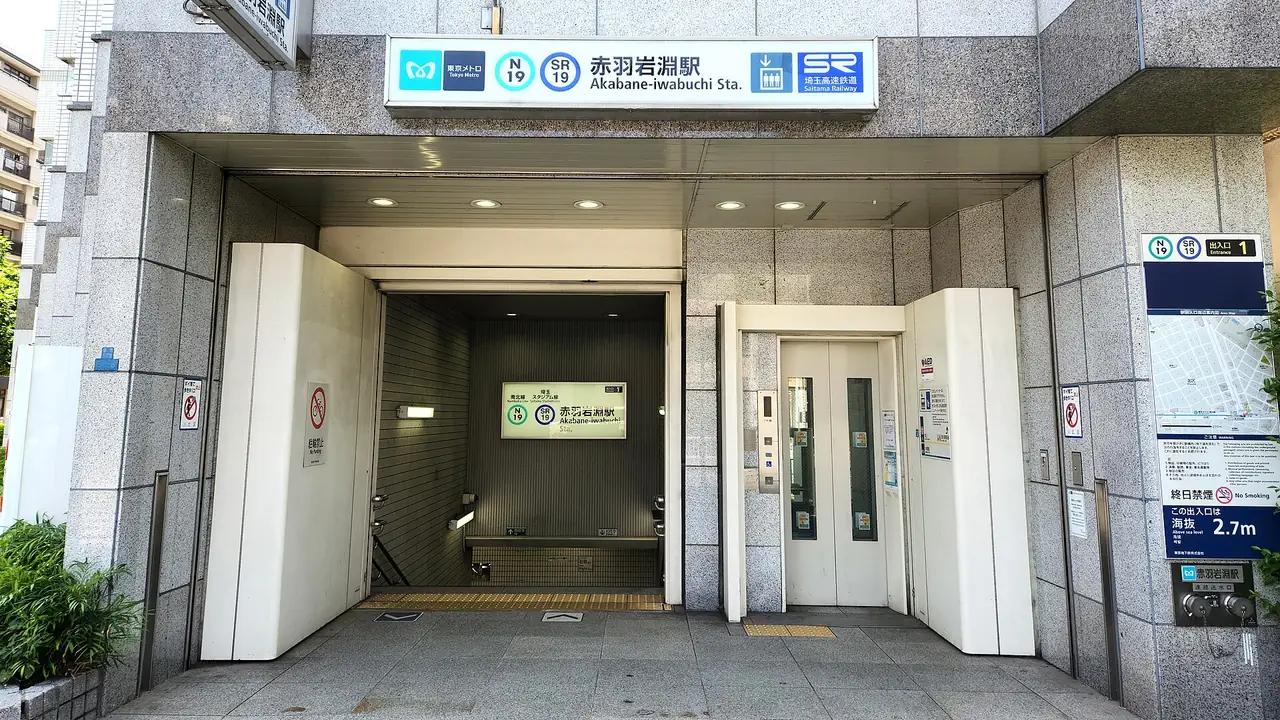
Asakusa Station on the Ginza Line has an elevator at Exit 1. Tsukiji Station on the Hibiya Line has elevator access too. Akihabara, Shibuya, and Shinjuku have elevators, but finding them takes work. Parents report waiting in an elevator queue, watching able-bodied people fill the car, and missing their connection.
For families with children under 5, a private car service takes the stroller off the train entirely. It costs ¥50,000-77,000 and you see less of the neighborhoods at street level. For most families with school-age kids, trains are fine.
Compact umbrella strollers handle Tokyo better than sturdy ones. Parents resist at first because they feel flimsy next to a solid Western stroller. After the trip they get it: you carry the stroller up stairs often enough that weight matters more than suspension. For more on getting around with mobility limits, see our accessibility guide for wheelchair and stroller users.
Restaurant Seating for Groups of 5+
Most Tokyo restaurant tables seat 2-4 people, so bigger groups need tables pushed together or special seating. Family chains like Gusto, Saizeriya, and Jonathan's fit 4-6 people more reliably than traditional places. Parties of 6+ should reserve, especially at lunch, when large groups are harder to seat than at dinner. We cover group sizes and logistics in more detail separately.
In Tsukiji, Ueno, and Asakusa, guides use particular restaurants that handle families well. Ueno Wagyu Yakiniku Ushihachi, on the 10th floor of the Fundes Ueno Building, has booths with a BBQ grill at each table, room for strollers, and English menus. Momo Paradise in Asakusa does all-you-can-eat sukiyaki and shabu-shabu, and the hotpots can be split into vegetarian and meat sides. Tokuri near Ueno Station has roomy seating and floor-to-ceiling windows, and it openly welcomes families.
Families who don't know which places seat large groups end up at chain restaurants or split up to eat.
The Walking Distance Nobody Warns You About
A typical sightseeing day in Tokyo runs 10,000-15,000 steps, or 7-11 kilometers. Active days hit 15,000-20,000. Parents nearly always underestimate it. One put it this way: "incomprehensible, the amount of walking you will be doing as a family is incomprehensible." Another said their Apple Watch was "filing for overtime."
The sightseeing is only part of it. You also walk through stations, hunt for the right exit, walk between stops, and manage the kids' energy all day. By afternoon it shows in everyone's mood, and rest stops stop being optional. Our guide to how much walking private tours involve has figures for different tour types.
Rush Hours Aren't Negotiable
Morning rush runs 7-9am and evening rush 5-7pm. Stay off the trains in those windows if you have kids. Cars fill well past what most Americans would call full, with bodies pressed together and no room for a stroller even when it's folded, and kids can get separated from their parents in the crush.
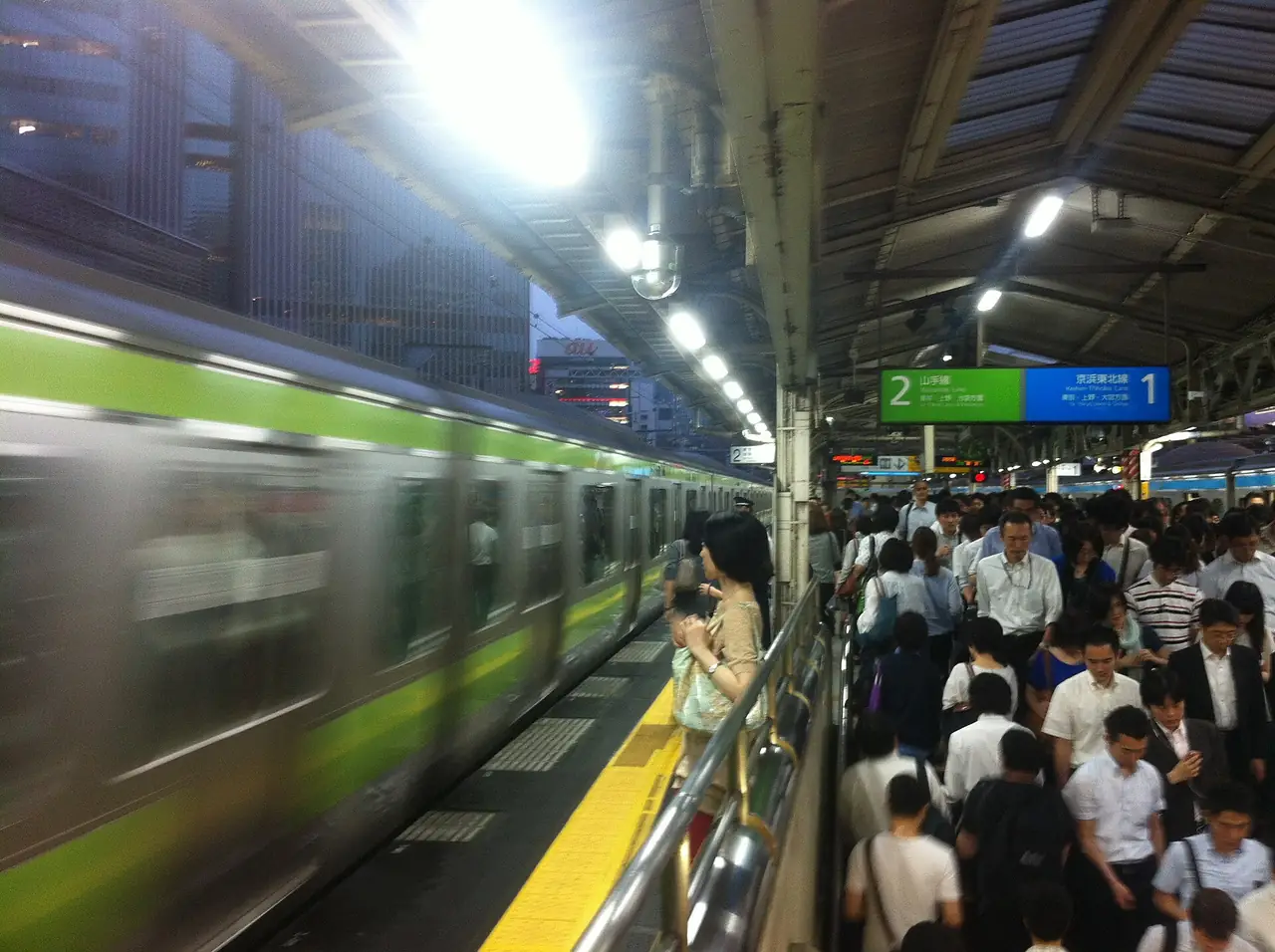
Tours planned for families start after the morning rush clears and finish before the evening one begins.
What Makes Family Tours Different from Adult Tours
Fewer Stops, Longer Time per Stop
Adult tours in Tokyo cover 5-7 places in six hours. Family tours cover 3-4 in the same time. Part of that is pace, and part is buffer for bathroom stops, energy dips, and the fact that kids take things in differently from adults.
At Tsukiji Outer Market, adults spend 30-40 minutes eating their way through the narrow lanes. Families need 60-75 minutes. Kids want tamagoyaki from Tsukiji Yamachou, where the cooks work three square pans at once in full view. They need bathroom breaks. Parents need time to pay for things and translate menus.
Add that up and you have to drop stops, because slowing down alone won't free enough time.
Interactive Activities vs. Passive Observation
Kids engage by doing things. At Senso-ji Temple in Asakusa, adults notice the architecture and the religious meaning, while kids draw paper fortunes from the box, light incense, and count the lanterns.
That shapes where you go. Ueno Park works because kids can run on the grass between museums. Akihabara works because of the arcades at GiGO, Taito Station, or Bandai Namco's six-floor arcade with Gundam pods in the basement. A place where all you do is look won't hold a child's attention, however important it is culturally.
Strategic Rest Stops Prevent Meltdowns
Adults push through fatigue. Kids hit a wall without warning: engaged one minute, crying and refusing to walk the next. Planned rest stops head that off.
Watch energy all day and call a break before trouble starts. Sitting on a park bench for 15 minutes, getting a drink from a vending machine, or ducking into a convenience store is usually enough to reset a kid. Guides trained in family dynamics often spot the signs before the parents do.
Transportation Logistics with Strollers and Multiple Kids
Tokyo's trains are efficient for a solo traveler or a couple. Add strollers and several kids and that efficiency drops fast. Every transfer adds a step. You need elevators at both ends, fare cards for each child, and everyone on the same car before the doors shut.
Children 6-11 pay half fare on Tokyo Metro and JR. Children under 6 ride free, up to two per adult. Simple enough until you're steering three kids under 10 through Shibuya Station in the afternoon crowd.
Guides handle that part: which exit to use, which car stops near the elevator, when a taxi beats the train, and how to route around stations that have no elevator.
The Sequential Optimization Framework
The "Taking Turns" Strategy
Everyone can't be as happy as possible at the same moment. Different ages want different things, and those wants don't line up. So you take turns, spending time on one person's interest and then switching to someone else's.
In practice that's 30 minutes at the Pokemon Center in Nihonbashi while your 7-year-old picks out plushies, then 30 minutes in Harajuku's boutiques while your 14-year-old looks at street style. Your spouse gets temple time in the morning, when the kids have more patience. And you get a guide who makes sure the day includes real cultural experiences instead of just following the kids' whims.
What It Looks Like in Practice
Take a family with kids aged 7 and 14, starting at 9:30am at Tsukiji Outer Market. The 7-year-old chats with food vendors, eats tamagoyaki on a stick from Yamachou, and watches tuna being filleted at Tsukiji Uogashi. The 14-year-old finds it mildly interesting at best. That's fine, because it's the younger one's turn.
At 11:00am they move to Akihabara. The 7-year-old gets 30 minutes at GiGO, where UFO catchers and rhythm machines fill several floors, and the 14-year-old wanders anime stores and electronics shops.
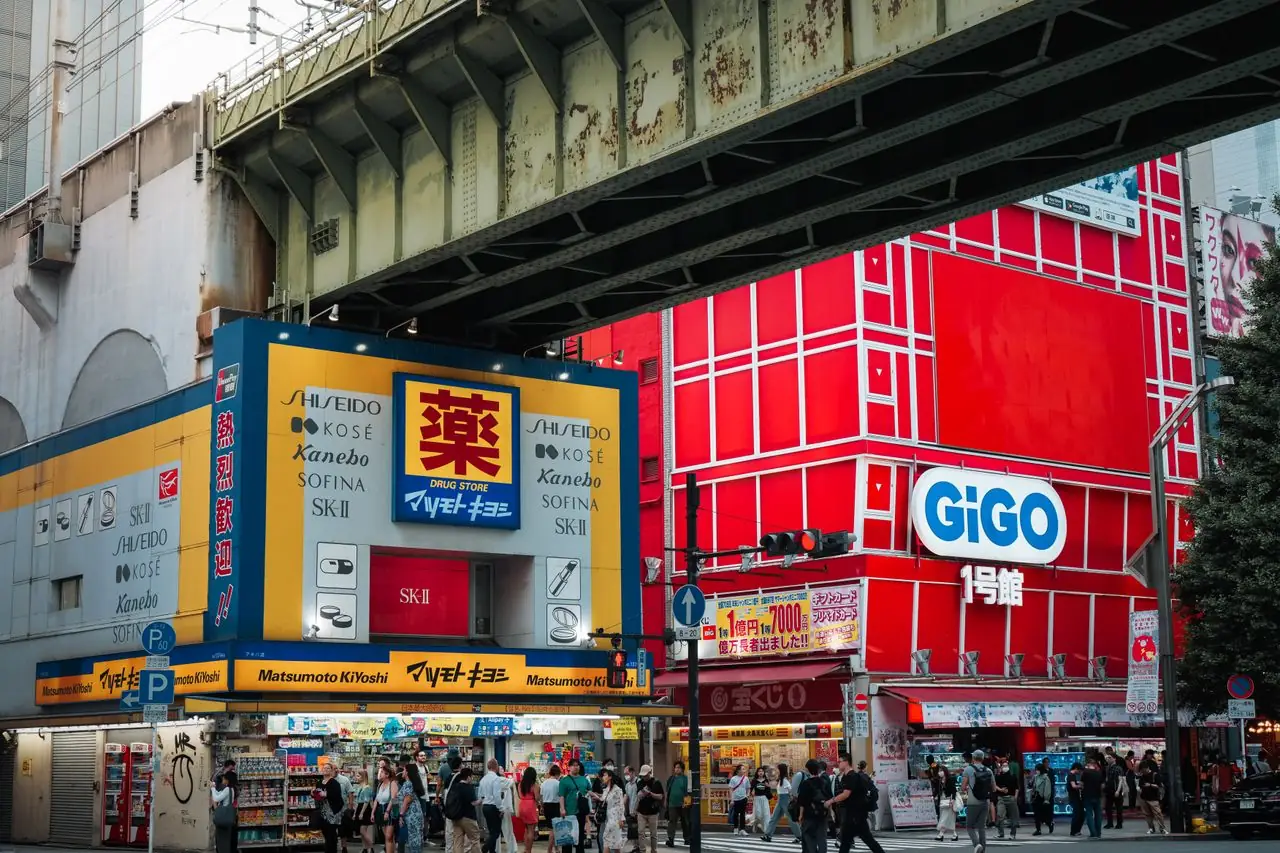
By 1:00pm they're in Harajuku, and the 14-year-old gets proper time in the Takeshita Street boutiques. The 7-year-old is entertained enough by the crepe stands and the crowds, but this stop clearly belongs to the teenager. The parents are glad they don't have to drum up enthusiasm from both kids at once.
Managing the "It's Not Fair" Complaint
Kids notice when someone else's interests come first. Sooner or later you'll hear "Why do we have to go to temples? This is boring," or "Why are we spending so long in this arcade? I want to shop."
Answer it honestly instead of pretending everyone's happy: "We're taking turns. This morning was for you at Tsukiji. This afternoon is your sister's turn at Harajuku. Tomorrow morning we're going to Ueno Park where you can run around."
That means telling the kids how the day works. Once they see the pattern, the pushback drops, because they know their turn is coming.
Why Someone Is Always Slightly Bored (And That's Fine)
No family tour keeps every person fully engaged every minute. Someone is always a bit bored. Your teenager puts up with Ueno Park because Harajuku is next. Your 7-year-old gets through Meiji Jingu Shrine because the Pokemon Center already happened.
What you can do is share the boredom out fairly, so nobody finishes the day feeling it ignored them. Taking turns plans for that from the start.
Touring with Teenagers
For a full guide to planning Tokyo days around teenagers, including blended itineraries, the 3pm energy wall, and which guide personalities work, see our dedicated touring with teenagers guide.
When Teenagers Actually Engage with Tours
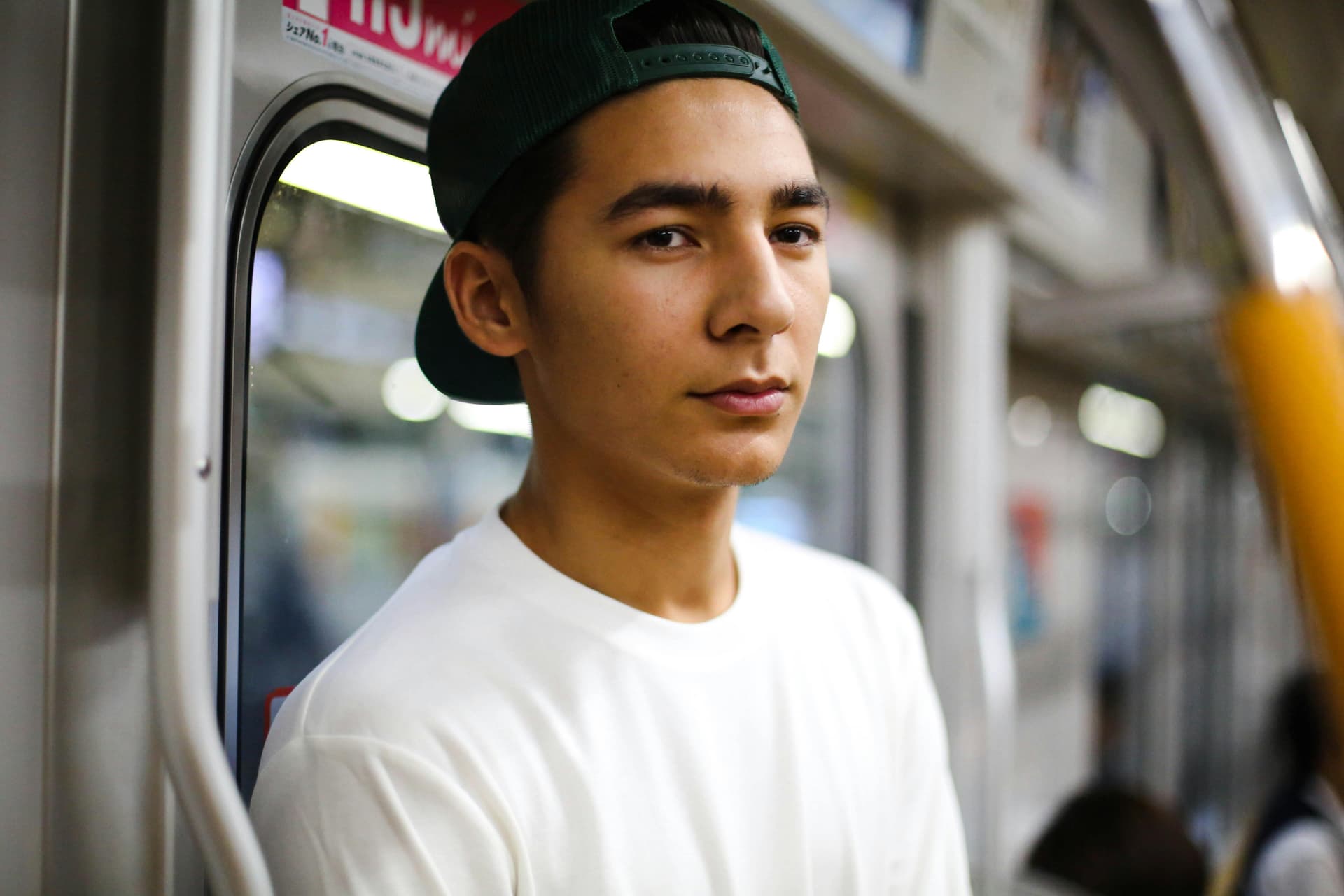
Teenagers engage when the guide treats them as adults and the day feels like insider access more than supervision. That means asking their opinion on where to go next, explaining cultural context they can't get from a blog, and letting them ask questions directly instead of through a parent.
Harajuku works because it's interesting on its own terms: youth fashion, street style, vintage shops where Tokyo's trends start. Akihabara holds up if you present it as a look at subcultures rather than "anime for kids." Shinjuku's Golden Gai is real adult nightlife that hasn't been cleaned up for tourists.
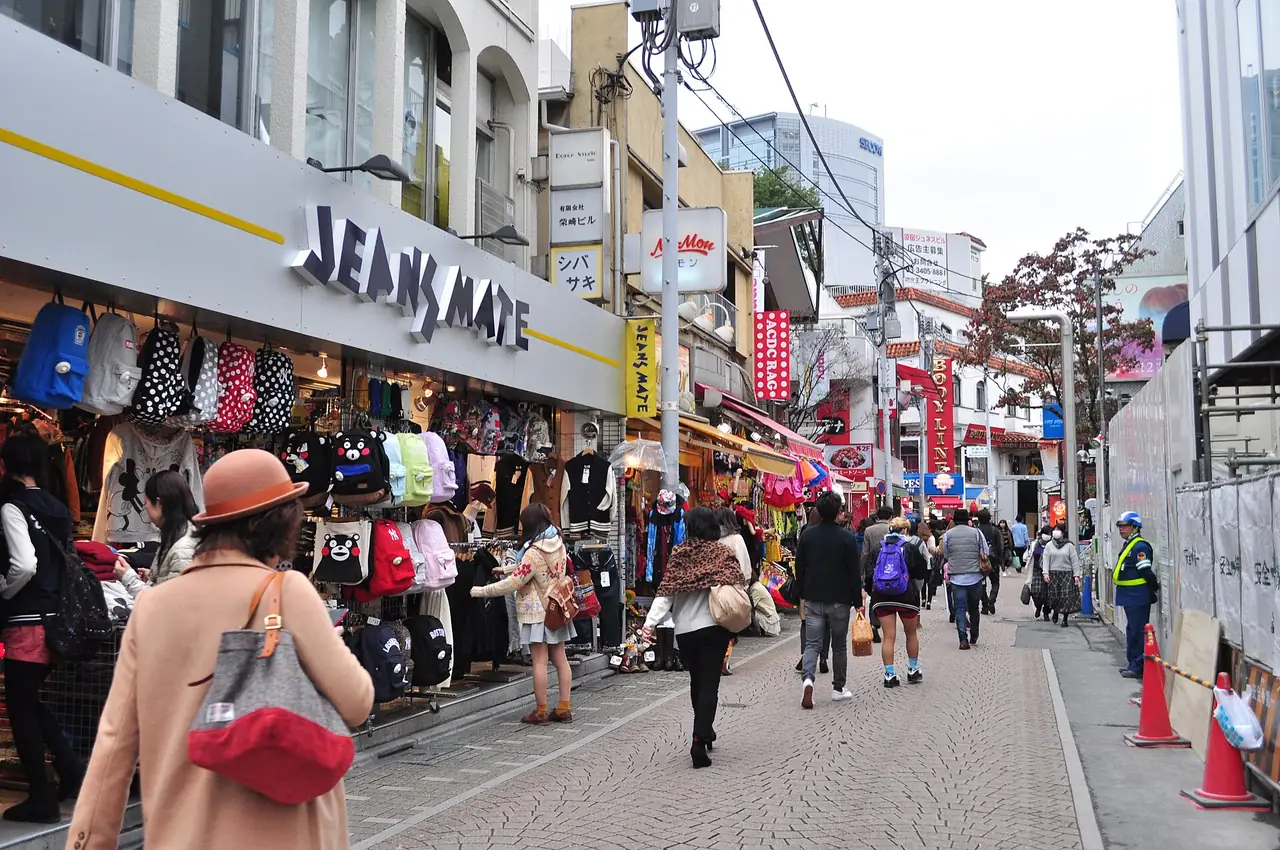
The guide handles navigation and context, and inside that the teenager gets to explore on their own.
When They Don't (And Why)
Tours lose teenagers when they're treated like children, pushed into "educational" stops they didn't pick, or made to feel babysat while their parents sightsee. The classic case is dragging a 16-year-old around temples with no explanation beyond "this is culturally important," then wondering why they're on their phone.
If it feels like a school field trip, they check out. A guide who slips into a teacher voice, or puts what parents think teenagers "should" see ahead of what interests them, loses them quickly.
How to Frame the Guide (Not a Babysitter)
Introduce the guide to your teenager as someone who can answer the questions travel blogs can't. This is the person who knows which Akihabara arcades have the best fighting games, why Harajuku fashion differs from Shibuya's, and how to get through Shinjuku without getting lost in the underground maze.
Teenagers respond to that kind of expertise. They push back on authority that doesn't explain itself.
Tokyo Trifecta: The Teenager-Appropriate Option
Tokyo Trifecta covers three sides of Tokyo in four hours: the calm of Meiji Jingu Shrine, youth culture in Harajuku, and the nightlife lanes of Shinjuku's Omoide Yokocho and Golden Gai. It runs from $300 for one person to $488 for a group of eight, starting in the late afternoon around 2-3pm and finishing around 6-7pm.
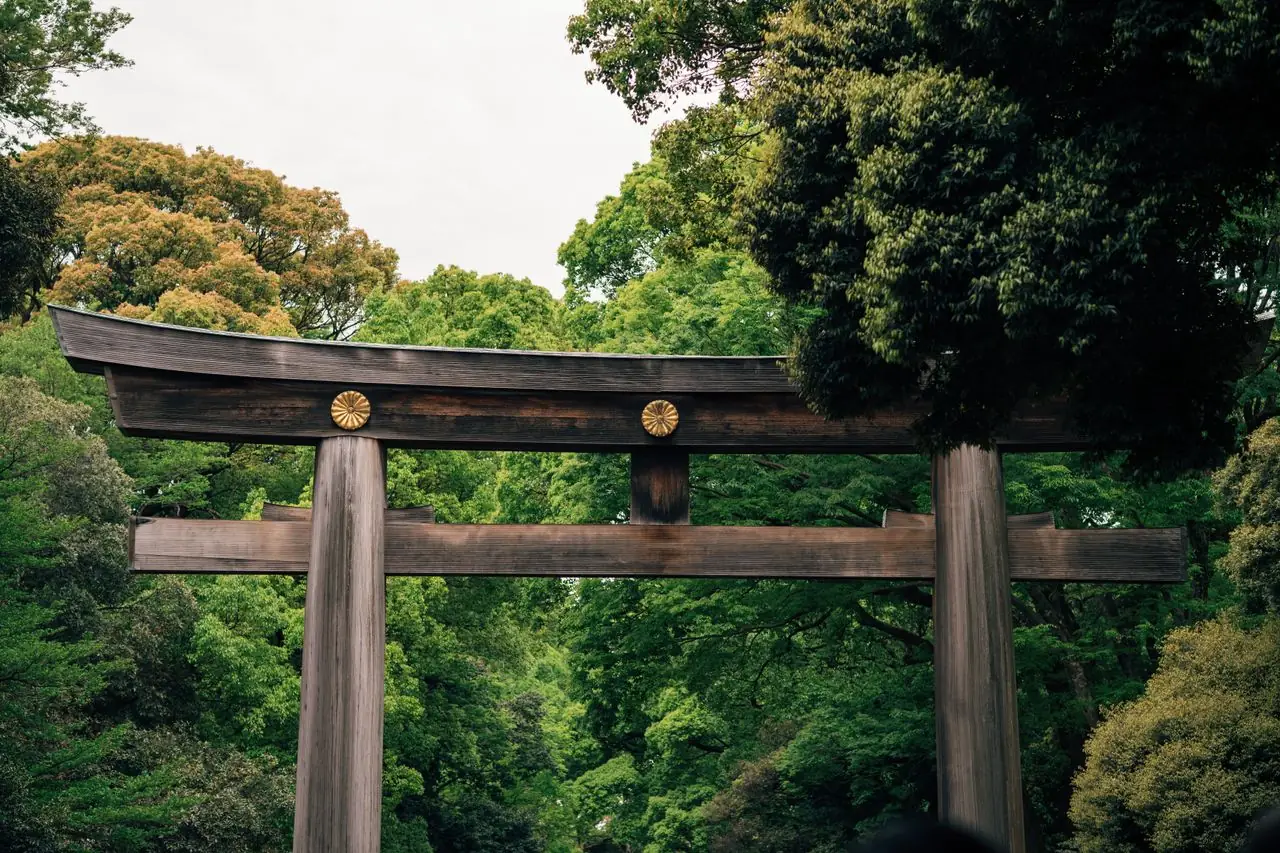
It suits teenagers because it moves quickly and none of it feels like "kid stuff." Four hours fits their attention span and their schedule, and going from a shrine to street fashion to nightlife keeps it varied. View Tokyo Trifecta details.
Sample Itineraries by Family Configuration
Family with Kids Aged 5 & 9: Realistic Day Plan
9:30am: Start at the hotel once the morning rush has cleared. The guide meets the family, does introductions, and walks everyone through the plan.
10:00am: Arrive at Tsukiji Outer Market on the Hibiya Line. Kids try tamagoyaki from Yamachou or Marutake (both 100 yen on a stick) while parents eat sushi and grilled seafood. Bathroom break at the Tsukiji Uogashi building. 75 minutes in total, bathroom stop included.
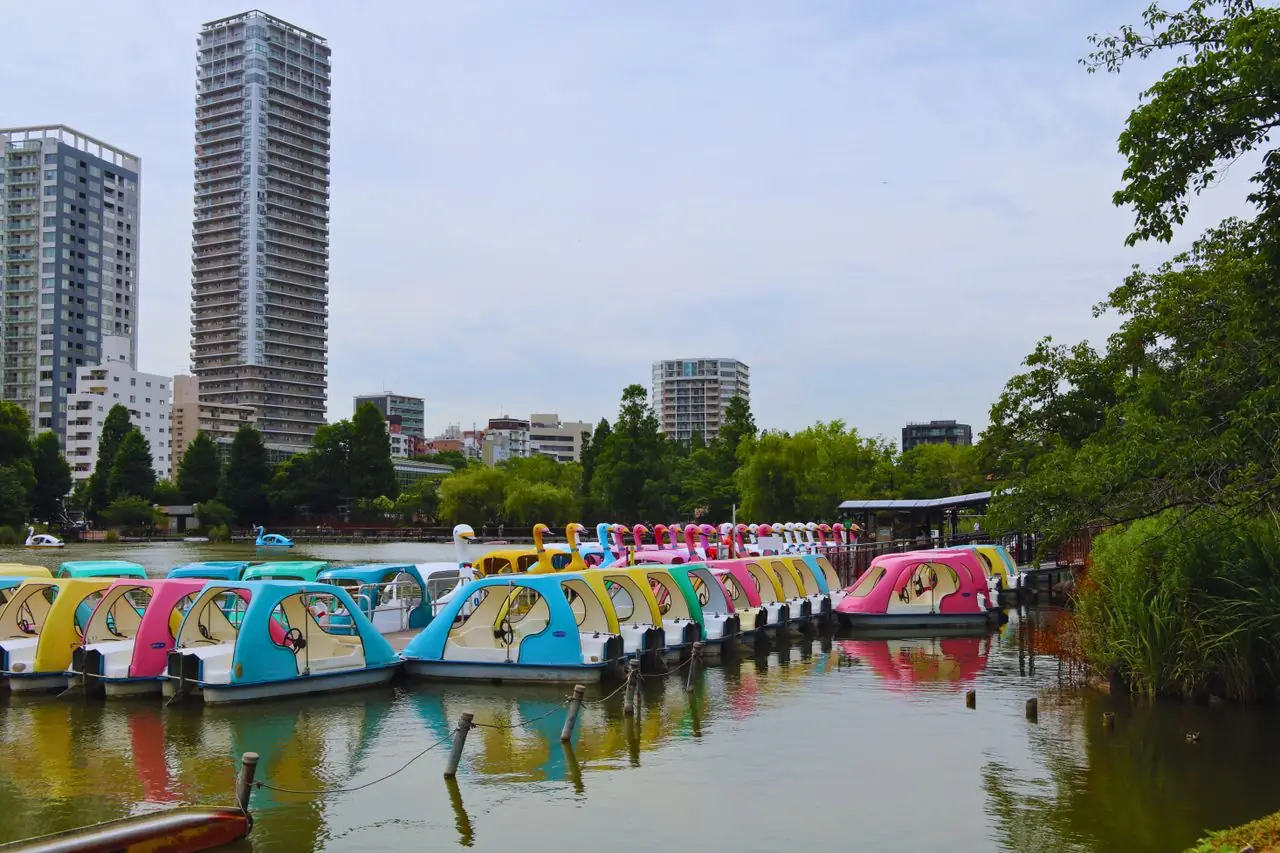
11:15am: Hibiya Line to Ueno (direct, 10-15 minutes). The kids run around Ueno Park for 30 minutes, which recharges them for the afternoon. Bathroom break at the park facilities near Bentenyama.
12:00pm: Lunch near Ueno Station. Ushihachi yakiniku if the family wants booth seating with a grill at the table, or a family restaurant chain to keep it simple. 45 minutes.
1:00pm: Train to Akihabara (3 minutes on the Yamanote Line). Kids get 45 minutes at GiGO, which has floors of crane games, rhythm games, and retro cabinets. Parents take turns slipping off to a nearby cafe.
2:00pm: Hibiya Line to Asakusa (transfer at Ueno, 25 minutes total). At Senso-ji the kids draw fortunes, light incense, and count lanterns. Spend 30 minutes at the temple, then 30 on Nakamise shopping street picking out small souvenirs. Bathroom break before you leave.
3:45pm: The tour ends. Stay on in Asakusa or head back to the hotel.
That's four stops. Using the trains well keeps the walking down, and there's buffer for bathroom stops, energy crashes, and kids simply moving slower than adults.
Family with Teenagers (12-15): Different Pacing
Teenagers can manage 5-6 stops at adult pace if the stops interest them. Start later, around 10:30am, because teenagers need their sleep. Go where they want to go: Harajuku for fashion, Akihabara for gaming, Shibuya for the energy of the city, teamLab Borderless for interactive digital art.
Skip the traditional temples unless they ask for them. Don't turn it into a lesson. Treat lunch as part of the exploring, with standing sushi bars, ramen shops where you order from a ticket machine, and street food.
Finish by 4:00pm so the evening is theirs. Teenagers push back on full-day commitments and like their downtime.
Multi-Generational (Grandparents + Parents + Kids): Slowest-Member Strategy
Plan around the slowest person. If grandparents have limited mobility, cut to 2-3 places in six hours and sit down somewhere every hour, whether that's a park, a cafe, or a temple bench.
Pick places with few stairs and confirmed elevators. Ueno Park works. Senso-ji in Asakusa has stairs, but also places to rest. Tsukiji Outer Market is mostly flat but crowded, so skip it if crowds stress older family members.
If mobility is the main concern, look at private car service:
| Tour Duration | Cost (JPY) | Cost (USD) |
|---|---|---|
| 4 hours | ¥50,000 | ~$330 |
| 6 hours | ¥60,000 | ~$400 |
| 8 hours | ¥77,000 | ~$510 |
A car takes you door to door, but you lose the feel of Tokyo at street level. Our comparison of private car vs walking tours goes through the tradeoffs.
The First 90 Minutes Rule
Put cultural stops like temples, shrines, and museums in the first 90 minutes, when kids are at their most patient and focused. By late morning, switch to things that are physical or hands-on and don't ask for sustained attention.
That way the family sees the meaningful places before hunger and tiredness set in. In the afternoon, running around and playing are the whole point of the stops.
Which Tour Product Fits Your Family
Tokyo Together: Built for Mixed Ages from the Start
Tokyo Together runs six hours, from $430 for two. It's designed for mixed ages: younger kids who need hands-on moments, older kids who want something more grown-up, and parents who want both help with logistics and some cultural depth.
It covers Tsukiji Outer Market, Ueno Park and Ameyoko Market, Senso-ji Temple and the Asakusa backstreets, and Akihabara. The route moves from food at Tsukiji to running around Ueno Park, then to Senso-ji for culture and the Akihabara arcades for play.
The tour is built on taking turns, so each person gets at least one stop that's theirs. The guide watches energy levels all day and adjusts the timing to head off meltdowns. See Tokyo Together details and availability.
Infinite Tokyo: When You Need Complete Customization
Infinite Tokyo runs eight hours, from $550 for two, and is built entirely around your family's interests, energy, and constraints. Want 90 minutes at the Pokemon Center? Fine. Need to avoid stairs because of a stroller? The guide plans the route around that.
It fits families who don't fit a template: kids with sensory sensitivities who can't handle crowds, teenagers who refuse all temples, multi-generational groups with mobility limits, or families who'd rather go deep on a few neighborhoods than cover a lot of ground.
You tell the guide what matters most (kid interests, culture, food, shopping) and the day is built around it. Explore Infinite Tokyo options.
Tokyo Trifecta: For Teenagers Who Don't Want "Kid Stuff"
Tokyo Trifecta runs four hours, from $314 for two. It covers Meiji Jingu Shrine, Harajuku's Takeshita Street, and Shinjuku's nightlife (the Omoide Yokocho alleys and the Golden Gai bar district), starting in the late afternoon around 2-3pm and finishing around 6-7pm.
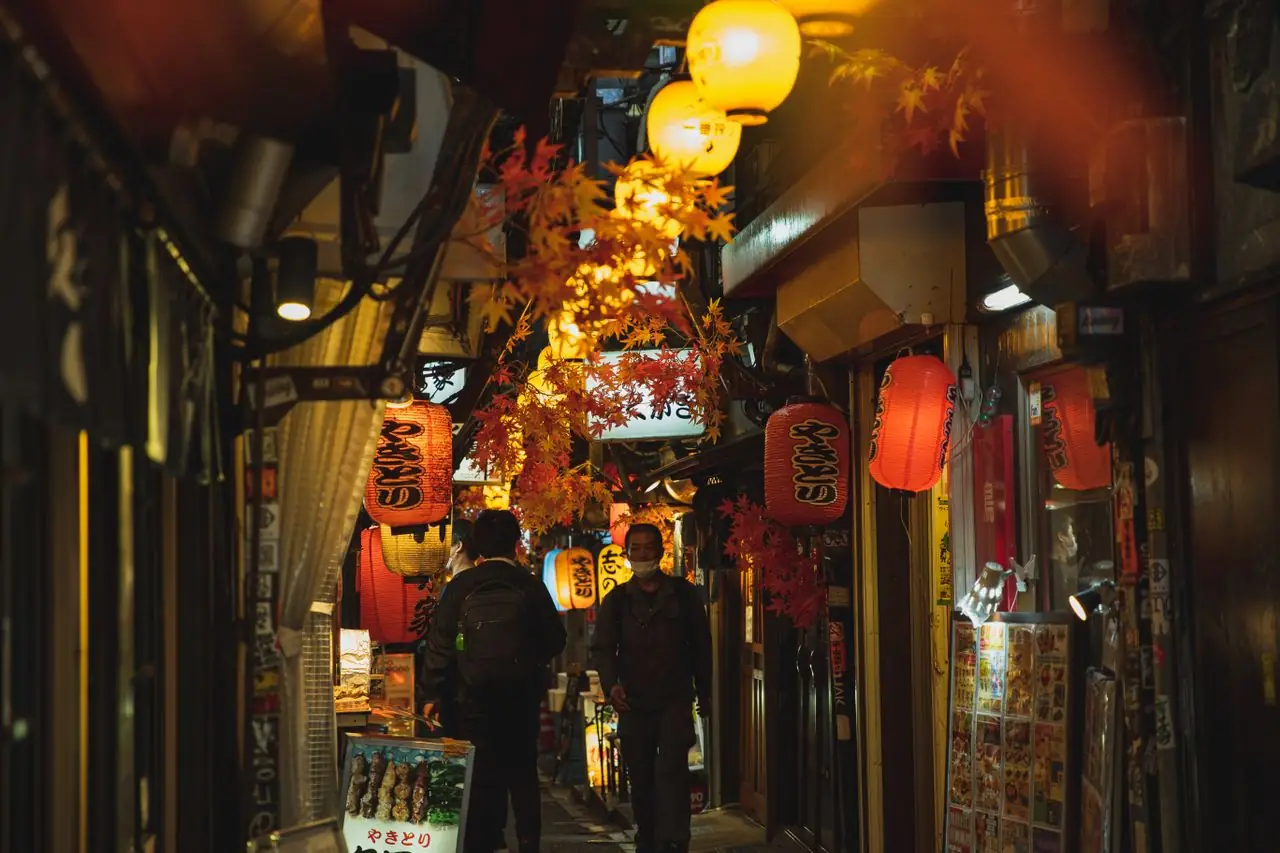
It's a good fit for teenagers, or families with teenagers, who want something short and age-appropriate without giving up a whole day. Four hours suits a teenage attention span, and moving from a shrine to street fashion to nightlife keeps it well clear of "kid stuff."
Younger kids (under 10) usually don't have the patience or interest for it. Teenagers like the quick changes of scene and the energy of the city.
What You'll Miss Without a Family-Focused Guide
Bathroom Stop Planning
Tokyo has public bathrooms in parks, train stations, and major sights. Finding one fast, when a kid announces they need to go with zero warning, means knowing where they are ahead of time.
Guides know where the bathrooms are at every stop. At Ueno Park, they know the facilities near Bentenyama are wheelchair accessible and less crowded than the main building. At Tsukiji Outer Market, they know which restaurants let non-customers use the toilet and which don't.
Restaurant Navigation for Large Groups
Most Tokyo restaurants seat 4 at most. Families of 5+ either split up or get turned away at a few places before one takes them. Guides use restaurants they've already checked can handle families.
They also translate menus, deal with dietary restrictions, explain how ordering works, and suggest dishes kids will actually eat. Without that, families fall back on familiar chains or skip proper meals because it's too much hassle.
Real-Time Route Adjustments
Plans fall apart. Kids melt down, it starts raining, someone gets sick, or the museum you were counting on is closed for a private event. Guides adjust on the spot and switch to a backup that fits what you wanted from the original stop.
One family took a guided food tour and had the best meal of their whole trip, which surprised them, since they'd assumed a guide was mostly there for logistics. A good guide also finds you things you wouldn't have found on your own.
Weather Contingency Planning
Tokyo weather changes quickly, and with kids the consequences are bigger. Rain can mean rethinking the whole day. Heat means watching for overheating and planning indoor breaks.
Rain contingencies by age:
| Age | Rain Impact | Typical Adjustment |
|---|---|---|
| Under 5 | Stroller covers help but limit interaction. Naptime timing may shift. | Pivot to covered markets (Ameyoko), department stores, or museum options. |
| 5-10 | Kids handle rain fine but parents carry everything. Energy may actually increase. | Mix outdoor with covered shopping arcades. Nakamise has partial cover. |
| 10+ | Minimal impact if prepared. May enjoy the adventure. | Continue with minor modifications. Add indoor stops if rain is heavy. |
Heat management (June-September):
In summer you have to plan hard around the heat:
- Start early. An 8:30am departure gets you real outdoor time before the 11am heat.
- Stay indoors from 11:30am-2pm, for lunch, museums, or anywhere air-conditioned.
- Make the kids drink. They won't ask for water until they're already overheating.
- Use konbini (convenience stores) to cool off. There's one every few blocks, with AC and cold drinks.
- Think about 4-hour morning tours instead of full days.
Cold weather with kids:
Tokyo winters are mild, but kids lose heat faster than adults:
- Dress them in layers that come on and off easily, since you'll be in and out of buildings all day.
- Hand warmers are sold at every konbini. Kids think they're a novelty; parents think they're essential.
- Stop for hot chocolate more often than you think you need to. It keeps everyone happy.
- Museums and department stores can fill a whole day if the cold gets miserable.
Guides check the forecast and have a plan B ready before the tour day.
Stroller Route Knowledge
Not every station has an elevator, and not every station with one has elevators to every line. To get from Asakusa on the Ginza Line to Shibuya with a stroller, you need to know which stations on the way have elevators and which force a transfer at street level.
Guides who work with families regularly know which routes work for strollers. They know which Asakusa entrance has the elevator (Exit 1 on the Ginza Line), which exit to use at Ueno, and when to take the Hibiya Line or go another way because the transfers are too awkward.
First-Day Orientation Strategy
Some families book a guide for day one only, as an orientation rather than for the whole trip. The guide shows you how the subway works, how to buy train tickets, which IC card to get, where to find ATMs that take foreign cards, and how to read station signs.
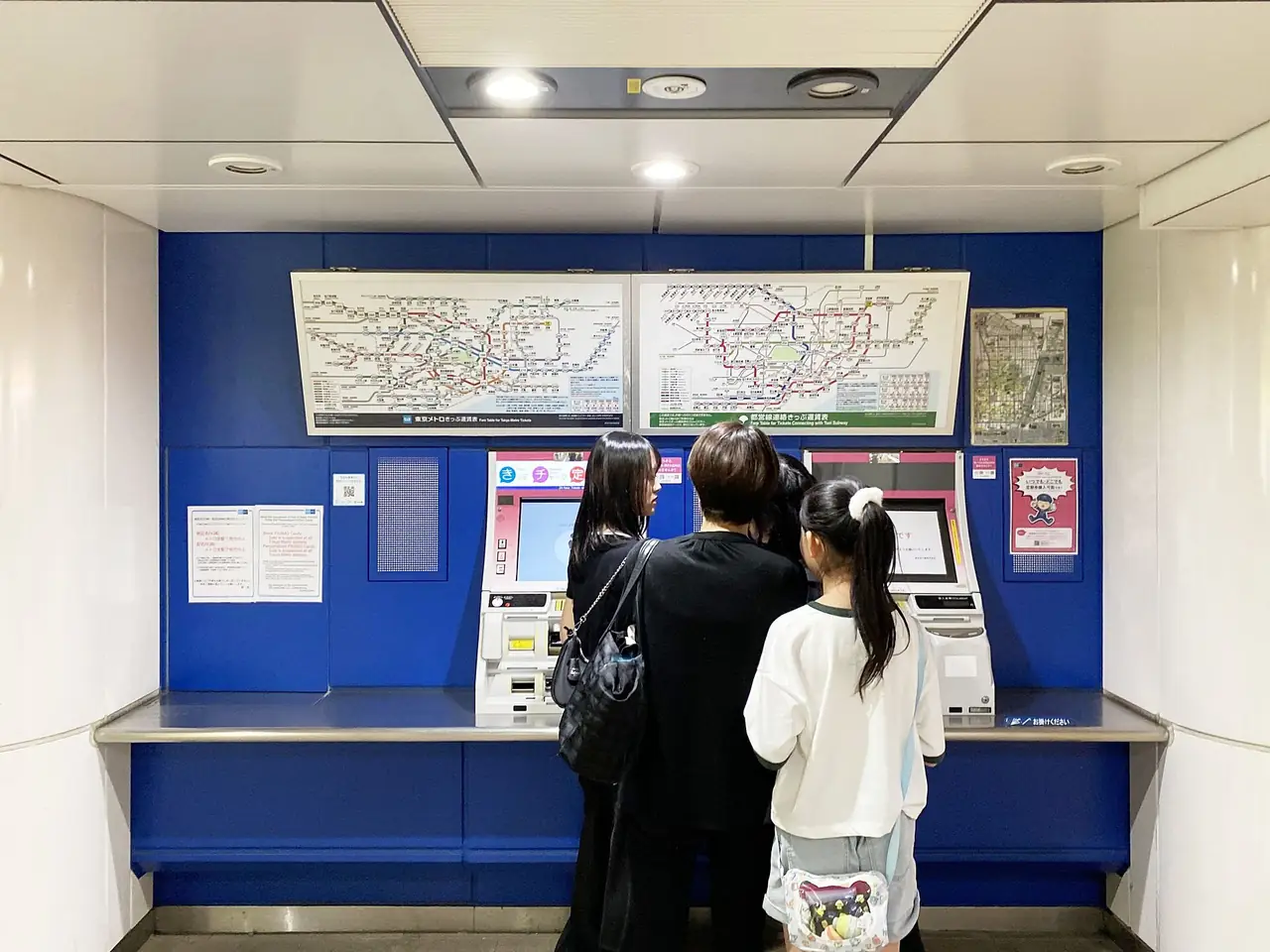
By day two you're getting around on your own with confidence. It suits families who want some cultural guidance at the start and can handle the logistics themselves once they understand the system.
If you're deciding whether a guide is worth the cost for your family, our breakdown of whether private tours in Tokyo are worth it goes through the numbers in detail.
Day-of Execution Details
Realistic Expectations About What You'll Cover
A six-hour family tour covers 3-4 major places, and an eight-hour tour covers 4-5. You won't see all of Tokyo in one day, but you'll get to know the neighborhoods you do visit. Our comparison of full-day vs half-day tours can help you pick a length.
Some families want every major landmark in a single day: Tsukiji, Senso-ji, Meiji Jingu, Shibuya Crossing, Tokyo Tower, the Imperial Palace. With kids that can't be done. Pick what matters most and accept missing the rest.
Guides help you choose based on your kids' ages, your interests, and which places are close enough to combine.
Start Times That Actually Work
Tours start once the morning rush clears, around 9:00-9:30am. Starting earlier means riding trains at 7:30-8:00am, when commuters pack the cars past capacity. A later start also gives you time for breakfast and the morning routine without rushing.
Six-hour tours end by 3:00-4:00pm. That leaves the evening free and keeps end-of-day tiredness from wrecking dinner.
What to Bring vs. What to Skip
Bring:
-
Compact umbrella stroller (if kids under 5), not a full-size Western model
-
Small backpack with snacks, water bottles, and wipes
-
Rain gear (Tokyo weather shifts quickly)
-
Portable battery pack for phones
-
Yen cash (some vendors and restaurants don't accept cards)
Skip:
-
Large diaper bags (keep it compact)
-
Bulky strollers
-
Formal outfits that need dry cleaning (kids will spill)
-
Rigid schedules (flexibility keeps the stress down)
Our guide to what to wear and bring on Tokyo private tours has a fuller packing list.
Communicating Your Family's Specific Needs
Tell your guide about sensory sensitivities, food allergies, mobility limits, your kids' particular interests (Pokemon, Ghibli, trains), naps, how often they need the bathroom, and anything else that affects the day.
Guides work around all of it. They avoid crowded markets for kids with sensory issues, schedule quiet time after something overstimulating, find restaurants that are safe for allergies, and leave room for toddler naps.
The more specific you are about constraints, the better the guide can plan the day.
Seasonal Considerations for Family Tours
Tokyo's seasons hit families harder than adult-only trips. Kids cope less well with weather extremes, and crowds make every logistical problem bigger.
| Season | Family Impact | What Changes | Recommendation |
|---|---|---|---|
| Cherry blossom (late Mar–early Apr) | Parks crowded with hanami groups. Stroller navigation difficult on packed paths. | Outdoor time at Ueno Park less enjoyable. Indoor alternatives (aquarium, museums) more appealing. | Manageable. Book guide 6 weeks ahead. Accept you'll see blossoms but skip extended park time. |
| Golden Week (Apr 29–May 6) | Every family-friendly venue at capacity. Train platforms unsafe for small children during peak crowding. | Kid activities (KidZania, Pokemon Center, Ghibli Museum) fully booked. Restaurants packed. | Avoid. Worst timing for families. If unavoidable, book everything weeks ahead. |
| Rainy season (Jun–early Jul) | Unpredictable weather. Kids trapped indoors during downpours. Strollers on wet streets challenging. | Need indoor backup plans. Umbrellas plus kids plus crowds = frustration. | Challenging. Have indoor-heavy itinerary ready. Guide value highest here, since real-time pivots are essential. |
| Summer (Jul–Aug) | Heat exhaustion risk for kids. Meltdowns multiply in humidity. Obon (mid-Aug) adds crowds. | Require frequent AC breaks, shorter outdoor segments, more hydration. Evening tours more viable. | Avoid peak heat hours. If summer is your only option, start early, end by 2pm, heavy AC breaks. |
| Autumn (Sep–Nov) | Comfortable temperatures. Kids can play outdoors without overheating. Foliage beautiful. | Best conditions for park time, outdoor markets, temple walking. | Ideal. Best family season. Book 4 weeks ahead for November dates. |
| Winter (Dec–Feb) | Cold requires layers. Kids' stamina may decrease. New Year period crowded. | Shorter outdoor segments. Indoor attractions more appealing. Earlier sunsets limit daylight activities. | Good for resilient families. January-February quietest. Bundle up for outdoor time. |
School holiday impact: Japanese schools break for summer (late Jul to Aug), winter (late Dec to early Jan), and spring (late Mar to early Apr). Domestic family travel jumps in those windows, so kid-focused venues book up and international families end up competing with local ones for the same attractions.
Guide value by season: A guide is worth the most in summer and the rainy season, when you need to switch to air-conditioned options on the fly, know which indoor venues have short lines, and handle logistics the weather keeps scrambling. In good weather, the value shifts to cultural context and pacing.
Medical and Emergency Preparedness
Kids get sick, fall over, and need medical help when you least expect it. Japan's healthcare system is excellent, but working your way through it in a crisis, in a foreign language, is stress you don't need.
Emergency Resources
| Resource | Details |
|---|---|
| Emergency number | 119 (ambulance/fire). Operators may have limited English. Ambulance service is free. |
| Japan Visitor Hotline | 050-3816-2787 (24/7, English). JNTO support line for tourist emergencies. |
| St. Luke's International Hospital | Chuo Ward. 24/7 emergency, English-speaking pediatric care available. Tokyo's primary international hospital. |
| Tokyo Saiseikai Central Hospital | Minato Ward. JMIP-certified, medical interpreters on-site. Pediatric department. |
| Nearest pharmacy | Ask your guide. They can explain symptoms in Japanese and help identify appropriate children's medications. |
Travel Insurance for Families
Japan doesn't require travel insurance, but families should have it. Kids have more mishaps, from minor injuries to sudden fevers and allergic reactions, and out-of-pocket costs in Japan add up.
| Coverage Type | Minimum for Families | Notes |
|---|---|---|
| Medical expenses | $50,000+ per person | Japanese ER visits run ¥20,000-50,000+ without insurance. |
| Medical evacuation | $100,000+ | Medevac with a sick child is logistically complex and expensive. |
| Trip interruption | Match trip value | Covers non-refundable costs if a child's illness forces early return. |
| Emergency family transportation | Recommended | "Return of Minor Children" coverage if a parent is hospitalized. |
Payment reality: Japanese hospitals want payment up front and don't bill foreign insurers directly. Bring a credit card with enough limit on it and claim the money back from your insurer once you're home.
What to Bring (Medical)
| Item | Why |
|---|---|
| Children's medications | Tylenol/ibuprofen, antihistamines, any prescription medications. Japanese formulations differ from Western versions. |
| Medical info card | Child's name, age, allergies, medications, blood type, emergency contact, in BOTH English and Japanese. Critical for ER visits. |
| Insurance cards and policy number | Physical copies. Digital backup in email/cloud. |
| Doctor's note | For any prescription medications, especially anything containing controlled substances. |
How Guides Help in Medical Situations
Guides aren't medical professionals, but they're a big help when something goes wrong:
- They explain symptoms to pharmacists, clinic staff, or ER intake.
- They know the nearest hospitals, which convenience stores carry children's fever reducers, and where to find a taxi quickly.
- They keep the rest of the family occupied while one parent deals with the medical problem.
- They can change the plan or end the tour early, help you get back to your hotel, and make phone calls in Japanese.
One parent said that having a guide when their child spiked a fever mid-tour meant "not panicking in a foreign country." The guide found a pharmacy, explained the situation, and had the right medication within 20 minutes.
Our Japan travel insurance guide covers medical preparation in more depth, including the rules for bringing medication into Japan.
What Families Say
"Our daughter is in a wheelchair and Satoshi went out of his way to accommodate her needs. It felt like spending the day with a friend showing us around Tokyo."
"Satoshi kept it interesting for our 10 and 8 year old kids and showed us hidden gems across multiple neighborhoods. It felt like traveling with a friend!"
There are more family testimonials, including from multigenerational groups, in our multigenerational family travel guide.
Frequently Asked Questions
What age is appropriate for a private tour in Tokyo?
Any age works, but the day looks different. Under 5, expect short attention spans and more breaks. Kids aged 5-10 engage well but need variety and snacks. From 10+, they can handle longer cultural stops. Guides adjust the pace and content to your children's ages and interests.
Can we bring a stroller?
Yes. Tokyo is easier with a stroller than most people expect. Most major stations have elevators, and guides know which ones. Traditional neighborhoods with narrow streets and steps are harder. Mention the stroller when you book so the route accounts for it.
How do you keep kids engaged?
By giving them things to do: hunting for specific items, counting shrine features, trying new foods, arcade stops, anything hands-on. Variety matters most, so cultural sites get mixed with kid-friendly stops instead of one long run of temples. A good guide notices when attention fades and changes course.
What happens if my child melts down?
The guide handles it. There's always a fallback, whether that's a nearby park, a convenience store for snacks, a quiet cafe, or cutting a stop short. Private tours can bend in ways group tours can't, so the day works around your family instead of a fixed schedule.
Is Tokyo safe for kids?
Very. Japan consistently ranks among the safest countries in the world. Lost children are rare, and when it happens, people actively help and it gets sorted out quickly. The city is also exceptionally clean. The main risk is exhaustion from overscheduling, more than crime or any physical hazard.
Ready to Book?
If you're planning a family trip to Tokyo and want a guide who keeps the kids engaged while the parents enjoy themselves too, a private tour is the easiest way to get that.
Photo credits
- Rows of capsule toy machines outside a shop in Akihabara: Ominae / Wikimedia Commons, CC BY-SA 4.0, resized
- Subway entrance with stairs beside a street-level elevator at Akabane-Iwabuchi Station: LERK / Wikimedia Commons, CC BY-SA 4.0, resized
- Crowded platform at JR Yurakucho Station during rush hour: nesnad / Wikimedia Commons, CC BY 3.0, resized
- Shoppers walking past clothing stores on Takeshita Street in Harajuku: Joe Mabel on Flickr as Joe Mabel from Seattle, US / Wikimedia Commons, CC BY-SA 3.0, resized
- Family buying tickets at Tokyo Metro fare machines in Asakusa Station: Kzaral / Wikimedia Commons, CC BY 2.0, resized