Peak seasons favor DIY because fixed transport prices don't surge like tour prices. Off-peak weekdays favor agents because group discounts beat individual rates. Private tours are never the cheapest option — they're the flexibility option.
Travel agent vs DIY Tokyo: which one costs less depends on when you go and how complicated the trip is. General advice won't settle it.
The Direct Answer (Before Details)
Peak seasons (Obon, Golden Week, New Year): DIY is often cheaper. Shinkansen fares and city hotels have fixed or minimal surge pricing, while tours price on demand.
Off-peak weekdays: agents are often cheaper, because their group discounts beat individual rates.
Private tours: never the cheapest option. You're paying for flexibility and customization, and the price reflects that.
Complex multi-city trips: an agent may save you money. Bundled pricing adds up efficiently, and you avoid the navigation mistakes that cost time.
Single-city short trips: DIY if price comes first, a private guide if the experience does. Skip the package tours in between.
What Travel Agents Actually Charge
The Fee Structure (Japanese Agencies)
Japanese travel agencies charge arrangement fees (手配料) on top of the actual costs. The standard:
- JTB, HIS, NTA, Club Tourism: ¥1,100-5,500 per arrangement item (one hotel booking = one item, one flight = one item)
- Minimum fee: ¥1,100 per arrangement item (one hotel booking = one item, one flight = one item)
- Package tours: fees are built into the total price, not listed separately
Source: JTB fee schedule, NTA domestic fee table
So a ¥50,000 hotel booked through an agent costs ¥50,000 + ¥1,100 (the minimum fee), or possibly 20% (¥10,000) if it's a complex custom arrangement.
Package tours skip per-item fees because they're designed in advance. Custom arrangements are what trigger the fee schedule.
What You're Paying For
Agent fees cover:
- Reservation handling
- Coordination across providers
- Help when something goes wrong
- Documentation and ticketing
- Sometimes bundle discounts individuals can't get
Every agent charges something, so the useful question is whether you get more than you pay for.
When DIY Wins: Peak Seasons
The Counterintuitive Truth
Peak seasons (Golden Week, Obon, New Year) make package tours expensive. Operators price on demand, and hotels and transport companies charge agencies more because everyone wants those dates.
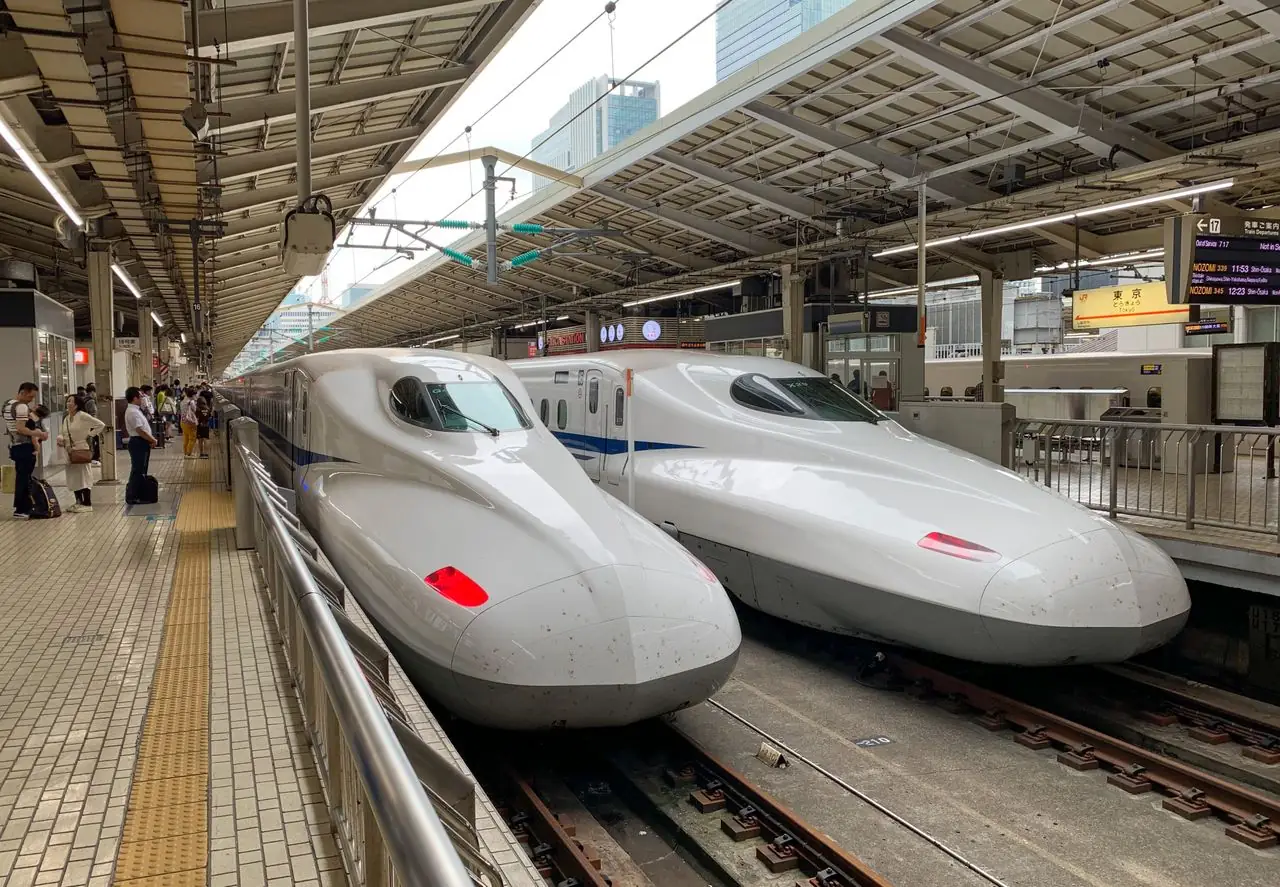
Shinkansen fares and city hotels, on the other hand, often rise very little compared with tours:
- Shinkansen: even in peak season, fares go up only ¥400-800 over base (the reserved seat premium is limited)
- City hotels: business hotels may keep weekday rates through holiday periods, since corporate travel drops off
- Flights: these do surge a lot, but you can book early or fly a budget carrier
Source: tabihuru.com comparison analysis, JR fare structures
Example: New Year Tokyo Trip
Package tour price: ¥80,000 per person (3 days, hotel + some meals + attractions)
DIY breakdown:
- Shinkansen Tokyo-Osaka round trip: ~¥15,000 (minimal peak surcharge)
- Business hotel 3 nights: ~¥25,000 (weekday rates often apply Dec 29-30)
- Meals: ~¥9,000 (you control spending)
- Attractions: ~¥3,000 (you choose what to pay for)
- Total DIY: ~¥52,000
Savings: ¥28,000 per person
The gap exists because tours are priced for peak demand, and some of the parts (city hotels, the Shinkansen) don't climb nearly as much.
When DIY Peak Season Math Works
DIY comes out ahead in peak season when:
- You're comfortable booking early (flights surge if you wait)
- You stay in business hotels, not luxury ones
- You're flexible on food (convenience stores, mid-range restaurants)
- You get around without paid help
It loses in peak season when:
- You want luxury hotels (these surge a lot)
- You leave flights too late
- You want everything handled for you, with no planning
- You need complex logistics (multi-city, special access)
When Agents Win: Off-Peak Weekdays
Group Discounts Beat Individual Rates
On off-peak weekdays (a random Tuesday in November, weekdays in February) the pricing flips:
- Hotels: discounted rooms exist, but agents get group rates that still beat booking yourself
- Transport: agencies negotiate bulk prices with operators
- Attractions: group admission is often cheaper than individual tickets
- Package tours: operators cut prices to fill seats
Source: tabihuru.com analysis of agency vs DIY weekday pricing
Example: February Weekday Tokyo Trip
Package tour price: ¥35,000 per person (3 days, mid-range hotel + some meals)
DIY breakdown:
- Flights (budget carrier): ~¥8,000
- Hotel 3 nights (individual booking): ~¥18,000 (no group discount)
- Meals: ~¥6,000
- Attractions: ~¥2,500
- Total DIY: ~¥34,500
Result: almost the same. The package, though, also includes transport coordination, a guide on some segments, and someone to call if things go wrong, so for about the same money you get more convenience.
When Agent Off-Peak Math Works
Agents come out ahead off-peak when:
- You want everything handled (no planning effort)
- Group tours suit how you travel
- Mid-range hotels and attractions fit what you want
- You don't need anything customized
They lose off-peak when:
- You want luxury or rock-bottom budget (group tours aim at the middle)
- Customization matters to you (packages are fixed)
- You enjoy planning and don't want help
Hidden Costs of DIY (The Fees You Don't Expect)
Transport Hidden Costs
DIY travelers sometimes miss fees that a package price already includes:
- Fuel surcharges (燃油サーチャージ): airlines sometimes leave these out of the displayed base fare
- Baggage fees: budget carriers charge for checked bags (¥1,500-3,000+)
- Airport access: Narita Express ¥2,470, Haneda monorail ¥490, neither included in the flight price
- Reserved seat premiums: reserved Shinkansen seats cost more than unreserved
Hotel Hidden Costs
- Service charge (宿泊サービス料): some hotels add a 10-15% service fee at checkout
- Hot spring tax (入湯税): ¥150 per person in onsen areas
- Parking: city hotels charge ¥1,000-2,000/night
Activity Hidden Costs
- Queue time: on your own you stand in the lines, while tours sometimes book timed entry
- Navigation mistakes: a wrong train or a closed attraction means lost time
- Language problems: a restaurant that can't follow your request makes ordering stressful
None of these will ruin a trip, but each adds friction. An agent's price covers them. Going DIY, you have to see each one coming.
Hidden Costs of Agents (The Fees They Don't Emphasize)
Cancellation Penalties
Package tours carry steep cancellation penalties:
- 20+ days before: little or no fee
- 7-20 days before: 20-30% penalty
- 2-6 days before: 50-70% penalty
- Day before or same day: 100% penalty
Source: JTB cancellation terms, NTA terms
DIY bookings are more forgiving:
- Shinkansen: a ¥320 refund fee per ticket
- Hotels: many allow free cancellation until the day before
- Flights: depends on the fare type, though budget carriers sometimes allow changes
If there's a chance your plans will change, that flexibility is worth a lot.
Change Fees
Package tours charge you to change the itinerary, while DIY lets you rebook pieces one at a time. A ¥60,000 tour that needs a date change could cost ¥12,000-30,000 in penalties. Rebooking a DIY trip might cost ¥1,000-5,000 in total.
What Private Tours Cost (And Why They're Not the Cheapest)
Honest Pricing
A private tour in Tokyo with a good guide costs ¥30,000-50,000+ per day. That's per group, so 2-4 people split it.
A private tour doesn't include:
- Hotels (you book separately)
- Flights (you book separately)
- Meals beyond what you eat with the guide
- Transport beyond getting around with the guide
Why Private Isn't About Price
You pay more for a private tour, and in return you get:
- Customization: your route, your stops, your pace
- Flexibility: you can change plans mid-tour when you find something
- Cultural depth: you understand what you're seeing, beyond ticking off attractions
- Privacy: no strangers in your group
If price is your main filter, a private tour won't suit you. It's worth it when flexibility and depth matter more to you than the lowest cost.
When Private Tours Are Worth the Premium
A private guide makes sense when:
- Your time is short (1-3 days), so navigation mistakes cost more than the guide does
- You want cultural depth past the surface attractions
- Your interests don't fit the standard routes
- You want into places research won't turn up (artisan workshops, introduction-only venues)
It doesn't make sense when:
- Price is the main constraint
- You have 5+ days and can afford time to learn
- The standard sights cover what you want
- You don't need anything customized
Real Cost Examples
Example 1: Solo Traveler, 3 Days Tokyo, Peak Season (Golden Week)
| Method | Cost | What's Included |
|---|---|---|
| Package tour | ¥75,000 | Hotel + some meals + attractions + transport coordination |
| DIY | ¥50,000 | Hotel + meals + attractions + transport (self-booked) |
| Private guide (1 day) + DIY (2 days) | ¥70,000 | ¥40,000 guide + ¥30,000 DIY days |
In peak season DIY is cheapest. The private guide adds ¥20,000 over DIY and gets you a faster, deeper Day 1.
Example 2: Family of 4, 5 Days Tokyo, Off-Peak Weekday (November)
| Method | Cost | What's Included |
|---|---|---|
| Package tour | ¥140,000 total | Hotels + some meals + group guide segments |
| DIY | ¥130,000 total | Hotels + meals + transport (self-booked) |
| Private guide (2 days) + DIY (3 days) | ¥160,000 total | ¥80,000 guides (2 days @ ¥40k/day) + ¥80k DIY |
Off-peak, the package and DIY come out close. A private guide costs more, and in return the family gets a day planned around them and someone explaining what they see.
Example 3: Couple, 2 Days Tokyo, Any Season
| Method | Cost | What's Included |
|---|---|---|
| Package tour | ¥50,000 | Hotel + some meals + group tour segments |
| DIY | ¥35,000 | Hotel + meals + attractions (self-booked) |
| Private guide (full 2 days) | ¥75,000 | Guides both days + you handle hotels/meals |
For 2 days, DIY is cheapest. A private guide costs about double, and you get a fully customized trip with someone explaining the culture as you go. The package sits in the middle on price but leaves you little flexibility.
The Decision Framework
Choose DIY When:
- You're traveling in peak season (Golden Week, Obon, New Year)
- You enjoy planning and research
- Budget is the main constraint
- You have time to learn the trains (5+ days)
- Your plans might change (flexible cancellation matters)
Choose Travel Agent When:
- You're traveling on off-peak weekdays
- You want everything handled (no planning effort)
- Group tours suit you
- Fixed schedules don't bother you
- You're booking complex multi-city logistics
Choose Private Guide When:
- Time is scarce, so flexibility and efficiency count for more than the lowest price
- You want cultural depth beyond the surface attractions
- Your interests don't fit the standard routes
- You want a real relationship with your guide
- You want access to places research can't find
The Honest Answer
Neither travel agents nor DIY is cheaper across the board. It turns on timing, how complex the trip is, and what you care about.
Peak seasons: DIY is often cheaper, because fixed transport prices don't surge the way tour prices do.
Off-peak weekdays: agents are sometimes cheaper, because group discounts beat individual rates.
Complex trips: agents may come out ahead on bundled pricing and fewer mistakes.
Simple trips: DIY is cheaper, and a private guide gives you the better experience.
Private tours are never the cheapest. People choose them for flexibility, depth, and access.
If price decides it and you have time to plan, go DIY. If you want the logistics handled and you're traveling off-peak, use an agent. And if you care most about the experience and understanding what you see, book a private guide.
If you're leaning toward a private guide, our Tokyo Private Tour Pricing Guide breaks down what you pay and what you get. When you're ready to look at options, Tokyo Essentials and our full Tokyo private tours are good places to start.
Photo credits
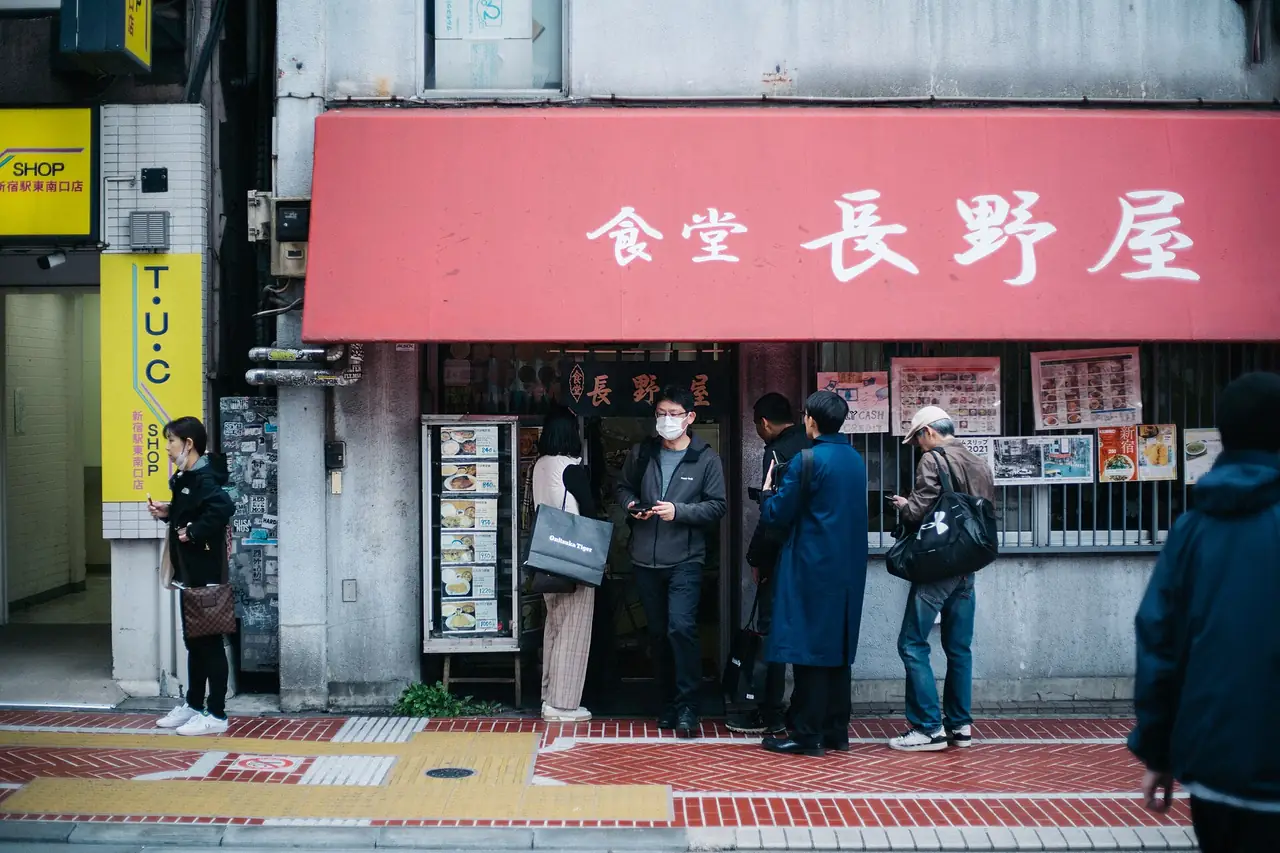
- People queuing outside Nagano-ya, a small diner in Shinjuku San-chome: Dick Thomas Johnson / Wikimedia Commons, CC BY 2.0, resized