Most visitors plan based on what they want to see. Tokyo's scale and your stamina decide what's realistic.
Tokyo private tour options look like a simple menu, but what you can realistically do depends on Tokyo's scale and your stamina more than on your list of things to see.
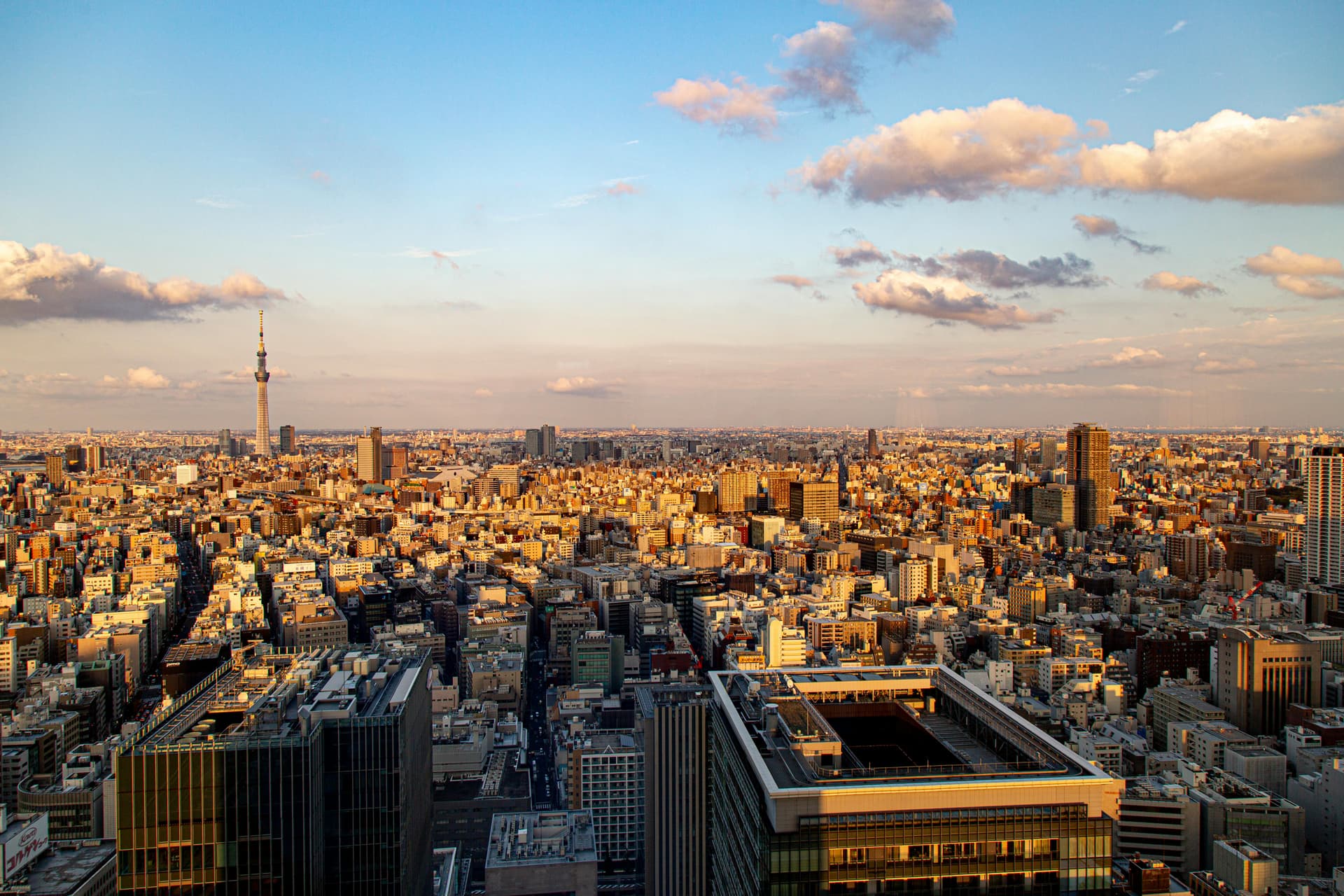
Most tour comparison pages present durations as a choice of 4, 6, or 8 hours, and you pick whichever feels right. Tokyo is bigger than it feels on a map, though. Getting from Asakusa to Shibuya takes 40-50 minutes door to door, against the 33 minutes the train schedule shows. On a 4-hour tour, that one trip uses up 20% of your time, which is why we plan from the map first and fit the wishlist into it.
40 Minutes You Didn't Budget For
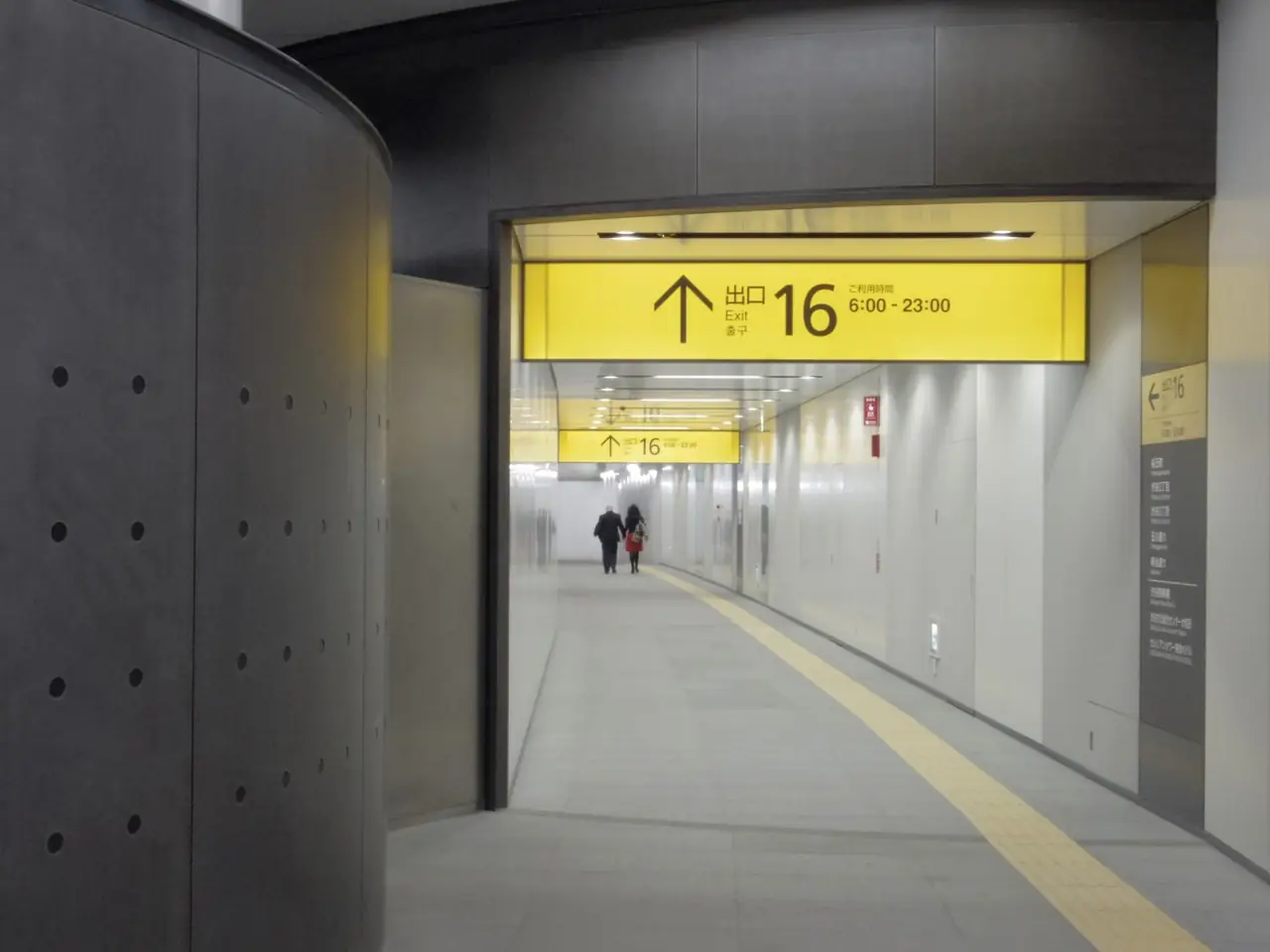
The Ginza Line from Asakusa to Shibuya takes 33-37 minutes platform to platform. Add 5-10 minutes to get through Asakusa Station and another 5-10 to find the right exit at Shibuya, where the redevelopment keeps moving exits around, and you can see why train time and real time are so far apart.
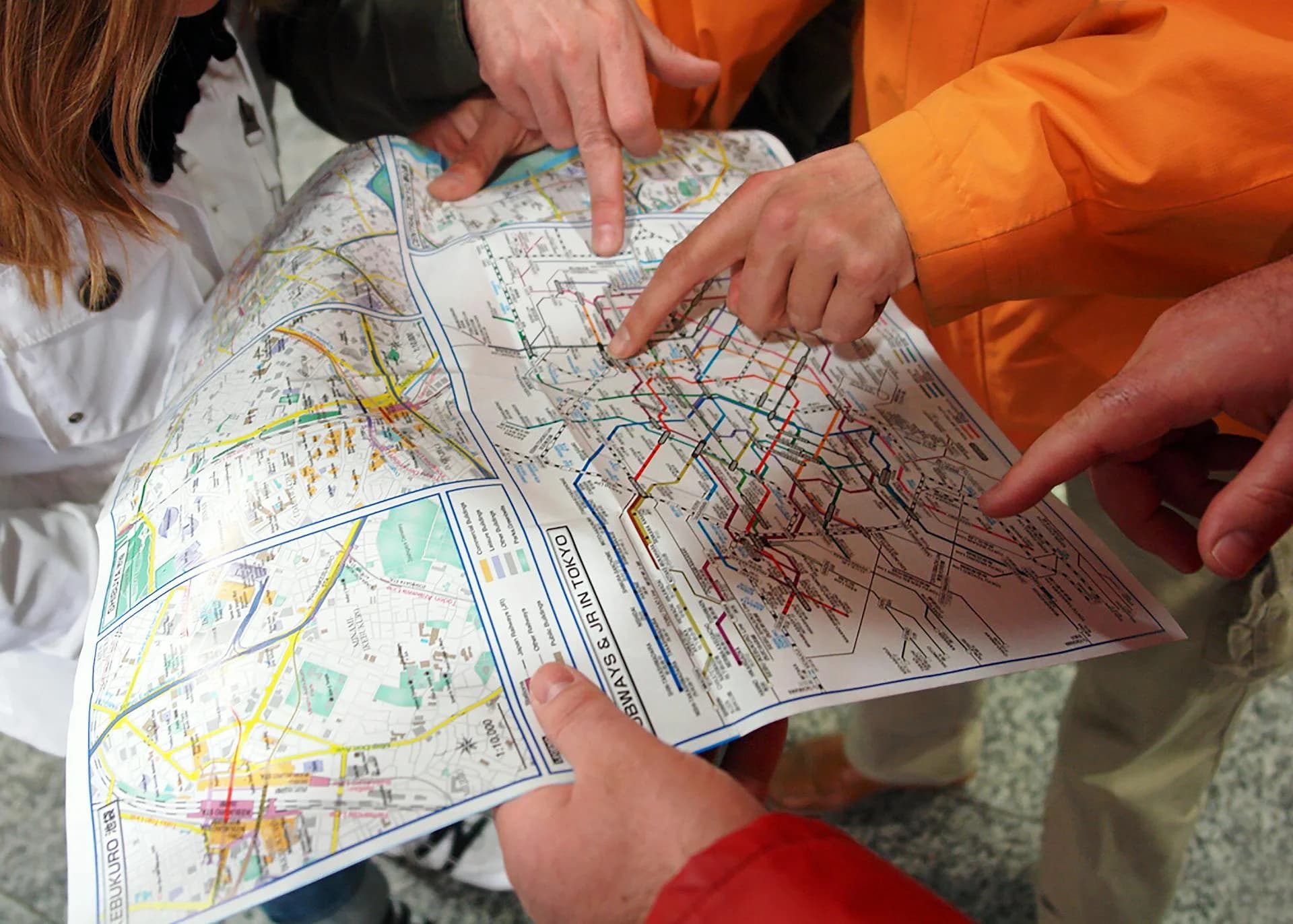
The same thing happens on every major trip across the city. Shinjuku Station has over 200 exits and 5 different rail operators, and first-time visitors spend 10-15 minutes just finding the right platform. At Tokyo Station, the Marunouchi and Yaesu sides are a 10+ minute walk apart underground.
Train Time vs. Real Time
Here's how some common routes compare:
-
Asakusa to Shibuya: 33-37 min train → 40-50 min door-to-door
-
Shinjuku to Asakusa: 25-30 min train → 35-45 min door-to-door
-
Ueno to Shibuya: 25-30 min train → 35-40 min door-to-door
-
Tokyo Station to Harajuku: 15-20 min train → 25-30 min door-to-door
On a 4-hour tour with two cross-city trips, you lose 80-100 minutes to travel alone.
What Clustering Actually Means
A well-planned tour groups neighborhoods that sit close together. Asakusa, Ueno, and Yanaka are 5-15 minutes from each other. Shibuya, Harajuku, and Meiji Shrine are next to each other, close enough to walk.
Neighborhoods that link up easily:
-
East Tokyo cluster: Asakusa → Ueno → Yanaka (all within 10-15 min transit or walking)
-
West Tokyo cluster: Shibuya → Harajuku → Meiji Shrine (walkable, 4 min train max)
-
Central cluster: Tsukiji → Ginza → Imperial Palace East Gardens
The itinerary people dream up, with Asakusa in the morning, Shibuya for lunch, and Ueno again in the afternoon, spends hours on trains.
19,000 Steps Before Lunch
Tourists in Tokyo walk 19,000-27,000 steps a day when they're actively sightseeing, which is 14-20 kilometers. Even travelers who think they're taking it easy are worn out by mid-afternoon. Our walking expectations guide has step counts for each tour length.
Most of that walking happens between the sights, in stations and on the streets that connect them.
The Walking Nobody Counts
Getting through stations adds a lot of distance on its own. The transfer from the Marunouchi Line platform to the JR lines at Shinjuku can take 10-15 minutes on foot. At Shibuya, construction keeps shifting platform locations, and the detours add hundreds of meters.
Inside neighborhoods, it adds up too:
-
Nakamise Street at Senso-ji: 250 meters each way
-
Ueno Park from station to Tokyo National Museum: 600+ meters
-
Shibuya Crossing to the best Harajuku vintage shops: 1.2 kilometers
One traveler planned "just 2-3 activities per day" to keep things comfortable and still walked 6+ hours a day, almost all of it getting from one activity to the next.
When Your Brain Gets Tired Too
Mental tiredness creeps up more slowly than the physical kind.
Every trip across town means a string of decisions: which line, which direction, which exit, which street. First-time visitors lose 2-3 hours daily to navigation inefficiency, mostly from moving slower than someone who knows the way rather than from getting lost.
By day three, even small decisions feel harder. "Where should we eat?" is a hard question when you're outside a station with 200 exits and no picture of the neighborhood in your head.
That's why people who try to fit Shibuya, Shinjuku, and Asakusa into one afternoon call it "utterly exhausting." The distances alone are manageable, but the decisions keep piling on top of them.
What 4, 6, and 8 Hours Actually Buy
Our booking data is consistent: 50% of travelers choose 6-hour tours, 25% choose 4 hours, and 25% choose 8 hours. Each length suits a different situation. If you're weighing a half day against a full day, our duration comparison guide goes into that tradeoff.
4 Hours: When It's Enough
A 4-hour tour covers 2 neighborhoods that sit close together, with no break needed. Expect 2-3 major sites, 5-8 kilometers of walking, and 8,000-10,000 steps.
Four hours works when:
-
You want a focused introduction rather than full coverage
-
Jet lag cuts into your afternoon stamina
-
You're fitting a tour into a day that's already full
-
Younger children can't stay engaged for longer
-
Your budget means choosing carefully, and a private tour isn't always necessary (here's when to skip one)
Example 4-hour clusters:
-
Asakusa + Ueno (temples, shrines, Ameyoko market)
-
Shibuya + Harajuku (crossing, shopping streets, youth culture)
Four hours won't cover several famous Tokyo sights spread around the city. The travel time rules it out.
6 Hours: Why Half Our Travelers Choose This
A 6-hour tour covers 3 neighborhoods and builds in one proper break. Expect 4-5 sites and 8-12 kilometers of walking. For most first-time visitors, this is the right length.
Six hours works when:
-
You want Tokyo's big contrasts (traditional and modern, east and west)
-
People in your group have different energy levels
-
You want time for a proper sit-down lunch
-
You want a guide without wearing yourself out
One traveler wrote: "We did the six hour tour so that we will be able to fight jet lag. It was a great idea." The break gives you time to recover while the guide takes care of the logistics.
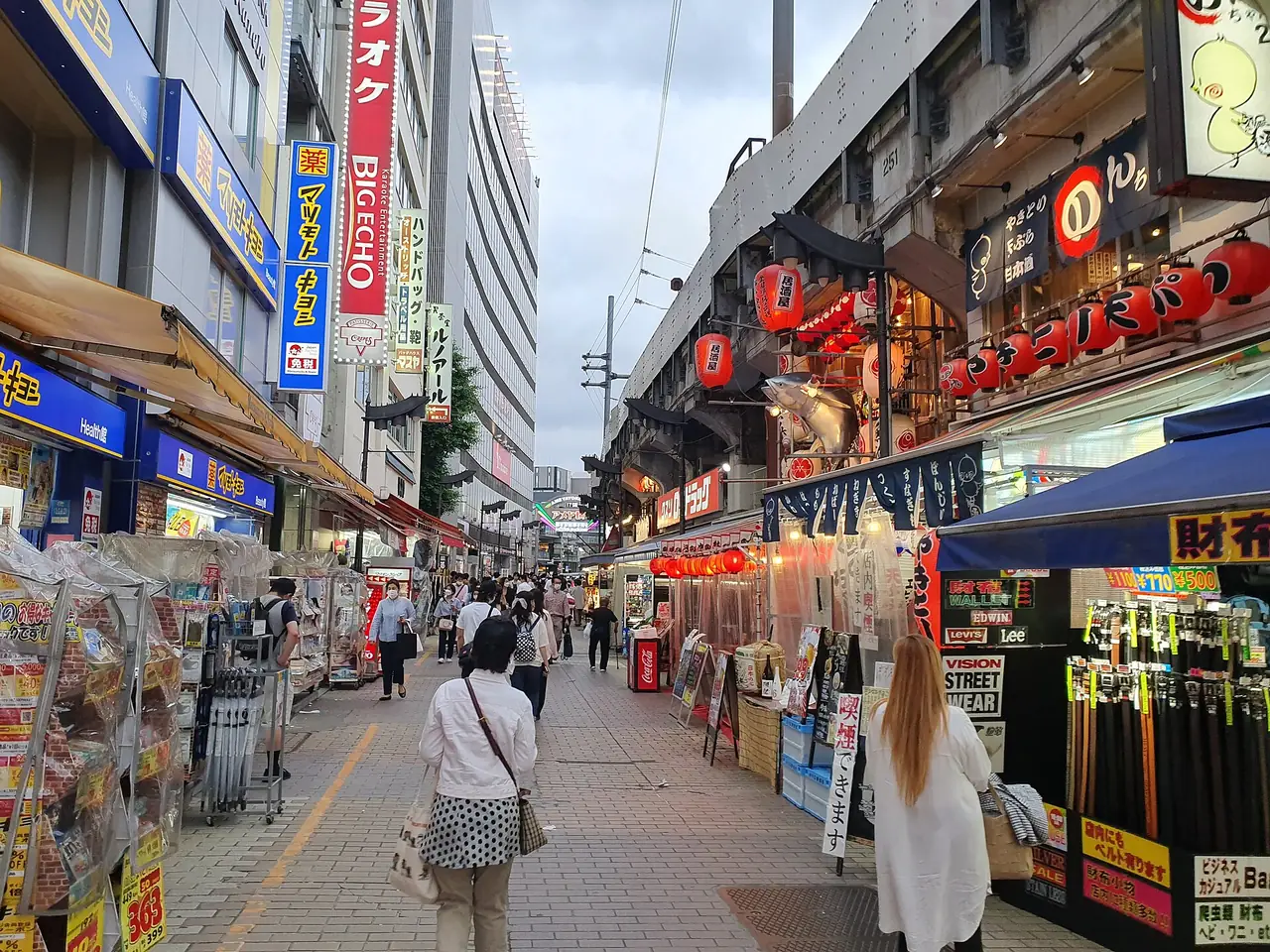
A typical 6-hour day runs Tsukiji Market (the morning food scene) → Ueno/Ameyoko (lunch break) → Asakusa (temples in the afternoon) → Akihabara (if you want to extend). That's three quite different areas, linked without much wasted travel.
8 Hours: When It Makes Sense
An 8-hour tour covers 4+ neighborhoods with several breaks. Expect 5-6+ sites, 10-15 kilometers of walking, and 12,000-18,000 steps. It's the option for travelers who want to go deeper.
Eight hours works when:
-
You've been before and want the areas you missed
-
You want to go deep on a particular interest (history, food, architecture)
-
Your group has plenty of stamina and really wants to explore at length
-
You have few days in Tokyo and need to make the most of each one
One review said: "He got everything in, even with our extra slow walking, and got us back right in time at 8 hours." A good guide paces the day to your real energy and fits in breaks without wasting time.
Eight hours is too long for travelers who tire easily or groups with mixed stamina, since exhaustion can spoil the last few hours.
The 5% Who Need a Car
For most tours, Tokyo's trains are faster and cheaper than a car, and they drop you closer to the pedestrian areas where most of the good stuff is. A car does become necessary in a few situations: limited mobility, young children, recovering from summer heat, or jet lag bad enough that you need rest between stops.
Our full analysis of when car transport actually makes sense covers this in detail.
The Math Nobody Shows You
Tour pricing looks simple: $430 for 6 hours. That's the base rate for 2 people, though. The full cost depends on group size, transport, and the small expenses that pile up over the day.
Base Price Per Person Drops Fast
Private tours get cheaper per person as the group grows. Here's 6-hour tour pricing:
| Group Size | Total Price | Per Person |
|---|---|---|
| 2 people | $430 | $215 |
| 4 people | $552 | $138 |
| 6 people | $678 | $113 |
| 8 people | $800 | $100 |
A couple pays $215 each and a group of 8 pays $100 each, for the same guide and the same number of hours.
8-hour tours follow the same pattern:
| Group Size | Total Price | Per Person |
|---|---|---|
| 2 people | $550 | $275 |
| 4 people | $708 | $177 |
| 6 people | $870 | $145 |
| 8 people | $1,016 | $127 |
What You'll Spend Beyond the Tour Fee
The tour price doesn't include:
Transportation during the tour:
-
IC card (Suica/Pasmo): ¥1,000-1,500 per person daily
-
Or Tokyo Metro 24-hour pass: ¥600 per person
Entrance fees (per person):
-
Most temples and shrines: Free (Senso-ji grounds are free)
-
Gardens: ¥200-500 (Shinjuku Gyoen ¥500)
-
Museums: ¥500-1,500
-
Observation decks: ¥1,800-3,400 (Tokyo Skytree), ¥2,200-2,500 (Shibuya Sky)
-
TeamLab Planets: ¥3,600-4,800
Meals:
-
Casual lunch: ¥800-1,500
-
Mid-range dinner: ¥2,000-4,000
-
Market snacks (Tsukiji, Ameyoko): ¥500-2,000 depending on appetite
If you add private car:
-
4 hours: ¥50,000 (~$335)
-
6 hours: ¥60,000 (~$400)
-
8 hours: ¥77,000 (~$520)
A realistic total for a 6-hour tour for 2 people: $430 base + ~$30 transportation + ~$40 entrance fees + ~$50 food = $550-600 total.
First Day, First Tour
There's a practical reason to book your private tour for your first full day in Tokyo: jet lag works in your favor. Our tour timing guide covers how morning, afternoon, and evening tours differ.
Using Jet Lag to Your Advantage
US travelers crossing 13-16 time zones wake at 3-5 AM for the first 48 hours, so put those early hours to work.
Book an 8 AM or 9 AM start. You're awake anyway, and your guide does the navigating while your brain catches up. By early afternoon, when jet lag hits hardest, you already have a full morning of sightseeing behind you.
From Europe, the 7-8 hour shift east means you tire in the evening instead of waking early. Morning tours (8-9 AM) work well: you have energy when it counts, and a guided day keeps you from crashing in the afternoon.
From Australia or New Zealand, with only 1-2 hours of difference, jet lag isn't really a factor. The 9-10 hour flight leaves you tired, but your body clock stays roughly in line, so start time comes down to preference.
One family from the East Coast said: "We had travelled from the east coast of the United States and found that it was perfect to get started relatively early on our tour (8am)."
Setting Up the Rest of Your Trip
Remember those 2-3 hours daily lost to navigation? After a day with a guide you've seen how the subway works, which exits to use, how to read the station signs, and where the IC card readers are, and you've watched someone get around quickly.
As one traveler put it: "Hiring a guide for a tour on your first day will give you the confidence to explore on your own on following days."
Guides also know things Google doesn't: which restaurants are tourist traps, which temple approaches are worth the walk, where the bathrooms are. You keep using that for the rest of your stay.
Another traveler who booked for their first full day wrote: "We planned this for our first full day in Japan and found this was a great way to get our bearings. In addition to showing us the sights, she also showed us practical things like how to navigate the subway."
Find Your Configuration
First Time in Tokyo
Recommended: a 6-hour tour on your first full day.
The reasons are in "First Day, First Tour" above: make jet lag work for you, get your bearings, and finish before you're exhausted. Six hours covers 3 neighborhoods with a proper lunch break.
A good fit: Tokyo Essentials covers Tsukiji, Ueno, Asakusa, and Akihabara in 6 hours with lunch built in.
Coming Back for More
Recommended: an 8-hour tour built around what you missed.
Return visitors don't need the greatest hits. They want more depth: the Yanaka cemetery walk, the shotengai shopping streets, kissaten coffee culture, particular food scenes. Eight hours gives you time to explore 4+ neighborhoods that first-timers skip. Our guide to customizing your Tokyo private tour explains how that works.
Good fits: Infinite Tokyo is 8 hours of customizable exploring. Timeless Tokyo spends 8 hours on Tokyo's history. Ordinary Tokyo spends 8 hours on everyday neighborhood life.
Traveling with Family
Recommended: a 6-hour tour with some flexibility built in.
Groups spanning several generations have mixed stamina and interests. Six hours gives you plenty without wearing out the youngest or oldest. Look for tours that plan playground stops for kids or places to sit for grandparents.
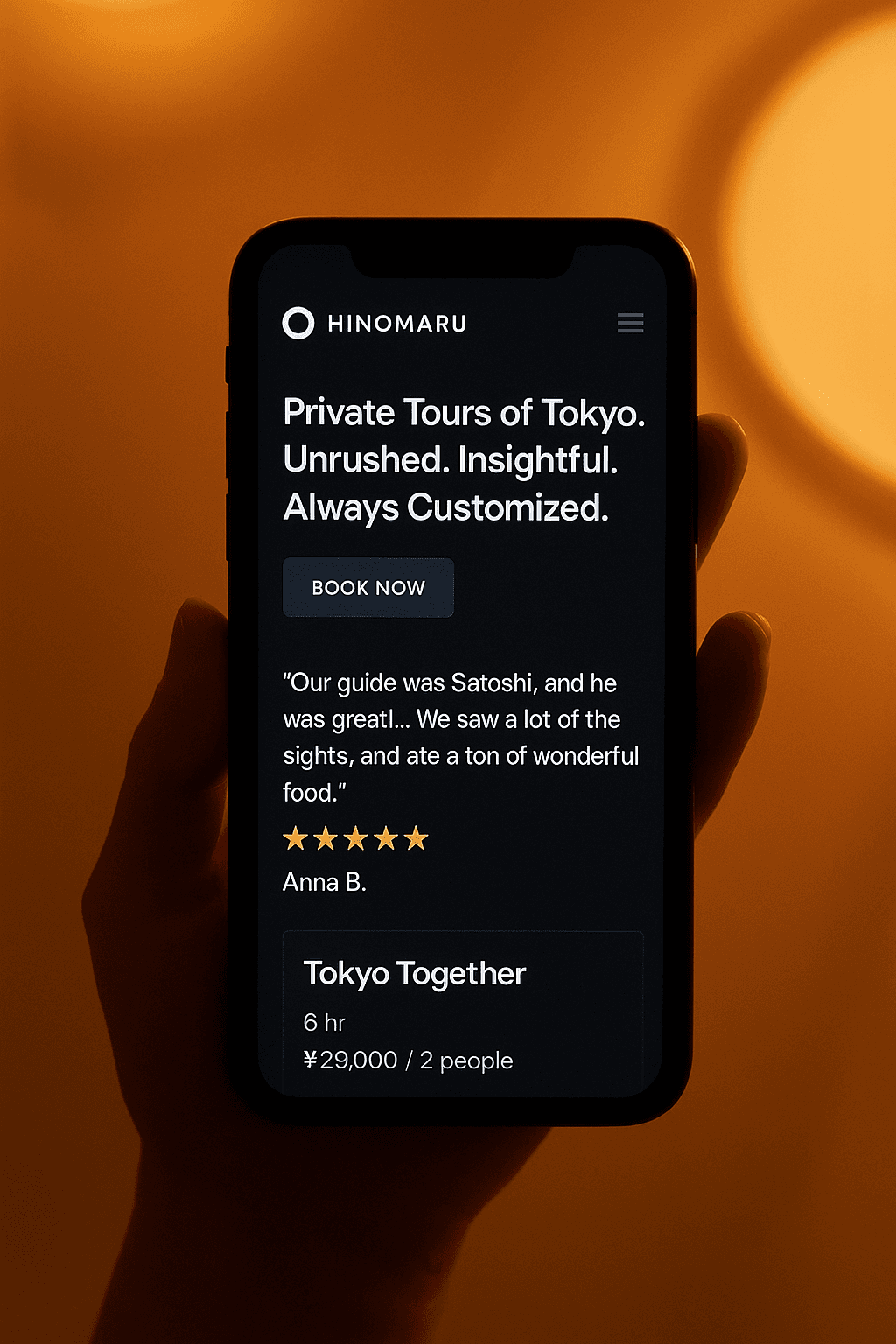
A good fit: Tokyo Together is designed for families spanning several generations, paced for different energy levels.
Limited Time Windows
Recommended: a focused 4-hour tour.
This suits business travelers adding a tour to a work trip, cruise passengers on a port schedule, or anyone with only a morning free. Four hours covers 2-3 neighborhoods and 2-3 major sites.
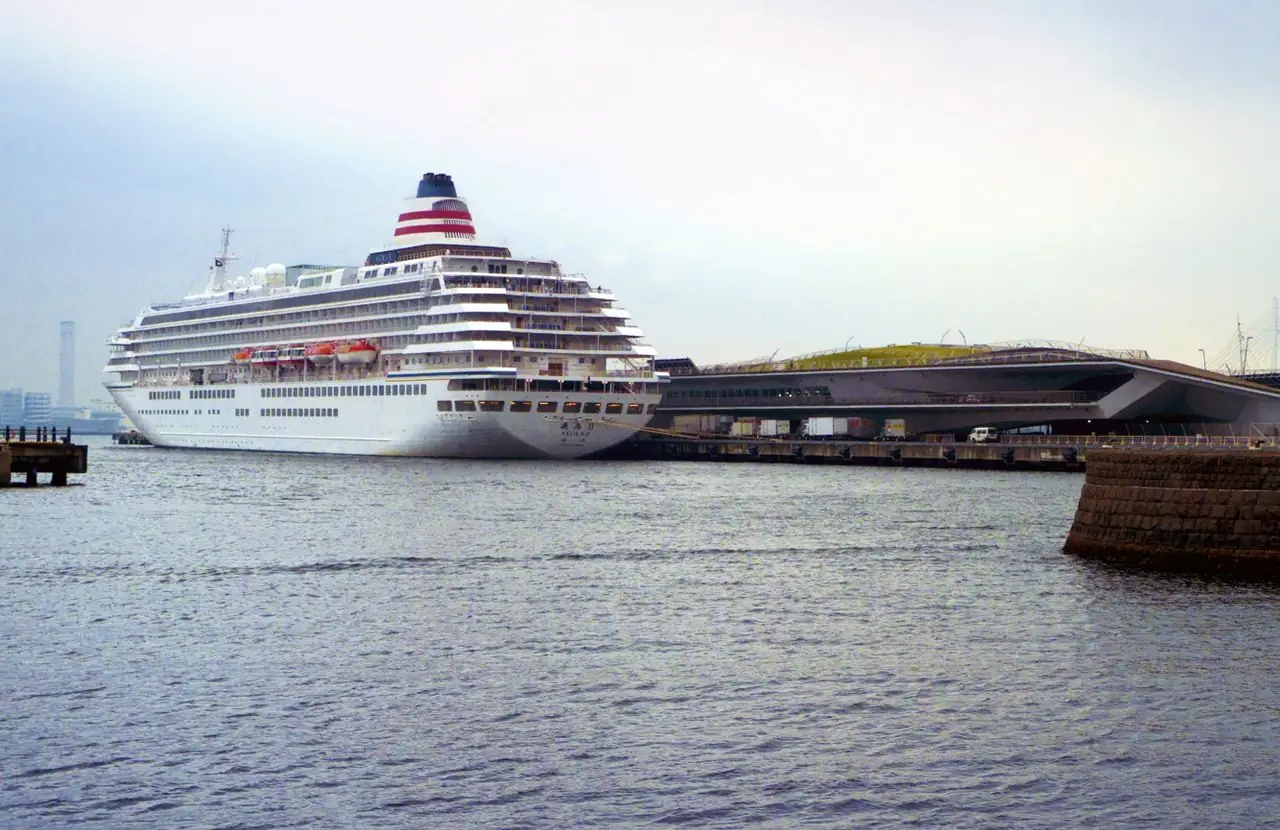
For cruise passengers, a 10-hour port day is really 5-6 hours of usable time once you subtract the trip from Yokohama (40-50 minutes each way) and getting back before all-aboard. A focused 4-hour tour fits that window. Our Tokyo cruise port day tour guide goes through the port day timing in more detail.
A good fit: Tokyo Trifecta covers 3 essential neighborhoods in 4 hours.
Specific Constraints
If you have limited mobility, add private car transport (¥50,000-77,000) to any tour length so you can rest between walks. You'll still need to walk a fair amount at each stop, because most of what's worth seeing in Tokyo is on foot. Our accessibility guide covers detailed planning.
If food is the focus, Kushiyaki Confidential (6 hours) runs from late afternoon into the evening through the grilled skewer and sake scenes of Shibuya, Ebisu, and Nakameguro. Standing Room Only (4 hours) visits retro standing bars and izakayas in Suginami Ward, starting at 6:30 PM. For evenings out beyond food tours, see our Tokyo nightlife tour options.
Frequently Asked Questions
What are the main Tokyo private tour options?
Tokyo private tours come in three main lengths: 4-hour tours covering 2 neighborhoods close together, 6-hour tours covering 3 neighborhoods with a lunch break (chosen by 50% of travelers), and 8-hour tours covering 4+ neighborhoods. You almost always travel by train and on foot. Only about 5% of travelers need a private car, usually because of limited mobility or young children.
How much does a Tokyo private tour cost?
A 6-hour tour for 2 people costs around $430 base, and the price per person falls as the group grows: $215 each for a couple, $100 each for a group of 8. Add roughly $30 for transportation, $40 for entrance fees, and $50 for food, and a realistic total for two people is $550-600. Eight-hour tours start at $550 for two people.
Is a 4-hour tour enough to see Tokyo?
A 4-hour tour covers 2-3 major sites in 2 neighborhoods close together, at 8,000-10,000 steps. It works well if you've just arrived with jet lag, if you're adding a tour to a full day, or if you have young children. It won't cover several famous areas spread across the city, because two cross-city trips alone take 80-100 minutes of your 4 hours.
Should I book a walking tour or a car tour in Tokyo?
Walking tours suit most visitors better, because the best of Tokyo is in pedestrian areas and trains beat cars across the city. Private car transport ($335-520 depending on duration) only makes sense in specific cases: limited mobility, very young children, extreme summer heat, or jet lag bad enough that you need rest between stops.
When is the best time to book a tour during my Tokyo trip?
Your first full day. US travelers crossing 13-16 time zones wake at 3-5 AM anyway, so an 8-9 AM start puts jet lag to use. The guide navigates while your brain adjusts, and by early afternoon, when fatigue hits hardest, you've already had a full morning of sightseeing. What you learn about getting around saves you 2-3 hours of navigation mistakes on each day after.
Where Hinomaru One Fits
We set our tour lengths around the travel times and walking distances in this article. Our 4, 6, and 8-hour options follow Tokyo's real geography, with neighborhoods grouped close together, breaks built in, and a realistic pace. You see the exact cost per person for your group size before you book, with no hidden fees and no "contact us for a quote."
At Hinomaru One, we plan relaxed private Tokyo tours with plenty of cultural context for first-time and returning travelers, at an unhurried pace and customized every time.
Photo credits
- Yellow sign pointing to Exit 16 in an underground passage at Shibuya Station: Yukiyukki / Wikimedia Commons, CC BY-SA 3.0, resized