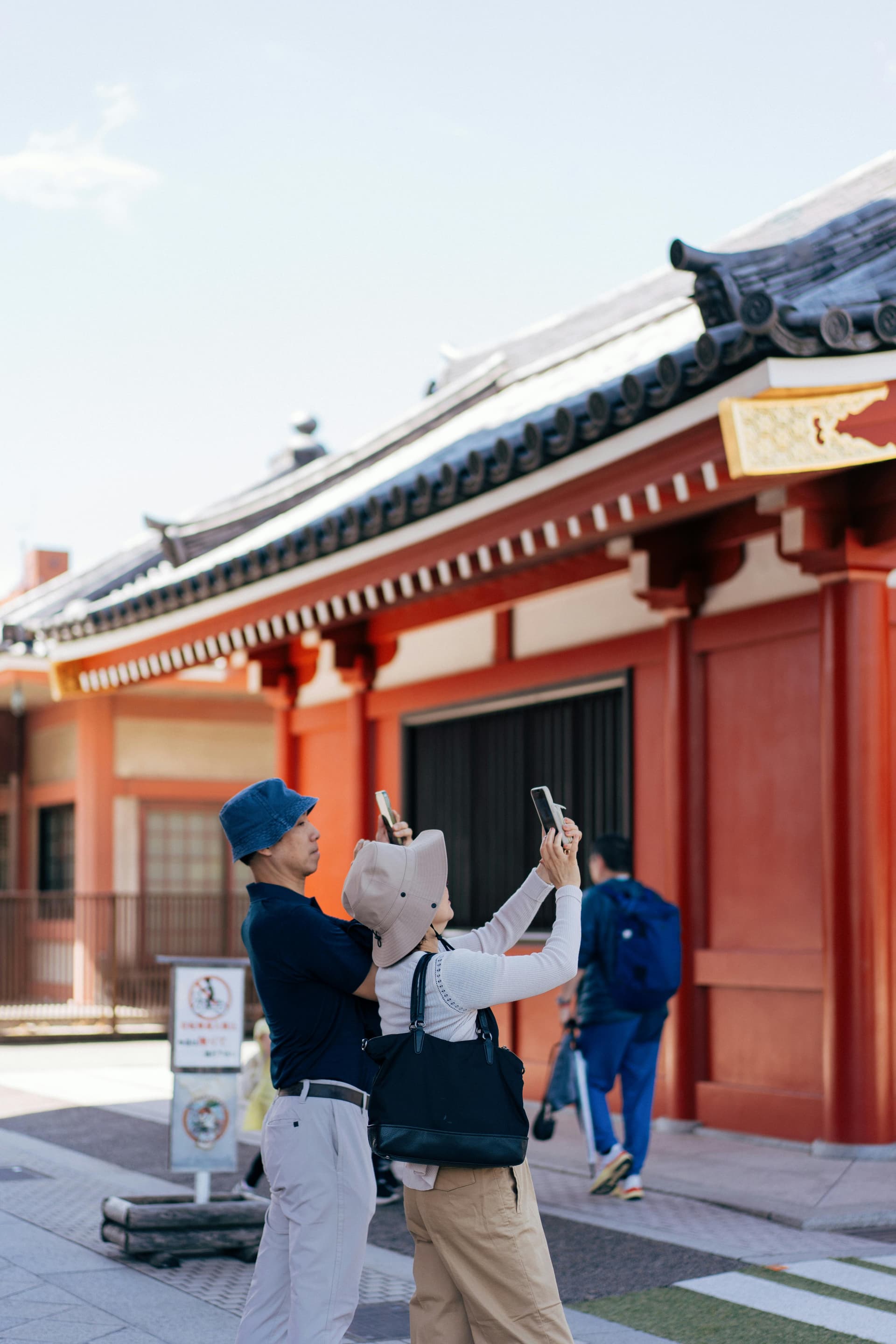
A private tour isn't automatically "worth it." Its value depends on your trip length, group size, and what you're trying to get out of Tokyo. This page helps you decide what gives you the most return.
Are private tours in Tokyo worth it? Sometimes. It comes down to how long you're staying, how many of you there are, and what you want out of the city. Below we work through whether ¥80,000 on a guide does more for your trip than a better hotel or an extra day.
Quick Verdict: Who Should and Shouldn't
| Situation | Verdict |
|---|---|
| 3-5 day trip, 2+ adults, want to see multiple neighborhoods | BOOK. You skip the exhaustion of 25,000-step days spent covering ground |
| First-time visitor with a fixed itinerary and short window | BOOK. A guide saves 2-3 hours/day you'd otherwise spend navigating |
| Food-focused traveler (omakase, izakaya reservations, non-English venues) | BOOK. Language is what holds you back |
| Accessibility needs (mobility, dietary, translator) | BOOK. Adapting the route is the whole point |
| Solo traveler, 7+ days, interested in depth over coverage | SKIP. Spend it on better meals and an extra day |
| Repeat visitor with established Tokyo routines | SKIP unless you want introduction-only access |
| Budget-constrained, hotel-upgrade trade-off required | SKIP. ¥80,000 on a hotel upgrade beats a mediocre guide |
| Want maximum spontaneity, no fixed itinerary | SKIP. A tour fixes the shape of your day |
If you're still unsure, the rest of this page works through the math.
Yes, ¥80,000 is a lot of money. What you're really deciding is whether a private guide does more for your trip than the same money spent on hotel upgrades, better meals, or extra days in Japan. A lot of people also need to get past the feeling that hiring help makes them a lesser traveler before they can weigh that fairly.
Who Actually Hires Private Guides (And Why That Matters)
Hiring a guide can feel like admitting you can't handle Tokyo. Travel culture rewards struggle: working out the Yamanote Line on your own earns you credit on social media, and asking for help doesn't. The people who hire private guides are mostly making a calculated choice about their time.
What Repeat Visitors Book Guides For (It's Not Navigation)
First-timers hire guides so they don't get lost. Repeat visitors hire them for depth.
By your second or third visit you know the trains. You've seen Sensoji and crossed Shibuya. What you still can't do alone is get into the craft workshop with no online presence, get introduced at the sushi counter that only seats regulars, or find out why the vendor at Tsukiji picks this tuna over that one.
That comes from relationships, and research won't get you there. A food writer might hire a guide for vendor connections built over ten years. An architect books one to see residential Tokyo that never shows up on design blogs. Parents coming back with kids use a guide for family logistics they couldn't have planned for on their own; we cover that in Tokyo private tours for families with children.
Why Food Writers and Photographers Hire Guides
Food writers use guides to get into introduction-only restaurants. Photographers hire them to find vantage points locals know about and maps don't show. Repeat visitors book them when they want to go deeper in one place instead of covering more. If that kind of access is what you're after for food, Kushiyaki Confidential takes you into standing bars and yakitori spots that are hard to get into without local connections.
Even Tokyo residents hire guides when friends or family visit. If people who live here pay for it, you're not lazy for considering it.
¥80,000 Buys Different Things - Which Improves Your Trip Most?
| Spend On | What You Get | Impact Scope | Best When |
|---|---|---|---|
| Hotel Upgrade | 2-3 nights: mid-range to luxury (¥15k to ¥42k/night) | Better sleep, nicer amenities | Your current hotel is uncomfortable and you spend real time there |
| Better Meals | 4-8 high-end omakase dinners (¥10k-20k each) | 2-3 hours per meal, better | Eating is the main reason you're in Tokyo |
| Extra Days | ~2 additional days in Japan (hotel + meals + activities) | More time, though maybe in the wrong city | Your Tokyo dates are flexible, not fixed by business or a JR Pass |
| Private Guide | One 8-hour day that makes every remaining day easier | Day 1 orientation pays off across Days 2-5 | Time is short (3-4 days) and getting around is your biggest problem |
Start with what's actually limiting your trip.
If time is short (3-4 days in Tokyo), a guide gives you more of it. Working out the trains yourself costs 60-90 minutes a day in wrong turns and decisions, and that adds up over several days. You don't get that time back.
If money is tight, a hotel or meal upgrade may matter more. If you're comfortable working things out and have the time to do it, a better room or better food is a clear, easy win.
If accessibility is the problem, a guide moves from nice to have to the thing that makes the trip possible. That covers mobility needs, dietary restrictions, and language barriers outside the tourist areas.
What "Worth It" Means Depends on Your Tokyo Window
With 1-3 days in Tokyo, a guide is worth a great deal. Orientation pays off fast, and Day 1 mistakes (the wrong train line, a bad route, a lunch that eats 90 minutes because you picked a place with a queue) cost time a short trip can't spare. An 8-hour guided day at the start makes Days 2-3 much easier. If that's you, Tokyo Essentials is built for travelers who want more than the surface, even on a first visit.
With 4-6 days, the value is moderate. By Day 3-4 you're learning the system and getting around gets easier. Decision fatigue does set in (research shows Days 3-4 shift from excitement to feeling like work), but you're getting more capable. A guide speeds up the learning, though you'd get there anyway.
With 7+ days, a guide matters less for navigation if you're doing it yourself the rest of the time, because you'll have the system figured out by Day 4. A guide on Day 1 still speeds that up and makes Days 2-7 easier. And if what you want is cultural understanding rather than efficient routing, trip length doesn't matter much. A guide gives you access and context you can't Google, however many days you have.
When Group Size Flips the Math
Solo traveler: you pay the full ¥80,000. That's hard to justify unless you're on a 24-hour layover, need specific expertise, or have mobility requirements.
Couple: ¥40,000 each. That's getting close to group tour pricing, for a better day.
Business travelers squeezing sightseeing between meetings run into the same math, because time is the scarce thing.
Family of 4: ¥20,000 each. Now you're up against mid-tier group tours (¥5,000-8,000), with private attention and no waiting for strangers.
Group of 6: ¥13,000 each. That's less than premium group tours, and the day is built entirely around you.
At 6 people you're no longer asking whether a private guide is worth ¥80,000. You're asking whether private attention is worth ¥5,000 more per person than a group tour.
When Accessibility Needs Make This Essential (Not Optional)
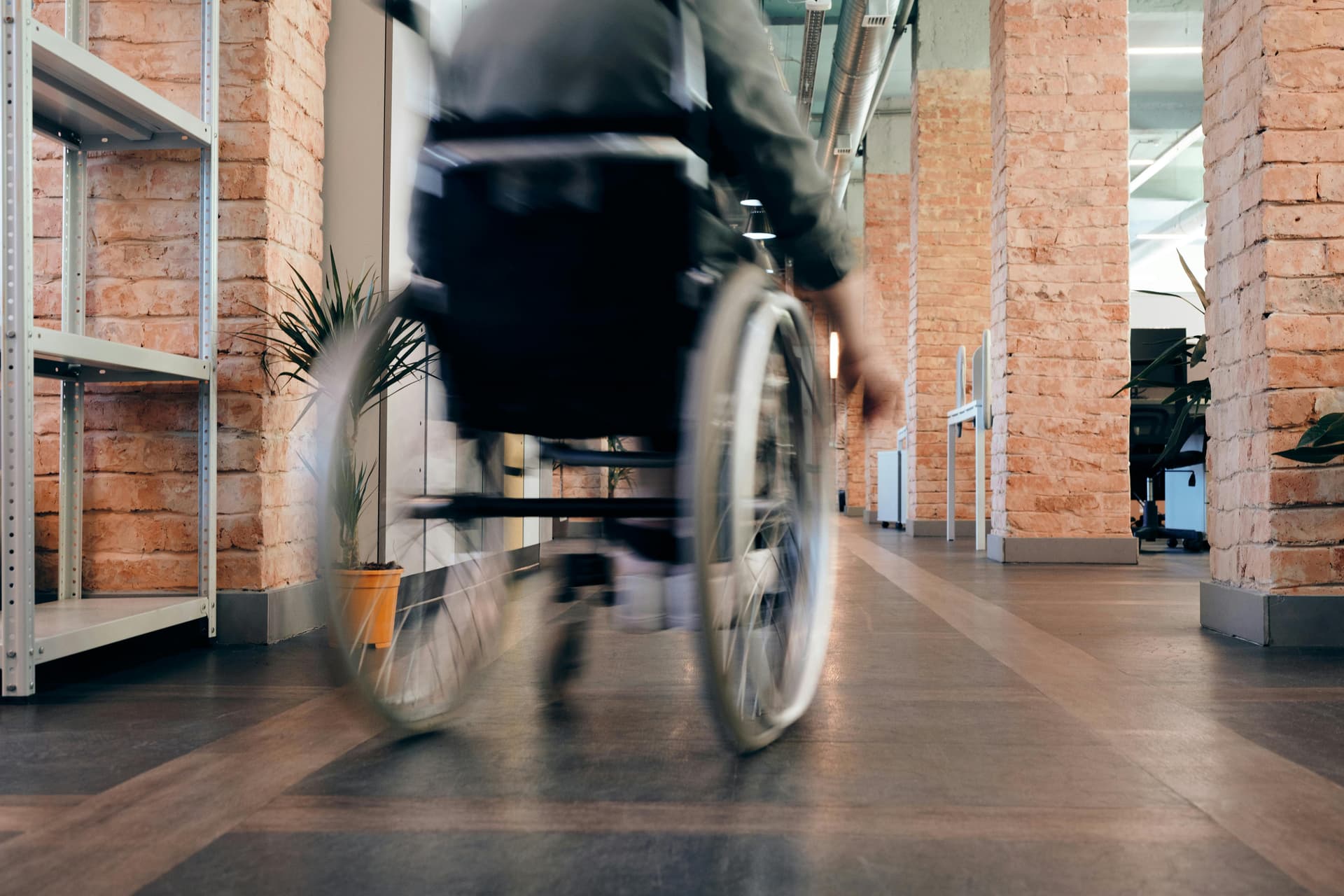
If you have mobility constraints, dietary restrictions that need to be arranged with restaurants ahead of time, or plans in areas where nobody speaks English, a guide is part of how the trip works at all.
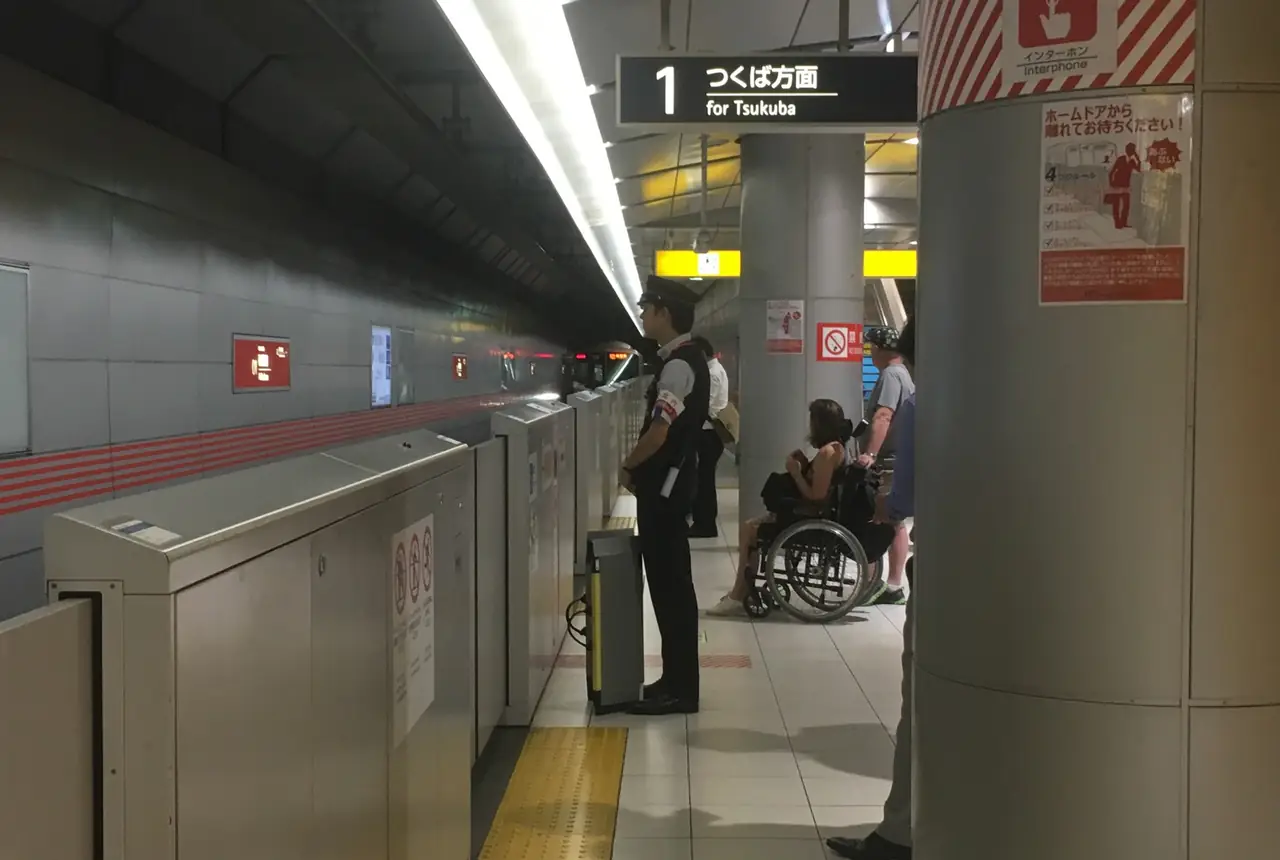
That means wheelchair-accessible routes through stations on several levels, getting around by elevator only, and dietary arrangements made in advance at restaurants with no English menu. Without those, some days simply can't happen.
So compare the guide's cost against whether the trip works, rather than against a hotel upgrade. For more, see our guide to accessibility in Tokyo with a private tour.
When "I Want to Understand, Not Just See" Justifies the Cost
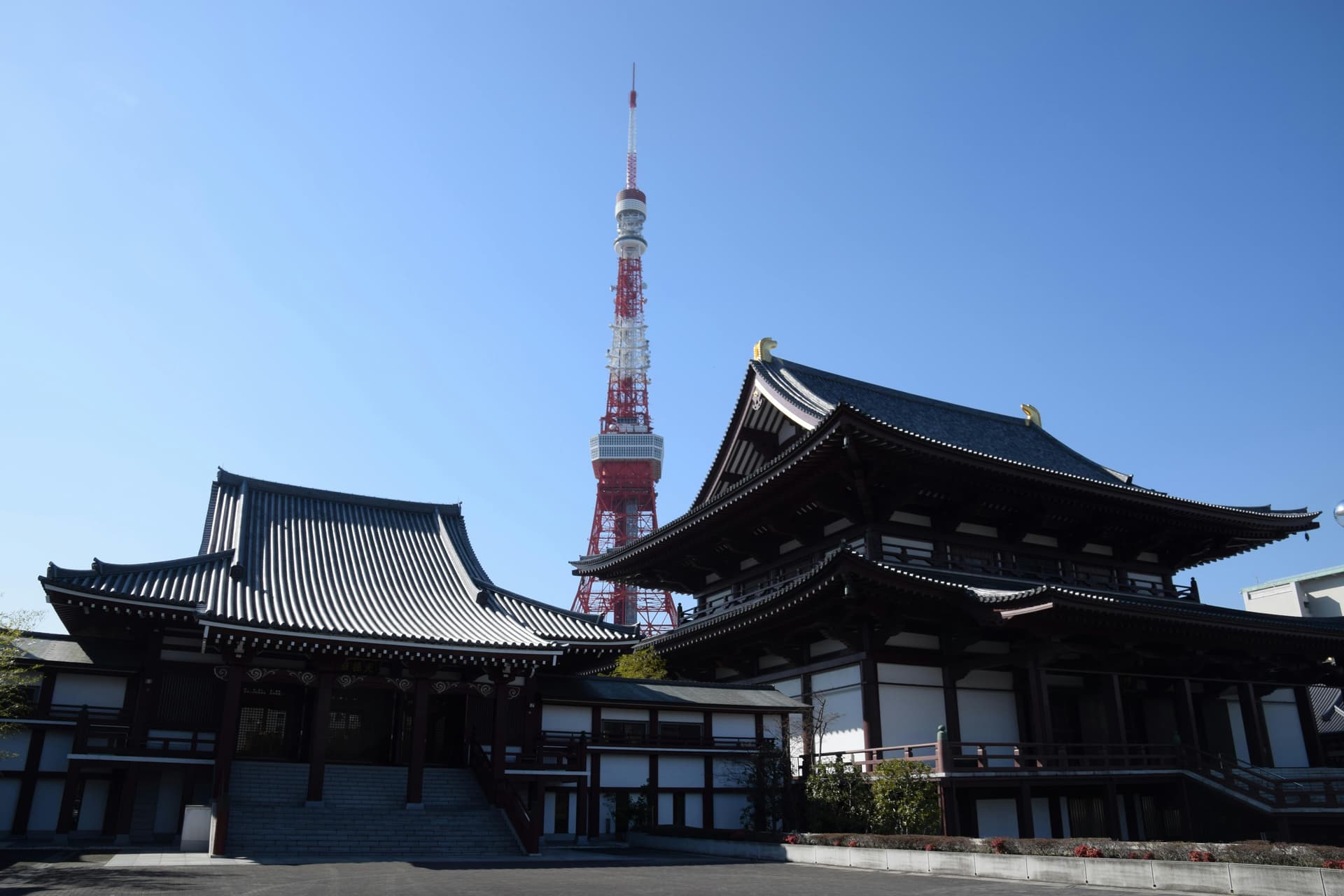
If you want photos at Sensoji and Shibuya Crossing, do it yourself or join a group tour. The highlights are easy to reach.
If you want to know why Kappabashi became the restaurant supply district, how the seasons shape a kaiseki menu, or what sets this neighborhood bar apart from the one two blocks over, you want a guide. Books give you the facts, and a person who knows the place can tell you why they matter. For that kind of day, Infinite Tokyo is a private full day through the city's culture and craftsmanship.
The Peace of Mind Question (And Why You're Allowed to Value It)
What Guests Say After the Tour (Not During)
Reviews keep saying the same things: "didn't have to worry about a thing," "completely stress-free," "took the stress out of traveling." Those phrases come up about as often as the places people visited, so guests clearly count the relief as part of what they paid for.
One parent wrote: "especially for a mom traveling with a kid." Couples say they got to enjoy the day together instead of one of them running logistics. People talk about being present instead of solving problems all day.
Why Cognitive Load Reduction Is as Real as Time Efficiency
Planning a Tokyo trip takes 20-50+ hours. Once you're there, you make 4-8 train decisions a day, cover 3-5 neighborhoods, and walk 20,000-30,000 steps. Days 1-2 are exciting. By Days 3-4 it starts to feel like work, and decision fatigue is documented and measurable.
With a guide, those 4-8 daily decisions go away. You aren't Googling which exit to take at Shinjuku, a station with 200+ exits, 5 different operators, and 3.53 million passengers a day, about the population of Yokohama. You aren't reading train maps underground where GPS doesn't work, or choosing between 15 ramen shops with no English menus. The energy that would have gone into all that goes into the city instead. (We cover how guides help with language barriers in Tokyo separately.)
The Partnership Friction Nobody Talks About
Couples and families traveling together tend to split into a navigator and everyone else. One person handles logistics in their head while the others enjoy themselves. With a guide, both partners get the day. Parents can pay attention to their kids, and groups don't end up as one planner and several passengers.
Can You Just Research Your Way to the Same Value?
For the highlights, yes. You can find Sensoji, Shibuya Crossing, Tsukiji Outer Market, and Meiji Shrine with Google Maps, and food blogs will point you to popular ramen shops. That covers 60-70% of a Tokyo trip, which is plenty for many travelers.
What Research Can't Replicate
Real-time cultural context. You can read that Tsukiji vendors buy from several markets every day. You can't read why this vendor is choosing this tuna today, what the season changes, or why the timing matters. That knowledge sits with people and with decisions made on the spot.
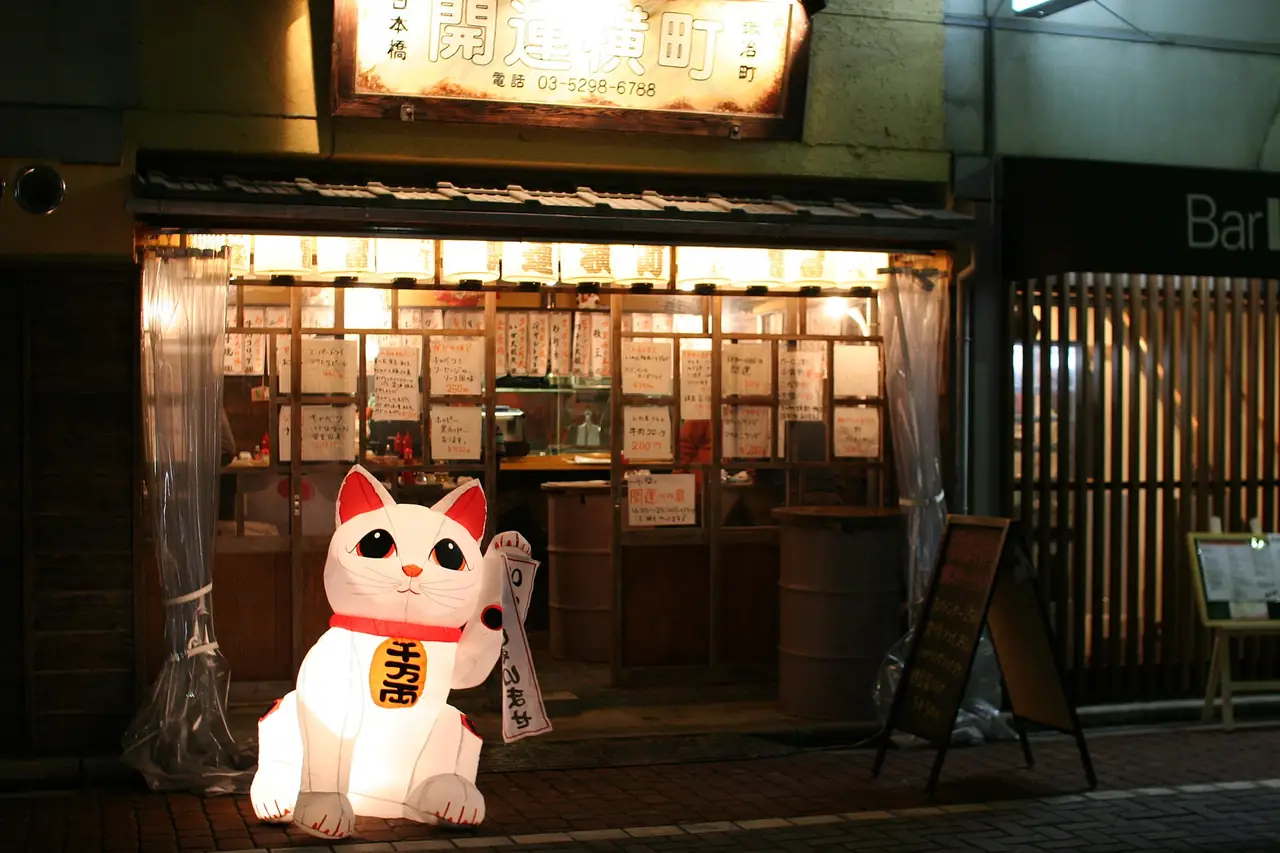
Insider relationships. Sushi Saito and Matsukawa are invitation-only: you have to go with a regular. Many craft workshops have no website. Tachinomi standing bars change their menus daily and write them on chalkboards on the wall. Even the idea of hidden gems has changed: the address is easy to find now, and what keeps places hidden is language, relationships, and timing.
Adapting on the day. Research prepares you for Plan A. A guide deals with closures, crowds, weather, and how tired you are, none of which you can plan for from home.
Even 20-50 hours of careful planning misses things: the standing bar that only serves certain dishes until 8 PM, the workshop that only takes bookings by phone, the rhythm of a neighborhood (this market peaks at 10 AM, that one at 3 PM), and the vendor relationships that decide quality. A guide brings up things you didn't know to look for.
Tokyo's Navigation Complexity Validates Guide Value
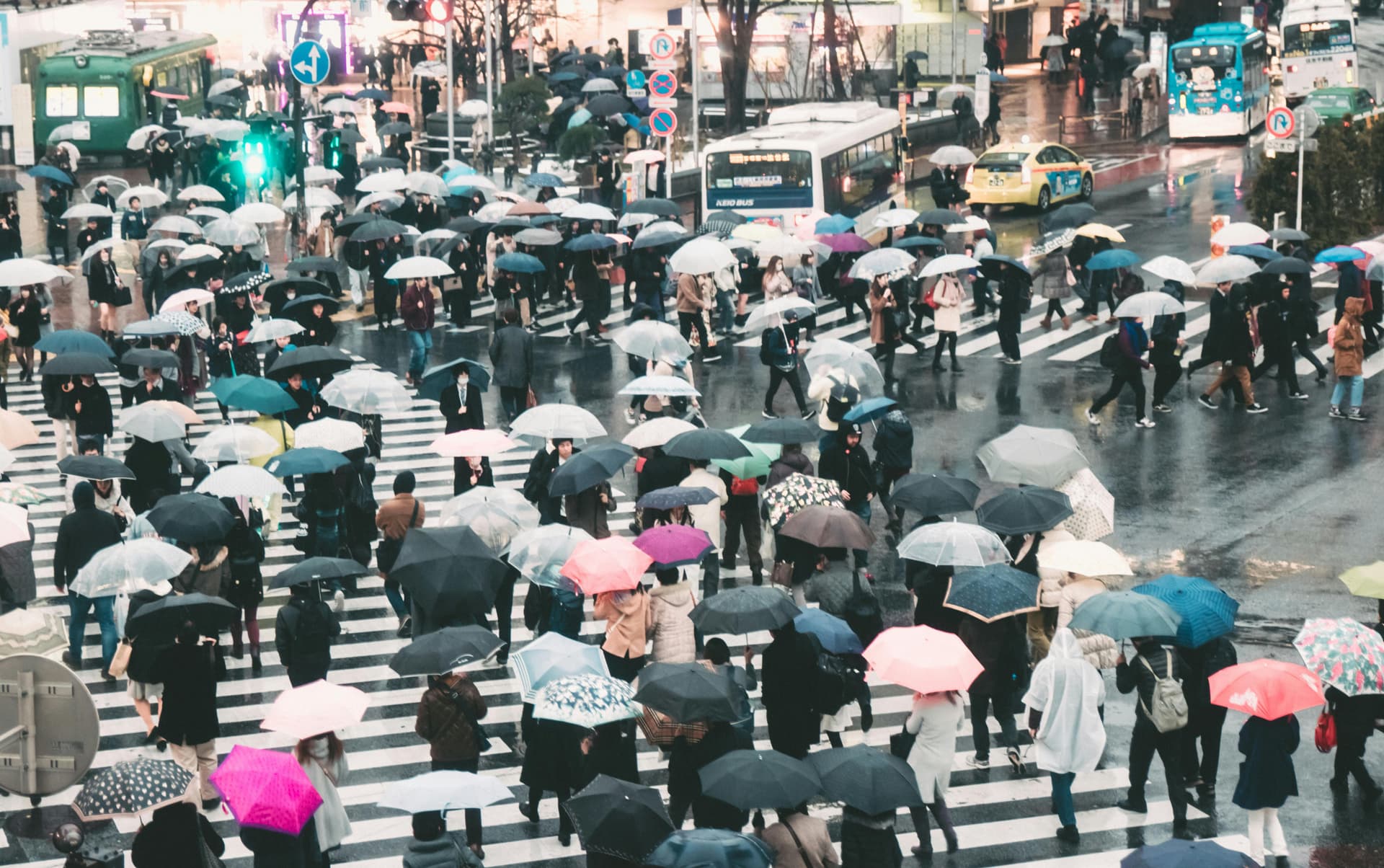
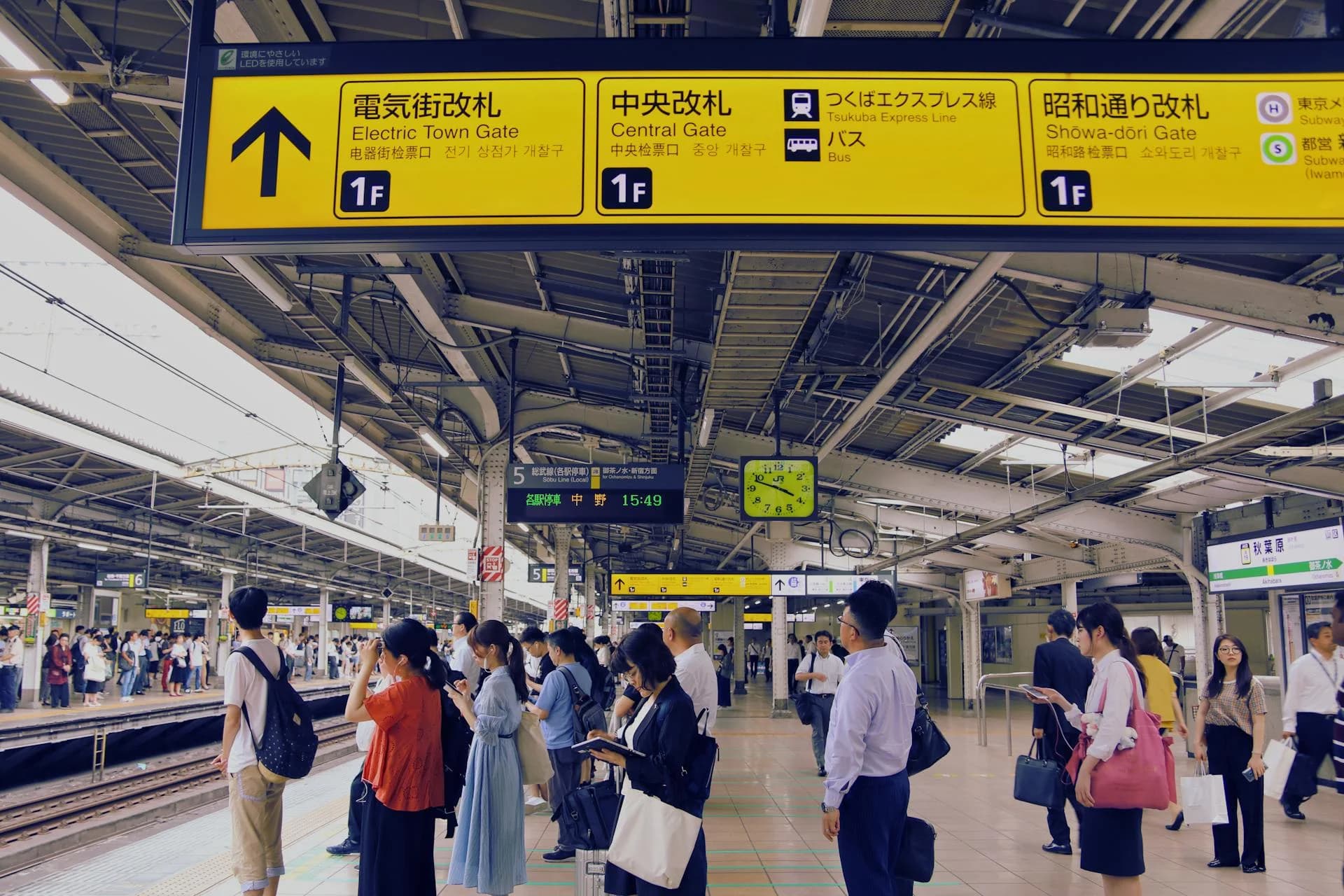
Shinjuku Station handles 3.53 million passengers a day across five operators with separate fare systems. Tokyo Metro has 9 lines and Toei adds 4 more. Shibuya Station spans 3 floors above ground and 5 below. Between the levels, the exit-specific routes, and the operator transfers, the system is genuinely hard, and getting confused doesn't make you a bad tourist.
A guide also teaches you the system as you go, and you keep that. On routing alone, a group tour going Shinjuku to Asakusa to Tsukiji spends 75 minutes in transit. A private tour on the same route spends 20 minutes, and walks you through Kappabashi between stops.
When You Should NOT Book a Private Tour
You should know when it isn't worth it, too. We go into more detail in when you don't need a private tour in Tokyo.
When Highlight Checklist Completion Is Actually the Goal
If your plan is a photo at Shibuya Crossing, Sensoji, and Meiji Shrine, and you don't mind crowds, a group tour does that for ¥5,000-8,000.
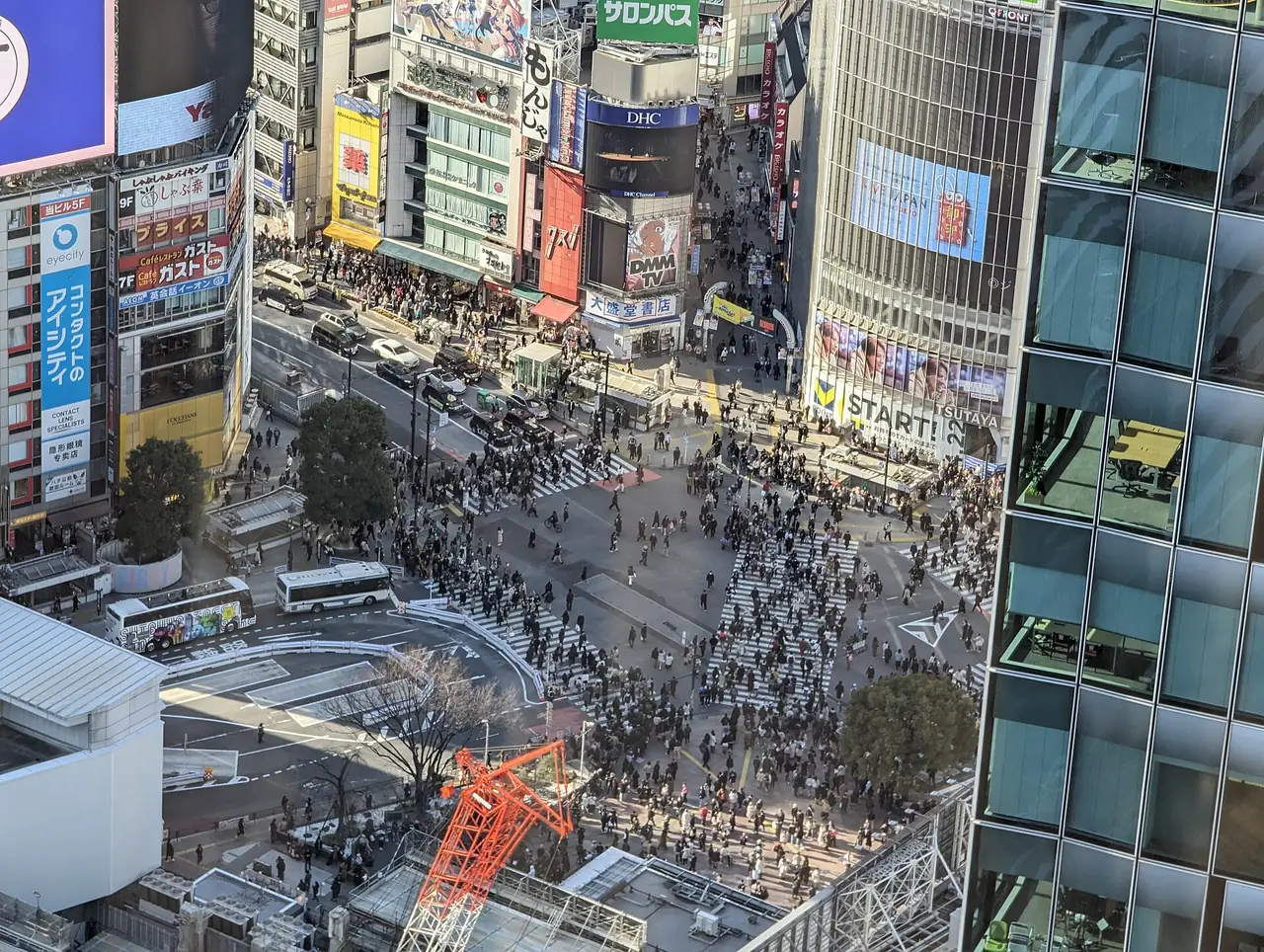
There's nothing wrong with traveling that way. Private tours cost 5-8x more for the same places, and if avoiding crowds and getting context aren't priorities, you're paying a premium for things you don't want.
When 7+ Days Means You'll Learn the System Anyway
Say you have ten days, you're fine with trial and error, you have time to make mistakes, and you plan to get around on your own the whole time. By Day 4 you'll understand how Tokyo works and the learning curve flattens out. You'll build that skill yourself. Our comparison of private tour vs exploring alone goes into this in detail.
This applies to skipping guides entirely on a long trip when navigation is the only reason you'd hire one. A Day 1 guide on a 10-day trip still helps, since it compresses learning you'd otherwise spread over Days 1-4. And if you're after cultural depth, trip length doesn't change much.
When Solo Budget Math Just Doesn't Work
A solo traveler pays the full ¥80,000. That's hard to justify unless you have:
-
A 24-hour layover, where time is scarce and efficiency matters most
-
A specific interest that needs expertise (JDM car culture, a private architecture tour)
-
A need for accommodation, such as wheelchair-accessible routing
For general sightseeing on a solo 5-7 day trip, the numbers don't work, and a group tour or your own plan makes more sense.
When Structure Itself Feels Constraining
Some people like getting lost. They find things by wandering and enjoy the accidents more than the plan.
Even a flexible tour has a structure, and no amount of good tour design fixes a mismatch in what you prefer. If wandering is how you like to see a city, you'll resent paying for a guide's structure.
We compare free walking tours, audio guides, and other formats, including when it makes sense to mix them, in our tour format comparison guide.
Strategic Options Beyond "Yes or No"
You don't have to pick between a private tour every day and no tours at all. A guide can cover just the start of the trip.
| Strategy | Cost | What You Get | Best For |
|---|---|---|---|
| Group tour Day 1, DIY Days 2+ | ¥5,000-8,000 | Basic orientation, 15-30 people | Travelers on a budget who don't mind trial and error |
| Private half-day deep-dive | ¥40,000-50,000 | 4 hours in one area (e.g., standing bars, craft district) | Longer stays (7+ days) with one specific interest |
| Bookend strategy | 2 days guide time | Day 1 orientation + DIY Days 2-6 + Day 7 closure | 5-7 day trips that want efficiency and independence |
| Full-day private | ¥80,000 total (¥20,000/person for family of 4) | Full coverage at your own pace | 3-4 day trips, groups of 3+, accessibility needs, first-timers |
For multi-generational families, Tokyo Together is the only Tokyo tour designed for kids, teens, parents, and grandparents to explore together.
Half-Day Depth vs. Full-Day Breadth
Four hours gets you one neighborhood in depth, 2-3 specific experiences, and a focus on one subject (food, architecture, or history).
Eight hours gets you several neighborhoods, both breadth and depth, and the full day from a quiet temple in the morning to an izakaya in the evening.
A half day works when you know exactly what you want. A full day works when you want a cross-section of the city. Our guide to tour duration can help you choose.
For 4 people, a 4-hour tour is ¥9,000/person and an 8-hour tour is ¥17,700/person. The full day costs 2x as much and covers more than 2x the ground.
The Actual Decision Framework
Calculate Your Per-Person Cost First
¥80,000 looks different once you divide it by the number of people:
| Group Size | Cost Per Person | Comparison |
|---|---|---|
| Solo | ¥80,000 | You pay the full cost |
| Couple | ¥40,000 each | Close to group tour pricing, for a better day |
| Family of 4 | ¥20,000 each | Up against mid-tier group tours (¥5,000-8,000), with private attention |
| Group of 6 | ¥13,000 each | Less than premium group tours, fully customized |
At 6 people, private attention costs ¥5,000-8,000 more per person than a group tour. At 4 people it's ¥12,000-15,000 more. We go into how group size affects private Tokyo tours separately.
Match Your Trip Parameters to Value Zones
High-value scenarios (guide makes sense):
-
1-3 days in Tokyo, any group size
-
4-6 days with a group of 3+
-
Any length with accessibility needs (mobility, dietary, language)
-
Any length with a specific goal that needs expertise (food culture, architecture, craft workshops)
-
First visit to Japan, short stay, little experience getting around
Moderate-value scenarios (depends on priorities):
-
4-6 days as a couple
-
7+ days with a group of 4+ (one guided day for depth, the rest on your own)
-
First visit to Tokyo, 5-7 days (guide on Day 1, the rest on your own)
Low-value scenarios (probably not worth it):
-
7+ days, solo, general sightseeing
-
Any length, if you want to wander and get lost
-
Any length, if you're working through the highlights and don't mind crowds
Variables that matter:
-
Trip length: 1-3 days roughly doubles the navigation value (2x). At 7+ days navigation alone is worth about half (0.5x), since you'll learn the system, but the value of depth and access stays the same.
-
Group size: hard to justify solo. With 4+ people the economics get much better.
-
Accessibility needs: these turn a guide into something you need.
-
Specific interests: cultural depth, food culture, or architecture are worth about 1.5x regardless of trip length. A highlights checklist is worth about 0.5x.
The allocation question: Compare ¥80,000 to:
-
A JR Pass: the 14-day pass costs exactly ¥80,000 (if you're traveling between cities)
-
A hotel upgrade: 2-3 nights of luxury instead of mid-range
-
Meals: 4-8 exceptional omakase dinners
-
Extra days: 2 more days in Japan (hotel + food + activities)
Work out whether your constraint is time, getting around, accessibility, or wanting to understand the culture. That tells you where ¥80,000 does the most for your trip.
Frequently Asked Questions
How much does a private tour in Tokyo cost?
Most private tours in Tokyo cost ¥40,000-80,000 ($270-540) for a full day (6-8 hours). That's usually a price per group, not per person. A family of four on an 8-hour tour pays roughly ¥20,000 ($135) each, about what a premium group tour costs, with a guide to themselves.
Is a private guide worth it for a first-time Tokyo visitor?
For a 3-4 day trip, yes, because the time you save adds up. A guide spares you 60-90 minutes of navigation mistakes a day, handles restaurant reservations that need Japanese, and gives you an orientation that makes the rest of your days easier. On trips of 7+ days it's worth less, since you have time to learn on your own.
When is a private tour NOT worth the money?
When you have 7+ days in Tokyo and like figuring things out yourself. When money is tight and ¥80,000 would make a real difference to your hotel or meals. When you've been before and already know the trains and neighborhoods. When finding things on your own is part of why you travel.
How many people can join a private tour?
Most operators take groups of 1-8 people at one group rate. Bigger groups need more guides or a custom arrangement. The per-person cost falls fast as the group grows: ¥80,000 for one person becomes ¥13,000/person for six.
Should I book a half-day or full-day tour?
A half day (4 hours) suits a close look at one neighborhood or theme, such as food, architecture, or a particular district. A full day (8 hours) covers several neighborhoods and runs from morning temples to evening izakaya. On a short trip (3-4 days), a full day gets you the most out of the orientation.
How Hinomaru One Addresses These Decision Points
If a private tour fits your trip, here's how we handle the points above. Your guide is a named person, like Satoshi or Rina, with an advanced degree and specialist training, and you meet them before you pay. We plan the day with you ahead of time and build it around what you want to understand. Prices are shown for your group size before you book, with no "contact us for a quote." Booking is confirmed instantly through our real-time availability system, and cancellation is free up to 24 hours before. If the tour falls short of what we promised, we refund you in full or give you your next tour free.
We run private Tokyo tours for first-time and returning travelers, at an unhurried pace and built around you.
Photo credits
- Station staff waiting with a wheelchair user on the Tsukuba Express platform at Akihabara: Nesnad / Wikimedia Commons, CC BY 4.0, resized
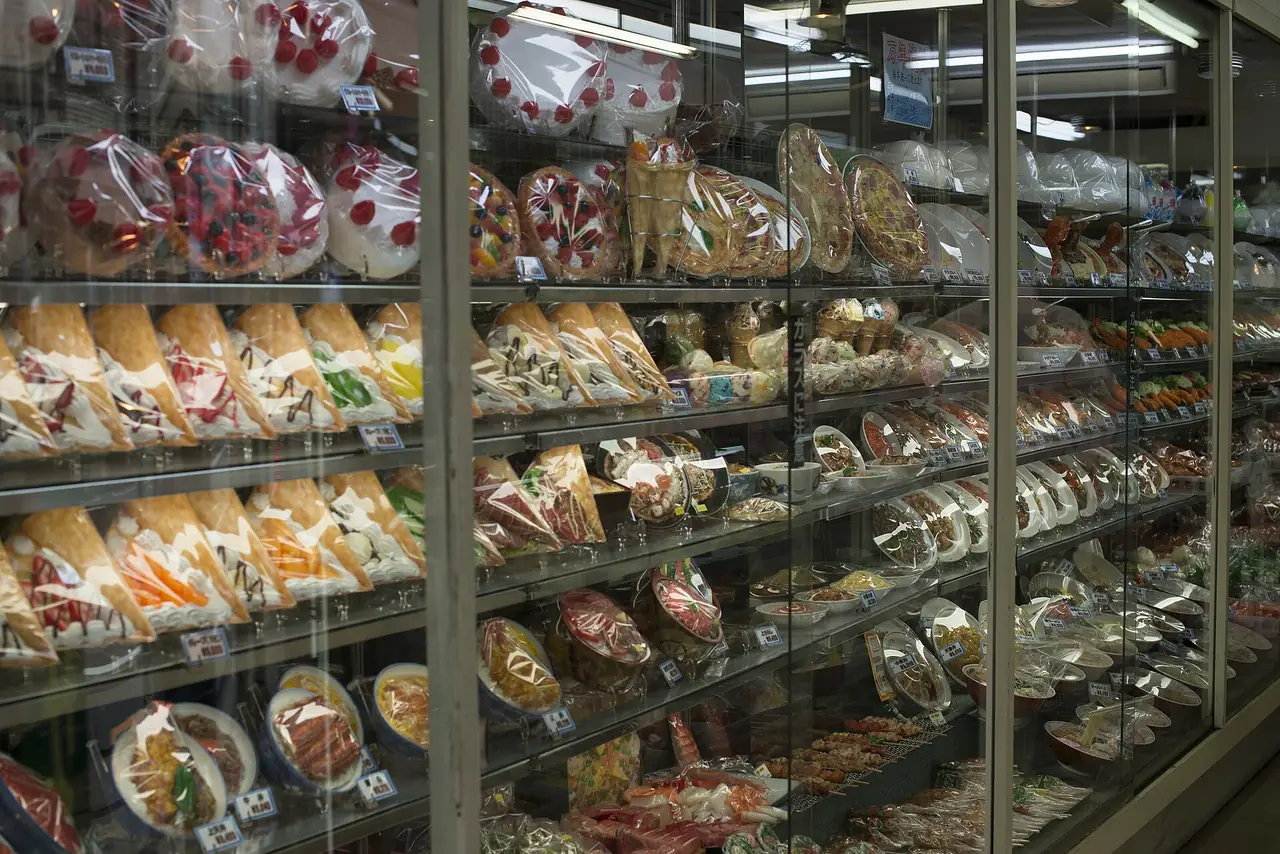
- Glass cases of plastic sample food made for Japanese restaurant displays: Maarten Heerlien from Voorschoten, The Netherlands / Wikimedia Commons, CC BY 2.0, resized
- Lucky cat figure outside a standing bar near Kanda Station with menu slips in the window: OiMax from Tachinomi stand izakaya in Kajicho, Chiyoda, Tokyo / Wikimedia Commons, CC BY 2.0, resized


.jpg)
