Prepare thoughtfully for a Tokyo private tour with practical guidance on clothing, footwear, and daily essentials.
What to wear and bring on a Tokyo private tour: clothing, footwear, and the everyday things to carry.
Most tour mistakes happen before you leave the hotel: the wrong shoes, no layers, an IC card left on the nightstand. This list is for a full day in Tokyo with a guide.
The Footwear Decision (Why This Isn't Obvious)
Tokyo tours run to 10,000-15,000 steps. In practice that means the stairs at Shinjuku Station, the gravel approach to Sensoji, Yanaka's narrow slopes, and a lot of concrete sidewalk in between. Half-day tours take less stamina, but you still walk a fair amount.
Why shoes matter more here:
-
Surfaces change constantly: concrete sidewalks, stone temple grounds, gravel shrine paths, wooden temple floors
-
You'll take your shoes off 3-5 times a day at temples and traditional restaurants
-
There's no time to break shoes in. New shoes plus an 8-hour tour means blisters by hour 3
-
Stations mean several flights of stairs, especially at the big transfer points
| What Works | What Fails |
|---|---|
| Broken-in sneakers or walking shoes | New shoes (even if "comfortable" in the store) |
| Comfortable flats you've worn for months | Fashion sneakers with minimal cushioning |
| Slip-on style (laces slow you down at the third temple) | Any shoe requiring complex lacing |
| Flip-flops (shrine gravel paths) |
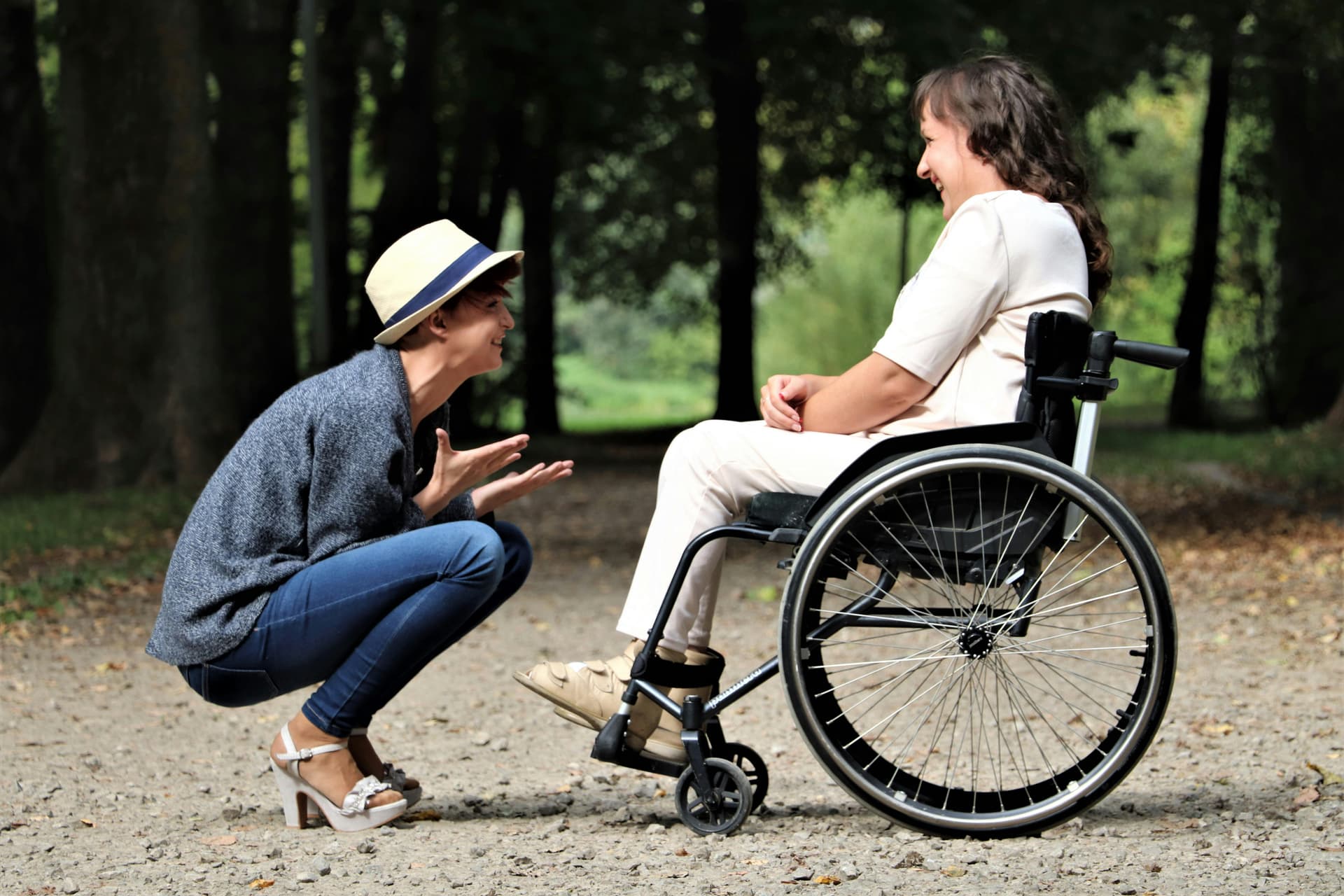
Tokyo's surfaces are hard on feet. If you have foot problems, bring spare insoles. Our accessibility guide covers mobility in more detail.
Tokyo's Temperature Deception
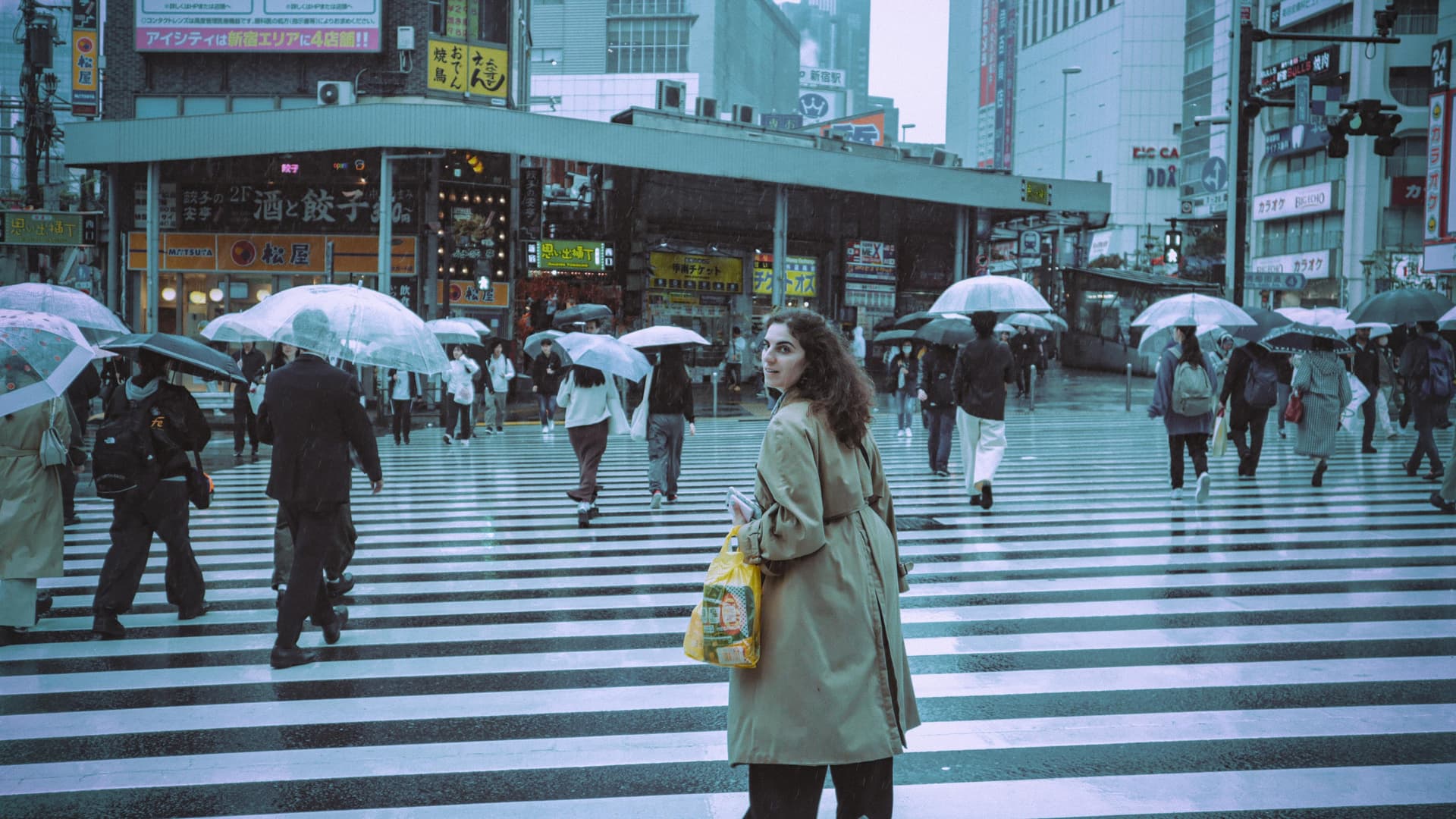
Weather apps give you one number, and Tokyo gives you about three over the course of a day.
Spring and fall mornings and afternoons usually go like this:
-
8am tour start: 12°C (you'll want a jacket)
-
1pm lunch: 23°C (jacket tied around your waist)
-
Swing across the day: 10-15°C
A few things make it worse:
-
You're outside for long stretches
-
Subway stations feel colder than the street
-
Crowded trains feel hot in any season
-
You keep moving between air-conditioned stores and the street
Humidity matters as much as the temperature, and the thermometer alone won't tell you how the day will feel.
| Season | Humidity | Reality |
|---|---|---|
| Summer (June-Sept) | 75-82% | 26°C feels like 32°C. You'll sweat even walking slowly. Pack a spare shirt if you sweat a lot. |
| Winter (Dec-Feb) | 50-60% | 5-12°C feels colder, and the wind goes straight through a light jacket. You're outside all day, and plenty of places are only partly heated or unheated. |
How to layer:
Spring and fall: a light base layer and a jacket you can take off
-
Morning: wear the jacket
-
Afternoon: tie it around your waist
-
Stations: put it back on
Summer: breathable fabrics only
-
A small towel for sweat (locals carry one)
-
A change of shirt if you sweat heavily
-
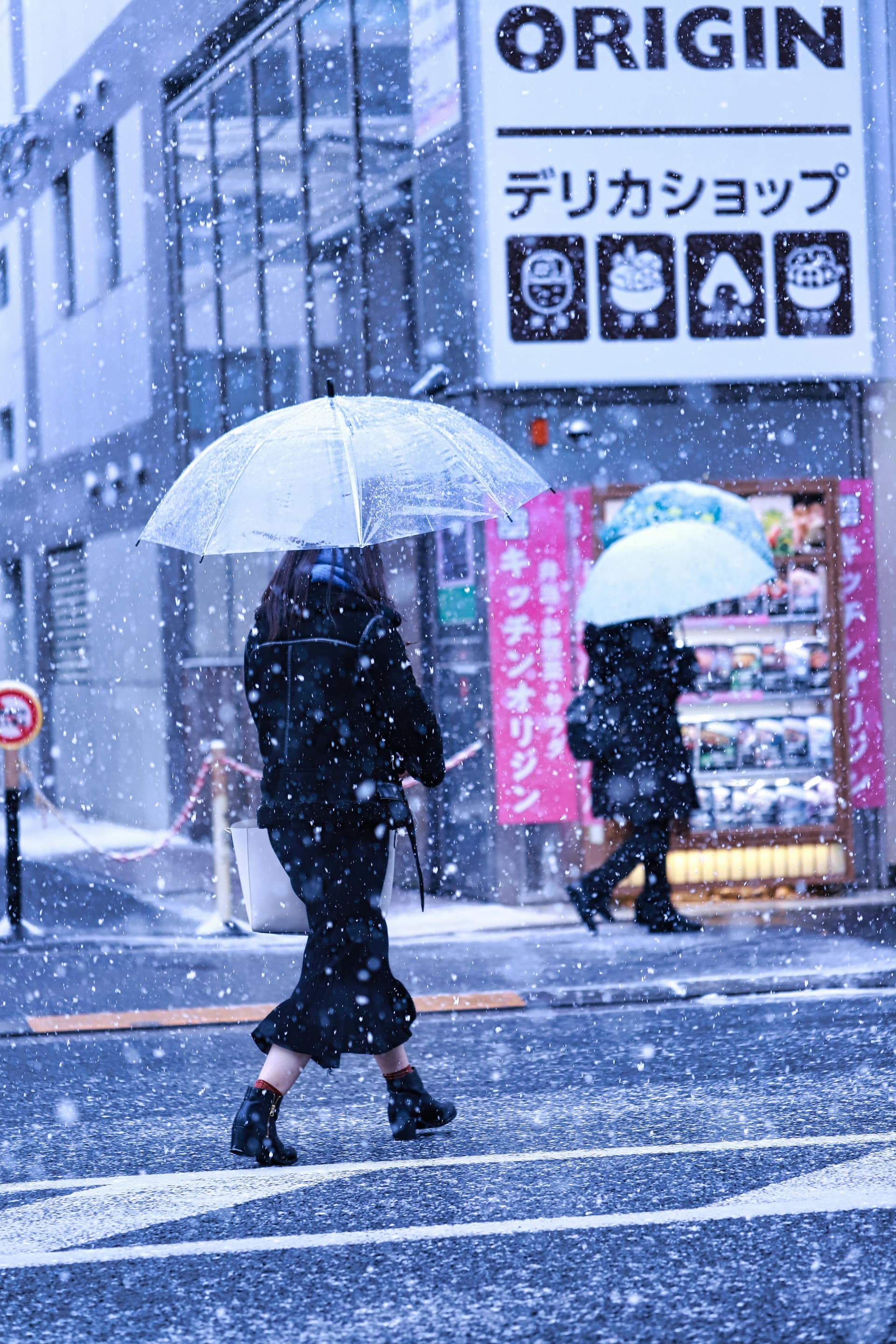
Rainy season (early June-mid July): a compact umbrella, no exceptions
Winter: dress warmer than you think you need
-
Jacket, scarf, and gloves
-
Dress for six hours outdoors
Skip the heavy coat. Once you warm up you'll want it off, and then you're carrying it, which by hour 3 is a real burden.
The Bag Strategy (What Works in Tokyo Context)
Bring a small backpack or a crossbody bag, something that leaves both hands free.
In Tokyo you'll want your hands for:
-
Handrails on crowded trains
-
Taking off shoes at temples and restaurants
-
Squeezing through narrow market aisles and station corridors
Bags that don't work:
-
A large backpack gets in the way on trains, and you'll be asked to take it off or wear it on your front
-
A shoulder bag starts to hurt by hour 4
-
No bag at all leaves you nowhere to put your jacket when you get hot
Floor-sitting restaurants:
-
Traditional restaurants have tatami floors
-
There's no table to tuck a bag under
-
Sitting cross-legged, you'll need somewhere to put the bag, and in a room that tight a big one gets in everyone's way
What Goes in the Bag
The essentials:
-
Water bottle (refillable). There are vending machines everywhere, but buying water 3-4 times a day adds up, and the tour won't always pass one when you're thirsty.
-
Small umbrella. Tokyo weather changes, even when the forecast says clear.
-
Portable battery. You'll be taking photos all day, and there's no chance to charge mid-tour.
-
Cash (¥10,000-20,000). See the cash section below. It saves you from "we can't eat here" moments.
-
IC card (Suica/Pasmo), loaded with enough for the day. You can get one when you arrive if you don't have one.
-
Medications for headaches, stomach trouble, allergies. Japanese pharmacies are excellent, but finding the right product without Japanese takes time.
-
Sunscreen (summer). The sun is strong, so reapply around midday.
-
Small towel (summer). For sweat, and perfectly normal in Japan.
-
Tissues. Public restrooms sometimes run out of paper, and many have no hand dryer.
Leave these behind:
-
Laptop/tablet
-
Expensive jewelry (leave it at the hotel)
-
A large camera with several lenses (unless you're a serious photographer)
-
Shopping bags (buy as you go, and the guide will help with the logistics)
Seasonal Additions
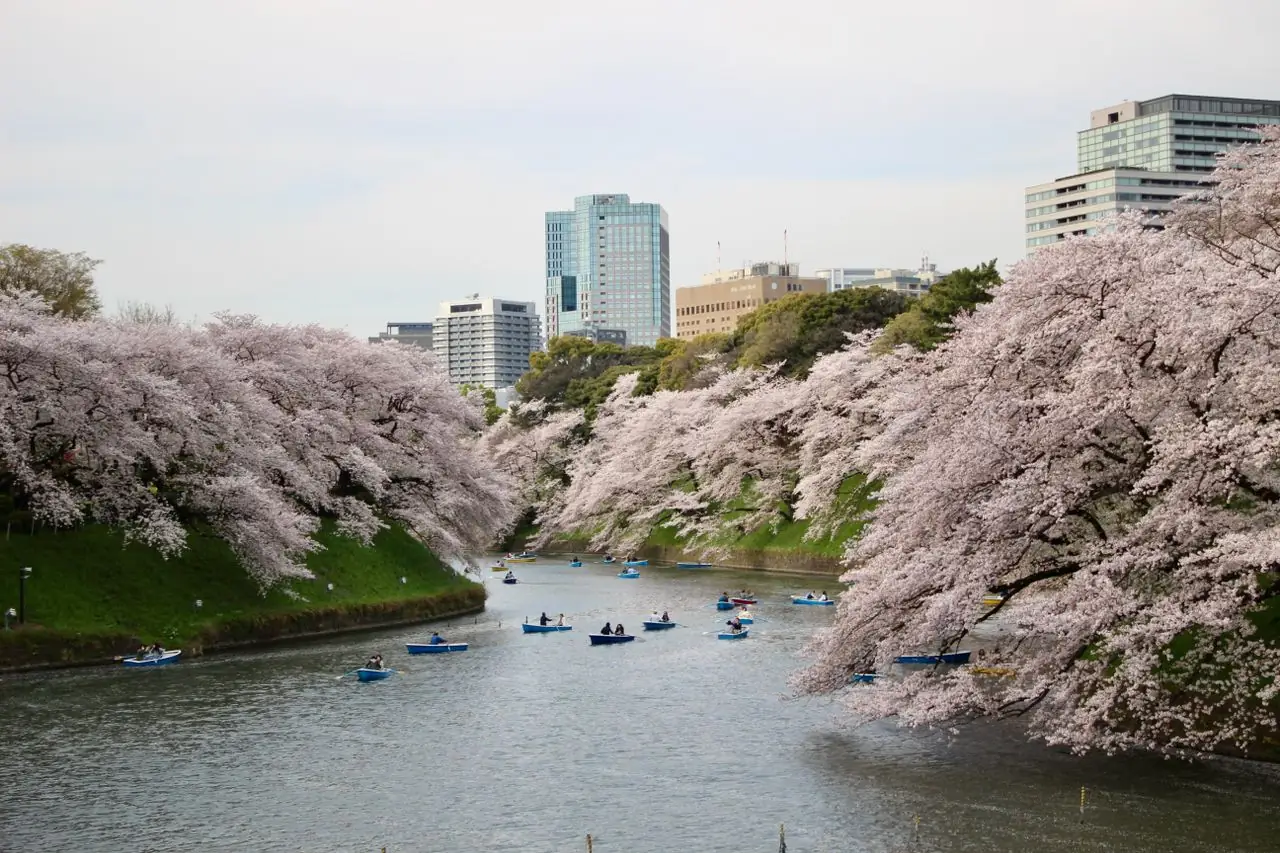
Cherry blossom season (late March-early April):
If you have any pollen sensitivity, bring allergy medication.
People assume the cherry blossoms are to blame, but the trouble is cedar and cypress pollen. Both peak in the same late March-April window as the blossoms and affect 38-42% of Tokyo residents. If you get seasonal allergies at home, come prepared.
Also:
- The weather is unpredictable, so pack layers
Summer (June-September):
-
Hat for sun
-
Sunglasses
-
Small towel for sweat
-
Extra shirt
-
Cooling spray (sold at convenience stores)
Rainy season (early June-mid July):
-
Compact umbrella (essential)
-
Quick-dry shoes
-
Light rain jacket
-
Plastic bag for the wet umbrella
What happens if it rains on your tour covers backup plans and indoor alternatives.
Winter (December-February):
-
Warm jacket (warmer than the temperature suggests)
-
Scarf
-
Gloves
-
Warm socks
-
Hand warmers (convenience stores sell them, and locals use them)
If you're still choosing when to visit, our Tokyo private tour planning guide goes through the weather and the seasons.
Cultural Clothing (What Actually Matters)
Temple and shrine visits:
Sensoji, Meiji Shrine, and the other major Tokyo temples have no strict dress code.
What you should think about:
-
Shoes that come off easily (you'll do it 3-5 times)
-
Clean socks with no holes
-
Nothing very revealing (skip very short shorts and tank tops)
What you can ignore:
-
Covering your shoulders (this isn't Southeast Asia)
-
Formal dress
-
Any special clothing
Tourists in jeans and t-shirts are completely normal.
Restaurant visits:
Some traditional restaurants mean:
-
Sitting on the floor (tight clothes make this uncomfortable)
-
Taking your shoes off (sometimes slippers are provided)
Your guide will tell you ahead of time.
General Tokyo fashion:
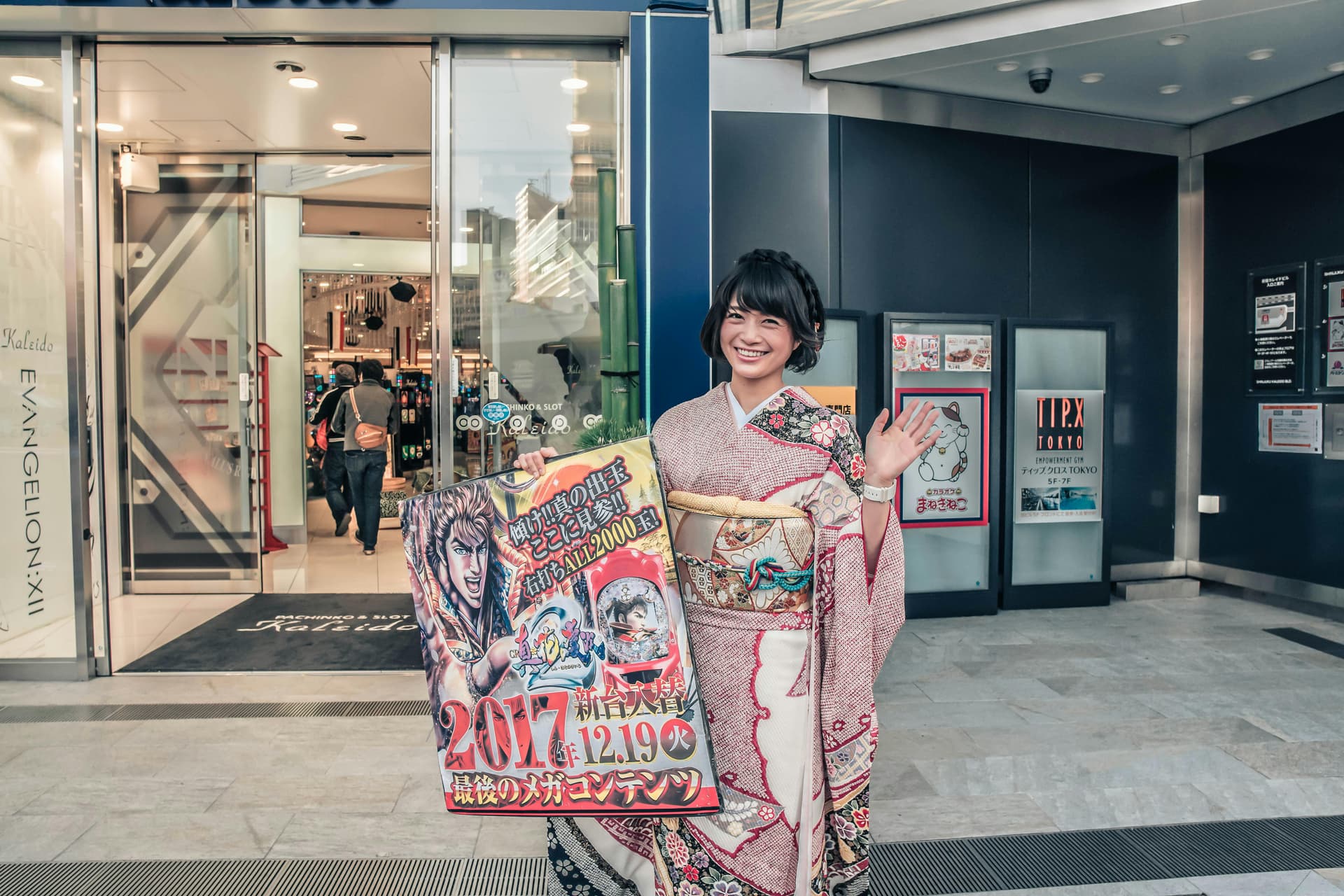
People dress smart but not formal. You'll see business suits, streetwear, and athletic wear on the same block. Tourists stand out, and that's fine.
Dress so you're still comfortable after 6-8 hours.
The Cash Reality (When Cards Fail)
Bring ¥10,000-20,000 in cash. Tokyo is going cashless, slowly.
| Payment Type | Where It Works |
|---|---|
| Cash only | Small restaurants (most) • Local shops • Street food • Temple donations • Some vending machines • Many neighborhood establishments |
| Cards/IC cards accepted | All trains (IC card preferred) • Convenience stores • Chain restaurants • Department stores |
Somewhere around 60-75% of Tokyo transactions are still in cash. Card acceptance is growing, mostly at the big chains and in tourist areas.
About ATMs:
-
7-Eleven and Post Office ATMs take international cards
-
Tourist areas have plenty of them
-
In residential neighborhoods they're less reliable for foreign cards
-
Hunting for one mid-tour eats time and narrows where you can eat
An IC card (Suica/Pasmo) covers trains and convenience stores, but you'll still need cash at restaurants and small shops. Your guide can help you get one if you need it, since language barriers make this easier with assistance. And tipping is not expected in Japan.
Common Mistakes and Why They Matter
New shoes: by hour 3 you have blisters, the day gets worse, the guide slows down to match you, and you see less.
No cash: your food options shrink mid-tour, and looking for an ATM costs 20-30 minutes. That's frustrating, and you may not get to try the places the guide recommends.
Wrong layers: you're cold in the morning and sweating in the afternoon, with nothing to fix it, and you're uncomfortable for 6 hours.
Too much in the bag: you won't notice in hour 1, but by hour 4 it's slowing you down.
Overdressing for "formal Japan": you're uncomfortable all day because of an assumption that isn't true.
Fiddly shoes at temples: the first time you take them off it's fine, by the third it's annoying, and by the fifth you're holding everyone up.
Skipping breakfast: tours start early and lunch might not come until 1-2pm, so your energy crashes.
Day-Before Checklist
Check you have:
-
Broken-in shoes (already comfortable)
-
Layers for the forecast
-
A small bag packed with the essentials
-
A filled water bottle
-
A fully charged phone and a portable battery in the bag
-
Cash (¥10,000-20,000)
-
A loaded IC card
-
Medications
-
Seasonal items (an umbrella if there's any chance of rain, sunscreen in summer)
-
The hotel's business card in your pocket (in case you get separated from the group)
Quick Reference by Season
| Category | Spring/Fall | Summer | Winter |
|---|---|---|---|
| Footwear | Broken-in sneakers | Breathable walking shoes | Warm walking shoes (waterproof if possible) |
| Bottoms | Jeans or comfortable pants | Shorts or light pants | Warm pants |
| Top | T-shirt + light jacket | Breathable shirt | Base layer + sweater + jacket |
| Accessories | Small backpack | Hat, sunglasses, small towel in bag | Scarf, gloves, warm socks |
| All seasons | Easy on/off shoes • Adjustable layers • Nothing you'd be upset about getting dirty or wet |
Frequently Asked Questions
What shoes should I wear on a Tokyo tour?
Broken-in walking shoes with good support. Avoid new shoes (blisters by hour two), heels, sandals, and fashion sneakers. You'll be on pavement, temple gravel, and subway stairs. Slip-ons help, because you'll take your shoes off at temples and some restaurants.
Do I need to dress formally in Tokyo?
No. Smart casual works anywhere tourists go. Skip torn clothes and offensive graphics, but jeans and sneakers are fine for temples, restaurants, and cultural sites. The only time you'd be underdressed is at a Michelin-starred restaurant, and your guide would warn you.
Should I bring a rain jacket or umbrella?
Your guide usually carries spare umbrellas. A compact rain jacket is still useful all year, and it's easier than an umbrella in a crowd. Summer rain is warm and winter rain is cold, and a waterproof layer handles both.
What bag should I carry?
A small backpack or crossbody bag. It needs to hold your wallet, phone, portable charger, water bottle, and any souvenirs you pick up. Too big is worse than too small, since you'll carry it all day, through crowds and on trains. Keep anything valuable out of sight.
What do I NOT need to bring?
Large water bottles (there are vending machines everywhere), heavy guidebooks (your phone does the job), lots of cash (most places take cards), and extra outfits (you won't change mid-day). Tokyo has shops for everything, so you can buy whatever you forgot.
Where Hinomaru One Fits
Packing well doesn't tell you whether you need a guide.
Some travelers pack perfectly and still spend their first two hours working out which train line goes where, whether they're meant to bow at temples, or whether that restaurant is even open. Others get the logistics right and miss the context that makes Tokyo make sense.
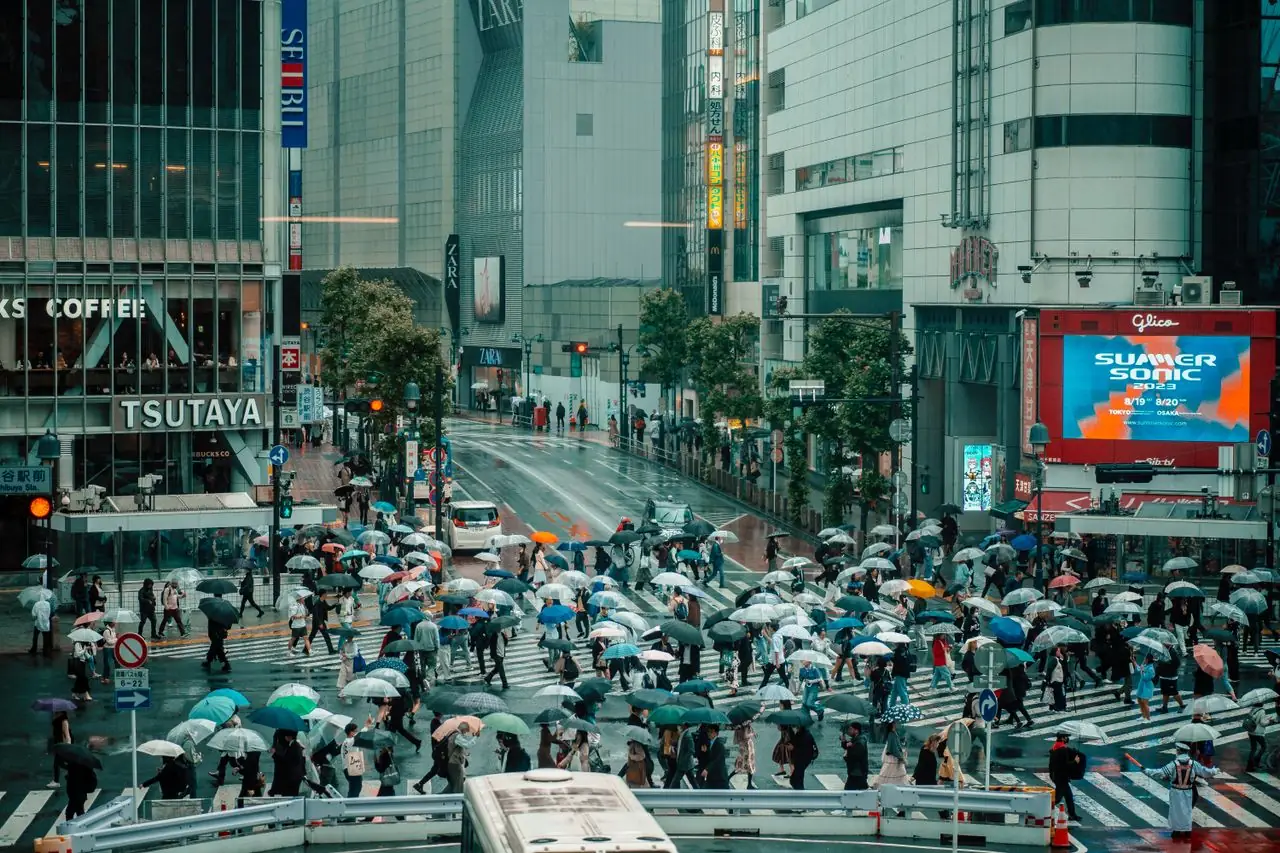
Hinomaru One suits travelers who want the physical prep handled (your guide warns you about shoe removal, knows which restaurants are cash-only, and carries spare umbrellas) and the cultural side explained as you go (why the Shibuya crowds move the way they do, what a shrine ritual means, why one neighborhood feels different from the last). Private Tokyo tours for first-time visitors shows everything a guided day covers.
It's a good fit if you:
-
Value your time more than the cost of a guide
-
Want Tokyo-specific knowledge you can't get from reading
-
Would rather not plan transit routes, restaurant reservations, or timing
-
Want to understand what you're seeing as well as see it
Your guide meets you at your hotel, so you don't burn morning energy finding a meeting point. They speak fluent English, so you can ask why things are the way they are as well as where to go. And they handle the logistics, like whether the restaurant takes cards or how many transfers the next leg needs.
The Bottom Line
A good outfit for a Tokyo tour lets you walk 15,000 steps without pain and copes with a 10-15°C temperature swing. Your shoes should come off and go back on easily, your hands should stay free, and your bag should hold the essentials without weighing you down.
You're dressing to spend 6-8 hours walking, eating, and riding trains in comfort, so pick comfort over style.