Choose your Tokyo arrival airport with clearer expectations, not assumptions.
Narita vs Haneda is one of those decisions that looks minor until you land jet-lagged with luggage and realize you're 60 kilometers from your hotel.
The distance difference between Tokyo's two airports isn't trivial. Narita sits 60-70 kilometers east of central Tokyo. Haneda is 15 kilometers south. That gap translates to real consequences on your first and last days.
Why Airport Choice Matters for Tokyo
Choosing wrong costs you time you won't get back. An hour saved on arrival is an hour you can spend in Shibuya or Asakusa instead of staring at highway traffic or navigating train transfers with luggage. On departure day, misjudging travel time means either leaving your hotel three hours early or risking missing your flight.
The decision affects where in Tokyo makes sense to stay. Hotels near Tokyo Station or Ueno connect more naturally to Narita. Accommodations in Shibuya, Shinjuku, or southern Tokyo favor Haneda. Pick the wrong airport for your hotel location and you're adding transfers, stairs, and unnecessary complexity to journeys you'll make exhausted. Where you stay in Tokyo should factor into which airport works best for your routing.
This matters more for short trips. Lose two hours on a three-day visit and you've sacrificed 5% of your entire Tokyo experience. Families with young children or elderly relatives feel every extra transfer and platform change. Business travelers on tight schedules can't afford arrival delays.
Quick Comparison:
| Factor | Narita | Haneda |
|---|---|---|
| Distance from central Tokyo | 60-70 km east | 15 km south |
| Fastest train to Tokyo Station | 50-60 min (N'EX) | 30-35 min (Monorail + transfer) |
| Cheapest train option | ¥1,000-1,240 (75-90 min) | ¥330-520 (20-30 min + transfer) |
| International long-haul flights | Most routes, especially North America/Europe | Growing but limited compared to Narita |
| Best for staying in | Eastern Tokyo (Ueno, Asakusa, Tokyo Station area) | Central/southern/western Tokyo (Shibuya, Shinjuku, Roppongi) |
| Physical complexity | Longer journey, more exhausting | Shorter journey, less demanding |
For your specific destination, get detailed door-to-door estimates with our Airport Transfer Calculator.
The Geographic Reality
Narita International Airport sits in Chiba Prefecture, 60-70 kilometers due east of central Tokyo. It's not a suburb—it's a different prefecture entirely. When flight schedules say "Tokyo," they mean the greater metropolitan area, not the city proper.
Haneda Airport sits on Tokyo Bay, 15 kilometers south of Tokyo Station. It's technically within Tokyo's city limits (Ōta ward), though still separated from downtown by water and industrial zones.
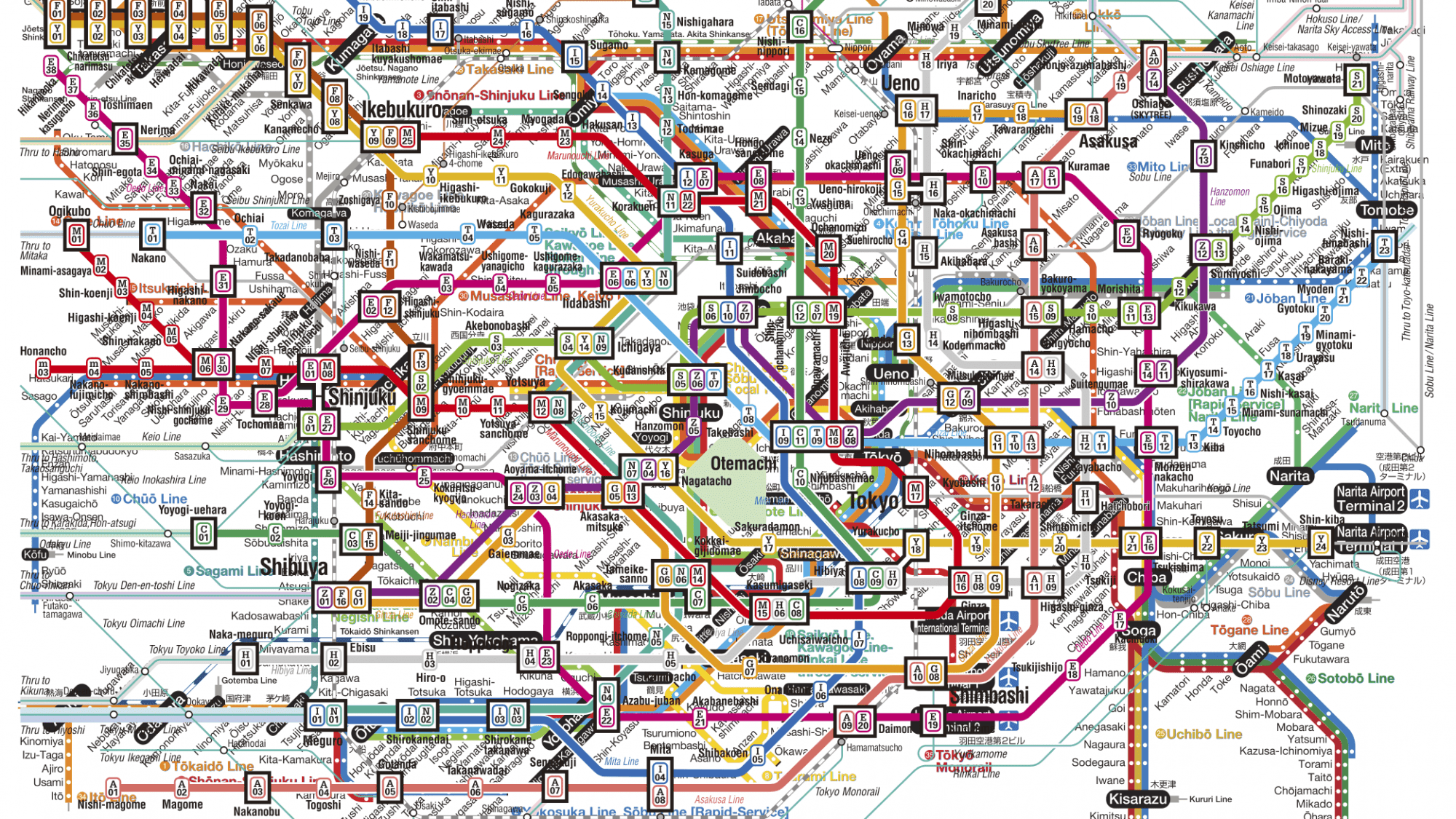
Tokyo sprawls east-west along the Yamanote loop. Neighborhoods like Shinjuku, Shibuya, and Harajuku anchor the west. Tokyo Station, Ginza, and the Imperial Palace define the center. Ueno and Asakusa sit to the east. This geography matters because Narita serves the eastern approach while Haneda approaches from the south.
"Central Tokyo" in airport contexts typically means Tokyo Station or nearby Yamanote Line stations like Shinagawa, Shibuya, and Shinjuku. These are where most visitors stay and where transit networks converge. The 45-55 kilometer gap between airports means travel patterns diverge significantly depending on which one you use.
Access Time and Cost Patterns
From Narita
| Service | Time | Cost | Key Features |
|---|---|---|---|
| Narita Express (N'EX) | 50-60 min to Tokyo Station, up to 90 min to Shinjuku | ¥3,070 to Tokyo Station, ¥3,250 to Shinjuku | All seats reserved, covered by JR Pass, luggage space, no transfers for major stations |
| Keisei Skyliner | 36 min to Nippori, 41 min to Keisei Ueno | ¥2,580 standard, ¥2,310 with e-ticket | Faster to Ueno area than N'EX, requires transfer for most destinations, all seats reserved |
| Keisei Limited Express | 75-90 min to Ueno area, may require transfer | ¥1,000-1,240 | Commuter service, no reserved seats, slower but significantly cheaper |
| Limousine Bus | 90-100 min to Tokyo Station | ¥3,100 premium, ¥1,500 budget (daytime) | Direct to some hotels, avoids train transfers, traffic dependent |
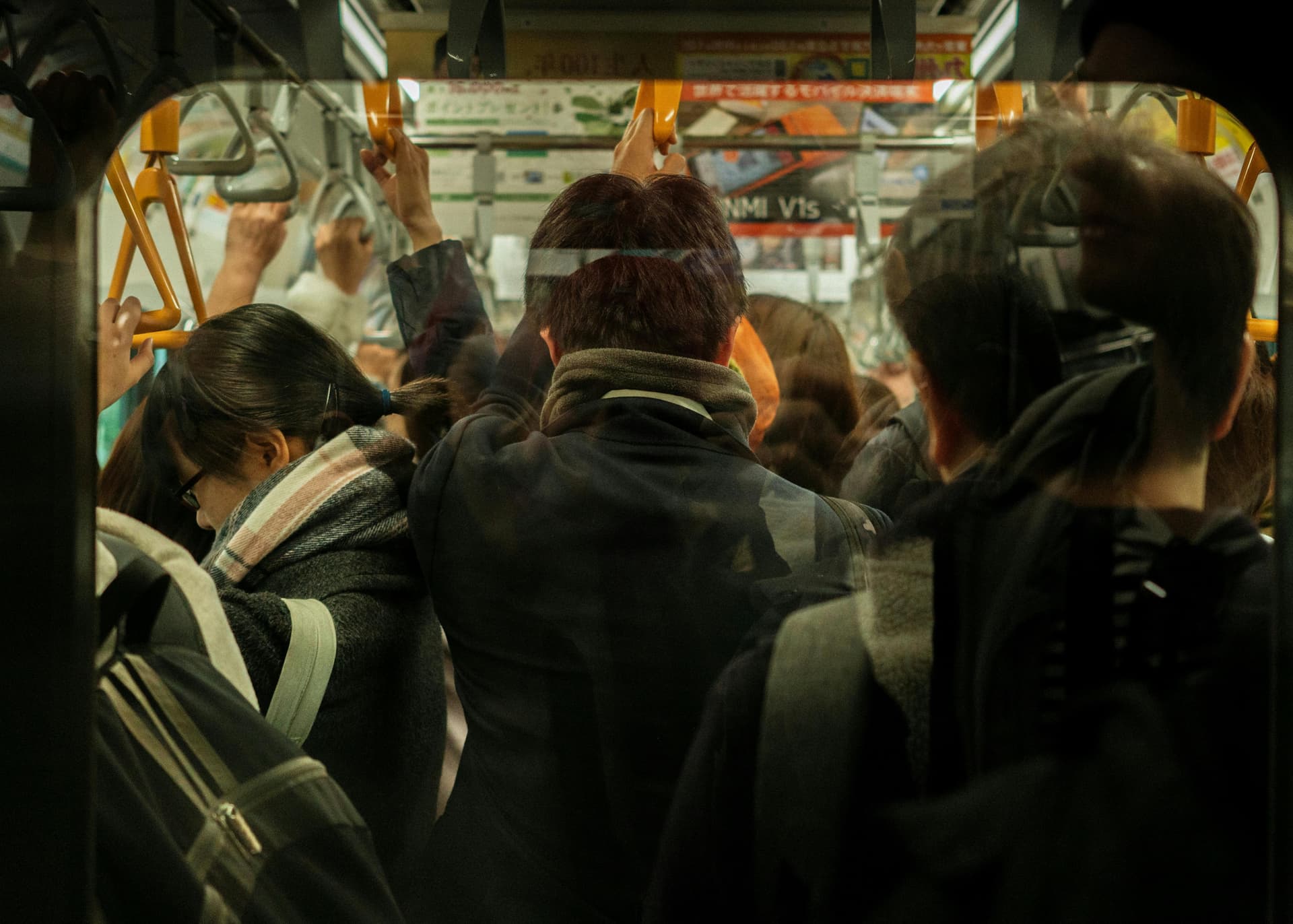
These times assume you've already cleared customs, found the platform, and didn't get confused at ticket machines. Add 15-30 minutes for station navigation at major hubs like Shinjuku (if you're transferring) or Tokyo Station. Both stations are massive and disorienting on first arrival. Understanding Tokyo's broader transit system helps put these airport routes in context once you're settled.
From Haneda
| Service | Time | Cost | Key Features |
|---|---|---|---|
| Tokyo Monorail | 13-20 min to Hamamatsucho | ¥490-520 | Covered by JR Pass, requires transfer to JR lines at Hamamatsucho for most destinations |
| Keikyu Line | 11-20 min to Shinagawa | ¥330-500 depending on destination | Direct to Shinagawa (major JR hub), not covered by JR Pass, cheaper than Monorail |
| Limousine Bus | 40-55 min to Tokyo Station area, up to 60-85 min elsewhere | ¥1,200-1,400 | Direct to some hotels, good with heavy luggage, traffic dependent |
Even factoring in transfers, Haneda gets you into central Tokyo 30-45 minutes faster than Narita for most destinations. That gap widens if you're staying in southern or western Tokyo (Shibuya, Roppongi, Shinagawa). It narrows slightly if you're staying near Ueno or eastern neighborhoods.
The cost difference between airports is less dramatic than the time difference. Narita's cheapest train option (Keisei Limited Express at ¥1,000-1,240) is only ¥500-700 less than Haneda's most expensive (Monorail at ¥520 plus a ¥200+ transfer). The premium services at both airports cost roughly the same once you factor in Tokyo-area transfers.
When Narita Makes Sense
| Scenario | Why Narita Works |
|---|---|
| Flight availability determines choice | Most North American and European carriers fly exclusively to Narita. Many Asian long-haul routes also prioritize Narita. If your origin city only offers Narita service, the decision is made for you. |
| More flight options and schedules | More departure times, more airline choices, more potential connections through Tokyo to other parts of Asia. Better fares or more convenient departure windows often available due to volume. |
| Staying in eastern Tokyo | Hotels near Ueno, Asakusa, or Tokyo Station connect more naturally to Narita train lines. Skyliner to Nippori/Ueno or N'EX to Tokyo Station means simpler routing (even if not faster in absolute terms). |
| Long trip with flexible timing | On a two-week trip arriving mid-morning with no time pressure, the extra hour in transit doesn't materially affect plans. Airport itself is easy to navigate—clear terminals, English signage, direct train platform connections. |
| Cost-sensitive travelers on longer trips | Saving ¥1,500-2,000 by taking Keisei Limited Express instead of Skyliner/N'EX might matter more than arriving 30-45 minutes earlier when you're not jet-lagged and have flexible schedule. |
When Haneda Is Worth Prioritizing
| Scenario | Why Haneda Works Better |
|---|---|
| Short trips (2-4 days) | Saving an hour on arrival and another on departure = 5-10% more time in the city. That's an extra meal in Tsukiji, another hour at a shrine, or arriving at your hotel less exhausted. |
| Late-night or early-morning arrivals | Landing at 11 PM or departing at 6 AM means making transfers tired, possibly in the dark, with limited train service. Haneda's 25-35 minute journey beats Narita's 60-90 minutes when exhausted. |
| Families with young children or elderly relatives | Fewer transfers = fewer stairs, shorter platform walks, less time managing luggage through crowds. Physical toll compounds with distance. For families specifically, private tours can handle airport-to-hotel transfers entirely, removing the stress of this first navigation challenge. |
| Travelers with mobility concerns | Haneda's shorter transit reduces physical demands significantly. Less distance to cover, fewer connection points. |
| Business travelers on tight schedules | Example: 11 AM departure from Haneda allows 9 AM hotel departure. Same timing at Narita requires 7:30 AM departure. That extra sleep or final meeting matters. |
| First-time visitors to Tokyo | Psychological difference between a 20-minute monorail ride and 60-minute express train is real when you've never navigated Japanese transit before. Success on first journey builds confidence for rest of trip. |
| Staying in central/southern/western Tokyo | If you're in Shibuya, Shinjuku, Shinagawa, or anywhere in southern/western Tokyo, Haneda is almost always faster. Airport's southern approach means not fighting across the city. Hotel in Shibuya: 35 min from Haneda vs 75+ min from Narita. |
Practical Constraints That Override Preference
| Constraint | How It Affects Airport Choice |
|---|---|
| Flight availability | Haneda primarily handles domestic flights, though international service has grown since 2010. Long-haul routes from North America and Europe concentrate at Narita. If your origin city only offers one airport, the decision is made. |
| Route complexity vs direct flights | Some airlines serve only Narita, others only Haneda, some both. The airport matters less than whether a direct flight exists from your city. Connecting through another Asian hub to reach Haneda might cost more time than flying direct to Narita. |
| Arrival/departure time | Late-night international arrivals typically land at Narita—it handles more overnight long-haul flights. If arriving at 4 AM or departing at 1 AM, confirm which airport your flight uses. Haneda's late-night train service is limited. |
| Airline alliances and loyalty programs | If you're earning miles or status with a specific airline, they might only serve one airport for your Tokyo route. The convenience gap between airports rarely outweighs a free ticket or upgrade opportunity. |
| Price differences | Budget carriers sometimes price Haneda flights ¥20,000-30,000 higher than Narita for Tokyo access. That savings pays for multiple days of accommodation or covers your entire in-Tokyo transit costs. |
Common Mistakes in Airport Selection
| Mistake | Why It Happens | Consequence |
|---|---|---|
| Choosing based solely on "closer to Tokyo" | Focusing on airport-to-city-center distance without considering actual hotel location | Haneda is 15 km south of Tokyo Station but could be 60+ minutes from northwestern Tokyo with transfers. Narita might route more directly to your specific accommodation. |
| Underestimating station complexity | Looking at travel time on paper without factoring in navigation difficulty | Shinjuku (3.5M daily passengers) and Tokyo Station are massive and confusing. Navigating with luggage after a long flight—even if it "saves time"—can be miserable. For first-time visitors especially, this arrival moment is where language barriers and unfamiliar signage compound the stress. |
| Overvaluing minor cost savings | Prioritizing ¥1,000-1,500 savings without considering arrival context | On day 5 when you know the system, budget options make sense. On arrival after a 12-hour flight, that savings costs an hour you'd rather spend at your hotel or exploring. |
| Not accounting for arrival time | Booking flights without considering Tokyo rush hour or service hours | Landing at Narita at 4 PM means rush hour crowds. Early morning/late night arrivals mean limited service and higher taxi costs. These are among the common Tokyo transit mistakes that compound when you're jet-lagged. |
| Assuming "budget" is always worth it | Focusing on ticket price without considering exhaustion and luggage | Keisei Limited Express (¥1,000, 75-90 min, transfers) vs Skyliner (¥2,580, 40 min, reserved seats, luggage space). With family or exhaustion, premium value exceeds cost. |
| Forgetting departure airport for multi-city trips | Not checking which Tokyo airport outbound flight uses | Haneda and Narita aren't interchangeable same-day. Inter-airport journey takes 75-120 minutes and costs ¥1,800-3,000. |
How to Decide for Your Trip
Quick Decision Matrix:
| Your Situation | Better Airport | Why |
|---|---|---|
| Staying in eastern Tokyo (Ueno, Asakusa, near Tokyo Station) | Narita | More direct routing despite distance—Skyliner to Nippori/Ueno or N'EX to Tokyo Station means fewer transfers |
| Staying in central/southern/western Tokyo (Shinjuku, Shibuya, Roppongi, Shinagawa) | Haneda | Geographic advantage compounds with better routing—almost always faster and simpler |
| Short trip (2-3 days) | Haneda | Saving 2 hours total (arrival + departure) = 5-10% more time in the city |
| Long trip (10-14 days) | Either | Extra hour each way at Narita barely registers over two weeks |
| Late night arrival (after 10 PM) or early departure (before 6 AM) | Haneda | Proximity matters more with limited train service and exhaustion |
| Traveling with young children, elderly relatives, or mobility challenges | Haneda | Shorter transit, fewer transfers, less physical toll. If mobility is a concern, understanding accessible Tokyo navigation can help you plan the entire arrival experience. |
| Solo traveler with one carry-on | Either | Narita's longer journey is manageable without luggage complexity |
| Business travel or tight schedule | Haneda | Extra 1-2 hours of sleep or meeting time matters more than flight cost differences |
| First-time visitor to Tokyo | Haneda | Shorter journey and simpler transfers reduce arrival complexity. Planning your first Tokyo visit includes thinking through this arrival sequence carefully. |
If you're staying in eastern Tokyo (Ueno, Asakusa, areas near Tokyo Station), Narita's routing is more direct despite the distance. The Skyliner to Nippori or Ueno, or the N'EX to Tokyo Station, means fewer transfers than coming from Haneda.
If you're staying in central, southern, or western Tokyo (Shinjuku, Shibuya, Roppongi, Shinagawa, Ikebukuro), Haneda is almost always faster and simpler. The geographic advantage compounds with better routing.
Trip length changes the calculus. On a 10-14 day trip, an extra hour each way at Narita barely registers. On a 2-3 day trip, those two hours are significant. Ask whether the time saved at Haneda is worth potential flight availability or cost differences at Narita.
Ready to calculate? Our Airport Transfer Calculator compares every option for your specific destination — including door-to-door costs, group pricing, and luggage limits.
The "best" airport is the one that matches your specific situation: your hotel location, your schedule, your travel companions, and most importantly, which airport actually has the flight you need. Don't force a preference that doesn't exist in your booking options.