A guide for repeat visitors doesn't orient you—they dismantle the comfortable patterns that blind you.
Seeing Tokyo beyond the basics is harder than it sounds, because what you already know about the city is what keeps you from the rest of it. For repeat visitors, a guide's job is to break those familiar patterns and get you into places you couldn't get into alone.
You've done Tokyo before, maybe twice, maybe five times, and you know more than most visitors. This page is about what that knowledge costs you, and what a guide can offer when you no longer need directions.
You Already Know Tokyo. That's the Problem.
You've navigated the trains. You have a favorite ramen spot. You know there's more to Shibuya than the crossing, and you've worked out which Shinjuku exit gets you where you're going.
Still, something feels incomplete. After several trips you feel like you've barely scratched the surface, and you're right to feel that. More research won't fix it, because the familiarity itself is in the way.
The Comfortable Pattern
Once you know a city well enough to get around, you default to the routes you know. You stay in neighborhoods you recognize and eat at places you already trust. Everyone does it. It's also why repeat visitors often discover less than first-timers, who are lost and keep stumbling into things.
15 Minutes You've Never Taken
Most of the Tokyo you haven't seen is close to places you've already been. Habit keeps you from it more than distance does.
Tomigaya is a 10-20 minute walk northwest from Shibuya Station: quiet cafés, small restaurants, residential streets where tourists rarely wander. You've probably passed the turn-off a dozen times.
Kagurazaka is five minutes from Iidabashi Station. It's a former geisha district with cobblestone alleys, among them Kakurenbo Yokocho, "Hide-and-Seek Alley," named because its maze-like layout let people lose anyone following them. The cobblestones were laid in fan patterns after WWII to keep the geisha's kimonos clean. You've been to Shinjuku countless times and never turned into these alleys.
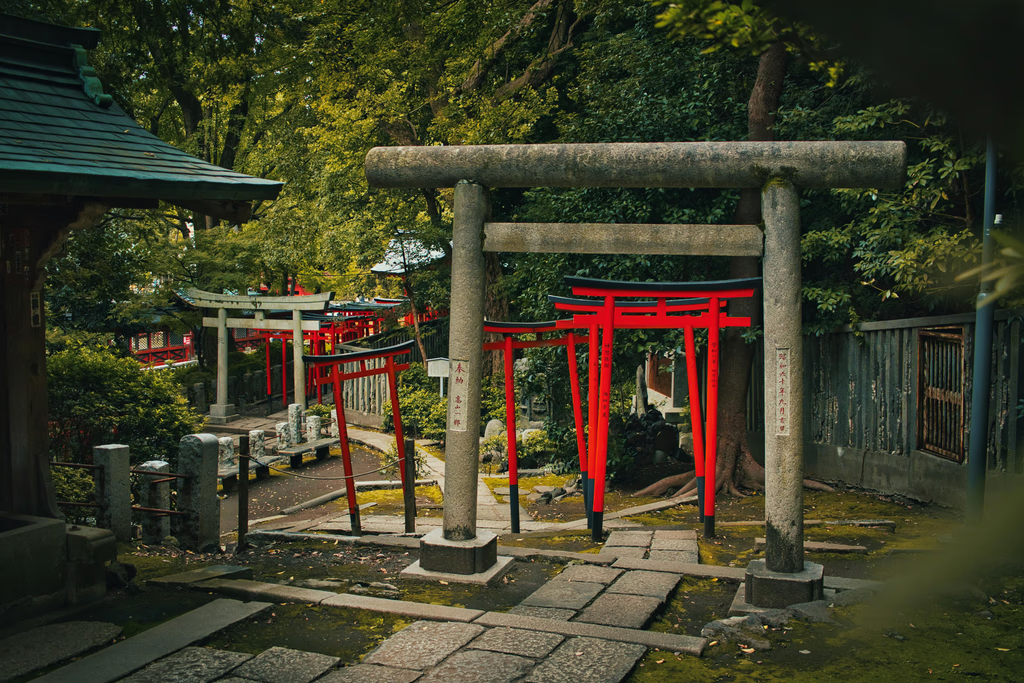
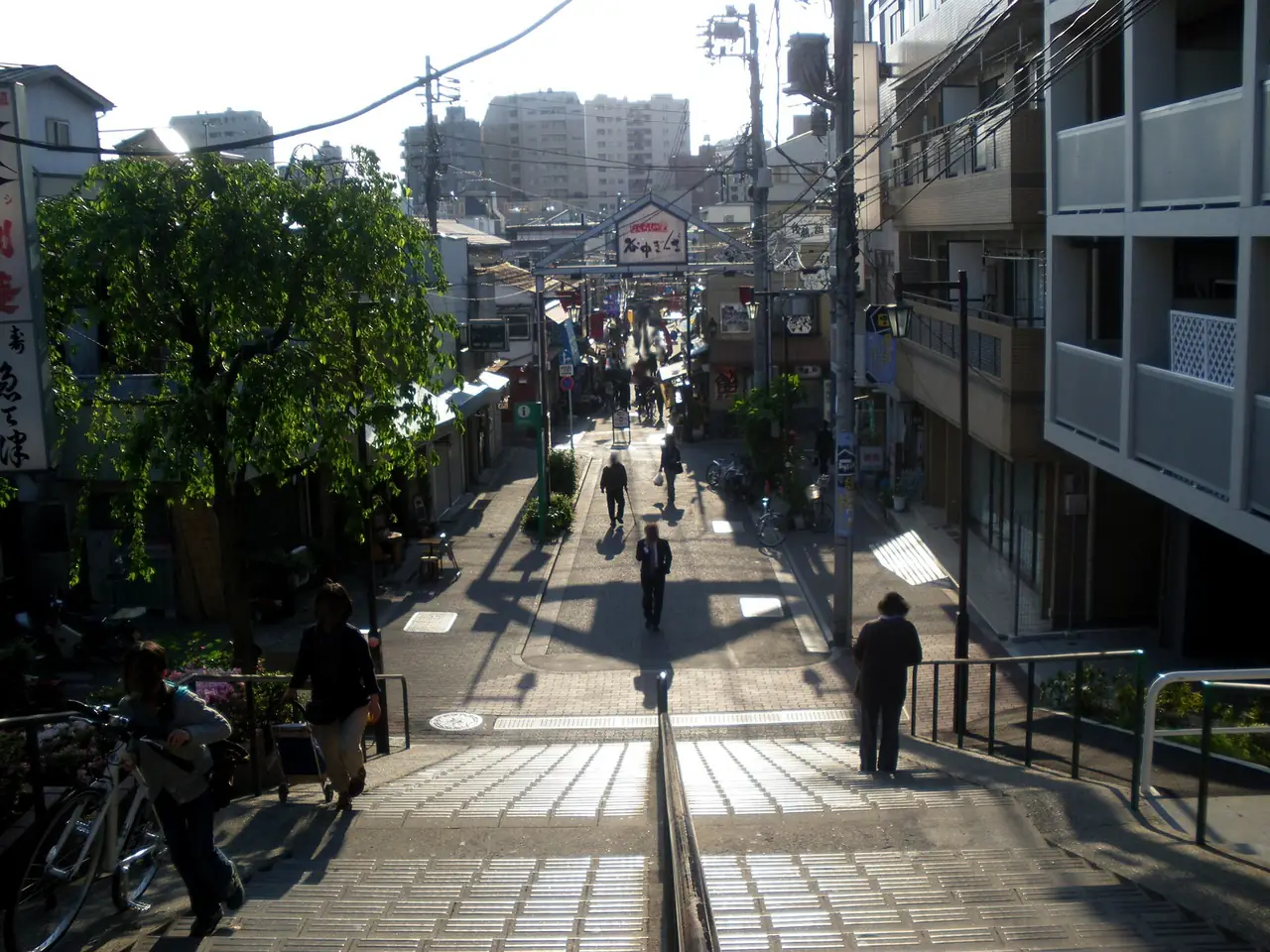
Yanaka survived the WWII bombing. It has seventy-plus temples, narrow winding streets, wooden houses, and a traditional shopping street called Yanaka Ginza, all a 15-minute walk north from Asakusa. Plenty of people have "done" Asakusa and never walked up to Yanaka.
You could find all of this online. You just haven't changed your route.
What Repeat Visitors Actually Need
First-time visitors need orientation. Where is Shibuya? How do the trains work? What do you do at a temple? A guide helps them through a city that would otherwise overwhelm them, and you're past that.
Depth, Not Orientation
You've spent time in Tokyo's major neighborhoods, but two hours somewhere doesn't mean you know it. Repeat visitors get more from spending longer in fewer places and understanding what they're looking at before moving on.
Half-day tours cover 2-3 locations. Full-day tours cover 4-6. Pick by whether you want to rush through or settle in.
The Access Problem
Some Tokyo experiences take more than knowing where to go.
Standing sushi bars are easy to find. The hard part is knowing which one, when to go, and how to order. Nonbei Yokocho in Shibuya ("Drunkard's Alley") has about 40 tiny bars dating back to the 1950s, each seating 4-8 people, five minutes on foot from Hachiko. Finding the alley is easy. Walking in, knowing the protocol, and picking the place that suits you goes much better with someone who's been there.
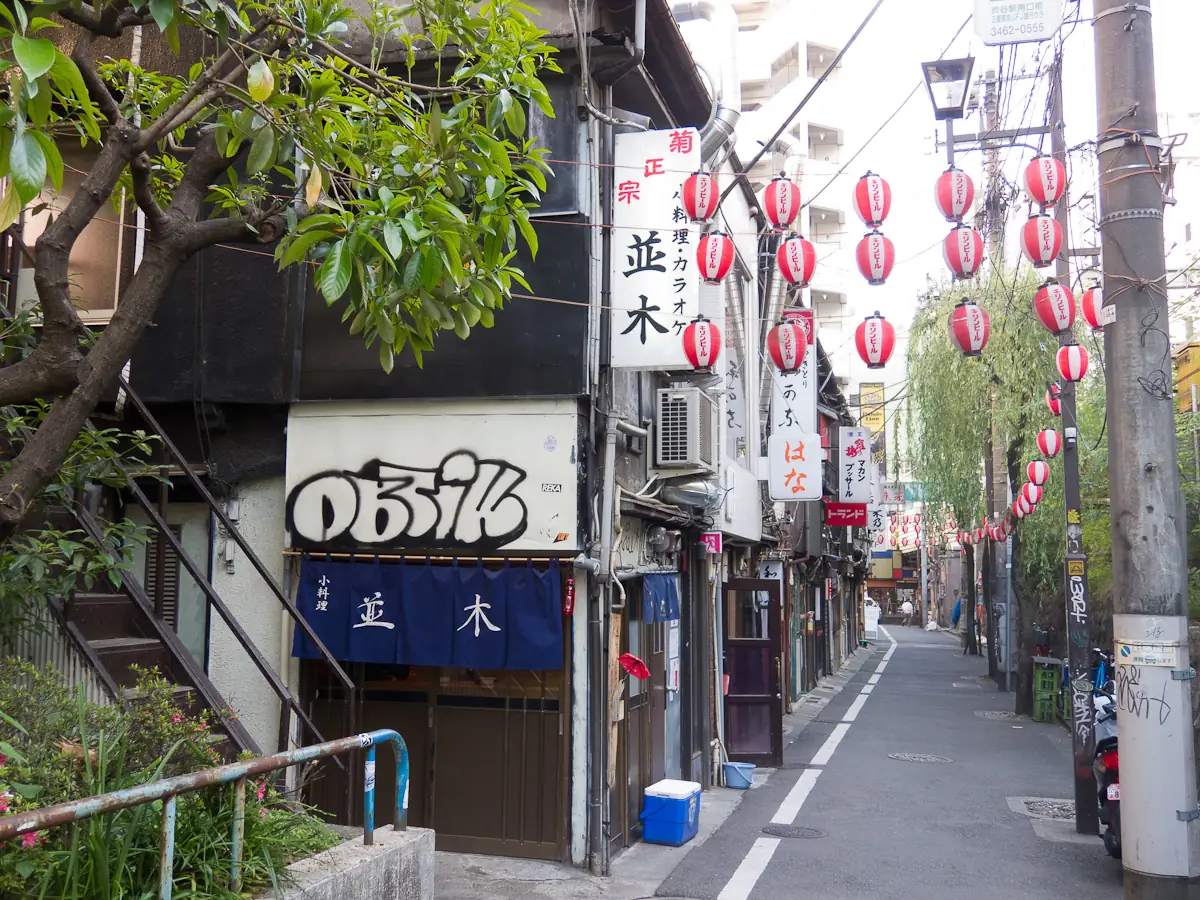
Ginza's basement bars are hidden on purpose. Bar Evans is behind Matsuya department store. Jazz & Bar Kiri has 200+ whiskey bottles and seats 15-20 people. Star Bar Ginza has 8 counter seats and hand-carved ice. None of the entrances are marked, and having them pinned on Google Maps doesn't make walking through the door any easier.
High-end sushi in Ginza needs reservations 2-3 months in advance, and many places are fully booked by regulars before tourists get a chance. Some practice "ichigen-san okotowari," which means first-time customers without an introduction aren't accepted. One 8-seat counter lets its members choose one night per year. You can research as much as you like, but some of these doors only open with an introduction.
Curation Over Customization
Tour operators advertise "fully customizable" experiences. Customizing only works if you know what to ask for.
Repeat visitors in forums ask vague questions about "off-the-beaten-path places," "authentic local experiences," or "something different." They look for reassurance ("Is Roppongi mainly an expat area?") and comparisons ("How does Tonki compare to Maisen for tonkatsu?").
Those questions show the gap. You can't customize toward options you've never heard of. Curation fixes that: someone who knows what exists and can suggest things you didn't know to ask about.
"I'd Been to Tokyo Many Times Before"
"I'd been to Tokyo many times before and still had never seen or heard of most everything he included in our tour."
That came from someone who thought they knew the city.
What the Guide Showed
The specifics vary by tour and traveler, but the pattern holds: neighborhoods they'd walked past, alleys they'd never entered, places they'd assumed were for locals only.
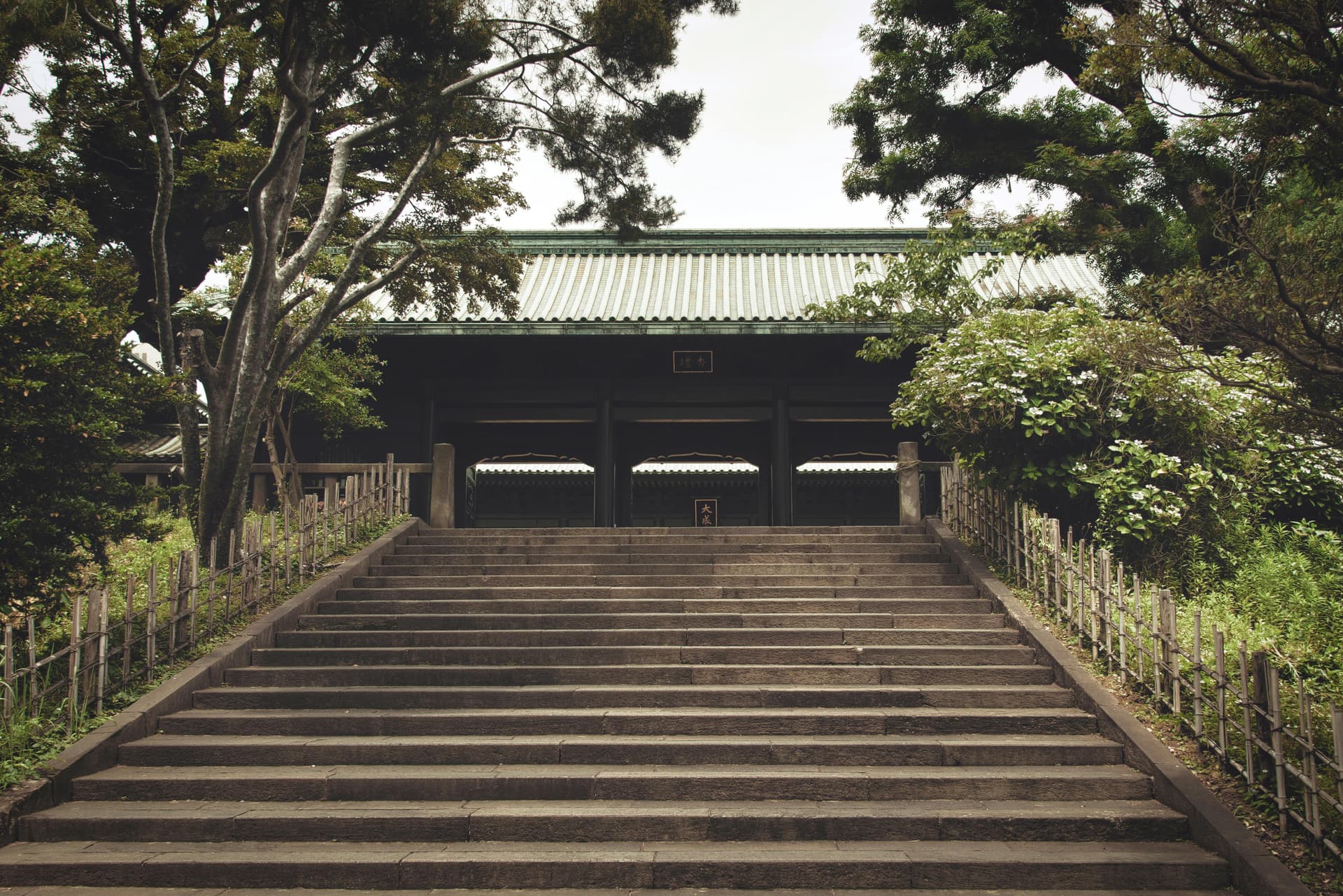
On one day that might be an 8th-century shrine most tourists skip and a Confucian academy where samurai bureaucrats studied. On another, a shopping street where grandmothers do their daily errands, pre-war streets that survived when the rest of Tokyo burned, or the backstreets beyond the main temple approach.
Anyone could find these places. They sit off the routes you already trust, and familiarity keeps you on those.
What a Repeat-Visitor Tour Looks Like
Fewer Stops, More Time
First-timer tours cover Shibuya, Harajuku, Meiji Shrine, and Asakusa, a taste of everything.
Repeat-visitor tours go the other way, with fewer locations and more time at each. You go deeper into places you thought you'd seen, or into neighborhoods you didn't know about.
Different Neighborhoods
Instead of Shibuya → Shinjuku → Asakusa, the day might be a shopping street where locals buy dinner, then a vintage district, then a jazz bar under the train tracks.
These places aren't on the standard tourist circuit, and they aren't hard to reach. You need someone who knows they exist and can put them into a day that makes sense.
The Access Moments
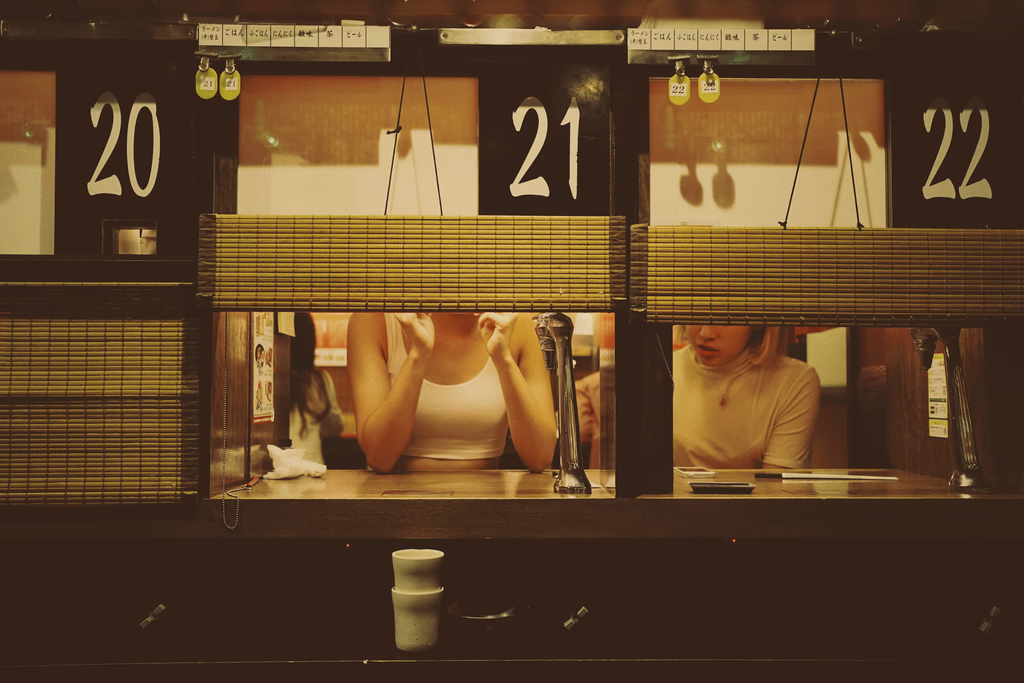
Picture a standing sushi bar at 4:30 PM, a yakitori joint where the regulars know the staff, a sake bar with no sign on the door, a busy izakaya with a handwritten menu that changes daily. The guide handles the locations and also the timing, the ordering, and the social dynamics of small Japanese-only venues.
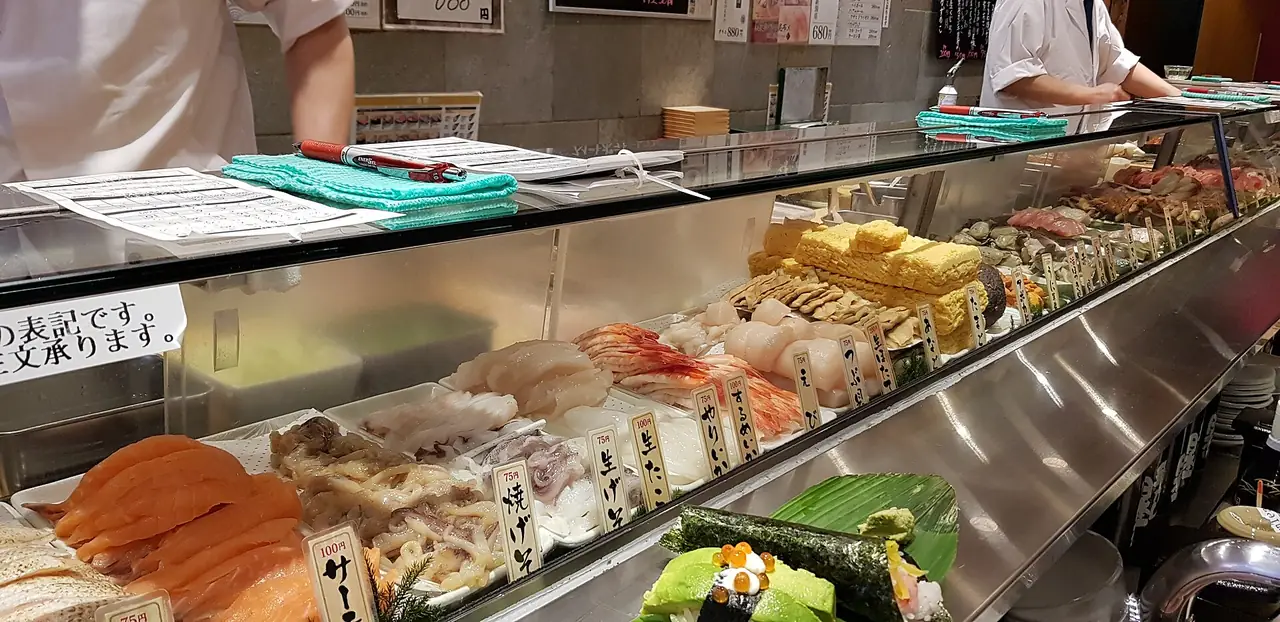
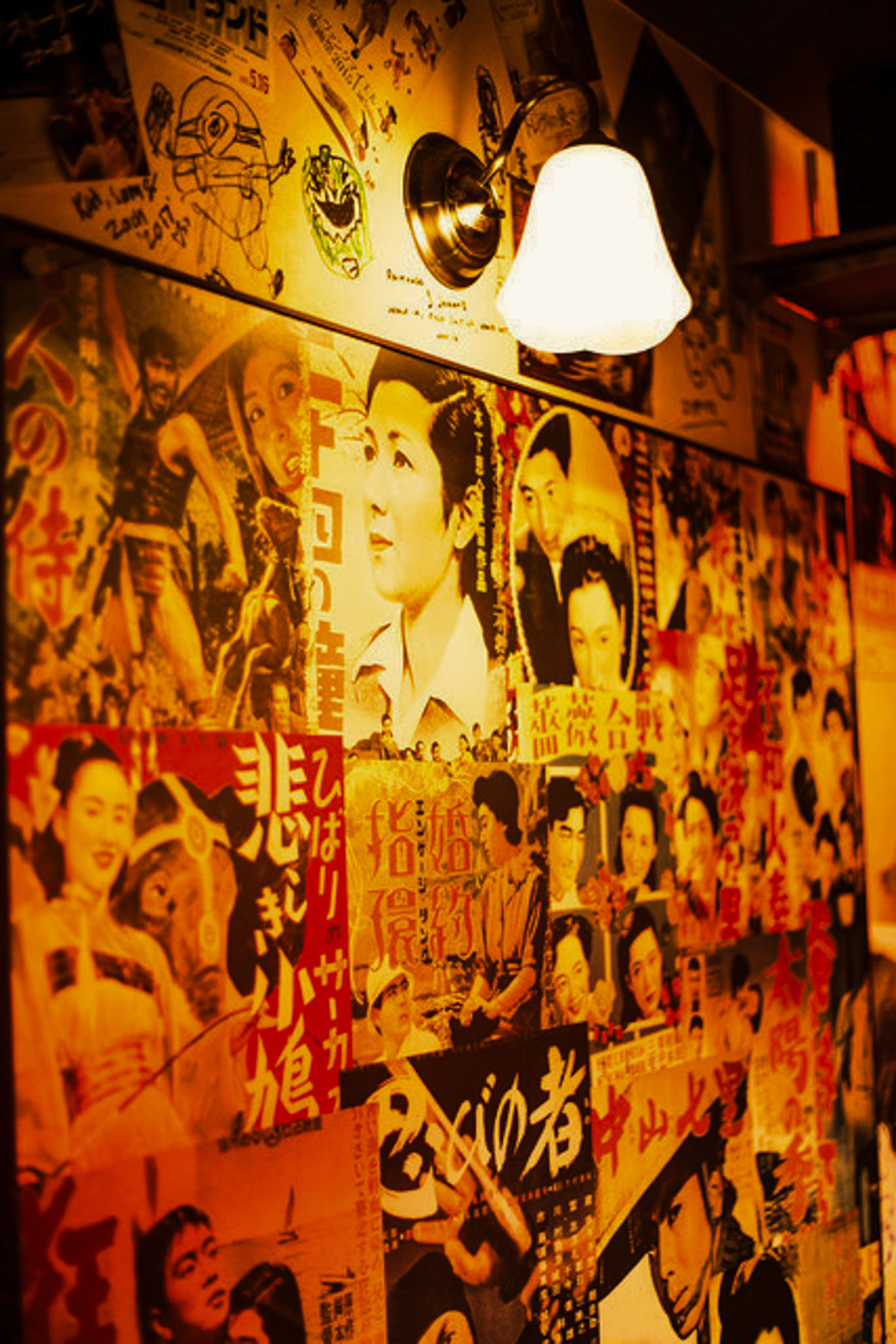
Or spend an evening in western Tokyo's Showa-era neighborhoods: retro izakaya with cinema posters on the walls, standing bars where salarymen decompress, street food stalls in covered markets. This is where Tokyoites unwind after work, and you won't see many tourists.
Tours That Work for Experienced Travelers
For History and Culture Depth
Timeless Tokyo (8 hours, from $550 for 2 people) follows Tokyo's history through Kanda Myojin Shrine, Yushima Seido, Imperial Palace East Gardens, Yanaka, and the shitamachi backstreets of Asakusa. It skips the crowded temple approach and spends the time in preserved neighborhoods that survived earthquakes and war.
Ordinary Tokyo (8 hours, from $550 for 2 people) is about everyday life: Togoshi Ginza for morning shopping, Shimokitazawa's vintage and theater scene, Kichijoji's covered markets, and a closing drink at Yurakucho's under-the-tracks izakaya.
For Food and Nightlife Access
Kushiyaki Confidential (6 hours, from $430 for 2 people) moves through Shibuya, Ebisu, and Nakameguro in the late afternoon and evening, with standing sushi, yakitori, hidden sake bars, and busy izakaya. The guide finds the restaurants, translates menus, and handles the etiquette of small venues.
Standing Room Only (4 hours, from $314 for 2 people) covers the rougher nightlife of western Tokyo in Nakano, Nishi-Ogikubo, and Kichijoji: Showa-era izakaya, standing bars, and neighborhood spots where salarymen drink after work.
For "Show Me Your Tokyo"
Infinite Tokyo (8 hours, from $550 for 2 people) is fully custom. Before the tour you tell us your interests and how much energy you have, and the guide builds the day around that, whether it's shrines, design, food, or neighborhoods. There's no menu of preset options to pick from.
Timing Your Return Visit
Repeat visitors can time a return trip for things a first trip rarely allows.
| Season | What Opens Up for Repeat Visitors |
|---|---|
| Cherry blossom (late Mar–early Apr) | You've seen the famous spots. Try Yanaka Cemetery's quieter sakura, evening walks along the Meguro River, and neighborhood shrines where locals picnic. A guide knows the spots tourists miss. |
| Summer festivals (Jul–Aug) | Fireworks, bon odori, neighborhood matsuri. A lot to take in and tiring for first-timers, but worth it if you know what you're getting into. |
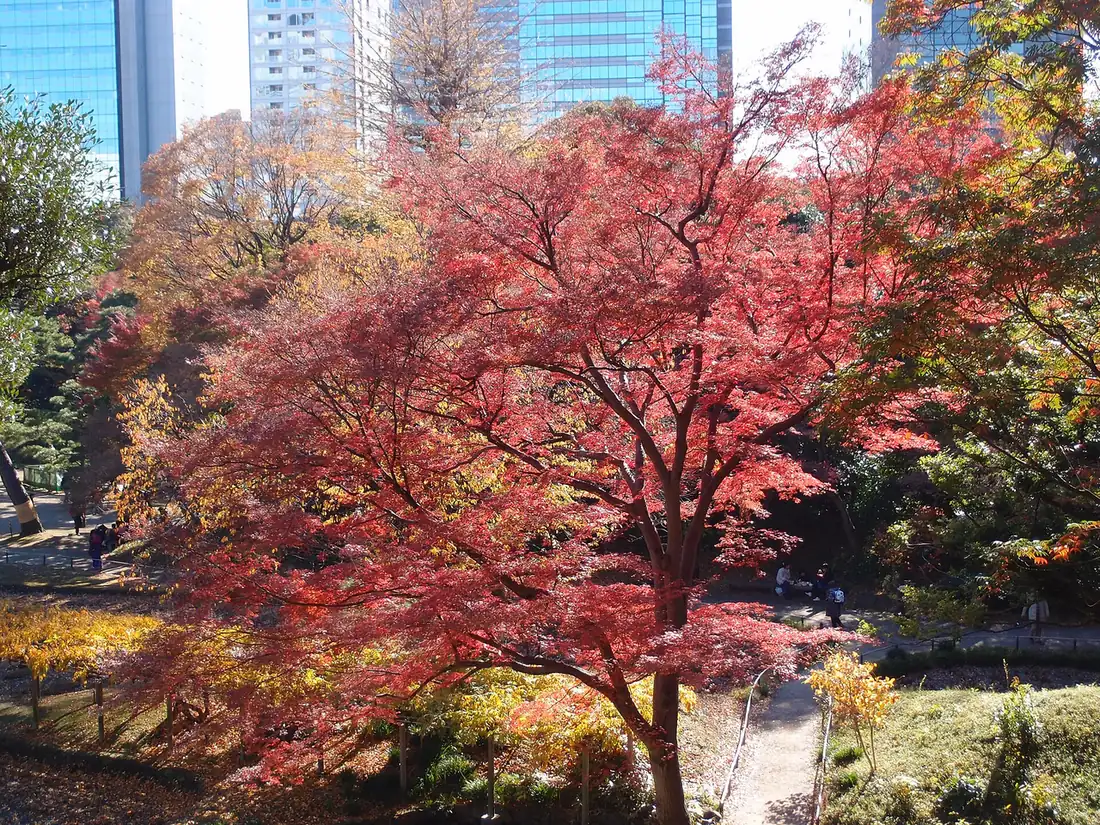
| Autumn foliage (Nov) | Past Rikugien: Koishikawa Korakuen at golden hour, the hidden path in Todoroki Valley, temple gardens in Yanaka. Fewer crowds, more time at each. |
| Winter (Dec–Feb) | Fewest tourists, so small venues are easiest to get into. Standing bars are quiet and neighborhoods feel local. It's hot pot and izakaya season. |
| Off-peak (Jan–Feb, May post-GW, Sep) | Most flexible. Last-minute bookings are possible, guides can change plans on the spot, and restaurants are easy to book. |
The repeat visitor advantage: First-timers plan around the famous sights. Repeat visitors can plan around the season. If cherry blossoms matter to you, come back in late March. If you want a good night out, winter's empty bars beat summer's sweaty crowds.
Seasonal depth tours: Guides can build a whole day around something seasonal that a standard itinerary leaves out, like an autumn foliage walk, a summer festival circuit, or a winter izakaya crawl. These suit visitors who've already seen the basics.
Is This For You?
This Is For You If...
-
You've been to Tokyo before and don't need basic orientation
-
You'd rather spend 3 hours in one neighborhood than 30 minutes in six
-
You're happy to let someone else suggest options you didn't know existed
-
You want to get into places like standing bars, small venues, and local spots
-
You feel like you've "barely scratched the surface" despite previous visits
This Probably Isn't For You If...
-
You want to cover as much ground as possible in the time you have
-
You prefer full independence and discovering everything on your own
-
Budget is your main constraint
-
You already have specific places researched and just need help with logistics
Either way is fine. Some repeat visitors prefer to explore solo, and others want someone to pull them out of their usual routes. We cover how different types of travelers approach private tours separately.
How Customization Works for Repeat Visitors
Booking works a little differently from a first-time visit, because you don't need orientation.
Step 1: Tell Us What You've Already Done
Before we talk, share:
- Which trips you've taken to Tokyo (when, how long, what you did)
- Neighborhoods you know well and ones you've never explored
- What you loved (and whether you want more of it or something different)
- What disappointed you (so we don't repeat it)
There's no form. We do this by email, chat, or WhatsApp, and the more you tell us, the better we can plan.
Step 2: Clarify What "Different" Means to You
People mean different things by "something different":
- Different geography: Neighborhoods you haven't visited (Yanaka, Shimokitazawa, Nishi-Ogikubo)
- Different access: Experiences that need an introduction or Japanese (standing bars, small izakaya, hidden venues)
- Different depth: More time in fewer places than you're used to
- Different timing: Night tours, early morning tours, seasonal windows
Tell us which one you mean and the guide plans around it.
Step 3: Receive Curated Options (Not a Fixed Itinerary)
We send options instead of a locked itinerary, for example:
"Based on what you've shared, here are three directions the day could take:
- Shitamachi depth: Yanaka → Nezu → Sendagi. Old Tokyo that survived the war. Half-day with lunch at a family-run soba shop.
- Nightlife access: Shibuya standing sushi → Ebisu izakaya → Nakameguro sake bar. Evening tour, guide handles all venue navigation.
- Residential contrast: Togoshi Ginza morning market → Kichijoji afternoon → Yurakucho under-the-tracks evening toast."
You pick one, and we refine it from there.
Step 4: Day-of Flexibility
Repeat visitors tend to know what they like. If something isn't working on the day, say so and the guide will change course:
- Neighborhood feeling too familiar? Skip to the next one.
- Energy flagging? Find a café and regroup.
- Spot something interesting? Follow it.
Frequently Asked Questions
Why would a repeat visitor need a guide?
You already know the landmarks and how to get around. Repeat visitors hire a guide for depth: the 15-minute walks you've never taken, standing bars with no online presence, craft workshops that need an introduction, and background that makes familiar sights make more sense.
What can a guide show me that I haven't seen?
Behind the neighborhoods you've walked are alleys, counter seats, residential pockets, and specialist shops that don't appear on tourist itineraries. Guides who live here know what visitors usually miss and can fill those gaps around your interests.
Should I tell the guide what I've already done?
Yes, please. Tell us the neighborhoods you've explored, the restaurants you've tried, and what you've already done. That avoids overlap and lets the guide focus on what's new to you. The more detail you give, the better the day.
Can I request very specific experiences?
Yes. "I want to find a particular vintage denim shop" or "I'm looking for the best standing tempura bar" are exactly the kind of requests repeat visitors should make. Guides can often find what you're after or suggest something you didn't know existed.
Is a guide worth it if I already know Tokyo well?
Only if you want access or depth you can't arrange on your own. If you're comfortable getting around and don't need help with Japanese, you might not need a guide. If you want someone to plan a day around your interests and get you into places tourists usually can't, a guide is worth it.
Ready to Book?
You know Tokyo well enough to sense what you've been missing. A guide who lives here can take you into the alleys, standing bars, and seasonal moments you've been walking past.
Photo credits
- Looking down the Yuyake Dandan steps toward the Yanaka Ginza shopping street: User:Kentin / Wikimedia Commons, CC BY-SA 3.0, resized
- Paper lanterns strung over the narrow lane of Nonbei Yokocho in Shibuya: Rs1421 / Wikimedia Commons, CC BY-SA 3.0, resized
- Sushi chefs behind a counter of fresh fish at Uogashi standing sushi bar in Shibuya: MD111 / Wikimedia Commons, CC BY-SA 2.0, resized
- Red maple leaves in autumn at Koishikawa Korakuen with office towers behind: Guilhem Vellut from Annecy, France / Wikimedia Commons, CC BY 2.0, resized