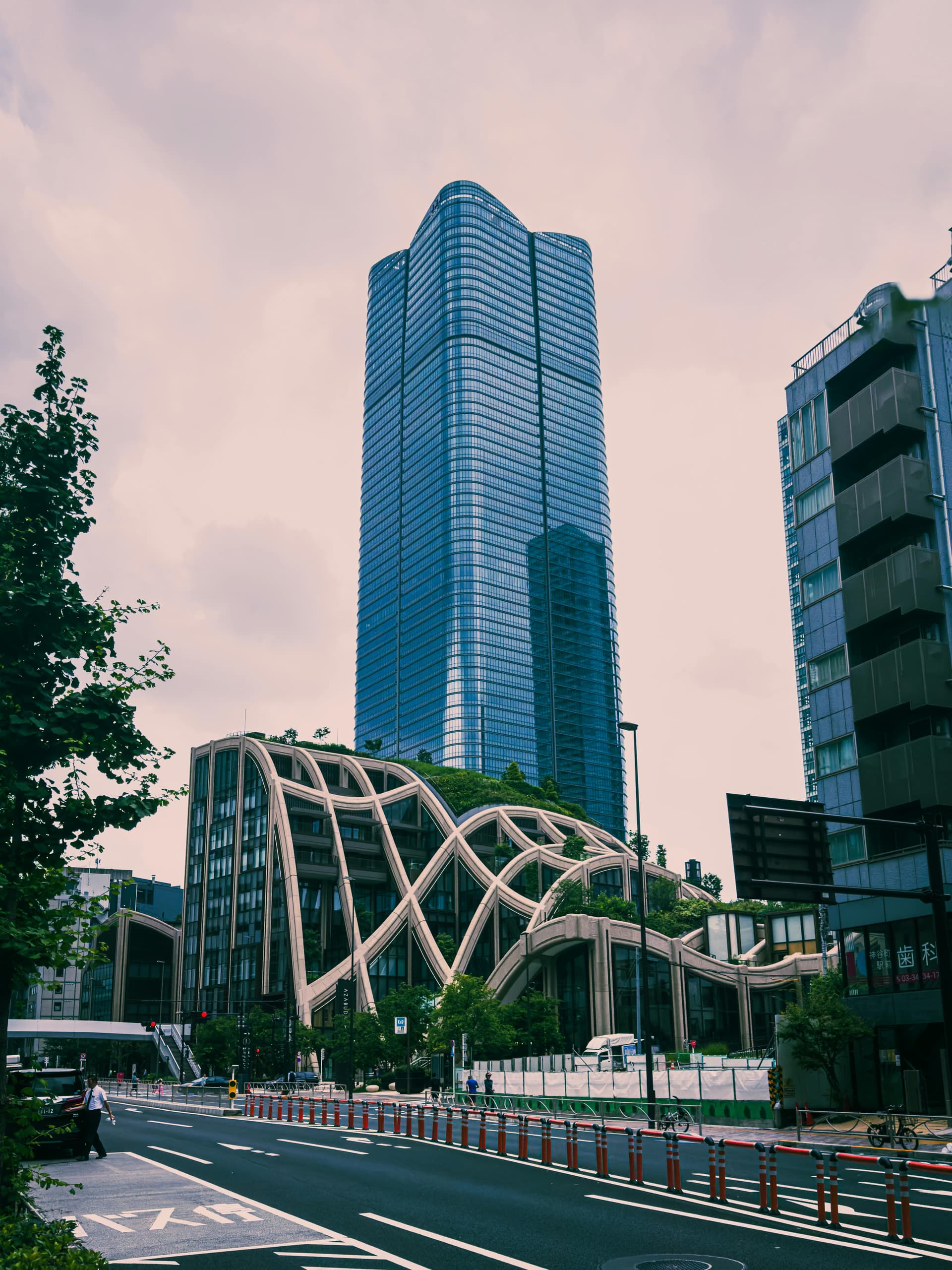
Roppongi is two places at once -- a serious art district by day and a nightlife zone with real risks after dark. Knowing which is which matters.
Roppongi usually gets written off as a nightlife district to avoid, or written up as a generic "arts and culture" zone. Neither description gets at what's interesting about it. For 150 years people have literally fought over this ground, and the marks left by each era sit side by side.
Tokyo Midtown stands on the site of an Imperial Japanese Army barracks, and the National Art Center on another. After 1945 American soldiers took both. The bars and clubs behind Roppongi's night reputation started out serving those soldiers. A US Army facility, heliport included, still operates here today, fenced off in the middle of one of Tokyo's most expensive zip codes.
None of this is on a plaque, and you won't notice it walking from the Mori Art Museum to a ramen shop. It still explains most of why Roppongi feels the way it does.
From barracks to bars to billion-dollar towers
Until the Meiji government began modernizing Japan in the 1860s, this area was daimyo estates, the compounds of feudal lords. The new government turned those compounds into military bases. The Infantry First Regiment was on what is now Tokyo Midtown, and the Infantry Third Regiment where the National Art Center stands. For decades Roppongi was a military town.
After Japan surrendered in 1945, US forces took over those bases. Under the occupation Roppongi became what locals called a concession zone, run on American soldiers, American money, and American tastes, and bars, dance halls, and restaurants opened to serve them. Many embassies had already settled in nearby Azabu, on the same daimyo estates that elites had been handing between themselves for centuries. Minato Ward has around 50 foreign embassies today, and that concentration goes back to this period.
The US military returned parts of the land in the late 1950s, and the bars stayed. With the soldiers gone, young Japanese who liked the foreign atmosphere moved in. Nippon Educational Television (now TV Asahi) set up in Roppongi in 1959 and drew entertainers and media people into the area. A youth culture called "Roppongi-zoku" grew up around the celebrity scene, something like Tokyo's version of a Soho or Greenwich Village moment, with television in the role publishing played there.
Roppongi had disco by the 1970s and a name as Tokyo's wildest nightlife district by the 1980s. All that time, the area east of the main crossing was still packed wooden housing on streets too narrow for fire trucks.
That mattered later. When Mori Building started assembling the land for Roppongi Hills in 1986, part of the case was safety, because the old neighborhood was a fire trap.
Roppongi Hills vs Tokyo Midtown: the rivalry that rebuilt a district
Developer Mori Minoru spent 17 years negotiating with more than 500 separate landowners to put the Roppongi Hills site together. Construction started in 2000 and the complex opened in April 2003. It gives 31% of its footprint to green space, stacks offices on retail on a museum, and puts the Mori Art Museum on the 53rd floor. Mori called the idea a "vertical garden city": Tokyo should grow up instead of out.
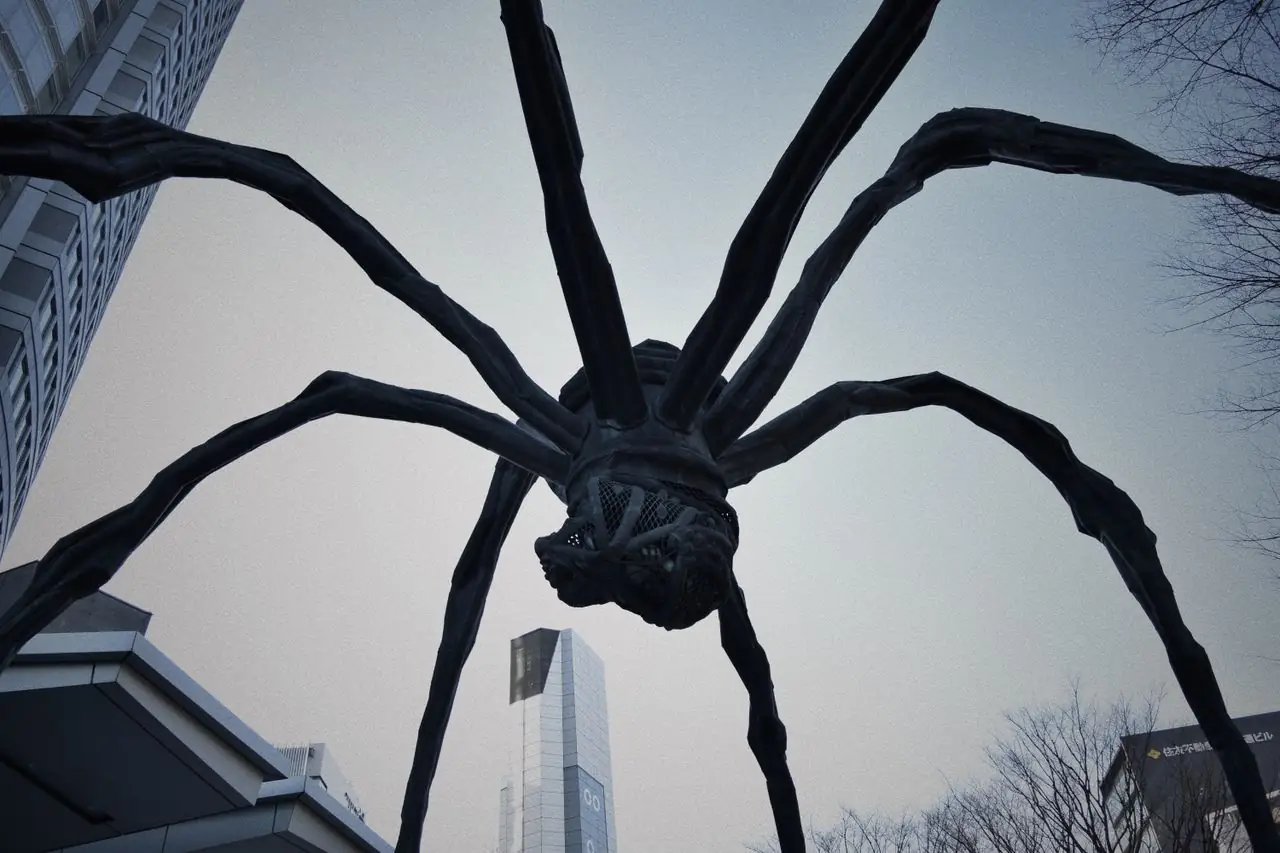
Four years later Mitsui Fudosan opened Tokyo Midtown on the old Japan Defense Agency site. The Defense Agency had replaced the US base, which had replaced the Imperial Army barracks, so that one address has held three layers of institutional power. Midtown's centerpiece is its 248-meter tower, but the better stop is at ground level, where 21_21 Design Sight sits at the edge of Midtown Garden. Tadao Ando, the self-taught Pritzker Prize winner, designed it. He put 70% of the floor space underground, which began as a way around zoning rules and ended up as the building's defining feature. Issey Miyake co-founded the museum, and Ando turned Miyake's "A Piece of Cloth" idea into a roof made from a single folded sheet of steel, 54 meters long.
The Mori versus Mitsui contest reshaped Roppongi within ten years. Corporate tenants such as Konami and Yahoo Japan moved out of Mori Tower into the newer Midtown Tower, and both developers kept spending. Roppongi now has two rival commercial complexes about a kilometer apart, each with its own gardens, restaurants, and museums.
Mori Minoru died in 2012. His company is building what people call "Second Roppongi Hills" next door, due in 2030.
The Art Triangle: three museums, three philosophies
The National Art Center, Tokyo (NACT) sits between Roppongi Hills and Midtown, and with the museums in those two complexes it makes up the Art Triangle Roppongi. Visit one and you get a discount stub for the other two. The museums themselves are more interesting than the scheme.
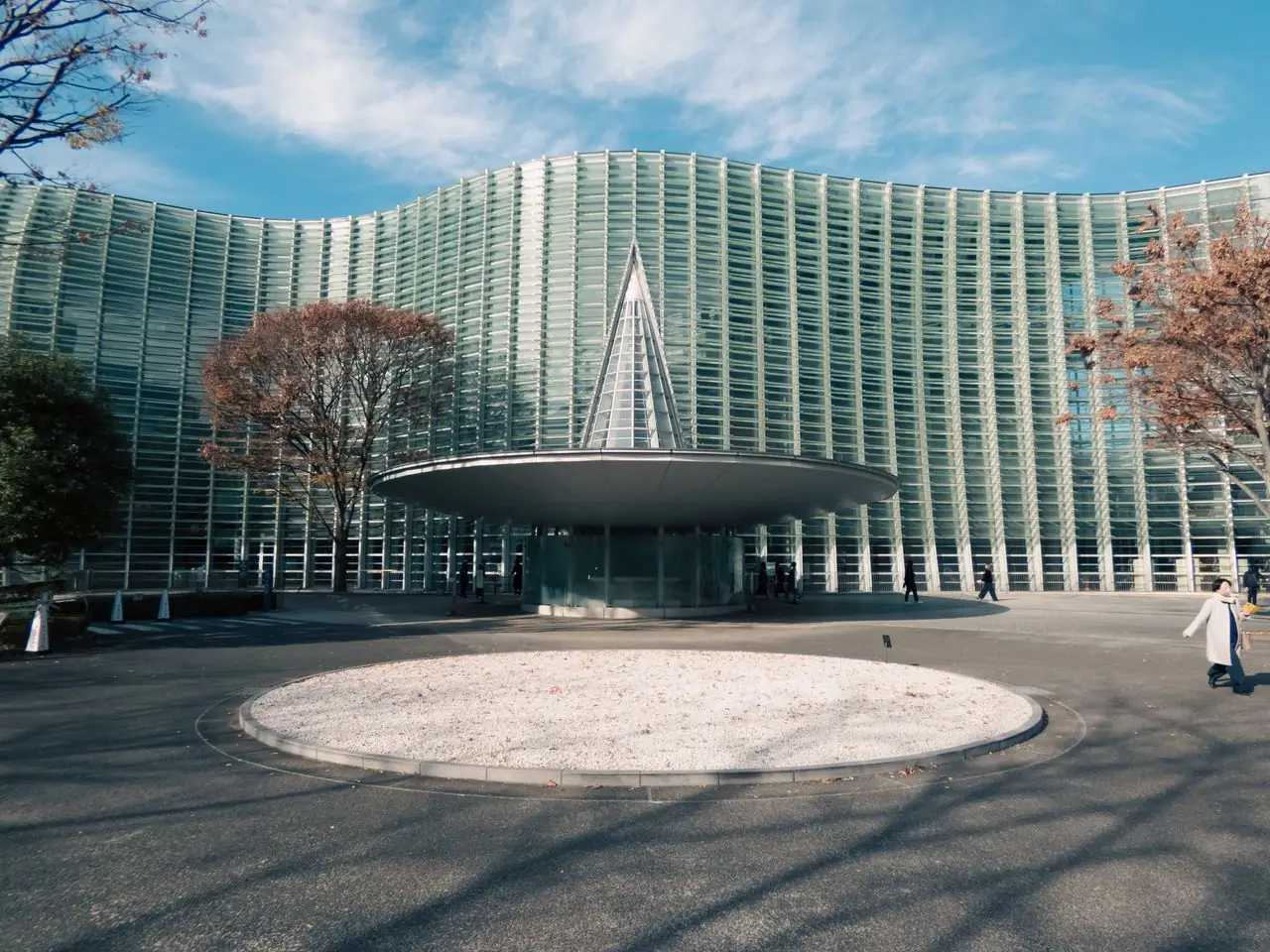
NACT was the last building by Kisho Kurokawa, a co-founder of the Metabolist movement, the postwar Japanese group that treated buildings as living organisms. He described it as "a museum in the forest." The wavy glass facade runs 160 meters, and the 21.6-meter atrium is meant to blur inside and outside. Kurokawa died in 2007, the year it opened. There's no permanent collection, so a visit depends entirely on what's on. Entering the building is free; you pay only for the exhibitions.
The Mori Art Museum shows contemporary Asian art from the 53rd floor of Mori Tower. For an extra 500 yen you can add the Tokyo City View observation deck. From 250 meters you can pick out Tokyo Tower, Rainbow Bridge, and on a clear day, Fuji. If you've already been up Shibuya Sky, it's a similar view for more money.
The Suntory Museum of Art in Midtown covers traditional Japanese crafts like lacquerware, ceramics, and textiles. It's the smallest and quietest of the three.
All three close on Tuesdays. Most Japanese museums close on Mondays, so people get caught out.
With the ATRo discount, a physical ticket stub from one museum gets you 200 yen off at the next. It only applies to tickets bought at the counter, not online. That's a small saving, though it adds up over three museums.
Don't try to see all three in one day. Each needs 90 minutes to two hours, and three in a row will wear you out and blur them together. Pick two at most, or spread them over separate days.
The nightlife question, answered honestly
Roppongi earned its nightlife reputation. People have been drinking here since American soldiers were stationed in the area in the 1940s, and they never stopped.
The trouble concentrates around the Roppongi crossing, especially the blocks north of Roppongi-dori near Gaien-Higashi-dori, around the Don Quijote. Touts work the sidewalks trying to pull people into bars. Some of those are "bottakuri" bars that run up fraudulent charges on your credit card, sometimes thousands of dollars. "Drink-back girls" approach foreign men on the street or through dating apps, take them to these bars, and get half of the inflated bill. Drinks get spiked. Tokyo police have stepped up patrols, put up warning posters in English, and work with local business groups on cleanup, and the scams still haven't gone away.
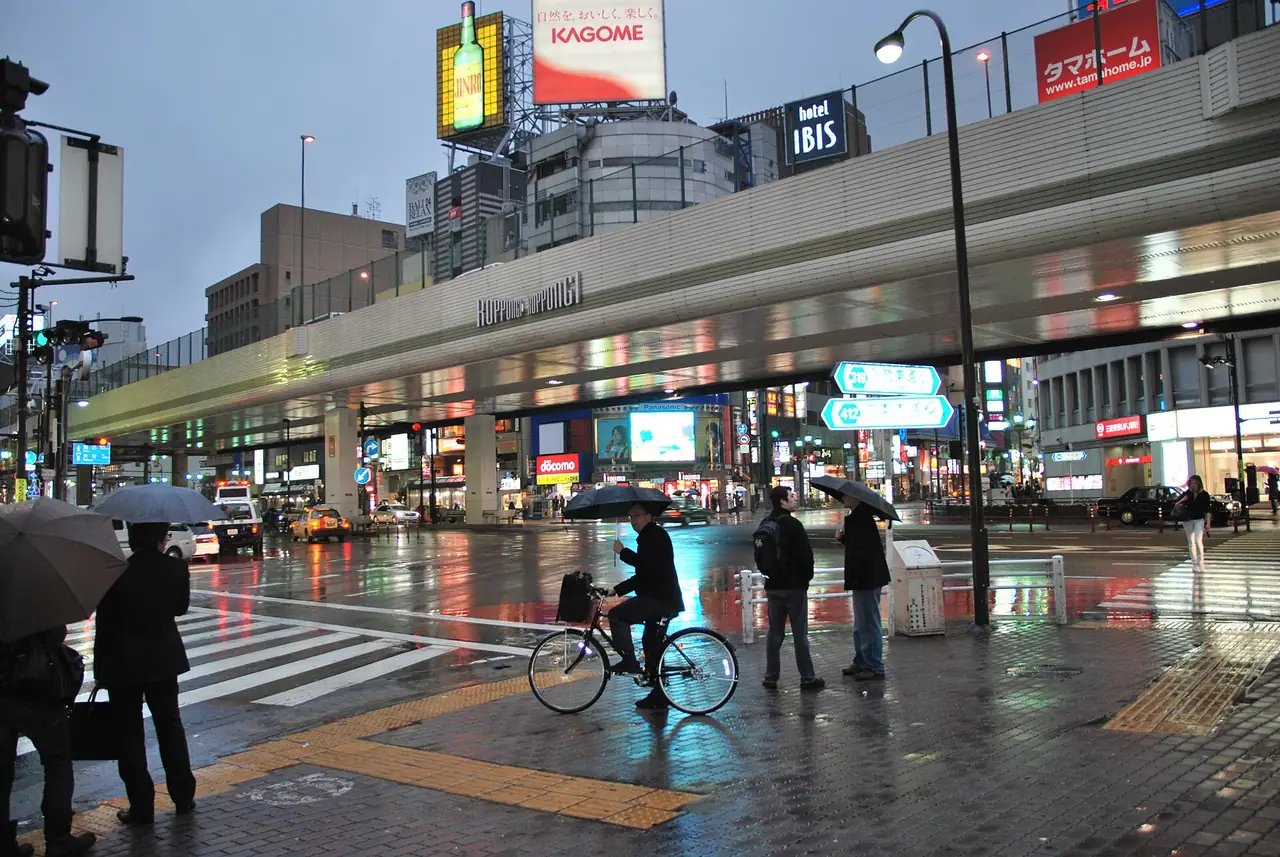
The advice is dull and it works. Don't follow strangers into bars, don't accept drink invitations from people you just met on the street, and choose where you're going ahead of time. The walk from Roppongi Station to Roppongi Hills is well lit and safe; TV Asahi staff and Goldman Sachs bankers do it every day.
Some background helps. Nightlife here got rougher in the early 2000s, when organized crime and semi-gangster ("hangure") groups were active in the club scene. Roppongi Hills opened in 2003 and brought wealthy residents who pushed for a cleanup, and police cracked down. The area became safer overall, but the north block near the crossing is still where trouble happens.
There are plenty of legitimate clubs and bars if you want a night out. The rooftop bars at Roppongi Hills are fine, and so are the established international venues. Know which blocks to skip, and ignore recommendations from strangers.
The embassy layer
Most visitors don't notice that Roppongi sits in the densest cluster of foreign embassies in Japan. Minato Ward has around 50 diplomatic missions, many in the Azabu neighborhoods right next to Roppongi. The Swedish, Philippine, and Italian embassies, among others, are all walkable from Roppongi Station.
The diplomats have been here a long time. Foreign legations first moved into the old daimyo estates in the late 1800s and stayed. The embassies keep a permanent international population of diplomats, their families, and support staff in the area, and that population keeps foreign grocers, international schools, and English-menu restaurants in business. Those restaurants had English menus before most of Tokyo did.
Then there's Hardy Barracks. The Akasaka Press Center, run by the US Army, still occupies about 27,000 square meters of Roppongi. Its heliport links to Yokota and Atsugi air bases, and the Stars and Stripes newspaper runs its Japan bureau from there. Visiting US presidents land their helicopters on it. It's one of only two American military sites left in Minato Ward, and the fence is in plain view of the street.
Daytime Roppongi: what actually exists
Most guides barely mention Roppongi in daylight, and there's a fair amount to it.
Hinokicho Park, behind Tokyo Midtown, keeps the garden of the old Hagi clan villa from the Edo period. It's open 5am to 11pm and is surprisingly quiet considering what surrounds it. Midtown Garden next door has 103 cherry trees and is open 24 hours.
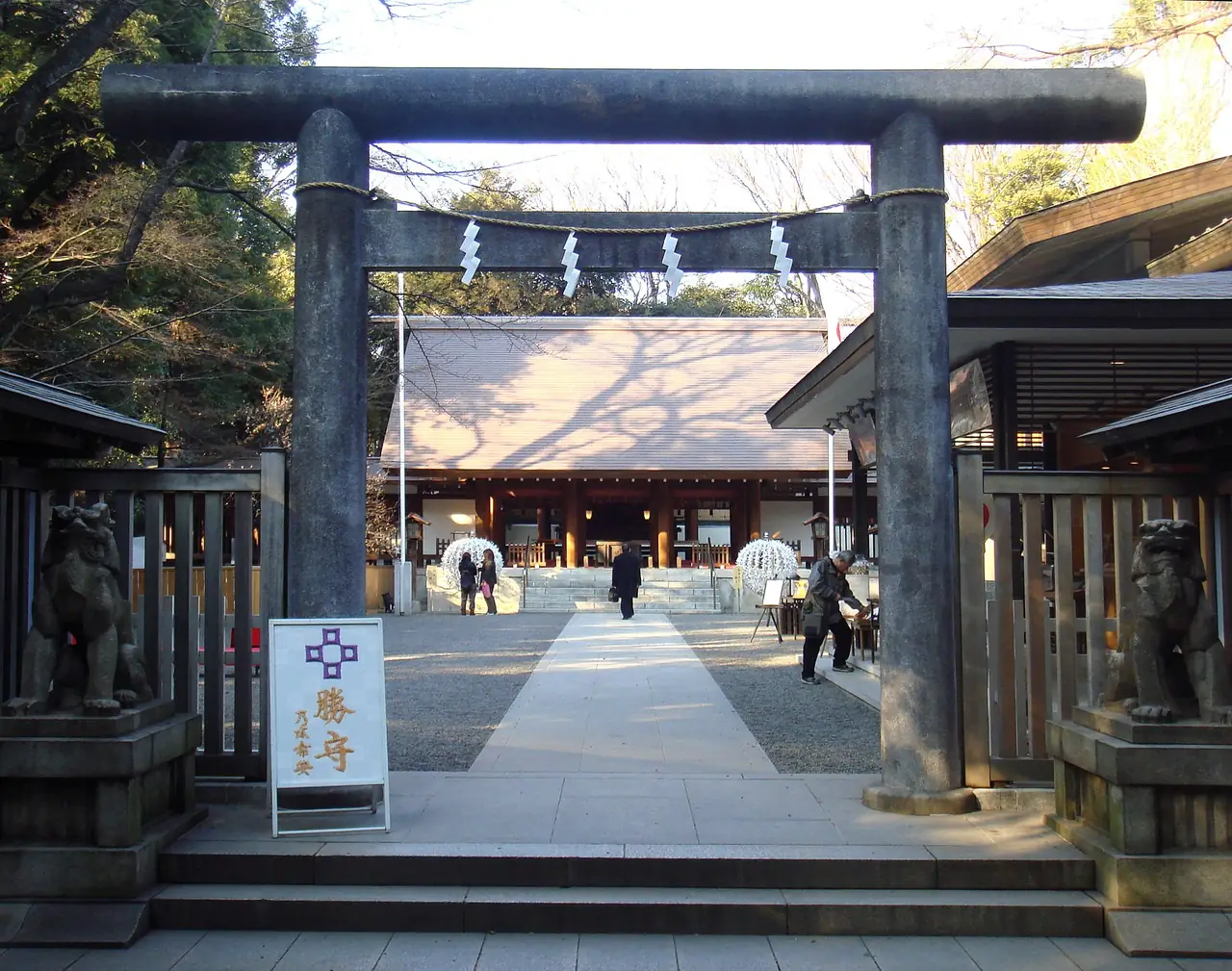
Nogi Shrine is 15 meters from Exit 1 of Nogizaka Station. General Nogi Maresuke and his wife committed junshi, ritual suicide following the death of Emperor Meiji, there on September 13, 1912. It's an odd, solemn spot squeezed between glass towers.
Azabu-Juban, 15 minutes' walk from Roppongi Hills, is an old shopping street that goes back centuries. Naniwaya Sohonten has made taiyaki since 1909; they came up with the fish shape after their turtle-shaped cakes didn't sell. Take-no-Yu, a public bathhouse over a century old, still runs on mineral-rich brown water.
The Oedo Line opened in 2000 and made Roppongi much easier to reach from parts of Tokyo the older Hibiya Line misses. With both lines you can get to Shibuya, Shinjuku, Ginza, and Ueno without trouble.
Planning a Roppongi visit
Half a day (4 hours) is enough to do one zone properly: either Roppongi Hills with the Mori Art Museum and the observation deck, or Midtown with 21_21 Design Sight and the gardens. Four hours isn't enough for both.
A full day (6-8 hours) covers the Art Triangle properly, and the walks between zones become part of the day. Add lunch in Azabu-Juban and you move between contemporary art, old shopping streets, and big architecture without the day feeling forced.
Tokyo Tower is about 20 minutes on foot through the Azabudai Hills development, which makes it an easy pairing. Hiroo, 15 minutes south, feels like another city: residential and calm, with embassy compounds and good restaurants. For a heavier art day, teamLab Borderless in neighboring Azabudai Hills fits right into the loop.
| Roppongi Hills | Tokyo Midtown | |
|---|---|---|
| Developer | Mori Building (2003) | Mitsui Fudosan (2007) |
| Key museum | Mori Art Museum (contemporary Asian art) | 21_21 Design Sight (design exhibitions) |
| Green space | Mohri Garden, rooftop gardens | Hinokicho Park, Midtown Garden (103 cherry trees) |
| Observation | Tokyo City View, 250m | None |
| Best for | Art + city views | Design + garden walks |
FAQ
Is Roppongi safe for tourists? In the daytime, completely. At night the streets around Roppongi Hills and Tokyo Midtown are well lit and busy. The blocks north of Roppongi-dori near Gaien-Higashi-dori have ongoing problems with touts and bar scams aimed at foreigners. Go to established venues, don't follow strangers, and you'll be fine.
Is Roppongi worth visiting if I'm not interested in nightlife? Yes. The Art Triangle alone (Mori Art Museum, NACT, and the Suntory Museum) is one of the best museum clusters in Tokyo. Add buildings by Ando and Kurokawa, the Edo-period gardens, and the walk to Azabu-Juban, and you can fill a whole day without going near a bar.
How long should I spend in Roppongi? Half a day for one zone, Hills or Midtown. A full day for the Art Triangle with lunch in Azabu-Juban. Four hours isn't enough for all three museums.
What's the best way to get to Roppongi? Take the Hibiya Line or Oedo Line to Roppongi Station. The Chiyoda Line stops at Nogizaka Station, which is closer to NACT. Roppongi Station is 42 meters underground and has eight exits, so check which one you need before you head down.
Is there still a US military base in Roppongi? Yes. The Akasaka Press Center (Hardy Barracks) is an active US Army facility on about 27,000 square meters of land, with a heliport and the Japan bureau of the Stars and Stripes newspaper. You can see the fence from the street.
Where Hinomaru One fits
Our guides know the stories the buildings don't tell you: which regiment stood where your museum ticket was printed, why Kurokawa's glass curves the way it does, what Mori spent 17 years haggling over. We handle getting between the three museum zones, adjust the day to what's actually showing, and match exhibitions to what you're into.
Tokyo Essentials (6 hours, from $430 for 2 people) includes Roppongi as part of a wider introduction to Tokyo. If you want the full art circuit, Infinite Tokyo (8 hours, from $550 for 2 people) is a fully custom day that can be built around architecture and contemporary art.
At Hinomaru One we design private, customized Tokyo tours for first-timers and seasoned travelers alike, paced so nobody feels rushed.
Photo credits
- Roppongi Crossing under the elevated expressway on a rainy evening: ami harikoshi / Wikimedia Commons, CC BY 2.0, resized
- The torii gate and approach to the main hall of Nogi Shrine near Nogizaka Station: World Imaging / Wikimedia Commons, CC BY-SA 3.0, resized