Tokyo Travel Guide

Tokyo Travel Guide

|

When to Visit

When to Visit

Tokyo in Summer

Tokyo in Summer

This guide explains what summer in Tokyo is really like — from climate and crowds to pacing and comfort — so travelers can assess the season clearly.

October 10, 2025

7 mins read
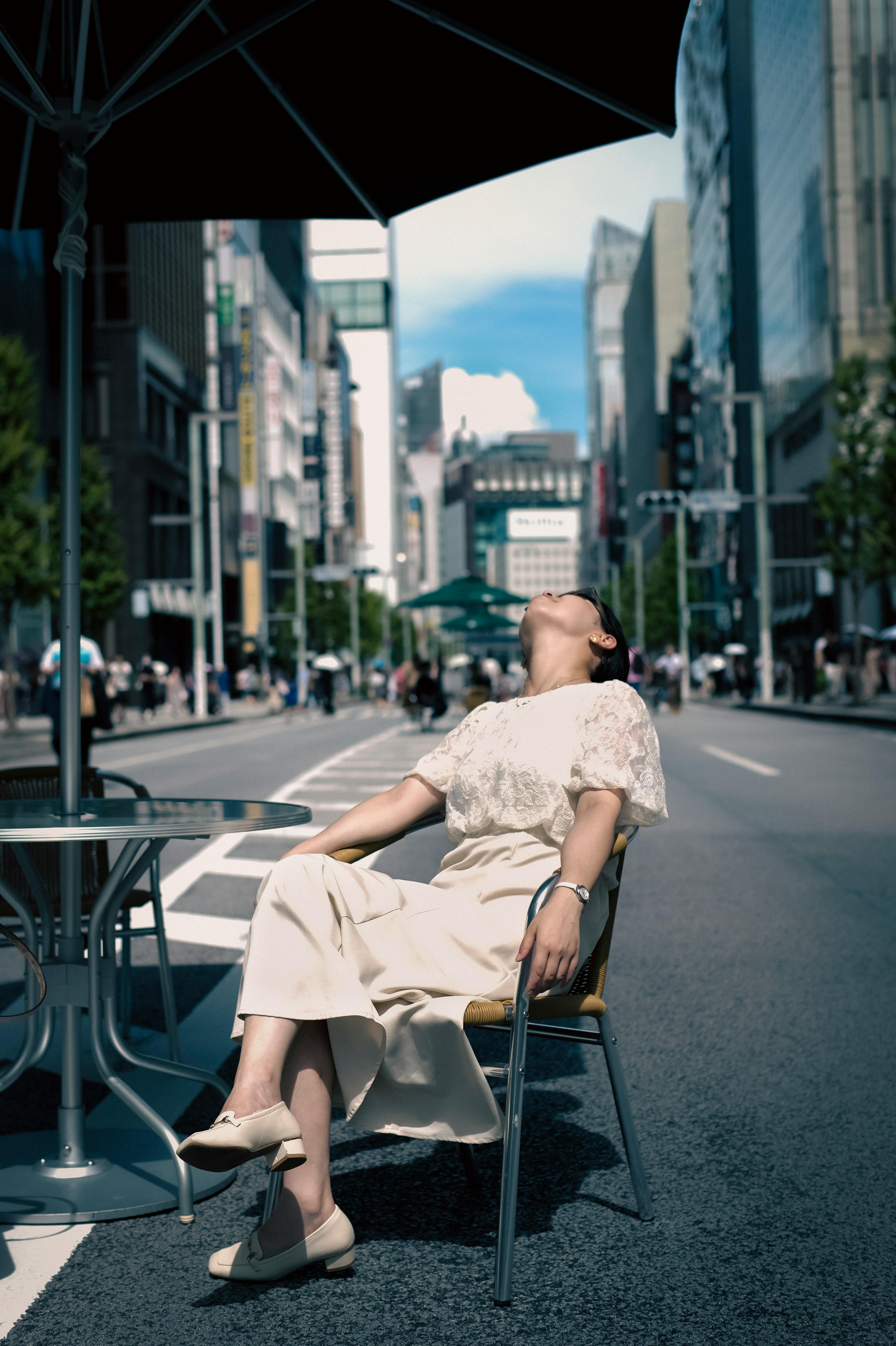
man sitting on the street in the summer in tokyo

Understand Tokyo’s summer by seeing how weather, rhythm and daily life shape the travel experience.

Understand Tokyo’s summer by seeing how weather, rhythm and daily life shape the travel experience.

Understand Tokyo’s summer by seeing how weather, rhythm and daily life shape the travel experience.

Summer in Tokyo demands different planning than other seasons. Heat and humidity aren't dealbreakers—they're conditions you build your day around. This guide explains what summer feels like, how to structure days that don't collapse by afternoon, and when the season makes sense for your trip.

What Makes Tokyo Summer Different

Tokyo summer isn't just hot—it's urban heat combined with Pacific humidity.

The city stores heat. Concrete, asphalt, and reflective buildings amplify discomfort compared to parks or coastal areas. Shibuya crossing at 2pm feels different than the same intersection at 8am—not just hotter, but heavier.

Humidity drives the challenge. July and August see 78-83% relative humidity. Even when temperatures look manageable (25-30°C / 77-86°F), humidity changes how fast you overheat and how hard it is to cool down. Sweat doesn't evaporate efficiently. Recovery takes longer.

Transit adds friction. Large stations like Shinjuku and Tokyo Station involve long underground corridors, stairs, and platform heat. Crowded trains reduce airflow. The excellent transit system that makes Tokyo easy in spring becomes more taxing in summer.

Summer Sub-Seasons: June, July-August, September

Summer isn't one experience—it's three distinct phases.

Phase

Timing

Temperature

Conditions

Planning Approach

Rainy Season

Early Jun - Mid Jul

25-26°C (77-79°F) days
18-19°C (64-66°F) nights

Light-moderate rain (45% probability)
Frequent sunny breaks
Cloudy skies reduce heat

Build days around short outdoor segments
Rely on covered shotengai, dept stores, museums

Peak Heat

Late Jul - Aug

30-35°C (86-95°F) days
25-26°C (77-79°F) nights

Hot, humid afternoons
Can exceed 35°C
Bright sun, reflective surfaces

Treat afternoon as recovery time
Front-load effort to morning/evening

Storm Risk

Sep

25-28°C (77-82°F) early
Gradually cooling

Peak typhoon season
Frequent sudden downpours
Heat + unpredictability

Keep plans flexible
Indoor alternatives nearby

The Summer Day Structure That Works

The rhythm: two active windows + one recovery window.

Time Window

Best For

Example Activities

Why It Works

Morning
(7-10am)

Outdoor neighborhoods, shrines, markets, longer walks

Asakusa temples, Tsukiji Outer Market, Yanaka cemetery, Meiji Shrine grounds

Temperature difference between 8am and 1pm is dramatic

Midday
(11am-4pm)

Recovery in AC

Museums (Tokyo National, Mori Art, teamLab)
Department stores (Isetan, Tokyu, Mitsukoshi)
Long lunches, hotel resets, underground shopping

Restores ability to enjoy evening

Evening
(5pm-close)

Outdoor activity resumes

Riverside walks (Sumida, Meguro), night markets, rooftop views
Evening neighborhoods (Omoide Yokocho, Shibuya after dark, Asakusa at night)

Sun drops, city cools

Tokyo makes this rhythm easy: dense transit, 24-hour convenience stores, late restaurant hours, plentiful AC spaces.

Example day: Yanaka temples before 9am → Ueno museums 10am-3pm → Asakusa evening stroll 5pm-sunset.

For travelers who want to experience Tokyo's summer rhythm without the planning friction, a private guide can structure days around these windows while handling all logistics and providing indoor refuges you'd never find on your own.

Heat and Humidity: What Actually Helps

Your goal isn't staying dry—it's avoiding overheating and restoring your body's ability to cool.

Strategy

Works

Doesn't Work as Expected

Timing

Early starts—front-load walking before 10am

Pushing through midday (shifts fatigue to evening)

Routing

Shade-first paths: tree-lined streets (Omotesando zelkova, Yanaka cemetery), covered shotengai (Nakano Broadway, Kichijoji Sun Road), dept store throughways

Long outdoor breaks (terraces still punishing when humid)

Hydration

Electrolytes from conbini: Pocari Sweat, Aquarius, mugicha (barley tea)
Plain water necessary but not sufficient

Water alone when sweating heavily

Clothing

Breathable fabrics that dry quickly

Cotton (traps moisture)

Accessories

Neck towels (Tokyu Hands), sun umbrellas, hats

Planning

Flexible schedules

Over-ambitious checklists

Getting around in summer: transit, walking, and station reality

Tokyo's transit system is a summer advantage with caveats. For comprehensive guidance on navigating Tokyo's trains, see our complete transit guide.

Station realities:

Factor

Impact

What to Know

Long corridors & stairs

5-10 min hot walking between platform and exit

Shinjuku, Tokyo Station, Shibuya

Platform heat

Heat accumulates underground

Newer lines generally have better AC

Transfer complexity

Two short rides with transfers can drain more than one longer ride

Count corridor distance, not just train time

Crowding

Packed trains reduce airflow

Consider off-peak timing

Elevator access

Varies by station

Major stations have them; smaller/older may not

Practical tactics:

  • Choose fewer bases per day. Pick 1-2 areas rather than hopping across the city. Where you base yourself matters for minimizing summer transit friction.

  • Use underground passages in major hubs (Shinjuku Subnade, Tokyo Station Yaesu underground, Shibuya station complex).

  • Plan the "last 300 meters." Final walk from station to destination is often the hottest—schedule for morning or evening.

  • Use coin lockers for rain gear and shopping bags. Carrying extra weight in humidity becomes miserable fast.

  • Know which stations have elevators vs. stairs-only. Matters for luggage and accessibility.

For more on avoiding common transit errors that compound in summer heat, see our guide to Tokyo transport mistakes.

If navigating hot stations and transfers sounds draining, a door-to-door walking guide or private car tour removes that friction entirely.

Rain Strategy: Staying Functional

Rain in Tokyo is normal in summer, not a disruption.

Rain gear comparison:

Option

Best For

Considerations

Where to Get

Umbrella

Light-moderate rain

Most common solution, easy to carry

Any convenience store (¥500-1,000)

Light rain jacket

Wind, heavier rain

Ventilation critical—sealed jackets become saunas

Bring from home or Uniqlo/outdoor shops

Quick-dry shoes

All-day comfort

Quick-dry beats waterproof
Sealed shoes trap sweat

Bring breathable sneakers

Rain-compatible venues:

Venue Type

Examples

Best For

Covered shopping streets

Nakano Broadway, Kichijoji Sun Road, various shotengai

Moving between stops without exposure

Department stores

Tokyu, Isetan, Mitsukoshi

Hours of browsing, food halls, AC, restrooms

Underground shopping

Shinjuku Subnade, Tokyo Station underground, Shibuya complex

Extended indoor routes between destinations

Museums & galleries

See Indoor Tokyo section

Structured time blocks, climate controlled

Station complexes

Tokyo Station Marunouchi, Shinjuku malls, Ikebukuro

Dense options without going outside

Neighborhood strategy: Rain favors places where you move between stops without long exposed walks. Avoid distant outdoor-dependent plans (Mount Takao hikes, coastal day trips).

Typhoons: Stay Calm

Typhoons are real but infrequent. About 3 hit Japan's main islands per summer, with peak risk in late August through September.

If severe weather is forecast:

  • Prioritize safety. Transportation can stop—trains, buses, sometimes flights.

  • Assume outdoor plans collapse. Don't anchor your day to a distant outdoor activity.

  • Keep plans local. Choose venues close to your accommodation or within one neighborhood.

Typhoon day structure:

  1. Late breakfast / slow start at hotel

  2. One primary indoor destination nearby (museum, department store, station complex)

  3. One backup indoor destination in same area

  4. Early dinner close to your base

This reduces stress from canceled trains and unexpected closures. Typhoons move slowly and paths are predictable—Japanese media provides detailed coverage and warnings.

Most typhoons for Tokyo bring heavy rain and wind, not catastrophic conditions. The real impact is transportation disruption and outdoor plan cancellation. When weather shifts mid-day, having a guide who knows every covered shotengai and underground passage within range saves the day without losing momentum.

What to Pack: Systems, Not Just Lists

Think in systems: cooling, hydration, rain, recovery.

System

What to Bring

Why It Matters

Cooling

Breathable tops, quick-dry layers
Hat or sun umbrella
Sunglasses, sunscreen
Small towel/handkerchief

Humidity makes cotton miserable
UV protection culturally normal + practical
Handkerchief = cultural norm + sweat management

Hydration

Refillable bottle or purchase budget
Electrolytes (drink mixes)

Plain water not sufficient when sweating heavily
Pocari Sweat, Aquarius widely available locally

Rain

Compact umbrella (or buy locally)
Light breathable layer
Quick-dry shoes

Can buy umbrella easily
Breathability > waterproof seal
Quick-dry comfort beats waterproof

Recovery

Blister care
Anti-chafe protection
Laundry plan

Humidity + walking = high blister risk
Prevent day from derailing
Every 2-3 days needed

Packing lighter still valuable, but in summer, a few comfort enablers prevent days from derailing.

Food and Drink as Temperature Management

Food and Drink as Temperature Management

Meals are part of summer strategy, not separate from it.

Cold dishes common in summer:

  • Hiyashi chuka (cold ramen)

  • Zaru soba (cold buckwheat noodles)

  • Reimen (cold noodles)

  • Chilled sides and appetizers

Convenience stores as resets:

  • Cold drinks everywhere (vending machines every block)

  • Ice, chilled snacks

  • Quick hydration + AC break

  • Reliable option when nothing else open

Department store food halls (depachika):

  • Eating + cooling simultaneously

  • Isetan basement (Shinjuku), Mitsukoshi (Nihombashi), Tokyu (Shibuya)

  • Can browse, buy prepared food, eat in AC seating areas

Long lunches as strategy: If you're indoors recovering anyway, make midday a comfortable, slow meal window. Chasing famous spots with outdoor queues at 1pm costs you in afternoon fatigue.

Indoor Tokyo: Not a Compromise, a Summer Skill

Indoor Tokyo: Not a Compromise, a Summer Skill

Indoor time isn't "lost sightseeing"—it's what sustains evening energy.

Museums and galleries:

Venue

Location

Best For

Tokyo National Museum

Ueno

Major collection, easy park access

Mori Art Museum

Roppongi Hills

Art + city views

National Art Center

Roppongi

Architecture + exhibitions

teamLab Borderless

Odaiba

Digital art, families

Nezu Museum

Aoyama

Traditional art + garden

Department stores (multi-hour AC destinations):

Store

Location

Features

Isetan

Shinjuku

Food halls, restrooms, seating

Tokyu

Shibuya

Multiple floors, direct station access

Mitsukoshi

Nihombashi

Traditional, depachika basement

Matsuya

Ginza

Central location, food options

Underground shopping:

  • Shinjuku Subnade

  • Tokyo Station Yaesu underground

  • Shibuya station complex (Hikarie, Miyashita Park covered sections)

Station complexes:

  • Tokyo Station Marunouchi side (multiple floors of shops/restaurants)

  • Shinjuku multi-level underground malls

  • Ikebukuro Sunshine City

Example: Ueno Park shrines 8am → Tokyo National Museum 10am-2pm → Yanaka neighborhood walk 5pm-sunset. Indoor midday = functional evening.

Outdoor Tokyo in Summer: Choose Environments, Not Just Places

Outdoor Tokyo in Summer: Choose Environments, Not Just Places

Outdoor time is possible if you choose by characteristics, not just destination.

Environment Type

Works Better

Works Worse

Vegetation

Tree cover: Yoyogi Park paths, Meiji Shrine grounds, Yanaka cemetery, Rikugien Garden, Shinjuku Gyoen

Wide sun-exposed avenues (Omotesando midday)

Water

Water-adjacent: Sumida River paths (evening), Meguro River, Chidorigafuchi moat

Timing

Evening-focused districts: Shibuya crossing after sunset, Shinjuku Omoide Yokocho, Asakusa temple grounds at night

Midday open plazas (Shibuya Scramble at 2pm, Imperial Palace Outer Plaza)

Crowds

Long queue-based sightseeing with limited shade (Tokyo Skytree, popular shrines at noon)

Bug reality: If you spend time in parks or near water, plan for insects. Mosquitoes are normal urban summer. Bring or buy repellent if park-heavy itinerary.

Outdoor time is possible if you choose by characteristics, not just destination.

Environment Type

Works Better

Works Worse

Vegetation

Tree cover: Yoyogi Park paths, Meiji Shrine grounds, Yanaka cemetery, Rikugien Garden, Shinjuku Gyoen

Wide sun-exposed avenues (Omotesando midday)

Water

Water-adjacent: Sumida River paths (evening), Meguro River, Chidorigafuchi moat

Timing

Evening-focused districts: Shibuya crossing after sunset, Shinjuku Omoide Yokocho, Asakusa temple grounds at night

Midday open plazas (Shibuya Scramble at 2pm, Imperial Palace Outer Plaza)

Crowds

Long queue-based sightseeing with limited shade (Tokyo Skytree, popular shrines at noon)

Bug reality: If you spend time in parks or near water, plan for insects. Mosquitoes are normal urban summer. Bring or buy repellent if park-heavy itinerary.

Outdoor time is possible if you choose by characteristics, not just destination.

Environment Type

Works Better

Works Worse

Vegetation

Tree cover: Yoyogi Park paths, Meiji Shrine grounds, Yanaka cemetery, Rikugien Garden, Shinjuku Gyoen

Wide sun-exposed avenues (Omotesando midday)

Water

Water-adjacent: Sumida River paths (evening), Meguro River, Chidorigafuchi moat

Timing

Evening-focused districts: Shibuya crossing after sunset, Shinjuku Omoide Yokocho, Asakusa temple grounds at night

Midday open plazas (Shibuya Scramble at 2pm, Imperial Palace Outer Plaza)

Crowds

Long queue-based sightseeing with limited shade (Tokyo Skytree, popular shrines at noon)

Bug reality: If you spend time in parks or near water, plan for insects. Mosquitoes are normal urban summer. Bring or buy repellent if park-heavy itinerary.

Outdoor time is possible if you choose by characteristics, not just destination.

Environment Type

Works Better

Works Worse

Vegetation

Tree cover: Yoyogi Park paths, Meiji Shrine grounds, Yanaka cemetery, Rikugien Garden, Shinjuku Gyoen

Wide sun-exposed avenues (Omotesando midday)

Water

Water-adjacent: Sumida River paths (evening), Meguro River, Chidorigafuchi moat

Timing

Evening-focused districts: Shibuya crossing after sunset, Shinjuku Omoide Yokocho, Asakusa temple grounds at night

Midday open plazas (Shibuya Scramble at 2pm, Imperial Palace Outer Plaza)

Crowds

Long queue-based sightseeing with limited shade (Tokyo Skytree, popular shrines at noon)

Bug reality: If you spend time in parks or near water, plan for insects. Mosquitoes are normal urban summer. Bring or buy repellent if park-heavy itinerary.

Summer Festivals: How to Participate Without Collapsing

Summer Festivals: How to Participate Without Collapsing

Tokyo summer includes festivals (matsuri), fireworks (hanabi), and neighborhood dance events (bon odori).

The constraints:

  • Crowds. Major fireworks can attract hundreds of thousands.

  • Heat + waiting. Standing around before events starts is the uncomfortable part.

  • Viewing logistics. Popular fireworks require tickets, reserved areas, or arriving very early.

Participation framework:

  • Treat festivals as one feature, not the whole day.

  • Prefer local-scale events near your accommodation when possible.

  • If attending major fireworks, make daytime intentionally low-effort.

Major Tokyo summer events:

Event

Timing

Type

Crowd Level

Sumida River Fireworks

Late July

Fireworks display

Very high (hundreds of thousands)

Koenji Awaodori

Late August

Dance festival

High

Neighborhood bon odori

Throughout August

Local dance events

Low-moderate (easier logistics)

Jingu Gaien Fireworks

July-August

Fireworks + music

High

Sample festival day: Morning light activity → midday hotel rest → early dinner → event arrival. Not: full sightseeing day + festival on top.

Tokyo summer includes festivals (matsuri), fireworks (hanabi), and neighborhood dance events (bon odori).

The constraints:

  • Crowds. Major fireworks can attract hundreds of thousands.

  • Heat + waiting. Standing around before events starts is the uncomfortable part.

  • Viewing logistics. Popular fireworks require tickets, reserved areas, or arriving very early.

Participation framework:

  • Treat festivals as one feature, not the whole day.

  • Prefer local-scale events near your accommodation when possible.

  • If attending major fireworks, make daytime intentionally low-effort.

Major Tokyo summer events:

Event

Timing

Type

Crowd Level

Sumida River Fireworks

Late July

Fireworks display

Very high (hundreds of thousands)

Koenji Awaodori

Late August

Dance festival

High

Neighborhood bon odori

Throughout August

Local dance events

Low-moderate (easier logistics)

Jingu Gaien Fireworks

July-August

Fireworks + music

High

Sample festival day: Morning light activity → midday hotel rest → early dinner → event arrival. Not: full sightseeing day + festival on top.

Tokyo summer includes festivals (matsuri), fireworks (hanabi), and neighborhood dance events (bon odori).

The constraints:

  • Crowds. Major fireworks can attract hundreds of thousands.

  • Heat + waiting. Standing around before events starts is the uncomfortable part.

  • Viewing logistics. Popular fireworks require tickets, reserved areas, or arriving very early.

Participation framework:

  • Treat festivals as one feature, not the whole day.

  • Prefer local-scale events near your accommodation when possible.

  • If attending major fireworks, make daytime intentionally low-effort.

Major Tokyo summer events:

Event

Timing

Type

Crowd Level

Sumida River Fireworks

Late July

Fireworks display

Very high (hundreds of thousands)

Koenji Awaodori

Late August

Dance festival

High

Neighborhood bon odori

Throughout August

Local dance events

Low-moderate (easier logistics)

Jingu Gaien Fireworks

July-August

Fireworks + music

High

Sample festival day: Morning light activity → midday hotel rest → early dinner → event arrival. Not: full sightseeing day + festival on top.

Tokyo summer includes festivals (matsuri), fireworks (hanabi), and neighborhood dance events (bon odori).

The constraints:

  • Crowds. Major fireworks can attract hundreds of thousands.

  • Heat + waiting. Standing around before events starts is the uncomfortable part.

  • Viewing logistics. Popular fireworks require tickets, reserved areas, or arriving very early.

Participation framework:

  • Treat festivals as one feature, not the whole day.

  • Prefer local-scale events near your accommodation when possible.

  • If attending major fireworks, make daytime intentionally low-effort.

Major Tokyo summer events:

Event

Timing

Type

Crowd Level

Sumida River Fireworks

Late July

Fireworks display

Very high (hundreds of thousands)

Koenji Awaodori

Late August

Dance festival

High

Neighborhood bon odori

Throughout August

Local dance events

Low-moderate (easier logistics)

Jingu Gaien Fireworks

July-August

Fireworks + music

High

Sample festival day: Morning light activity → midday hotel rest → early dinner → event arrival. Not: full sightseeing day + festival on top.

Day Trips: Cooler Isn't Guaranteed

Day Trips: Cooler Isn't Guaranteed

Common instinct: escape Tokyo for mountains or coast. Sometimes works; sometimes just relocates the heat.

Destination

Distance

Temperature Relief

Trade-offs

Nikko

2+ hours each way

Noticeably cooler evenings (higher elevation)

Long travel + exertion
Worth it for full day away

Hakone

1.5-2 hours

Marginally cooler

Views may be hazy in summer humidity

Mount Takao

50 minutes

Slightly cooler than central Tokyo

Still humid, just less intense

Kamakura

1 hour

Coastal breezes help

Humidity remains
Beach crowds in peak summer

Enoshima

1-1.5 hours

Same as Kamakura

Humidity remains

Reality check:

  • Day trips work for texture change (greenery, water, slower pace)

  • Don't expect dramatic temperature relief

  • Factor in travel exertion—trains, transfers, walking to/from stations

Consider day trips when you want different scenery, not when you're counting on escaping heat entirely.

Common instinct: escape Tokyo for mountains or coast. Sometimes works; sometimes just relocates the heat.

Destination

Distance

Temperature Relief

Trade-offs

Nikko

2+ hours each way

Noticeably cooler evenings (higher elevation)

Long travel + exertion
Worth it for full day away

Hakone

1.5-2 hours

Marginally cooler

Views may be hazy in summer humidity

Mount Takao

50 minutes

Slightly cooler than central Tokyo

Still humid, just less intense

Kamakura

1 hour

Coastal breezes help

Humidity remains
Beach crowds in peak summer

Enoshima

1-1.5 hours

Same as Kamakura

Humidity remains

Reality check:

  • Day trips work for texture change (greenery, water, slower pace)

  • Don't expect dramatic temperature relief

  • Factor in travel exertion—trains, transfers, walking to/from stations

Consider day trips when you want different scenery, not when you're counting on escaping heat entirely.

Common instinct: escape Tokyo for mountains or coast. Sometimes works; sometimes just relocates the heat.

Destination

Distance

Temperature Relief

Trade-offs

Nikko

2+ hours each way

Noticeably cooler evenings (higher elevation)

Long travel + exertion
Worth it for full day away

Hakone

1.5-2 hours

Marginally cooler

Views may be hazy in summer humidity

Mount Takao

50 minutes

Slightly cooler than central Tokyo

Still humid, just less intense

Kamakura

1 hour

Coastal breezes help

Humidity remains
Beach crowds in peak summer

Enoshima

1-1.5 hours

Same as Kamakura

Humidity remains

Reality check:

  • Day trips work for texture change (greenery, water, slower pace)

  • Don't expect dramatic temperature relief

  • Factor in travel exertion—trains, transfers, walking to/from stations

Consider day trips when you want different scenery, not when you're counting on escaping heat entirely.

Common instinct: escape Tokyo for mountains or coast. Sometimes works; sometimes just relocates the heat.

Destination

Distance

Temperature Relief

Trade-offs

Nikko

2+ hours each way

Noticeably cooler evenings (higher elevation)

Long travel + exertion
Worth it for full day away

Hakone

1.5-2 hours

Marginally cooler

Views may be hazy in summer humidity

Mount Takao

50 minutes

Slightly cooler than central Tokyo

Still humid, just less intense

Kamakura

1 hour

Coastal breezes help

Humidity remains
Beach crowds in peak summer

Enoshima

1-1.5 hours

Same as Kamakura

Humidity remains

Reality check:

  • Day trips work for texture change (greenery, water, slower pace)

  • Don't expect dramatic temperature relief

  • Factor in travel exertion—trains, transfers, walking to/from stations

Consider day trips when you want different scenery, not when you're counting on escaping heat entirely.

Common Summer Mistakes

Common Summer Mistakes

Mistake

Why It Matters

What to Do Instead

Planning walking-heavy day that peaks at noon

City feels most punishing at peak heat

Front-load effort to morning

Underestimating station walking

"Transit-heavy" day may still involve many km on foot through hot stations

Factor in corridor/stair distance when planning

No rain backup plan

Day collapses without nearby indoor swap options

Have indoor alternatives in same area

Chasing famous queues in sun

Hour-long outdoor wait at 2pm costs afternoon energy

Visit popular spots early or skip outdoor queues

Ignoring recovery time

Skipping breaks reduces evening capacity

Build in midday recovery windows

Overpacking

Carrying heavy bags in humidity is miserable

Use conbini + coin laundry rather than bringing everything

Families, Seniors, and Heat-Sensitive Travelers

Tokyo is workable for mixed-energy groups if you plan for indoor resets.

Group

Key Needs

Solutions

Families

Predictable restrooms/snacks
Short outdoor bursts
Flexibility

Conbini, dept stores, station complexes
Shaded parks (Ueno, Yoyogi) for short play
Don't anchor day to single outdoor activity

Seniors & Heat-Sensitive

Seating availability
Less transfer complexity
Recovery time

Plan cafés, dept store rest areas, museum benches into route
Direct transit routes over complex transfers
Treat afternoon as recovery, not sightseeing

Mobility/Accessibility

Elevator access
Shorter outdoor segments
Reliable facilities

Major stations have elevators; smaller/older may not
Plan frequent AC breaks
Dept stores + modern malls = accessible routes + facilities

Families and groups with varying heat tolerance often find that a guide who can adjust pacing, identify rest stops, and pivot plans for weather makes summer Tokyo manageable instead of exhausting. For seniors, specialized pacing and route planning accounts for both heat and accessibility needs.


Mistake

Why It Matters

What to Do Instead

Planning walking-heavy day that peaks at noon

City feels most punishing at peak heat

Front-load effort to morning

Underestimating station walking

"Transit-heavy" day may still involve many km on foot through hot stations

Factor in corridor/stair distance when planning

No rain backup plan

Day collapses without nearby indoor swap options

Have indoor alternatives in same area

Chasing famous queues in sun

Hour-long outdoor wait at 2pm costs afternoon energy

Visit popular spots early or skip outdoor queues

Ignoring recovery time

Skipping breaks reduces evening capacity

Build in midday recovery windows

Overpacking

Carrying heavy bags in humidity is miserable

Use conbini + coin laundry rather than bringing everything

Families, Seniors, and Heat-Sensitive Travelers

Tokyo is workable for mixed-energy groups if you plan for indoor resets.

Group

Key Needs

Solutions

Families

Predictable restrooms/snacks
Short outdoor bursts
Flexibility

Conbini, dept stores, station complexes
Shaded parks (Ueno, Yoyogi) for short play
Don't anchor day to single outdoor activity

Seniors & Heat-Sensitive

Seating availability
Less transfer complexity
Recovery time

Plan cafés, dept store rest areas, museum benches into route
Direct transit routes over complex transfers
Treat afternoon as recovery, not sightseeing

Mobility/Accessibility

Elevator access
Shorter outdoor segments
Reliable facilities

Major stations have elevators; smaller/older may not
Plan frequent AC breaks
Dept stores + modern malls = accessible routes + facilities

Families and groups with varying heat tolerance often find that a guide who can adjust pacing, identify rest stops, and pivot plans for weather makes summer Tokyo manageable instead of exhausting. For seniors, specialized pacing and route planning accounts for both heat and accessibility needs.


Mistake

Why It Matters

What to Do Instead

Planning walking-heavy day that peaks at noon

City feels most punishing at peak heat

Front-load effort to morning

Underestimating station walking

"Transit-heavy" day may still involve many km on foot through hot stations

Factor in corridor/stair distance when planning

No rain backup plan

Day collapses without nearby indoor swap options

Have indoor alternatives in same area

Chasing famous queues in sun

Hour-long outdoor wait at 2pm costs afternoon energy

Visit popular spots early or skip outdoor queues

Ignoring recovery time

Skipping breaks reduces evening capacity

Build in midday recovery windows

Overpacking

Carrying heavy bags in humidity is miserable

Use conbini + coin laundry rather than bringing everything

Families, Seniors, and Heat-Sensitive Travelers

Tokyo is workable for mixed-energy groups if you plan for indoor resets.

Group

Key Needs

Solutions

Families

Predictable restrooms/snacks
Short outdoor bursts
Flexibility

Conbini, dept stores, station complexes
Shaded parks (Ueno, Yoyogi) for short play
Don't anchor day to single outdoor activity

Seniors & Heat-Sensitive

Seating availability
Less transfer complexity
Recovery time

Plan cafés, dept store rest areas, museum benches into route
Direct transit routes over complex transfers
Treat afternoon as recovery, not sightseeing

Mobility/Accessibility

Elevator access
Shorter outdoor segments
Reliable facilities

Major stations have elevators; smaller/older may not
Plan frequent AC breaks
Dept stores + modern malls = accessible routes + facilities

Families and groups with varying heat tolerance often find that a guide who can adjust pacing, identify rest stops, and pivot plans for weather makes summer Tokyo manageable instead of exhausting. For seniors, specialized pacing and route planning accounts for both heat and accessibility needs.


Mistake

Why It Matters

What to Do Instead

Planning walking-heavy day that peaks at noon

City feels most punishing at peak heat

Front-load effort to morning

Underestimating station walking

"Transit-heavy" day may still involve many km on foot through hot stations

Factor in corridor/stair distance when planning

No rain backup plan

Day collapses without nearby indoor swap options

Have indoor alternatives in same area

Chasing famous queues in sun

Hour-long outdoor wait at 2pm costs afternoon energy

Visit popular spots early or skip outdoor queues

Ignoring recovery time

Skipping breaks reduces evening capacity

Build in midday recovery windows

Overpacking

Carrying heavy bags in humidity is miserable

Use conbini + coin laundry rather than bringing everything

Families, Seniors, and Heat-Sensitive Travelers

Tokyo is workable for mixed-energy groups if you plan for indoor resets.

Group

Key Needs

Solutions

Families

Predictable restrooms/snacks
Short outdoor bursts
Flexibility

Conbini, dept stores, station complexes
Shaded parks (Ueno, Yoyogi) for short play
Don't anchor day to single outdoor activity

Seniors & Heat-Sensitive

Seating availability
Less transfer complexity
Recovery time

Plan cafés, dept store rest areas, museum benches into route
Direct transit routes over complex transfers
Treat afternoon as recovery, not sightseeing

Mobility/Accessibility

Elevator access
Shorter outdoor segments
Reliable facilities

Major stations have elevators; smaller/older may not
Plan frequent AC breaks
Dept stores + modern malls = accessible routes + facilities

Families and groups with varying heat tolerance often find that a guide who can adjust pacing, identify rest stops, and pivot plans for weather makes summer Tokyo manageable instead of exhausting. For seniors, specialized pacing and route planning accounts for both heat and accessibility needs.


When Visiting in Summer Makes Sense (and When It Doesn't)

When Visiting in Summer Makes Sense (and When It Doesn't)

Summer Works If You...

Summer Is Harder If You...

Are flexible with timing and pacing

Want long outdoor walking days without breaks

Can adapt plans for rain/heat/storms

Have fixed, ambitious daily itineraries

Value fewer crowds at major sites—summer is one of Tokyo's less crowded periods

Are heat-sensitive without tolerance for adaptation

Are comfortable with indoor-heavy midday strategy

Want guaranteed clear views (autumn/winter better)

Appreciate summer culture (festivals, outdoor evening dining)

Prefer minimal planning (spring/fall more forgiving)

Honest seasonal comparison:

Season

Weather

Crowds

Trade-offs

Spring (Mar-May)

Easier walking weather

More crowded

Cherry blossoms, higher prices

Summer (Jun-Sep)

Challenging heat/humidity

Fewer tourists

Better availability, lower prices (except peak August)

Fall (Sep-Nov)

Comfortable temperatures

Moderately crowded

Autumn leaves, popular season

Winter (Dec-Feb)

Cold but dry, easy walking

Fewer crowds

Short daylight (~4:30pm sunset)

Summer trades comfort for availability. If you can work with the rhythm, you get access to a less-crowded Tokyo with the same cultural depth—you just plan days differently. For a comprehensive comparison across all seasons, see our guide to the best time to visit Tokyo.

This guide is published by Hinomaru One, a Tokyo-based private tour operator.

Summer Works If You...

Summer Is Harder If You...

Are flexible with timing and pacing

Want long outdoor walking days without breaks

Can adapt plans for rain/heat/storms

Have fixed, ambitious daily itineraries

Value fewer crowds at major sites—summer is one of Tokyo's less crowded periods

Are heat-sensitive without tolerance for adaptation

Are comfortable with indoor-heavy midday strategy

Want guaranteed clear views (autumn/winter better)

Appreciate summer culture (festivals, outdoor evening dining)

Prefer minimal planning (spring/fall more forgiving)

Honest seasonal comparison:

Season

Weather

Crowds

Trade-offs

Spring (Mar-May)

Easier walking weather

More crowded

Cherry blossoms, higher prices

Summer (Jun-Sep)

Challenging heat/humidity

Fewer tourists

Better availability, lower prices (except peak August)

Fall (Sep-Nov)

Comfortable temperatures

Moderately crowded

Autumn leaves, popular season

Winter (Dec-Feb)

Cold but dry, easy walking

Fewer crowds

Short daylight (~4:30pm sunset)

Summer trades comfort for availability. If you can work with the rhythm, you get access to a less-crowded Tokyo with the same cultural depth—you just plan days differently. For a comprehensive comparison across all seasons, see our guide to the best time to visit Tokyo.

This guide is published by Hinomaru One, a Tokyo-based private tour operator.

Summer Works If You...

Summer Is Harder If You...

Are flexible with timing and pacing

Want long outdoor walking days without breaks

Can adapt plans for rain/heat/storms

Have fixed, ambitious daily itineraries

Value fewer crowds at major sites—summer is one of Tokyo's less crowded periods

Are heat-sensitive without tolerance for adaptation

Are comfortable with indoor-heavy midday strategy

Want guaranteed clear views (autumn/winter better)

Appreciate summer culture (festivals, outdoor evening dining)

Prefer minimal planning (spring/fall more forgiving)

Honest seasonal comparison:

Season

Weather

Crowds

Trade-offs

Spring (Mar-May)

Easier walking weather

More crowded

Cherry blossoms, higher prices

Summer (Jun-Sep)

Challenging heat/humidity

Fewer tourists

Better availability, lower prices (except peak August)

Fall (Sep-Nov)

Comfortable temperatures

Moderately crowded

Autumn leaves, popular season

Winter (Dec-Feb)

Cold but dry, easy walking

Fewer crowds

Short daylight (~4:30pm sunset)

Summer trades comfort for availability. If you can work with the rhythm, you get access to a less-crowded Tokyo with the same cultural depth—you just plan days differently. For a comprehensive comparison across all seasons, see our guide to the best time to visit Tokyo.

This guide is published by Hinomaru One, a Tokyo-based private tour operator.

Summer Works If You...

Summer Is Harder If You...

Are flexible with timing and pacing

Want long outdoor walking days without breaks

Can adapt plans for rain/heat/storms

Have fixed, ambitious daily itineraries

Value fewer crowds at major sites—summer is one of Tokyo's less crowded periods

Are heat-sensitive without tolerance for adaptation

Are comfortable with indoor-heavy midday strategy

Want guaranteed clear views (autumn/winter better)

Appreciate summer culture (festivals, outdoor evening dining)

Prefer minimal planning (spring/fall more forgiving)

Honest seasonal comparison:

Season

Weather

Crowds

Trade-offs

Spring (Mar-May)

Easier walking weather

More crowded

Cherry blossoms, higher prices

Summer (Jun-Sep)

Challenging heat/humidity

Fewer tourists

Better availability, lower prices (except peak August)

Fall (Sep-Nov)

Comfortable temperatures

Moderately crowded

Autumn leaves, popular season

Winter (Dec-Feb)

Cold but dry, easy walking

Fewer crowds

Short daylight (~4:30pm sunset)

Summer trades comfort for availability. If you can work with the rhythm, you get access to a less-crowded Tokyo with the same cultural depth—you just plan days differently. For a comprehensive comparison across all seasons, see our guide to the best time to visit Tokyo.

This guide is published by Hinomaru One, a Tokyo-based private tour operator.

Newsletter

Unlock the secrets of Japan with Hinomaru One delivered straight to your inbox.

Hinomaru One Logo

PRIVACY

TERMS

Newsletter

Unlock the secrets of Japan with Hinomaru One delivered straight to your inbox.

Hinomaru One Logo

PRIVACY

TERMS

Newsletter

Unlock the secrets of Japan with Hinomaru One delivered straight to your inbox.

Hinomaru One Logo

PRIVACY

TERMS

Newsletter

Unlock the secrets of Japan with Hinomaru One delivered straight to your inbox.

Hinomaru One Logo

PRIVACY

TERMS