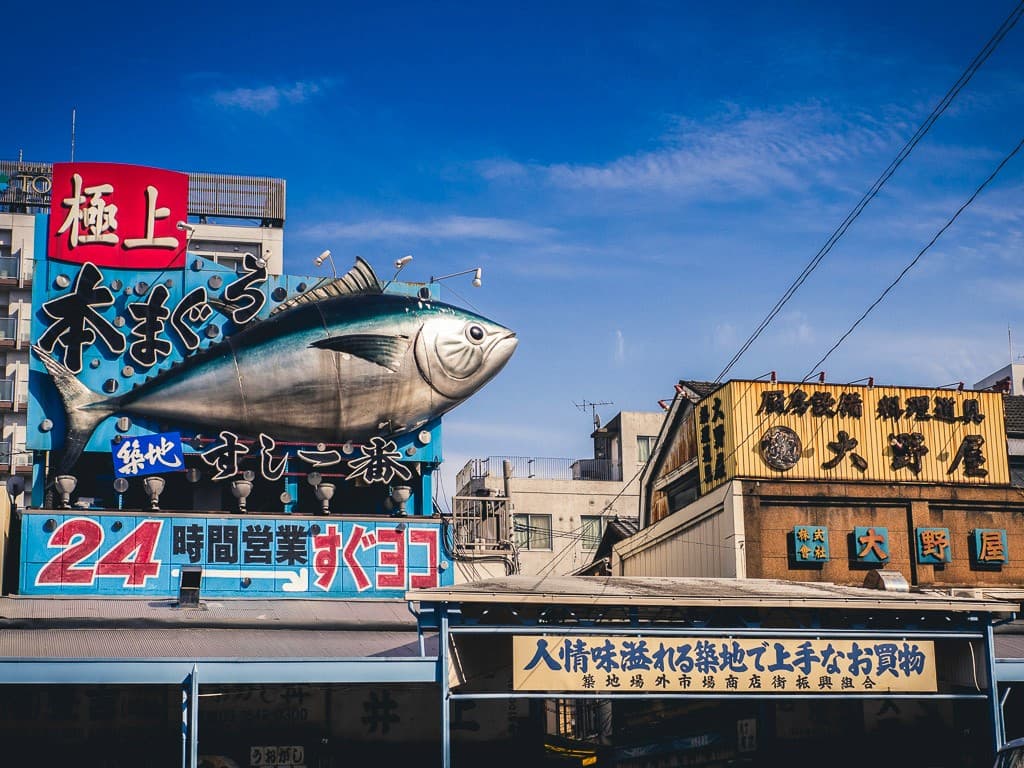
Tsukiji is DIY-friendly with English signage and tourist infrastructure. Tours sell timing optimization and vendor expertise, not access.
Tsukiji is easy to do on your own, and this guide is mostly about when a tour still earns its fee. The market has English signage and plenty of tourist infrastructure, so what a tour really sells is timing and vendor knowledge.
The outer market is open to anyone, English signs are up, and vendors are happy to serve walk-ins. A guide gets you there at the right time, knows the vendors, and keeps you from the common mistakes. Most people who go alone arrive after the breakfast window, overpay for tourist wagyu skewers, and leave without knowing what they ate.
Guides Solve Timing, Not Access
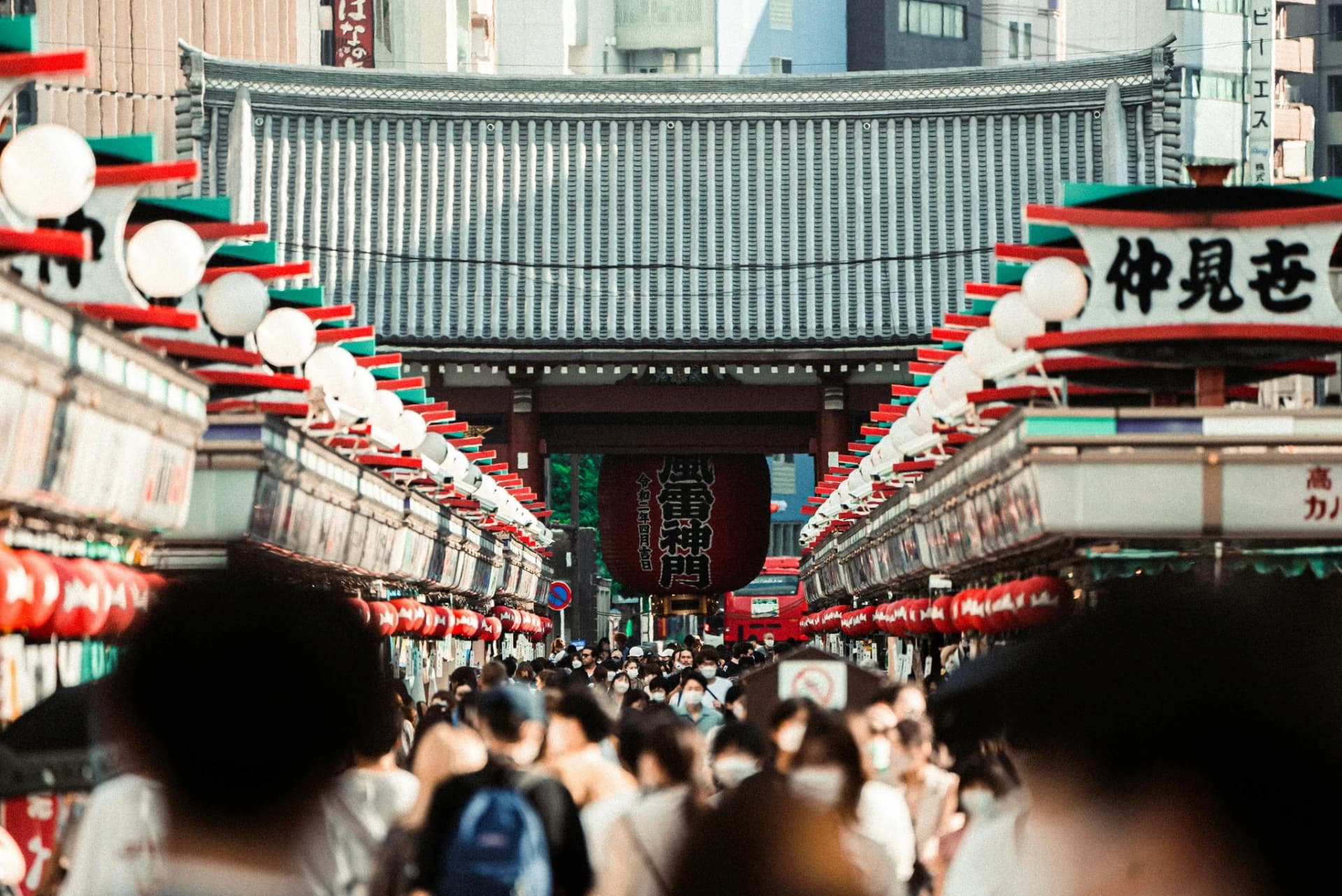
A few outer market shops open around 5-6 AM, but the main visitor hours run from about 9 AM to 2 PM. The crowds follow a predictable pattern:
| Time Window | Crowd Level | What's Available |
|---|---|---|
| 6-7 AM | Barely anyone | Only a few shops open, little choice |
| 8-9 AM | Easy to get around | Shops still opening, short lines |
| 10 AM+ | Packed alleys | Things selling out, long waits, tired vendors |
| 2-3 PM | Closing time | Most shops shut |
Tours start between 8:15-10:45 AM. That catches the market in full swing but misses the quiet hours. If you want no crowds at all, go alone at 6-7 AM, though only a few stalls are open then. Around 9 AM, as more shops open, is the better balance. No tour runs at 6-7 AM, because customers won't get up for it. The best time of day for Tokyo tours depends on the place, and at a market the hour you arrive changes the visit a lot.
What Sells Out (And What Doesn't)
Tours don't get you anything the stalls are holding back. Popular vendors like Tsukiji Yamacho for tamagoyaki (¥100 on a stick, ¥400 for a sandwich) have a line whenever you come. The scallop and oyster stalls restock all morning. The fresh tuna doesn't vanish at 9 AM either. If you want the wholesale tuna auctions, those are at Toyosu.
Coming early gets you fresher prep, shorter lines, and vendors who haven't spent hours dealing with tourists yet. An alarm clock does that just as well as a guide.
The Wagyu Problem Is Real
A5 wagyu skewers at Tsukiji cost ¥3,000-5,000 ($20-35). Travelers tend to call them overpriced once they find all-you-can-eat wagyu places elsewhere in Tokyo charging about the same for unlimited meat. The skewers are good, tender and well grilled, but the same money goes much further 15 minutes away in Ginza.
Value Comparison:
| Item | Price | What You Get |
|---|---|---|
| Tsukiji wagyu skewer | ¥3,000-5,000 | One skewer (~100g) |
| Ginza all-you-can-eat wagyu | ¥4,000-6,000 | Unlimited wagyu + sides (90 min) |
| Tamagoyaki at Tsukiji | ¥100-400 | The real thing from a shop that's been at it for decades |
| Grilled scallops at Tsukiji | ¥600-1,600 | Fresh, seasoned properly, fair price |
Guides walk past these stalls or tell you outright not to bother. People on their own see the photogenic presentation, assume it's what the market is known for, and pay tourist prices for something you'd enjoy more as a proper restaurant meal elsewhere.
What Actually Represents Good Value
At Tsukiji, your money does better on:
-
Tamagoyaki from specialty vendors (¥100-400). These shops have been making egg omelettes for decades and it shows
-
Oysters and scallops from the seafood stalls (¥600-1,600 a portion), grilled to order and seasoned properly
-
Uni and toro from established fishmongers. If locals are buying there, that's your cue
-
Strawberry daifuku and seasonal fruit, a fair price for a look at how seriously Japan takes its fruit
Guides know which vendors have been there 20+ years and which opened after 2018 to catch the tourist trade. You can't always tell from the storefront. We cover Tokyo's street food beyond the markets in a separate piece.
When DIY Makes More Sense
You can do the Outer Market on your own without much trouble. The big stalls have English signs, cash-only notices are posted, eating areas are marked, and there's an information center (Plat Tsukiji) with maps and recommendations.
Go it alone if you're fine with:
-
Finding your way from maps and some reading beforehand
-
Choosing food without much explanation
-
Missing some cultural background you wouldn't know to ask about
-
Overpaying on 1-2 items while you learn what things should cost
If so, arrive by 8 AM, budget ¥3,000-5,000 a person for tasting, skip the obvious traps (wagyu skewers, anything plated for Instagram), and buy where the locals are buying. Tsukiji is one of the situations where you don't need a private tour, since the market is set up for independent visitors.
The English Barrier Is Overstated
Most Tsukiji vendors don't speak much English, but buying food doesn't take much language. You point, they show you the price on a calculator or the menu board, you hand over cash.
Language helps with the rest: knowing what you're eating and how it was made, getting recommendations that suit your taste, and telling wholesale supply shops from stalls aimed at tourists. A guide gives you that. So can some reading beforehand, or a translation app, with decent results. The language barrier in Tokyo is real, and in a tourist-friendly place like the outer market it's manageable.
For when DIY, free walking tours, and audio guides work, and when a private guide is worth it, see our tour format comparison.
What a Guide Changes (and What It Doesn't)
At Tsukiji, a guide knows which tamagoyaki shop uses the best eggs and which one has scaled up for tourist volume. They know when to arrive, how long to stay, and what closes early. They'll steer you off the ¥5,000 wagyu skewer and toward scallops at ¥600-1,600, which are better value. They can explain why dashi turns up in everything, how the season decides what fish is on menus, and what professional chefs look for when they shop here. And they'll take you through 400+ shops in an order that makes sense, so you aren't wandering. Most people only work all that out on their second or third visit.
How Tour Groups Navigate the Market
Groups of 6-15 people cause their own problems at Tsukiji. The alleys are narrow, and vendors need the space in front of their stalls for regular customers.
Group Size Impact:
| Group Size | Navigation | Vendor Engagement | Best For |
|---|---|---|---|
| 2-4 people | Moves like independent travelers | Natural and personal | Unhurried exploring |
| 6-8 people | Manageable with some coordination | Polite but less personal | Small group tours |
| 12-15 people | Gets in everyone's way | Purely transactional | Budget tour groups |
A private tour of 2-4 people moves through the market much like independent travelers do, so you get around faster and vendors talk to you more naturally. Hinomaru One caps groups at 8 and suggests 2-4 for food-focused days. The group size affects how comfortably you can navigate any crowded food area, and markets feel it more than most places.
What Public Tours Include
Tsukiji food tours run 2-3 hours, and the price depends on group size and what's included:
| Tour Type | Price Per Person | What's Included |
|---|---|---|
| Small group tours (6-10 people) | $90-130 | 5-7 tastings plus a seafood bowl |
| Budget tours with minimal food | $40-65 | A basic market walk with fewer tastings |
| Private tours | $300+ for 2-4 people total | Your own pace and vendor choices |
The tastings are chosen for you, but there's nothing exclusive about them. Guides take you to the same vendors you could walk up to yourself. You're paying for someone to pick the good-value stalls, get you there when lines are short, and explain why these foods matter in Japanese cooking.
Group tours stick to tourist-friendly places because they have to feed 8-15 people at once, work in English, and keep to a schedule. So you'll eat at bigger stalls with English menus, not the tiny Japanese-only counters where local chefs shop. The guide also deals with getting to and around Tokyo, which helps more on a day across several neighborhoods than on a single market visit.
When You Need the Guide
A guided visit makes sense if:
-
You only have 2-3 days in Tokyo and want the most out of the market
-
You want Tsukiji as one stop in a food tour that covers several places
-
You have dietary restrictions and need help reading menus
-
You care about the history and culture as much as the eating
-
You want to go places past Tsukiji that need Japanese or a reservation to get into (reservation-only izakayas, Japanese-only counters in residential neighborhoods)
A guide earns their fee when Tsukiji is one part of a bigger food day. If it's your only stop, you probably don't need one. Customizing your private tour lets you change the pace, the vendors, and the food to suit your diet, which public tours can't do.
The December Exception
In December 2024 the Tsukiji Association formally asked tour operators to stay away at year end because the crowding had become dangerous. Japanese families stock up there for New Year, peak tourist season lands on top of it, and the narrow alleys stop being safe.
In late December, tour groups that usually get through fine end up stuck in bottlenecks. Vendors who normally welcome tours actively discourage them. Regulars shopping for New Year come first, and a guide can't do anything about the crowding.
If you're in Tokyo in late December and want to see Tsukiji, go on your own at 6-7 AM before the tours start, knowing only a few stalls will be open, or skip it for a calmer food experience somewhere else in the city. It's the one time of year we'd tell you not to pay for a guide here. Avoiding crowds in Tokyo at peak times means either changing when you go or going somewhere else.
If You're Booking a Tour
Public group tours of Tsukiji alone run 2-3 hours and cost $40-130 per person. Multi-stop tours that put Tsukiji alongside temples, neighborhoods, and other sights run 4-6 hours and are priced per group.
Tour Format Comparison:
| Format | Duration | Price Range | Best For |
|---|---|---|---|
| Public Tsukiji-only | 2-3 hours | $40-130 per person | Market culture, tighter budgets |
| Private Tsukiji-only | 2-3 hours | $300+ for group of 2-4 | Dietary restrictions, your own pace |
| Multi-stop tour (e.g., Tokyo Essentials) | 6 hours | $430 for group of 2 | Market, temples, and neighborhoods in one day |
A market-only tour goes deep on one place, and a multi-stop tour covers more of Tokyo. Tokyo Essentials includes Tsukiji in a 6-hour day with Ueno, Asakusa, and Akihabara, so you see the market without spending the whole day there.
If you want the market plus temples, shopping streets, and neighborhoods, the multi-stop format packs more into each hour. If market culture and where the seafood comes from is your main interest, take the Tsukiji-focused tour.
What Kushiyaki Confidential Does
This 6-hour private food tour (from $430 for 2 people) starts late in the afternoon and takes in five venues:
Tour Stops:
-
4:30 PM: Standing sushi in Shibuya
-
5:20 PM: Yakitori in a small, cozy place
-
6:30 PM: Sake bar in Ebisu
-
7:30 PM: Izakaya in Nakameguro
-
9:00 PM: A retro bar or dessert spot to finish
Food and drink aren't included. Expect to spend about ¥5,000-8,000 per person ($35-55), depending on how hungry and thirsty you are. The tour takes care of getting around, translating menus, and reservations, and you decide how much to order at each stop.
It suits people who want a taste of several neighborhood food scenes in one evening with someone else doing the logistics. If you'd rather spend a long time in one place or explore alone, it isn't for you. At 6 hours it goes deeper than a 2-3 hour public market tour and is shorter than a full 8-hour day tour.
When Private Tours Change the Math
A private Tsukiji tour costs around $300+ for 2-4 people for 2-3 hours, so $150+ per person. Public tours cost $90-130 per person for the same 2-3 hours.
Pricing Breakdown:
| Tour Type | Total Cost | Per Person (2 people) | Duration | Coverage |
|---|---|---|---|---|
| Public group | $180-260 total | $90-130 each | 2-3 hours | Tsukiji only |
| Private Tsukiji-only | $300+ total | $150+ each | 2-3 hours | Tsukiji only, your own pace |
Go private for Tsukiji alone if you want to set the pace (stay longer at some vendors, skip others) or have dietary restrictions a public tour can't handle. Most people don't need that much control for a market visit. Our page on how private tour pricing works explains why per-group rates differ from per-person public pricing.
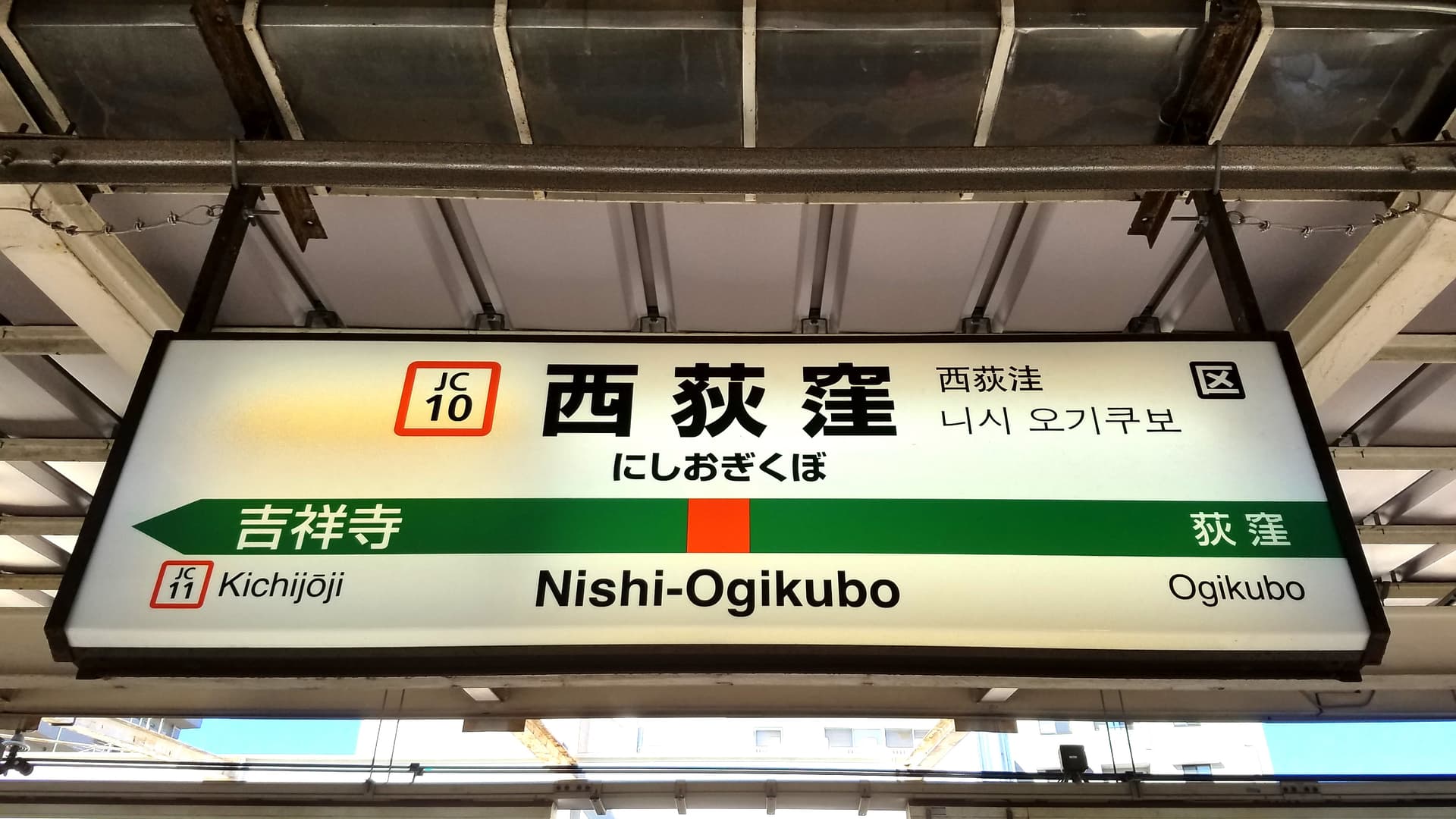
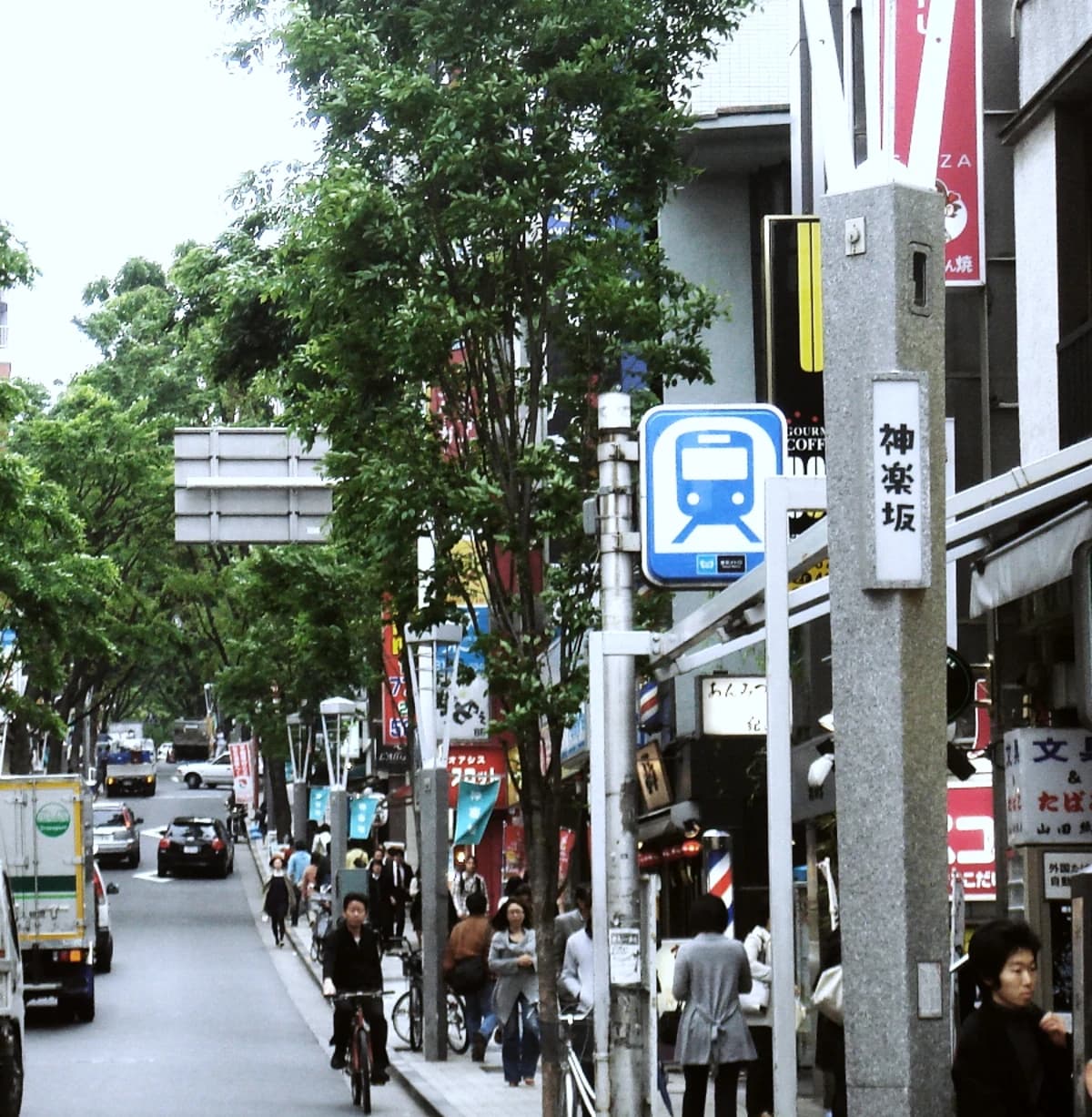
If you're after Tokyo's food culture more broadly, Kushiyaki Confidential covers five venues across Shibuya, Ebisu, and Nakameguro: standing sushi bars, yakitori places, craft sake counters, and izakayas, which is how Tokyo actually eats away from the markets. For old-school izakaya culture, Standing Room Only goes to the retro standing bars and local nightlife of Suginami Ward, in Nakano, Nishi-Ogikubo, and Kichijoji.
Whether exploring with a private guide adds value over going alone comes down to whether you want the shortcut or are happy to learn by trial and error. Both work at Tsukiji. A guide is faster, and going alone leaves you freer.
Decision Framework:
| Choose DIY If... | Choose Guided If... |
|---|---|
| You have time for trial and error | You have 2-3 days in Tokyo and want to use them well |
| You like exploring on your own | You want the culture behind what you're buying |
| You're comfortable with maps/apps | You want to skip the tourist traps |
| Budget ¥3,000-5,000 for sampling | You're pairing the market with a multi-venue food tour |
| You don't mind overpaying on 1-2 items | You have dietary restrictions to work around |
| You visit markets regularly at home | This is your first real look at Japanese food |
Where Hinomaru One Fits
If your interest in Tokyo food goes past the markets, Kushiyaki Confidential takes you to five venues across Shibuya, Ebisu, and Nakameguro, from standing sushi bars and yakitori places to sake counters and izakayas. Over 6 hours the guide handles getting around, menus, and reservations, so you eat the way the neighborhoods do with the same kind of help a guide gives you at the market.
Hinomaru One runs unrushed, fully customized private Tokyo tours for first-timers and repeat visitors alike, with the cultural background explained as you go.