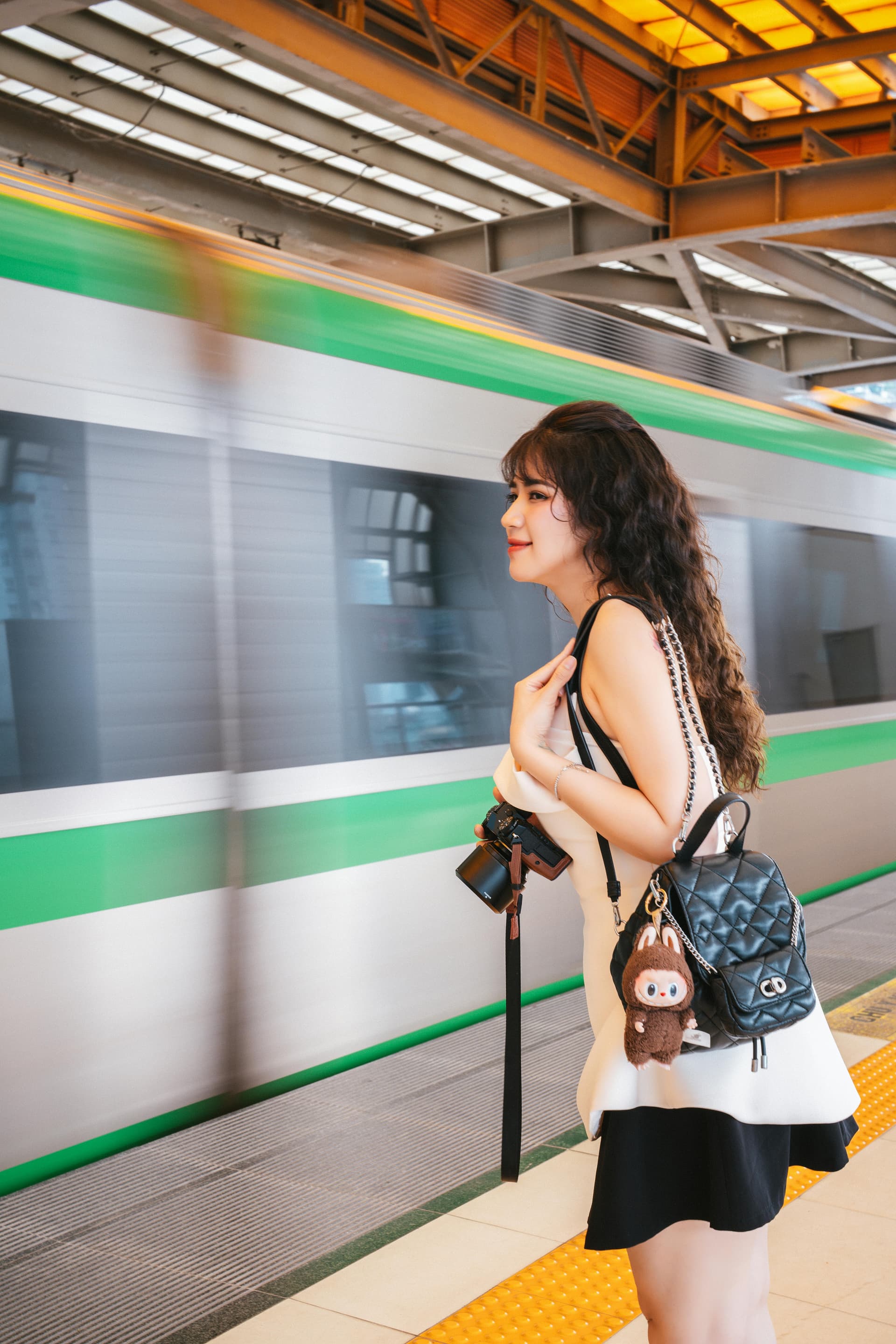
Decide confidently whether to explore Tokyo independently or with a guide based on your pace, itinerary, and travel skills.
When you don't need a private tour in Tokyo is as useful a question as when you do, and you can usually answer it from three things: your pace, your itinerary, and how comfortable you are finding your own way.
Most Tokyo private tour pages tell you why you need a guide. This one helps you work out whether you do, and if you don't, it gives you what you need to go it alone.
The Question Behind the Question
Usually the worry is that Tokyo will be hard, and usually the trip plan is what makes it hard. The same city that wears out a traveler who booked something every hour feels relaxed to someone who planned one neighborhood a day with open afternoons, and both of them made that choice before they landed.
One traveler put it this way: "I was afraid of doing nothing, so I booked things every hour. Looking back, the best moments were when I got lost in Yanaka and found a bakery with no sign. I wish I had done more of that."
We run private tours, and we'll still tell you that most travelers don't need one in Tokyo. The city has good English signage and reliable trains, and plenty of restaurants serve non-Japanese speakers every day. Whether you need help comes down to your trip design and your group, which the sections below go through. For a side-by-side look, see our breakdown of private tours vs. exploring alone.
What Actually Makes Tokyo Hard (And What Doesn't)
Real friction points (with specifics)
Some parts of Tokyo are genuinely difficult, and they come with numbers:
| Friction Point | What Makes It Hard | Who It Affects Most |
|---|---|---|
| Shinjuku Station | 200+ exits across 5+ rail operators, 35+ platforms | Everyone on a first visit, and groups trying to stay together |
| Summer heat | 29-32°C with 76-83% humidity; heat index can reach 35°C+ | Families with children, older travelers, anyone with a packed daily plan |
| Restaurant capacity | Most small izakayas seat 4-8 per party maximum | Groups of 5+, families who want to eat at one table |
| Station navigation | 10-20 minutes for first-timers to find the right exit at major hubs | First-time visitors, travelers with luggage |
| Shop opening times | Most don't open until 11am; coffee shops often 9-10am | Early risers hoping to "maximize the day" |
What sounds hard but isn't
A few common worries don't hold up once you're here.
The language barrier. In the main tourist areas you'll find English-speaking staff at hotels, train stations, and popular attractions, and a translation app gets you through most restaurant menus. Many Japanese people read English well but hesitate to speak it because they worry about making mistakes.
Getting lost. Quiet districts like Yanaka, Shimokitazawa, and Kagurazaka sit a few minutes from the busy tourist centers, and most visitors never go. Getting "lost" usually means a 10-minute correction with Google Maps, and some of the best finds happen that way.
The train system. Google Maps handles Tokyo transit reliably. The network is complicated but logical, and once you see the pattern it becomes routine.
The 24-hour learning curve
We hear the same line from travelers again and again: "It took us a day to figure out Tokyo." After that it gets easy.
The curve is steep and short. On day one you're working out exits, how the IC card taps work, and which way the commuters flow. By day two you know. Tokyo Metro signage is consistent and platforms follow the same layout, so a few rides are usually enough.
On a three-day trip, that first day is a big share of your time. With seven days or more, you'll barely notice it.
Trip Design Is the Variable
Three choices decide whether Tokyo feels easy or exhausting.
Neighborhood clustering: From a Shinjuku hotel, Harajuku is 5 minutes away and Shibuya 7, while Asakusa takes 45+ minutes with a transfer. If you group your days by area, say Asakusa and Ueno one day and Shibuya and Harajuku another, you'll ride trains less and walk around more.
Reservation density: TeamLab sells out, and popular omakase counters need booking weeks ahead. Most temples, neighborhoods, and casual restaurants take walk-ins, though. Every reservation pins you to a clock. With only a few, you can change plans around the weather, your energy, or something you stumbled on.
Hotel location: Where you sleep makes every other decision easier or harder. One local guide puts it this way: "Staying in Shinjuku will be great if your interest is in Harajuku and Shibuya, but not Asakusa and Tokyo Skytree. You'll need to change trains... which leads you to get lost and end up being overwhelmed." Pick the hotel that sits near what you most want to see.
When Party Size Changes the Math
| Party Size | Reality | Guide Value |
|---|---|---|
| Solo / Couples | The easy case. Restaurants can seat you almost anywhere, transit needs no coordination, and you decide on the spot. | Low: flexibility is your advantage |
| Groups of 5-8 | Coordination starts to cost you. Most izakayas seat 4-8 max, so you split up or wait. Someone always misses the train door, and people walk at different speeds. | Medium: help with logistics pays off |
| Multi-generational | The costs pile up. A full sightseeing day covers 10-25km on foot, elevator routes take local knowledge to find, and energy levels clash. | Higher: someone has to manage the puzzle |
For walking distances, we break down how much walking to expect. For which travelers get the most out of a guide, see who private tours are actually for.
The Self-Assessment: Where Do You Land?
Where you fall on the lists below tells you whether going self-guided makes sense.
Signs you'll thrive self-guided
You'll be fine without a guide if:
-
You're traveling solo or as a couple
-
Your daily plans cover 1-2 neighborhoods, not 4-5
-
You don't mind a learning curve on day one
-
You'd rather wander on a whim than follow a curated plan
-
You have 5+ days in Tokyo, so one adjustment day costs little
-
Everyone in your group moves at about the same speed and has similar energy
-
You don't need particular reservations or access
People like this tend to prefer going on their own because they value flexibility over a planned day. Wandering, getting a bit lost, and running into things you didn't plan is much of why they came.
Signs a guide adds value
A guide is worth a look if:
-
You have 2-3 days and a long list (the learning curve costs more)
-
Your group is 5+ people and hard to coordinate
-
You're traveling with mixed mobility, such as young children and older travelers together
-
Accessibility matters: wheelchair routes, few stairs, regular rest stops
-
You want experiences that depend on local knowledge or relationships
-
It's summer and the itinerary is full, so someone needs to handle logistics
-
You're landing jet-lagged and want to start right away
The hybrid option
Some travelers hire a guide for day one and go on their own after that. The guided day gets you over the learning curve, and you use what you learned for the rest of the trip. If that appeals, our guide to preparing for your Tokyo private tour covers what to look for.
The Cost Math
A full-day private guide in Tokyo runs $400-600 for a small group (2-4 people). Half-day options start around $300. Our Tokyo private tour pricing guide goes through when that spend makes sense.
Self-guided daily costs:
-
Transport: ¥1,000-1,500 with IC card (24-hour Metro pass: ¥600)
-
Food: Variable, but ¥3,000-5,000 covers three meals comfortably
-
Entrance fees: Most temples/shrines free; paid gardens ¥300-500
A self-guided day comes to roughly ¥5,000-8,000 ($35-55) per person in hard costs. A guided day adds $100-150 per person for a couple, and less per person for bigger groups.
When the premium makes sense:
-
Short trips (2-3 days): the learning curve eats a larger share of your time
-
Large groups: the per-person cost drops a lot while coordination gets harder
-
Specific access needs: accessible routing, quieter options in peak season, restaurant bookings
-
Tight schedules: if you flew across the world for a few days, those days are worth money
When it doesn't:
-
Solo/couples with 5+ days: you'll have it figured out by day two
-
Loose, unhurried itineraries: there's nothing to optimize if you aren't rushing
-
Repeat visitors: you already know the system
-
Tight budgets: that $400 buys a lot of good meals
Whether $400 is worth it depends on which of those two lists sounds like your specific situation.
Practical Templates for Self-Guided Days
If going on your own suits you, these two day plans cut down the friction.
The neighborhood day (one area, deep exploration)
Pick one neighborhood and stay there all day.
Example: Asakusa day
-
Arrive early (Sensoji Main Hall opens at 6:00am April-September, 6:30am October-March)
-
The temple grounds are open 24/7, but the Nakamise shops don't open until 9-10am
-
Crowds build by 10am and peak 11am-3pm
-
Early morning is the quietest: 6:00-8:00am feels like a different place from midday
With one neighborhood you skip the transit stress and the Google Maps check every 30 minutes, and the day moves on its own from breakfast to walking to lunch, more walking, then dinner. If you finish early you can leave, but nothing is pushing you to.
Alternative: Shimokitazawa day
-
5 minutes from Shibuya, 10 from Shinjuku by train
-
Narrow, walkable streets with vintage shops, cafes, and live music venues
-
No big sights to tick off; you just walk around
-
Shops open around 11am-noon; cafes earlier
-
Small enough to cover in one day without hurrying
The orientation day (transit practice + highlights)
Spend day one learning the system and seeing a couple of easy highlights.
Example: Transit orientation day
-
Start at your hotel station
-
Practice one simple route (your station → Shibuya or Shinjuku)
-
Do one straightforward activity (Meiji Shrine opens at sunrise, closes at sunset)
-
Practice the return route
-
Add one more stop if you still have energy
By day two you've tapped your IC card a dozen times and found your way out of a major station, and the trains feel familiar.
Transport for a moderate day costs ¥1,000-1,500 on an IC card. If you're making 4+ trips, the 24-hour Tokyo Metro pass (¥600) saves money.
When a Private Tour Is Worth It
Two examples of what a guide knows that a map won't tell you:
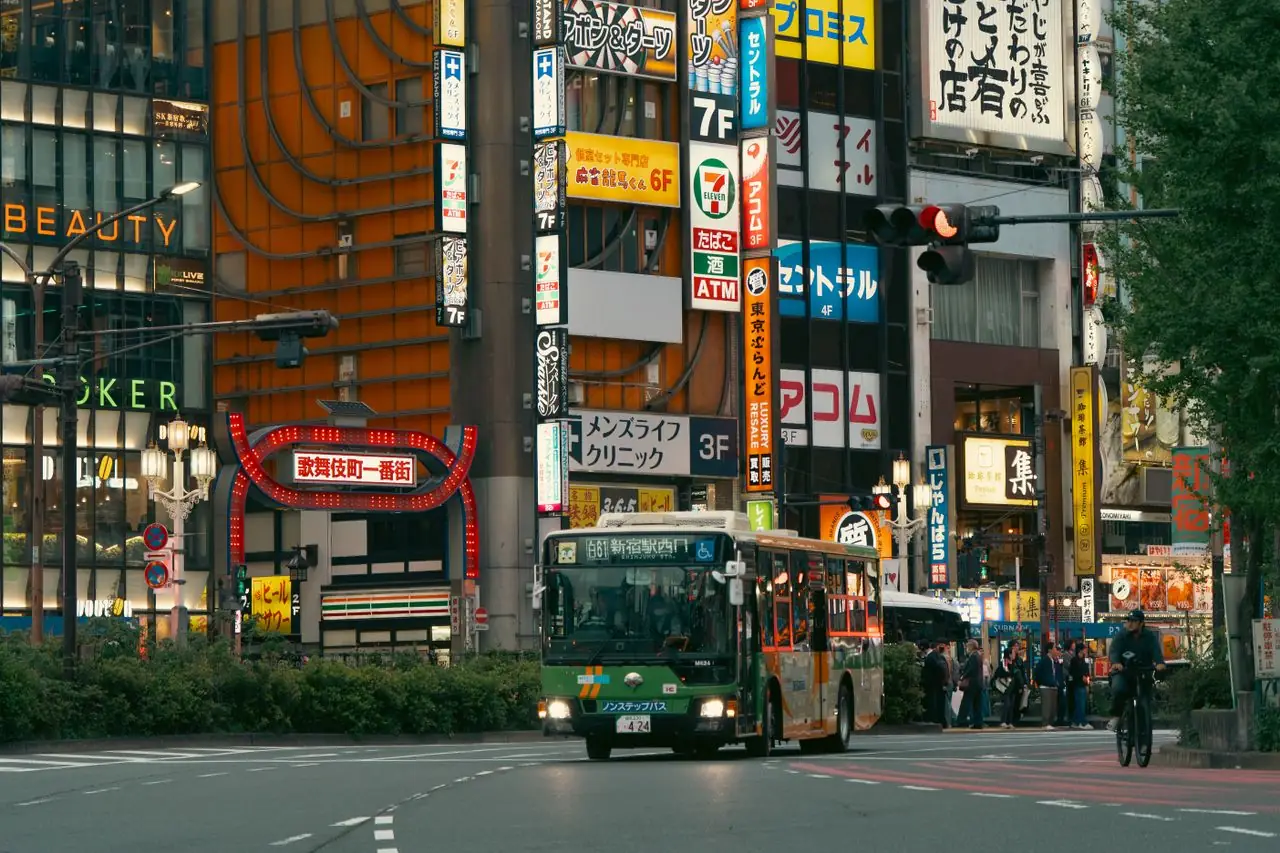
Accessibility: At Shinjuku, the East Exit leads straight to Kabukicho but has stairs. With a wheelchair or stroller you need the New South Gate or South Exit, then a walk north. Guides have this kind of exit-by-station detail memorized.
Peak season: Cherry blossom (late March-early April) and autumn foliage (late November) crowds change everything. The famous spots fill up, but quieter alternatives exist, like Yanaka Cemetery for a calm hanami or Todoroki Valley for autumn color without the crush. Guides who have worked several seasons know where those are.
If you're weighing cost against value, we cover the full worth-it calculation separately. The tour duration decision matters too, since shorter trips often get more from a longer tour day.
Frequently Asked Questions
Who doesn't need a private tour in Tokyo?
Travelers with 7+ days who like exploring on their own. Travelers on a budget who'd rather spend ¥80,000 on food or hotels. Repeat visitors who know the trains. Solo travelers who like to wander without a schedule, and anyone who enjoys figuring things out.
Can I see Tokyo's highlights without a guide?
Yes. Sensoji, Shibuya Crossing, Meiji Shrine, Tsukiji, and Shinjuku are all easy to reach on your own with a phone map, and no major attraction requires a guide to get in. Without one you lose depth and context, plus access to places tourists don't usually see.
Is Tokyo easy to navigate alone?
Yes. Trains have English signage, Google Maps works well, and tourist areas are used to non-Japanese speakers. The system makes sense once you understand it. Feeling confused on day one is normal, and by day three most travelers feel at home on it.
What's the worst that happens if I skip a guide?
You spend more time working things out, miss some of the background on what you're looking at, and can't book experiences that require Japanese. Nothing dangerous happens. You'll have a good trip, maybe a less efficient and shallower one than you could have had.
When should I reconsider hiring a guide?
When your time is short (3-4 days) and you want to use it well. When your group is hard to coordinate, with older members, children, or people who want different things. When you're after particular access, like sushi counter reservations or craft workshops. And when someone in your group has accessibility needs.
Where Hinomaru One Fits
If you've decided a guide makes sense, whether for a first-day orientation, a group that's hard to herd, or a short schedule, we take the logistics off your hands. Hotel pickup, getting around by train, accessible routes, and pacing are part of the day, and you end it knowing how the city works.
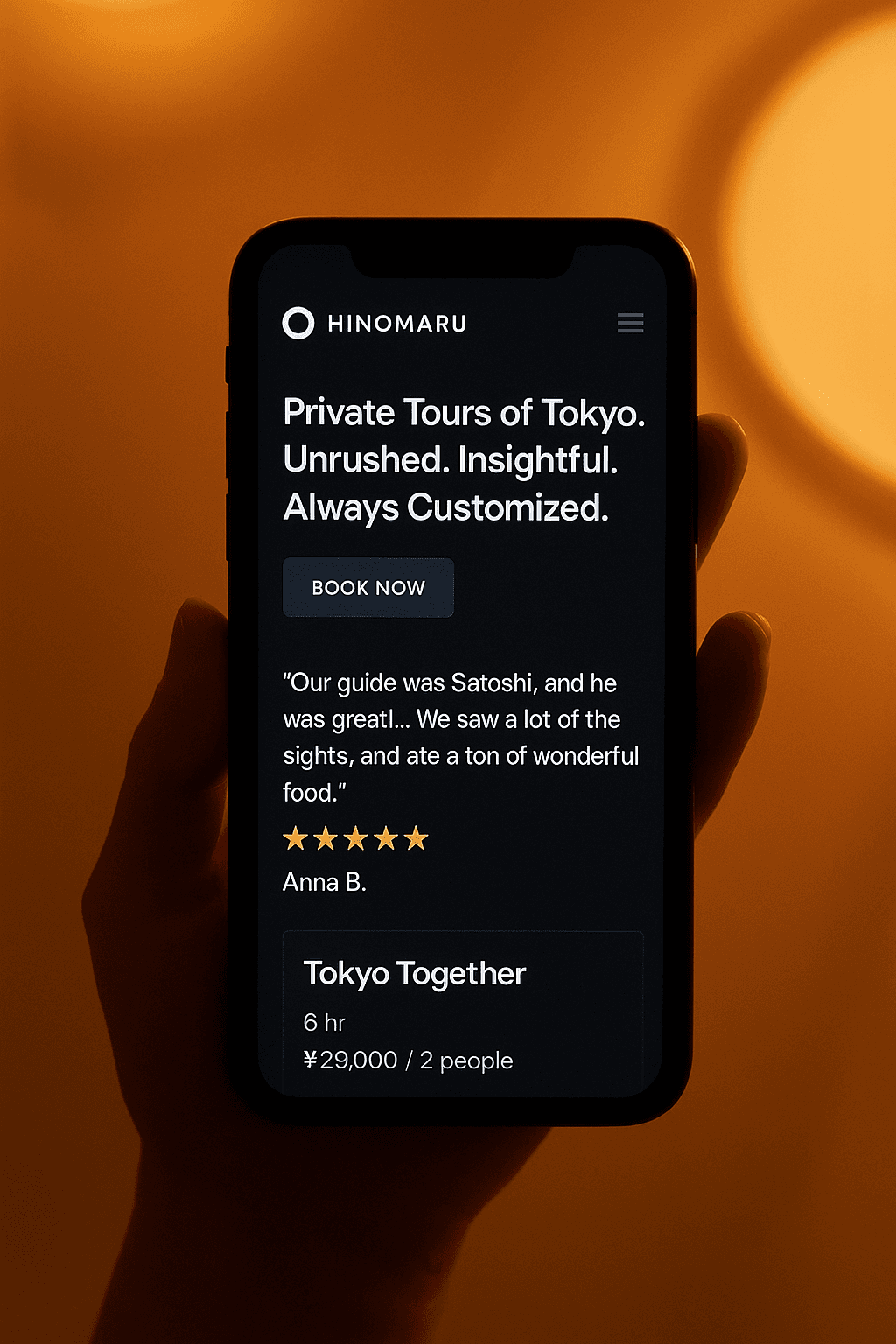
At Hinomaru One, we run unhurried private Tokyo tours for first-time and returning travelers, built around the culture and customized every time.



![How Much Is a Tour Guide in Tokyo? [$200–$540/Day, 2026 Guide]](/_next/image?url=%2Fimages%2F37505d69f17f.png&w=1920&q=75&dpl=dpl_2hQXgXQmWb6iVmAB2GvwsWom9dXh)