Your Tokyo trip will succeed or fail based on constraints you can't research: station navigation time, crowd timing, and the energy you have left at 3 PM.
Tokyo tourist mistakes mostly come from things you couldn't have researched: how long stations take to navigate, when the crowds hit, and how little energy you have left after 3 PM. A private guide stops the chain of small problems that turns one wrong exit into a half-day of safe, mediocre choices.
Experienced travelers struggle here too. Most of them did the reading and saved dozens of pins. What they prepared for was what to visit. Nothing they read told them that a 15-minute wrong exit would drain the energy they needed for every decision over the next four hours.
The people who come home tired and a bit disappointed usually did their homework. They ran into limits that never appear on an itinerary.
The Part of Tokyo That Doesn't Show Up in Itineraries
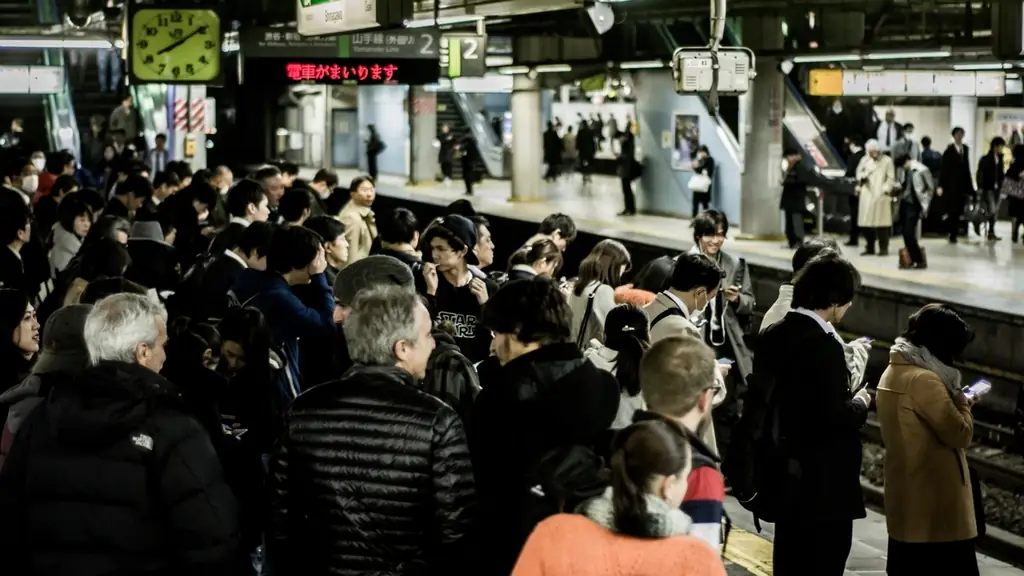
Your itinerary says "Shinjuku Station to Sensō-ji, 40 minutes." It leaves out that Shinjuku is a maze of exits and rail operators, and that first-time visitors spend a good while just finding the right platform before any train shows up.
The Four Constraints Research Can't Prepare You For
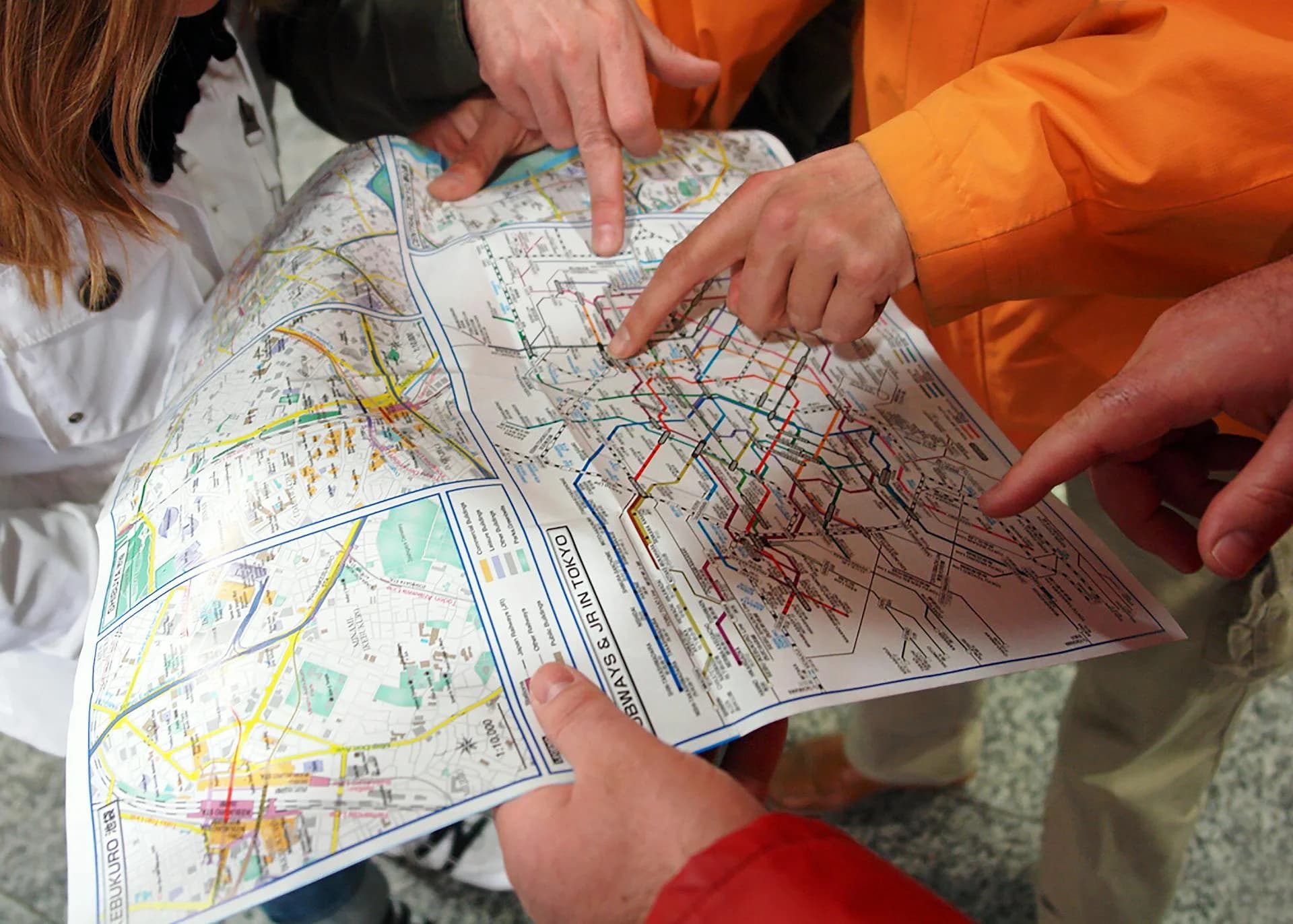
Station navigation time. Greater Tokyo has 48+ commuter rail operators. Once you understand the system, it's efficient. For the first two or three days you won't, and every transfer costs minutes you didn't budget for.
Crowd timing patterns. The same place feels completely different depending on when you get there, and you can't judge that from home.
Energy depletion curves. By mid-afternoon most people have run out of appetite for exploring. You fall back on chain restaurants, tourist zones, whatever needs the fewest decisions.
Unspoken norms. Escalator etiquette, how to behave on trains, when shoes come off, what to do with trash. None of it is hard, but all of it takes attention you'd rather spend elsewhere.
Why Your First 48 Hours Feel Harder Than They Should
First-time visitors on their own lose 2-3 hours per day to these constraints:
| Friction | Time Lost |
|---|---|
| Navigation inefficiency | 45-60 min |
| Decision paralysis | 30-45 min |
| Problem resolution & recovery | 30-60 min |
| Daily total | 2-3 hours |
Across a three or four-day trip, you lose about a full day.
Travelers say the same thing again and again: "I normally relish planning and booking trips, but Japan is quite overwhelming." That's someone who likes planning, and Tokyo still got the better of their research.
How a 15-Minute Wrong Exit Costs You Half a Day
You come out of Shinjuku Station on the wrong side. Fifteen minutes later you've found the right exit. No big deal, you'd think.
The Cascade: From Wrong Exit to Safe Choices
The real cost is what those 15 minutes take out of you.
You start each day with a limited supply of mental energy, and finding your way through stations burns it faster than walking or sightseeing. After the wrong exit you're a little more tired and a little more irritated. You pass on the side street that looked interesting because you can't face it. You take the first reasonable lunch spot instead of looking for a good one.
By early afternoon you're making choices you wouldn't have made at breakfast.
By Afternoon, You're Too Tired to Be Adventurous
Then it compounds. A small hassle makes you cautious, cautious choices keep you in tourist zones, and a trip spent in tourist zones ends up feeling generic.
Travelers describe it this way: "The best moments were when I got lost in a small neighborhood and found a bakery with no sign. I wish I had done more of that."
They didn't do more of it because by mid-afternoon they were too worn out to take chances.
Five Friction Points That Define Tokyo's Learning Curve
Careful travelers hit these too. They're built into how the city works.
Station Navigation: 200 Exits Is Not a Metaphor
| Station | Scale |
|---|---|
| Shinjuku | 200+ exits and passageways |
| Shibuya | 9 train lines, 4 operators, 14 platforms across 8 levels |
| Tokyo | 28 platforms (largest in Japan), 182,000 m², some transfers take 10-15 min |
At the big hubs, first-time visitors need 10-20 minutes to get from platform to street. Regulars do it in 5-10. One traveler put it like this: "I spent my first day going in and out of what seemed like countless different exits and entrances of a Bic Camera store. It felt like I was in a labyrinth."
Self-guided solution: Use Google Maps indoor navigation. Give yourself extra time at major stations. Expect the first few transfers to be slow.
What a guide addresses: Your guide knows the exit, the platform and the passageway. You follow and end up where you meant to be, without having to decide anything.
Crowd Timing: Same Place, Different Experience
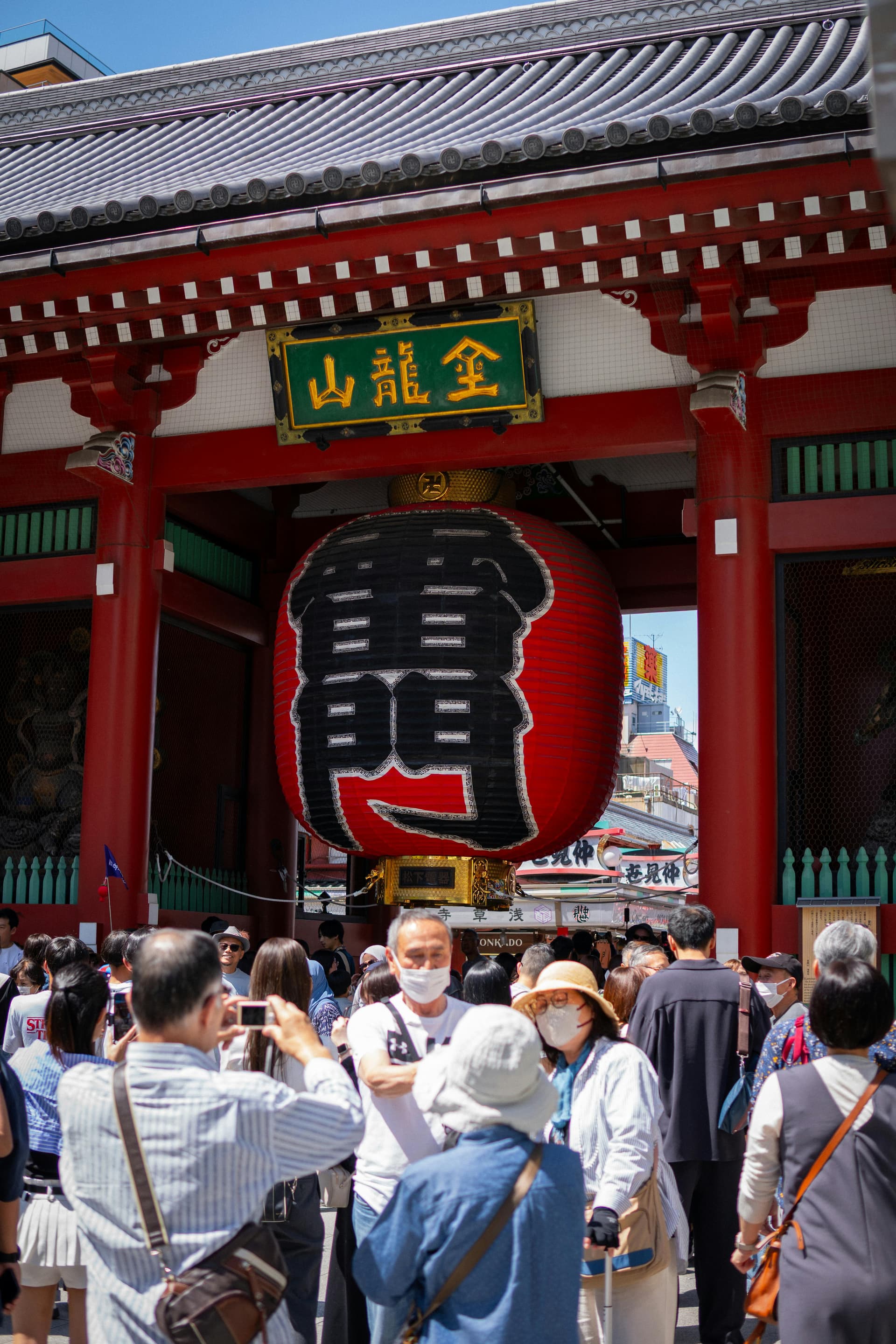
Sensō-ji Temple at 6-8 AM is quiet, with room to breathe. At noon on a weekend it's shoulder to shoulder, and you won't get a clean photo.
Meiji Shrine opens at sunrise and closes at sunset, which is earlier than many visitors expect. In winter that means it shuts by 4:20 PM.
Self-guided solution: Look up timing for each place you plan to visit. Go early. Do the popular sites on weekdays if you can.
What a guide addresses: Adjusting on the day as conditions change. Guides know crowd timing from doing these routes over and over, and that kind of local knowledge is hard to get from one round of research.
Decision Fatigue: 60 Bars in a Single Alley
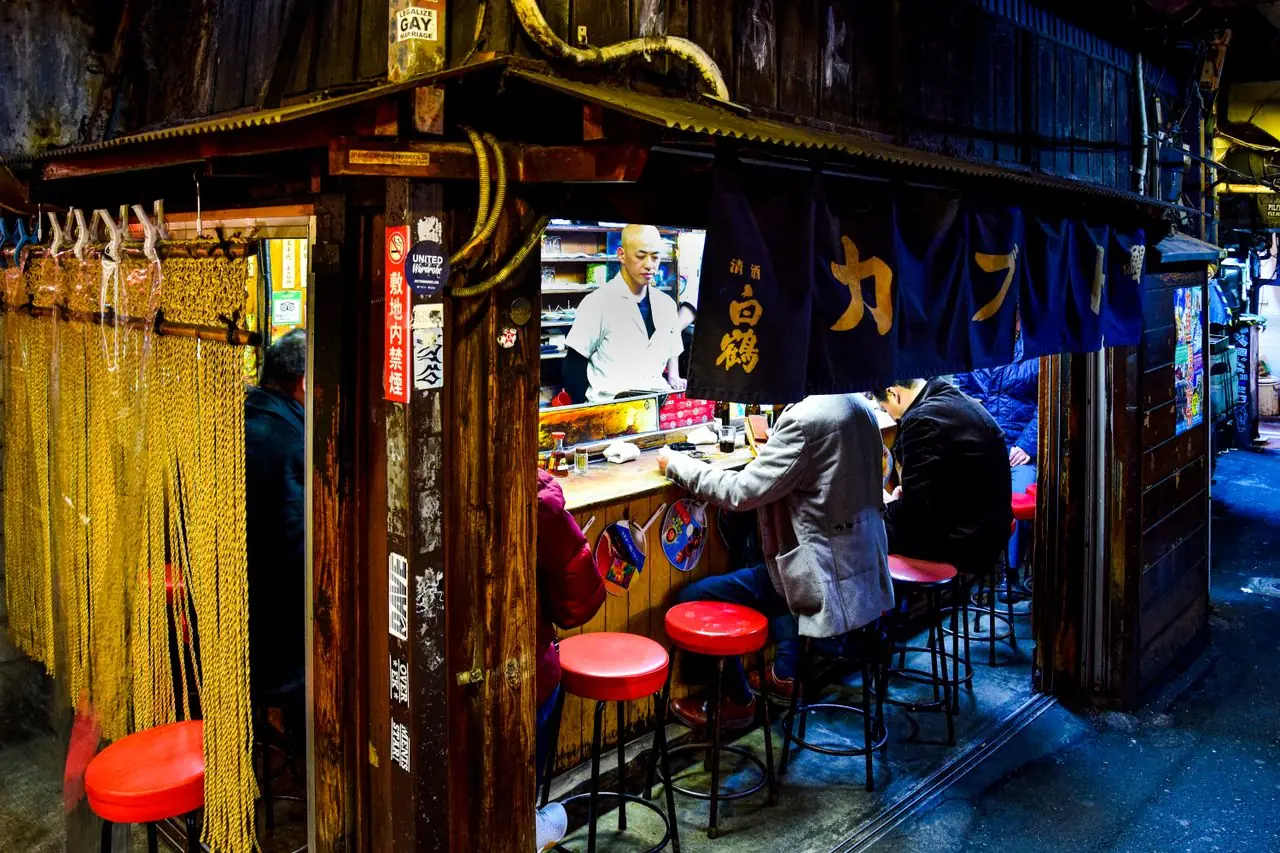
Say you're in Shinjuku. Omoide Yokocho, a narrow alley by the West Exit, packs 60 tiny bars and restaurants into a space where most places seat 6-10 people. Kabuto does offal, Tachan does tsukune with egg yolk, and that's one alley. Eighty percent of the restaurants around you have limited or no English menus. Many close one day a week, often Monday or Tuesday, and you find out which day when you're standing at the door.
Ratings catch most visitors out, because Japanese restaurant ratings work differently. On Tabelog, 97% of restaurants sit at 3.5 stars or below. Three stars in Japan means "good restaurant at a reasonable price." A 4.5-star rating in a tourist area often means a tourist trap, pushed up by visitors who don't know the local scale.
Self-guided solution: On Google, look for ratings around 3.8-4.1 instead of 4.5+. Favor neighborhood places over the ones clustered around stations. Accept that a few meals will be experiments.
What a guide addresses: Guides know which specific places are worth your time, so you skip the paralysis and the wasted meals.
Unspoken Norms: Low-Stakes but High-Friction
None of these will ruin your trip:
-
Stand on the left on escalators (that's Tokyo; Osaka does the opposite)
-
No phone calls on trains, and keep conversations quiet
-
Don't walk while eating; stop and eat where you are
-
Carry your trash, because public bins are rare
-
Remove shoes when entering certain spaces
Japanese people forgive tourist mistakes and appreciate the effort more than perfection. Still, every rule you're trying to remember is attention you aren't spending on the city. A guide can help you navigate language barriers and cultural norms so you can pay attention to where you are.
Self-guided solution: Learn the basics before you arrive, then watch what locals do.
What a guide addresses: Your guide handles the social side and you follow their lead.
Pacing Collapse: 20,000 Steps Without a Plan
An active day in Tokyo usually runs 15,000-20,000 steps. Some travelers report 40,000+ on big days, which is about a marathon.
If you don't pace yourself, your energy will be gone by mid-afternoon. Two neighborhoods a day is the safe maximum. People who try Shibuya, Shinjuku and Asakusa in one afternoon call it "utterly exhausting." Knowing how much walking to expect helps you plan something realistic.
Self-guided solution: Plan fewer stops and spend longer at each. Build in breaks. Wear shoes you've actually broken in. As one traveler said, "There is nothing worse than getting blisters on Day 1 of a lots-of-walking-involved holiday from a new pair of shoes."
What a guide addresses: Guides set the pace by your energy and usually spot that you need a break before you do.
When a Guide Earns Their Cost (And When They Don't)
A full-day private guide in Tokyo costs $240-560. That's real money. If you're still deciding whether a private tour is worth the investment, read that first. This section assumes you're leaning yes and want to know when the money is well spent and when it isn't.
What Guides Actually Solve (The Mechanism, Not the Claim)
Tour companies say guides "save time" and "reduce stress," which is too vague to judge. In practice, four things change.
Navigation friction disappears. You don't take wrong exits or stand confused on platforms. The minutes you'd lose at every big station drop to zero.
Timing is optimized. Guides know when places are quiet and when they're packed, which days particular restaurants close, and which train car puts you nearest the exit.
Decisions are offloaded. Where to eat, which street to wander down, when to move on: each of these takes energy. The guide makes those calls and you get to look at what's in front of you.
Real-time pivoting. The weather turns, someone gets tired, something catches your eye. A guide changes the day to fit instead of sticking to a fixed schedule.
What Guides Cannot Control
Weather. It rains sometimes, and no guide can stop that.
Jet lag. Travelers from the West tend to crash by 6-7 PM in the first 48 hours. One wrote: "We finally got to bed about 10:30 that night and totally crashed." A guide can plan the day around your energy, but your body still needs time to adjust.
Your personal taste. If you hate temples, no amount of expert context will make you love Sensō-ji.
Guide quality variance. Bad guides exist. Aggregator platforms sometimes cancel the night before when they can't find a guide from their freelance pool.
Strong Candidate If... / Poor Fit If...
You're a strong candidate for a private guide if:
-
You're visiting Tokyo for the first time with limited time. An orientation tour like Tokyo Essentials is built for exactly that
-
You're traveling as a mixed-age group (kids, seniors, or both). Tokyo Together is designed around families
-
You're solo and want a confident start. Japan is very safe, but a guide on day one takes away the worry of working it all out alone
-
You care more about depth than ticking off sights, and want to understand places instead of just photographing them. Full-day tours like Infinite Tokyo are made for this
-
Logistics wear you out instead of energizing you
A private guide isn't worth it if:
-
You genuinely enjoy getting lost and figuring things out
-
Your budget is tight and the cost would stress you
-
Your interests are very specific and the guide doesn't share them
-
You've been to Tokyo before and already know the system
If several of these sound like you, you might be better off exploring on your own.
The Day-One Investment: A Guide That Makes You Independent
You don't need a guide for the whole trip, which is something tour companies rarely say.
Day One is often where a guide is worth the most. Eight hours with someone who knows the system teaches you things you'll use for the rest of the visit, and after that you can manage alone. (If eight hours sounds like a lot, here's how to think about half-day versus full-day.)
What You Learn in Eight Hours
-
How to get around the transit system with confidence
-
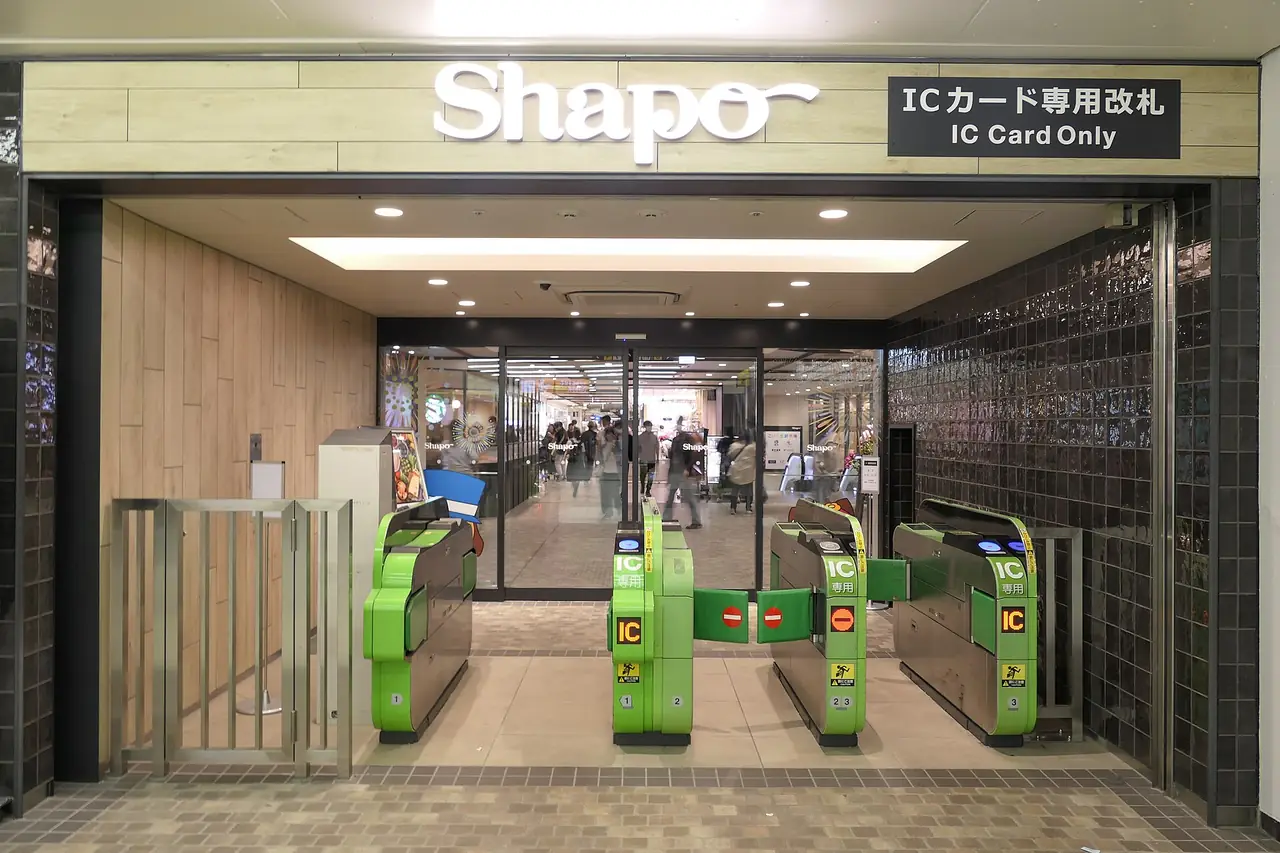
How IC cards work (and when to top them up)
-
Which exits to use at major stations
-
How to read crowd patterns
-
The basic etiquette, until it becomes automatic
-
Restaurant and neighborhood picks for the days ahead
After Day One: Your Confidence Compounds
Travelers keep saying the same thing. One wrote: "It took all the stress out of travelling our first day in Tokyo and helped us have confidence to continue our travels." Another: "Gave us confidence to tackle the trains today on our own."
People worry about Tokyo more before the trip than the city deserves. Afterwards they tend to say something like: "I wish I'd known how easy and straightforward traveling in Japan is."
Most people already have the information and lack the confidence to use it. A guided Day One fixes that, and on Days Two through Five you explore on your own with that grounding behind you.
If you've decided a guide makes sense, read how to choose between walking, car, or mixed format and ten questions to ask before booking.
Frequently Asked Questions
What are the most common tourist mistakes in Tokyo?
The biggest ones come from constraints you can't see in advance. Visitors lose 45-60 minutes a day to station navigation (Shinjuku alone has 200+ exits), reach attractions at peak crowd times, wear themselves out choosing between options (60 bars in a single alley), and over-schedule without allowing for 15,000-20,000 steps a day. First-time visitors typically lose 2-3 hours per day this way.
How much time do tourists waste navigating Tokyo stations?
First-time visitors spend 10-20 minutes getting from platform to street at major stations like Shinjuku (200+ exits), Shibuya (9 train lines across 8 levels) and Tokyo Station (28 platforms, 182,000 square meters). Add decision paralysis and sorting out problems, and visitors on their own lose 2-3 hours per day. Over a 3-4 day trip that's about one full day of sightseeing gone.
What can a private guide help with in Tokyo that I can't do myself?
A guide removes the navigation hassle (no wrong exits, no platform confusion), times the day around how crowded places are right now, takes over the constant small decisions about where to eat, which street to explore and when to leave, and changes the plan when the weather turns or energy drops. The best use is often Day 1. Eight hours with someone who knows the system teaches you the trains, IC cards, crowd patterns and etiquette, and that pays off for the rest of your visit.
Is a private tour worth it for first-time Tokyo visitors?
A private guide makes the most sense for first-time visitors short on time, mixed-age groups with kids and seniors, solo travelers who want a confident start, and anyone who wants depth more than a long list of sights. Guides cost $240-560 for a full day. Often the best plan is to book only Day 1. Travelers consistently report that one guided day gave them the confidence to get around Tokyo alone for the rest of the trip, so the other days went better too.
What tips do first-time Tokyo visitors need most?
Stick to two neighborhoods a day at most. Trying Shibuya, Shinjuku and Asakusa in one afternoon is exhausting. Wear broken-in shoes, because you'll walk 15,000-20,000 steps a day. Expect station transfers to be slow for your first 2-3 days. For restaurants, look for Google ratings around 3.8-4.1 instead of 4.5+, since very high ratings in tourist areas often point to tourist traps. Stand on the left on Tokyo escalators, carry your trash because public bins are rare, and don't eat while walking.
Where Hinomaru One Fits
Your first day sets up the rest of the trip. Our guides show you how Tokyo works, from IC cards and station navigation to crowd timing and the unspoken norms, so that for the rest of your stay you can explore on your own.
At Hinomaru One we design private Tokyo tours for first-time and returning travelers. They're unrushed, customized to you, and built to take the stress out of the day.
Photo credits
- IC card only ticket gates at JR Koiwa Station in Tokyo: MaedaAkihiko / Wikimedia Commons, CC BY-SA 4.0, resized