Itineraries

Itineraries

Tokyo Itineraries

Tokyo Itineraries

Quick routing to the right itinerary guide — whether you have one day in Tokyo, three, or you're planning a day trip from the city.

December 11, 2025

5 min read

sensoji food and temple

share this article

/

Tokyo Itineraries

/

Tokyo Itineraries

/

Tokyo Itineraries

You already know how many days you have. The question is what kind of Tokyo experience that number makes possible.

You already know how many days you have. The question is what kind of Tokyo experience that number makes possible.

You already know how many days you have. The question is what kind of Tokyo experience that number makes possible.

You probably already know how many days you have in Tokyo. Flights are booked, vacation days are set, and the rest of your Japan itinerary has already claimed its share. The question isn't how many days you should spend—it's what kind of experience your days actually make possible.

Different durations don't just mean more or fewer stops. They unlock structurally different trips. One day requires a completely different approach than three. The guides below show how each duration actually works.

Find Your Itinerary Guide

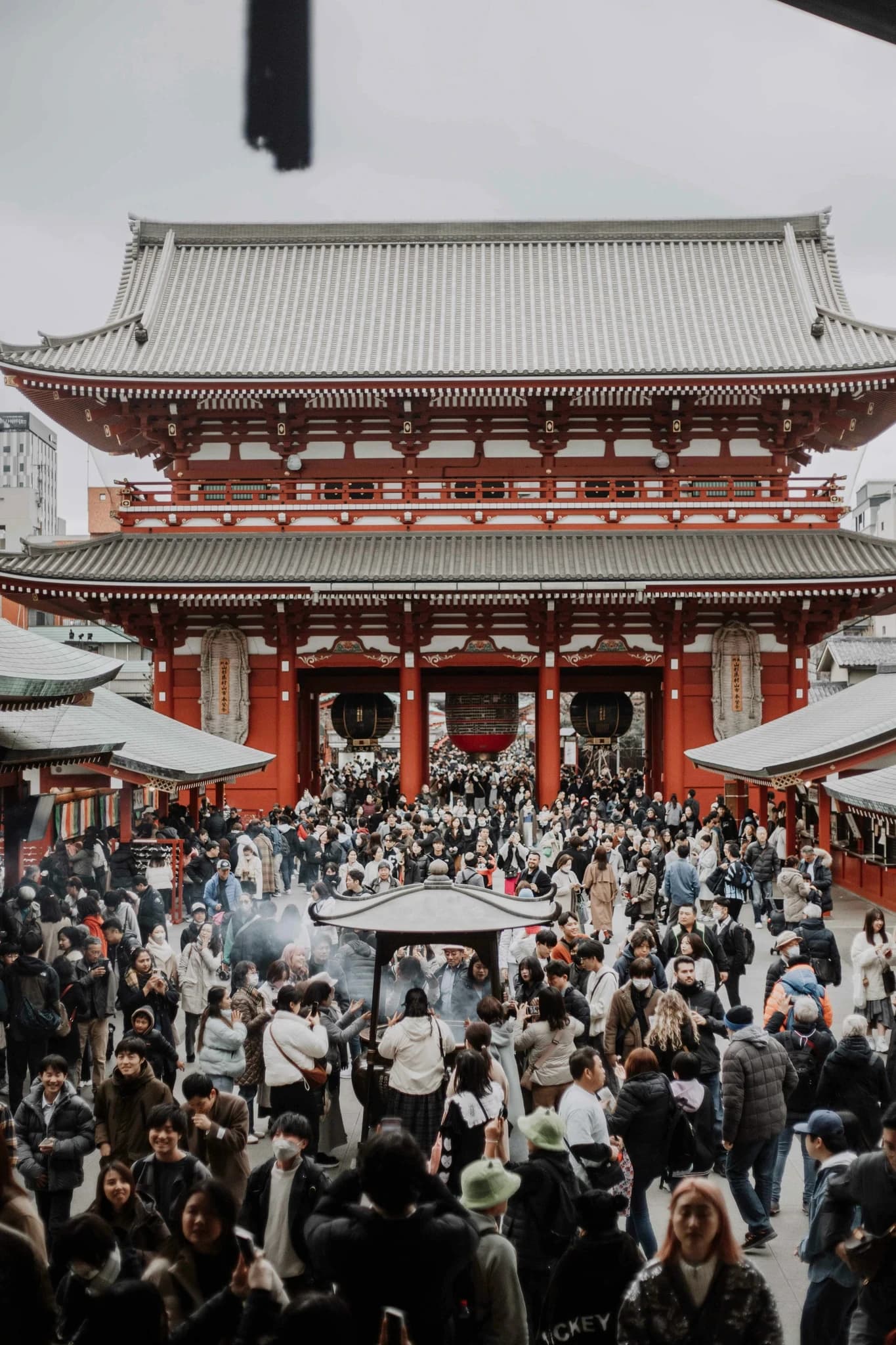
One day demands focus. You'll choose between east Tokyo (Asakusa, Senso-ji, Ueno) or west Tokyo (Shibuya, Harajuku, Shinjuku)—trying to do both means spending your day on trains rather than in neighborhoods. Most travelers with a single day are on a layover, have a business trip with one free day, or are passing through before heading to Kyoto.

The 1-day itinerary guide shows how to build a coherent arc through one side of the city: strategic routes, realistic timing, and smart pacing that leaves you fulfilled rather than frantic.

2 Days in Tokyo

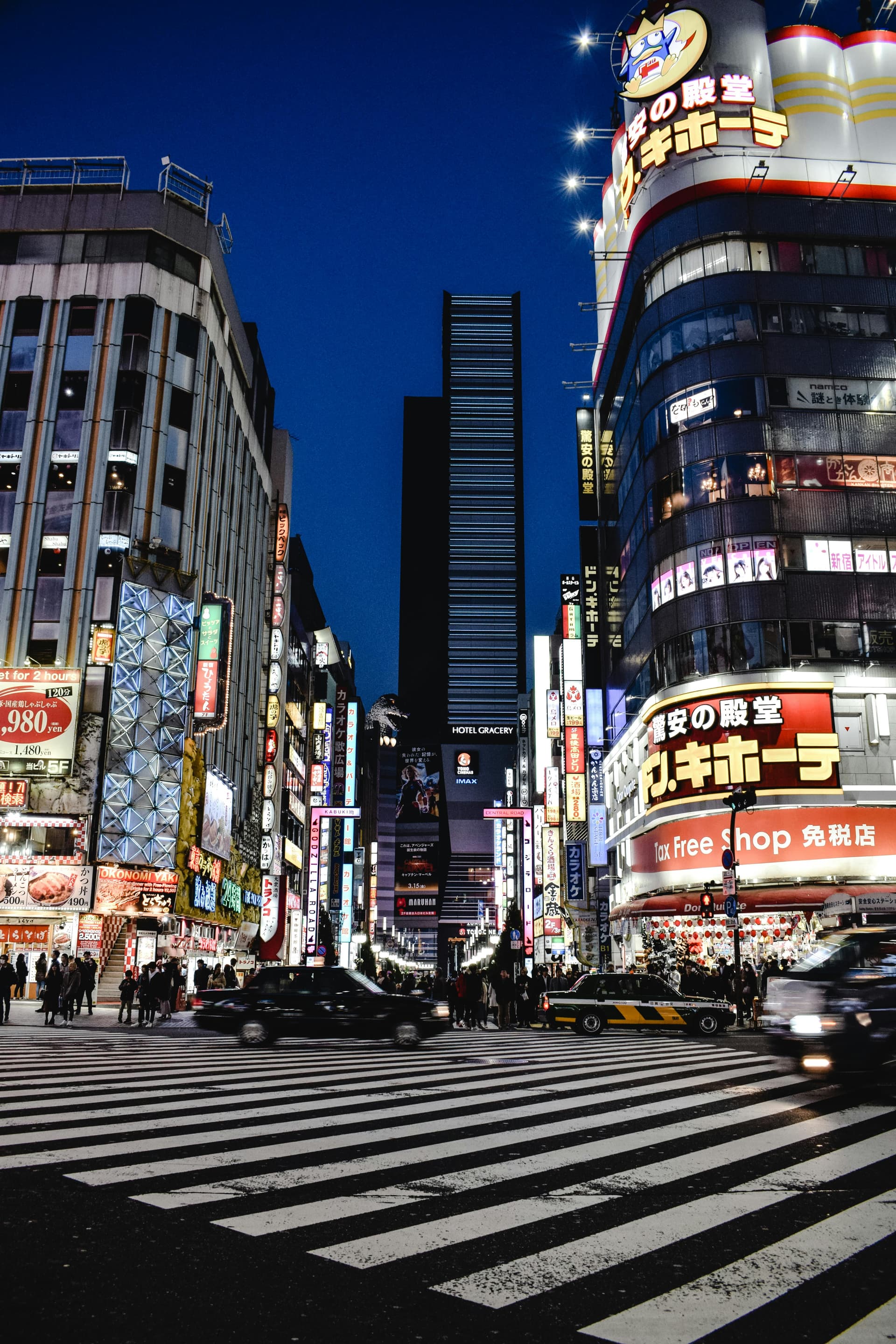
Two days is the minimum for experiencing Tokyo's full contrast. Day one can cover traditional Tokyo—temples, shrines, old merchant streets. Day two can cover modern Tokyo—neon, fashion, contemporary culture. You're still moving efficiently, but you're not choosing between halves of the city.

The tradeoff: two days leaves no buffer. If jet lag hits hard on day one or rain cancels your outdoor plans, there's no recovery day. Everything has to work.

The 2-day itinerary guide shows how guides typically sequence these two days, including how to handle the east-west split and what to do when plans change.

3 or More Days in Tokyo

Three days changes the math. You're no longer choosing between neighborhoods—you're choosing what to explore more deeply. That could be a morning in Yanaka followed by an afternoon in Akihabara. It could be a dedicated food day. Or it could just be a slower pace that lets you wander without watching the clock.

Three days also creates a recovery buffer. If you're arriving from a western timezone, day one will likely be compromised by jet lag. With three days, that's fine—you have time to ease in.

The 3-day itinerary guide shows how multiple days can layer themes, build in rest, and create space for the unplanned discoveries that become trip highlights.

Day Trips from Tokyo

Day trips are a separate decision from how many days you spend in Tokyo proper. Before committing to one, ask yourself: do you have four or more days in the city? With fewer than four days, an extra day in Tokyo provides more value than a day trip—layover visitors and short-trip travelers especially benefit from maximizing Tokyo time. . You'd be spending 4-6 hours in transit for a destination that competes with time you haven't yet given to Tokyo itself.

If you do have room for a day trip—or if Tokyo is just your base for exploring the region—each destination below serves a different purpose. For a complete overview, see our guide to the best day trips from Tokyo.

Kamakura

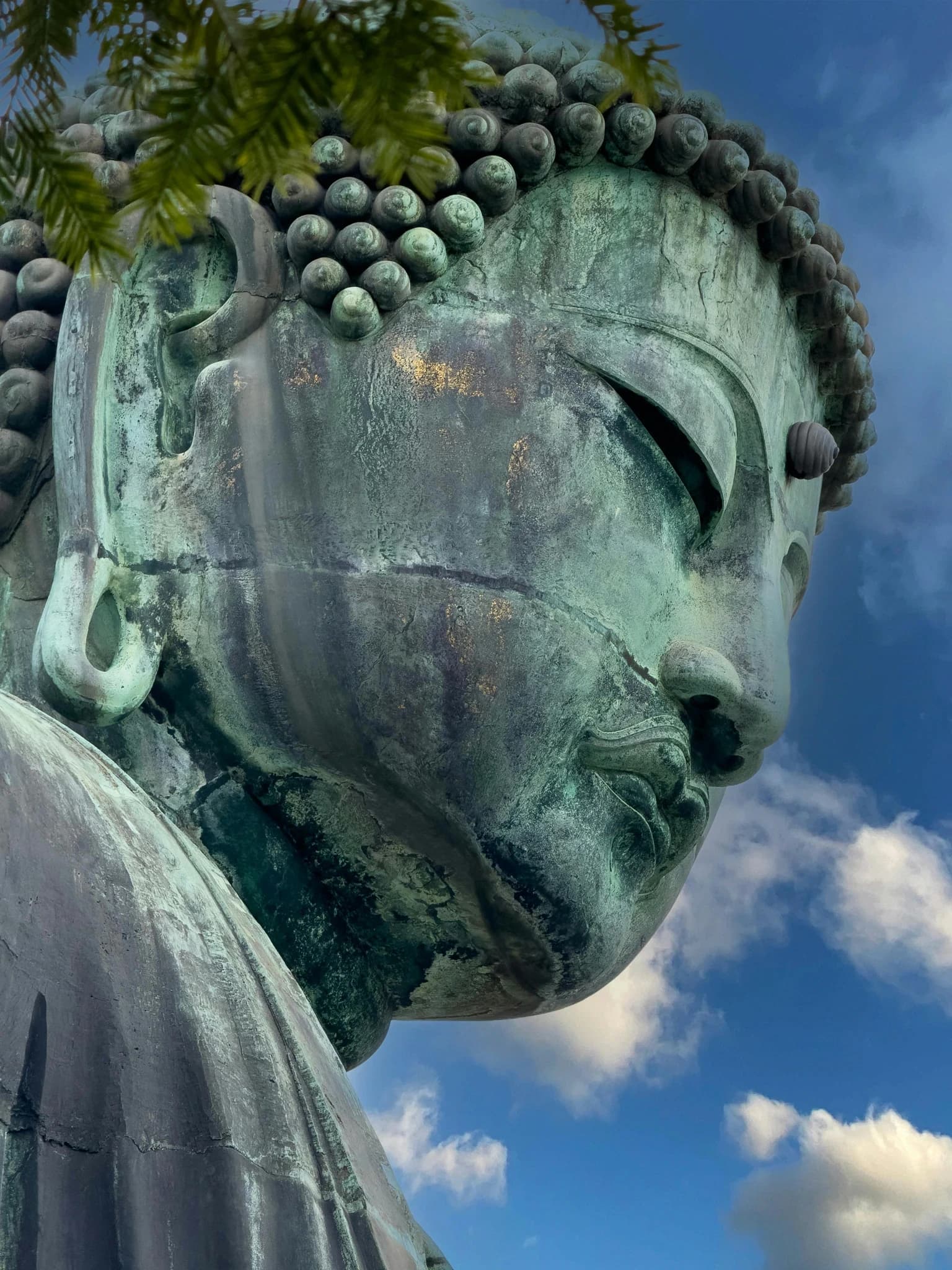
Under an hour from Tokyo by JR. Temples, the Great Buddha, and a laid-back coastal atmosphere that feels like an escape from the city. This is a true day trip—you can leave mid-morning and return for dinner in Tokyo.

Kamakura works best as a focused 4-5 hour visit. The main temples are compact enough to see without rushing, and there's time to walk Komachi Street or sit by the ocean. Our Kamakura day trip guide covers pacing and what to prioritize.

One exception: if you're also visiting Kyoto and Nara, you'll likely be templed-out by the time you'd get to Kamakura. The temple and shrine content overlaps significantly, and experienced travelers consistently recommend skipping Kamakura in favor of more Tokyo time. Three days is already tight for Tokyo—an extra day there usually beats a day trip that doubles up on what you'll see in Kansai.

Hakone

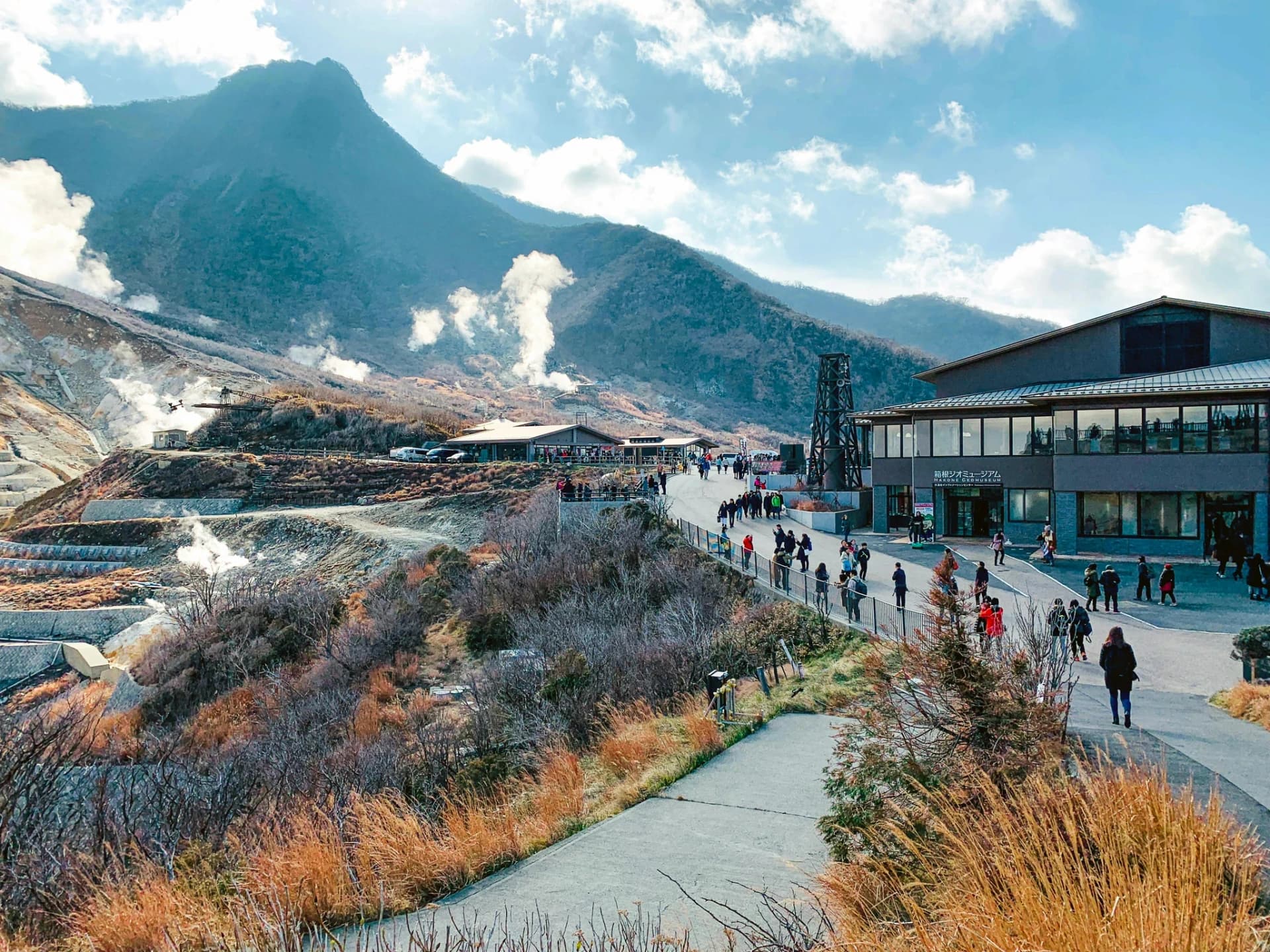
About 90 minutes via Romancecar from Shinjuku. Hot springs, a scenic loop route, and Mt. Fuji views—when the weather cooperates.

That last part matters. The ropeway suspends in bad weather. Clouds regularly obscure the mountain. If you're going primarily for Fuji views, check conditions before committing. Hakone works better as an overnight trip, where a ryokan stay and onsen experience become the main event rather than a scenic loop that may disappoint.

The Hakone day trip guide covers the time math, Loop logistics, and when an overnight makes more sense than a day trip.

Nikko

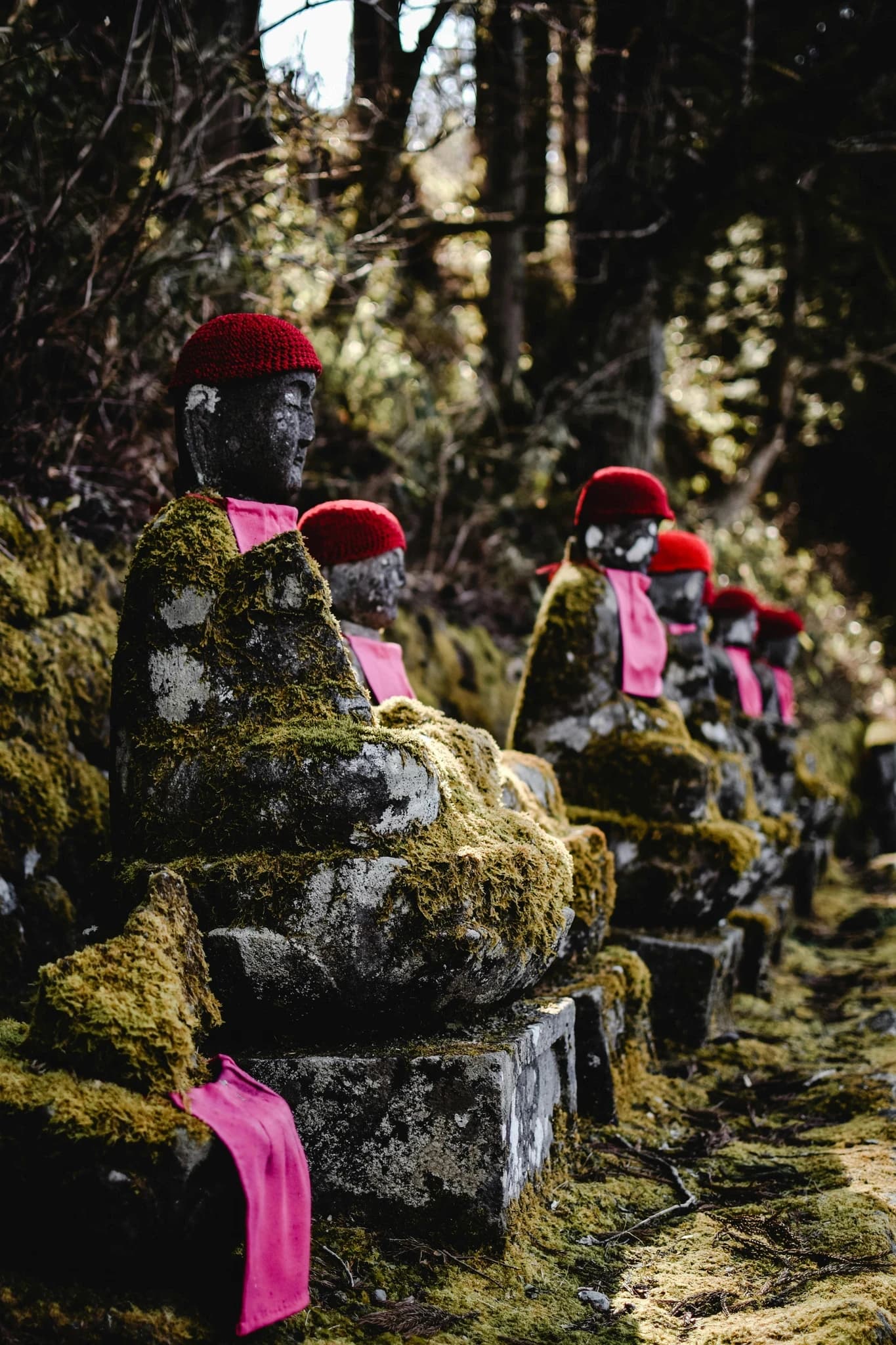
Two hours each way, requiring an early start. UNESCO World Heritage shrines, mountain scenery, Lake Chuzenji, and waterfalls if you venture further in.

The honest math: an 11-hour day for roughly 5 hours of sightseeing. Nikko rewards the effort—Toshogu Shrine is unlike anything in Tokyo—but this isn't a casual add-on. You're committing a full day and arriving back exhausted.

Avoid weekends during autumn foliage season. Buses to Oku Nikko get stuck for hours in traffic. The Nikko day trip guide covers when DIY works, when a guide earns its cost, and how to structure the day.

Mt. Fuji

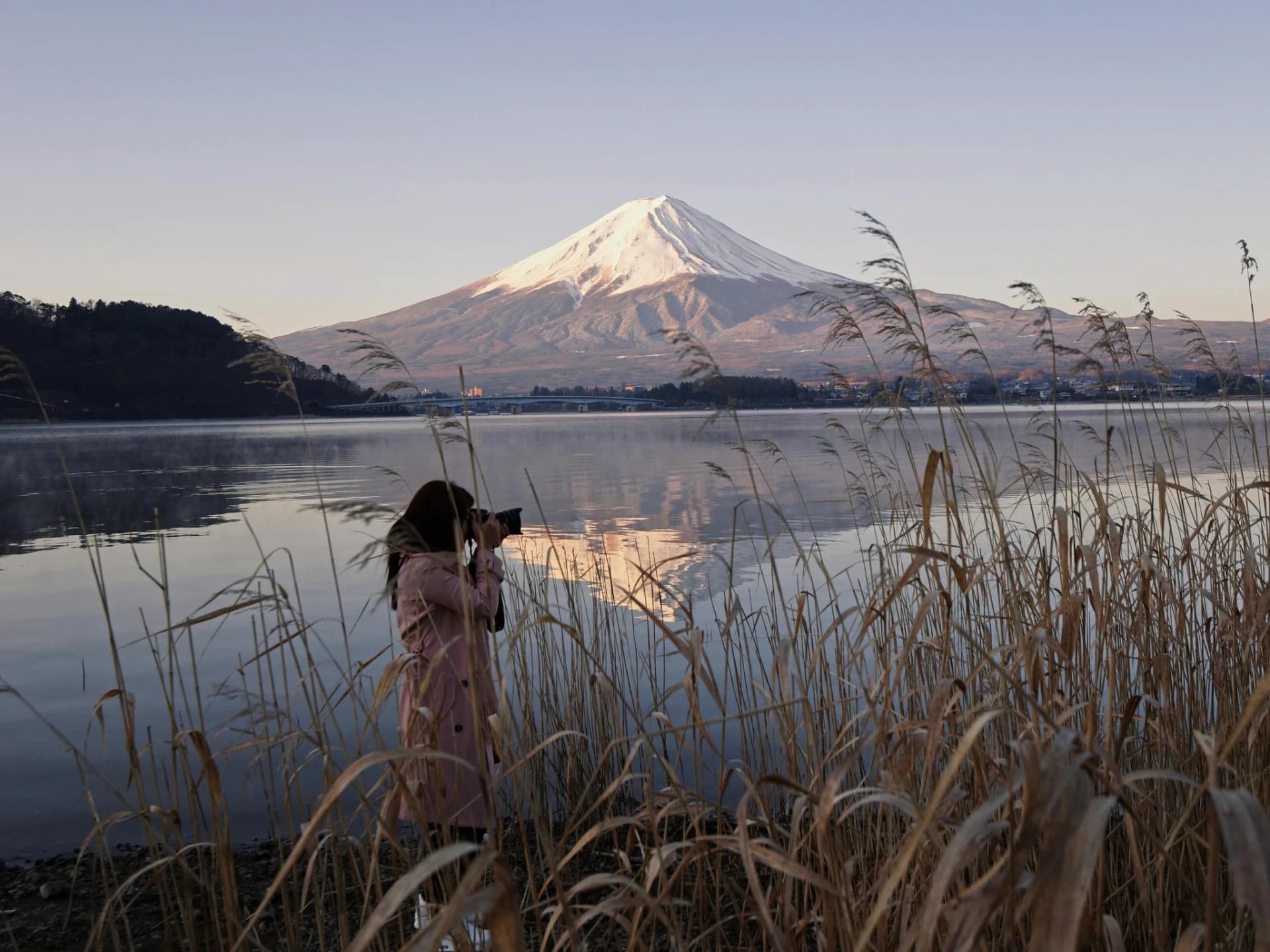
About two hours to Kawaguchiko via the Fuji Excursion train from Shinjuku. The draw is obvious—Japan's most iconic mountain—but visibility is everything.

December through February offers the clearest views. Ironically, summer (climbing season) has the worst visibility. If you're visiting outside winter, have a backup plan for cloudy days.

The Mt. Fuji day trip guide covers visibility timing, how to evaluate tour quality, and Plan B alternatives when the mountain isn't showing itself.

Before You Choose

A few considerations affect which itinerary actually fits your situation. These are explored in depth elsewhere on the site, but worth noting before you pick a guide.

Jet Lag and First-Day Pacing

Western travelers to Tokyo face a 13-16 hour time difference. The first 48 hours typically involve waking at 3-5 AM and crashing by early evening. It takes a couple of days just to get comfortable with the trains and the pace of the city. Our guide to jet lag and pacing covers strategies for managing those first days.

Your first day or two will have reduced effective capacity. If you're arriving with one or two days in Tokyo, factor this into expectations—or consider whether day one should be lighter than you'd originally planned.

Group Composition

Traveling with young children, elderly family members, or anyone with mobility needs changes what's realistic. Tokyo's default assumes able-bodied adults: 10,000+ daily steps, trains requiring quick boarding, stairs at most stations, and restaurant seating designed for small groups.

If your group has different needs, the pacing and route recommendations in a standard itinerary may not apply. Some travelers need accessibility-focused routes, frequent rest breaks, or shorter days. We have separate guides for families with children and multigenerational groups.

Your Tokyo vs. Japan Allocation

If Tokyo is part of a longer Japan trip, your duration decision depends on what else is on the itinerary. Travelers visiting Kyoto often deprioritize Tokyo temples. Travelers going to Nara may skip Kamakura. The "right" number of Tokyo days isn't fixed—it depends on what you're doing elsewhere.

Beyond trip length and group composition, how you balance temples, shopping, and food determines whether individual days feel coherent or fragmented. The balancing guide covers why these three experience types require different timing conditions.

How Private Tours Fit

Duration decisions get easier when someone else handles the logistics. A guide who knows how Tokyo works can help you make the most of whatever time you have—especially when that time is limited.

With one day, efficiency is everything. A guide ensures you're not spending your only Tokyo hours figuring out which train to take or which exit leads to the shrine. With two or three days, a guide can adjust pacing to your group's energy, pivot when weather changes, and find the moments that don't show up in itineraries.

The real value isn't just navigation. It's not having to plan at all.

This is especially true for milestone birthdays, where one person planning the celebration means they can't fully receive it. An 8-hour Infinite Tokyo tour designed around one person's interests changes that dynamic entirely. See our milestone birthday guide.


Where Hinomaru One Fits

Whether you have one day or three, we handle the logistics so you can focus on the experience. Our guides adjust pacing to your group's energy, pivot when weather changes, and ensure your limited time goes to the neighborhoods that matter—not to figuring out train connections or deciphering station exits.

At Hinomaru One, we design culturally rich, stress-free private Tokyo tours for first-time and seasoned travelers. Unrushed. Insightful. Always customized.

share this article

share this article

share this article

Recent Posts

When to Visit

Tokyo Winter Tours: When Efficiency Becomes the Advantage

When to Visit

Tokyo in Spring: The Season of Abundance

When to Visit

Tokyo Fall Tours: When Foliage Isn't the Point

Recent Posts

When to Visit

Tokyo Winter Tours: When Efficiency Becomes the Advantage

When to Visit

Tokyo in Spring: The Season of Abundance

When to Visit

Tokyo Fall Tours: When Foliage Isn't the Point

Recent Posts

When to Visit

Tokyo Winter Tours: When Efficiency Becomes the Advantage

When to Visit

Tokyo in Spring: The Season of Abundance

When to Visit

Tokyo Fall Tours: When Foliage Isn't the Point

Recent Posts

When to Visit

Tokyo Winter Tours: When Efficiency Becomes the Advantage

When to Visit

Tokyo in Spring: The Season of Abundance

When to Visit

Tokyo Fall Tours: When Foliage Isn't the Point

Newsletter

Unlock the secrets of Japan with Hinomaru One delivered straight to your inbox.

Hinomaru One Logo

PRIVACY

TERMS

Newsletter

Unlock the secrets of Japan with Hinomaru One delivered straight to your inbox.

Hinomaru One Logo

PRIVACY

TERMS

Newsletter

Unlock the secrets of Japan with Hinomaru One delivered straight to your inbox.

Hinomaru One Logo

PRIVACY

TERMS

Newsletter

Unlock the secrets of Japan with Hinomaru One delivered straight to your inbox.

Hinomaru One Logo

PRIVACY

TERMS