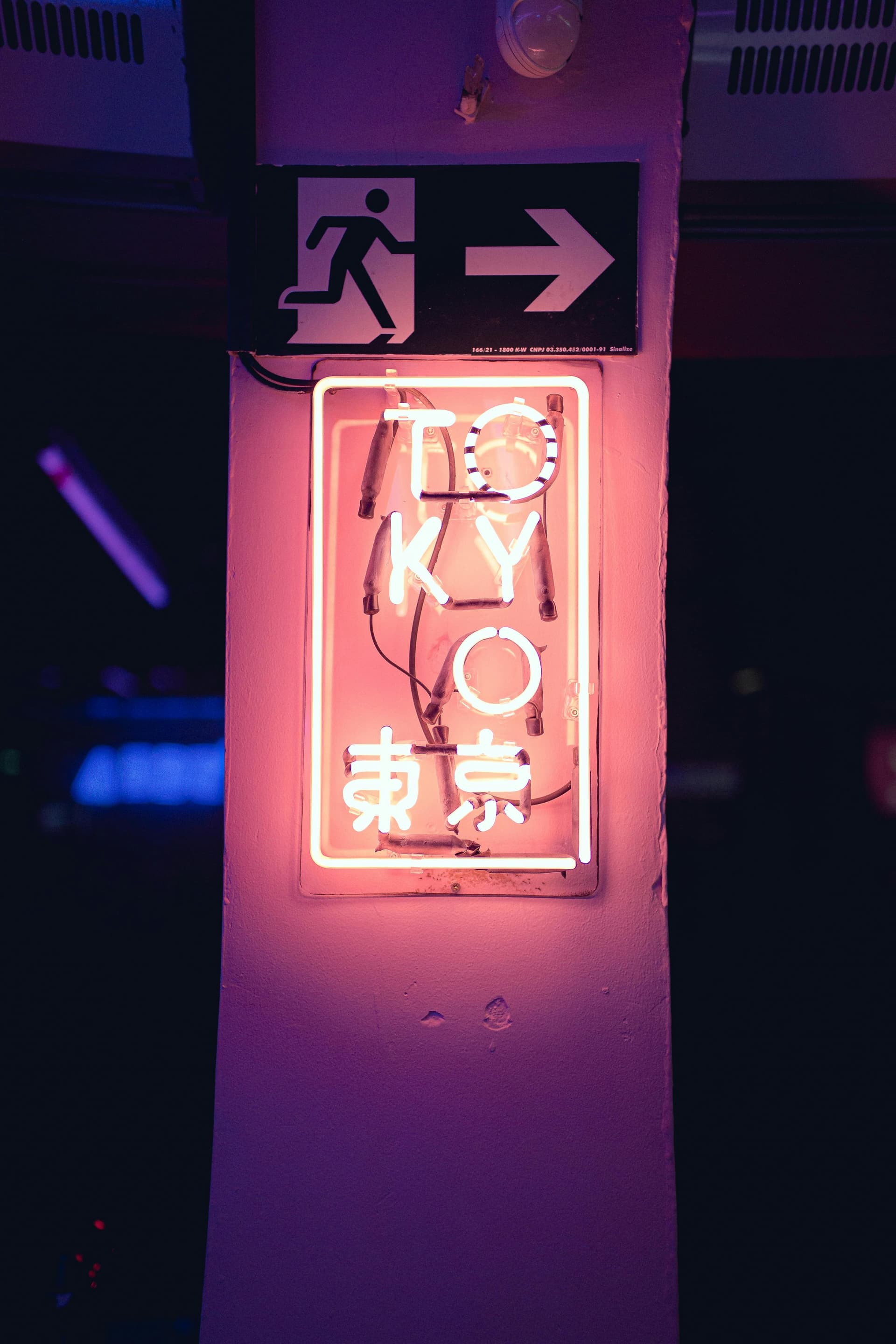
The neon, the crowds, the food—none of it requires a drink. Non-drinkers weren't excluded from Tokyo nightlife. They were excluded from the marketing.
Tokyo nightlife without drinking gives up very little. The neon, the crowds, and the food don't require a drink, and non-drinkers were only ever left out of the marketing.
Nothing in the shape of a Tokyo evening depends on alcohol. Shibuya Crossing at 9pm works sober. So does standing ramen at a counter at midnight. Karaoke is arguably better sober. The drink-first framing came from tour marketing; the city never needed it.
Tokyo at Night Without Drinking: What You're Actually Not Missing
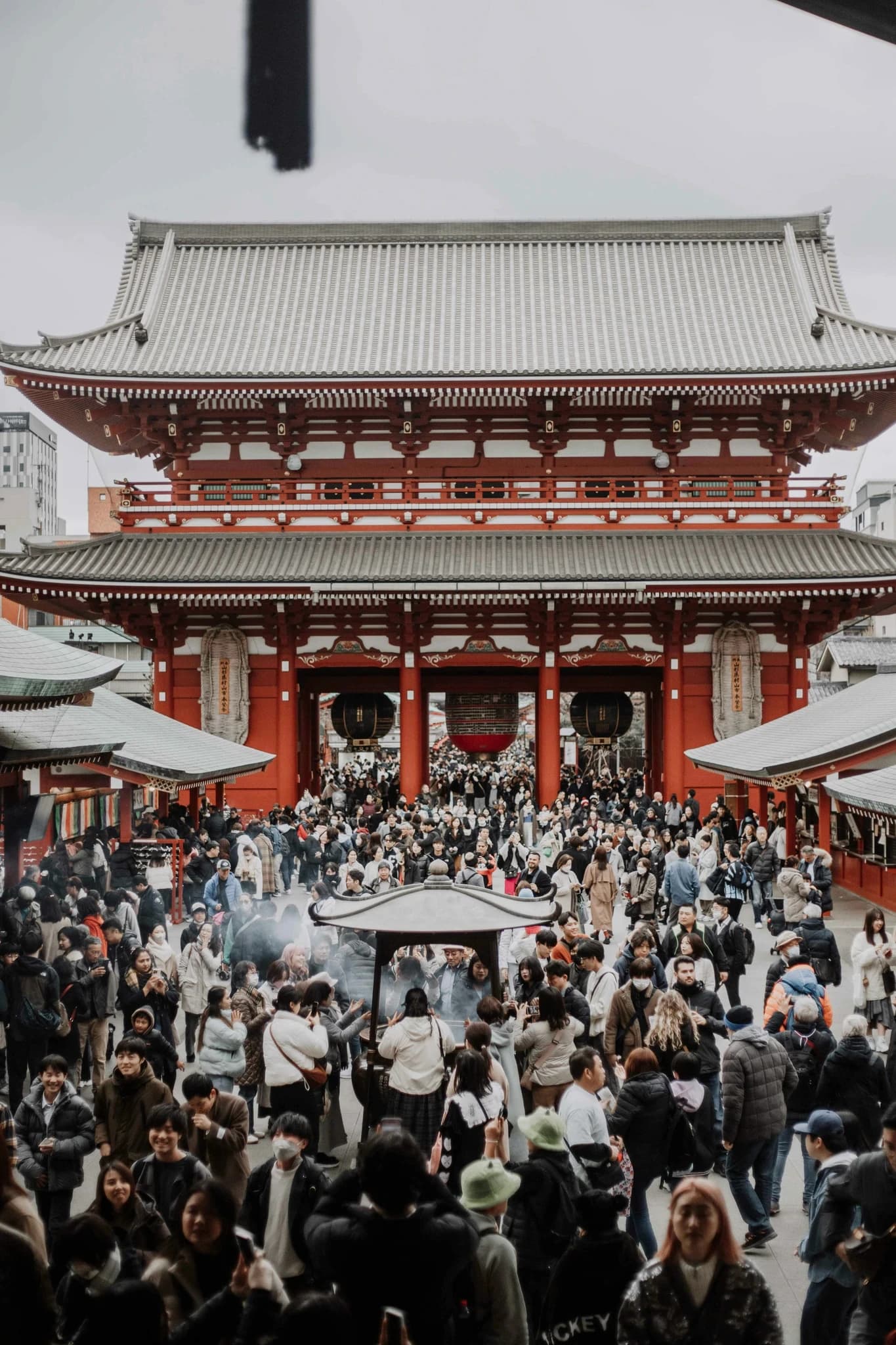
Picture Tokyo at night: neon signs stacked five stories high, smoke drifting off yakitori grills, narrow alleys packed shoulder to shoulder, the hum of a city that doesn't go to sleep. The drink in that picture is optional. The density, the food you stumble on, and the energy of the streets would all be there without it.
The Neon Isn't About the Drink
The Neon, the Crowds, the Food—None of It Requires a Drink
When people imagine Tokyo nightlife, they see neon canyons in Shinjuku, crowded alleys in Shibuya, and steam coming off ramen counters at midnight. They've got that part right. Where they go wrong is assuming there's alcohol in the picture.
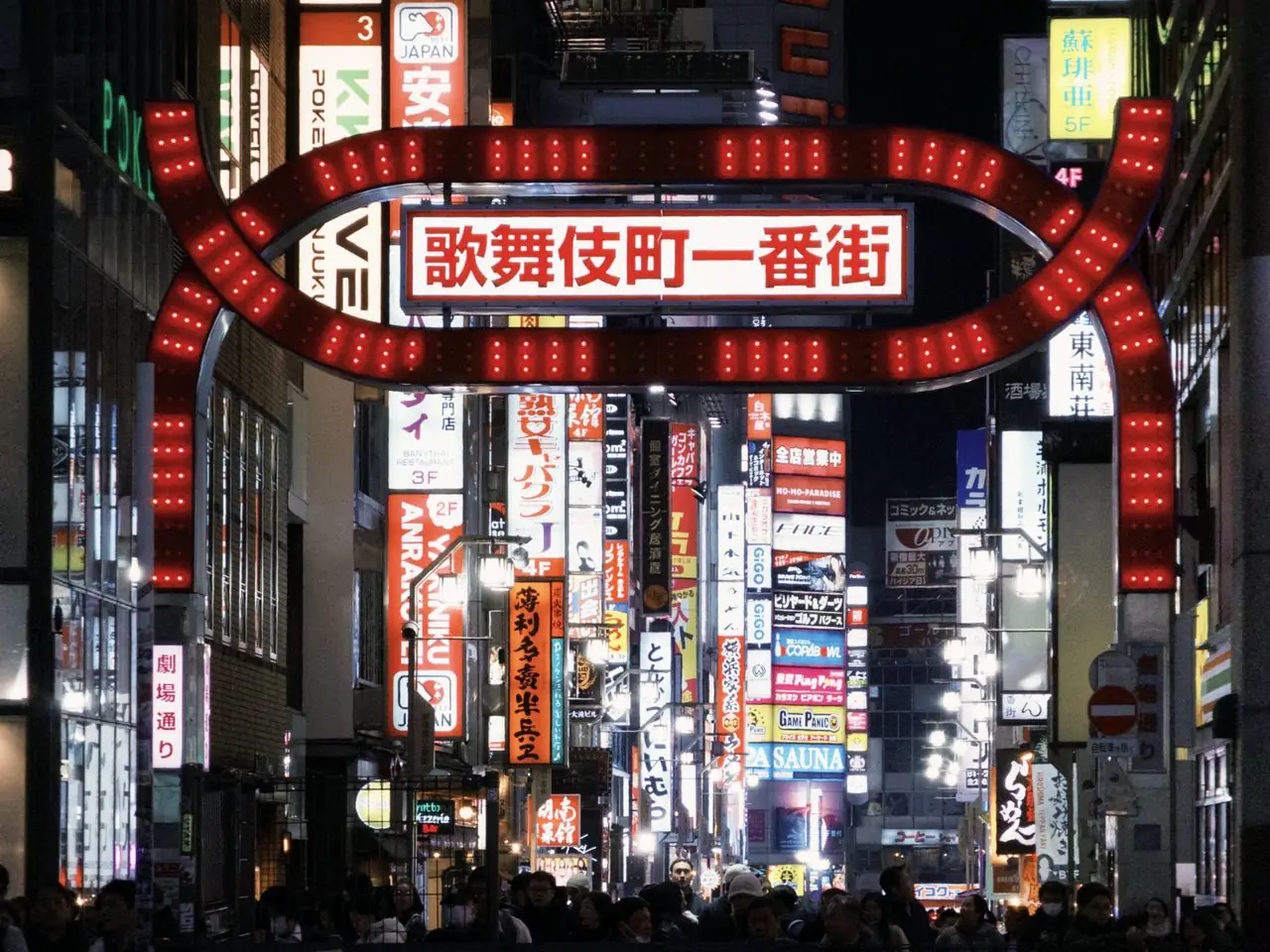
The things that make a Tokyo evening (walking Kabukicho's glowing streets, eating yakitori at a counter in Omoide Yokocho, singing in a private karaoke room, slurping ramen late at night) come down to walking, eating, and looking. Some people add alcohol to them. None of them need it to work.
Listicles and tour descriptions treat drinking as the point, so non-drinkers end up reading about "alternatives" as though they're settling for less, when they're getting the same streets and the same food.
Japan's Drinking Culture Is Changing (Faster Than You Think)
Japan's relationship with alcohol has changed a lot, and recently.
Per capita alcohol consumption is down 25% from its 1992 peak. Japan now ranks 38th out of 49 countries in OECD alcohol consumption studies. More and more young Japanese turn down after-work drinks or don't drink at all.
The shift is big enough that in 2022 the Japanese government launched the "Sake Viva!" campaign, asking young people to help revive the alcohol industry by drinking more. A government campaigning for its citizens to drink more tells you how far things have moved.
So not drinking in Tokyo actually puts you in step with modern Japan. The idea that you have to drink to fit in is about two decades out of date.
Four Hours in Shinjuku—Without Ordering a Single Beer
A good Tokyo evening has an arc. The district wakes up, the night builds, and then it winds down to a good finish. Knowing how an evening flows helps more than knowing every option.
6 PM: When the Evening District Switches On
Shinjuku comes on gradually. Around 6 PM, Omoide Yokocho, the narrow lantern-lit alleys just outside the West Exit of Shinjuku Station, starts filling up. Its 80-odd tiny stalls light their grills, smoke starts rising, and salarymen take their usual seats.
Call it the transition hour. Turning up at 5:30 isn't early and 6:30 isn't late. The district is warming up, and you're there to watch.
Walk slowly, look into the stalls, and watch the cooks. There's no need to sit down yet.
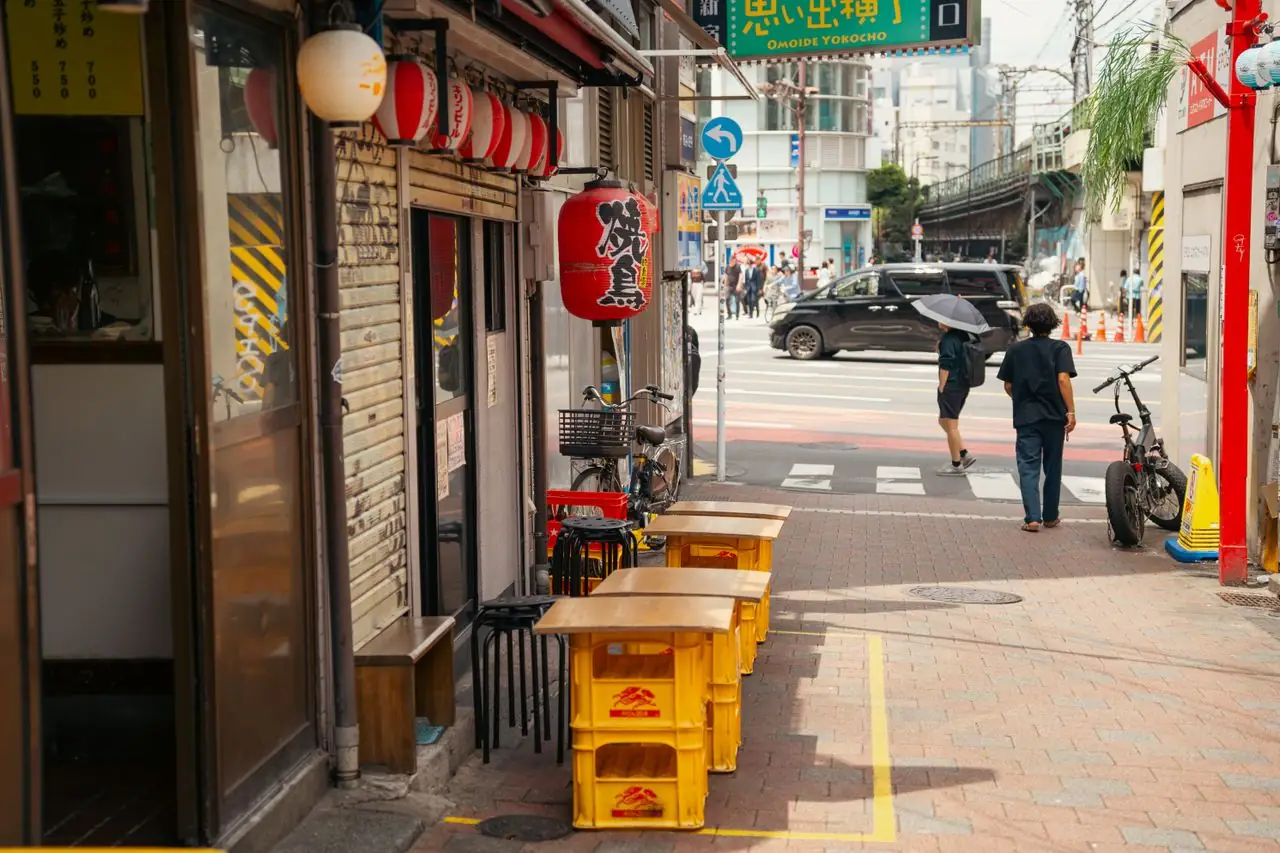
The Middle Hours: Immersion, Not Consumption
From 7 to 10 PM, Shinjuku is in full swing.
What you do depends on what you're after. If it's food, sit at a counter in Omoide Yokocho. Yasubee is known for yakitori, Kabuto has served eel since 1948, and Kameya runs a 24-hour soba stand if you want something fast. Order whatever you like. Nobody looks twice at a soft drink.
If you want to look around, walk into Kabukicho through the red neon Kabukicho Gate and on to Ryu no Miyako Inshokugai, the "Dragon Palace" food hall that opened in 2022. It has seventeen restaurants on three floors, cyberpunk neon, DJ booths, LED screens, and 1,000 seats, and the ground floor is open 24 hours.
If you want to do something, karaoke is the obvious pick. Japanese karaoke happens in private rooms: you're in a box with your own group, with no audience and no stage. Big Echo, the largest chain in Japan, charges around ¥345 per 30 minutes plus one compulsory drink (¥200-500). That can be oolong tea, melon soda, or Calpis; soft drinks are ¥500 each. A two-hour session with soft drinks comes to roughly ¥2,400-3,000 per person. The machines work in English, Korean, and Chinese, and with nobody else watching, you don't need liquid courage.
There's more: purikura photo booths in the arcades, pachinko parlors to peer into from the doorway, and the chaotic floors of Don Quijote.
You don't need to do all of it. These places sit close together and lead into one another, and a good evening drifts through a few of them without hurrying.
Ending Well: Why Late-Night Ramen Exists
Ichiran in Shibuya and Shinjuku is open 24 hours, and so is Kamukura in Kabukicho. Ramen Nagi near Golden Gai specializes in niboshi (dried sardine) broth and stays open late.
Late-night ramen is a ritual as well as a meal. Japanese evenings end like this: a warm bowl, quiet slurping, the night winding down. If you've spent the evening walking, watching, and eating small things, a bowl of ramen at 10 or 11 PM is the proper finish.
Golden Gai at Night: You Can Walk Through Without Walking In
Golden Gai is six alleys with 200-plus tiny bars, each seating four to ten people, with cover charges of ¥500-3,000. Many are about drinking: small rooms where ordering alcohol is the unspoken deal. If you'd like to feel Golden Gai with a guide who knows which bars welcome newcomers, Tokyo Trifecta has an evening segment through the area.
Golden Gai is also a place in its own right, and you can simply walk through it.
Where You Can Walk Through (Golden Gai, Omoide Yokocho)
The alleys of Golden Gai are public. You get the narrow lanes, the stacked signs, and the warm light from the doorways just by walking. Photos are discouraged inside the bars, but outside it's one of the most photogenic spots in Tokyo.
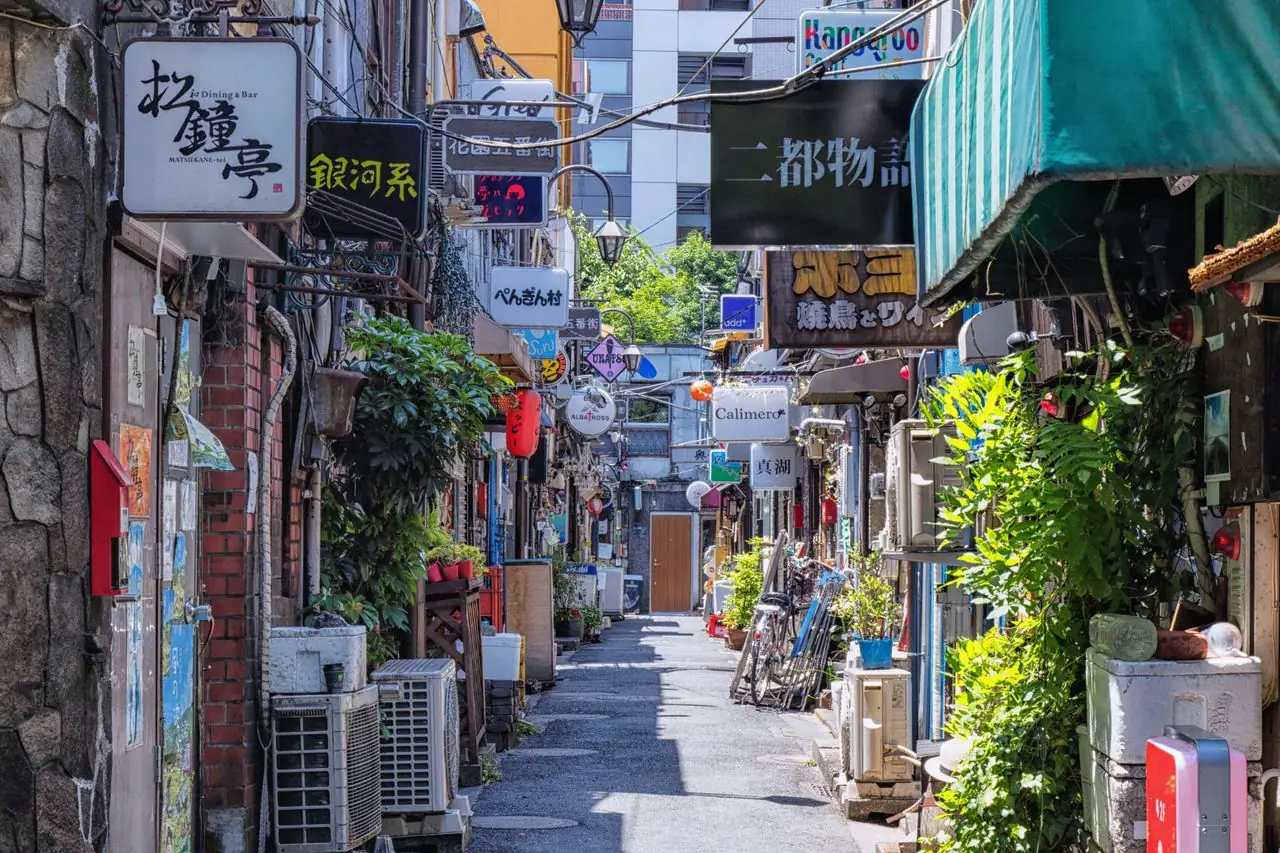
Omoide Yokocho works the same way, and it's openly about food. Locals put it like this: "Eat at Omoide Yokocho, drink at Golden Gai." Much of the atmosphere comes from simply walking the lanes, and neither place needs you to go inside a venue to be worth the trip.
Where You Can Sit Down and Eat (Izakayas, Food Halls)
Izakayas welcome non-drinkers. That surprises plenty of visitors, but it's true, and the dishes are meant to stand on their own as food. If you're considering a guided evening, it helps to know how izakaya experiences differ: standing bars versus seated restaurants, drink-first versus food-first.
Modern food halls are easier still. You order at counters, everything is set up around eating, and mixed groups where some drink and some don't work without any awkwardness.
If You Want the "Bar Experience" Without Alcohol
Some visitors do want to sit in a bar, for the atmosphere, the bartender, and the ritual of a cocktail being made, just without the alcohol.
Tokyo has dedicated non-alcoholic bars. Low-Non-Bar in Akihabara is in a converted train station more than a century old, seats nine, and makes serious cocktails; the signature comes in a bird-shaped glass. SumaDori-Bar in Shibuya, backed by Asahi Breweries, has 150-plus drinks at 0%, 0.5%, or 3% ABV, a full food menu, and views over Center-Gai.
They're good options for a narrower question: where to get the bar experience itself. For "How do I enjoy Tokyo at night without drinking?" they're nice to know about, and a great evening doesn't need them.
The Awkwardness Problem—And Why a Guide Solves It
Non-drinkers run into one problem drinkers don't: handling the social side of very small venues.
The Confidence Gap Gets Bigger Without Alcohol
Alcohol lowers inhibitions, smooths over awkward moments, and gives your hands something to do. When you're already navigating language barriers, unfamiliar etiquette, and rooms the size of a walk-in closet, losing that buffer makes things harder.
Walking alone into a tiny Omoide Yokocho stall, sitting at the counter, and ordering oolong tea while everyone else drinks beer takes more nerve than doing it with a beer in your hand. You don't need the drink, but its absence leaves a gap in your confidence.
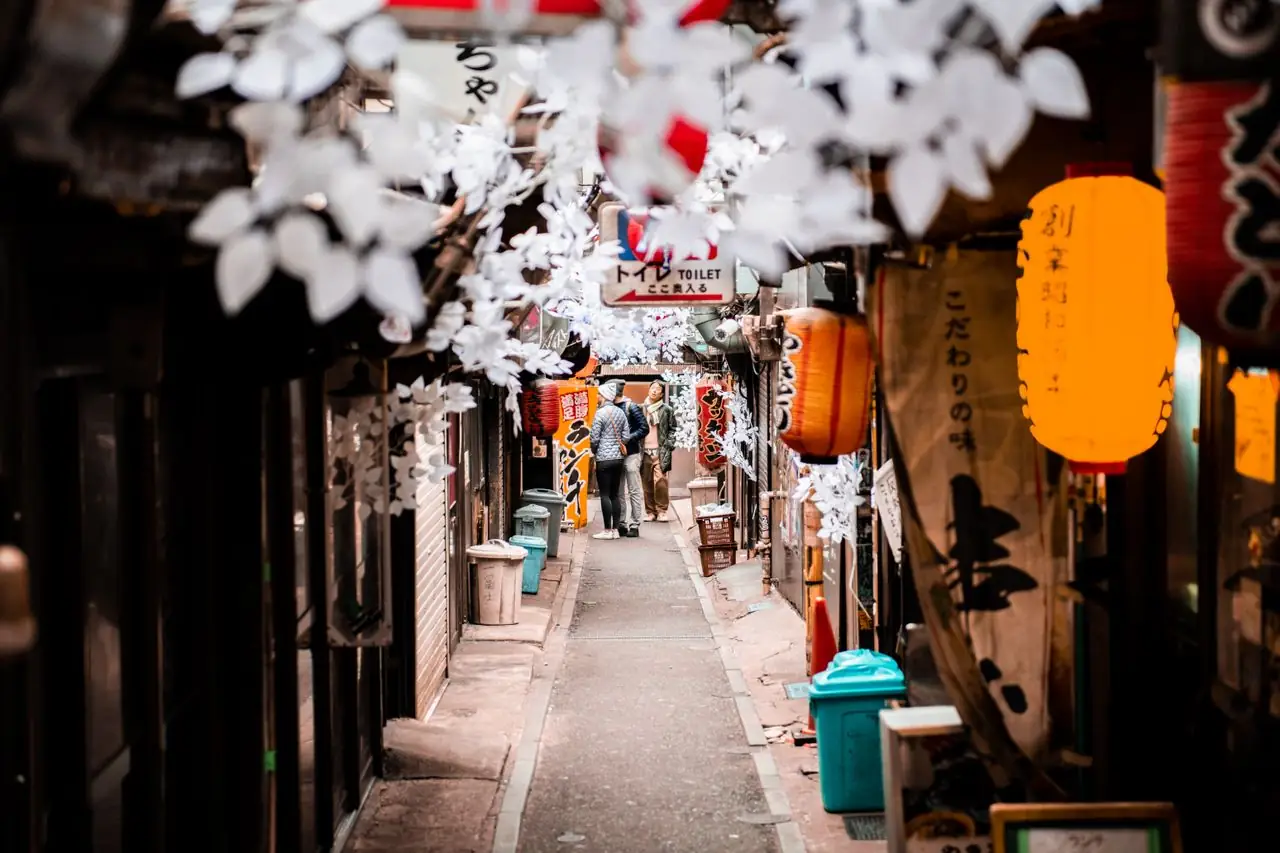
That's why many non-drinking travelers stay in tourist-friendly places or skip the small, intimate spots altogether, held back by nerves more than by anything practical.
What Guides Actually Do on Evening Tours
Walk into a venue with someone who knows the owner, speaks the language, and treats your being there as perfectly normal, and the awkwardness goes away. You arrive as a guest being introduced, not a foreigner wandering in alone.
Guides read the menu for you, explain what you're eating, and decide when it's time to move on. They know which places are warm to non-drinkers and which are mainly about the drinking, which matters more to you than to anyone holding a beer.
Sequencing Expertise: Building the Arc
Finding individual things to do is easy. Guides know the order, the pace, and when to linger or move on. An evening that builds, peaks, and ends well is planned that way.
Evening tours like Standing Room Only (Nakano, Nishi-Ogikubo, Kichijoji) and Kushiyaki Confidential (Shibuya, Ebisu, Nakameguro) are built around that sequence, with the guide shaping a progression through the night. Food-led evening tours suit non-drinkers especially well, because food anchors every stop.
Going Alone: One Phrase and a Last Train
Not everyone wants a guide. If you're going on your own, start with where to begin.
Start Point: Shinjuku or Shibuya
Both districts have evening energy, plenty of food, and lots to look at. Shinjuku has Omoide Yokocho, Golden Gai, Kabukicho, and Ryu no Miyako. Shibuya has Center Gai, Purikura no Mecca (a 24-hour photo booth arcade), and a completely different feel.
Pick one. Don't try both in one evening. They're 10 minutes apart by train and very different in character, and you'll get more from one done properly.
The One Phrase That Helps
"Oolong cha kudasai" means "Oolong tea, please."
You can get oolong tea everywhere, at izakayas, karaoke, and yakitori counters, and asking for it is completely ordinary.
You can also point at the menu or say "sofuto dorinku" (soft drink). Oolong tea is the standard non-alcoholic order, though, and knowing how to ask for it removes the last bit of friction.
Last Train Reality
The last JR Yamanote Line trains leave Shinjuku and Shibuya around 12:15 AM. Private railways (Keio, Odakyu, Tokyu) run until somewhere between midnight and 1 AM, depending on direction.
First trains start again around 4:30-5:00 AM.
To be safe, aim to be at your station by midnight. If you miss the last train, you've got 24-hour cafes, manga cafes, karaoke until morning, or an expensive taxi. None of those is bad, but planning around the last train is easier.
Convenience stores (7-Eleven, Lawson, FamilyMart) are everywhere and open 24 hours, with lots of non-alcoholic drinks: coffee, tea, smoothies, sports drinks, seasonal specials. Need a drink at 11 PM on the walk to the station? There'll be one within a block.
Where Hinomaru One Fits
Our evening food tours deal with the confidence problem head on. You go into Omoide Yokocho stalls and neighborhood izakayas as a guest being introduced, not a foreigner wandering in alone. Your guide knows which places are warm to non-drinkers, takes care of the ordering, and shapes the evening so it builds to a good finish.
At Hinomaru One, we design private Tokyo tours for first-time and seasoned travelers, unrushed and always customized, with the culture explained as you go.