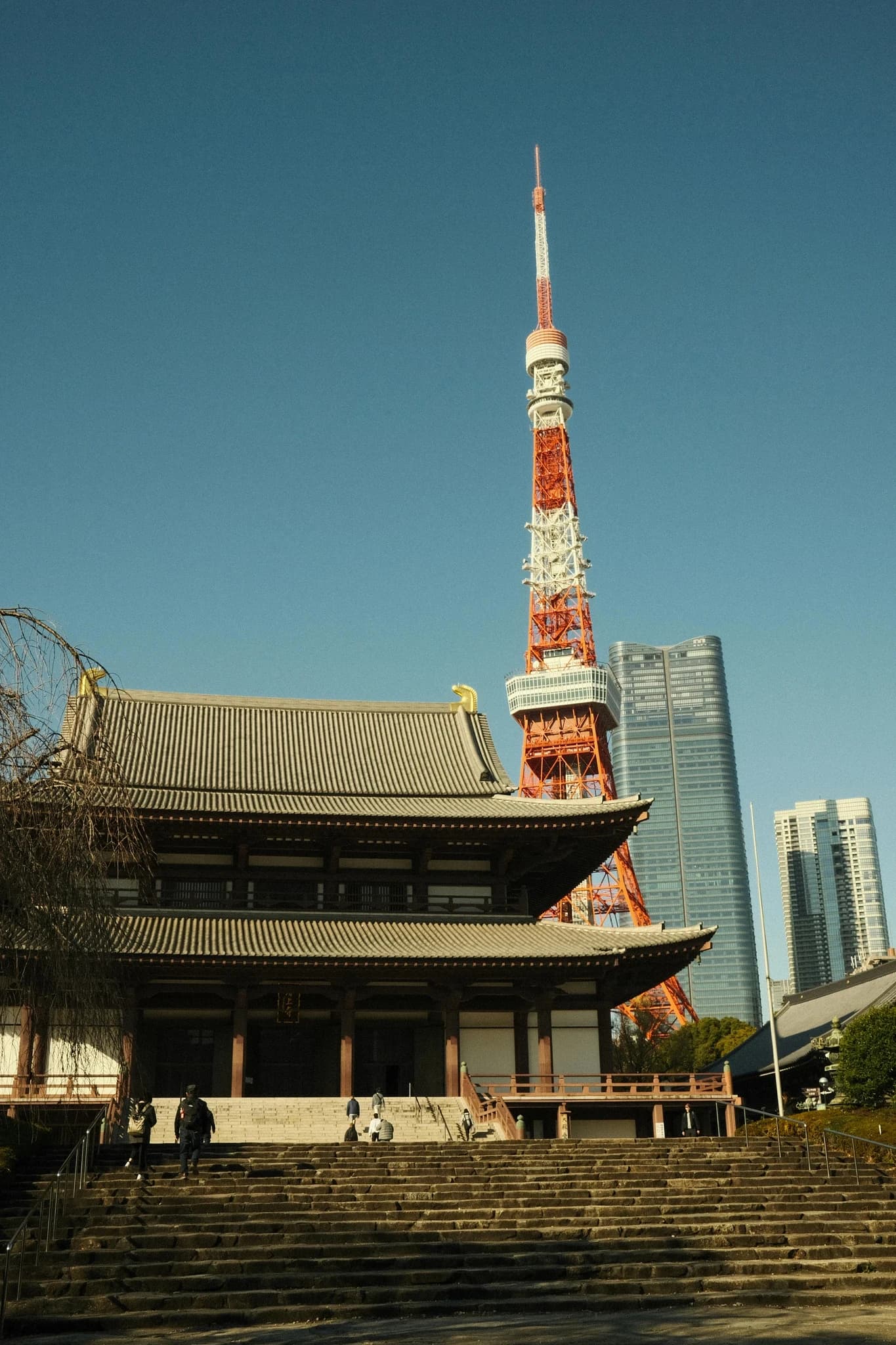
The best one-day Tokyo experiences aren't checklists—they're stories with chapters shaped by geography and your energy arc.
The best 1 day Tokyo itinerary reads like a story with chapters, shaped by geography and by how your energy rises and falls.
One day in Tokyo is enough to see why people come back, and enough to wear yourself out trying to see everything. Which one you get comes down to structure. Pick your neighborhoods on purpose and time the moves between them.
A Day That Reads Like a Story
Most one-day Tokyo itineraries fail, and it's rarely the choice of places. They read like checklists: ten stops, twenty minutes each, hurry to the next. People finish those days tired and remembering little.
The better days have a shape, with a few long chapters and sensible moves between them.
Why Checklists Fail in Tokyo
Tokyo punishes stop-hopping. Shinjuku Station has over 200 exits and serves five different rail operators. First-time visitors lose 10-20 minutes getting through each major station. Spread that over six or seven stops and you've spent two hours just finding your way out of train stations.
Travelers end up having "seen" a lot of places and absorbed almost none of them.
What a Story-Shaped Day Looks Like
A story-shaped day has chapters. Morning calm in the temple neighborhoods gives way to midday discovery in central Tokyo, then builds toward evening energy in the west. Each chapter has its own texture, and the moves between them make sense on a map.
The Neighborhood Ceiling No One Mentions
Everyone says "don't try to do too much." Almost nobody says how much that is.
Two neighborhoods a day. Three at most, and only if they touch. Past that, you're racing through Tokyo.
The Hidden Costs of "One More Stop"
Each extra neighborhood costs more than the train ride. You spend mental effort on unfamiliar stations, you have to decide where to eat, and you use up energy the next stop needs.
First-time visitors lose 2-3 hours per day to navigation, indecision, and fixing mistakes. Most of it is spent standing in station concourses looking for the right exit. For what adds to walking time (station transfers, crowds, seasonal heat), see our walking distances breakdown.
Compare two stations. Harajuku Station has two exits and two platforms. Shibuya Station has six railway lines, six main exits, and a layout that changed again in January 2025.
What Two Neighborhoods Actually Allows
With two neighborhoods you can wander a backstreet that catches your eye. You can sit down for a proper lunch instead of grabbing something portable. You notice small things, like morning light falling through temple gates or how a shopping district changes at night.
Travelers who describe a trip as having "felt like something" rather than "a blur" are usually describing a day like this.
A Default Day (East to West)
Tokyo has no single center. Its train lines create natural corridors instead. The eastern spine (Asakusa → Ueno → Akihabara) runs from temple quiet to electronic chaos. The western spine (Harajuku → Shibuya → Shinjuku) builds from fashion streets to neon.
Pick one corridor and move along it.
This default day runs east to west: temple calm in the morning, central discovery at midday, evening energy in the west.
| Chapter | Time | Area | Mood |
|---|---|---|---|
| Morning | 8am–11:30am | Asakusa | Temple quiet |
| Midday | 11:30am–3pm | Ginza | Central discovery |
| Afternoon | 3pm–7pm | Shibuya | Evening energy |
Morning Chapter: Eastern Quiet (8am-11:30am)
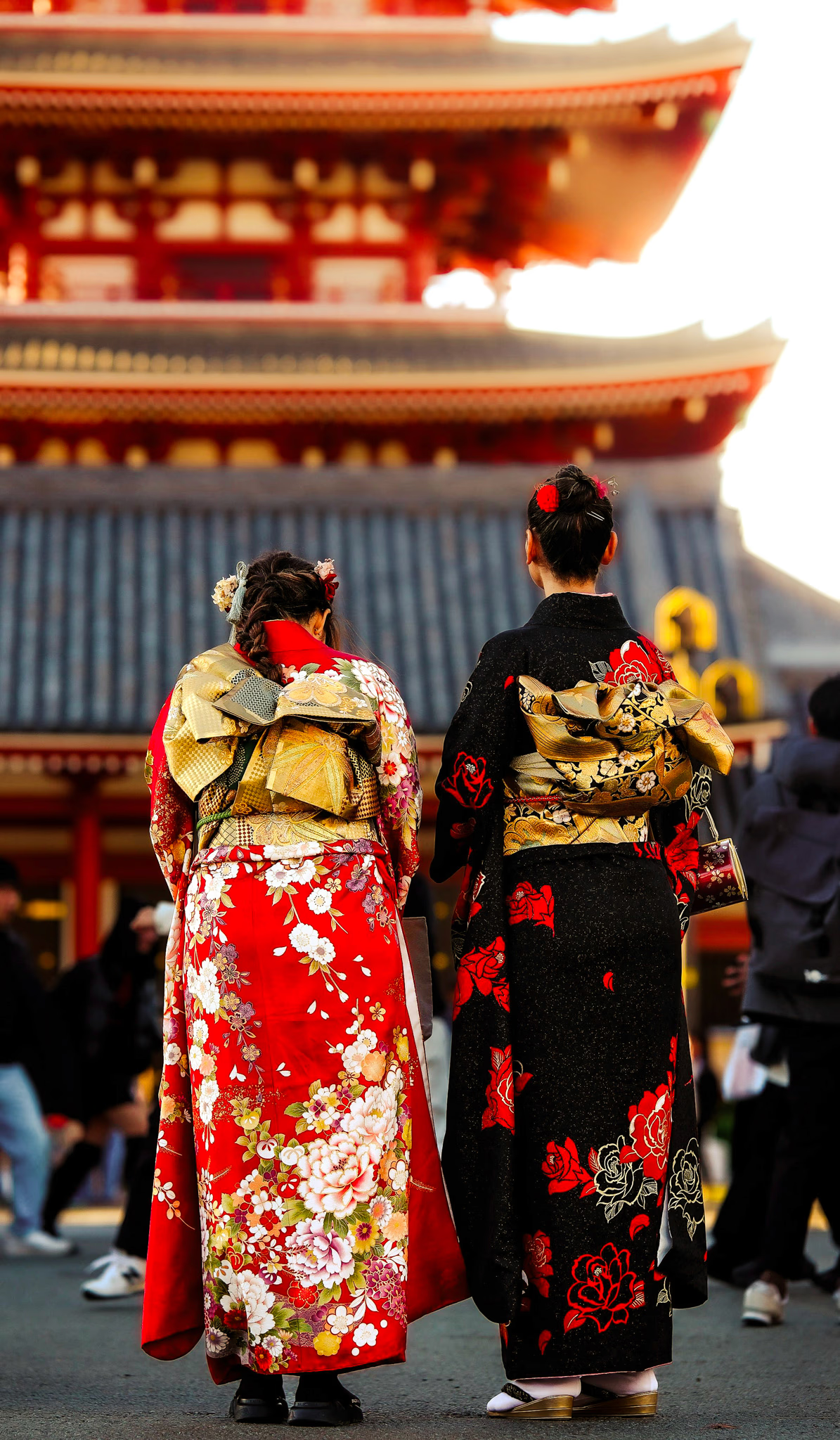
Start at Asakusa. The Tokyo Metro Ginza Line takes you to Asakusa Station, and Exit 1 puts you 100 meters from Kaminarimon Gate, a two-minute walk.
The timing matters. Senso-ji Temple grounds are quiet before 9am, but the Nakamise shopping street vendors don't open until around 9. The sweet spot is 8-9:30am: you get the temple before tour groups arrive and the vendors as they open. By 10am, crowds build. By 11am on weekends, it becomes "nearly impassable."
Spend the morning in Asakusa proper and walk past the main temple approach into the backstreets. The Shin-Nakamise covered arcade runs perpendicular to the main street, 380 meters of shops and restaurants. It helps when it's raining or you need a break from the crowds.
Around 11:30am, take the Ginza Line toward central Tokyo.
Midday Chapter: Central Discovery (11:30am-3pm)
Ginza sits between Asakusa and Shibuya on the Ginza Line, and it feels different from both: upscale department stores, basement bars down unmarked staircases, quiet side streets behind the main shopping corridors.
Lunch strategy: Popular ramen shops have 30-60 minute waits during the 12-1pm rush. Department store restaurants (Ginza Mitsukoshi upper floors, Ginza Six) have shorter waits. To skip the queue entirely, buy something from the Ginza Mitsukoshi basement food hall (depachika) and carry it up to the 9th floor Ginza Terrace, which has tables with city views, free seating, and no wait. Ginza Six also has a rooftop garden (4,000 square meters, the largest in the district) open from 7am to 11pm.
Spend the afternoon on whatever draws you in Ginza: the flagship department stores, the covered shopping arcades, or just streets that feel nothing like the temple neighborhood you left.
By mid-afternoon you've been on your feet for hours and your energy dips. That's fine. Sit down.
Afternoon Chapter: Western Energy (3pm-7pm)
The Ginza Line continues to Shibuya. The station is notoriously complex, but you only need one route: exit through the Hachiko Ticket Gate (relocated January 2025), turn left, and you're at Hachiko Square facing the Scramble Crossing.
Shibuya Crossing note: Most visitors are satisfied with 10-15 minutes. Cross once, watch a cycle from the Starbucks windows or street level, take photos. An hour there is more than it needs.
From Shibuya, you have options:
-
Walk to Harajuku (15-20 minutes on foot, or one Yamanote Line stop)
-
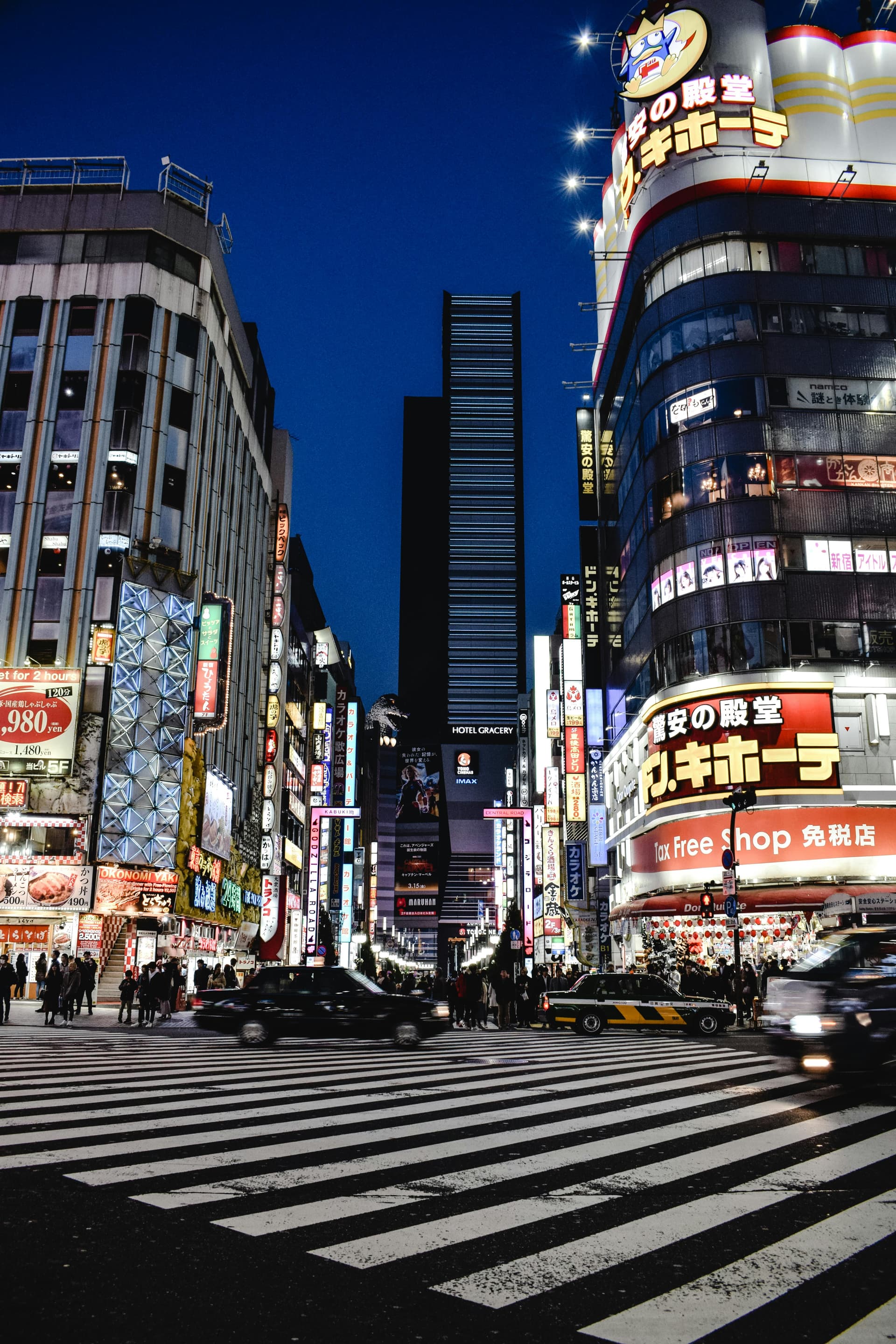
Continue to Shinjuku (4-5 minutes on Yamanote Line)
-
Stay in Shibuya for dinner as evening arrives
Evening is when Tokyo turns into the city you pictured before you landed. The neon comes on and the izakayas fill up.
Temples in the morning, shopping at midday, and food in the evening fits when each of them is at its best. For the full framework on balancing temples, shopping, and food, including the "anchor-satellite" approach, the dedicated guide explains why these time systems conflict and how to make them work together.
The Alternative: Go Deep, Not Wide
The east-to-west arc works for most visitors. The other option is to pick one district and walk it for 3-4 hours without getting on a train.
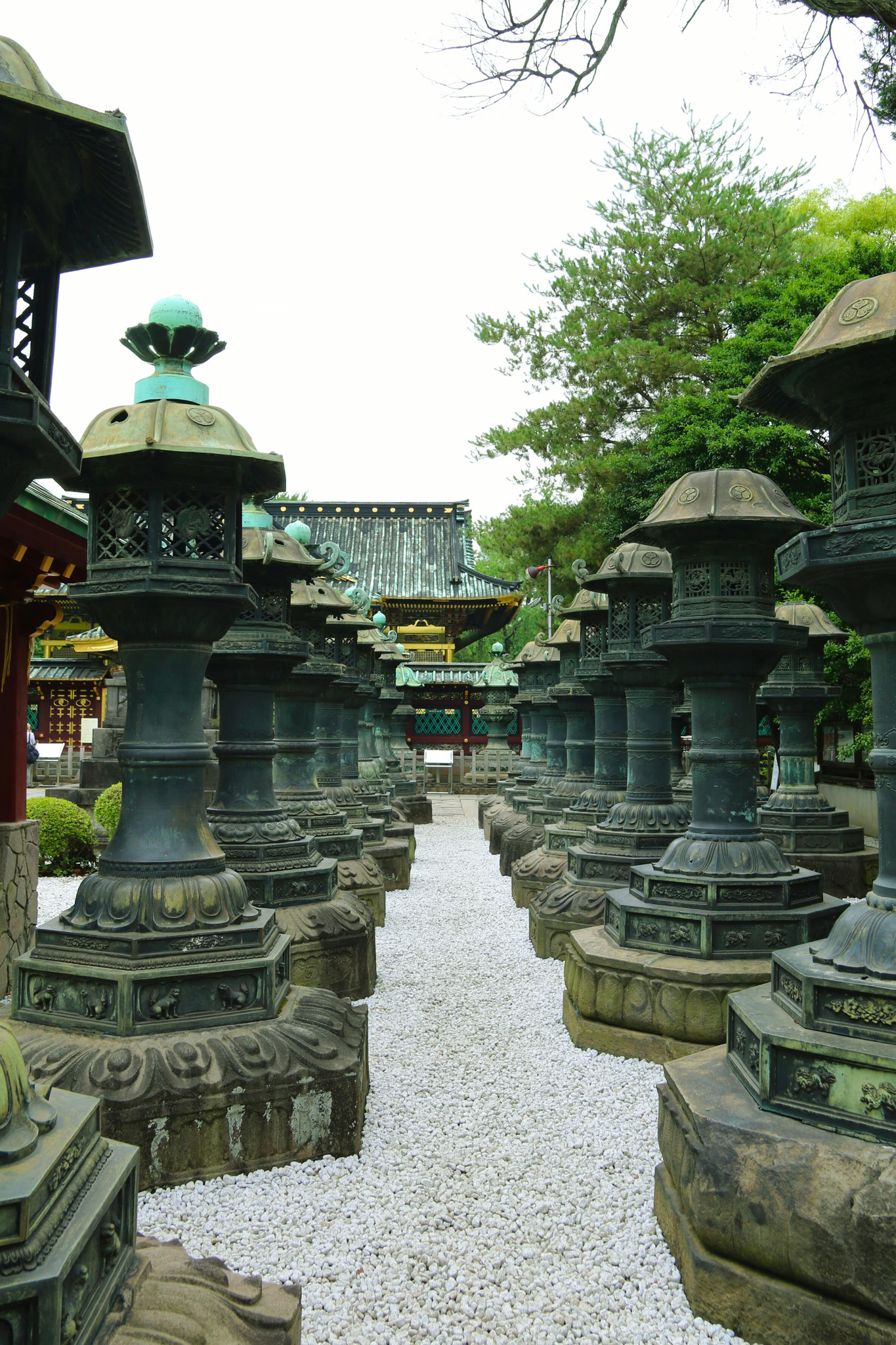
Yanaka works well for this. Start at Nezu Station and walk to Nezu Shrine with its torii gates. Continue through residential backstreets of narrow lanes, small temples, and neighborhood cats. Visit Yanaka Cemetery, where the last shogun is buried. End at Yanaka Ginza shopping street, a nostalgic strip of small shops and street food.
Shimokitazawa is a different version: 200+ vintage clothing shops packed into narrow lanes, small theaters, and cafés with handwritten signs. The whole neighborhood stays walkable from the station, with the periphery twenty minutes out.
Here the neighborhood opens up slowly instead of in twenty-minute bursts, which suits travelers who want depth over breadth. For more on neighborhood-focused touring, we have dedicated options.
When the Day Has an Anchor
An anchor is any time-locked experience: a restaurant reservation, a timed-entry ticket, a specific event. Everything else gets planned around it.
How One Reservation Shapes Everything
A 12pm lunch reservation in Ginza changes your whole morning. Work backward: lunch at noon means leaving Asakusa by 11:15. If you want 2-3 hours at Senso-ji, you need to arrive by 8:30.
Where Anchors Belong
| Anchor Timing | Example | Planning Impact |
|---|---|---|
| Morning (before 10am) | Tsukiji breakfast, sunrise shrine | Rare; day flows forward from here |
| Midday | Lunch reservation | Splits narrative; requires careful coordination |
| Evening | 7pm dinner | Easiest; day builds toward it naturally |
Evening anchors are the easiest to live with, so put yours there if you have the choice.
What a Guide Changes About One-Day Planning
Most first-time visitors can get around Tokyo on their own. The trains run on time, signs include English, and Google Maps works. You don't need a guide.
What you pay for without one is the work of navigating.
Navigation as Invisible Work
Finding the right exit at Shibuya Station takes 5-10 minutes if you know where you're going and 15-20 if you don't. Multiply that across every station transition, every restaurant decision, every "which direction from here?" moment.
A guide has already learned which exit, which platform, which side of the street. Across a full day that adds up to real time recovered.
It also frees your attention. When you're not working out directions, you actually look at the neighborhood instead of at a map.
When DIY Makes Sense, When It Doesn't
DIY works well when:
-
You're comfortable with transit systems
-
You're traveling solo or as a couple
-
You have flexible timing with no anchors
-
You enjoy figuring things out
A guide adds more value when:
-
You're traveling with family across multiple generations
-
Navigation anxiety would affect your enjoyment
-
You have limited time and need optimization
-
You have specific reservations that require coordination
-
You want someone to explain what you're looking at
You can almost certainly navigate alone. Whether you want to spend a limited day in Tokyo doing it is up to you. If a guide sounds right, our Tokyo Essentials tour is built for optimizing a single day.
Reality Adjustments
Weather, jet lag, and kids will all bend the plan.
If It's Raining
Tokyo works fine in rain, and temples look good in drizzle. The harder part is drying off between stops.
Shift toward covered options:
-
Shin-Nakamise covered arcade in Asakusa
-
Department stores: Ginza Mitsukoshi 9th floor terrace has indoor seating
-
Underground shopping: Tokyo Station Yaesu underground area, Shibuya station complex
Convenience stores sell umbrellas for ¥500-600. Buy one and keep walking. For a deeper look at rainy day options, we cover this in more detail.
If You're Jet-Lagged
Western travelers wake at 3-4am and crash by early evening. You'll be functional in the morning, fading in the afternoon, and done by 6-7pm.
Adjust the schedule:
-
Start later. 10am is fine. The quiet temple hours would be less quiet anyway.
-
Front-load what matters. Put your priorities in the morning when you're sharpest.
-
Build afternoon flexibility. Have a coffee shop in mind and plan a 30-minute sit.
-
End earlier. A 5pm dinner is realistic for your body clock.
If You Have Kids or Mobility Constraints
Station stairs become a real obstacle with strollers or mobility aids. Navigation takes longer and energy runs out faster. For families, Tokyo Together builds in the flexibility and pacing adjustments that make multi-generational travel work.
Consider taxis for short distances. For groups of 3-4 people, a 7km Tokyo taxi ride costs roughly ¥3,100-3,300 daytime (higher after the April 2026 rate increase), or ¥3,700-4,000 at night (22:00-05:00). Split four ways, that's comparable to individual train fares with no navigating. Asakusa to Ginza runs about ¥2,800-3,000; Ginza to Shibuya about ¥2,200-2,800; Shibuya to Shinjuku about ¥1,700-2,200. In Tokyo a taxi is a practical tool for when the trains become more trouble than they're worth.
Planning a route around simpler stations (Harajuku over Shibuya, for instance) saves more time than you'd expect.
For wheelchair users, elevator locations at major stations need advance planning. All Tokyo Metro stations have elevator access, but the elevators are often not at the most obvious exits. At Asakusa, for instance, Exit 1 has the elevator. Complex stations like Shibuya have elevators too, but finding them takes time and local knowledge.
Before You Go: The Three-Question Check
Before you finalize a one-day Tokyo plan, ask yourself three questions.
1. Does this plan have more than three neighborhoods?
If yes, cut something. You'll be too tired to notice the fourth.
2. Is there time built in for sitting?
If every moment is scheduled, you'll either skip something or push through exhausted. Lunch is rest as well as food, and a coffee stop is what makes the afternoon possible.
3. Do I know what I'll do if something takes longer than expected?
Something always runs long. Know which stop you'd extend if you're loving it and which you'd cut if you're running behind.
If the plan passes all three, it has enough room to absorb whatever the day throws at it.
If you have a second day, the structure changes; see how 2-day itineraries work differently. For other trip lengths, the same principles apply with more to choose from.
Where Hinomaru One Fits
Our guides plan each day as a sequence of chapters. The navigation this article describes (finding the right exits, timing the transitions, reading the crowd curves) is work we've learned through years of leading first-time visitors. Our lead guide Satoshi brings 20+ years of experience bridging American visitors and Tokyo.
At Hinomaru One, we design private Tokyo tours for first-time and seasoned travelers. They're unrushed, full of context, and always customized.