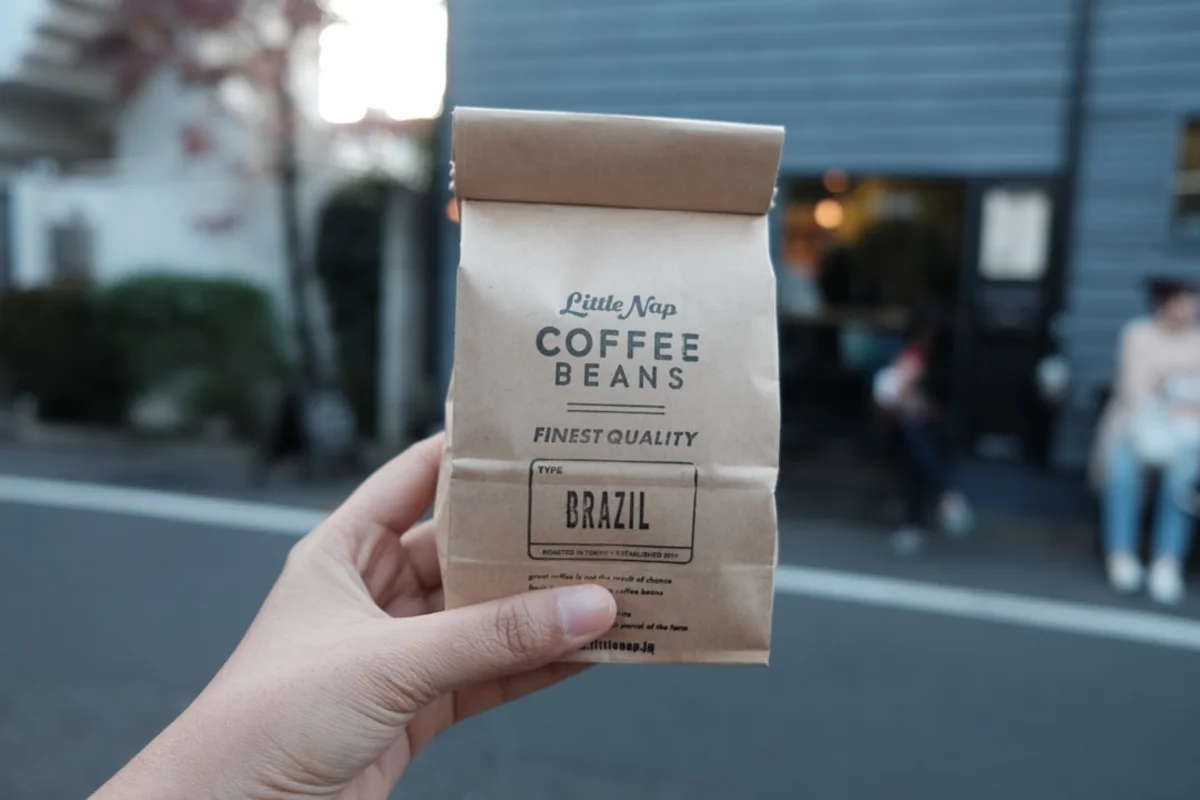
Kiyosumi-Shirakawa is a quiet residential neighborhood in Tokyo's Koto Ward that became Japan's specialty coffee capital almost by accident. The area was a warehouse and factory district for most of the 20th century. When those industries left, they left behind something coffee roasters desperately needed: large buildings with high ceilings, industrial ventilation, and cheap rent.
By the mid-2010s, independent roasters had started converting old warehouses into cafes and roasting facilities. Then Blue Bottle Coffee opened its first location outside the United States here in February 2015, and the neighborhood went from "interesting if you know about it" to "the place that proved Tokyo's third-wave coffee scene was real."
Today, Kiyosumi-Shirakawa has more specialty coffee roasters per square kilometer than probably anywhere else in Tokyo. But it's also home to a major contemporary art museum, one of Tokyo's finest traditional gardens, and the kind of low-key residential atmosphere that most tourist neighborhoods lost years ago.
This is not a flashy neighborhood. There's no famous crossing, no neon, no obvious photo spots. The appeal is specific: good coffee, good art, a beautiful garden, and streets quiet enough that you can actually hear yourself think.
From Warehouses to Roasteries
The Industrial Past
Kiyosumi-Shirakawa sits in the old Fukagawa district, historically one of Tokyo's shitamachi (downtown/working-class) areas. The neighborhood's character was shaped by its canal network. During the Edo period, these waterways moved timber, goods, and building materials through the area. By the early 20th century, the canals had attracted factories and warehouses. Printing operations, food processing, and light manufacturing filled the blocks.
The area was also the birthplace of Japan's cement industry. The Fukagawa Cement Plant, established in the Meiji era, was the country's first cement production facility. Industrial heritage runs deep here.
After World War II, rising land prices in central Tokyo pushed many of these operations further east or out of the city entirely. What remained were empty buildings: large, structurally sound, but no longer commercially viable for their original purposes. Rents dropped. The neighborhood became quiet.
Why Coffee Roasters Came Here
Coffee roasting is an industrial process. You need space for equipment, ventilation for smoke and chaff, room for green bean storage, and ideally high ceilings so heat can dissipate properly. In central Tokyo, finding that kind of space at an affordable rent is nearly impossible. A roaster in Shibuya or Shinjuku would burn most of their revenue on rent before selling a single cup.
Kiyosumi-Shirakawa's old warehouses solved every one of those problems. The buildings were designed to hold heavy goods, so floors could support roasting equipment. Ceilings were high. Ventilation existed or could be added cheaply. And rent was a fraction of what west-side neighborhoods charged.
The first independent roasters arrived in the early 2010s, drawn by the economics. But they also found something less tangible: a neighborhood that didn't mind industrial noise. In a residential area of Meguro or Setagaya, a roasting operation generating smoke and mechanical hum would face complaints. In a former warehouse district, nobody cared. The neighbors had heard worse for decades.
The Blue Bottle Moment
On February 6, 2015, Blue Bottle Coffee opened its first location outside the United States at Hirano 1-4-8, a converted warehouse about two minutes' walk from Kiyosumi-Shirakawa Station. The company chose this neighborhood over Shibuya, Omotesando, and every other obvious Tokyo location.
The reasoning was specific. Blue Bottle's founders said the area reminded them of Brooklyn: a former industrial zone where creative businesses were filling vacant spaces, with an art museum nearby and a quiet, authentic atmosphere. The warehouse they chose had the ceiling height and floor space they needed for a full roastery on the ground floor, with a kitchen and training lab upstairs.
The opening was a media event. Lines wrapped around the block. Japanese food media covered it extensively. And the attention spilled over to every other coffee shop in the neighborhood. Independent roasters who had been quietly serving locals suddenly had visitors from across Tokyo. The "coffee town" identity stuck.
In 2019, Blue Bottle renovated the space and rebranded it as the Kiyosumi-Shirakawa Flagship Cafe, doubling down on the neighborhood as their spiritual home in Japan.
The Coffee Scene Today
Kiyosumi-Shirakawa's coffee density is unusual even by Tokyo standards. Within a 10-minute walk of the station, you'll find at least a dozen serious coffee operations. These aren't chain cafes. Most roast their own beans on-site or source from specific farms with full traceability.
What makes this neighborhood different from other Tokyo coffee areas (like Nakameguro or Tomigaya) is the concentration. In Nakameguro, good coffee shops are scattered along a long canal walk. Here, they're clustered so tightly that you can visit three or four in a morning without walking more than 15 minutes total.
The atmosphere is different too. Nakameguro's cafes tend toward Instagram-friendly design with high prices. Kiyosumi-Shirakawa's shops lean more functional. Many are small, sometimes just a counter and a few seats. The focus is on the coffee itself rather than the interior design. That's a generalization with plenty of exceptions, but it captures something real about the neighborhood's personality.
Coffee Shops Worth Your Time
Blue Bottle Coffee Kiyosumi-Shirakawa Flagship Cafe
The one that started the conversation. The flagship sits in its original converted warehouse, with the roastery visible from the cafe floor. The space is large by Tokyo cafe standards. You can watch beans being roasted while you drink. Lines have calmed down since the 2015 frenzy, but weekend mornings still get busy. This is worth visiting for the historical significance and the space itself, even if Blue Bottle is now a global chain with locations worldwide.
ARiSE Coffee Roasters
ARiSE was roasting in Kiyosumi-Shirakawa before Blue Bottle arrived, making it one of the neighborhood's original specialty coffee pioneers. The shop is tiny: a small counter with just a few seats. The owner roasts in small batches and is usually behind the counter, happy to talk about beans and brewing methods. This is the opposite of the Blue Bottle experience. No design statement, no branding strategy. Just a person who is very serious about roasting coffee, serving it directly to you.
Fukadaso Cafe
Located inside Fukadaso, a renovated warehouse complex that now houses several small creative businesses, this cafe occupies one unit of what was once an industrial building. The warehouse conversion is visible in the structure: exposed beams, industrial proportions, high ceilings. The complex itself is worth walking through even if you don't stop for coffee. It's a physical example of the warehouse-to-creative-space conversion that defines the neighborhood.
The Cream of the Crop Coffee
This shop takes a different approach. Rather than roasting their own beans, they curate selections from micro-roasters around the world. Think of it as a coffee select shop. The space is bright and open, with natural light. If you want to try beans you won't find at other Kiyosumi shops (because those shops are roasting their own), this is where to go.
A Note on Cafe-Hopping
Four coffee shops in a morning is realistic here. The proximity makes it easy, and the small shop sizes mean you're naturally moving on after one cup. Start at Blue Bottle for scale and history, walk to ARiSE for the intimate counterpoint, stop at Fukadaso for the warehouse atmosphere, and finish at Cream of the Crop for something curated. Total walking time between all four: under 20 minutes.
If you're not a heavy coffee drinker, most shops also serve tea or light food. You don't need to drink four espressos to enjoy the neighborhood.
Museum of Contemporary Art Tokyo (MOT)
The Museum of Contemporary Art Tokyo sits at the edge of Kiba Park, about a 9-minute walk from Kiyosumi-Shirakawa Station's B2 exit on the Hanzomon Line (or 13 minutes from the A3 exit on the Oedo Line). It opened in 1995, and it's the largest contemporary art museum in Japan.
MOT covers postwar Japanese art through to international contemporary work. The permanent collection includes roughly 5,700 works. The building itself is large enough that you could spend two to three hours inside without rushing. Rotating exhibitions change regularly, so what you see depends on when you visit.
The museum also has a shop with art books and design products that's worth browsing even if you're short on time, and a cafe if you need a break from the neighborhood's independent coffee scene.
Practical Details
The museum is closed on Mondays (or the following Tuesday if Monday is a national holiday). Check the official site for current exhibition hours and admission prices, as these vary by exhibition. The permanent collection typically costs ¥500 for adults, with individual exhibitions priced separately.
Why It Pairs Well with Coffee
The MOT was actually one of the reasons artists and creative businesses started moving to Kiyosumi-Shirakawa in the first place. When the museum opened in 1995, it signaled that this was a neighborhood where art belonged. Galleries followed. Then cafes. Then roasters. The museum isn't separate from the coffee scene. It's part of the same story of industrial spaces being repurposed for culture.
Today, the area around the museum has over 20 galleries, ranging from established spaces like KANA KAWANISHI GALLERY (opened 2015) to smaller pop-up exhibition spaces. If contemporary art interests you, you can build a full day around the museum, nearby galleries, and coffee stops between them.
Kiyosumi Garden
Kiyosumi Garden (清澄庭園) is a traditional Japanese strolling garden about three minutes' walk from the station. It's one of the most underrated gardens in Tokyo, largely because it sits in a neighborhood that most tourists never reach.
History
The garden's origins go back to the Edo period, when the site was the residence of the wealthy merchant Kinokuniya Bunzaemon. In the Meiji era, the Iwasaki family (founders of Mitsubishi) purchased the land and developed it into the garden you see today. They brought in rare stones and rocks from across Japan, transported by their shipping network. This is one of the few places where Mitsubishi's industrial power produced something purely beautiful.
The garden centers on a large pond with three small islands. A path circles the water, passing stone arrangements, a teahouse, and carefully maintained plantings that change with the seasons. In spring, it's cherry blossoms. In autumn, the maples around the pond turn red and orange. In summer, the trees provide shade and the water keeps the air slightly cooler than the surrounding streets.
What Makes It Worth Visiting
Compared to Tokyo's most famous gardens (Rikugien, Koishikawa Korakuen, Hamarikyu), Kiyosumi Garden is smaller and less elaborate. But that's part of the appeal. It's never crowded. On a weekday morning, you might share the path with a handful of retirees doing their morning walk and nobody else.
The stone collection is genuinely impressive. The Iwasaki family didn't just landscape. They gathered named stones from regions across Japan, each selected for shape, color, and geological character. These aren't decorative boulders. They're curated specimens with individual histories.
The garden is also a study in contrast with its surroundings. You step off a residential street in a former industrial neighborhood, pass through a gate, and you're in a meticulously maintained Meiji-era garden. The transition is jarring in the best way.
Practical Details
- Hours: 9:00 AM to 5:00 PM (last entry 4:30 PM)
- Admission: ¥150 for adults, ¥70 for seniors (65+), free for elementary school children and younger. Tokyo residents or students in middle school with student ID enter free.
- Closed: December 29 through January 1
- Time needed: 30 to 45 minutes for a full circuit of the pond path
At ¥150, this is one of the cheapest cultural experiences in Tokyo. You'd spend more on a single cup of coffee at most Kiyosumi shops.
The Neighborhood Beyond Coffee
Fukagawa Edo Museum
The Fukagawa Edo Museum recreates an entire Edo-period townscape at full scale. You walk through reconstructed houses, shops, and streets from late-Edo Fukagawa, complete with sound effects and changing lighting that simulates the passage of a day. It's a surprisingly immersive experience for a small local museum.
This connects to the broader Fukagawa identity. Before Kiyosumi-Shirakawa was a coffee neighborhood, before it was a warehouse district, it was Fukagawa: a canal-side merchant and artisan quarter. The museum preserves that older layer of history.
The Residential Character
One thing that surprises visitors is how residential Kiyosumi-Shirakawa actually is. Between the coffee shops and galleries, most of the neighborhood is apartment buildings, small houses, local convenience stores, and neighborhood parks. Families live here. Kids walk to school here. It's a real neighborhood that happens to have excellent coffee, not a commercial district designed for visitors.
This is both the charm and the limitation. There's no nightlife to speak of. Shopping options are limited. After the cafes close (most by 6 PM), the streets empty. If you're looking for evening activities, you're better off heading to Monzen-Nakacho for its standing bars and temple-town atmosphere.
Food Beyond Coffee
Kiyosumi-Shirakawa has a modest but solid food scene. Small lunch spots serve Japanese home cooking, curry, and ramen. There's no restaurant district or food street. Instead, good places are scattered among the residential blocks, often in converted ground-floor spaces.
The neighborhood's food identity is honest and unpretentious. You won't find Michelin stars here, but you'll eat well at prices that reflect a residential area rather than a tourist zone.
Getting There and Building a Day
Train Access
Kiyosumi-Shirakawa Station is served by two lines:
- Oedo Line: Connects to Monzen-Nakacho (1 stop), Ryogoku (3 stops), Roppongi (direct), Shinjuku (direct)
- Hanzomon Line: Connects to Omotesando (direct), Shibuya (direct), and runs through to the Tokyu Den-en-toshi Line
From most parts of central Tokyo, you can reach Kiyosumi-Shirakawa in 20 to 35 minutes without transfers.
Combining with Monzen-Nakacho
Monzen-Nakacho is one stop away on the Oedo Line. This is one of the best neighborhood pairings in east Tokyo. Morning coffee in Kiyosumi-Shirakawa, an hour in the garden, then walk or ride one stop to Monnaka for Tomioka Hachimangu shrine, Fukagawa Fudo temple, and the standing bar scene in the evening.
The two neighborhoods share Fukagawa roots but have completely different present-day characters. Kiyosumi-Shirakawa is quiet, daytime-focused, and coffee-driven. Monzen-Nakacho is temple-centered with a strong evening drinking culture. Together, they give you a full day in east Tokyo that most visitors miss entirely.
Combining with Other Areas
Ryogoku: Three stops on the Oedo Line. Home to the Sumo Museum, Edo-Tokyo Museum, and the sumo district. Combine if you're interested in Japanese traditional culture and sport.
West-Side Coffee Comparison: If you're interested in Tokyo's coffee culture broadly, visiting both Kiyosumi-Shirakawa and Nakameguro on separate days gives you the two poles of the spectrum. Kiyosumi is functional, roaster-focused, and affordable. Nakameguro is design-forward, canal-side, and pricier. Both are legitimate expressions of Tokyo's coffee scene, but they feel very different.
Suggested Timing
Morning start (recommended): Arrive by 9:00 AM. Start at Kiyosumi Garden when it opens (few visitors, best light). Spend 30 to 45 minutes. Then begin your coffee circuit. Most cafes open between 8:00 and 10:00 AM. Visit two or three shops before lunch.
Afternoon addition: If you're including MOT, plan at least two hours for the museum. Combine with a gallery walk through the surrounding streets. The museum is about a 10-minute walk from the main cafe cluster, so you'll cross the neighborhood.
Evening transition: By 5:00 to 6:00 PM, most cafes are closing. Head to Monzen-Nakacho for dinner and drinks, or take the Hanzomon Line back toward Shibuya or Omotesando.
Total time needed: Half a day (4 to 5 hours) covers coffee, the garden, and a walk through the neighborhood. A full day works if you add MOT and galleries, with Monzen-Nakacho for the evening.
Who Should Visit (And Who Shouldn't)
This neighborhood is for you if:
- You care about specialty coffee and want to see where Japan's third-wave scene started
- You prefer quiet neighborhoods over crowded tourist areas
- You want to combine art, gardens, and food in a single area
- You're interested in east Tokyo beyond Asakusa
This might not be for you if:
- You need constant stimulation, shopping, or nightlife
- You're not interested in coffee or contemporary art
- You have limited time and need to prioritize the major Tokyo landmarks
- You prefer neighborhoods with more visual spectacle
Kiyosumi-Shirakawa rewards a specific kind of traveler: someone who likes walking quiet streets, drinking good coffee slowly, and finding beauty in a garden rather than a skyline. It's not trying to impress you. It's just doing its thing.
How We Use This Neighborhood
Kiyosumi-Shirakawa features in our Ordinary Tokyo experience, which focuses on the parts of the city that actual Tokyoites value. The specialty coffee scene, the garden, and the residential atmosphere here represent a side of Tokyo that's hard to find on your own without local context.
Our guides know which cafes are worth your time on any given day, which exhibitions are running at MOT and the surrounding galleries, and how to connect the neighborhood to a broader east-Tokyo itinerary that includes Monzen-Nakacho and beyond.
If you want to explore this area with someone who can explain why a converted warehouse matters, which roaster is doing something genuinely interesting this season, and where to find lunch spots that don't appear on English-language maps, Ordinary Tokyo is the experience to book.