What Omakase Actually Means
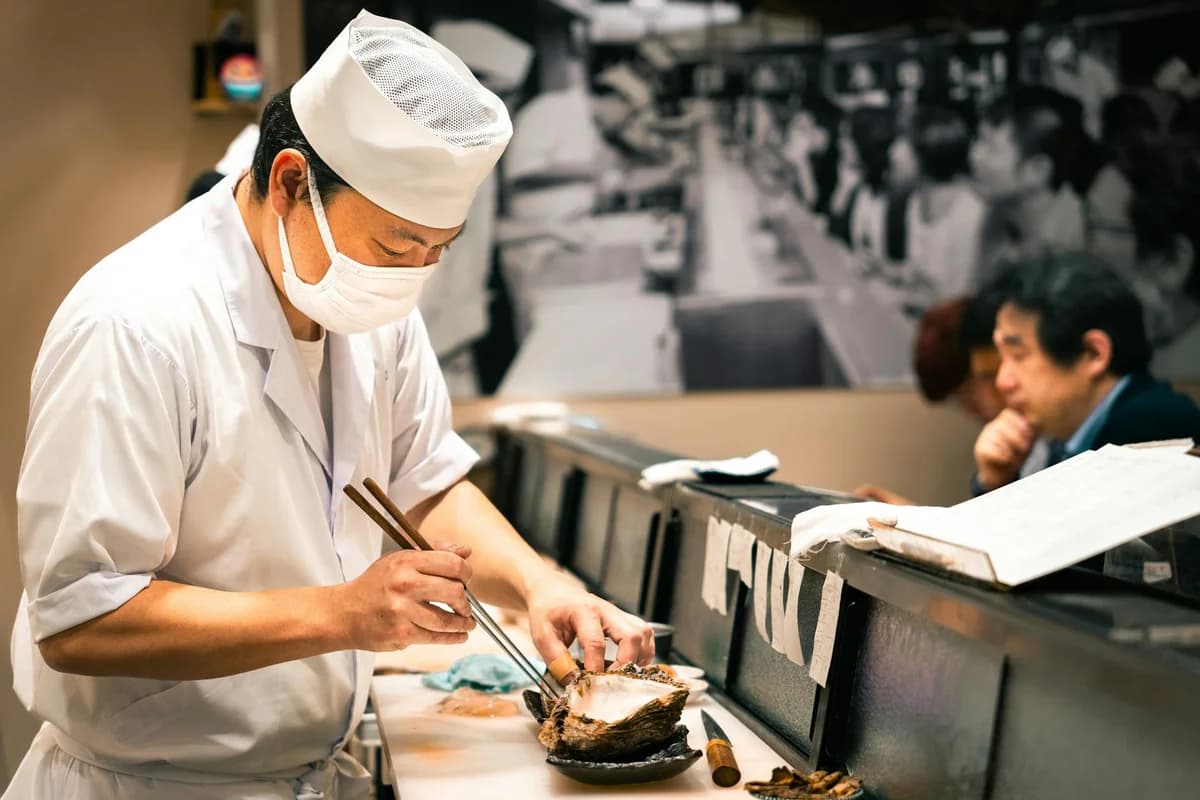
Omakase (おまかせ) translates literally as "I leave it to you." It is not a dish, not a cuisine, and not a specific format. It is a decision-making structure. You sit down, the chef decides what you eat, and you eat it. That is the whole concept.
In practice, this means no menu. The chef selects ingredients based on what arrived fresh that morning, what is in season, and what they think you should experience. You might get 8 courses or 20. The chef might lean into fatty tuna because the shipment from Aomori was exceptional, or skip it entirely because today's batch was not good enough. The meal changes every day because the ingredients change every day.
This is the opposite of ordering à la carte, where you scan a menu and pick what sounds good. With omakase, you are outsourcing that entire process to someone who has been cooking professionally for decades. The trade-off is simple: you give up control, and in exchange, you eat better than you would have chosen for yourself.
Outside Japan, "omakase" has become shorthand for expensive sushi. That association is incomplete. Omakase is a way of ordering that exists across many types of Japanese cuisine. You can do omakase at a sushi counter, a tempura bar, a kappo restaurant, a teppanyaki grill, or a yakiniku spot. The format changes. The principle stays the same.
One thing omakase is not: a test of adventurousness. You are not expected to eat anything bizarre. Chefs want you to enjoy the meal. They will occasionally push you slightly outside your comfort zone with an unfamiliar fish or preparation, but the goal is pleasure, not shock. If something arrives that you genuinely cannot eat, you can say so. More on that later.
The Formats: Omakase Is Not Just Sushi
Most English-language guides treat omakase and sushi as synonyms. They are not. Here are the main formats you will encounter in Tokyo.
Sushi Counter (鮨)
The most well-known format internationally. You sit at a counter, typically 6 to 12 seats. The chef stands behind a glass case of fish, forming nigiri by hand and placing each piece directly in front of you. A sushi omakase usually runs 12 to 20+ pieces, served one at a time, with the chef explaining each fish as they go.
Sushi omakase ranges from ¥8,000 at a solid neighborhood spot to ¥80,000+ at Tokyo's most exclusive three-star counters. For a deep look at the sushi-specific side of this, including the Edomae tradition, fish varieties, and price tiers, see our sushi guide.
Kappo (割烹)
Kappo is the format that deserves more attention from visitors. The chef works behind an open counter, cooking in front of you, and passes dishes directly across the bar. It is less formal than kaiseki and more interactive than sushi. The menu shifts between grilled fish, simmered vegetables, tempura, sashimi, and small plates, all flowing in a sequence the chef controls.
Kappo omakase tends to run ¥10,000 to ¥30,000. The atmosphere is conversational. Regulars sit at the counter and chat with the chef. Many kappo restaurants in Tokyo are one-chef operations with 8 to 10 seats. These are hard to find without local knowledge, and they are often the most memorable meals visitors have.
Kaiseki (懐石 / 会席)
Kaiseki is the formal, multi-course version of Japanese cuisine. It has roots in tea ceremony culture and follows a prescribed sequence of courses: an appetizer (sakizuke), a soup, sashimi, a grilled dish, a simmered dish, a rice course, and a dessert. The presentation is meticulous, with seasonal plates, garnishes, and arrangement that reflect the time of year.
Kaiseki is almost always omakase by default, because the entire point is that the chef designs a unified meal around seasonal ingredients. Prices range from ¥8,000 for a lunch course at a respected restaurant to ¥50,000+ for dinner at a top Kyoto-style establishment in Ginza or Akasaka.
Teppanyaki (鉄板焼き)
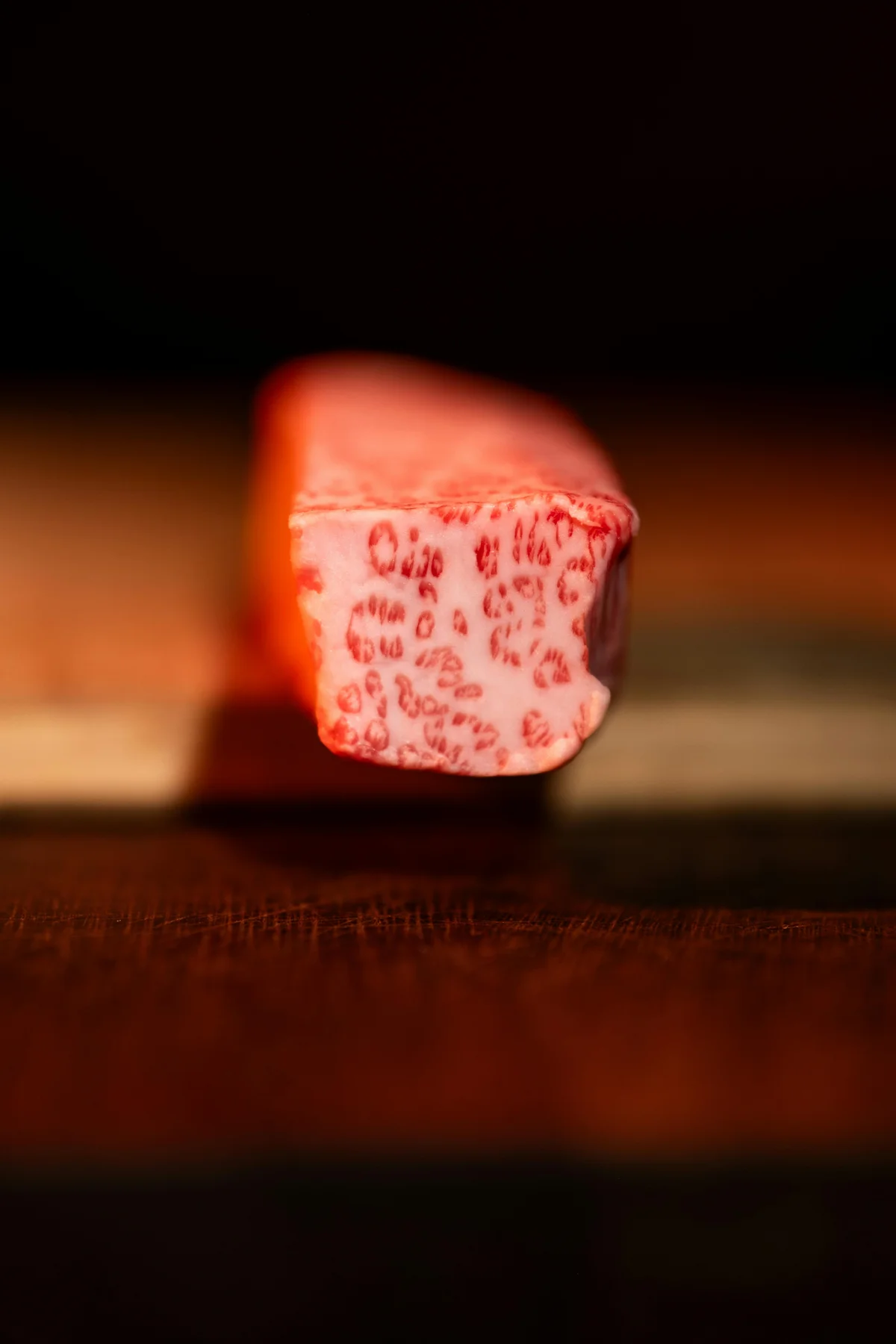
Teppanyaki omakase puts you in front of a large steel cooking surface where the chef grills wagyu beef, seafood, and vegetables in a structured sequence. The chef selects the cuts and cooking order. You watch the entire process. It is part meal, part demonstration of heat control and timing.
Teppanyaki omakase in Tokyo runs ¥10,000 to ¥40,000+, depending on the beef grade and restaurant. Hotels like The Peninsula and Andaz Tokyo have excellent teppanyaki counters. For more on wagyu formats and where to eat at different price points, see our wagyu guide.
Yakiniku Omakase (焼肉おまかせ)
This is the newer format gaining popularity in Tokyo. Instead of grilling your own meat from an à la carte menu, you sit while the chef or staff selects a curated progression of cuts, often from a single cow or a specific farm. The chef tells you how to grill each piece and when to eat it.
Yakiniku omakase starts around ¥10,000 and goes up to ¥30,000+. The experience is more relaxed than sushi or kaiseki omakase but follows the same principle: the person who knows the product best makes the decisions.
Tempura Omakase (天ぷらおまかせ)
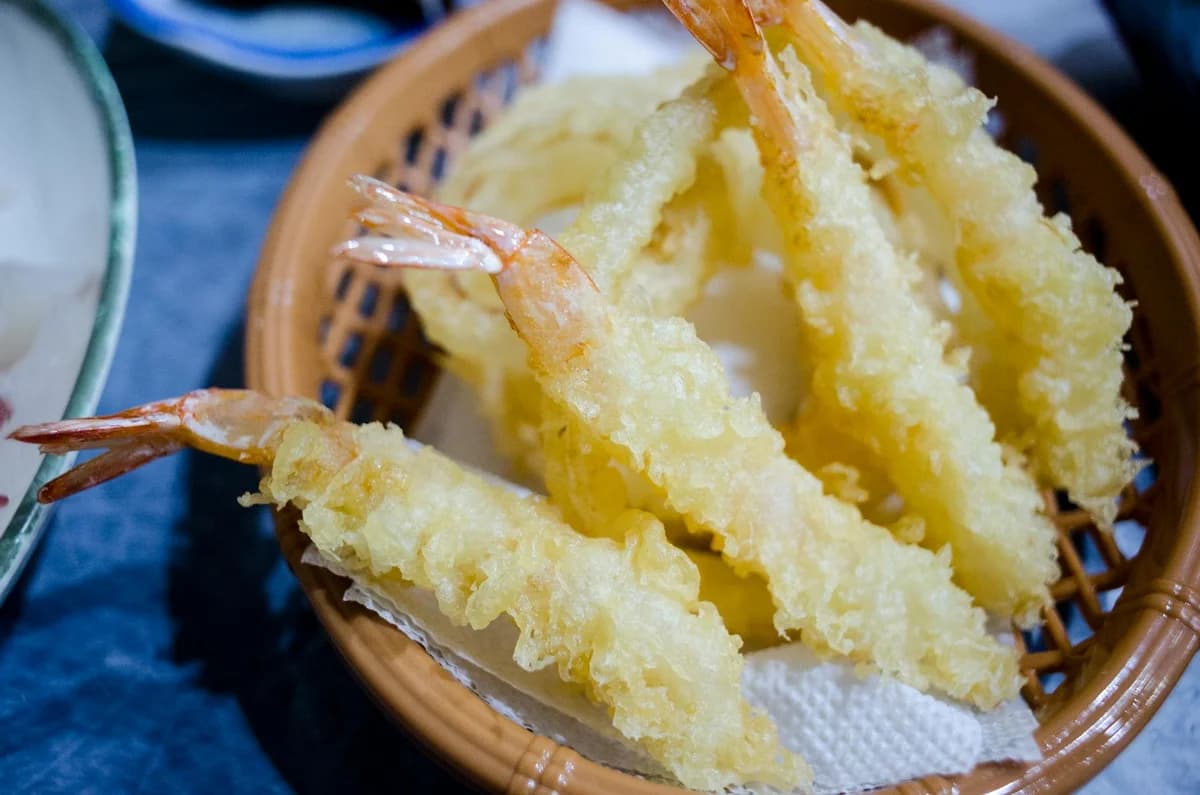
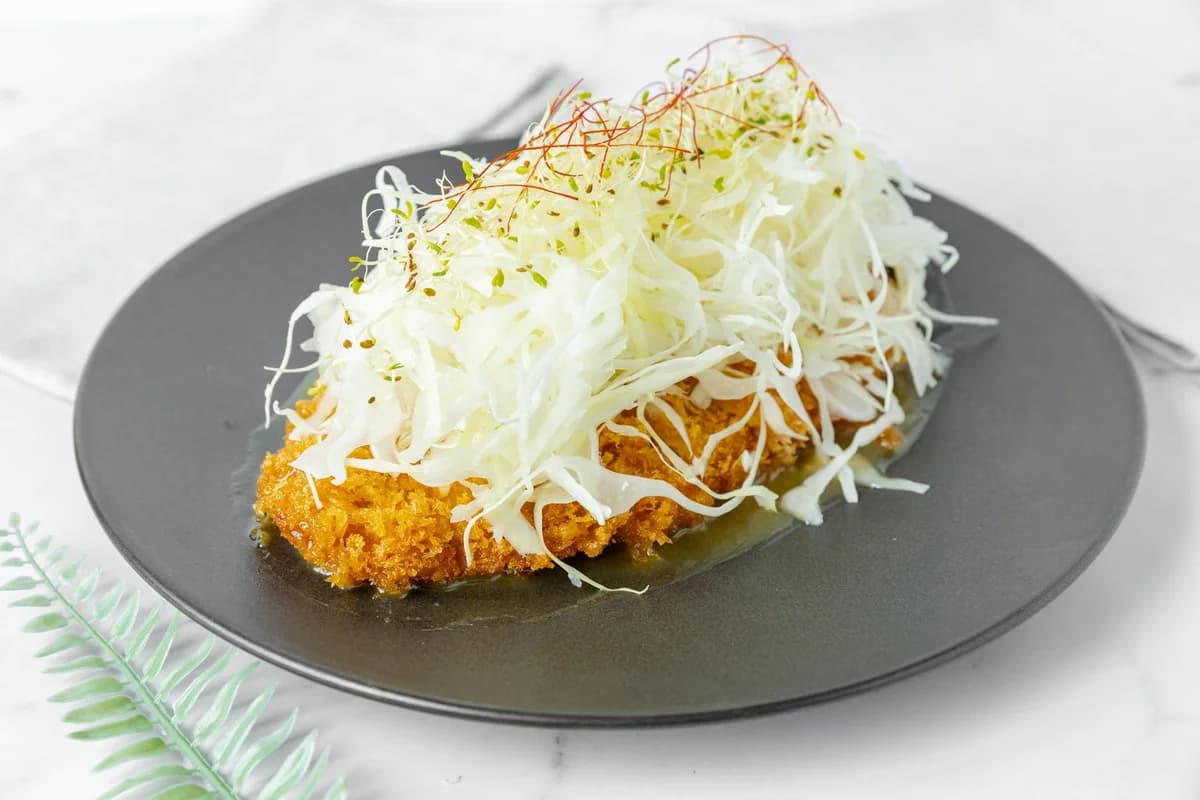
Tempura counters operate similarly to sushi counters. You sit in front of the chef, who fries seasonal vegetables and seafood one piece at a time and places them in front of you. The batter, oil temperature, and frying time vary for each ingredient. A tempura omakase typically runs 10 to 15 pieces and costs ¥8,000 to ¥25,000.
The Price Spectrum
Omakase pricing in Tokyo spans a wide range. Here is what each tier actually includes.
¥8,000 to ¥15,000 (≈$55 to $100 USD)
This is the sweet spot for most visitors. At this price, you get a complete omakase experience at a well-run restaurant. For sushi, expect 12 to 15 pieces of seasonal fish at a neighborhood counter. For kappo or kaiseki, expect 7 to 10 courses. The chef is experienced, the ingredients are good, and the experience is personal. You will sit at a counter with 6 to 10 other people and eat for 60 to 90 minutes.
Many of Tokyo's best meals happen at this price point. These restaurants do not have Michelin stars or international fame, but they have Tabelog scores above 3.5 and regulars who come every week.
¥15,000 to ¥30,000 (≈$100 to $200 USD)
Michelin one- and two-star territory. The ingredient quality increases, the courses get longer, and the service becomes more attentive. Sushi omakase at this level runs 18 to 25 pieces with more premium fish (aged tuna, premium uni from Hokkaido, wild-caught shrimp). Kaiseki adds rare seasonal ingredients and more elaborate presentation.
The jump from ¥8,000 to ¥15,000 is where you feel the biggest quality difference. The jump from ¥15,000 to ¥30,000 is real but more incremental. Both tiers are excellent.
¥30,000 to ¥80,000+ (≈$200 to $550+ USD)
Three-star counters, legendary establishments, and the places that show up in Netflix documentaries. The fish comes from specific auction lots at Toyosu. The rice is blended from specific varieties. The sake pairings are curated. The experience lasts two to three hours.
At this level, you are paying for decades of mastery, rare ingredients, and an extremely limited number of seats (often 6 to 8 per service). The food is exceptional, but so is the food at ¥15,000 restaurants. The premium is for perfection, rarity, and the chef's reputation.
The Lunch Shortcut
This is the single most useful piece of advice in this guide: lunch omakase at the same restaurant is typically 30 to 50 percent cheaper than dinner. The chef is the same. The fish comes from the same morning market run. The counter is the same. The course is shorter (fewer pieces or courses), and the atmosphere is slightly less ceremonial. But the quality gap between lunch and dinner at the same restaurant is small.
A restaurant charging ¥25,000 for dinner often serves lunch at ¥10,000 to ¥15,000. That is not a lesser experience. It is the same experience, compressed. Locals know this. Most visitors do not.
How to Book
Booking omakase in Tokyo ranges from straightforward to genuinely difficult, depending on the restaurant. Here is how the system works.
Booking Platforms for Foreign Visitors
Several English-language platforms exist specifically to help non-Japanese speakers book high-end restaurants in Tokyo.
Pocket Concierge (pocket-concierge.jp) is the most established option. It is backed by American Express, supports international credit cards, and has a full English interface. The restaurant selection focuses on high-end sushi, kaiseki, and teppanyaki. A useful feature is the waitlist function for fully booked restaurants. Prices on Pocket Concierge sometimes include a service fee, so the total may be slightly higher than booking directly.
Tableall (tableall.com) operates a different model. They pre-purchase seats at partner restaurants and resell them with a guaranteed booking. This means they can secure tables at places that are otherwise impossible to book, but the fees are higher. For restaurants where direct booking is extremely difficult, Tableall can be worth the premium.
Omakase (omakase.in) focuses on top-tier fine dining restaurants in Japan. The interface is clean and English-friendly. It is a good option for Michelin-starred and highly rated establishments.
TableCheck (tablecheck.com) is used by many restaurants as their direct booking system. If a restaurant's website has a "Reserve" button, it often links to TableCheck. It supports English and international credit cards.
Tabelog (tabelog.com) is Japan's dominant restaurant review and booking platform. Some restaurants only accept reservations through Tabelog. The interface is available in English, but the translation can be rough. It is still the most comprehensive source for restaurant information in Japan.
Booking Directly
Some restaurants, especially older or more traditional ones, only accept reservations by phone. This is a real barrier for non-Japanese speakers. If you are staying at a hotel, the concierge can make these calls for you. This is not a luxury-hotel perk; most mid-range hotels in Tokyo will help with restaurant reservations if you ask.
Lead Times
How far in advance you need to book depends entirely on the restaurant.
Neighborhood spots (¥8,000 to ¥15,000): One to two weeks ahead is usually sufficient. Weekday lunch can often be booked a few days out.
Popular restaurants (¥15,000 to ¥30,000): One to three months in advance. Michelin-starred places at the lower end of this range fill up quickly, especially for dinner on Friday and Saturday.
Top-tier counters (¥30,000+): Three to six months or more. Some legendary sushi counters open reservations on the first of each month for a date two or three months out, and those slots fill within hours. A few require a Japanese phone number or an introduction from an existing customer.
Hotel concierges can sometimes secure tables at restaurants that appear fully booked on public platforms. Hotels have standing relationships with restaurants and can call in reservations that would not be available through Pocket Concierge or Tableall.
Cancellation Policies
Many omakase restaurants require a credit card to hold the reservation. Cancellation fees are common and often steep: 50 to 100 percent of the meal price for cancellations within 24 to 48 hours. This is not a scam. Omakase chefs buy ingredients specifically for the number of guests they expect. A no-show means wasted food and a permanently empty seat. Respect the reservation or cancel early.
What to Expect During the Meal
If you have never done omakase before, here is the basic flow.
You arrive at the restaurant and are shown to your seat, usually at a counter. The staff hands you a hot towel (oshibori) to clean your hands. There is no menu. The chef may ask if you have any allergies or foods you cannot eat. Then the meal begins.
The chef prepares each course and places it in front of you. At a sushi counter, this means individual pieces of nigiri, one at a time. At a kappo or kaiseki restaurant, it means small plates arriving in a deliberate sequence. The chef or a server explains what each dish is. You eat it. Then the next course arrives.
The pace is entirely the chef's. You do not decide when the next course comes. The chef reads the room, notices whether you are still eating, and times each dish accordingly. Most omakase meals run 60 to 120 minutes, depending on the number of courses. Rushing is not an option. Neither is lingering far past the end of the meal, because the next seating may be waiting.
Sake and Drinks
Most omakase restaurants offer sake pairings or a curated drink list. At sushi counters, beer or sake are the standard choices. Wine is available at some kaiseki and kappo restaurants. The staff will recommend pairings if you ask. Drink prices are separate from the omakase course price and can add ¥3,000 to ¥10,000+ depending on what you order.
Photography
Opinions vary by restaurant. Some chefs are fine with photos. Others find it disruptive, especially if you are pulling out your phone for every single piece of sushi. A good rule: ask once at the beginning. "Is it okay to take photos?" (写真を撮ってもいいですか / shashin wo totte mo ii desu ka). If the chef says yes, be discreet. If they hesitate, put the phone away. One photo of a standout dish is fine. Documenting every course with flash photography is not.
Dietary Restrictions
This section matters. Japanese cuisine relies on a set of base ingredients that are hard to avoid: dashi (fish stock made from bonito flakes and kombu seaweed) is in almost everything. Soy sauce is in almost everything. Shellfish and crustaceans show up constantly. These are not occasional additions. They are foundational.
How to Communicate Restrictions
The most important rule: communicate dietary restrictions in advance, in writing, at the time of booking. Do not wait until you arrive at the restaurant to mention them. Omakase chefs plan their courses before you sit down. Telling a chef at the counter that you cannot eat shellfish after they have already prepared their sequence forces them to improvise in a way that compromises the meal for everyone.
When booking through platforms like Pocket Concierge or Tableall, there is usually a field for dietary notes. Use it. Be specific: "no shellfish" or "allergic to shrimp and crab" is clear. "Seafood allergy" is too vague because it could mean anything from shellfish to all fish, and an omakase built around seafood may not be possible at all.
If booking by phone through a concierge, write your restrictions on paper in both English and Japanese and ask the concierge to communicate them clearly.
What Is Manageable
Shellfish allergies: Most chefs can work around this. Sushi omakase without shrimp and crab is straightforward because there are plenty of fish to fill those slots. Let them know in advance.
Nut allergies: Rarely an issue in traditional Japanese cuisine. Nuts are uncommon in sushi, kaiseki, and kappo.
No raw fish: Some sushi counters can prepare an all-cooked course (Edomae techniques include simmered, grilled, and cured preparations). This needs to be arranged well in advance.
Halal or pork-free: Pork appears less frequently in high-end omakase than in casual Japanese food, but dashi and mirin (which contains alcohol) are used extensively. Strictly halal omakase is extremely rare in Tokyo.
What Is Genuinely Difficult
Vegan: Traditional omakase in any format is very difficult to do vegan. Dashi is in the rice seasoning, the simmered dishes, the sauces, and often the soup. Removing it changes the cuisine fundamentally. A few modern restaurants in Tokyo offer plant-based kaiseki, but they are the exception, not the norm. If you are vegan, omakase at a traditional restaurant is probably not the right choice. That is not a judgment. It is a practical reality.
Multiple severe allergies: If you have allergies to both shellfish and soy, or fish and wheat, the chef may not be able to construct a meaningful omakase. Some restaurants will decline the reservation rather than serve a compromised meal. This is a sign of integrity, not rudeness.
Practical Tips
Arrive on Time
This is not optional. Many omakase restaurants seat the entire counter at the same time and begin the meal together. If you are late, you delay everyone. Some restaurants will give away your seat if you are more than 15 minutes late.
Dress Code
There is no universal dress code, but smart casual is the safe minimum at any restaurant charging ¥15,000 or more. Clean, neat clothing. No athletic wear, no flip-flops, no shorts at serious restaurants. Some high-end kaiseki restaurants in Ginza expect more formal attire, but this is rare. When in doubt, dress one level above what you think is necessary.
Payment
Many high-end restaurants in Tokyo are cash-only. This is becoming less common, but it still happens, especially at older establishments. Restaurants booked through Pocket Concierge or Tableall typically charge your credit card through the platform. If you booked directly, bring cash as a backup. ¥50,000 in cash is not an unreasonable amount to carry to a high-end dinner in Tokyo.
Tipping
Do not tip. Tipping is not part of Japanese dining culture. It can create confusion or discomfort. The price you pay includes the service. If you want to express gratitude, a sincere "gochisousama deshita" (ごちそうさまでした, meaning "thank you for the meal") as you leave is the appropriate gesture.
Seating
Counter seats are the omakase experience. If a restaurant offers both counter and table seating, choose the counter. Sitting at a table and ordering omakase works, but you lose the direct interaction with the chef, the ability to watch the preparation, and the conversational element that makes omakase different from just eating a tasting menu.
Solo Dining
Omakase is one of the best solo dining experiences in the world. Most counter seats are designed for individual diners. There is no awkwardness about eating alone because half the people at the counter are doing exactly that. The chef becomes your dining companion. If you are traveling solo and want one memorable meal, this is it.
Putting It Together
If you are visiting Tokyo and want to try omakase, here is a practical approach.
Book a lunch omakase at a restaurant in the ¥8,000 to ¥15,000 range. Use Pocket Concierge or Tabelog to find something with a Tabelog score above 3.5 in a neighborhood you are already visiting. Book two weeks in advance. Show up on time, sit at the counter, and let the chef do their job. That single meal will teach you more about Japanese food than three days of casual restaurant hopping.
If that lunch goes well and you want the full experience, book a dinner omakase in the ¥15,000 to ¥25,000 range for later in your trip. The difference between lunch and dinner omakase is the duration and ceremony, not the quality. Both are worth doing if your budget allows.
For visitors interested in experiencing Tokyo's food culture with a local who can handle reservations, translate in real time, and explain what you are eating as it happens, our Timeless Tokyo experience includes meals at restaurants that do not appear on English-language booking platforms.
For more on Tokyo's broader food landscape, including street food, izakayas, and market visits, see our Tokyo food scene guide.