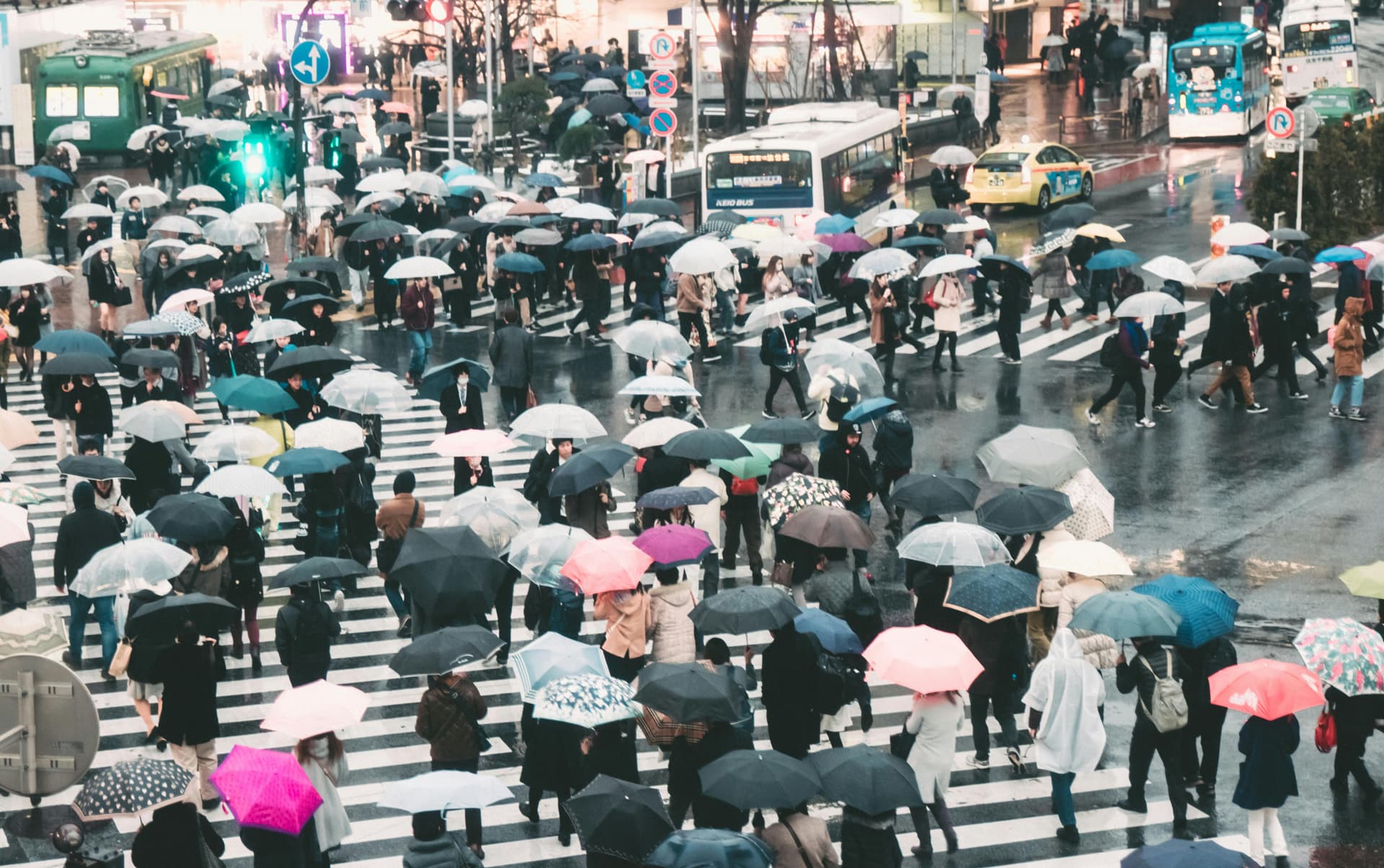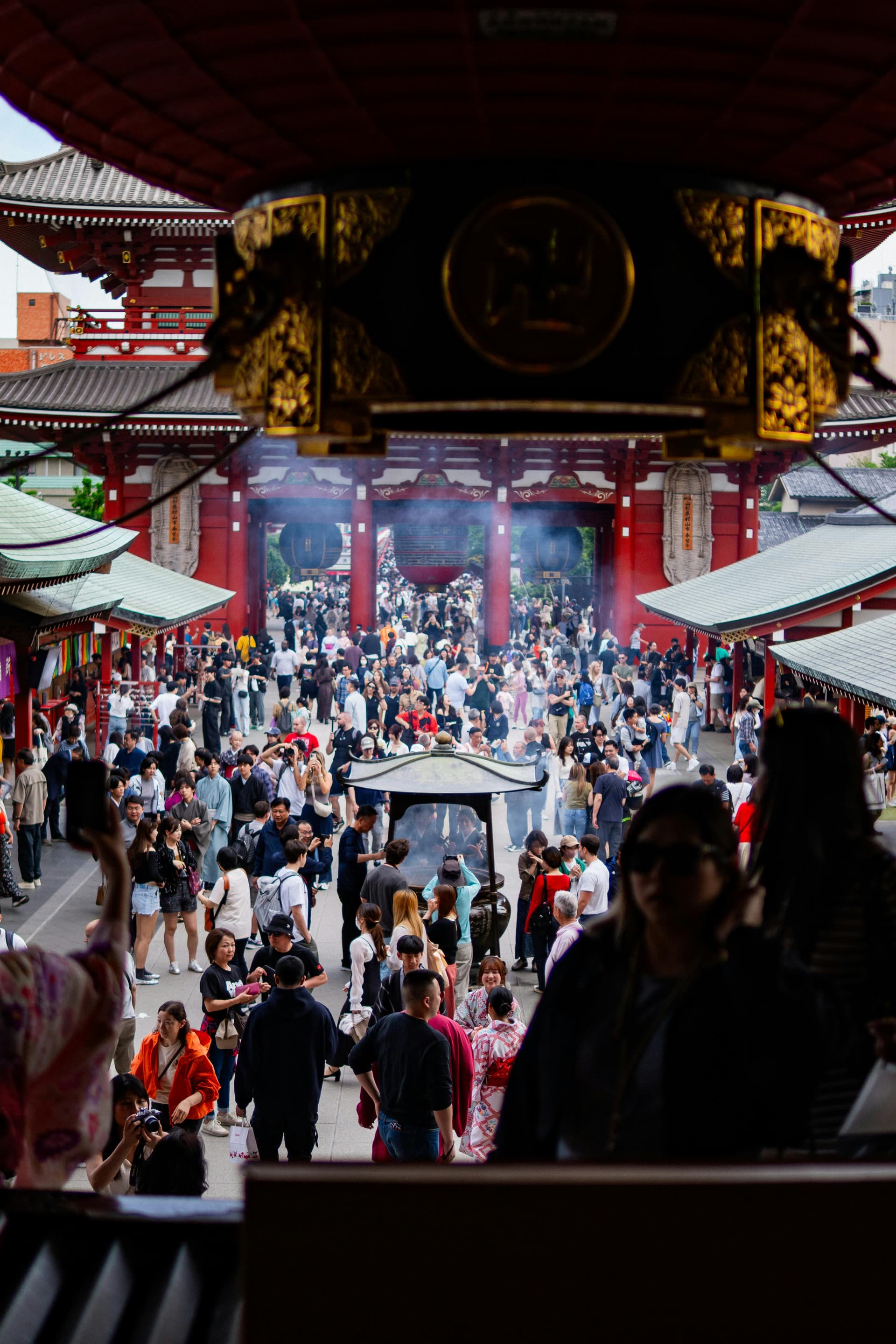
A first-day guide's value isn't in the sights you see—it's in the confidence you gain for every day after.
A first time Tokyo guide earns its keep on the days after the tour, when you get around the city on your own and know what you're doing.
What worries most first-time visitors to Tokyo is harder to pin down than missing the "best" sights. They don't know what they don't know, and nothing they've read tells them whether they can handle the city alone.
This page explains what a guided first day gives you, and when it doesn't, so you can decide whether it matters for your trip.
The Anxiety Nobody Talks About
The capability question nobody answers honestly
The usual worry is losing precious hours of your trip to problems you didn't see coming. Language barriers and finding restaurants come up less than you'd think. You've done the research and saved the Google Maps pins, and Tokyo can still make a well-prepared traveler feel like they're starting from zero.
So the thing to ask is whether you'll spend your first day enjoying the city or working out how to.
What you've probably already read (and why it doesn't help)
Travel blogs say Tokyo is surprisingly easy to get around. Tour operators say it's impossibly complex without help. Both are selling something.
In our experience, Tokyo's transit system can be learned, the signage is excellent, and the apps work. You still have to climb the learning curve at some point, either before the trip (hours of YouTube videos and forum threads) or during it. If it's during, it lands on Day 1, when you're jet-lagged and your few vacation days feel most precious.
The 2-3 Hours You Can't Get Back
Where the time actually goes
First-time visitors to Tokyo lose 2-3 hours per day to finding their feet. Most of it goes to three things:
-
Getting lost costs 45-60 minutes: wrong exits, slow transfers, confusion on walking routes. Shinjuku Station has over 200 exits and 36 platforms. Shibuya Station spans 8 floors across 4 rail operators. Tokyo Station has two floors of ticket gates spread between the Marunouchi and Yaesu sides, a layout that catches first-timers off guard.
-
Indecision takes 30-45 minutes: picking a restaurant, choosing between sights, deciding on routes. When you have no frame of reference, every choice feels like it matters.
-
Fixing problems eats 30-60 minutes: miscommunication, ticketing trouble, undoing mistakes. One wrong platform or wrong gate leads quickly to the next.
Across a 3-4 day trip that adds up to 8-10 hours, a full day lost to orientation.
Why Day 1 is disproportionately expensive
The learning curve is steepest on Day 1. You don't yet know how platform signs work, which exit goes to which landmark, or how long a station transfer takes. The 20-minute walk from the Shinkansen platforms at Tokyo Station to the Keiyo Line for Tokyo Disney is something you only learn by doing it, or by watching someone else do it first.
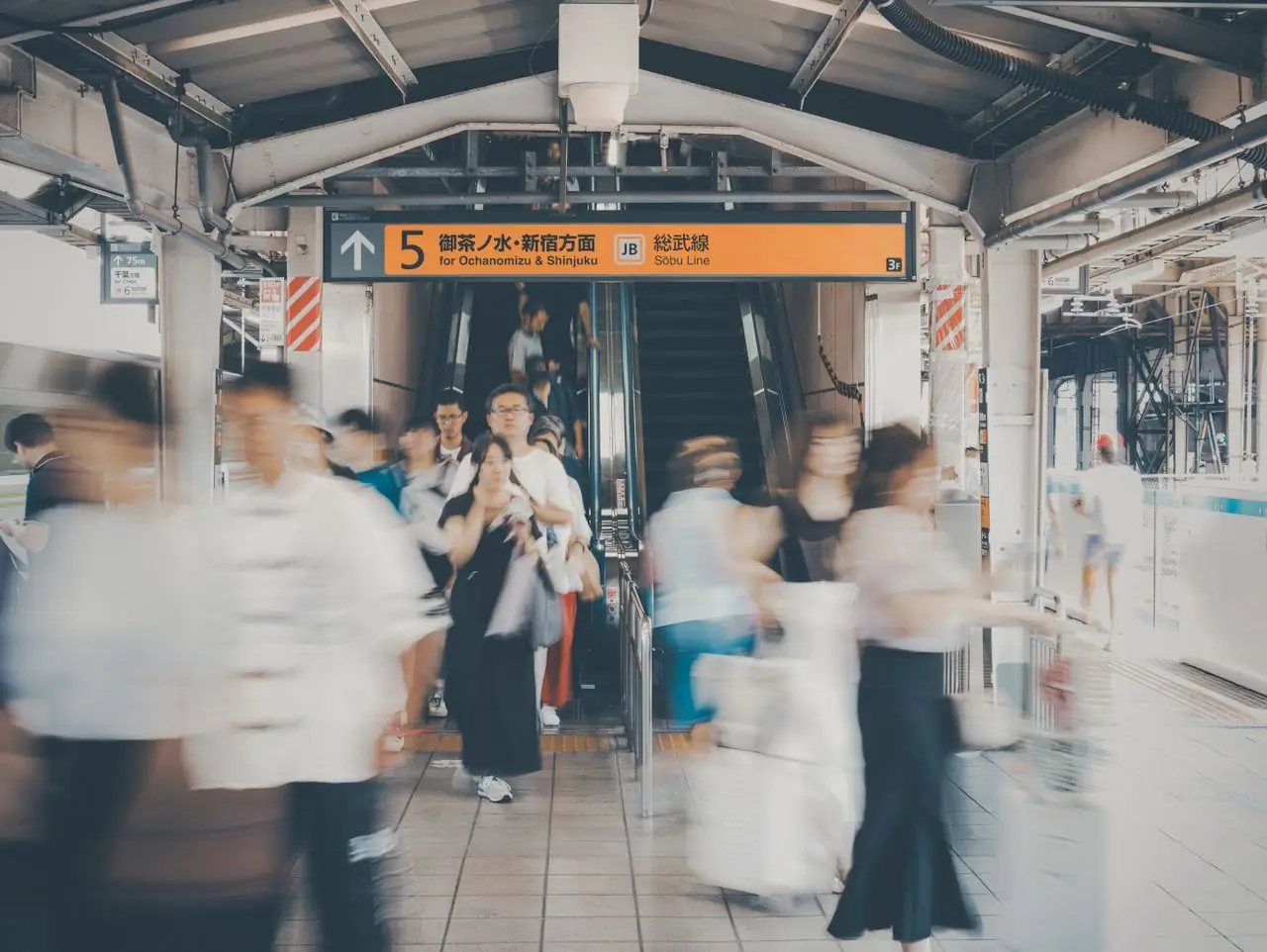
Travelers say they feel comfortable on Tokyo's transit by Day 2 or 3, so you will get there. The open question is whether those first hours of learning come out of your own first day.
The jet lag multiplier
Western travelers need 3-4 days to adjust to Tokyo time. The pattern is predictable: you wake early (3-4 AM), function through the morning and early afternoon, and collapse around 6-7 PM.
So Day 1 is when your head is foggiest and the navigation is hardest. A problem that takes 10 minutes to sort out on Day 4 takes 30 minutes on Day 1.
What a Guided First Day Actually Teaches
Navigation literacy (not just directions)
When travelers talk about a guided first day, they mention what they learned about getting around more than the places they saw.
A guide in Shinjuku Station shows you how it all works while getting you from A to B. You see how to read platform signs, which car to board so you're close to the transfer at the other end, how the color coding maps to different operators, and why some exits show up on station maps and others don't.
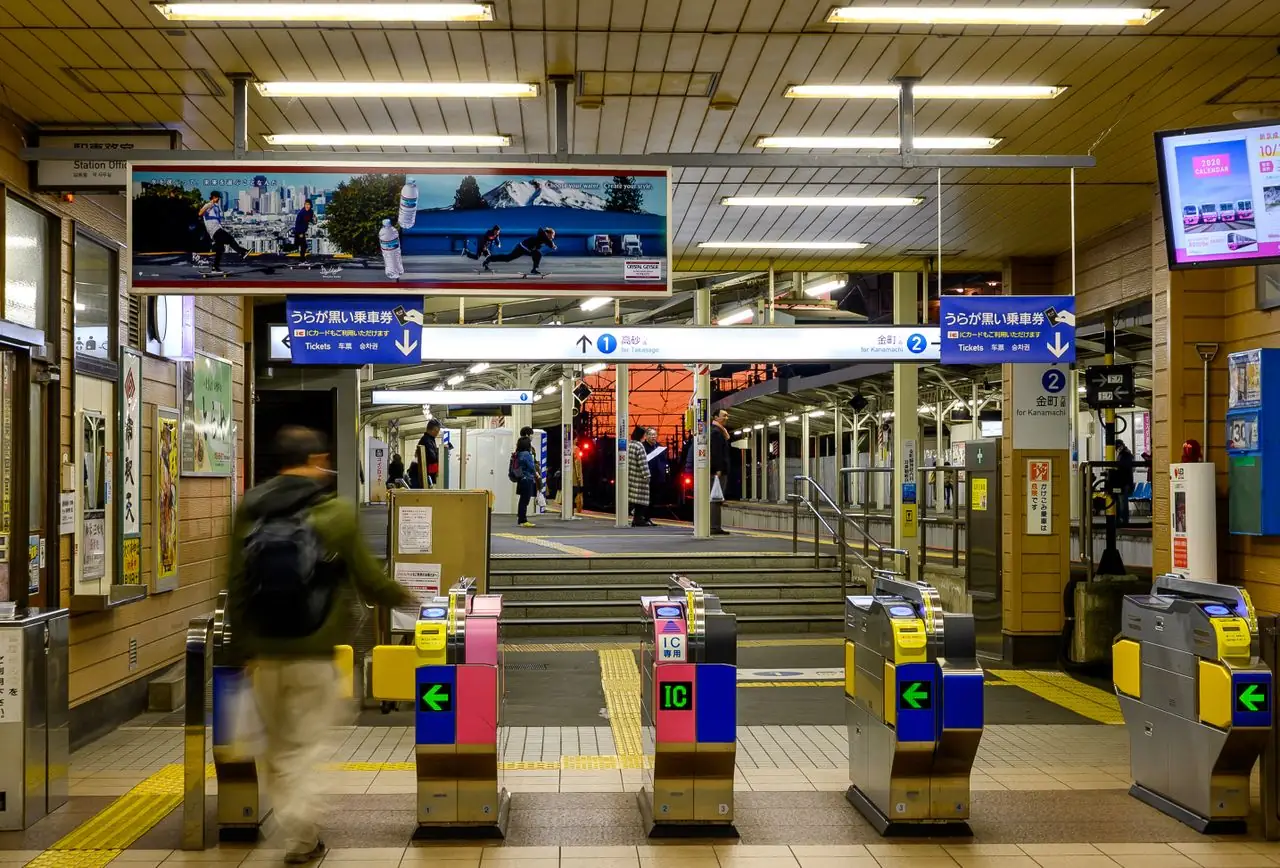
The IC card has its own small lessons. Your balance shows after each tap. The Shinkansen still needs a separate reservation even if you have an IC card. A regular fare gate is different from a transfer gate, which keeps you inside the paid area. For a fuller picture of how the day goes, see our guide on what it's like touring with a private guide.
The cultural shortcuts that take months to learn
Tokyo runs on dozens of small habits that guidebooks skip:
-
Ticket machine buttons don't light up until you put money in
-
You pay at a register near the entrance, not at your table
-
On escalators you stand on the left in Tokyo (the opposite in Osaka)
-
Bathroom slippers stay in the bathroom, and wearing them back into the main room is an embarrassing faux pas
-
Eating while walking is considered impolite; some markets have signs asking customers to eat in front of the stall
-
Train cars are quiet, and a phone call draws uncomfortable looks
None of these is a serious mistake, and locals forgive tourists for them. Knowing them still means you stop hoping you're doing it right and just get on with your day.
Why testimonials mention confidence, not sightseeing
Read enough reviews of guided first days and you notice that people rarely talk about specific sites. They say things like:
"Gave us the confidence to navigate on our own for the rest of our 9 days."
"Taught us how to navigate the subway and trains. Gave us confidence to tackle the trains today on our own."
"Took all the stress out of our first day and helped us have confidence to continue our travels."
One family traveling with a wheelchair user said their guide "went out of his way to accommodate her needs… it felt like spending the day with a friend." Another group enjoyed their first day so much they "immediately booked a second day."
Confidence keeps coming up, and people mean what they could do by themselves once the guide had gone home.
Walking tours teach you to move through Tokyo independently in a way car tours can't. For more on what a walking tour involves and how it builds that confidence, see our walking tour guide.
When a Guide Doesn't Make Sense
You don't need a guide to get around Tokyo. The system can be learned, the signage is excellent, and the apps work. We've written a separate guide on when you don't need a private tour with a detailed breakdown of when going solo is the better call.
If you do want a guide, put it on the first day, because the benefit carries forward into the rest of the trip.
The Compounding Effect
Day 2 is different when you're not starting from zero
The case for a guided first day rests mostly on what you can do afterward.
Travelers who start with a guided day have a different Day 2. They aren't spending the morning working out how to get from the hotel to their first stop. They've seen how to read station maps, they know which exit leads where, and they have a rough mental model of the system.
On a 5-day trip, a guided Day 1 leaves four confident days on your own. On a 7-day trip it leaves six. The longer the trip, the more you get back from that first day.
The word that keeps appearing
The same thing turns up in review after review:
"Perfect way to start our 9 days in Japan as it gave us the confidence to navigate on our own."
People keep saying the guided first day let them do things themselves afterward. Few of them say "we saw amazing things." If you're still weighing whether it's worth the money, we work through the numbers in are private tours in Tokyo worth it.
The first-trip vs. repeat-trip distinction
Travelers describe first trips to Japan as full of "mistakes, wasted time, and missed connections." Second trips go very differently. People range further, to Shikoku, Hokkaido, and smaller cities, because they already know how to get around.
What you learn about Tokyo's transit on your first trip stays with you for the second. You can learn it by trial and error on Day 1, or have someone walk you through it while you're fresh enough to take it in.
Your Call
The variables that matter
These are the things we'd weigh:
-
How long is your trip? On a 3-day trip, a guided day is a third of your time. On a 7-day trip it's one-seventh, and you have six days to use what you learned.
-
How much transit experience do you have? People used to Asian transit systems adapt faster, though even travelers who've lived in South Korea say Tokyo's system stressed them at first.
-
Who's with you? Families and multi-generational groups have to keep everyone together on top of finding the way. Solo travelers have more room to figure things out. If you're traveling with children, a guide makes even more sense.
-
How much energy will you have on Day 1? Jet lag hits people differently. Some land ready to go; others need an easy orientation before they can take on anything complicated.
The trip-length factor
Trip length changes the math:
| Trip Length | Compounding Potential | Consideration |
|---|---|---|
| 3-4 days | Limited | A full guided day is a big share of your time. A 4-hour half-day orientation may suit you better: enough to get comfortable on the trains without using up a third of the trip. See our full-day vs half-day comparison for details. |
| 5-7 days | Substantial | A confident Day 1 pays off across four to six days on your own. |
| 8+ days | Maximum | The first day is a small share of the trip, and the confidence carries through all of it. |
If you decide a guide makes sense
If a guided first day fits your trip, the next step is choosing one. A first-day tour should put orientation and practical skills ahead of ticking off sights, since what you want at the end is confidence. For an overview of what's available, see our guide to the best Tokyo private tours.
Look for a tour that includes getting around on transit, some cultural context, and enough variety to show you how neighborhoods differ, so you know where you'd like to go back on your own. When you're ready, here's how to book a Tokyo private tour.
Frequently Asked Questions
Is Tokyo hard to navigate for first-time visitors?
Less than its reputation says. Trains have English signs, Google Maps works well, and tourist areas cope fine with non-Japanese speakers. There is a learning curve, and most visitors feel competent by day 2-3. A guide gets you there faster, but you can manage without one.
Should I book a guide for my first day in Tokyo?
If your time is short (3-5 days), yes, because what you learn carries over to every day that's left. With 7+ days and a taste for working things out, you can learn on your own. A good guide spends the day teaching you how Tokyo works, so you get around with confidence afterward.
What's the biggest challenge for first-time Tokyo visitors?
Decision fatigue. Tokyo has endless options and no obvious "right" path. On your own you'll burn a lot of mental energy on "should we go here or there?" On Day 1 a guide makes those calls, and you get to pay attention to what's in front of you.
Can I navigate Tokyo without speaking Japanese?
Yes. Tourist infrastructure works in English, and translation apps fill the gaps. You need Japanese for the non-tourist side of the city: neighborhood izakayas, craft workshops, phone reservations. If tourist-friendly options suit you, language won't hold you back.
What should a first-timer prioritize on Day 1?
Orientation. Learn how the trains work, see how neighborhoods differ, and get used to the rhythm of Japanese public spaces. Aim to leave ready to explore on your own, and don't worry about how many landmarks you tick off.
Ready to Book?
A guide shortens the learning curve on Day 1. You finish the day comfortable on transit and knowing a few of the cultural shortcuts, and you spend Days 2-7 getting around on your own.