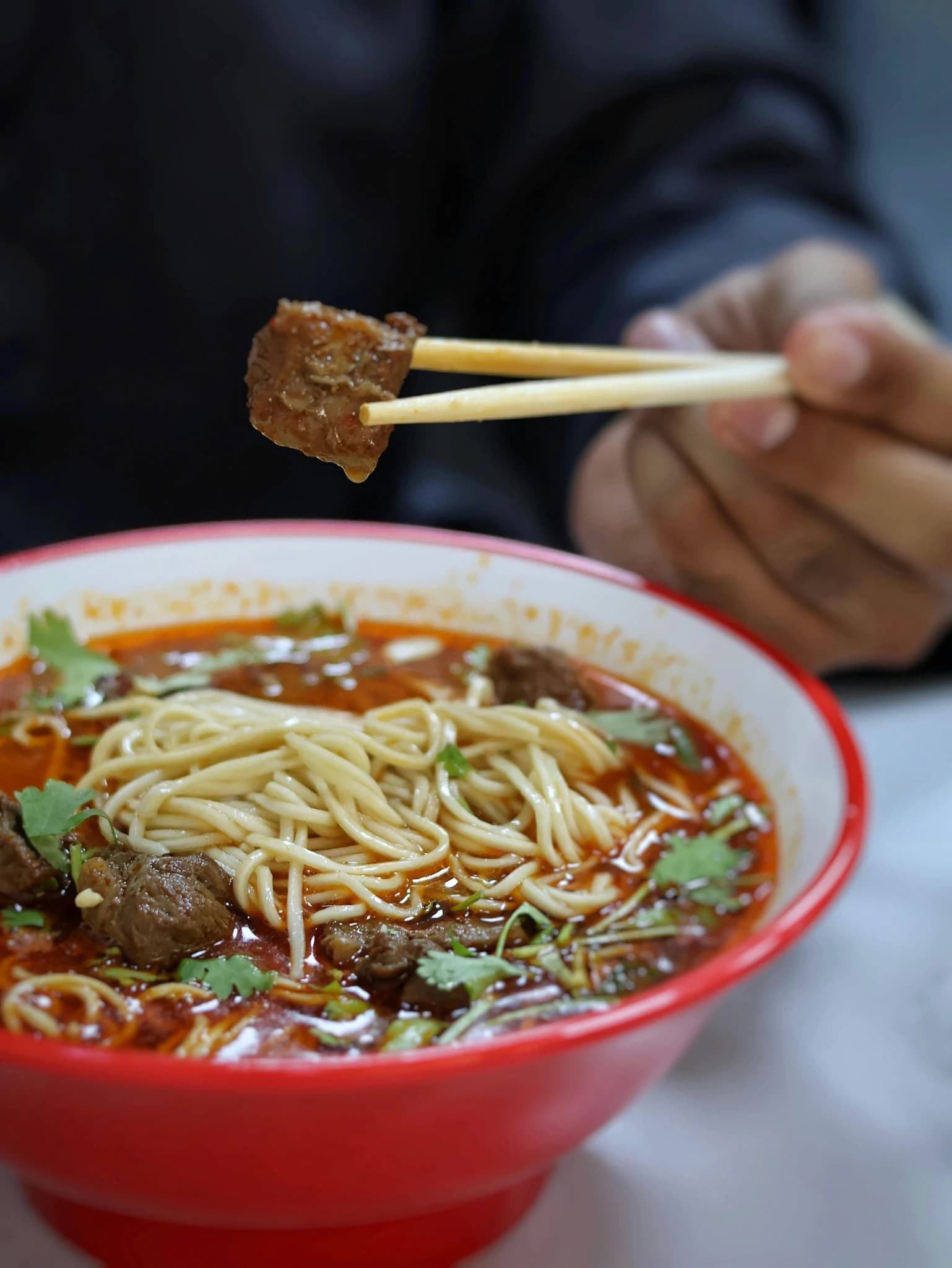
The best ramen in Tokyo comes out of a huge field. The city has more ramen shops than anywhere else on earth, over 5,000 at last count and still growing. Every regional style in Japan is here, along with experimental bowls you won't find anywhere else. You won't struggle to find a bowl, so the work is in knowing which style you want and which shops deserve your time.
This guide goes through Tokyo ramen style by style, with specific shops for each, then covers the practical side: how to order, when to go, and what you'll pay.
For how ramen fits into Tokyo's wider food culture, and whether a guided food tour is worth it, see our Tokyo food scene guide.
Tokyo's Ramen Identity
Ramen came to Japan from China in the late 1800s. Tokyo settled on its own version early: clear soy sauce broth, thin straight noodles, and a few simple toppings. That style, Tokyo shoyu ramen, is still the city's default.
Tokyo is also where all the regional styles ended up. Kyushu tonkotsu shops opened here in the 1980s and caught on fast, and Hokkaido miso came after. Tsukemen was invented here in the 1960s. Jiro-style ramen, the enormous garlic-and-pork bowl with an almost religious following, started at a tiny shop near Mita Station in 1968. Today you can eat traditions from all over Japan here, next to new styles that don't belong to any region, and no other city has that range.
The closest thing to an official ranking is the Tabelog Ramen Tokyo 100 Best Stores list, which comes out every year. The 2024 edition named 100 shops around the city. It's a good place to start, though knowing what you're eating will get you further than chasing the list.
The Styles
Shoyu (Soy Sauce) Ramen
This is the original Tokyo style, and most visitors eat it first without realizing. The broth is clear or light brown, made from chicken, dashi, or a mix, and seasoned with soy sauce. The noodles are thin and straight. Toppings are the classics: chashu pork, menma (bamboo shoots), nori, and a soft egg.
A good bowl of shoyu ramen looks simple, almost plain, and the skill is all in the balance. The broth should taste clean and savory, with layers to it, and never heavy. Have one that's done right and you'll see why the style has lasted more than a century.
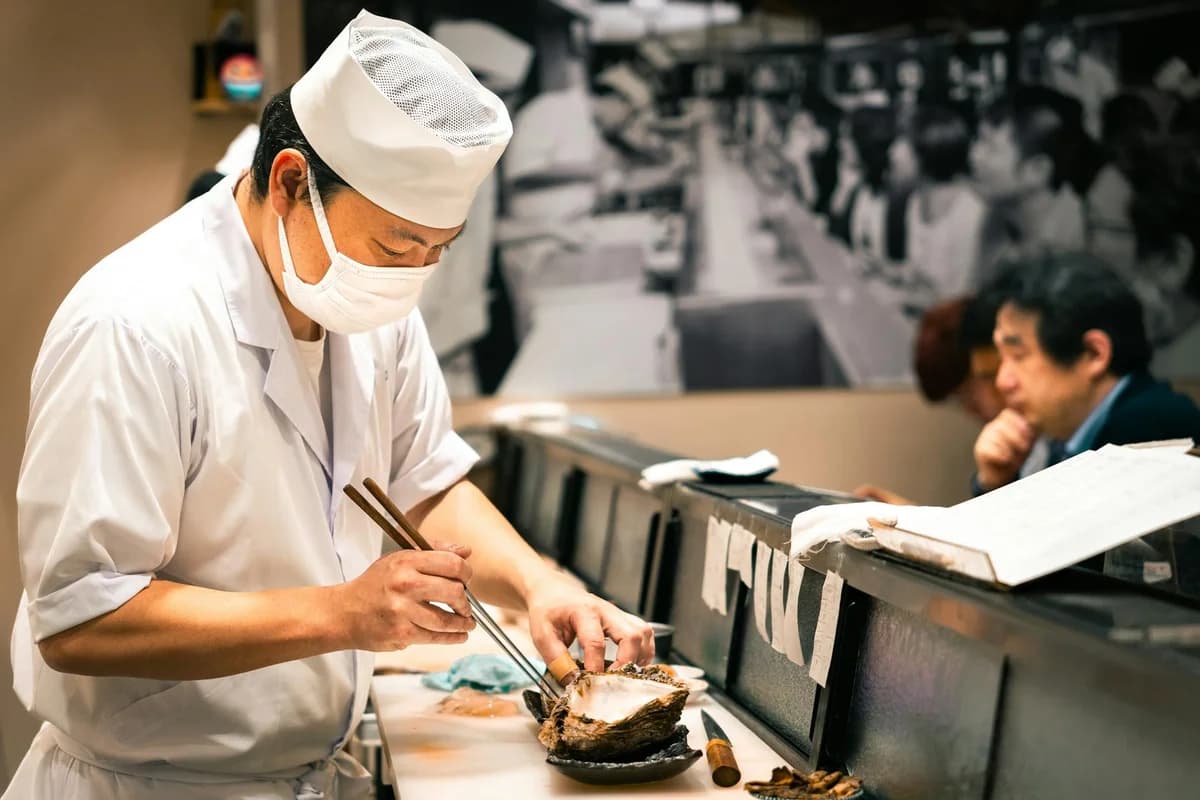
The best shoyu ramen tends to be in the older parts of central Tokyo, around Shinjuku, Otsuka, and the east side. The shops are usually small (8-12 seats) and counter-only, run by cooks who've spent years working on one recipe.
Where to eat it:
- Konjiki Hototogisu (Shinjuku-Gyoenmae). One of the few ramen shops ever to earn a Michelin star. The shio gets the fame, but the shoyu is just as precise, with hamaguri clam and soy sauce combined into a broth that's almost delicate. It's a Tabelog 100 Best pick, and people line up before it opens.
- Nakiryu (Otsuka). Another Michelin-starred shop. It's known for tantanmen, but the shoyu is excellent: a clear broth whose depth creeps up on you. The shop is small, with 10 seats, so arrive early or plan to wait.
Shio (Salt) Ramen
Shio is the lightest style. The broth is seasoned with salt instead of soy sauce, so you taste the base ingredients more directly, and it's usually clear or pale gold. With nothing to hide behind, it's the hardest style to do well.
Where to eat it:
- AFURI (Ebisu, Nakameguro, Azabu-Juban, and others). The shop that turned yuzu shio ramen into its own category. The Ebisu flagship has the most atmosphere, but every branch serves the same bowl: light chicken broth, a clean yuzu citrus note, and just enough salt to tie it together. With branches all over Tokyo you rarely have to go far, and because the crowds are spread out, the lines are shorter than at most famous shops.
- Konjiki Hototogisu (Shinjuku-Gyoenmae). Yes, again. The shio may be even better than the shoyu: a hamaguri clam base, and a broth so clear it's hard to believe.
Tonkotsu (Pork Bone) Ramen
Tonkotsu started in Kyushu and is now all over Tokyo. The broth is milky white, made by boiling pork bones for hours until they break down into a thick liquid full of collagen. It tastes rich, heavy, and very porky. The noodles are thin and firm, and you're meant to slurp them quickly before they go soft.
About Ichiran: it's the tonkotsu chain that turns up in every tourist recommendation. The private booths are fun and the ramen is fine. The Shibuya and Shinjuku branches, though, regularly have 30-60 minute waits for a bowl that Japanese ramen databases rate as average. If you want the booth experience, go at 2 AM when there's no line. If you want better tonkotsu, try one of these.
Where to eat it:
- Fuunji (Shinjuku). Strictly a tsukemen specialist (more on that below), but the regular ramen sits on a tonkotsu-gyokai (pork bone and dried fish) base that's rich without turning muddy. It's in the south exit area of Shinjuku Station. There's always a line at lunch, but it moves quickly. Open since 2009 and a regular on the Tabelog rankings.
- Ippudo (multiple locations). The chain from Hakata that brought tonkotsu into the Tokyo mainstream. The Shiromaru (white) and Akamaru (red) are both solid. It won't be the most exciting bowl you eat here, but it's reliably good, easy for foreigners (English menus, and no ticket machine at most branches), and open late. Handy when you want tonkotsu and don't feel like gambling on a shop you don't know.
Miso Ramen
Miso ramen comes from Hokkaido and was made for cold weather. The broth is dark and thick, seasoned with fermented miso paste, and often topped with butter, corn, ground pork, and bean sprouts. The noodles are usually thick and curly so they hold on to the heavy broth. Of all the styles, it's the most filling.
Where to eat it:
- Misoya Hachiro Shoten (Takadanobaba, other locations). A Sapporo-style miso specialist, with punchy miso and generous portions. The Tabelog 100 Best list has included miso specialists from this tier of shop.
- Tsujita Miso no Sho (Ochanomizu). Part of the Tsujita family, which is also famous for tsukemen. The miso here is rich, with plenty going on. A good choice if you want miso and don't want to go out to Ikebukuro or Takadanobaba.
Tsukemen (Dipping Noodles)
Kazuo Yamagishi invented tsukemen in Tokyo in the 1960s, at Taishoken in Higashi-Ikebukuro. The idea is simple. Cold or room-temperature noodles come on one plate, hot concentrated broth comes in a bowl, and you dip the noodles in before each bite. The broth is thicker and saltier than ordinary ramen broth on purpose, since you're dipping in it, not drinking it.
Tsukemen is a great choice in warm weather, and in summer it may well be Tokyo's most popular way to eat ramen. The noodles are thicker than regular ramen noodles, chewier and more substantial. Many shops will give you a large portion (大盛り) for no extra charge, which makes it one of the better deals in Tokyo ramen.
When you're nearly done, most shops will offer to top up your dipping sauce with hot broth so you can drink it as soup. This is called soup-wari, and it's the proper way to finish.
Where to eat it:
- Fuunji (Shinjuku). Here the tsukemen is the main event: a thick fish-and-pork broth, dense and intense, with firm, thick noodles. It's one of the best-known tsukemen shops in Tokyo. The owner trained before opening in 2009, and the recipe hasn't changed since. Expect 20-40 minute waits at the lunch peak. We think it's worth it.
- Rokurinsha (Tokyo Station). Inside Tokyo Ramen Street, the underground ramen complex at Tokyo Station. The tsukemen comes in a thick tonkotsu-gyokai broth with a strong dried-fish hit. Easy to get to if you're passing through the station. The lunch line is long but keeps moving.
Mazemen and Abura Soba (Brothless Ramen)
These bowls have no soup. A small amount of concentrated sauce sits at the bottom, and you mix it through the noodles and toppings yourself, a bit like Japanese pasta. Toppings usually include a raw egg, chashu, and green onions, sometimes with vinegar and chili oil for extra kick.
It's lighter than it sounds. Without a big bowl of broth the portion feels smaller, and the flavors are more concentrated. Abura soba is the more traditional version; mazemen is a wider category that takes in more creative takes.
Mix everything well before your first bite so the sauce at the bottom coats every noodle. Add vinegar and chili oil to taste. Most shops leave them on the counter.
Where to eat it:
- Abura Soba Kabuto. A small chain with several branches and no frills. The basic abura soba comes with a raw egg, chashu, and the usual vinegar and chili. Good for a quick, cheap meal.
- Menya Musashi (Shinjuku, other locations). Best known for tsukemen and ramen, but the mazemen is worth ordering. The Shinjuku branch near the west exit is easy to find and used to tourists.
How to Order: The Ticket Machine System
Most ramen shops in Tokyo have you order from a ticket machine (食券機, shokkenki) instead of at the table. It goes like this:
Step 1: Line up outside if there's a queue. Popular shops often have a line. Staff sometimes hand out a menu to look over while you wait, and you can watch what the people ahead of you order.
Step 2: Buy your ticket from the machine. The machine is usually just inside the door. Put in cash (¥1,000 bills are safest; some machines take ¥5,000 or ¥10,000, but not all). Newer machines also take IC cards like Suica or Pasmo. Press the button for what you want, and the machine gives you a ticket and your change.
The top-left button is nearly always the house specialty. If the machine is in Japanese only and you can't read it, press that one.
Step 3: Sit down and hand your ticket to the staff. They'll take it and start your bowl. At a counter seat, just put the ticket on the counter in front of you.
Step 4: Customize if offered. Some shops, tonkotsu places in particular, give you a preference sheet or ask you about noodle firmness (katamen for firm, futsu for normal), broth richness (kotteri for rich, assari for light), and garlic (ninniku). If you don't speak Japanese, pointing at the menu or saying "futsu" (normal) to everything is fine.
Step 5: Eat. Slurp. Everyone does, and it cools and aerates the noodles. Nobody minds the noise.
If the machine has you stumped, say "sumimasen, tsukaikata wo oshiete kudasai" (excuse me, please show me how to use it). Ramen shop staff help people with it all the time.
When to Go and How to Avoid Lines
Avoid popular shops at weekday lunch between 11:30 and 13:00, and on weekends at any hour. Go right at opening (usually 11:00) on a weekday, or between 14:00 and 16:00 if the shop stays open through the afternoon. Many close between lunch and dinner, so check the hours.
At some popular shops people line up before opening. If you get to a famous shop 15-20 minutes before it opens, you'll usually be seated with the first or second group.
Late-night ramen is a whole category of its own. Plenty of shops in Shinjuku, Shibuya, and Roppongi stay open until 2:00 or later, and Ichiran's 24-hour branches really are useful at 3 AM when nothing else is open. Late-night quality varies, but a hot bowl after midnight in Tokyo is hard to beat. Timeout Tokyo keeps a regularly updated late-night ramen list that's worth a look.
Which famous shops are actually worth the wait:
- Fuunji: Yes. The line moves quickly (15-20 minutes on a good day), and the tsukemen really is among Tokyo's best.
- Konjiki Hototogisu: Yes, if you like refined ramen. Get there before opening.
- Ichiran Shibuya: No. The ramen is average and tourists inflate the line. Go at 2 AM or pick another tonkotsu shop.
- Rokurinsha (Tokyo Station): Borderline. Fine if you're at Tokyo Station anyway, but the line often runs 30-45 minutes, so it's not worth a special trip.
Price Expectations
Ramen is one of the cheapest good meals in Tokyo. Most bowls cost ¥900 to ¥1,300 ($6-9 USD). The industry talks a lot about the "¥1,000 wall," the price many shops try to stay under for psychological reasons. Rising ingredient costs are pushing more shops past it, specialty and award-winning places especially.
Roughly what you'll pay:
- Basic bowl at a chain or standard shop: ¥800-1,000
- Bowl at a popular or award-winning shop: ¥1,000-1,500
- Extra toppings (egg, extra chashu, nori): ¥100-300 each
- Large noodle portion (大盛り, oomori): Often free or ¥100 extra at tsukemen shops
- Extra noodle ball (替え玉, kaedama): ¥100-200 at tonkotsu shops
A full meal with one extra topping usually comes to ¥1,100 to ¥1,500. A sit-down lunch elsewhere in Tokyo costs ¥2,000-5,000, which makes ramen the best-value meal in the city.
Ramen as Solo Dining
Ramen is the best solo meal in Tokyo, maybe in any city, because the whole setup was built for eating alone.
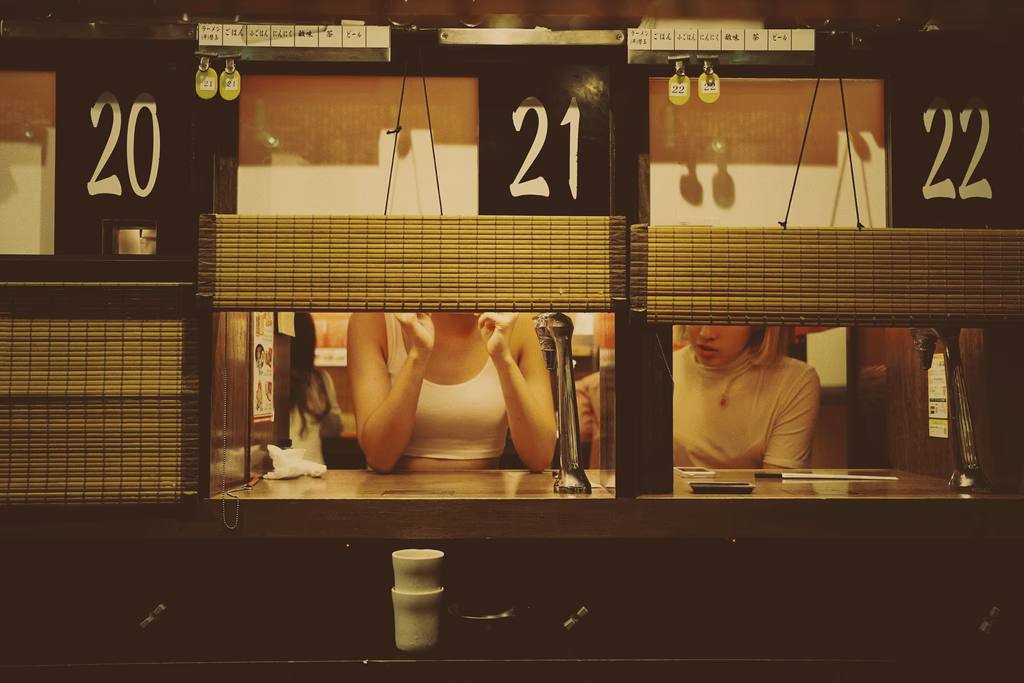
You sit at a counter facing the kitchen, shoulder to shoulder with other solo diners, watching the cooks. Nobody feels awkward about eating alone because nearly everyone is. With the ticket machine there's no back-and-forth with a server. The meal takes 15-20 minutes, and once you're done you leave. Nobody expects you to linger.
If you're traveling solo and feel self-conscious eating alone abroad, a ramen shop takes care of that. Nobody is looking at you; they're all busy with their bowls.
For a solo diner it usually goes: line up if you have to, buy a ticket, sit at the counter, hand it over, wait 3-5 minutes, eat, and go. From walking in to walking out is 20-30 minutes, short wait included, so you can fit ramen into almost any day in Tokyo without moving anything else around.
Some shops take it further. Ichiran's well-known solo booths have partitions between every seat, so you can't see your neighbor at all. It's made for introverts. The ramen is middling, but the setup is interesting enough to try once as a cultural experience.
For other solo-friendly food in Tokyo, yakitori counters and standing bars work the same way. For more on how Tokyo eats overall, our food scene guide has the wider picture.
Beyond the Bowl
Spend more than a few days in Tokyo and you'll end up eating ramen several times without planning to. It's cheap and fast, it's everywhere, and it's open late. Mix up the styles: don't have shoyu three times running. Try tsukemen on a warm afternoon, miso when it's cold, and tonkotsu late at night after drinks.
One easy approach is a ramen meal once a day, in a different style each time. On day one, have a shoyu near your hotel to get your bearings. On day two, make the trip to a specific famous shop. On day three, walk into whatever looks good wherever you happen to be. By the end of a week you'll know what you like.
Use the shops in this guide as a starting point. Tokyo's ramen scene changes quickly: shops open and close, and quality goes up and down. The Tabelog 100 Best list is updated every year and worth checking before you travel. The Ramen Database (ramendb.supleks.jp) is also useful, though it's only in Japanese.
Don't pass over neighborhood shops just because there's no line, either. Some of the best ramen in Tokyo is in small, unlisted places in residential areas, where the owner makes 100 bowls a day and closes when they run out. They rarely show up in online searches, so you find them by walking around. A shop with handwritten signs and a few people waiting is usually a good bet.
With sushi, more is riding on the choice and the prices are higher. Ramen costs little and rarely disappoints. Walk into almost any shop with a line of Japanese salarymen outside and you'll eat well.
If you'd like a local to take you through Tokyo's food neighborhoods, ramen spots that never make the English-language lists included, our Kushiyaki Confidential experience covers the backstreet food culture most visitors never find.