You'll remember three things from your Tokyo trip. The question is whether you chose them—or whether exhaustion chose them for you.
Whether you're booking Tokyo private tours as a first-time vs return visitor, the question isn't which one you are—it's what you'll remember. Most people remember three things from any trip. The question is whether you chose them, or whether exhaustion chose them for you.
The advice you'll hear sounds simple: first-timers need comprehensive overview tours, return visitors need hidden neighborhoods. This frames visit count as the key variable. It isn't.
Both recommendations are coverage strategies wearing different clothes. First-timers cover the canonical sites. Return visitors cover the secondary ones. The goal is the same—see as much as possible. The result is the same too.
You'll Remember Three Things
First-timers walk 25,000 steps trying to see everything. Return visitors chase new neighborhoods trying to see what they missed. Both strategies produce the same result: exhaustion punctuated by accidental discoveries.
You'll remember three things from your Tokyo trip. The question is whether you chose them—or whether exhaustion chose them for you.
The Game Everyone Plays
Most travelers arrive in Tokyo with the same instinct: see as much as possible. Time is limited. Flights were expensive. The list of must-sees is long. So they optimize for coverage.
This produces a predictable outcome. Tour operators see it constantly: travelers who try to squeeze too much end up remembering a blur. They talk about being exhausted. The trip becomes an adjective—"Tokyo was amazing"—instead of a story.
First-Timers Cover Horizontally
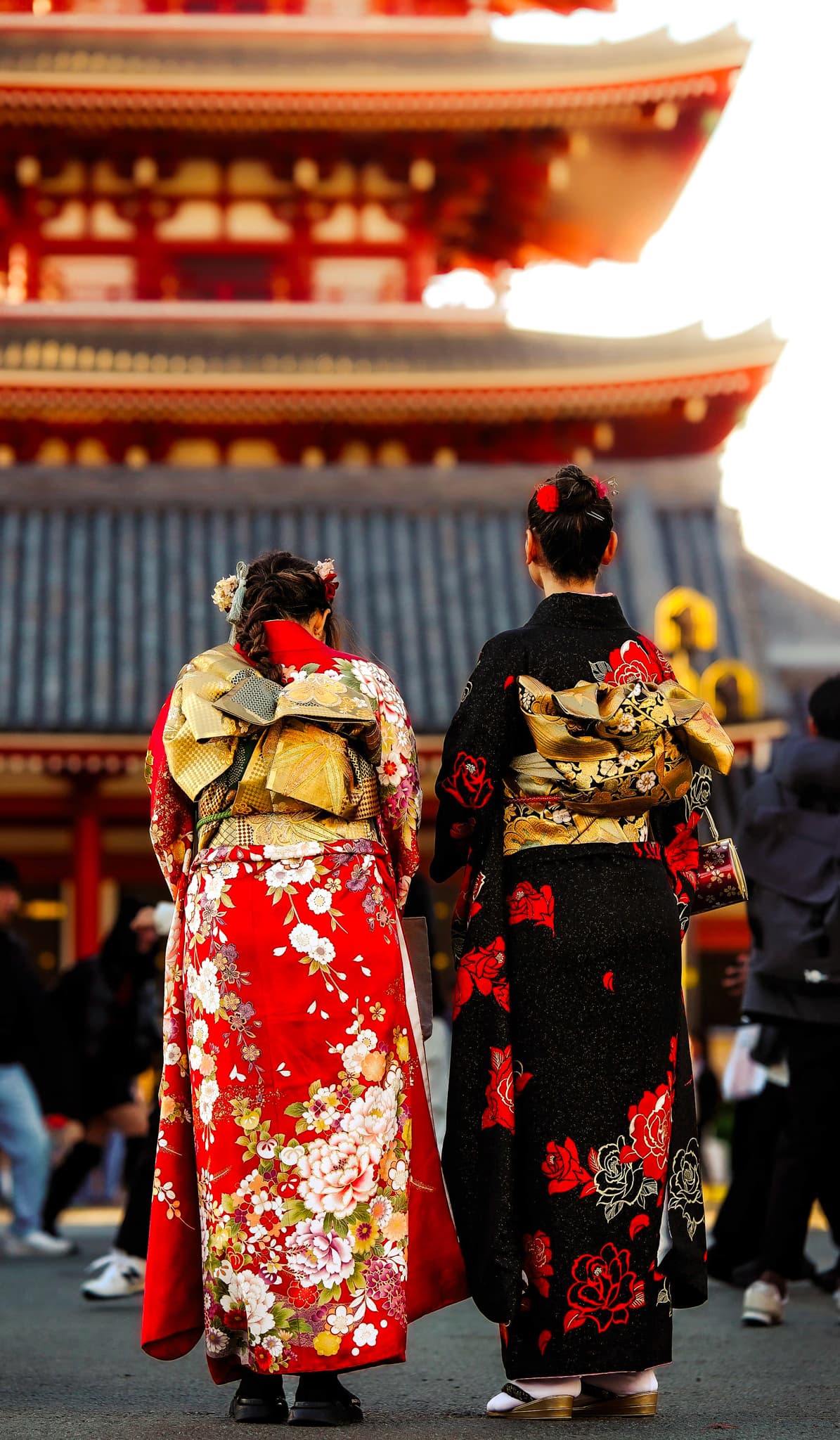
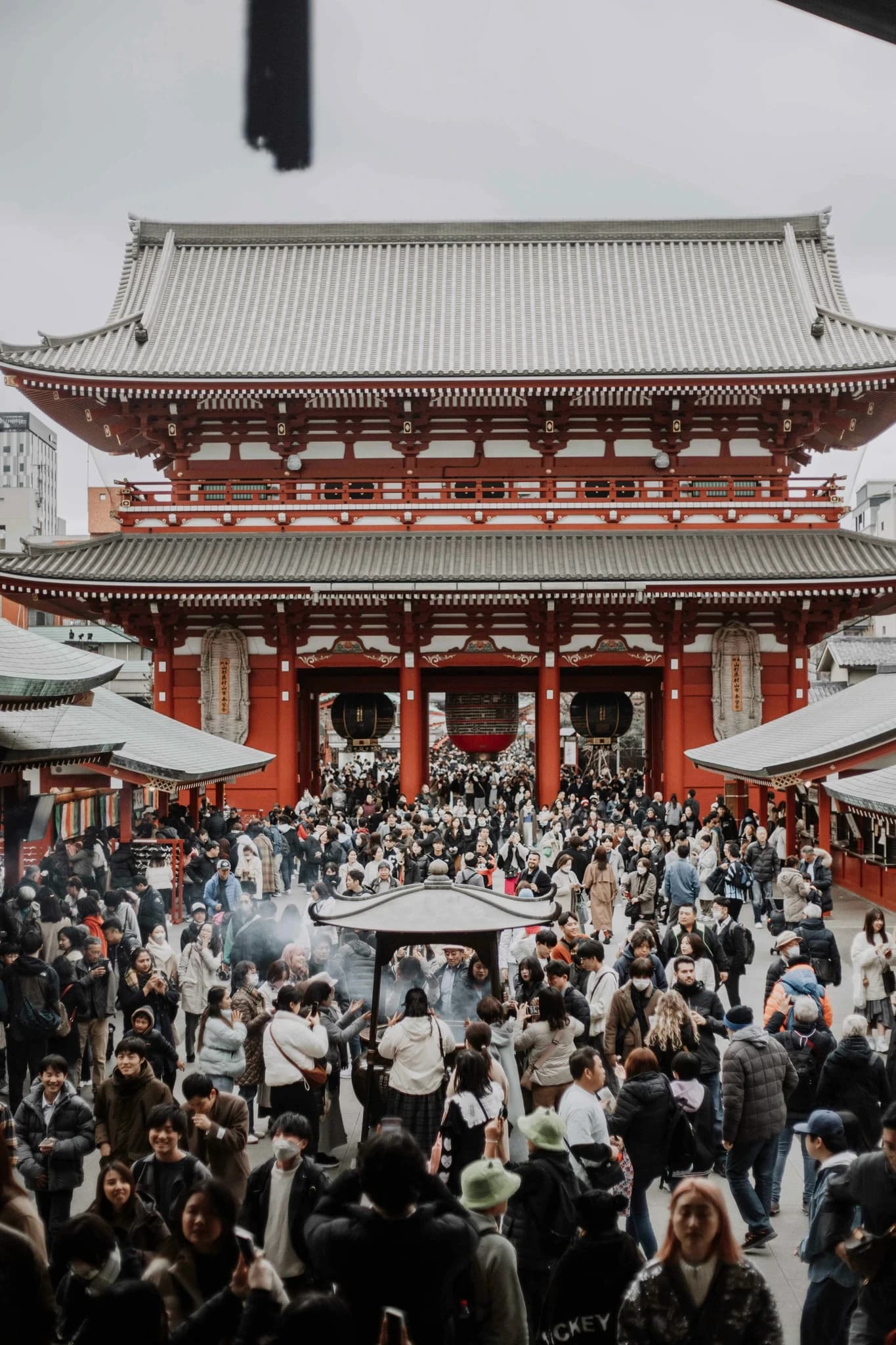
First-time visitors try to hit all the canonical sites. Senso-ji. Shibuya Crossing. Meiji Shrine. Tsukiji. Harajuku. Eight neighborhoods in three days. The itinerary optimizes for "not missing anything."
The logic makes sense. You've never been here. You might not come back. Why leave something important unseen?
But the execution breaks down. Trying to cover Shibuya, Shinjuku, and Asakusa in one afternoon is utterly exhausting. A full day of aggressive sightseeing means 15,000 to 25,000 steps. By evening, everything runs together. The temples blur. The shrines merge. You remember the one where you finally sat down.
Return Visitors Cover Geographically
Return visitors recognize the trap—or think they do. They skip the "tourist stuff" this time. They seek hidden neighborhoods. They optimize for "what I missed last time."
But this is the same strategy in different geography. Instead of covering the canonical sites, they're covering the secondary ones. Four new neighborhoods in two days. The goal is still breadth. The result is still exhaustion.
Same Strategy, Same Result
Both approaches produce the same outcome: exposure without understanding. You see places. You don't understand them. The moments you remember are the accidental ones—where you happened to stop long enough for something to register.
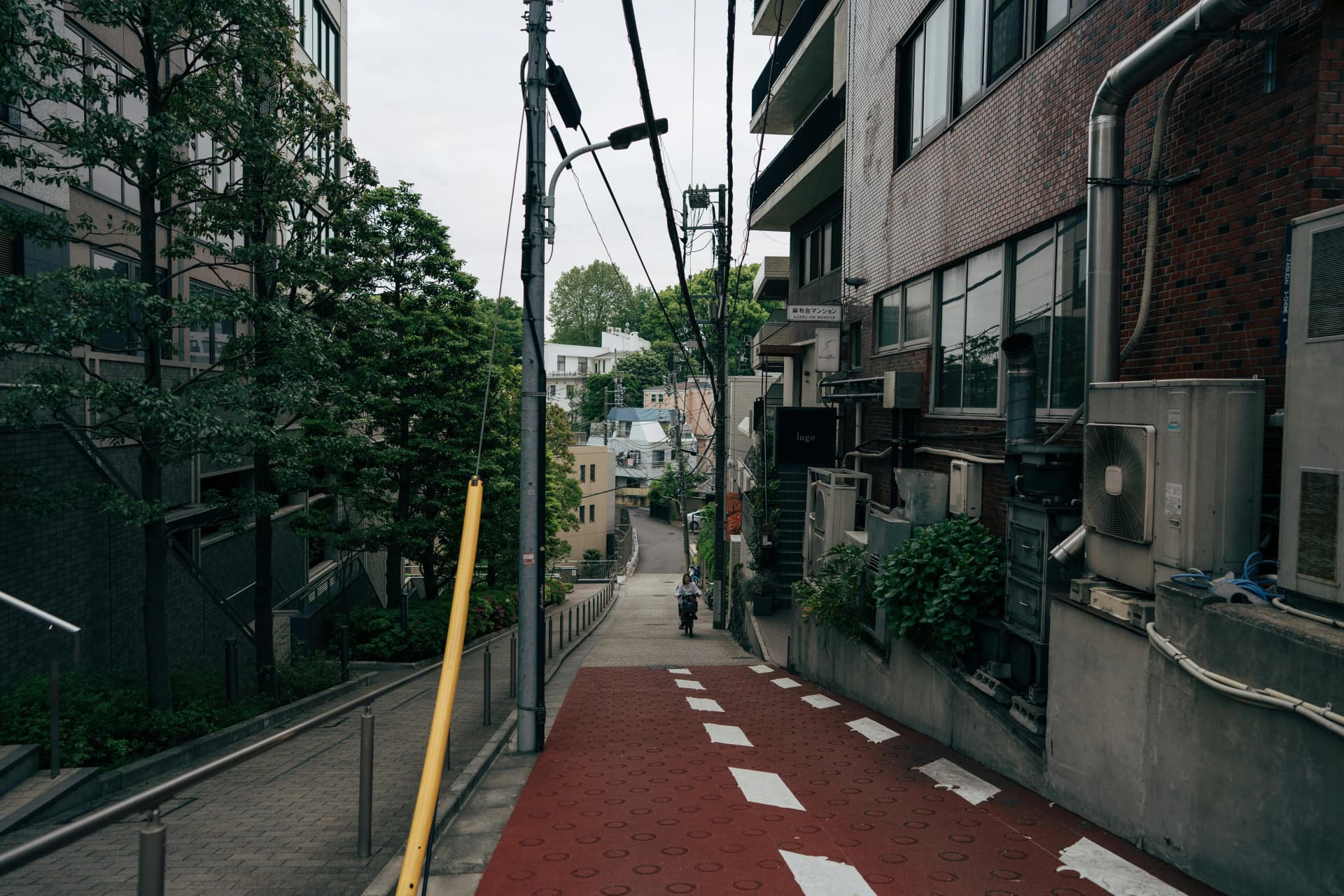
One traveler put it clearly: "I was afraid of doing nothing, so I booked things every hour. Looking back, the best moments were when I got lost in a small neighborhood and found a bakery with no sign. I wish I had done more of that."
The moments worth remembering weren't planned. They were where the coverage strategy broke down.
Why Your Trip Felt Incomplete
If you've been to Tokyo before, you probably came back for a reason. Something nagged at you. The trip was good, but it felt unfinished. You were there, but you weren't quite present.
The Blur Is Real
This isn't imagination. Over-scheduled travelers describe their trips this way. They can name places they visited but struggle to say what made each one distinct. The photographs exist. The memories are vague.
Moving constantly between sites leaves no time for anything to settle. You process logistics—which train, which exit, where next—instead of processing what you're seeing.
Why Return Visitors Come Back
The return trip exists because the first trip felt incomplete. But most repeat visitors repeat the same strategy. They cover new territory instead of approaching familiar territory differently.
One repeat visitor captured this honestly: "We covered quite a lot of ground last time, but we realize we barely scratched the surface of Tokyo."
That feeling—barely scratching the surface despite extensive coverage—is the signal. The problem isn't what you missed geographically. The problem is the approach.
Coverage Is an Unwinnable Game
Tokyo absorbs infinite time. Every neighborhood has enough to fill a week. Every station has enough exits to lose an hour. The city is designed for depth, not breadth.
Anthony Bourdain put it well: "For those with restless, curious minds, fascinated by layer upon layer of things, flavors, tastes, and customs, which we will never fully be able to understand, Tokyo is deliciously unknowable. I'm sure I could spend the rest of my life there, learn the language, and still die happily ignorant."
Coverage in Tokyo is a game you cannot win. The city always has more. The only question is whether you accept that and go deep somewhere—or exhaust yourself trying to see everything.
What Tokyo Actually Rewards
Tokyo isn't chaotic. It runs on rhythm. Once you stop fighting that rhythm, everything gets easier.
The City Has Its Own Logic
Pre-trip anxiety about Tokyo is real. Travelers describe an "overwhelming feeling" during planning. But the post-trip reality is different: Tokyo is logical. The chaos is surface-level. Underneath, there's order.
The travelers who enjoy Tokyo most are the ones who align with its rhythm instead of fighting it. They move when the city moves. They pause when the city pauses.
Rhythm Over Rushing
Tokyo's rhythm is distinct. Mornings are quiet—dead, really. Most shops don't open until 10 or 11 AM. The city comes alive after 5 PM.
This creates natural opportunities. Temples and shrines open early. Senso-ji's main hall opens at 6 AM. Meiji Shrine opens at sunrise. These places are different in the early morning—peaceful, local, meaningful—before the tourist crowds arrive.
The same place at different times is a different experience. One traveler arrived at Senso-ji at 8 AM and found it peaceful. By 10 AM, the area was packed. Same temple, two hours apart, completely different visit.
Understanding this rhythm is more valuable than covering more geography. More on the best time of day for Tokyo private tours.
The Two-Neighborhood Rule
Experienced travelers converge on the same advice: see no more than two neighborhoods per day. This isn't arbitrary. It's what works.
Two neighborhoods leaves time to actually experience them. Time to wander without checking the clock. Time to stop at the coffee shop that looks interesting. Time to sit on a bench and watch the city move around you.
Three or more neighborhoods means rushing. It means constantly thinking about the next destination instead of the current one. It means coverage.
Stories, Not Adjectives
The difference between coverage and depth isn't abstract. It shows up in what you can say when someone asks "How was Tokyo?"
The Adjective Problem
Coverage produces adjectives. "Tokyo was amazing." "So much to see." "Incredible energy."
These are true. They're also empty. Everyone who goes to Tokyo comes back with the same adjectives. They don't tell anyone anything. They don't capture what made your trip yours.
What You'll Tell People When You Get Home
Depth produces stories. Specific moments. Named places. Things that happened.
"We found a standing bar in Yurakucho, under the train tracks. The regulars taught us how to order. Spent two hours there."
"We watched the sun set from Yanaka and didn't want to leave. The guide explained what we were looking at, and suddenly all the symbols made sense."
Stories require time. They require stopping. They require being somewhere long enough for something to happen beyond just seeing it.
Choosing Your Three Things
The question is who chooses them. If you optimize for coverage, exhaustion chooses. You remember random accidents—the place you happened to sit down, the meal you happened to have when you were too tired to go anywhere else.
If you optimize for depth, you choose. You decide in advance: these matter to me. Then you give them enough time to become real experiences instead of photographs.
Which Strategy Are You Actually Using?
Most travelers don't consciously choose a strategy. They default to coverage without realizing it.
Signs You're Playing Coverage
-
Your itinerary has five or more distinct stops per day
-
You measure success by checkmarks—places visited, photos taken
-
You feel anxiety about "missing" something important
-
You check the time constantly, thinking about the next destination while still at the current one
-
You've calculated transit times between locations down to the minute
-
You've said some version of: "We only have three days, so we need to see as much as possible"
Signs You're Building Depth
-
You're willing to spend three hours in one place if it's interesting
-
You're okay leaving neighborhoods unexplored
-
You prioritize understanding over exposure
-
You've built unscheduled time into your itinerary
-
You're curious about why things exist, not just where they are
-
You care about coming home with stories more than photographs
The Fear That Drives Coverage
Coverage comes from fear. The fear of missing something important. The fear of wasting limited time. The fear of regret.
This fear is understandable. Flights are expensive. Time is limited. Tokyo is overwhelming. But the fear produces the opposite of what it intends.
Neither strategy is wrong. But know which one you're choosing. If you're unsure how much time to allocate, we break down tour duration tradeoffs separately.
Tours That Match Your Strategy
Match the tour to your strategy, not your visit count. First-time visitor and return visitor are the wrong categories. Coverage and depth are the right ones.
If You Want Depth Over Coverage
Depth tours optimize for understanding, not ground covered. Fewer stops. More time at each. Context for what you're seeing.
| Tour | Duration | What it emphasizes |
|---|---|---|
| Timeless Tokyo | 8 hours | 1,200 years of Tokyo's evolution—Kanda Myojin Shrine, Yushima Seido, Imperial Palace East Gardens, Yanaka, Asakusa's shitamachi backstreets |
| Ordinary Tokyo | 8 hours | How locals actually live—Togoshi Ginza, Shimokitazawa, Kichijoji, Marunouchi, Yurakucho |
If You're Escaping the Coverage Trap
Some tours build confidence for independent depth afterward. They orient you to the city so you can explore meaningfully on your own.
One repeat visitor put it this way: "I'd been to Tokyo many times before and still had never seen or heard of most everything he included in our tour." Return visitors often benefit more from guides than first-timers—the value shifts from navigation to interpretation.
| Tour | Duration | What it emphasizes |
|---|---|---|
| Tokyo Essentials | 6 hours | Sensory introduction to sites—orientation to navigate confidently on your own |
| Tokyo Trifecta | 4 hours | Three dimensions of Tokyo—spiritual calm, youth culture, neon nightlife—in a compact window |
If You Genuinely Want Maximum Coverage
Some travelers want breadth. They want to see as many places as possible. They accept the tradeoff—less depth, more exposure. That's a valid choice, but we're not optimized for it. Other operators pack in more stops, move faster, cover more ground. If that's what you want, they'll serve you better.
When Coverage Makes Sense
Coverage isn't wrong. It's a tradeoff. If you understand what you're trading, you can make the choice intentionally.
The Right Reasons
Coverage makes sense when:
-
You have very limited time (two days or less)
-
Your priority is Instagram-worthy locations
-
You prefer breadth over depth
-
You accept that exhaustion is part of the deal
The trap isn't choosing coverage. The trap is defaulting to it without realizing you're choosing it. Here's when you might not need a private tour at all.
What You're Trading
| Coverage produces | Depth produces |
|---|---|
| More places visited | Fewer places, but remembered |
| Photographs of locations | Stories about moments |
| Adjectives ("amazing," "incredible") | Specific details you can share |
| "I need to come back" | "I understood something" |
The trip will feel fast. By the end, you'll be tired. You might find yourself thinking: I need to come back. There's so much I didn't really see.
We're Probably Not the Right Fit
If coverage is your goal, we're not the right match. Our tours spend more time in fewer places. We optimize for understanding.
Self-selection matters. A tour that doesn't fit your goal is a bad tour, regardless of quality. Better to know now.
Seasonal Timing for First-Time vs Return Visitors
Your visit number affects which season makes sense.
| Season | First-Time Visitors | Return Visitors |
|---|---|---|
| Cherry blossom (late Mar–early Apr) | but crowded. Coverage instinct kicks in—"must see sakura everywhere." Exhausting. | You've done the famous spots. Now you can find quiet viewing and skip the tourist crush. |
| Golden Week (Apr 29–May 6) | Overwhelming. Everything crowded. Not recommended for orientation visits. | Still crowded, but you know what to avoid. Can focus on experiences that work despite crowds. |
| Summer (Jun–Aug) | Challenging for first-timers. Heat exhausts you before you learn the city. | You know where the AC is. Can pace yourself. Night tours work well. |
| Autumn (Oct–Nov) | Ideal for first visits. Pleasant weather, manageable crowds, city at its most photogenic. | Excellent for depth visits. Foliage adds beauty without the cherry blossom frenzy. |
| Winter (Dec–Feb) | Quieter, cheaper, but cold limits exploration stamina. Good for budget-conscious first-timers. | Best for depth. Fewest tourists. Bars and restaurants easy to access. Intimate atmosphere. |
The first-timer trap: First-time visitors often book during cherry blossom season because it's "the best time." But peak season amplifies the coverage instinct—you feel pressure to see everything while conditions are "perfect." This produces exhaustion, not depth.
The return visitor advantage: You can time visits for what you actually want. Love nightlife? Winter's empty bars beat summer crowds. Want gardens? Autumn foliage with fewer tourists. Interested in festivals? Summer matsuri season. Repeat visitors can optimize for experience rather than "best time."
Our recommendation: First-timers benefit most from autumn visits—comfortable weather, moderate crowds, the city looking its best without peak-season pressure. Return visitors can choose any season based on what they want to experience.
Budget Guidance: First-Time vs Return
First-Time Visitor Budget Reality
First-timers often underestimate Tokyo costs or overbudget in the wrong areas:
| Category | Common Mistake | Better Approach |
|---|---|---|
| Accommodation | Splurging on fancy hotel you'll barely use | Mid-range in good location; you'll be out all day |
| Food | Budgeting too little ("ramen is cheap") | ¥3,000-6,000/day realistic; good meals aren't all cheap |
| Transportation | Buying expensive rail passes | IC card + pay-as-you-go usually cheaper for Tokyo-only trips |
| Attractions | Over-budgeting for entry fees | Most temples/shrines free; museums ¥1,000-2,000 |
| Guide | Skipping to save money | Learning curve costs more in wasted time on short trips |
First-timer daily budget (realistic):
- Budget: ¥10,000-15,000 ($65-100) excluding accommodation
- Comfortable: ¥15,000-25,000 ($100-165) excluding accommodation
- Splurge: ¥25,000-40,000 ($165-265) excluding accommodation
Return Visitor Budget Shift
Return visitors spend differently—less on must-sees, more on depth experiences:
| First Visit Spending | Return Visit Spending |
|---|---|
| Transportation across Tokyo | Focused neighborhood exploration |
| Major attractions | Specialist experiences (craft workshops, food tours) |
| Tourist-friendly restaurants | Reservations at local spots |
| Shopping for souvenirs | Shopping for specific interests |
| Trying to cover everything | Investing in fewer, deeper experiences |
Return visitor budget note: You'll often spend more per day on a return visit—not because Tokyo gets more expensive, but because you're buying experiences rather than checkmarks. A private izakaya tour, a pottery workshop, or a kaiseki dinner costs more than rushing between free shrines.
Where a Guide Fits in Your Budget
| Trip Length | Guide Allocation | Reasoning |
|---|---|---|
| 3 days, first visit | Day 1 (full day) | Framework-building maximizes remaining 2 days |
| 5 days, first visit | Day 1 or 2 (full day) | Orientation plus time to apply learning |
| 7+ days, first visit | Optional (half day) | Time to learn independently; guide adds depth |
| Return visit, any length | Specialist tour | Skip orientation; focus on specific interests |
The math: A $500 guide on a 3-day first visit costs ~17% of a $3,000 trip budget. If it saves 4-6 hours of navigation time and unlocks experiences you'd miss, the ROI is significant. On a 7-day trip where you have time to learn, the same $500 represents lower ROI—you can absorb the learning curve yourself.
For detailed pricing across tour types, see our Tokyo private tour pricing guide.
Frequently Asked Questions
What's the difference between Tokyo private tours for first-time vs return visitors?
The real difference isn't your visit count -- it's your strategy. First-timers tend to cover canonical sites horizontally (Senso-ji, Shibuya, Meiji Shrine), while return visitors cover secondary neighborhoods geographically. Both are coverage strategies that produce exhaustion. The better distinction is whether you want breadth or depth, regardless of how many times you've visited.
How many neighborhoods should I visit per day in Tokyo?
Experienced travelers converge on no more than two neighborhoods per day. This leaves time to actually experience each area -- wandering, stopping at interesting shops, sitting on a bench. Three or more neighborhoods means rushing and constantly thinking about the next destination instead of the current one. First-timers who try to hit eight neighborhoods in three days typically walk 15,000 to 25,000 steps and remember a blur.
When is the best time of year to visit Tokyo for first-time visitors?
Autumn (October-November) is ideal for first visits -- pleasant weather, manageable crowds, and the city at its most photogenic without peak-season pressure. Many first-timers book during cherry blossom season thinking it's "the best time," but peak season amplifies the coverage instinct and produces exhaustion rather than depth. Winter is best for return visitors wanting depth, with fewer tourists and easy access to bars and restaurants.
How much should I budget per day for a Tokyo trip?
A realistic budget excluding accommodation is 10,000-15,000 yen ($65-100) per day for budget travelers, 15,000-25,000 yen ($100-165) for comfortable spending, and 25,000-40,000 yen ($165-265) for splurging. Return visitors often spend more per day because they shift from free shrines and transportation costs to specialist experiences like craft workshops, food tours, and kaiseki dinners.
Is it worth hiring a guide on your first trip to Tokyo?
For a 3-day first visit, a full-day guide on Day 1 costs about 17% of a $3,000 trip budget. If it saves 4-6 hours of navigation time and unlocks experiences you'd miss, the ROI is significant. The guide builds a framework for understanding the city that makes your remaining days more productive. On longer trips (7+ days), you have time to absorb the learning curve yourself, making a guide optional.
Where Hinomaru One Fits
Our tours are built for depth, not coverage. Fewer stops. More time at each. Context that turns sites into stories. Whether it's your first visit or your fifth, we match the tour to your strategy—not your visit count.
At Hinomaru One, we design culturally rich, stress-free private Tokyo tours for first-time and seasoned travelers. Unrushed. Insightful. Always customized.