The street you see on Instagram is the surface of a neighborhood that lost its own name sixty years ago.
Harajuku is the most photographed neighborhood in Tokyo, and on paper it doesn't exist. The official place name has been Jingumae since 1965. The word survives because a railway station kept it, and the station is where everyone gets off.
Visitors arrive looking for a single place and find four: Takeshita-dori, Togo Shrine, Cat Street, and Omotesando. The name they're following belongs to a village the postal system retired decades ago. Each of the four has its own history, and none of them matches the crepes-and-crowds version most guides lead with.
The Name Came From a Post-Station on the Kamakura Road
In the feudal era the land between Shibuya and Shinjuku was a broad grassland called Sendagahara. A branch of the Kamakura Kaido, the old highway from Kamakura to northern Japan, ran through it, and a small post-station (shukuba) grew up in the grass. Hara means field, juku means station. Harajuku.
Harajuku Station opened in 1906 on the new Yamanote Line and borrowed the village name. In 1919 the approach road to the newly built Meiji Shrine was widened into the avenue we now call Omotesando, "the front approach." In 1965, during a nationwide cleanup of Tokyo addresses, the ward merged Takeshita-cho, Onden, and Harajuku-mura into one district called Jingumae, and the old names dropped out of the postal system.
Two of them hung on anyway. The station was already famous, so "Harajuku" stuck as the name for everything within walking distance. The shopping lane running down from the station kept "Takeshita" because the signs and the habit were already in place. So Takeshita-dori is named after a district that no longer exists. It has nothing to do with a person or with bamboo.
Togo Shrine Exists Because of a Naval Battle in 1905
Most people walk right past the entrance. The stairs are on the left side of Takeshita-dori, about 160 meters up from the station, squeezed between two crepe shops. At the top is a seven-acre compound with a pond and old pines, and it is quiet in a way that seems impossible next to one of the loudest streets in Tokyo.
The shrine honors Togo Heihachiro (1848-1934), a Marshal-Admiral in the Imperial Japanese Navy. In May 1905, in the closing months of the Russo-Japanese War, Togo led the Combined Fleet against the Russian Baltic Fleet in the Tsushima Strait. The Russian squadron had sailed 18,000 nautical miles from the Baltic to get there, and Togo sank or captured most of it, the victory that keeps his name known in Japan today.
After Togo died, public donations paid for a shrine, which opened in 1940 on land transferred from the Ikeda family estate. In March 1945 American firebombing burned the buildings down, along with most of eastern Tokyo. What stands now was rebuilt in 1964, the same year the Olympics arrived and the neighborhood changed completely. So the shrine is a postwar reconstruction that happens to look prewar, which is also why the Hello Kitty charms at the office feel less odd than guidebooks make them sound.
Washington Heights Explains Why Takeshita-dori Even Happened
From 1946 to 1964, the land directly west of Harajuku Station was a gated US military housing compound called Washington Heights. The occupation had requisitioned an old army parade ground, and the Air Force built roughly 250 detached houses and a few apartment blocks for its personnel and their families. American kids rode bikes and American mothers shopped at the PX, while Tokyo teenagers grew up next to a slice of suburban America and looked in through the fence.
Shops along Omotesando started catering to the Americans. Oriental Bazaar and Kiddyland both trace their current locations to this period. The neighborhood was selling Japanese things back to foreigners decades before anyone here talked about tourism.
In 1964 the US handed the land back. The southern half became Yoyogi Park. The northern half briefly held the Tokyo Olympics athletes' village, with some of the wooden American houses reused as dormitories for foreign delegations, and Kenzo Tange's curved-roof Yoyogi National Gymnasium opened next door. Where the fence had been there was now a park, and the teenagers who used to look through the wire had a huge open space on their doorstep.
Takeshita-dori Was a Residential Street Until the Mid-1970s
Photographs from 1960 show Takeshita-dori with houses, bicycles, and a dozen pedestrians. Japanese sources describe it as a sleepy residential strip through that whole decade.
The local merchant association counts 1974 as its year one. That's when Palais France opened at the Meiji-dori end of the lane and the first cluster of fashion boutiques took hold. The association itself formed in 1977, and the following year Laforet Harajuku opened on the Omotesando side, a whole building of small independent fashion tenants.
1977 is also when Tokyo began closing Omotesando to traffic on Sundays, creating the hokoten, or "pedestrian paradise." Rock bands set up amps on the tarmac. A loose crew of dancers in crinoline skirts and pompadours called themselves the takenoko-zoku, the "bamboo-shoot tribe," after Boutique Takenoko on Takeshita-dori, where they bought their outfits. They were the first visible Harajuku fashion subculture. They started out on Omotesando because that's where the road was closed, and Takeshita did well out of it because it was one block away and had the shops. The Sunday closures ended in 1998, and by then the pattern was set.
FRUiTS Magazine and the 20 Years That Made Harajuku Famous Abroad
Shoichi Aoki had been photographing street fashion since the mid-1980s, first for a magazine called STREET that covered London and Paris. In 1997 he started a second one, FRUiTS, about Harajuku and nothing else. He would walk to Jingu Bridge or the Sunday hokoten, find someone whose outfit he liked, and ask for a portrait. The first cover was a girl named Aki Kobayashi. He later told an interviewer, "I knew that fashion was moving tangibly, so I decided to begin FRUiTS."
Over 20 years the magazine put out 233 issues, almost all portrait photography with very little text. It covered decora, gothic lolita, visual kei, cyberpunk, and Harajuku girls. International designers collected the back issues, and pretty much every article you've read about "Japanese street style" borrows from Aoki's work.
In February 2017 Aoki stopped. He gave one sentence as the reason: "There are no more fashionable kids to photograph." Fast fashion had flattened the silhouettes, and social media had moved the photography off the street and onto phones. Kids who used to spend a month putting an outfit together now posted it to Instagram and went home. They still cared about clothes; they had just stopped gathering in one place where a photographer with a magazine could find them.
Omotesando Hills and the Apartment Block That Stood for 75 Years
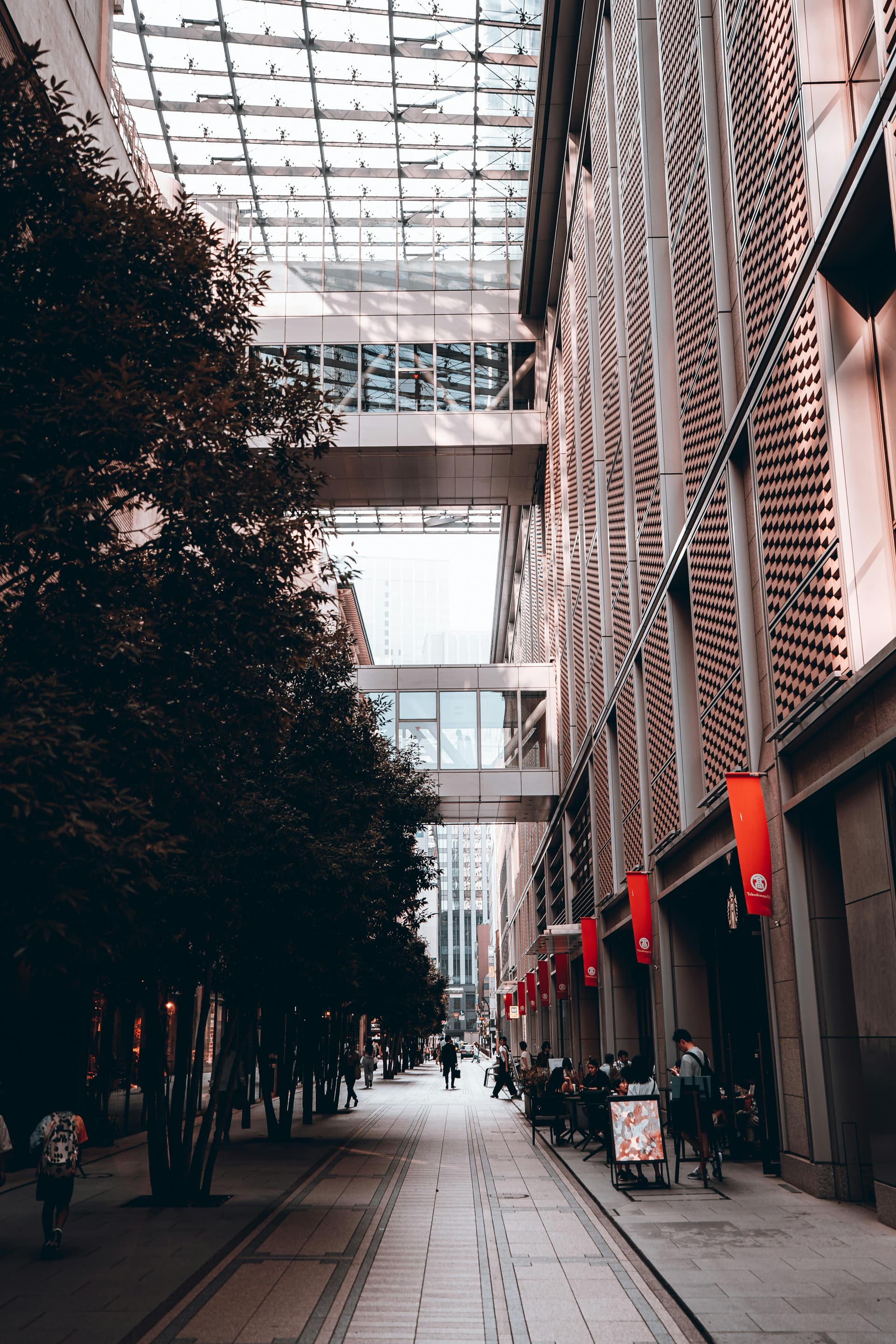
Walk south from Takeshita-dori and the scale changes. Omotesando is 400 meters of zelkova trees and luxury flagships along one long sloping avenue. Its best-known building is Omotesando Hills, a Tadao Ando design that opened in 2006 on the site of something older.
From 1927 until 2003 that block held the Dojunkai Aoyama Apartments, four-story reinforced concrete housing built by the semi-public Dojunkai corporation after the 1923 Great Kanto Earthquake flattened most of Tokyo's wooden buildings. Dojunkai Aoyama was one of the first modernist housing experiments in Japan, and by the 1990s one of the last ones standing. Artists had turned the ground-floor apartments into galleries and boutiques. Architects wanted it preserved and developers wanted it gone.
Ando's commission was the compromise. He kept the new building to roughly 18 meters, the height of the zelkova canopy, and put most of its bulk underground. The spiral ramp inside follows the actual gradient of Omotesando, so walking it feels like walking the street. He also rebuilt one corner of the old apartments as a wing called Dojunkan. It's a reproduction of the original, built new.
Cat Street Is Built on a Covered River
A few minutes from Takeshita-dori, behind Meiji-dori, a narrow pedestrian path bends and doubles back where you'd expect it to run straight. Locals call it Cat Street. Its official name is Kyu-Shibuyagawa Yuhodo, "the old Shibuya River promenade," and that's literal: the Shibuya River used to run along this route. Before the 1964 Olympics, Tokyo covered the river's upper course, sent the water into an underground culvert, and paved the surface as a pedestrian lane. Every curve in Cat Street follows the river's old path, and the buildings sit in uneven clumps along the former banks instead of on a grid, all the way down the kilometer between Harajuku and Shibuya.
The Current Harajuku Is Quieter Than You've Been Told
Most international guides still describe the Harajuku of roughly 1995 to 2010: peak FRUiTS, peak fashion tribes, Sundays when Jingu Bridge looked like a costume party. That version is mostly gone, and what remains of the scene has spread out across the neighborhood.
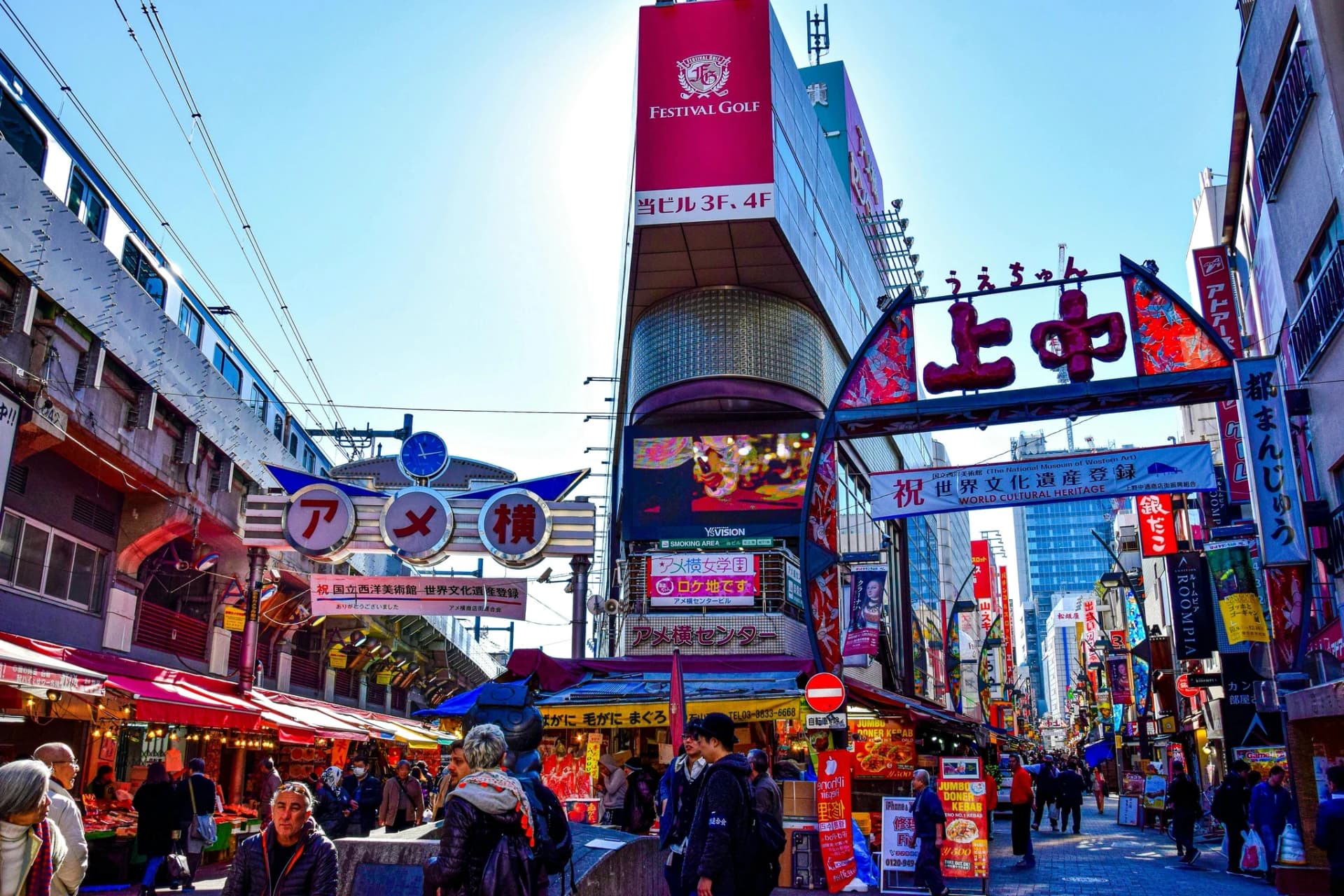
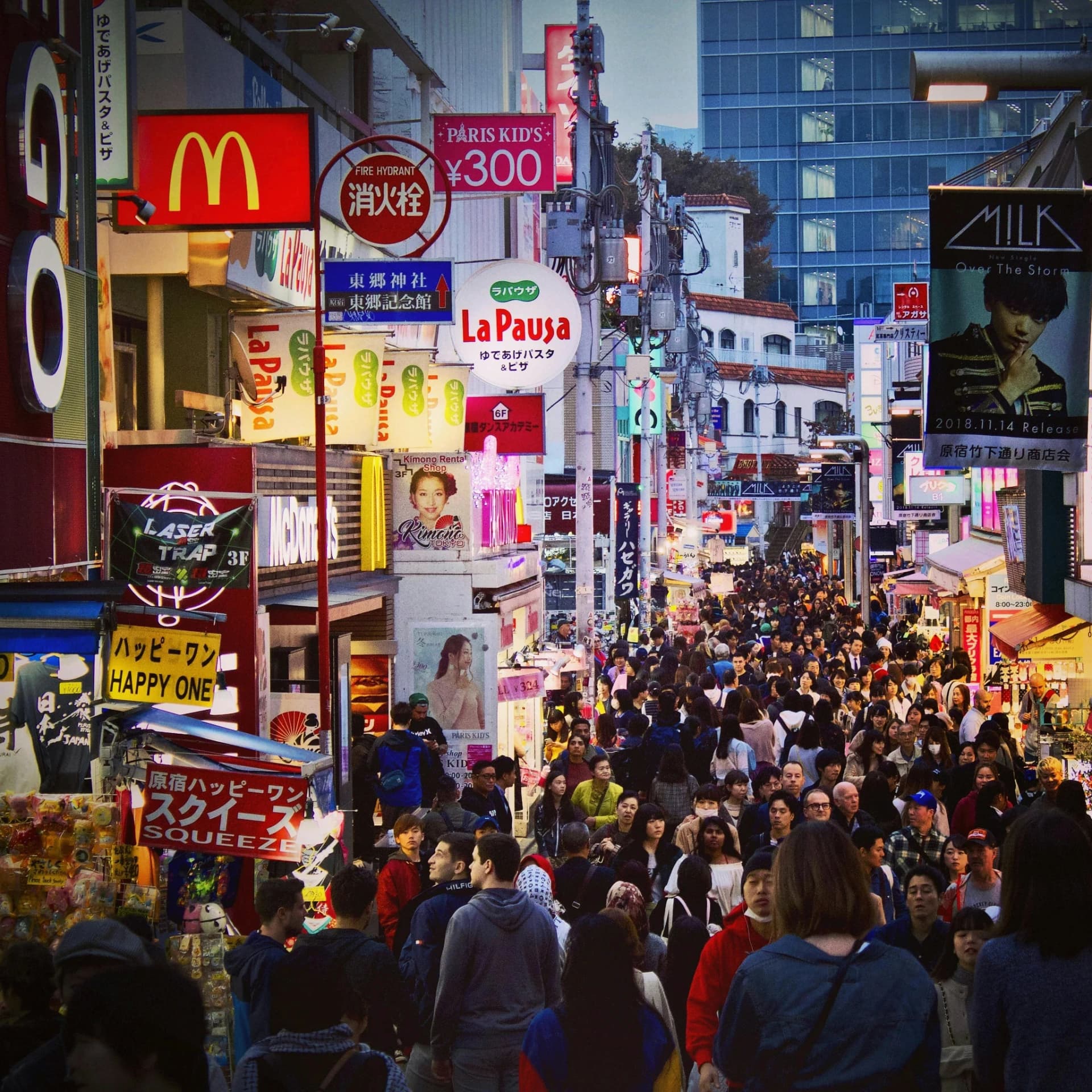
Takeshita-dori today sells crepes, purikura, anime merchandise, fast fashion, and kawaii tourist goods sized for Japanese teenagers. It's busy and loud, and Japanese writers have been saying for years that it's less interesting than it used to be. The serious fashion moved into the basements and second floors of Ura-Harajuku, the "back" Harajuku behind the main strip, where streetwear brands like A Bathing Ape, UNDERCOVER, and NEIGHBORHOOD opened their flagships in the 1990s. Those shops are still there, and they don't advertise.
Cat Street is the calmer option for people in their twenties and thirties, with independent boutiques, vintage shops, and coffee. If vintage and secondhand is what you're after, Shimokitazawa is a 10-minute train ride away and worth the trip. On Sunday afternoons, weather permitting, a group of rockabilly dancers still performs at the southeast corner of Yoyogi Park near the Harajuku entrance. Some of them have been dancing there since the late 1970s, which makes them the last unbroken link to the 1977 hokoten era, and we're always a little surprised how few fashion pilgrims go and find them.
How to See Harajuku Without Wasting an Afternoon
With 45 minutes, walk Takeshita-dori once, take the stairs up to Togo Shrine, spend ten minutes in the compound, and leave. You'll see what everyone comes for, plus the shrine most of them miss.
With two hours, add Cat Street and a loop through the Ura-Harajuku backstreets. Don't shop to a plan. The good entrances are unmarked.
With half a day, include Omotesando. Walk it slowly, look up at the zelkovas, and go inside Omotesando Hills for Ando's spiral and the Dojunkan wing. If you still have energy, carry on south along Cat Street toward Shibuya. The walk follows the buried river and takes about fifteen minutes.
The calmest window is 10am to 11am on a weekday, before school lets out. On weekend afternoons you'll be shuffling.
Two Ways to Experience Harajuku with a Guide
The Tokyo Trifecta tour (4 hours, from $314 for 2 people) runs from Meiji Jingu through Harajuku and Omotesando, then on to Shibuya and Shinjuku. Harajuku gets about an hour, which is enough to walk Takeshita with some context and see where the neighborhood sits in Tokyo's youth-culture corridor.
The Infinite Tokyo tour (8 hours, from $550 for 2 people) is fully customizable. If you came specifically for Harajuku's fashion and history, it gives you time to wander the Ura-Harajuku backstreets, catch the rockabilly dancers in Yoyogi Park, and follow the story from Washington Heights to FRUiTS magazine and whatever comes next.
Where Hinomaru One Fits
On our private Harajuku tour, the neighborhood is one chapter in a longer story: how the city turned occupation-era land into a youth-culture economy in two generations. Your guide can show you where the Washington Heights fence used to run, take you to the corner of Togo Shrine where the quiet and the street noise sit closest together, and explain why Ando stopped Omotesando Hills at the treeline. They know which Ura-Harajuku basement entrances are worth ducking into, when the rockabilly dancers will be in Yoyogi Park, and how Cat Street's curves follow the old Shibuya River bed under your feet.
Frequently Asked Questions
Is Harajuku the same as Omotesando? No. Harajuku is the informal name for the area around Harajuku Station, centered on Takeshita-dori. Omotesando is the tree-lined avenue running south from Meiji Shrine toward Aoyama. Both sit in the same postal district, but the feel changes over the ten-minute walk between them: Takeshita is teenagers and cheap fashion, Omotesando is luxury brands and architecture.
Why is Takeshita-dori called "Takeshita"? It's named after Takeshita-cho, a district that existed until 1965, when Tokyo folded several neighborhoods into the current Jingumae address. The street kept the old name, so it refers to a former address rather than a person.
Is Togo Shrine worth visiting? If you want ten minutes of quiet in a crowded day, yes. It's a short detour off Takeshita-dori, and the contrast with the street outside is the reason to go. For a major spiritual site, go to Meiji Shrine instead, on the other side of the station and an order of magnitude bigger.
Is Harajuku fashion still a thing? Partly. The street-tribe scene FRUiTS documented from 1997 to 2017 has mostly scattered. Japanese teenagers still care about clothes, but they rarely gather on Jingu Bridge in full costume the way they did in the FRUiTS years. The streetwear brands that came out of Ura-Harajuku in the 1990s are still going. You just need to know which basement entrance to use.
Is Cat Street really built on an old river? Yes. The upper Shibuya River was covered over in 1964 as part of the infrastructure work for the Tokyo Olympics. The pedestrian path sits directly on top of the culvert, and its curves follow the original riverbed.