Shinjuku defeats visitors who try to "do Shinjuku." The ones who pick one trip and commit? They get it.
Shinjuku beats the visitors who try to "do Shinjuku." The ones who pick one trip and stick with it come away happy.
The station handles 3.6 million people a day, and the district around it is several places at once, each with its own exits and its own hours.
We count five separate trips sharing one station: a garden escape, city views, food, nightlife, and Korean culture. Pick the one that matches what you actually want.
The Station That Defeats Visitors
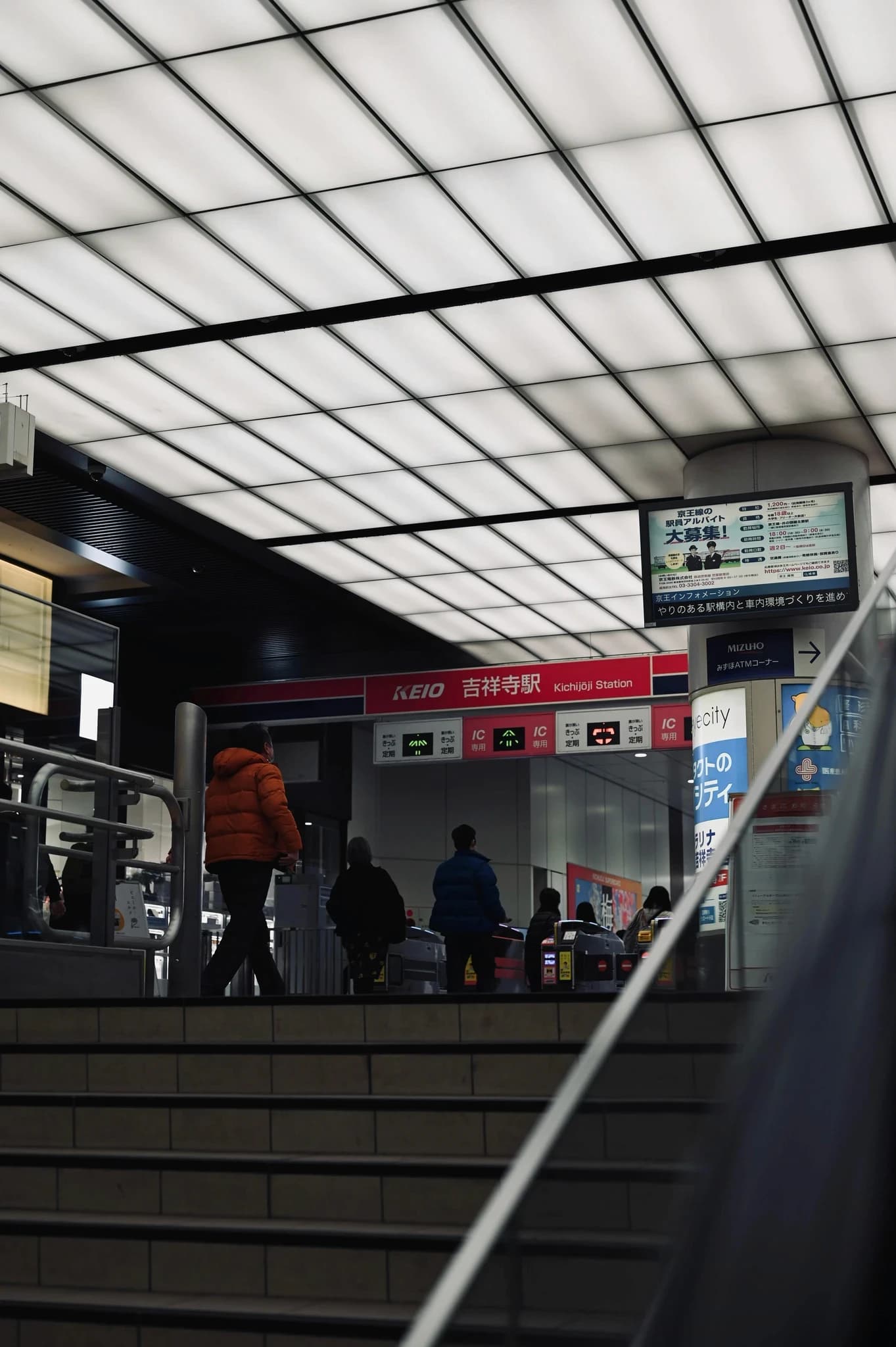
Every Shinjuku visit starts the same way, climbing out of the world's busiest station into a district that sprawls in every direction. With over 200 exits and 11 rail lines meeting underground, the station is the first thing you have to get past.
For any single trip, one exit is all you need to know.
Three Districts, One Station
Shinjuku has three zones, and each is reached from different exits.
West Shinjuku has the corporate towers, the Metropolitan Government Building, the expensive hotels, and the free observation deck. It's the part of Tokyo that looks like a science fiction film.
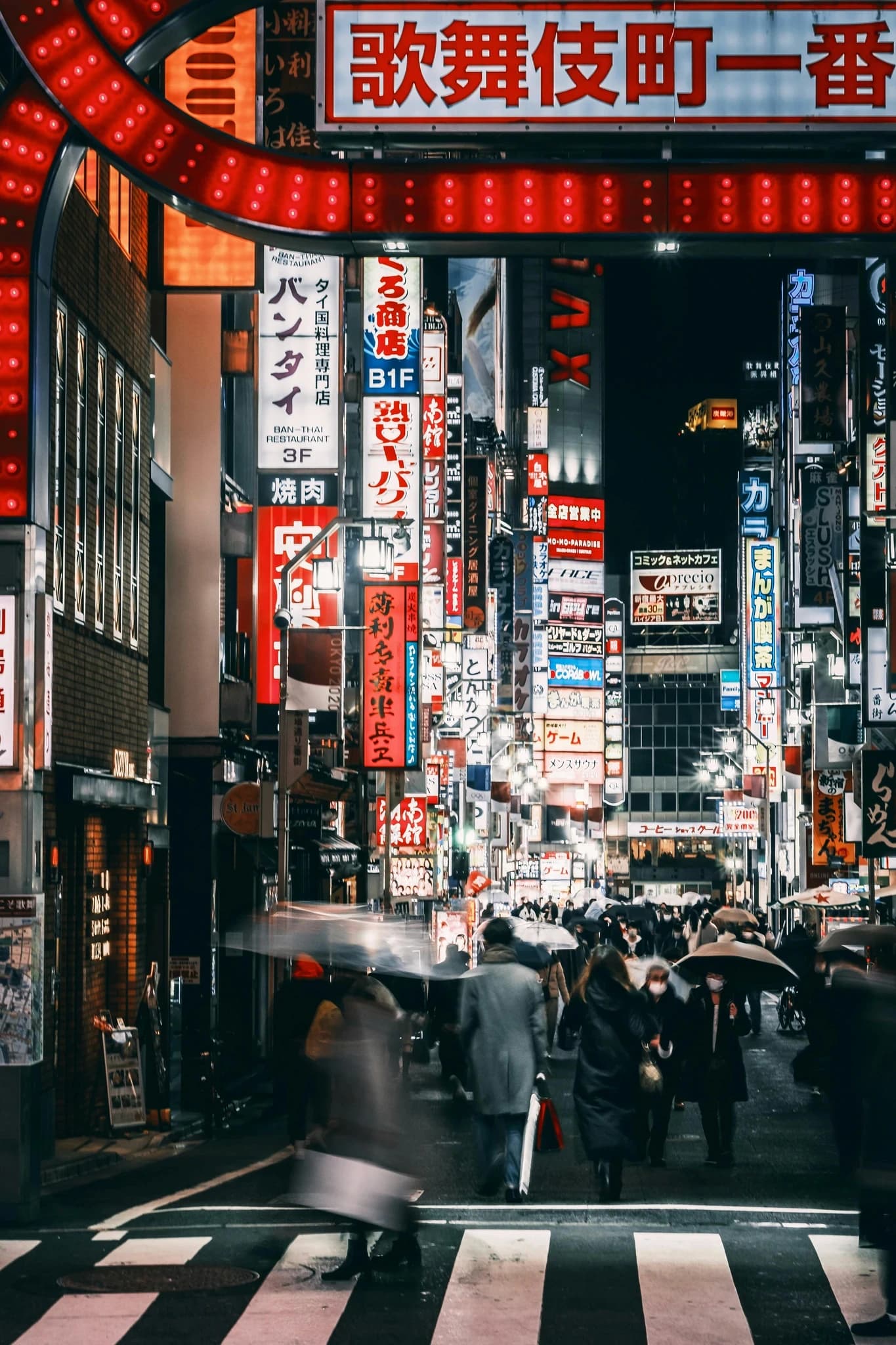
East Shinjuku has Kabukicho's neon, Golden Gai's tiny bars, the yakitori smoke of Omoide Yokocho, and entertainment that runs all night. This is the Shinjuku people have heard about.
South Shinjuku is the way to Shinjuku Gyoen, Isetan's high-end depachika, and the quieter Shinjuku-sanchome neighborhood, which is where locals spend their time.
Exit Cheat Sheet by Trip
| Your Trip | Exit | Walk Time | Notes |
|---|---|---|---|
| Garden Escape (Gyoen) | New South Gate or Shinjuku-sanchome Station | 10 min / 5 min | Shinjuku-sanchome is closer to garden gates |
| Tokyo From Above | West Exit | 10 min | Follow signs to Government Building |
| Food Culture (Isetan) | Shinjuku-sanchome Station | 0 min | Direct underground connection |
| Nightlife (Golden Gai) | East Exit | 5 min | Walk through Kabukicho |
| Nightlife (Omoide Yokocho) | West Exit | 2 min | Under the tracks, north side |
| Korean Culture (Shin-Okubo) | Separate station | 2 min train | One Yamanote Line stop north |
With the right exit, Shinjuku is manageable. With the wrong one, you'll spend 20 minutes in underground passages wondering why you came.
Trip 1: The Garden Escape
Shinjuku Gyoen puts three garden styles inside one wall.
The Japanese Traditional Garden has winding paths around a central pond, teahouses placed for sitting and looking, and the careful asymmetry of Japanese landscape design. The Garden of Words is set here. Makoto Shinkai took thousands of photos in the garden before animating the film, and fans still come to the azumaya shelter by the pond where the two leads meet.
The French Formal Garden is all geometry: plane trees in rows and rose beds that peak in spring and autumn. The sightlines are deliberate. From the right spot you'll see the NTT Docomo Yoyogi Building framed neatly through the trees.
The English Landscape Garden has rolling lawns where families spread picnic blankets and huge trees older than the garden itself, which was finished in 1906. It feels like an English country estate dropped into Tokyo.
Gates, Timing, and the Reservation Question
Hours are 9:00 AM to 7:00 PM, with last entry at 6:30 PM. Plenty of guides still say 4:30 PM; they're out of date, and the longer hours give you a lot more room. On summer weekends (July-September) the garden opens at 7:00 AM.
Entry is ¥500 for adults and free for middle school students and younger.
Cherry blossom season changes things. On peak weekends in late March and early April, you need a reservation between 10:00 AM and 4:00 PM. Come before 10:00 AM or after 4:00 PM and you skip the system. Annual pass holders are exempt.
There are three gates:
-
Shinjuku Gate: the main entrance, 10 minutes from JR Shinjuku's south exit and 5 minutes from Shinjuku-gyoenmae Station
-
Okido Gate: 5 minutes from Shinjuku-gyoenmae Station, near the greenhouse
-
Sendagaya Gate: 5 minutes from JR Sendagaya Station, and a quieter way in
If you're pairing the garden with Isetan's depachika, use Shinjuku Gate. Buy a bento in Isetan's basement, walk 10 minutes, and eat lunch on the lawn.
The Depachika-to-Gyoen Flow
Isetan opens at 10:00 AM. Browse the B1 food hall and pick up something good; some of the prepared food comes from vendors whose own shops have waiting lists. Walk 10 minutes to Shinjuku Gate, find a bench or a patch of lawn, and take your time eating.
By early afternoon you've done Shinjuku's food and its garden without rushing either.
Trip 2: Tokyo From Above
West Shinjuku was built up after the 1960s as a place for Tokyo's corporate headquarters, and the glass towers feel nothing like the rest of the city. Come here if you want to see Tokyo spread out below you without the crowds or the ticket prices.
The Free 202-Meter View
The Tokyo Metropolitan Government Building has observation decks at 202 meters, and they're free.
The North Observatory is open 9:30 AM to 5:00 PM and closed the second and fourth Monday of each month.
The South Observatory is open 9:30 AM to 10:00 PM (until 5:30 PM November through February) and closed the first and third Tuesday. It's currently closed until April 2025 for maintenance.
The view holds up against Tokyo Tower (¥1,200+) and Tokyo Skytree (¥2,100+), and it costs nothing. On clear days you can see Mount Fuji to the west, and at night the lights run to the horizon. Expect a bag check and a short wait, nothing like the queues at the paid decks.
The building also runs projection mapping on its exterior every night from dusk until 9:00 PM, free to watch from the street.
Park Hyatt and the Lost in Translation Bar
The Park Hyatt's New York Bar, 52 floors up, has finally reopened after renovations (it was closed from May 2024 through Autumn 2025). Bill Murray sat here in Lost in Translation, and the view is as good as the film made it look.
-
Access: non-guests welcome, no reservation needed at the bar
-
Cover: ¥3,300 per person after 8 PM (Mon-Sat) / 7 PM (Sun). Hotel guests exempt.
-
Dress code: no beach sandals, sportswear, tank tops, or shorts after 5 PM
-
Age: 20+ only
-
Live jazz: nightly
Get there before 8:00 PM. You skip the cover, catch the sunset over the city, and still get your drink at one of Tokyo's most famous bars.
It's a 12-minute walk from Shinjuku Station's West Exit, or 8 minutes from Tochomae Station (Oedo Line) via exit A5.
You'll see the Mode Gakuen Cocoon Tower from all over West Shinjuku. It photographs well, but it's a vocational school and isn't open to the public. The curved shell and criss-cross pattern make it one of Tokyo's most recognizable buildings from outside; there's no observation deck inside.
Trip 3: The Food Culture Pilgrimage
Shinjuku has so many places to eat that most of the work is filtering.
We'd build a food trip around three things: the depachika at Isetan, the Michelin-starred lunch at Nakajima, and the ramen shops that feed the neighborhood after dark.
Isetan's Depachika Is the Destination
Tokyo has department store food halls everywhere, and Isetan's B1 is the one worth crossing town for. Go hungry and plan to eat. For which depachika to visit and how to use them, see our depachika guide.
It connects directly underground to Shinjuku-sanchome Station, so you never have to go outside. Hours are 10:00 AM to 8:00 PM.
You'll find Pierre Hermé macarons, Sadaharu Aoki Paris pastries, and Jean-Paul Hévin chocolates, plus prepared food from specialty vendors with waiting lists elsewhere and in-store sommeliers for sake and whisky.
The rooftop garden, reached from the upper floors, has seating where you can eat what you bought downstairs. Prices are the same as at the standalone shops, with no tourist markup.
If you're catching a train, try NEWoMan Ekinaka, inside the JR ticket gates near the New South Exit. Sawamura Bakery from Karuizawa opens at 7:00 AM, and Sushi Tokyo Ten does bara chirashi from ¥1,500. The food hall stays open until 1:00 AM, and some counters until 4:00 AM.
The ¥1,000 Michelin Lunch
Nakajima has one Michelin star and charges so little for lunch that the prices look like a typo.
It's at Shinjuku 3-32-5, Hihara Building B1F, a 2-min walk from Shinjuku-sanchome Station. Lunch runs 11:30 AM - 2:00 PM. Closed Sundays and holidays.
| Set | Price |
|---|---|
| Iwashi (sardine) fry | ¥800 |
| Sashimi | ¥1,100 |
| Yanagawa nabe | ¥1,320 |
There are ten counter seats and no lunch reservations, so just turn up. Come at 11:30 AM or after 1:00 PM for a shorter wait; at the peak of the lunch rush you'll stand outside for 10-30 minutes.
Dinner is kaiseki from ¥8,640. Lunch is the better deal by a long way.
Trip 4: Nightlife Immersion
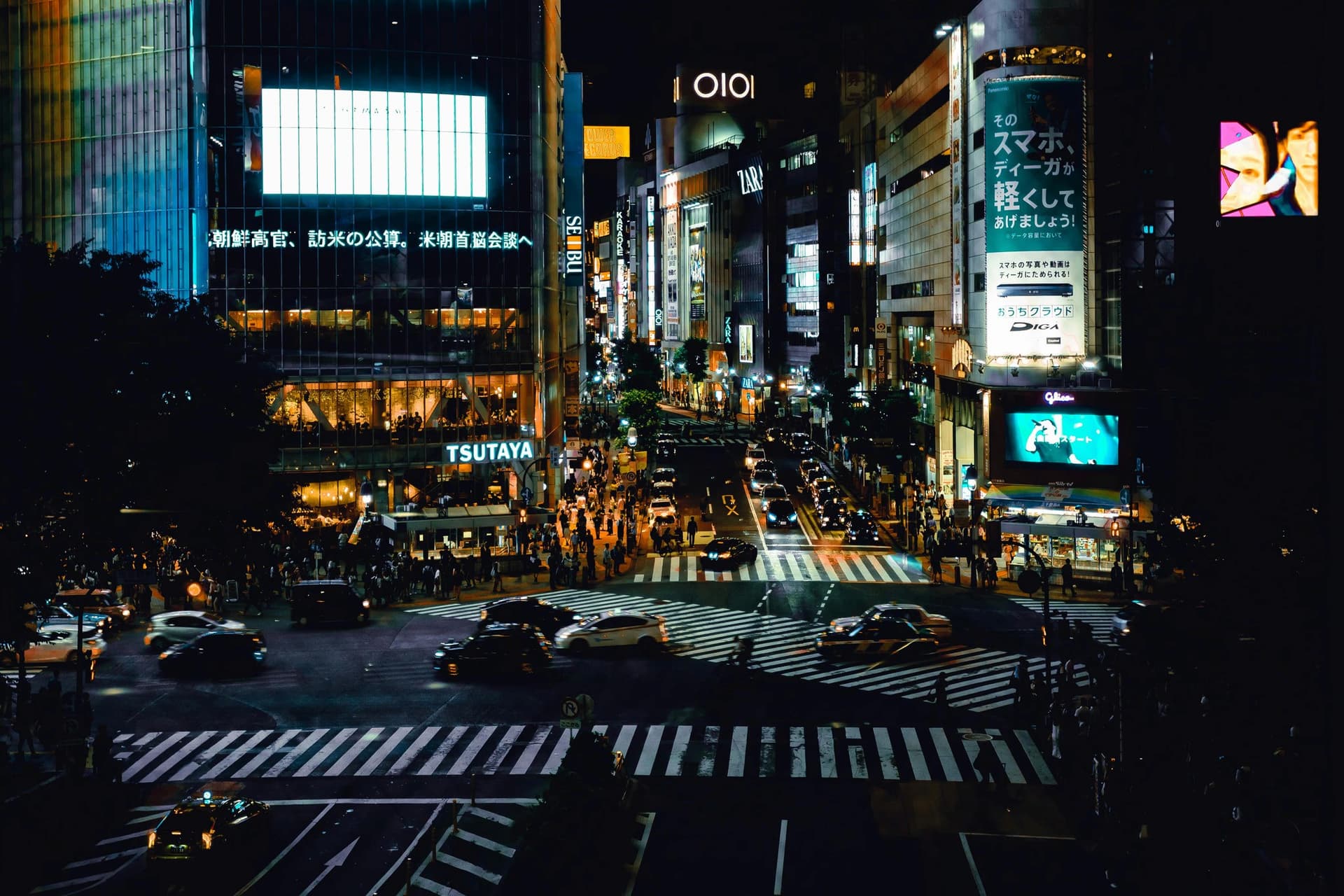
After dark, East Shinjuku changes completely. Streets that felt corporate at noon fill with neon and cigarette smoke. This is the Shinjuku most visitors picture, and the real thing is messier than the photos.
Golden Gai: What "200 Tiny Bars" Actually Means
Everyone mentions Golden Gai's 200 bars squeezed into six narrow alleys. They tend to skip the rest: it's no longer hidden, it isn't cheap, and you have to put in some effort to enjoy it. Our dedicated Golden Gai guide covers the history, how cover charges work, and why it's worth planning for a weeknight.
Most bars open around 8:00 PM. Turn up at 6:00 PM and you'll be walking empty alleys.
Covers of ¥500 to ¥1,000 per bar are standard, and some charge ¥1,500. A few tourist-friendly bars advertise no cover, so look for signs. Drinks cost ¥700 to ¥900 each on top.
Do the sums: three bars × (¥1,000 cover + ¥800 drink) = ¥5,400 minimum.
Golden Gai's tiny bars aren't the only small-room drinking experience in Tokyo. The city's cocktail bars work under similar limits, with 8-seat rooms, cover charges, and bartenders who remember what you ordered last time, but you book ahead and drink omakase-style instead of trying doors.
Our advice is to pick one bar and stay 1-2 hours. Talk to the bartender and order a few rounds; the conversation is what you're paying for. Rushing between bars costs more and you get less out of each.
Photo rules vary by bar, and many don't allow photos inside, so ask first.
Be ready for crowds. Golden Gai is full of tourists, especially on weekends, and its "hidden gem" days ended years ago. The postwar buildings and tiny rooms still have plenty of atmosphere, and it can still feel like you've stumbled onto something, but set your expectations accordingly.
Omoide Yokocho: The Less Intimidating Option
If Golden Gai sounds like too much effort, Omoide Yokocho gives you Shinjuku nightlife without the covers or the guesswork.
It's under the tracks just north of the West Exit, and you'll smell the smoke before you see it. Most shops open around 5:00 PM or 6:00 PM, and some run 24 hours.
There are approximately 80 narrow stalls serving yakitori, grilled meats, and beer. The grills are open to the street, so you can look in before you sit down. There's no cover; you pay for what you eat and drink, mostly in cash.
Order yakitori (chicken skewers), negireba (scallion liver) at places like Motsuyaki Ucchan, and whatever is smoking on the grill. Budget ¥1,500 to ¥3,000 for a full meal with drinks.
Two places stand out:
-
Torien: three floors, mostly yakitori, easy for beginners, opens 1:00 PM
-
Kameya: 24-hour soba, known for its ten-tama soba (¥430)
It's smoky and crowded, and hopping between places works well: skewers at one stall, a beer at another, and soba at Kameya to finish.
Kabukicho: What's Fine and What to Avoid
Kabukicho is a red-light district. Guides that call it an "entertainment district" are being polite. There's plenty of ordinary entertainment, including cinemas, arcades, restaurants, and the Godzilla head, alongside everything else.
These areas are fine:
-
Central Road (main pedestrian street)
-
Kabukicho Ichibangai (southern entrance)
-
Kuyakusho-dori near the Ward Office
-
Golden Gai and immediate surroundings
Stay away from:
-
Interior alleys, especially after midnight
-
Anyone who approaches you on the street
-
Following anyone to a "second location"
Ignore touts completely. Don't engage, don't explain, don't make eye contact. If someone you didn't approach offers a drink deal or a club, keep walking.
Shinjuku has Tokyo's highest crime rate among the 23 wards, about 2.6 times the Tokyo average, and forty percent of crimes are theft. Kabukicho is safe for tourists on the main streets, but you need to pay more attention than in Shibuya or Asakusa.
The 12-meter Godzilla on the 8th floor terrace of the Toho Building roars every hour from noon to 8:00 PM, and you can see it free from the street. Close-up terrace access is through Hotel Gracery or Café Bonjour (drinks from ¥1,331), though it has been restricted lately, so check with the hotel.
The Cross Shinjuku Vision screen at the East Exit plaza plays the famous 3D cat animation every 15 minutes. It's free, and the best view is from the plaza directly across from the building.
Hanazono Shrine at Night
Hanazono Shrine sits behind Golden Gai, up a set of stairs from one of the alleys, and it couldn't feel more different. The shrine predates Tokugawa Edo (before 1590) and is Shinjuku's guardian shrine.
Shinjuku-sanchome Station's Exit E2 is zero minutes away; the station practically opens onto the grounds. It's always open and free, and 5-10 minutes is enough.
In November the shrine hosts Tori no Ichi, one of Tokyo's big festivals. The 2025 dates are November 11-12 and November 23-24. Hundreds of stalls sell kumade (lucky rakes), and the crowds reach 600,000 visitors across the festival days.
On an ordinary night it's quiet, with lanterns lit and the trees muffling the city. The walk from Golden Gai's bars to the shrine and back takes five minutes.
Shinjuku Ni-chome
South of Shinjuku-sanchome Station, Ni-chome has one of the world's densest concentrations of LGBTQ bars and clubs: over 300 venues in a few blocks, from six-seat bars to dance clubs. It gets going after 10 PM and runs into the early morning. Our LGBTQ Tokyo guide covers it in full.
Golden Gai vs Omoide Yokocho: The Decision
Do both. Start at Omoide Yokocho around 5:30 PM with yakitori and beer for about ¥2,000. Walk 10 minutes through Kabukicho to Golden Gai and arrive around 8:30 PM. Pick one bar, settle in for conversation and a few drinks, and spend about ¥2,500. That's under ¥5,000 for two quite different Shinjuku evenings rolled into one.
If nightlife is the priority, stay within walking distance of East Shinjuku so the last train stops mattering. We cover accommodation trade-offs for nightlife separately.
Trip 5: The Korean Culture Detour
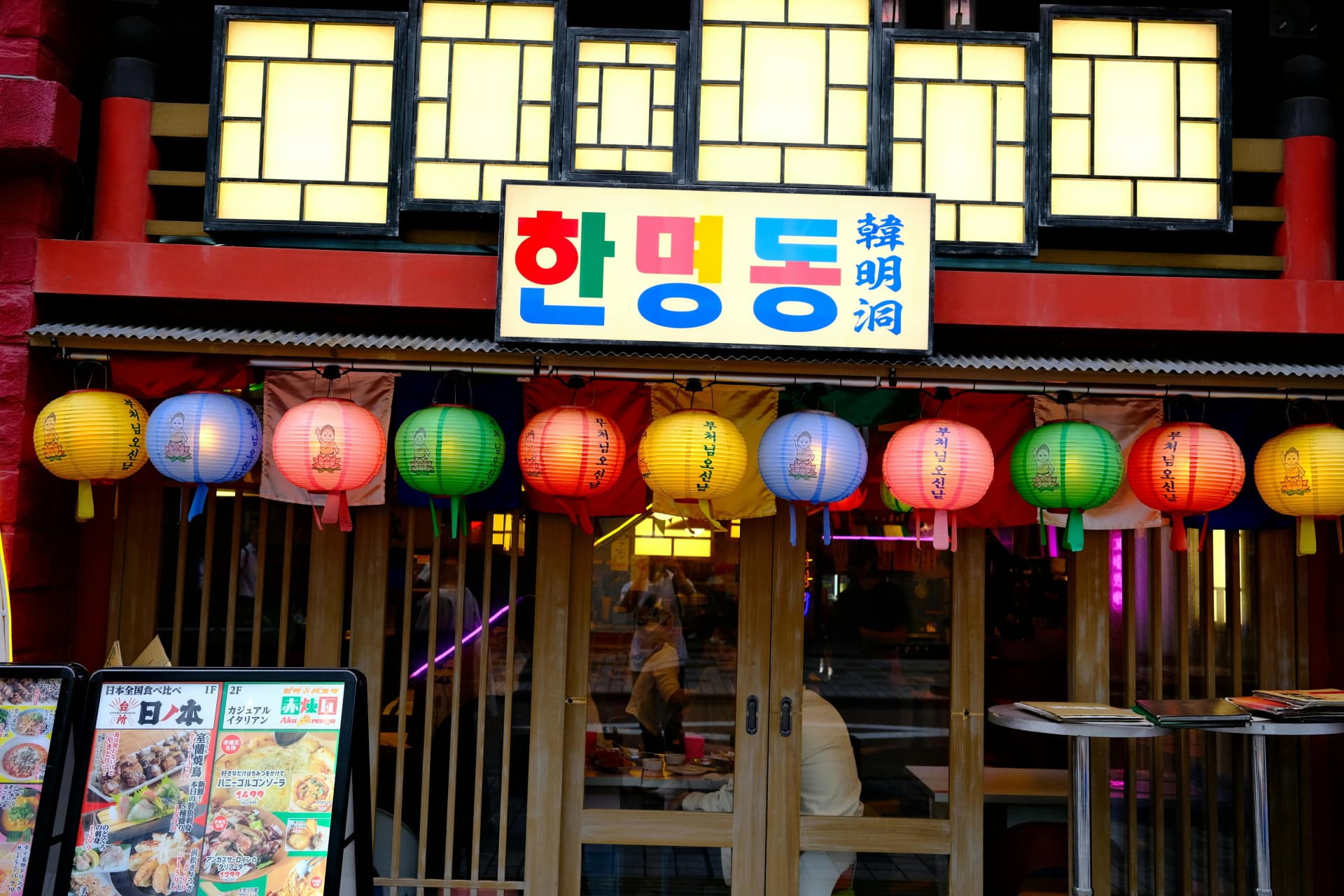
Shin-Okubo is one stop north on the Yamanote Line, and it feels like another city. The signs switch to Korean, K-pop plays from the shops, and the air smells of grilled meat and sweet pancakes.
If you're into K-culture, street food, or eating well on a budget, Shin-Okubo is a full trip in its own right.
Two Minutes Away, Completely Different City
It's one Yamanote Line stop from Shinjuku, with trains every few minutes, so door to door you're looking at under 5 minutes.
This is Japan's largest Koreatown. K-BBQ restaurants line both sides of the main streets, idol shops sell K-pop merchandise and photo cards, K-beauty stores carry products that haven't reached Western markets, and street vendors sell the snacks you've seen on Korean variety shows.
Go in the afternoon or evening. Many restaurants stay open late.
Street Food and Sit-Down Options
Street food:
-
POPO Hotteok: sweet Korean pancakes with brown sugar and nuts, ¥400
-
Myeongdong Kimbap: kimbap rolls, 24 hours, ~¥500
-
Cheese corn dogs: stretchy mozzarella in fried batter, ~¥500
Sit-down:
-
Korea Takkhanmari: a whole chicken in broth, ¥2,000-3,000/pot
-
YOSUL: Korean BBQ buffet, ¥1,500-2,000
Don't walk while eating. Find a spot to stand or finish before you move on.
K-Beauty, K-Pop, and Beyond
The main street from Shin-Okubo Station is lined with K-pop shops, K-beauty stores, and clothing boutiques. If you're after a particular idol's merchandise, it'll be here.
2D Cafe is a Korean franchise designed to look like a black-and-white manga drawing. The tables, chairs, and walls are white with painted black outlines, so the whole room looks flat. Drinks start at ¥550, and patbingsu (Korean shaved ice) is ¥1,380. The signature 2D Cake (¥770) often sells out. Cash only, opens 11:00 AM, and very popular for Instagram photos.
Islam Yokocho is 40 meters from the station: turn left at the Matsumoto Kiyoshi pharmacy. This narrow street serves Tokyo's Muslim community with halal groceries, South Asian restaurants, and a mosque on the 4th floor of the Green Nasco building. Nasco Kebab sells chicken kebab sandwiches for ¥400. The cheap Indonesian, Nepali, and Indian food here has nothing to do with Korea, and it's a big part of why Shin-Okubo is Tokyo's most international neighborhood.
Choosing Your Shinjuku
Match Your Interest to Your Trip
Each version of Shinjuku fills a day out on its own, so pick the one that fits.
| If you want... | Your trip is... |
|---|---|
| Peace, nature, escape from crowds | Garden Escape: Shinjuku Gyoen |
| City views, free observation decks, skyscraper architecture | Tokyo From Above: Government Building, Park Hyatt |
| Serious food, world-class depachika, Michelin lunch | Food Culture Pilgrimage: Isetan, Nakajima, Fuunji |
| Nightlife, tiny bars, neon, Tokyo after dark | Nightlife Immersion: Golden Gai, Omoide Yokocho, Kabukicho |
| K-culture, Korean BBQ, street food, something different | Korean Culture Detour: Shin-Okubo |
If you want an order already worked out, we've written one: Shinjuku: Gyoen, Omoide Yokocho, Golden Gai, in that order.
What Pairs Well (And What Doesn't)
Some trips fit together easily. Others fight the clock.
Morning + Evening Combinations
These work:
-
Gyoen morning (9 AM - noon) → Isetan lunch → Golden Gai evening (8 PM+): garden, food, then bars. Fill the gap between the garden closing (7 PM) and the bars opening (8 PM) by browsing the depachika.
-
Government Building afternoon → Omoide Yokocho dinner → Kabukicho stroll: the views in West Shinjuku, then the east side for food and neon. Omoide opens around the time the observatory crowd thins out.
-
Shin-Okubo lunch → East Shinjuku nightlife: a late Korean BBQ lunch, the train back to Shinjuku, then Golden Gai or Omoide after dark. Two full outings with no rushing.
What Doesn't Work
-
Gyoen + nightlife in same 4-hour window: Gyoen closes at 7 PM and the bars open at 8 PM, so you'll spend an hour waiting.
-
All five trips in one day: you can physically do it, but you'll pass through everything and enjoy none of it.
-
Government Building at night + Omoide Yokocho at lunch: wrong time for both. The observatory is best at sunset, and Omoide is dead at noon.
Time of day matters more than distance here. You can walk across Shinjuku in 15 minutes, but each part comes alive at a different hour, so line up your trips with the clock.
This guide is published by Hinomaru One, a Tokyo-based private tour operator.