Ebisu is a lifestyle destination, not a sightseeing stop. Come for what Tokyoites actually do here — and that means coming after dark.
Ebisu is where Tokyoites go to eat and drink, and there's very little here to sightsee. Come for what people actually do in the neighborhood, which means coming after dark.
Ebisu consistently ranks among Tokyo's four most desirable places to live. That's a different list from the places to visit. It's why there are no major attractions here, and why visitors who arrive expecting sights tend to leave confused. The neighborhood makes more sense once you ask how Tokyo's young professionals spend their evenings.
Ebisu Ranks #4 on "Where to Live" — Not "Where to Visit"
Who Actually Lives Here
The numbers say a lot. The neighborhood is 53.8% female, three percentage points above the Tokyo average. Single-person households are 61.2% of homes, against 45.8% citywide. People in their 30s are overrepresented, and middle-school-aged children are well below average (59% of the Tokyo rate).
It's a neighborhood of young professionals. IT workers pick Ebisu to be close to offices in Shibuya and Roppongi, a habit the Japanese call "職住近接" (living near work). High rents filter who can move in. Earn under ¥4 million and you'll fail rental screening for an Ebisu apartment.
Japanese real estate surveys call Ebisu "感度の高い街", a high-sensitivity or trendsetting area. The translation is rough, but the meaning is plain enough: people who care about food, drink, and how they live choose to live here.
What "Desirable" Means in Practice
When SUUMO ranked Ebisu #4 in its 2025 "most desirable places to live" survey, making it the highest-ranked Tokyo-23-ward station, it was measuring livability. That meant how many places there are to eat, safety, transit, and late-night options for people who work irregular hours. Tourist appeal wasn't part of it.
Ebisu does well on all of that. It has an unusual number of restaurants and bars per block. The JR Yamanote Line and Tokyo Metro Hibiya Line make the rest of the city easy to reach. Late-night places feed the IT crowd who work until 10pm.
None of it adds up to sightseeing. There are no temples, shrines, or historic districts. What makes Ebisu sophisticated is who lives there, and that isn't something a tourist can go and do.
Who Ebisu Isn't For
If you don't drink alcohol, Ebisu won't work for you. Its appeal is the bar and izakaya culture, and the evening scene assumes you came to drink.
If you're traveling with young children, there's little here for you. It's an adult neighborhood, and the low share of families in the numbers matches what you see on the street.
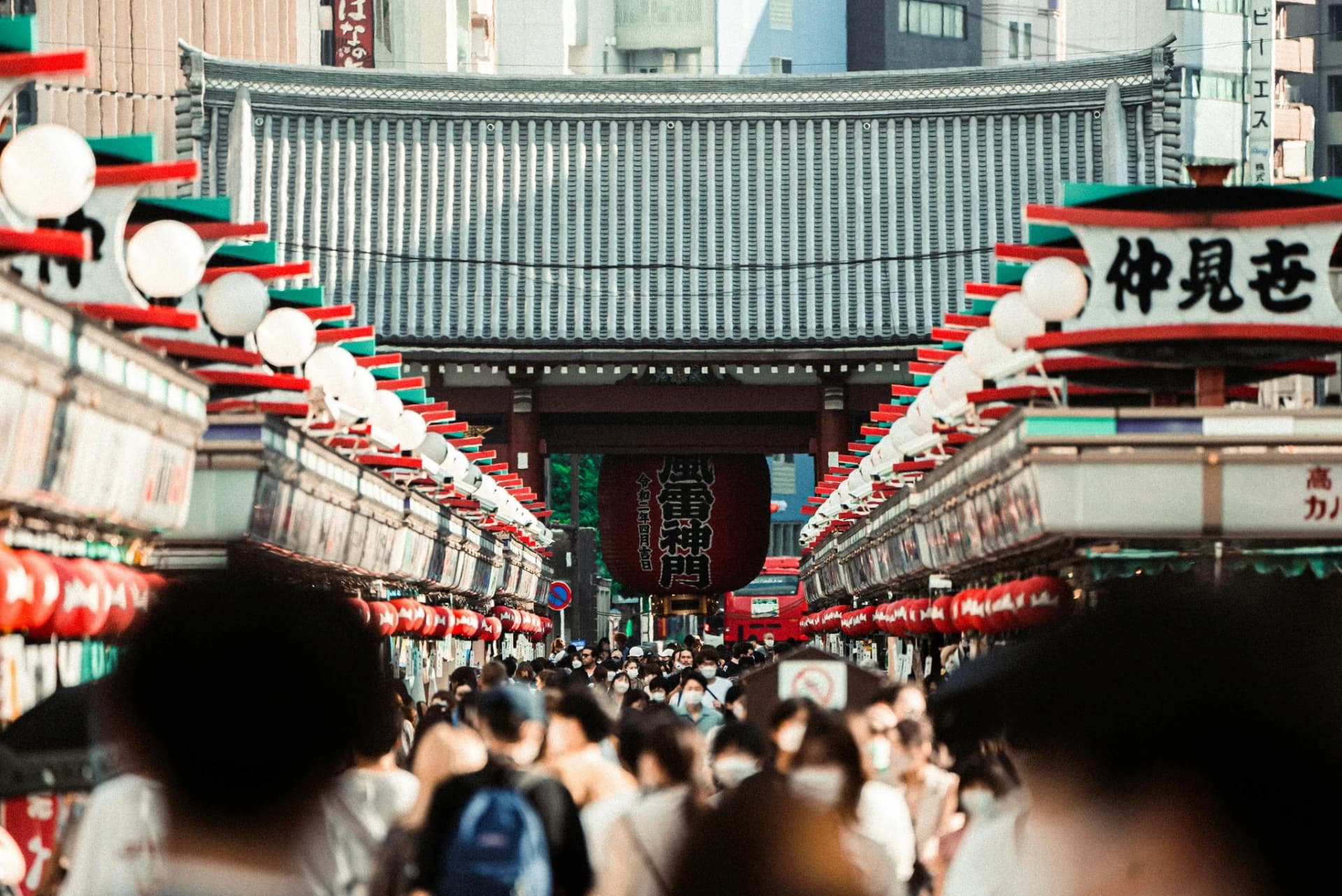
On a first trip to Tokyo with three days, Ebisu loses to Asakusa for traditional Tokyo, to Shibuya for modern Tokyo, and to Shinjuku for scale and energy. It's better suited to repeat visitors who've already seen the standard sights and want something different.
Should You Stay in Ebisu?
Yes, if you're here for the food and bars and want quiet streets to walk home on. No, if you're ticking off landmarks or traveling with children.
Transit Access
Ebisu is on two lines, the JR Yamanote Line and the Tokyo Metro Hibiya Line, so you have a backup and plenty of reach. Shibuya is 4 minutes away, Shinjuku roughly 15, and Tokyo Station around 30–35. Last trains run late, until around 12:30 AM on the Yamanote and around 12:45 AM on the Hibiya.
For the airports, our Tokyo airport transfer planner gives exact routes, fares, and first and last train times from Ebisu. In short, Haneda takes under 40 minutes and Narita under 90, both with a transfer at Shibuya.
Hotels and Pricing
Mid-range business hotels in the area run around ¥15,000–25,000 a night, and Hotel Mets Premier Ebisu is the most convenient of them. The Westin Tokyo in Yebisu Garden Place is another category entirely (¥40,000+ on a typical night). Ebisu has no budget capsule hotels. For those, look in Shinjuku or Ikebukuro.
There are fewer hotels here than in the big hubs, so Ebisu fills up faster than you'd expect. Book ahead.
Noise and Atmosphere
The bar scene is real but contained. It clusters around the station and the streets running west toward Daikanyama. Walk five minutes in any direction and you're in residential Ebisu, with quiet, well-kept streets where people own dogs and keep window boxes.
After midnight it's calm, which you can't say for Shibuya or Roppongi. If you want nightlife close by and a quiet place to sleep, Ebisu manages that better than most neighborhoods at this price.
Safety
Ebisu is one of the safer neighborhoods in central Tokyo. Residents are affluent, with average income well above ¥4 million, and crime is low. The streets are lit and there are people around until 11 PM, and most of them are working professionals. Solo female travelers consistently say they feel comfortable here, which is more than we'd say for Roppongi.
Who Should Stay Here
Good fit:
- Solo travelers who want the bar scene without the Shinjuku crush
- Couples on return visits who've already done the major sights
- Business travelers working in Shibuya or Roppongi offices
- Anyone whose evenings matter more than their mornings
Not the right fit:
- Families with young children, since there's nothing for them here
- First-time visitors, who are better off in Asakusa and Shibuya
- Budget travelers, who get more for less in Ueno and Ikebukuro
For how Ebisu compares with other neighborhoods for an evening-focused stay, read our nightlife accommodation guide and the full where to stay in Tokyo breakdown.
The Neighborhood Triangle
Ebisu forms a walking triangle with Daikanyama and Nakameguro. Daikanyama is 10 minutes on foot and Nakameguro 15. All three are upscale and aimed at adults, but they don't feel the same.
Ebisu is the hub on the JR line and the easiest way in from central Tokyo, and it has the most standing bars of the three. Daikanyama skews younger and more into fashion. Nakameguro runs along the Meguro River and fills with cherry blossom crowds in spring.
If you're doing more than one, start in Ebisu and walk. The routes are flat and pleasant.
Daytime Ebisu: Limited Options, Honestly
There isn't much to do in Ebisu during the day. Two places are worth a visit, and the rest is commercial filler. If neither appeals, show up at 5pm.
YEBISU BREWERY TOKYO: Worth It If You Drink
YEBISU BREWERY TOKYO opened in April 2024 in place of the former Museum of Yebisu Beer, which closed in 2022. It's a working microbrewery, the first to make beer in Ebisu since the original factory moved away in 1988.
There are three areas. The Museum Area covers Yebisu's history with vintage equipment and street photographs that show how beer shaped the neighborhood. In the Brewery Area you watch production through glass walls, from the German brewing equipment to fermentation as it happens. The Tap Room is where you drink.
Entry is free. The Tap Room pours Yebisu ∞ (Infinity), the flagship beer made with revived 1890 yeast and Tettnanger hops, for ¥1,100 a glass. Yebisu ∞ Black is also ¥1,100. Two to four seasonal beers rotate through the year.
The 45-minute guided tour (YEBISU the JOURNEY) costs ¥1,800 and includes a glass of Yebisu ∞ with mixed nuts. It runs three times a day on weekdays (13:00, 15:30, 18:30) and hourly on weekends from 12:00 to 18:00. Book online up to one month ahead, with a maximum of five people per booking.
Two things catch people out. Every tour is in Japanese only, with no English option. And the whole facility is cashless, so cash isn't accepted anywhere.
The Tap Room is open 12:00-20:00 on weekdays and 11:00-19:00 on weekends and holidays. It's closed Tuesdays, seating is limited to one hour, and you clear your own glasses.
If you like beer, YEBISU BREWERY TOKYO is worth two hours. If you don't, skip it.
Tokyo Photographic Art Museum: Worth It If Exhibitions Interest
The Tokyo Photographic Art Museum (TOP Museum) is in the same Ebisu Garden Place complex. It's Japan's only museum devoted to both photography and moving image, with 38,759 works in its collection.
It opened in 1995 and marks its 30th anniversary in 2025. Whether it's worth your time depends entirely on what's showing. The permanent collection rotates and the temporary shows vary a lot, so check the schedule before you go.
Hours are 10:00-18:00, extended to 20:00 on Thursday and Friday. Closed Mondays. Admission depends on the exhibition and is usually ¥500-1,400. The library on the 4th floor holds 100,000+ books on photography and is free and open to the public.
The annual Yebisu International Festival for Art & Alternative Visions runs from late January to mid-February (January 31 to February 16 in 2025), and the festival exhibitions are free.
It's a 7-minute walk from Ebisu Station along the covered Skywalk, a 400-meter moving walkway that keeps you dry when it rains.
Garden Place: A Commercial Complex, Not a Destination
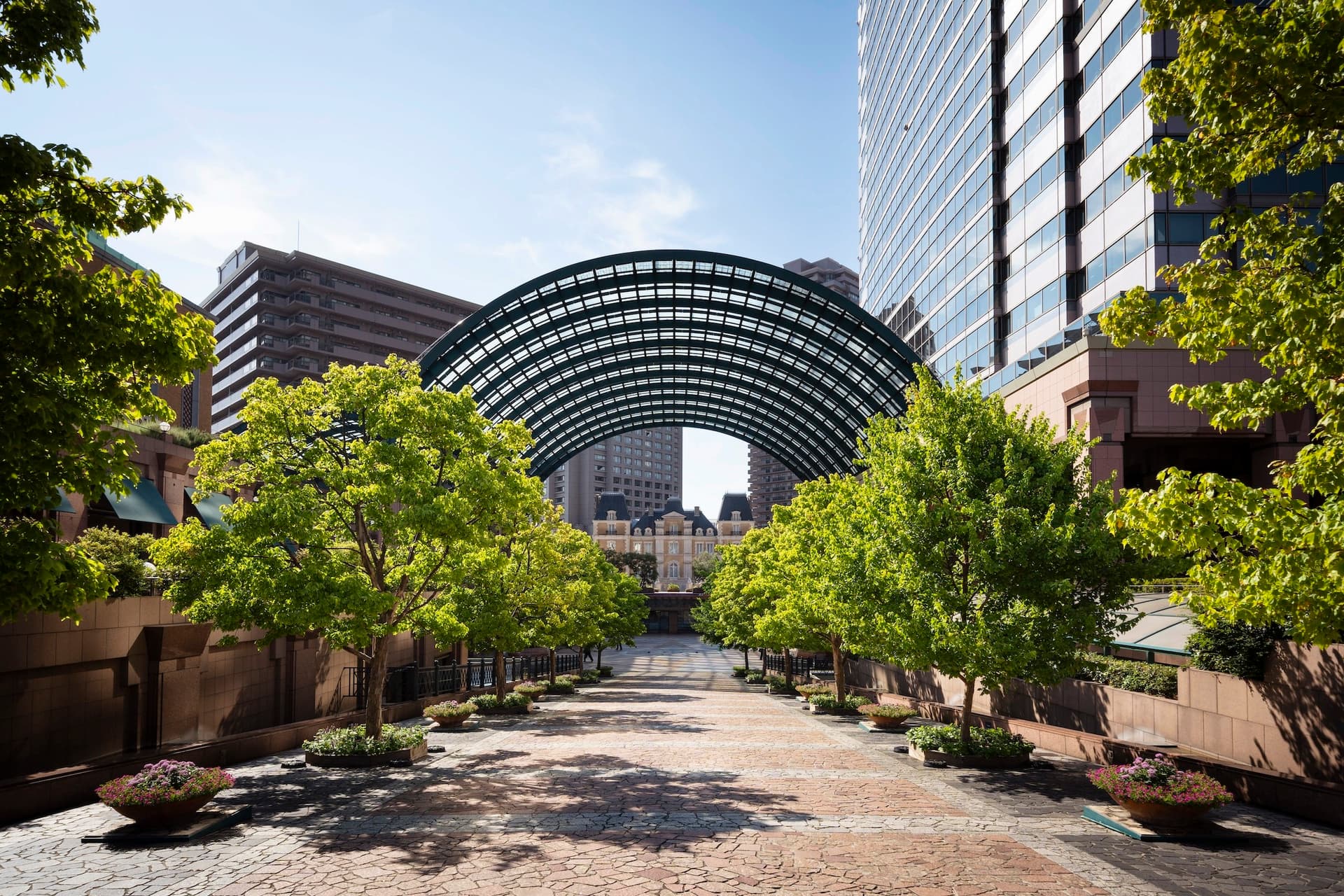
Ebisu Garden Place is a commercial complex built in 1994 on the old brewery site. It has 46 restaurants along with offices, shops, and a cinema. Upscale restaurants on floors 38-39 of the tower have views over Tokyo.
None of it is worth a special trip. The restaurants are chains or hotel-style places, the shops are generic, and the views can't match Tokyo's dedicated observation decks. Treat Garden Place as the route between the station and the museum or brewery.
When to Skip Daytime Entirely
If beer doesn't interest you and the current photography exhibition doesn't appeal, there's no reason to come to Ebisu by day. Come at 5pm instead, start at a standing bar, and see where the night goes.
An Evening in Ebisu: What It Actually Looks Like
Ebisu makes sense once its evening scene gets going. A typical four to five hours there goes something like this.
A Sample Evening
You arrive around 5pm, walking the Skywalk from the station. If you want the brewery, start with a glass of Yebisu ∞ at the YEBISU BREWERY TOKYO Tap Room. By 6pm you're ready for the first standing bar.
Buri is five minutes from Garden Place, west of the station. You squeeze into a spot at the counter. The music is at club volume. One wall displays 40+ sake cups, and if you buy one they'll keep it for your next visit. The frozen sake comes out slushy and goes down dangerously easily. Sake starts at ¥770. You stay for two rounds and a plate of yakitori, about ¥2,000.
By 7:30pm you move to your second stop. Nawanoren is old school, with motsu-yaki (grilled offal) and yellow highballs. The staff are curt in a way that comes across as competence rather than rudeness. The menu lists prices only as "200円より" (from ¥200), so you won't know the exact cost until the bill comes. Regulars sit in their usual spots, and you order by pointing at what they're having. Cash only.
Around 8:30pm you have a choice. You can keep bar-hopping (Q for wine and unlimited bacon, Kikuya for standing tempura with Portuguese Vinho Verde, or Gentaro Shoten for ¥1,000 all-you-can-drink sake), or you can sit down to dinner at one of the backstreet izakayas in Ebisu-nishi. Donku serves Nagasaki-style food and has English menus. Saiki is old school and Japanese-only, but locals swear by the sashimi and gyu miso.
By 10pm you've eaten and drunk well. The evening cost ¥5,000-7,000 if you stuck to standing bars, or ¥8,000-10,000 with a seated dinner.
If you'd like to end on something more refined than standing bars, Ebisu has cocktail bars within walking distance, though most need a reservation and run on different rules from the casual tachinomi crawl.
Ebisu Yokocho: The Honest Take
Ebisu Yokocho opened in 2008 in the former Yamashita Shopping Center. Twenty small stalls, each seating 10-12 people, line a covered alley done up in Showa-era retro, with milk crates for seats, vintage signs, and nostalgic clutter.
For years it was where Tokyoites went for cheap drinks and late-night food. It isn't anymore.
Recent reviews describe overcrowding, especially on weekends. Some of the original shop owners have left. Several travelers in 2024-2025 say the place has been "taken over by pickup artists," and others mention seeing fights. The toilets are notoriously bad.
It can still be fun if you expect it to be lively and chaotic rather than intimate or quiet. The Niku Sushi stall (beef sushi) is the most photographed, and Gyoza no Suiken does solid dumplings. You can order food at one stall and carry it to another, as long as you buy drinks at each one.
Budget ¥2,000 per person. Check your bill, because there have been reports of translation-app errors. Go on a weeknight if you can.
If you're after what Yokocho used to be, a place where Tokyoites actually drink, the tachinomi circuit is the more reliable choice in 2025.
The ¥5,000 Evening vs. The ¥10,000 Evening
A ¥5,000 evening is three standing bars. Start at Buri with sake and yakitori (¥2,000), move to Nawanoren for motsu-yaki and highballs (¥2,000), and finish at Q with wine and bacon (¥1,000). You'll be full and pleasantly buzzed, and you'll have seen three quite different bars.
A ¥10,000 evening adds a seated dinner. Start at the tachinomi the same way, then around 8pm move to Donku for a ¥3,000-5,000 meal of several courses. Or splurge at one of the upscale izakayas, where ¥8,000 per person is normal.
Happy hour drinks start at ¥250 at some places. Cover charges, where there are any, run ¥300-500 and include an otoshi (a small dish you don't get to refuse). Tachinomi mostly run on cash, so bring ¥10,000 in bills to be safe.
The Navigation Reality
Ebisu's evening scene runs mostly in Japanese. Most tachinomi have Japanese-only menus. Some have nothing but a chalkboard, with no prices listed, and cover charges often aren't posted, so you find out at the end.
Standing bars have no host, so you find your own spot. Ask "ここ、いいですか?" ("Is this spot okay?") and squeeze in shoulder to shoulder.
How you order varies. Some bars expect you to call out your order, at others the staff come to you, and a few have self-service counters. There's no consistent pattern, so watch the regulars and copy them.
Small gestures count. When you finish your food, take the plate back to the bar yourself. Wipe the rim of your glass with the oshibori before handing it back for a refill. Both mark you as a thoughtful guest.
Payment differs from place to place too. Some bars want you to settle after every round, and others run a tab and add it up at the end. Cash is standard, and small standing bars rarely take credit cards.
That complexity is part of why Japanese professionals like Ebisu, since it rewards regulars who know how things work. For visitors it mostly gets in the way.
You can manage Ebisu alone with patience and a translation app. A guide just removes most of the guesswork. A guide knows which bars welcome foreigners, which tachinomi are worth the language barrier, and which backstreet spots deserve your time.
The Kushiyaki Confidential tour covers Shibuya, Ebisu, and Nakameguro in one evening, with stops at standing sushi bars and backstreet sake counters. It runs six hours and starts at $430 for two people.
Plenty of visitors enjoy Ebisu without a guide, though. If you're willing to point at menus and watch what the regulars do, you'll get a long way, and a few wrong turns are part of the fun.
If you're building your evenings around Ebisu's bars, staying nearby means walking home instead of racing for the last train. Our nightlife accommodation guide covers the trade-offs.
Frequently Asked Questions
Is Ebisu a good location to stay in Tokyo?
Yes, if you care most about nightlife, easy transit, and a residential feel. Ebisu ranks #4 in Tokyo livability surveys and sits on two lines, JR Yamanote and Tokyo Metro Hibiya, which put Shibuya 4 minutes away and Shinjuku around 15 minutes. The bars are excellent: standing sake bars, craft beer, backstreet izakayas. There's not much to do during the day. It's best for solo travelers and couples on a repeat visit, and the wrong call for families or first-timers who mainly want to sightsee.
Is Ebisu safe at night?
Yes. Ebisu is one of Tokyo's safest central neighborhoods. Residents are affluent, with average income above ¥4 million, and crime is low. The bar district stays busy and lit until 11 PM, and after that the streets go quiet like any residential area. Solo travelers, women included, consistently say they feel comfortable here. It's more refined than Roppongi late at night and a lot calmer than Shinjuku.
How far is Ebisu from Tokyo Station, Narita, and Haneda?
Tokyo Station is around 30–35 minutes on the JR Yamanote Line. The fastest airport routes go through Shibuya, 4 minutes from Ebisu: Haneda in under 40 minutes, Narita in under 90. Exact fares and routes depend on which transfer you prefer, so use our Tokyo airport transfer planner to work out your own trip.
Is Ebisu expensive?
Moderately. Mid-range business hotels run around ¥15,000–25,000 a night, and the Westin Tokyo is in a different bracket (¥40,000+). A bar crawl of three standing bars with drinks and small plates costs ¥5,000–7,000. Add a seated dinner and you're at ¥10,000. Groceries and convenience stores cost the normal amount. Ebisu is pricier than Ikebukuro or Ueno and cheaper than the luxury options in Ginza.
Should I visit Ebisu during the day or at night?
Night. By day there are two real options: YEBISU BREWERY TOKYO (a working microbrewery with a tasting room, worth two hours if you like beer) and the Tokyo Photographic Art Museum, which is only worth it if the current exhibition appeals. If neither does, arrive at 5 PM. The neighborhood earned its reputation in the evenings.
Ebisu vs Shibuya: where should I stay?
Pick Shibuya for the Crossing, Hachiko, big shopping, a first trip to Tokyo, and energy and scale. Pick Ebisu for a quieter place to sleep, better food and bars, a repeat-visitor feel, and adult travel without tourist crowds. They're 5 minutes apart on the Yamanote Line, so staying in Ebisu doesn't mean missing Shibuya. You just walk home to somewhere calmer when you're done with it. For a fuller comparison, see our guide on where to stay in Tokyo.
Is Ebisu good for solo travelers?
Yes. The standing bar circuit is made for drinking alone. You squeeze in at the counter, watch what the regulars order, and talk to people as much or as little as you like. It's safe, and transit is excellent. Single-person households make up 61.2% of the neighborhood (against 45.8% citywide), so plenty of people who know Tokyo well choose to live here on their own. For solo safety across the city, see our is Tokyo safe guide.
This guide is published by Hinomaru One, a Tokyo-based private tour operator.