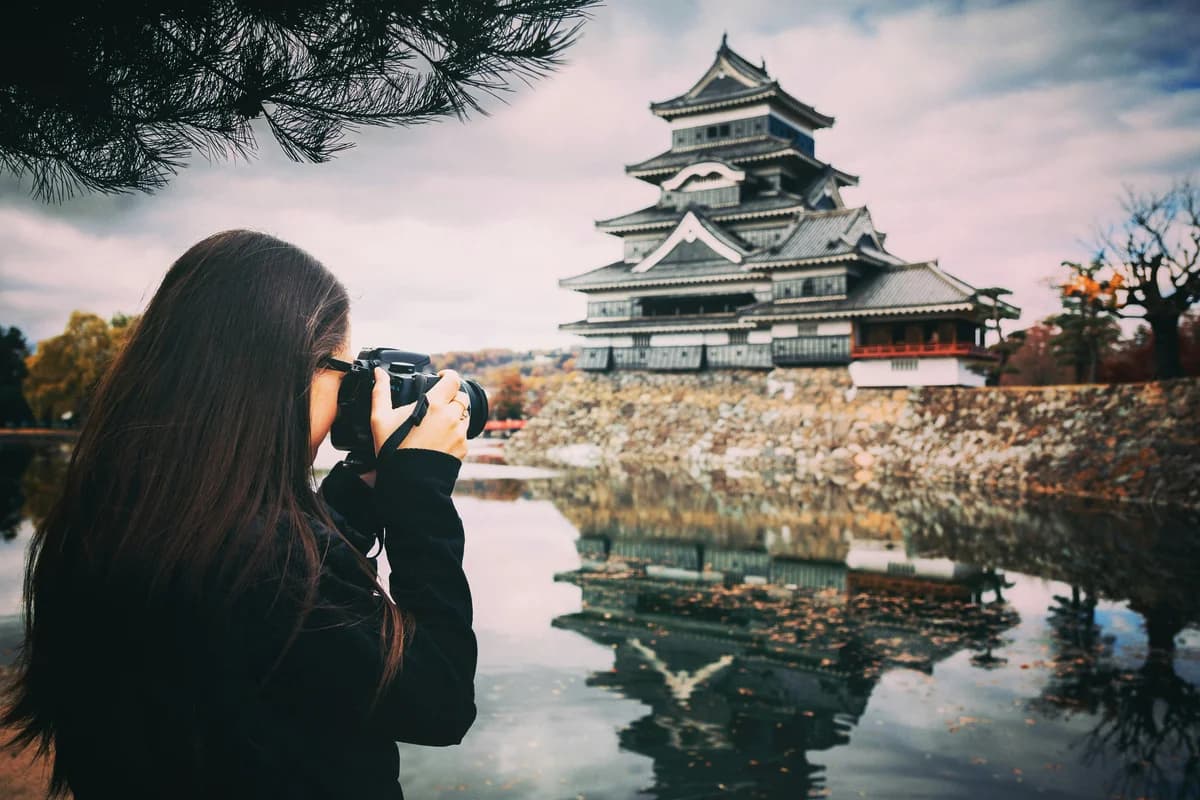
Solo female travel in Tokyo is genuinely safe — not safe-with-a-long-list-of-caveats safe, but walk-home-at-3am safe. Japan's national homicide rate is 0.25 per 100,000 people. Violent crime against tourists is so rare it barely registers in police statistics. You will almost certainly be fine.
But "safe" doesn't mean "nothing ever happens," and the things that do happen in Tokyo are different from what you'd watch for in London or New York. This guide covers the specific situations women encounter here, the neighborhoods where you'll feel most and least comfortable alone, and the practical tools that make solo travel in Tokyo feel effortless rather than stressful.
If you're looking for the general solo travel logistics (metro system, budgeting, decision fatigue), the solo travel Tokyo planning guide covers all of that. This page is specifically about what changes when you're a woman traveling alone.
What "Safe" Actually Means Here
The Numbers
Japan consistently ranks in the top five safest countries globally. Tokyo's crime rate is a fraction of comparable cities. You're statistically safer walking through Shinjuku at midnight than through most European capitals at dinnertime.
Violent crime against foreign women in Tokyo is extremely rare. The Metropolitan Police (警視庁) publishes annual crime statistics, and the categories that matter to solo female travelers (assault, robbery, sexual violence against strangers) show numbers so low they'd be a rounding error in most world cities.
What Actually Happens
The honest version: Tokyo's safety issues for women are almost entirely about harassment, not violence.
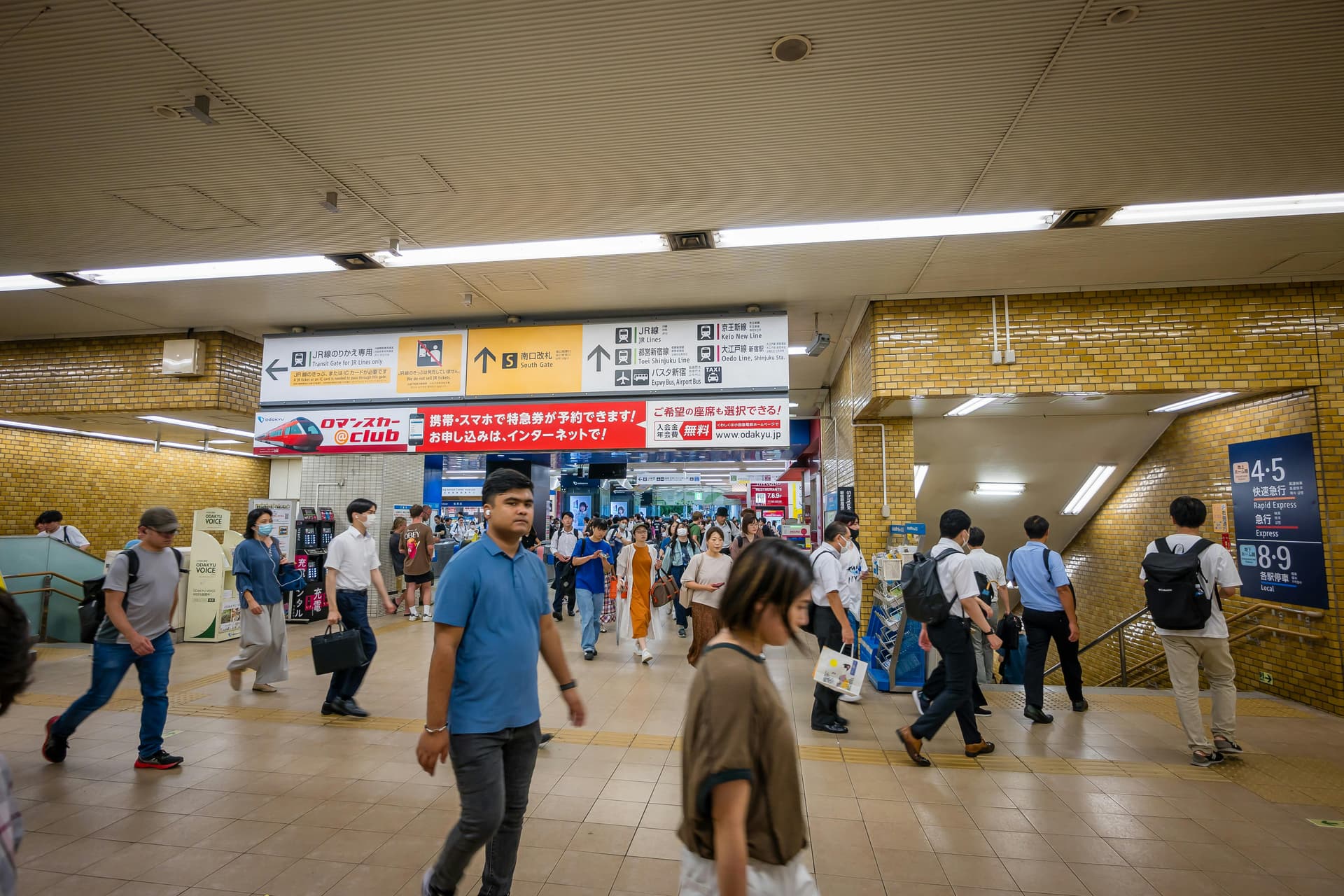
Train groping (痴漢/chikan) is the most commonly reported issue. It happens on crowded trains during rush hour, roughly between 7:30 and 9:00 AM. The peak time for groping incidents is around 8 AM on packed commuter lines. It's less about specific lines and more about crowding levels, though lines like the Saikyo Line and certain sections of the Chuo Line have worse reputations.
Street touts in entertainment districts will approach you in Kabukicho and Roppongi, trying to get you into bars or clubs. They target everyone, but the pitch changes when you're a woman alone. In Kabukicho, the touts are mostly annoying. In Roppongi, some bars have been linked to drink spiking, and the touts can be more persistent.
Unwanted attention at bars happens, same as anywhere. The difference in Tokyo is that it's almost never physically threatening. Someone might talk at you for too long at a standing bar. It's uncomfortable but rarely dangerous.
That's essentially the list. No pickpockets. No bag snatching. No "don't walk down that street" zones where you're at risk of being mugged. The baseline safety floor in Tokyo is so high that the risks you're managing are annoyance and discomfort, not physical danger.
Women-Only Train Cars: What You Need to Know
Most major rail operators in Tokyo run women-only cars (女性専用車両) during weekday morning rush hours. Tokyo Metro, Toei Subway (Shinjuku Line and Oedo Line), and JR East all offer them. They're marked with pink signs on the platform and pink stickers on the car itself.
A few things the travel blogs usually skip:
They only run during rush hour on weekdays. Roughly 7:00 to 9:30 AM, though exact times vary by line. Outside those hours, or on weekends, they operate as regular cars.
They're not enforced by law. It's a social agreement. Occasionally a man will be in the women-only car, either by mistake or indifference. Staff won't physically remove him. Other women in the car will usually give him a pointed look until he moves.
You don't have to use them. Plenty of women ride regular cars without issue, especially outside rush hour. The women-only cars exist because rush-hour crowding creates conditions where groping is harder to identify and stop. If you're traveling between 10 AM and 5 PM, or on weekends, crowding is manageable and the risk is minimal.
The practical move: If you're commuting during morning rush (which as a tourist, you probably aren't), use the women-only car. Otherwise, don't stress about it.
Neighborhoods: Where You'll Feel Comfortable
Tokyo doesn't really have "bad neighborhoods" in the way Western cities do. There's no area where walking alone as a woman puts you at risk of being robbed or assaulted. But some areas feel more comfortable than others, especially at night.
Best for Solo Women (Day and Night)
Shimokitazawa is the most relaxed neighborhood in Tokyo. Small indie shops, vintage clothing stores, cozy cafes, and a young creative crowd. It feels like a small town dropped into a megacity. Completely comfortable alone at any hour.
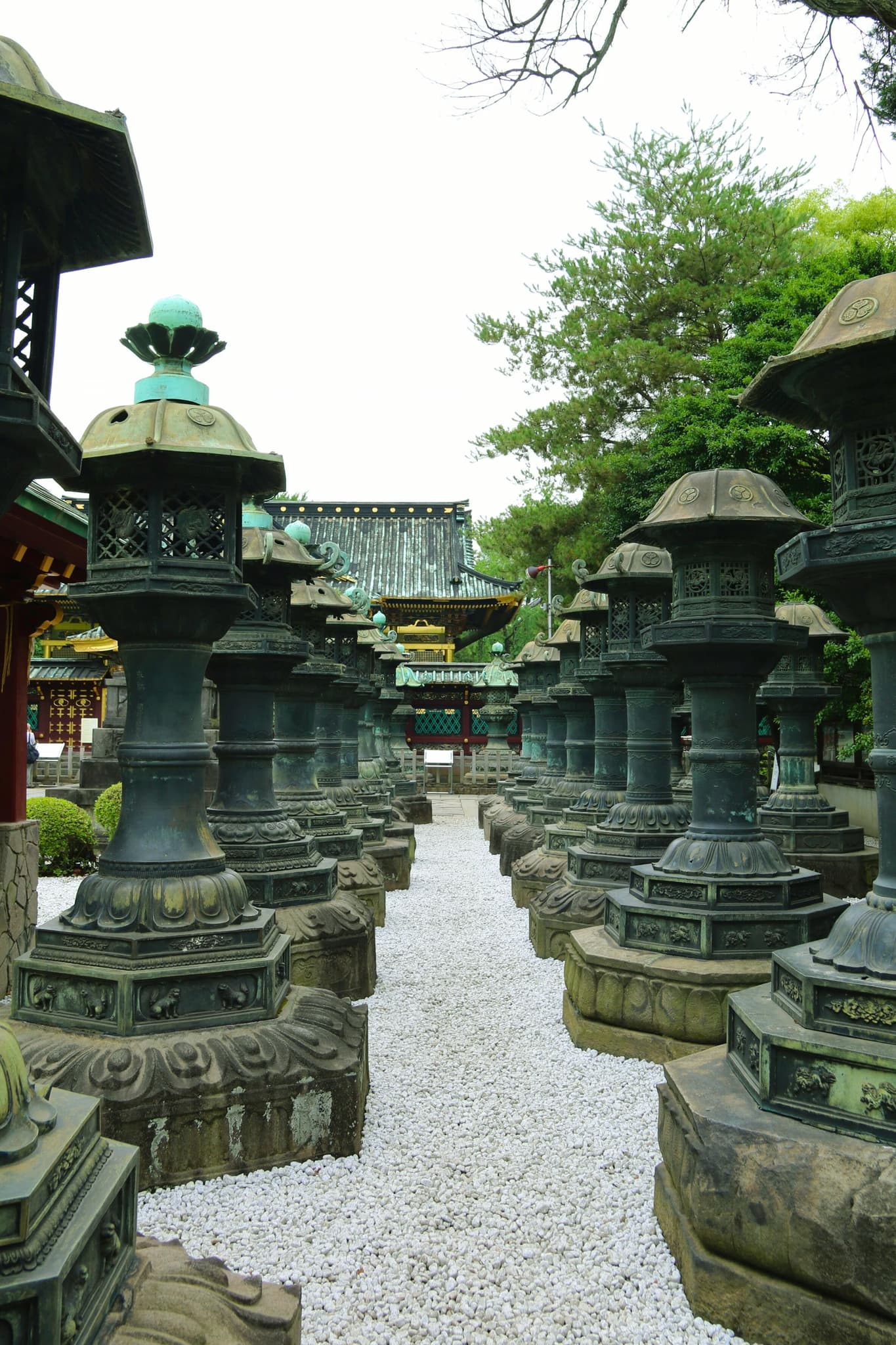
Yanaka/Nezu/Sendagi (collectively called Yanesen) is old Tokyo. Quiet temple streets, traditional shops, zero nightlife pressure. It's where Tokyo residents go when they want to feel like the city is small. Fantastic for solo wandering during the day.
Kichijoji has consistently topped Japanese surveys of most desirable neighborhoods. The area around Inokashira Park is relaxed and safe. Good solo dining options, a covered shopping street, and enough going on to keep evenings interesting without any edge.
Daikanyama and Nakameguro are upscale but not stuffy. Tree-lined streets, bookshops, good coffee. These are where Tokyo women go to spend a solo afternoon, which tells you everything about the vibe.
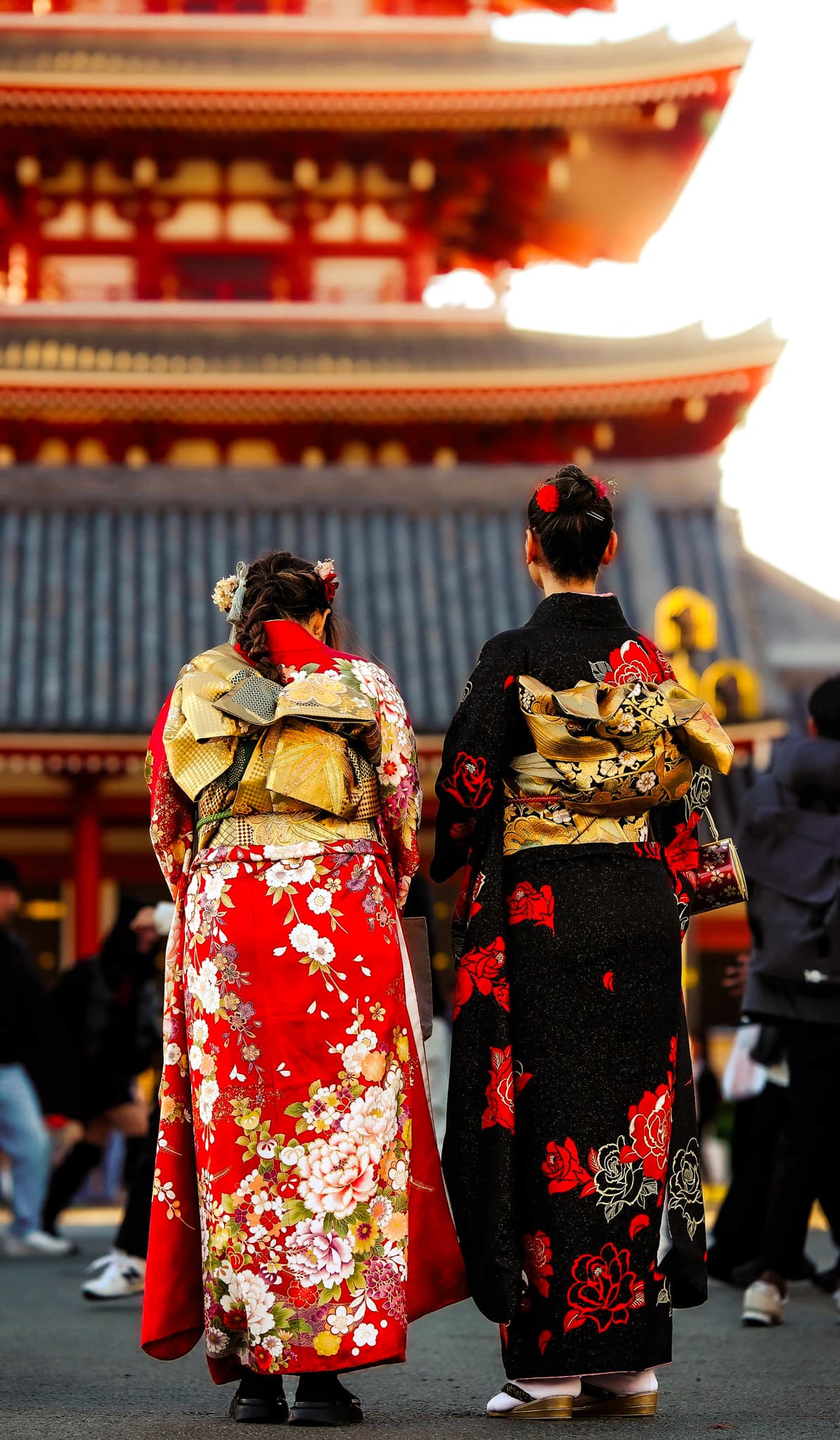
Asakusa is touristy during the day but surprisingly quiet at night. The streets around Senso-ji after dark are peaceful, well-lit, and feel completely safe.
Comfortable With Minor Annoyances
Shinjuku is fine outside of Kabukicho. The west side (government buildings, department stores) is completely unremarkable. The south side around Southern Terrace is pleasant. Kabukicho's main drag (the street with the giant Godzilla head) is touristy and fine. The deeper side streets of Kabukicho after midnight are where touts get pushy. You're not in danger, but you might get followed for half a block by someone trying to get you into a bar.
Golden Gai (technically part of Kabukicho) is a special case. Dozens of tiny bars seating 6-8 people each. Solo women are welcome in most of them, and the intimate format actually makes it easier to have genuine conversations. Some bars have cover charges (¥500-1,500); check the signs outside. The crowd is mixed: locals, expats, tourists. It's one of the best solo nightlife experiences in Tokyo, regardless of gender.
Shibuya is chaotic but not threatening. The area around Center-gai and Dogenzaka gets loud and crowded on weekend nights. You might get approached by people handing out flyers for clubs. Easy to ignore.
Roppongi is polarizing. The area around Roppongi Hills and Tokyo Midtown is upscale and perfectly fine. The strip of bars and clubs along Roppongi-dori and the side streets is where things get less comfortable for women alone at night. Touts are more aggressive than in Kabukicho. Some foreigners-oriented bars have bad reputations for drink spiking. Stick to places you've chosen yourself rather than places someone on the street steers you toward.
Fine But Not Exciting
Marunouchi/Tokyo Station area is business district, dead at night, completely safe, just boring solo.
Ginza is upscale shopping during the day. At night, the hostess clubs and high-end bars are a different world that doesn't intersect with tourists. It's safe but there's not much to do alone after 9 PM unless you're into cocktail bars.
For a deeper look at how all these areas connect and which ones pair well together, the Tokyo neighborhoods guide breaks down the full picture.
Solo Dining: Tokyo Is Built for This
Here's something the worried pre-trip Googling doesn't tell you: Tokyo is the best city in the world for eating alone. The entire food culture is structured around it.
Ramen shops are designed for solo diners. Most have counter seating only. You order from a vending machine (食券機), hand your ticket to the cook, eat, leave. No awkward waiting, no "just one?" from the host. It's the default, not the exception.
Yoshinoku, Matsuya, Sukiya (beef bowl chains) and Ichiran ramen are specifically built around solo dining. Ichiran even has partitions between seats so you can eat in complete privacy. Some people find this lonely. Others find it liberating.
Conveyor belt sushi (回転寿司) is inherently solo-friendly. Grab what passes by, order what doesn't, pay based on plate color. No interaction required.
Izakayas are the one format where solo dining feels slightly unusual. Traditional izakayas are group-oriented. But standing izakayas (立ち飲み) and counter-style places are great alone. Look for places with counter seating visible from outside.
Department store basement food halls (デパ地下) are underrated for solo meals. Buy prepared foods from multiple vendors, eat at the in-store seating, and you've had a better meal than most restaurants for ¥1,000-1,500.
Cafes: Tokyo's cafe culture is heavily solo. Nobody will look at you twice for sitting alone in a cafe for two hours with a book. Some cafes (like the chain Komeda Coffee) are specifically designed as long-stay solo spaces.
You will never feel weird eating alone in Tokyo. It might be the only city where solo dining is easier than group dining.
Accommodation: Women-Only Options
Tokyo has more women-only accommodation options than anywhere else. This isn't niche; it's mainstream.
Women-Only Capsule Hotels
Nadeshiko Hotel Shibuya is the most well-known women-only capsule hotel in Tokyo. About 10 minutes' walk from Shibuya Station, it has bed-style capsules (more spacious than the traditional tube design), shared bath facilities, and a clean, modern aesthetic. Rates typically start around ¥3,000-5,000 per night depending on season.
Akihabara Bay Hotel caters exclusively to women and sits near Akihabara Station. Slightly more futuristic design. Similar price range.
Nine Hours is a capsule chain with locations across Tokyo (Shinjuku, Akasaka, others). Not women-only, but they have women-only floors in every location. The design is minimalist to the point of being an experience in itself.
Hotels With Women-Only Floors (レディースフロア)
Many business hotels in Tokyo offer dedicated women-only floors with additional security (key-card restricted elevator access, enhanced amenity sets, sometimes different room fragrances). These include:
- Several Toyoko Inn locations offer Ladies' rooms or floors
- Many APA Hotels have women-only floor options
- Higher-end business hotels like Mitsui Garden Hotels frequently include ladies' floors
The women-only floor concept is common enough in Japan that you can filter for it on Japanese booking sites like Jalan (じゃらん) and Rakuten Travel using the term レディースフロア or レディースプラン.
Hostels
Most Tokyo hostels have female-only dorms. The quality varies enormously. Look for places with electronic locker systems rather than padlocks, and ideally individual curtained pods rather than open bunks.
Nightlife Without the Stress
Tokyo nightlife as a solo woman is better than you think, if you pick the right format. For a broader nightlife overview, the Tokyo nightlife guide covers everything.
Golden Gai (covered above) is the top recommendation. The small-bar format is inherently safer and more social than clubs.
Standing bars (立ち飲み) throughout Shibuya, Shinjuku, and Ebisu are casual, cheap, and easy to leave. You're never trapped in a conversation because there's no seating commitment. Most standing bars have a mix of office workers unwinding and people hopping between spots.
Hotel bars in Shinjuku and Ginza are reliable for solo drinks. The Park Hyatt bar (yes, from Lost in Translation) is expensive but comfortable solo. The bars at Cerulean Tower in Shibuya and Andaz Tokyo in Toranomon are similar.
What to skip as a solo woman at night: The foreigner-oriented bars on Roppongi's main strip. Not because they're dangerous, but because the vibe is aggressive and the drinks are overpriced. If you want Roppongi nightlife, go to the side streets or the venues inside Roppongi Hills.
Karaoke works solo. Private rooms mean you're singing alone behind a locked door. Chains like Big Echo, Joysound, and Karaoke Kan all offer single-person rates. Late-night solo karaoke is a genuine Japanese pastime, not a sad tourist move.
Practical Safety Tools
Apps
110 is the police emergency number. 119 is fire/ambulance. Save both.
Japan Safety Tips is an app from the Japan Tourism Agency that provides disaster alerts in English. Not specifically for women's safety, but useful to have.
Google Maps works flawlessly in Tokyo, including real-time train navigation. It's your most important safety tool because getting lost in Tokyo is the fastest way to end up in an area you didn't plan on visiting.
Google Translate with the camera function reads Japanese signs. Useful for reading restaurant menus, hotel signs, and train notices.
If Something Goes Wrong
Koban (交番) are police boxes, and they're everywhere. Small stations staffed by police officers, usually near train stations and major intersections. If anything happens (harassment, lost property, you're just lost and confused), walk into a koban. Officers may not speak fluent English, but they'll help. The word is koban, it's written 交番, and you'll recognize the buildings by the red light outside.
For train groping: Press the emergency button on the train car or shout "Chikan!" (痴漢). Station staff will respond. You can also report it at the station office (駅員室) after the fact. Japanese train companies take reports seriously.
Sexual assault or harassment: Contact the Tokyo Metropolitan Police at 03-3501-0110. TELL (Tokyo English Life Line) at 03-5774-0992 offers English-language counseling. Your embassy can also help with local resources.
Medical: Most large hospitals in central Tokyo have English-speaking staff or interpretation services. St. Luke's International Hospital in Tsukiji is the go-to for English-speaking medical care.
Small Practical Things
Carry cash. Japan is still heavily cash-based outside of convenience stores and chain restaurants. Having ¥10,000-20,000 on you isn't risky (because nobody's going to take it) and solves the "this place doesn't take cards" problem.
Convenience stores are your late-night base. 7-Eleven, FamilyMart, and Lawson are open 24/7, well-lit, staffed, and everywhere. If you ever feel uncomfortable on a street at night, duck into a conbini. Nobody will bother you, you can check your phone, regroup, and figure out your next move.
Last train is around midnight. After that, you're looking at taxis, ride services, or waiting until the first train around 5 AM. Night buses exist on some routes. Taxis are expensive (¥3,000-5,000 for a 15-minute ride) but completely safe. Drivers don't make conversation.
Onsen and sento etiquette: Public baths are gender-separated. You will be fully naked. This feels like a big deal before you do it and completely normal 30 seconds after you get in. Tattoos can be an issue at some traditional onsen, but most sento (neighborhood bathhouses) don't check.
The Stuff Nobody Tells You
Japanese men rarely approach women on the street unless they're touts in entertainment districts. If a man is talking to you unprompted in a normal neighborhood, he's almost certainly asking for directions or trying to practice English. This is genuinely different from most countries and takes some getting used to.
Solo women are invisible in a good way. Tokyo is a city of solo people. Single women eating alone, drinking alone, shopping alone, watching movies alone. Nobody is watching you, pitying you, or wondering where your companion is. The cultural concept of "ohitorisama" (お一人様, doing things alone) is mainstream and celebrated.
Clothing doesn't matter the way you think. Tokyo fashion runs from ultra-conservative to extremely experimental. Nobody is going to harass you based on what you're wearing. Wear what you want.
The biggest actual risk is isolation, not danger. Several experienced solo female travelers note that the hardest part of solo travel in Tokyo isn't safety. It's the feeling of being alone in a city where making spontaneous connections is harder due to the language barrier and cultural reserve. This is real, and it's worth planning for. Hostels with common areas, guided tours, language exchange meetups, and bars like Golden Gai all help.
Why a Private Tour Changes the Solo Experience
This is the part where we tell you about Hinomaru One's tours for solo travelers. But the pitch isn't "you need a guide because Tokyo is scary." It's not. You can absolutely do Tokyo solo and have an incredible time.
The pitch is this: solo travel in an unfamiliar city means you're handling every decision yourself. Where to go, how to get there, what to eat, what you're looking at, whether that side street is worth exploring. That cognitive load is part of the adventure, but it's also exhausting.
A private tour on your first or second day gives you a framework. You learn how the neighborhoods connect, what to look for in a temple vs. a shrine, how to read a restaurant's quality from outside, and which backstreets reward curiosity. The rest of your trip, you're not guessing. You're exploring with confidence because someone who lives here gave you the vocabulary to understand what you're seeing.
For solo women specifically, having a local guide also means having someone who can explain the unwritten rules. Which side of the escalator to stand on, how to use an onsen, what that shrine etiquette is, why the waiter keeps bringing you things you didn't order (it's probably otoshi, the table charge appetizer, and it's normal). The questions you'd Google at midnight in your hotel get answered in real time.
Our Tokyo Essentials and Infinite Tokyo tours work well for solo travelers. Both are private (just you and your guide), fully customizable, and designed to give you the context that makes the rest of your trip click.
The Bottom Line
Tokyo is one of the safest cities in the world for women traveling alone. That's not a tourism slogan. It's backed by crime statistics, decades of traveler experience, and the daily reality of millions of Japanese women who live, work, and socialize independently across the city.
The things that do happen (train groping during rush hour, persistent touts in Kabukicho and Roppongi, occasional unwanted conversation at bars) are real but manageable. They're annoyances, not dangers. And they're far less frequent than what you'd encounter in most major cities worldwide.
Go to Tokyo. Eat alone at a ramen counter. Drink alone at a tiny Golden Gai bar. Wander through Yanaka's temple streets at sunset. Stay in a capsule hotel. Sing karaoke by yourself at 2 AM. This city was built for doing things alone, and it doesn't care about your gender while you do them.