Meiji Shrine was built for people who already understand what they're looking at. Without that context, you'll walk through a pleasant park.
Meiji Shrine was built for people who already know what they're looking at, and without that background you'll walk through a pleasant park.
Every Tokyo itinerary gives the same advice about it: peaceful forest sanctuary, 30 minutes, combine with Harajuku. Most guides leave out the background, so a lot of visitors walk the gravel, see a plain wooden building, and leave wondering why everyone recommends it.
What You Actually See (Solo Visit Reality)
The Forest Approach
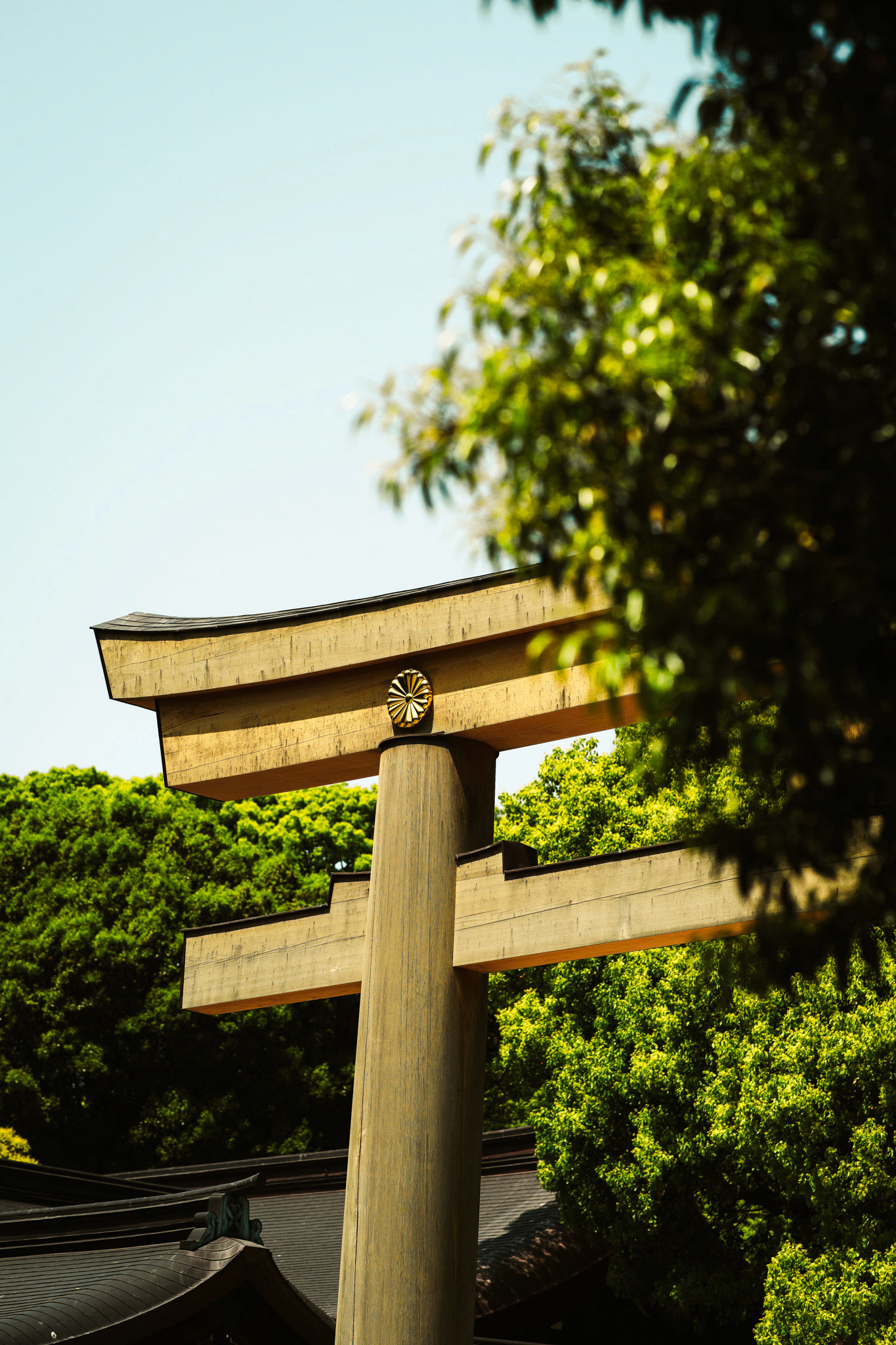
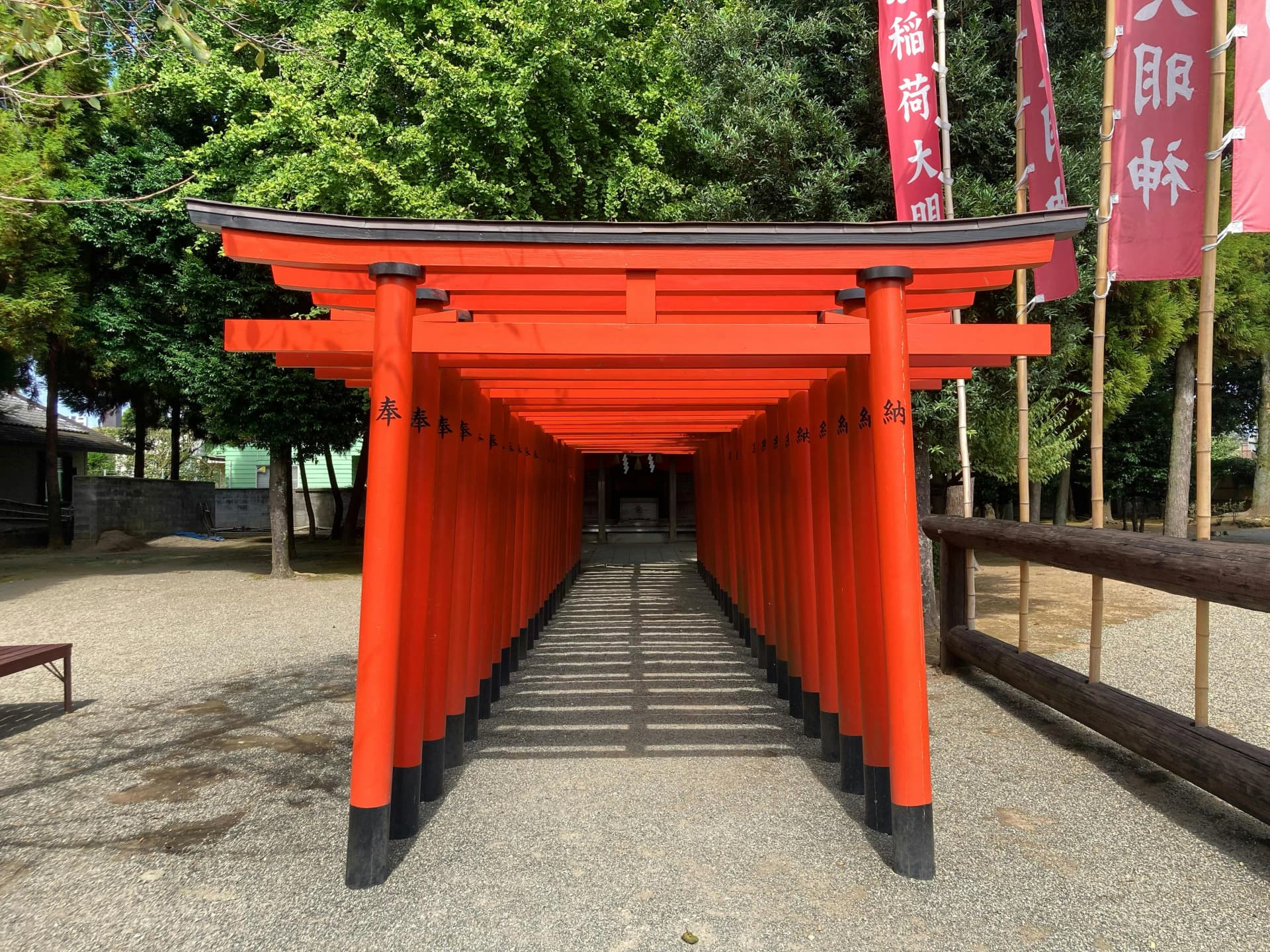
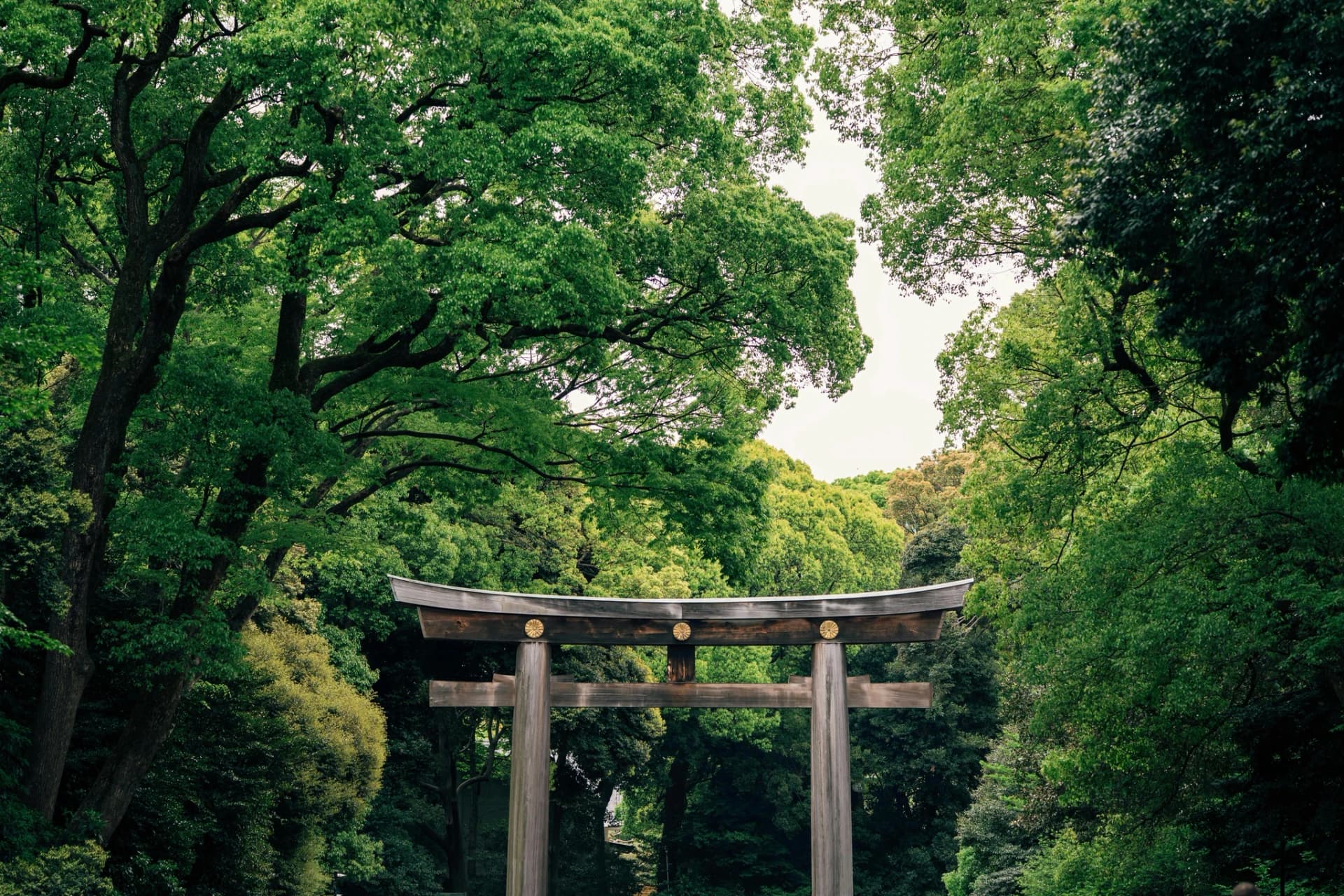
There are eight torii gates spread across the grounds. The Second Torii stands where the South and North approaches meet, and it's the largest wooden torii in Japan: 12 meters tall and 13 tons. Its posts come from a 1,500-year-old Japanese cypress from Danda Mountain in Taiwan. Lightning destroyed the original 1920 torii in 1966, and a Tokyo timber merchant spent years searching Taiwan for a tree big enough to replace it.
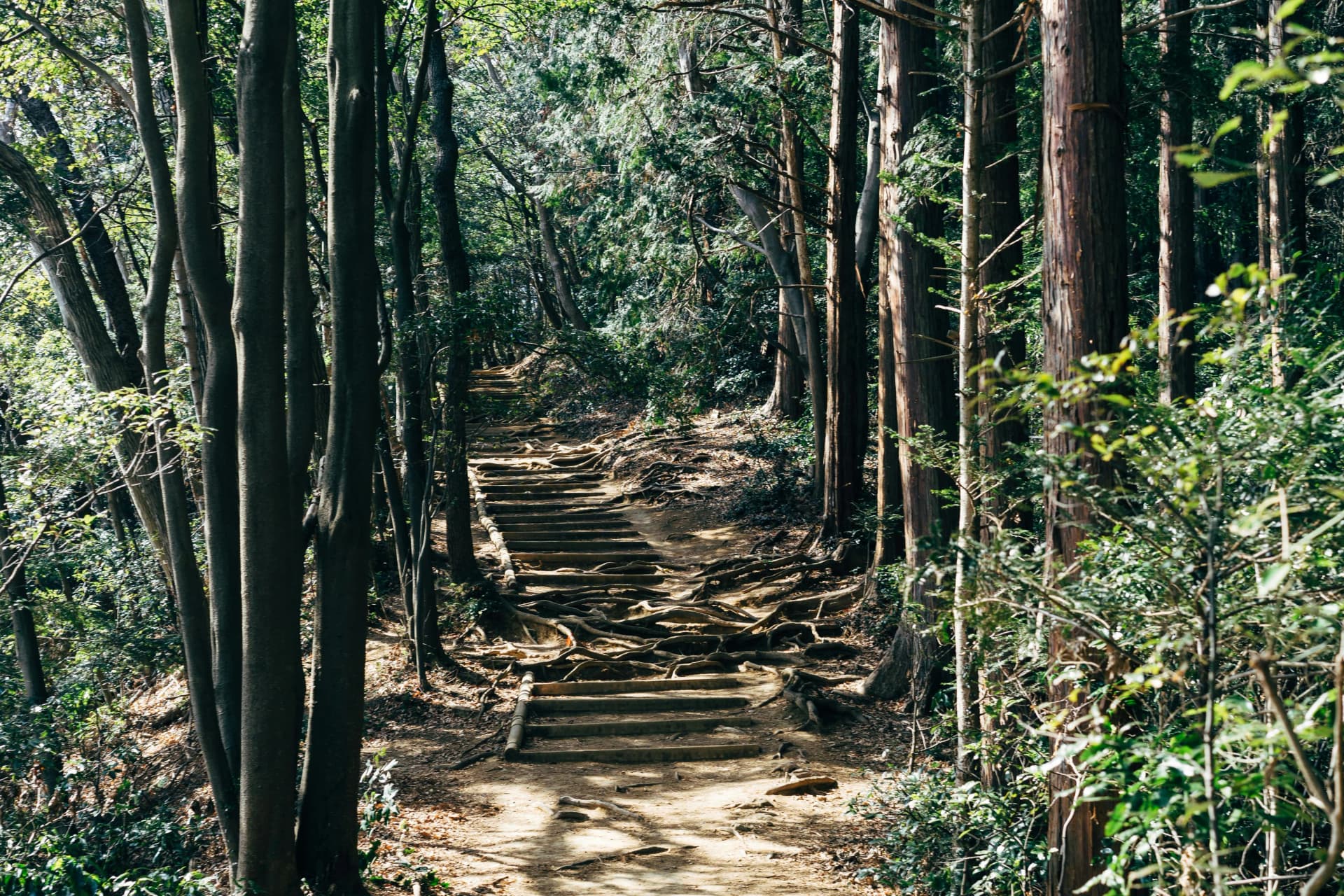
From the entrance to the main shrine is a 10-minute walk along a wide gravel path through the forest. Sake barrels line one side and wine barrels the other, all donated as offerings. The forest covers 70 hectares and has 120,000 trees.
None of it is ancient woodland. Every tree went in between 1915 and 1920.
The Main Shrine Complex
The main hall sits in a large courtyard, built of Japanese cypress and copper, with no bright colors and very little ornament. If you're expecting the drama of other famous shrines, it will look plain. That plainness is deliberate, though nothing on site tells you so.
People pray at the offering box in front of the main hall. The outer hall and inner sanctuary are closed to the public. The Imperial Family's chrysanthemum crest appears all over the complex.
What Catches Your Eye
Visitors write prayers and wishes on wooden ema plaques and hang them on racks, and buy protective amulets at the shrine office. Everyone photographs the torii and the pair of camphor trees joined by sacred rope. On weekends, wedding processions cross the courtyard.
A basic visit takes 30 to 45 minutes, which is plenty to see it and not much to understand it.
The 1920s Shrine That Matters More Than Ancient Ones
Built 1920, Not 1020
Meiji Shrine was dedicated on November 3, 1920, completed in 1921, and its grounds were finished by 1926. It honors Emperor Meiji (1852-1912) and Empress Shōken (1850-1914), who died in 1912 and 1914.
So it's barely 100 years old, and the buildings you see are younger still. The March 10, 1945 firebombing of Tokyo destroyed the original shrine, and what stands today was rebuilt in 1958.
Japan has shrines more than 1,000 years old, so by local standards this is modern construction. Visitors who assume an important shrine must be an old one expect something much older.
Why Emperor Meiji Changes Everything
Emperor Meiji reigned from 1867 to 1912, the years of the Meiji Restoration, when Japan went from a feudal society to a modern industrial nation.
The Meiji government:
-
Abolished the samurai class and introduced universal conscription
-
Built Japan's first railway (Tokyo-Yokohama, 1872), which grew to 1,400+ miles by 1890
-
Hired over 3,000 foreign experts to teach modern science, technology, and military techniques
-
Created a constitution in 1889 and set up the Diet, Japan's parliament
-
Built industries and sold them to private entrepreneurs, which produced zaibatsu corporations like Mitsui and Mitsubishi
The slogan was "rich country, strong army," and the aim was to modernize fast enough to avoid Western colonization.
The shrine commemorates the man at the head of that change, which is why a building this recent still carries so much cultural weight.
The Imperial Palace is another piece of this modern imperial history and shows how the institution changed after World War II.
The National Unity Project Behind the Forest
Dr. Honda Seiroku, known as the "father of Japanese parks," designed the forest. He chose every tree for how it would look 100 to 200 years later. The trees were donated from every Japanese prefecture and planted by youth volunteer groups, and the work was completed in 1920.
It was a state project, built to tie modern Japanese identity to the imperial system. After World War II the Allied occupation abolished State Shinto, and the 1947 Constitution redefined the emperor as "symbol of the State" with no political power. The shrine survived, but the system that created it is gone.
When 7AM and Noon Are Different Shrines
The Timing Window
The shrine opens at sunrise and closes at sunset. Between 6am and 8am the paths are nearly empty, and you hear birds and your own feet on the gravel. Crowds start building by 9am, and by 11am the tour groups have filled it and the forest walk has lost its quiet.
One visitor called it "relaxing and open" at 8am and said "the path was packed" an hour later. That happens every day, all year. During hatsumode at New Year, the 10-minute walk to the main shrine can take three hours.
What "Peaceful" Actually Means
Every Tokyo guide calls Meiji Shrine "peaceful." Before 8am that's true. After 11am it isn't.
Over 3 million people visit during the first three days of January for hatsumode, more than any other shrine in Japan over that period. If you want the quiet forest, you have to time it. For timing across the rest of Tokyo, see best time of day for Tokyo private tours.
Timing matters for photos too. Early light comes through the trees softly, while afternoon light is harsh and the crowds fill the frame.
Weekend Weddings
Weddings take place on Saturdays and Sundays between 11am and 2pm, about a dozen ceremonies on the busiest weekends. June is the peak month (the "June bride" tradition), and the Taian calendar decides a lot: there are many more on lucky days (大安) and almost none on unlucky Butsumetsu days (仏滅).
First-timers often think they got lucky, but if you're there on a weekend between 11am and 2pm you'll probably see at least one. If seeing a Shinto wedding matters to you, go then. If avoiding crowds matters more, go before 8am on a weekday. You can't have both.
When a Guide Changes Everything
Why It Looks Plain
After Fushimi Inari's thousands of red torii or Sensoji's five-story pagoda, Meiji Shrine looks plain. That comes from Shinto design, which avoids decoration on purpose.
Shinto aesthetics favor natural materials, restraint, and purity. Buddhist temples use ornament to teach and to impress; Shinto shrines use simplicity to express closeness to nature and spiritual purity.
What a Guide Makes Visible
The eight torii mark the threshold between the physical and spiritual worlds. The forest is 100% planted, put in as a national unity project. The sake and wine barrels are ritual offerings that stand for Emperor Meiji's support of domestic industry.
The people you see praying follow "ni-rei, ni-hakushu, ichi-rei": two bows, two claps, one bow. At Buddhist temples prayer is silent, with no clapping. The main hall's asymmetrical roof (nagare-zukuri style) has a practical job, keeping visitors dry at the offering box.
A guide explains all this while you're standing in front of it, and setting the shrine next to Sensoji makes the differences easy to see:
| Element | Sensoji Temple | Meiji Shrine |
|---|---|---|
| Religion | Buddhist | Shinto |
| Founded | 628 AD | 1920 |
| Approach | Nakamise shopping street | Forest path |
| Architecture | Ornate, colorful | Simple cypress/copper |
| Prayer ritual | Silent, no clapping | Two bows, two claps, one bow |
Buddhism reached Japan from China via Korea in the 6th century, while Shinto is Japan's indigenous practice. The two shared grounds until 1868, when the Meiji government's Kami and Buddhas Separation Order forced them apart, which is why Asakusa Shrine still sits right next to Sensoji. The Asakusa guide covers Sensoji and the temple district around it. The Harajuku guide uses Meiji Shrine as the cultural anchor for understanding Japanese youth culture today.
Visit both without knowing this and you may not realize you've seen two different spiritual traditions.
The Half-Day Context Tour
Hinomaru One's Tokyo Trifecta tour pairs Meiji Shrine with Harajuku and Shinjuku, and the jump from traditional to modern helps the shrine make sense.
The 4-hour afternoon goes from the calm of Meiji Shrine to Harajuku's youth culture and then the nightlife of Shinjuku. Your guide handles the timing, gets you through the crowds, and explains what you're seeing at each stop. Pricing starts at $314 for two people; the complete pricing guide has group rates.
Planning Your Visit
Getting There
Harajuku Station (JR Yamanote Line) is 1 minute from the southern entrance. You can also come in from Meiji-jingumae Station (Chiyoda and Fukutoshin lines). From either entrance, the main shrine is a 10-minute walk through the forest.
If you're going for meditation or early morning photos, going alone is fine; the forest is calm whether or not anyone explains it. For other situations, see when you don't need a private tour in Tokyo. If a guided visit does make sense, the booking process is simple.
The Inner Garden (¥500)
The iris garden (150+ varieties) peaks in mid-June, and Kiyomasa's Well is a 400-year-old spring. It's worth the fee during iris season. The rest of the year the paths are quiet but there's little to explain, so spend your time at the main shrine.
Where Hinomaru One Fits
On the Tokyo Trifecta we time Meiji Shrine to miss the crowds and explain the Meiji Restoration, State Shinto, and how the forest was designed, so the walk through the forest means something by the time you reach the main hall.
Hinomaru One designs private Tokyo tours for first-time and returning travelers, unrushed, full of cultural background, and always customized.