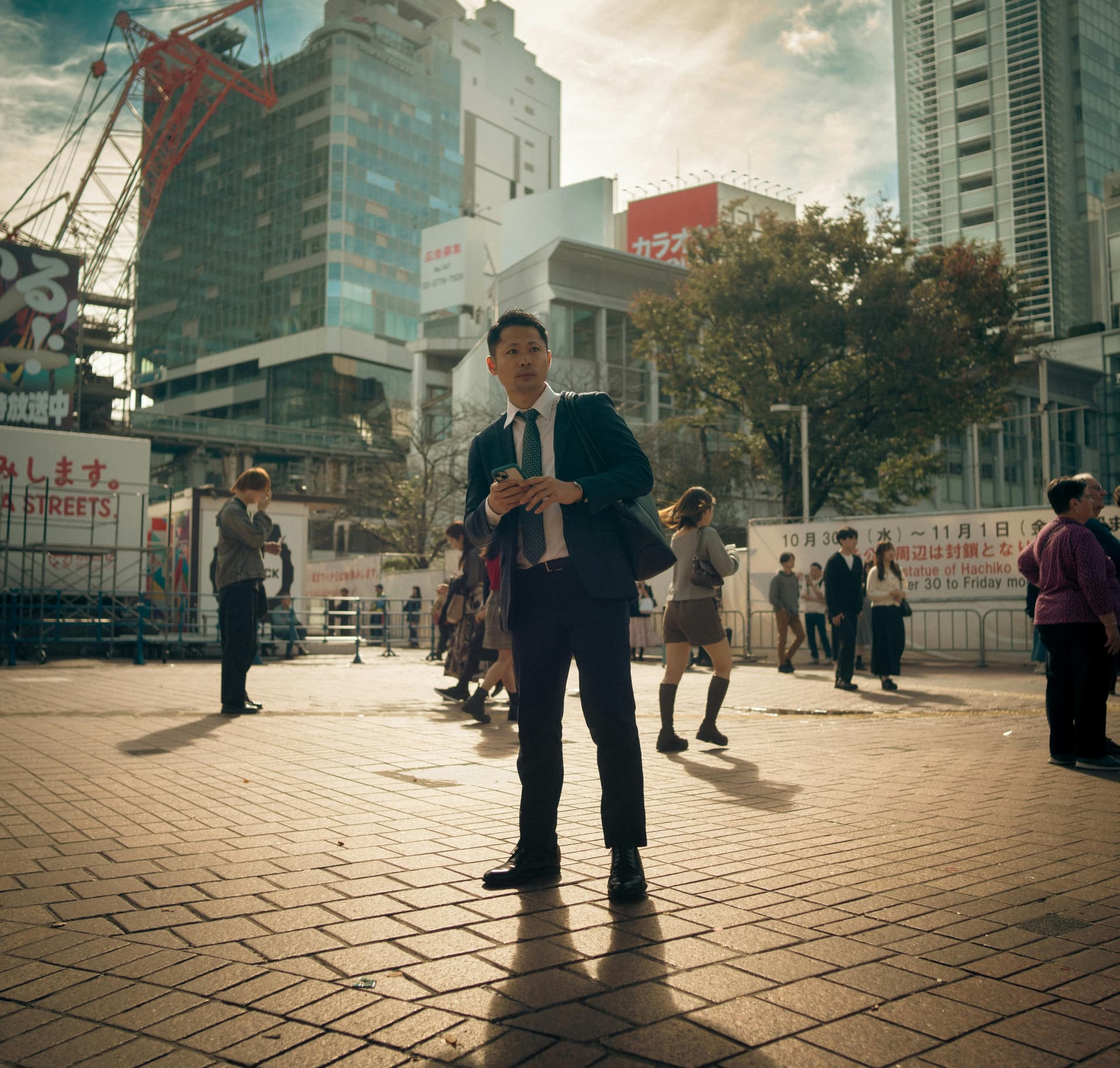
The real value of a private tour with colleagues isn't discovery—it's having someone else handle the coordination.
Tokyo with colleagues is easier when someone else does the organizing, and that's most of what a private tour gives you.
The Volunteer Problem
Someone suggests it at dinner the night before, or in a Slack message that sits unread for hours: "We should do something together while we're here." Everyone agrees, and then nobody does anything.
Somebody has to research the options, pick the restaurant, get everyone through the train system, work out what to order and decide when to move on. In a city with this much choice, that's real work, and among colleagues it's unpaid work nobody signed up for.
A private guide takes that job off the group. The guide may well know some good places, but the bigger help is doing the coordinating nobody else wants to do. If your group would rather skip the crawl, an evening watching the Giants or Swallows works well too; our guide to watching baseball in Tokyo covers it.
This Isn't Team Building
No facilitators, no exercises
It's colleagues having dinner together. You eat, drink and talk, there are no breakout sessions or icebreaker games, and nobody from HR is telling you to have fun.
What Japanese colleagues actually do
In Japan, colleagues get to know each other at after-work drinking gatherings called nomikai. "Nomikai" literally means "meeting to drink." Traditional Japanese offices leave little room for socializing during work hours, so the nomikai is where colleagues talk more openly and the line between boss and coworker gets blurry.
So your group is doing what Japanese professionals actually do together: sharing food, drinks and conversation at an izakaya. Groups that aren't ready to call it a night often carry on in a private karaoke room, and our guide to karaoke in Tokyo explains how that usually works.
One Evening, Three Neighborhoods
Most business travelers get one free evening, which is plenty. Whether anyone wants to spend it digging through Shinjuku's 10,000 restaurants and hoping for the best is another matter.
Standing Room Only (4 hours)
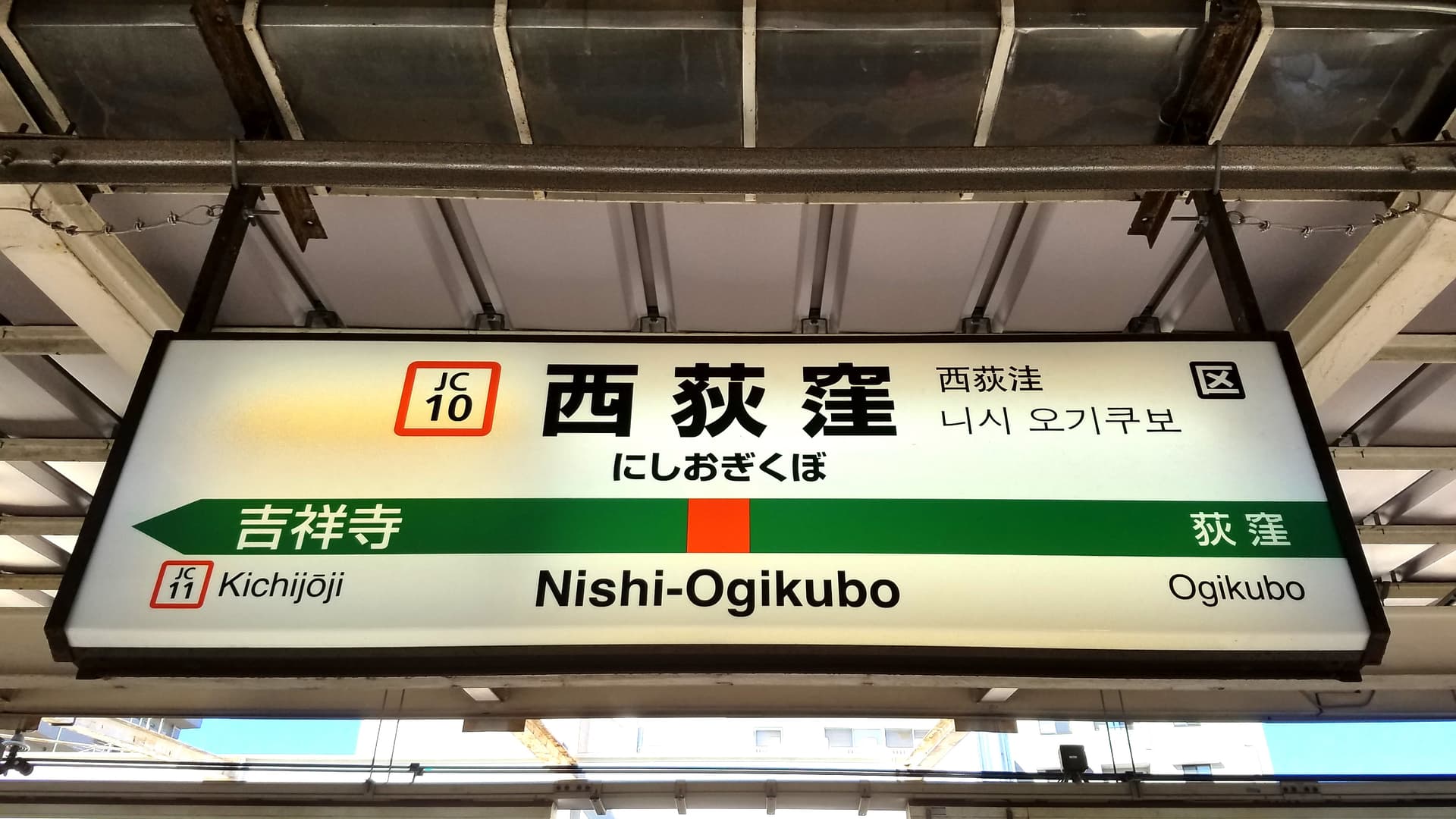
Standing Room Only picks you up at your hotel at 6:30 PM and finishes around 10:30 PM in Kichijoji. Along the way it passes through three neighborhoods in Suginami Ward (Nakano, Nishi-Ogikubo and Kichijoji), and each has its own character.
You eat at standing bars and retro izakayas with handwritten menus and no English, places that seat 6-10 people and fill with office workers after 7 PM. Your guide sorts out reservations and ordering and gets everyone from one venue to the next. We go through the night in more detail in what to expect during a tour.
Typical food and drink spend: ¥4,000-6,000 per person ($28-42).
Kushiyaki Confidential (6 hours)
If you have more time, such as a half day running into the evening, Kushiyaki Confidential starts around 4 PM and goes until 9:30 PM. It covers Shibuya, Ebisu and Nakameguro, with standing sushi bars, yakitori joints, sake counters and neighborhood izakayas.
With six hours you get five venues instead of three, at an easier pace. You also see late afternoon turn into evening as the salarymen fill the alleys.
Typical food and drink spend: ¥5,000-8,000 per person ($35-55).
Both tours take groups up to 6 people. Most local izakaya seat 4-8 people at most, and the popular ones are packed after work, so the guide picks places that can actually fit your group.
What It Costs (And What to Put on the Expense Report)
The guide fee is one clear line item, which makes it easy to expense. Food and drink are paid separately, so you control that part of the budget. Our pricing guide explains how private tour pricing works in detail.
| Tour | Duration | 3 people | 4 people | 5 people | 6 people |
|---|---|---|---|---|---|
| Standing Room Only | 4 hours | $345 | $376 | $410 | $438 |
| Kushiyaki Confidential | 6 hours | $489 | $552 | $625 | $678 |
What's included:
-
Guide with hotel pickup
-
Transportation coordination
-
Menu navigation and ordering
-
Concierge support
What's not included:
-
Food and drinks
-
Transportation costs
-
Tips (not expected in Japan)
Non-drinkers: Every stop has non-alcoholic options. Japan has zero tolerance for drink driving, designated drivers are common, and izakaya stock non-alcoholic beer, mocktails and soft drinks as a matter of course.
What to Wear
Smart casual works. These are standing bars, so a collared shirt is fine and nobody needs a tie. Women can skip heels, since you'll walk between venues.
Comfortable shoes matter. Three to five venues means walking from one neighborhood to the next. Save the dress shoes for client meetings.
Bring cash. Most izakaya take cash only. ¥10,000 per person covers food, drinks and a little extra for the round nobody planned.
Light layers. Tokyo evenings can be cool and izakaya run warm inside, so a jacket you can carry beats a heavy coat.
Group Size: The Sweet Spot
Why 4-6 Works Best
For an evening of izakaya with colleagues, 4-6 people is the best size.
| Size | Venue Access | Dynamics |
|---|---|---|
| 2-3 | Unlimited, any counter or small izakaya works | Easy but feels less like a group outing |
| 4-6 | Most standing bars and izakaya accommodate | Sweet spot: real group energy without logistical burden |
| 7-8 | Many venues can't seat you together | May need to split across tables or skip smaller spots |
| 9+ | Requires advance reservations at larger venues | Loses the spontaneous izakaya feel |
Counter seating at a traditional izakaya usually tops out at 6. A standing bar might fit 8, spread across the room. The guide works around this, but a smaller group simply has more places to choose from.
When You Have More Than 6
Groups of 7-8 can still go together if you accept a few changes:
- Fewer venue options: The 6-seat counters are out, so the night leans on roomier standing bars.
- Split seating: You might sit at two tables side by side or at two ends of a long counter, close enough to talk, if not elbow to elbow.
- Reservations matter more: The guide books stops ahead so there's room for you, which leaves less space for wandering into somewhere new.
For more than 8, think about two tours running at the same time with different guides. Each group gets the small-izakaya experience, and everyone can meet up at a bigger venue at the end for a last drink together.
Handling Dietary Restrictions in Groups
Most work groups include someone who is vegetarian, has an allergy or avoids certain foods for religious reasons. Japan can be tricky for them, and with some planning ahead it's manageable.
Common Restrictions and Solutions
| Restriction | Challenge in Japan | What We Do |
|---|---|---|
| Vegetarian | Fish stock (dashi) hidden in most dishes. "Vegetable" dishes often contain bonito flakes. | Select restaurants with verified vegetarian options. Izakaya with edamame, tofu dishes, vegetable skewers. Communicate clearly with kitchen. |
| Vegan | Dashi plus egg and dairy in unexpected places (mayo in salads, egg in noodles). | Dedicated vegan-friendly venues exist in Tokyo. Build itinerary around them when needed. |
| Gluten-free | Soy sauce contains wheat. Breaded items everywhere. Most noodles are wheat-based. | Tamari (wheat-free soy) available at some restaurants. Focus on grilled items, sashimi, rice dishes. Confirm preparation methods. |
| Shellfish allergy | Ground shellfish added for calcium in some products. Shared cooking surfaces at izakaya. | Allergy cards in Japanese essential. Avoid street food and shared grills. Select restaurants that can accommodate safely. |
| Halal / Kosher | Very limited certified options. Cross-contamination common. | Tokyo has halal-certified restaurants, though fewer than other major cities. Plan meal stops specifically around certified venues. |
| Pork-free | Pork in broths, gyoza, many appetizers. Lard used in some cooking. | Specify "no pork" (buta nashi) clearly. Chicken and beef izakaya exist. Seafood-focused venues often safer. |
The Group Dining Reality
How well a Japanese restaurant handles dietary restrictions varies a lot, especially at small izakaya. Some kitchens will happily adjust a dish, and others can't or won't.
What guides do:
- Collect dietary info from the organizer before the tour
- Pre-select restaurants that can accommodate the group's needs
- Communicate directly with kitchen staff in Japanese
- Order strategically so restricted diners have options at each stop
- Identify backup venues if the first choice can't accommodate
For Organizers: What to Tell Us
When booking, share:
- Number of people with restrictions
- Specific restrictions (vegetarian vs. vegan matters)
- Severity (preference vs. allergy vs. religious requirement)
- Whether the restricted person is flexible about eating around issues or needs guaranteed safe options
Be as specific as you can. "Sarah is vegetarian but eats fish" helps us much more than "one vegetarian."
Allergy Cards
For a serious allergy, bring a laminated card in Japanese that names it. Sites like JustHungry and FoodAllergyCard have free templates. Handing the card to staff is clearer than any spoken explanation passed through a guide.
Japanese law requires packaged foods to label 7 allergens (egg, milk, wheat, peanut, buckwheat, shrimp, crab). Restaurant dishes carry no labels at all.
What Groups Say
"We'd already seen the major attractions, so we asked Satoshi to show us the real Tokyo. He took us for sake tasting — three types: sweet, mild, and dry — and extended his time with us. Above and beyond!" Group of 4 adults
"The service was extremely professional and well organized. Our guide Satoshi was outstanding — thanks to him, we fully appreciated the places we visited and learned a lot about Japanese culture." Visiting from Italy
Ready to Book
Once your group has dates, get in touch. We'll check guide availability and help you pick the tour that fits your schedule.
Ready to Book?
Nobody wants to be the one who planned a mediocre team dinner in Tokyo. A guide takes care of reservations, getting everyone from place to place and explaining what's going on, and the rest of you just turn up.