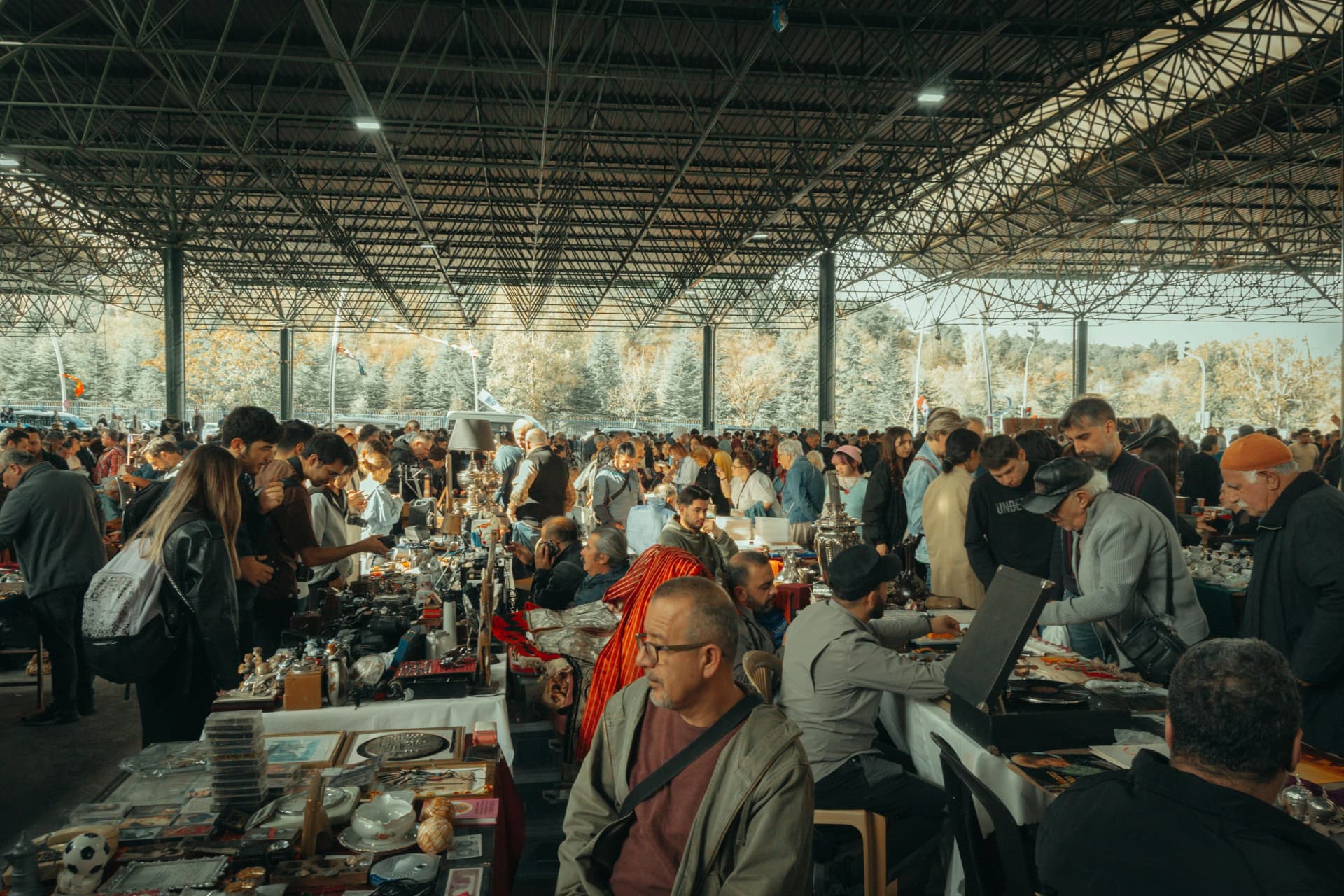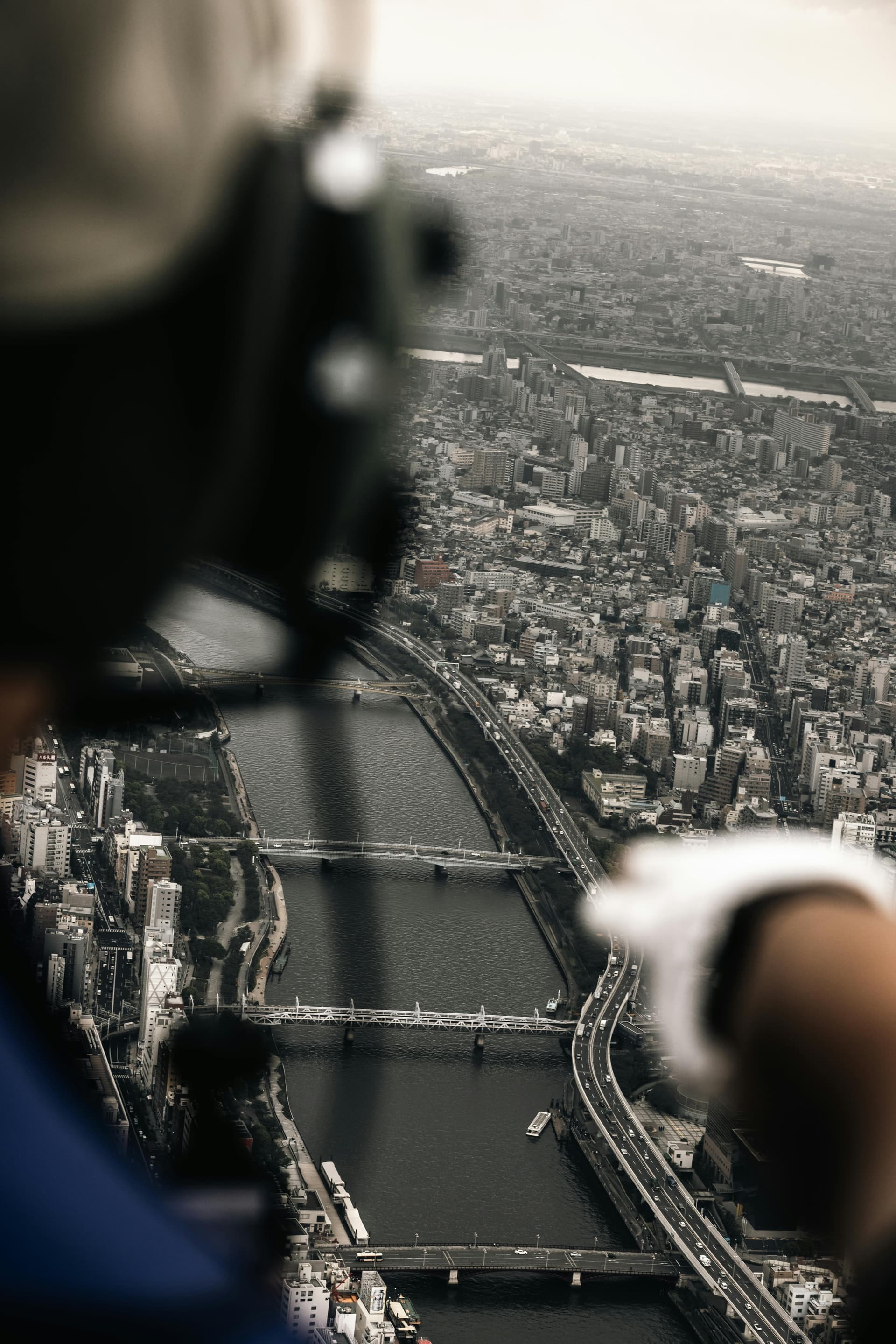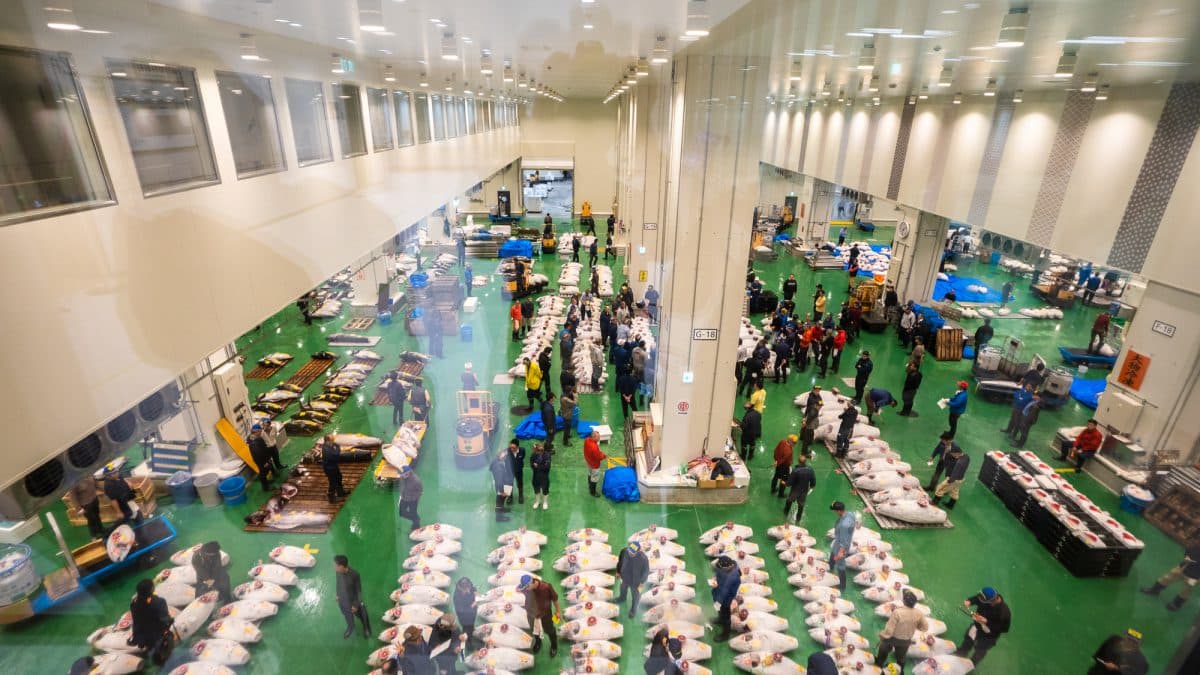
Toyosu Market is infrastructure, not entertainment. Understanding this difference determines whether it's worth your Tokyo time.
This Toyosu market guide starts with the thing that decides whether it's worth your Tokyo time: Toyosu is a working wholesale facility, built for the trade, and it was never designed to entertain visitors.
Toyosu Market opened in 2018 as Tokyo's new wholesale seafood hub, taking over from the famous Tsukiji. If you're hoping for the noise and crush of old Tsukiji, you'll be disappointed, because Toyosu is a place where business gets done and visitors watch from upstairs.
What Toyosu Actually Is (And Isn't)
From Tsukiji to Toyosu: What Changed
On October 6, 2018, Tsukiji's Inner Market closed after 83 years. Five days later, on October 11, Tokyo's wholesale seafood trade reopened at Toyosu, about 2 kilometers east. The new address came with a completely different visit.
Tsukiji's Inner Market was cramped and chaotic. Vendors shouted across narrow aisles and wooden carts rattled over wet floors. Toyosu is a purpose-built facility spread over three huge buildings: the Fisheries Wholesale Market Building (where the tuna auctions happen), the Fisheries Intermediate Wholesale Market Building (177,000 square meters over five floors), and the Fruit and Vegetables Building. It's twice the size of Tsukiji, climate-controlled, and laid out for efficient operations.
Tsukiji Outer Market stayed put. Its 500+ shops selling fresh seafood, restaurant supplies, and prepared food are all still open. The narrow lanes, grilled seafood stalls, and sushi counters you've seen in travel guides are in Tsukiji, and Toyosu has none of them.
Designed for Business, Not Visitors
Toyosu was built to modernize Tokyo's wholesale trade. Temperature-controlled warehouses, loading docks laid out for fast distribution, and viewing corridors kept apart from the trading floors all put the business first. Travelers call it "sterile," "clinical," "like a hospital." As a wholesale market it works very well, and the market atmosphere most visitors come looking for is missing.
What "Seeing the Market" Actually Means
Public access at Toyosu is limited to observation corridors on the second floor of each building. You follow clearly marked "Visitor Routes" and look down through windows at the trading below. The first-floor trading areas are for licensed buyers only.
For the tuna auction you have two options: the free observation windows on the second floor (no reservation needed), or the special observation deck on the auction floor itself, behind glass (lottery required). Either way, you're watching from outside.
On the fourth floor of the Intermediate Wholesale Market Building is Uogashi Yokocho, 70+ shops selling professional cooking equipment, knives, seasonings, and processed food. The rooftop garden looks out over Tokyo Bay and Rainbow Bridge, and on clear days you can see Mount Fuji.
The Tuna Auction: Reality vs Expectations
The tuna auction runs from 5:30 to 6:30 AM in the Fisheries Wholesale Market Building. Buyers inspect huge frozen and fresh tuna and then bid fast, and the prices they set flow through to sushi restaurants across Tokyo.
Two Ways to Watch
Free Windows: Arrive when the market opens at 5:00 AM and walk to the second-floor viewing area. You don't need a reservation. You're looking over awnings onto the warehouse floor, which is far away but visible.
Lottery Deck: Apply on the official website during the first week of each month for dates in the following month. It takes 100 people a day across four 10-minute slots (5:45, 5:55, 6:05, 6:15 AM). If you win, be at Block 7's Promotional Corner by 5:30 AM with photo ID. The glass stops short of the ceiling, so you can hear the auction. You're closer than at the free windows, though still behind glass. Travelers describe it as "interesting but not transformative."
If you lose the lottery, nobody tells you. Many travelers apply several times.
The 4 AM Problem
Public transport doesn't start early enough for a 5:30 AM check-in. The first Yurikamome Line train from Shimbashi leaves at 5:37 AM, which is too late. You'll need a taxi: 15 minutes from Ginza (¥1,500-2,000), or 30 minutes from Shinjuku/Shibuya (¥3,000-4,000).
Most people who go for the auction get up at 3:30-4:00 AM, pay for a pricey taxi, watch a 20-minute auction through glass, and then have 4-5 hours to kill before the rest of Tokyo opens. On a 3-4 day trip, that one morning eats 15-20% of your time in the city. Our tour duration guide can help you weigh that.
Travelers who skip the auction and come to Toyosu at 7-9 AM tend to have a better time. Trading is still going on, the restaurants are open, and nobody spends the rest of the day short on sleep.
What You Can Do on Your Own
The second-floor observation corridors in all three buildings are open during market hours (5:00 AM to 5:00 PM). The busiest stretch is 5:00-10:00 AM. Come between 5:00-7:00 AM and you'll see fish being sorted, buyers checking the goods, and deals being done. After 10:00 AM it's mostly cleanup.
Getting there: Take the Yurikamome Line from Shimbashi Station to Shijo-mae Station. First trains run at 5:00 AM, the ride takes 18-20 minutes, and the fare is ¥320. A covered walkway links the station straight to the market.
If you're not trying for the auction, arrive at 6:30-7:30 AM. Trading is in full swing and the restaurant lines are shorter than they'll be later.
The Restaurant Reality
Toyosu has about 40 restaurants in three dining areas. The famous names from Tsukiji have very long waits:
| Restaurant | Omakase Price | Typical Wait | Notes |
|---|---|---|---|
| Sushi Dai | ~¥4,500 | 3-6 hours | Check in from about 5 AM, come back at your slip time |
| Daiwa Sushi | ¥5,500-6,600 | 1-2 hours | 6:30-7 AM arrival = 30 min wait |
| Iwasa Sushi | ~¥5,800 | under 1 hour | English menu, clam miso soup included |
| Ichiba Sushi | ~¥5,800 | under 1 hour | Specializes in whole tuna; rare cuts available |
At Sushi Dai you check in at the shop from about 5 AM, register your party, and get a numbered slip with a rough return time, so you can walk the market instead of standing in line until it comes up. It takes no reservations and only cash, and it stops taking names once the day's seats are allocated, which often happens within the first few hours.
As for the sushi itself, Tokyo's high-end restaurants get their fish from Toyosu every day, so eating next door to the market gets you a good price (¥4,500-6,600 for solid omakase) and the novelty, with fish not much better than in town. Iwasa and Ichiba serve fish as good as the famous names without the huge lines. One traveler turned up at 6 AM to find Iwasa "open and empty" while crowds queued next door. Our sushi guide covers Tokyo's sushi culture and where to eat it beyond Toyosu.
What You'll Miss Without a Guide
On your own, you won't know why some tuna go for so much more than others, how buyers judge quality from a cut through the tail, what the hand signals mean, or how this auction sets sushi prices across Tokyo. You'll watch deals happen without knowing why they matter. One food blogger said after several visits: "It's a bit underwhelming if you don't understand what's going on."
What a Private Guide Changes
The same viewing rules apply to everyone, so a guide can't get you past the glass. A guide can explain what you're looking at.
Two Kinds of Translation
Literal translation: signs, menus, and auction terms are in Japanese. A guide translates on the spot and talks to vendors for you. If you're worried about language barriers in Tokyo in general, that help carries well past the market.
Explaining the system: why this auction sets prices across Tokyo, and how tuna grading works, with buyers checking a cut through the tail for fat, color, and texture. What the hand signals mean. What the intermediate wholesalers do. How this one facility supplies 35 million people every day. What "yake" (burnt tuna) means: when a fish thrashes as it's caught, its internal temperature spikes and the meat turns pale and soft and tastes metallic. Those fish sell for a fraction of what a calmly caught tuna fetches.
A guide also sets your expectations before you arrive, so you know you're visiting a working facility and aren't let down when you get there.
When the Investment Makes Sense
If you want to understand how Tokyo feeds itself and why sushi costs what it does, a guide is worth it, because you'll come away knowing how the place works instead of having just looked through a window. For food culture more broadly, Kushiyaki Confidential pairs market background with Tokyo's standing bar culture.
If you just want to see the famous auction or eat very fresh sushi, a guide adds less. Our piece on whether private tours are worth it breaks down the value. Guided tours run 2-3 hours and cost $200-400 depending on group size, often pairing Toyosu with Tsukiji. To compare Tokyo private tour options or understand tour pricing structure, see those guides.
Tsukiji Outer Market: The Alternative That Works Better
The Inner Market moved to Toyosu, and the Outer Market stayed exactly where it was: 400-500 shops selling fresh seafood, prepared food, restaurant supplies, and kitchenware. Fresh fish still comes in from Toyosu every day, sushi restaurants still open at 5:00-6:00 AM, and the narrow lanes and chatty vendors are all still there.
What Tsukiji Delivers
At Tsukiji you're in the middle of the market. Vendors hand you samples, and you can touch, smell, and taste. You walk from stall to stall trying fresh sashimi, grilled seafood skewers, tamagoyaki, and ready-made food, putting together your own breakfast as you go. We cover Tokyo's street food beyond the markets in a separate guide.
Start at Yamacho for ¥100 tamagoyaki on a stick (the chef works three pans at once), then go to Shouro for their tamagoyaki sandwich (they've made nothing but tamagoyaki since 1924). Sumo wrestlers come to Marutake for theirs. Then grilled scallops at Marutake Suisan and strawberry daifuku at Soratsuki, eaten as you walk.
The waits are shorter too. Sushi restaurants at Tsukiji usually mean a 30-minute to 1-hour wait, compared with 3-6 hours at Toyosu, and the quality is still high.
For shopping there are kitchen knives, professional cooking equipment, dried fish, tea, and seasonings. Tsukiji Uogashi, a newer building added after 2018, holds 60 businesses, and the lanes around it kept their old layout.
Our Tsukiji Outer Market guide has full vendor picks and directions.
When to Choose Tsukiji
Go to Tsukiji if you'd rather be in a busy market than learn how a wholesale system works. With only a few days in Tokyo (3-4 days), Tsukiji gives you more for each hour. With children, walking at street level and tasting food holds their attention far better than a viewing window. Our guide to Tokyo tours with children covers pacing for different ages.
Getting between the two takes 15-20 minutes by train (Yurikamome to Shintomicho, then an 8-minute walk) or about ¥1,500 by taxi.
Making the Decision
| If you want... | Go here | Plan for |
|---|---|---|
| To understand Tokyo's food supply system | Toyosu with a guide | 2-3 hours, $200-400 |
| Immersive market atmosphere, food crawl | Tsukiji Outer Market | 2-3 hours, ¥2,000-3,000 on food |
| To see the famous tuna auction | Toyosu | Lottery application one month ahead, taxi transport, backup plan for free windows |
| Limited time (3-4 days) | Tsukiji | More to do per hour. For a full, efficient day, Tokyo Essentials covers several priorities |
When to Skip Toyosu Entirely
Plenty of seasoned Tokyo travelers say skip it: "Waste of time." "Not worth going out of way." "Sterile and soulless." Others disagree: "Perfectly showcases the scale and precision of Tokyo's food culture." "A fascinating and thrilling spectacle." Which camp you land in depends on whether you want atmosphere or want to understand how the place works.
Skip Toyosu if your Tokyo priorities are temples, neighborhoods, eating out, shopping, or nightlife, or if you'd rather spend the morning at Meiji Shrine before the crowds, wander Yanaka's traditional streets, or sleep in after a long-haul flight. If you're only in Toyosu for teamLab Planets, our teamLab guide shows how to build the day around your entry slot.
Other early-morning options: Sensoji or Meiji Shrine at 6:00-7:00 AM before the crowds. Morning sumo practice at the Ryogoku stables (6-8 AM, though most need a Japanese speaker and advance booking; Tatsunami-beya near Asakusa takes visitors on guided tours). Or a walk in Ueno or Yoyogi park.
Where Hinomaru One Fits
Our guides help Toyosu make sense. We tell you what to expect before you arrive, then explain what you're watching in terms of how food gets from the boat to the plate and what it costs along the way. If that interests you, we'll plan a morning visit that doesn't wear you out or waste your time. If it doesn't, we'll say so.
Hinomaru One runs private Tokyo tours for first-time and returning travelers, unhurried and always built around you.