Tokyo's whisky bars aren't about finding Yamazaki. They're about bar-exclusive Chichibu casks and knowing which bartender to trust.
Tokyo whisky bars are worth your evening for the bar-exclusive Chichibu casks, and for knowing which bartender to trust. Finding Yamazaki is the easy part.
You can get Yamazaki 12 and Hibiki Harmony at any well-stocked bar in New York or London. What you can only get in Tokyo is the bottles that never left Japan.
That means bar-exclusive Chichibu casks, the last pours of Karuizawa from a distillery demolished in 2016, and anniversary bottlings made for one bar's regulars. Most guides skip over this, and it's the reason to go.
The Bottles You Can't Buy at Duty Free
The names tourists know, like Yamazaki, Hakushu, and Hibiki, sit on export shelves all over the world. Drinking whisky in Tokyo is about getting at what stays here.
Bar-exclusive bottlings: What Zoetrope and Aloha Whisky actually stock
Shot Bar Zoetrope in Nishi-Shinjuku has bottlings that exist nowhere else. Owner Atsushi Horigami bought casks straight from Chichibu Distillery in its early days, so his bar has 8th, 10th, and 18th anniversary single cask releases you can drink only there. He also has a Hanyu single cask and an Akashu two-cask vatting.
Aloha Whisky Bar in Ikebukuro does it differently. Owner David Tsujimoto has a whole wall of Chichibu, plus vintage bottles from before the Japanese whisky boom. His 1984 Yamazaki, the first "Pure Malt" release, pours at ¥7,200 for a half-dram. That's about $46 to taste whisky from a bottle that would cost thousands to buy, if you could find one.
Department stores commission their own exclusives. Mitsukoshi Isetan has released Chichibu single casks, among them a 2012 Mizunara Cask (#1718, 162 bottles) and a Port Pipe (#1825, 300 bottles). Yokohama Takashimaya has had Chichibu Wheat Wine Cask finishes. Men's Isetan in Shinjuku has Salon de Shimaji, which has stocked exclusives like Hakushu 37. You won't find these bottles outside Japan, and often not outside that one store.
Closed distillery pours: Karuizawa and Hanyu availability in 2025
Karuizawa Distillery was mothballed in 2000, closed in 2011, and demolished in 2016. When Number One Drinks bought the final 364 casks, that was everything left. Karuizawa bottles now go for hundreds of thousands of dollars at auction.
Any Tokyo bar still pouring Karuizawa is close to the end of it. Zoetrope has stocked it in the past. Ask the bar directly, because what's there today may be gone next month.
A new Karuizawa distillery opened in 2022, with its first Japanese whisky release planned for 2033. Until then, the old stock is all there is.
Hanyu, the closed predecessor to Chichibu, shows up at Zoetrope as the Ichiro's Malt Card Series. Horigami has 22 or more of the 54 cards documented. They aren't for sale anywhere, only for drinking.
What "rare" actually means to someone who knows Yamazaki
Collector rarity (age statements, auction prices, limited releases) matters less here than what's only sold locally. The Yamazaki 18 a tourist-facing bar offers you is the same Yamazaki 18 you could order in Chicago. You flew 14 hours for that?
Many of the bottles worth drinking in Tokyo don't export because they were never meant to. They were made for a bar owner's anniversary, for a department store's regular customers, or for a distillery's home market. A bar-exclusive Chichibu single cask for ¥1,500 is the drink you came for.
Three Types of Tokyo Whisky Bar (And Which One You Want)
Tokyo has thousands of bars that serve whisky, and most of them aren't specialist whisky bars. Knowing the difference saves you a wasted night.
Hotel bars: Atmosphere without access
Park Hyatt's New York Bar on the 52nd floor is famous from Lost in Translation. On clear days you can see from Shinjuku's towers to Mount Fuji. Live jazz plays every night, and the cover charge after 8pm is ¥2,500-2,750.
The whisky is mostly Suntory, export bottles at premium prices. Whisky fans give it mixed reviews: "Cocktails lacking in flavor." "Service staff speaking very little English." One TripAdvisor reviewer called it a "huge tourist trap."
At a hotel bar you're paying for the view, the mood, and the movie connection. If that's what you're after, it's worth it. If you want bottles that don't exist outside Japan, you're in the wrong building.
Conrad Tokyo's TwentyEight, Grand Hyatt's Oak Door Bar, and most other hotel bars are similar: cocktail-led, export bottles, and prices set by the location.
Specialist bars: Collections with curation
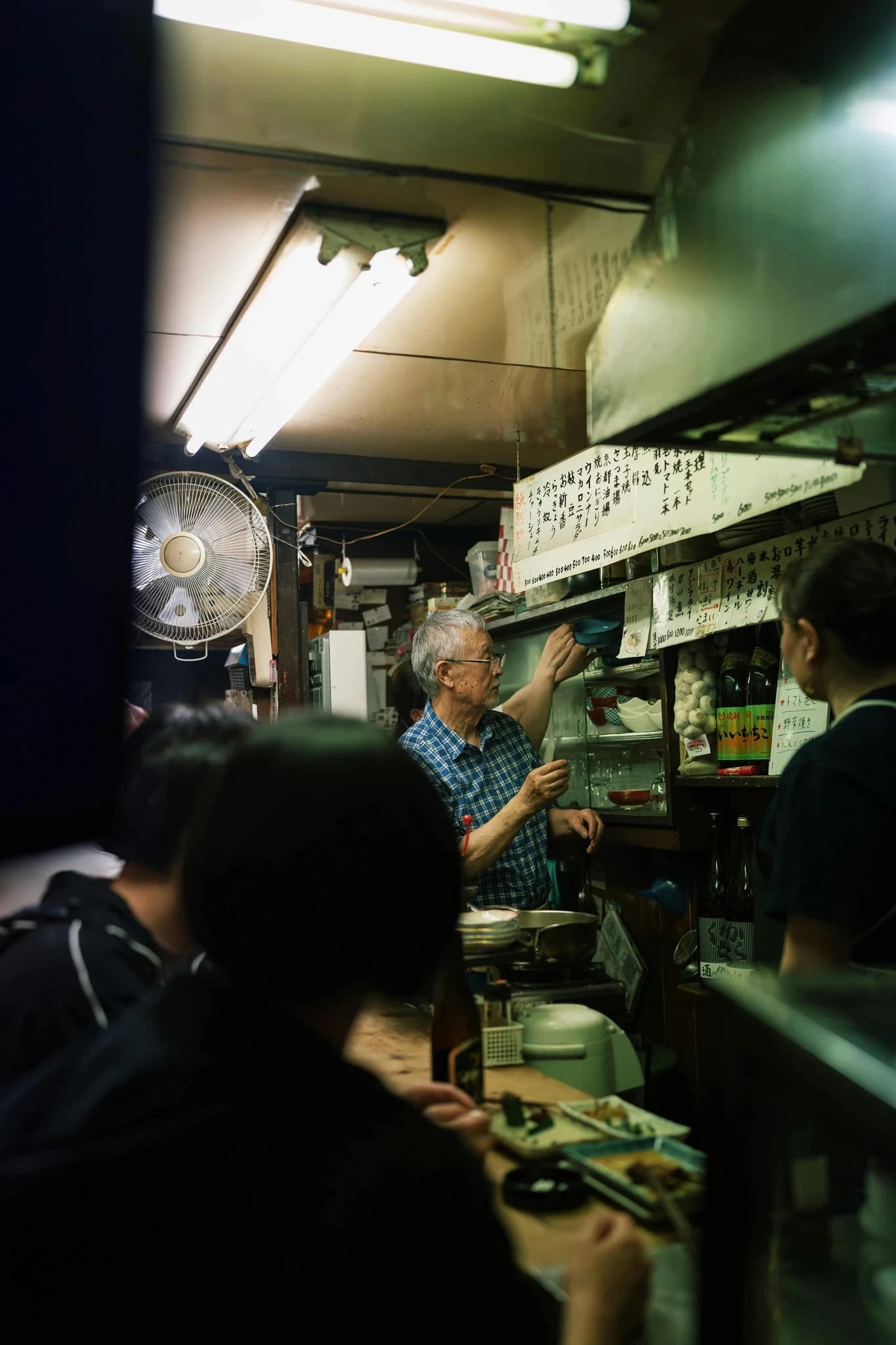
Specialist whisky bars are run by owners who built their collections over decades. The rooms are small, six to twelve seats, and the owner usually works the bar.
Zoetrope in Nishi-Shinjuku has 300+ bottles. Aloha Whisky in Ikebukuro has 600+. The count matters less than what's in them, which is the bottles described above.
Bar Gosse in Meguro has a clear view on pricing. The owner, Satoshi Yui, felt overcharged at other specialist bars he visited before opening his own, and he set up Bar Gosse so that "paying the bill would only add to the joy of the experience." The selection is deep and the prices are fair.
In all of them the owner knows every bottle, where it came from, and why it's interesting. When you order, you're drawing on years of the owner's dealings with distilleries, collectors, and the secondary market.
The mood varies a lot. Star Bar Ginza feels like a temple: hushed, Victorian interiors, no menu, and the bartender asks what you like. Zoetrope, with silent films on the wall and movie soundtracks playing, is far less intimidating.
Neighborhood bars: Relationships over inventory
Past the specialists, Tokyo has neighborhood whisky bars where the collection matters less. The owner may have 50 bottles instead of 300, but knows every regular by name, and the conversation is a big part of why people come.
These bars are harder to find and harder to manage without Japanese. If you do get in, you're drinking where locals drink, with a bartender who'll remember your name by your second visit.
For most visitors, specialist bars are the right middle ground. You get rare bottles, English-speaking owners at places like Zoetrope and Aloha Whisky, and decades of someone's expertise behind the counter.
How to Order Without Getting Steered
How you order often decides whether the evening is good or frustrating.
The omakase approach: "Here's my budget, surprise me"
David Tsujimoto of Aloha Whisky puts it simply: "Treat it similar to omakase sushi — tell bartender your budget, any dislikes, leave rest to them. Bartenders are very familiar with whisky in their bar."
It works because specialist owners know their stock inside out. They've tasted all of it, they know what goes with what, and they keep bottles in the back that aren't on the menu.
Give your budget, say what you like and anything you won't drink, and let them choose. Try to work through a 300-bottle menu in a language you may not read, and you'll likely end up overwhelmed and disappointed.
Cover charges: ¥500-¥1,100 is not a tourist tax
Cover charges puzzle a lot of Western visitors. Why pay just to sit down?
Zoetrope charges ¥600 per person. Aloha Whisky charges ¥500 and gives you cashews. Star Bar Ginza is ¥1,000-¥1,100.
This is normal in Japan and has nothing to do with being a tourist. Bars here charge a cover, often called "otoshi" when it comes with a small snack. We have a separate guide on how cover charges work at standing bars. With six seats and Tokyo rents, the charge is how the place stays open.
In return, nobody pushes you to keep ordering, and you can sit over one glass for as long as you like.
Half-pours and why they exist
Most specialist bars do half-pours. At Zoetrope, anything over ¥1,600 comes as a half-dram. At Aloha Whisky, half-pours are the default.
Half-pours let you cover more ground. If you're working through a bar-exclusive Chichibu at ¥1,500, a vintage Yamazaki at ¥7,200, and something from the Hanyu Card Series, you can try all three in one night without wrecking your palate or your budget.
Six to ten half-pours of rare whisky might cost you ¥10,000-15,000. A single bottle of what you're tasting could cost ¥100,000 or more, so that's a good deal.
When you're being upsold (and how to tell)
It does happen. In one documented case at Hermit East in Tokyo, the bartender offered a tourist Yamazaki 18 at ¥3,500 (roughly £22) for a highball. A local asked for a highball, in English, and got Dewar's 12 without any question.
Premium single malts are wasted in a highball, because the soda covers up the detail. An ordinary blended whisky makes a perfectly good one. If you're offered expensive whisky for a highball you didn't ask for it in, you're being steered.
The reputable specialist bars (Zoetrope, Aloha Whisky, Star Bar, Bar Gosse) don't do this. Their owners made their names on knowing whisky, and squeezing visitors would undo that.
Pay attention to where you're drinking. Upselling happens at tourist-facing bars near the big stations, and rarely at specialist bars with decades of reputation behind them.
A note on smoking and nosing
If you're paying ¥7,200 to nose a 1984 Yamazaki, smoke from the next seat changes what you smell. Zoetrope allows smoking, even though some listings say it doesn't. Aloha Whisky and Star Bar Ginza are non-smoking. Ask before you settle in for the night.
If someone offers you a highball, take it. Suntory's 2008 highball campaign revived the Japanese whisky industry, and the highball is how Japanese people mostly drink whisky. Treating it as the wrong way to drink is a Western assumption.
The Access Question Nobody Wants to Discuss
Can you do this on your own? Sometimes, yes. Getting in can be hard, though, and it's better to know that going in.
What you can absolutely do alone
Zoetrope takes walk-ins. The owner speaks English and you can read the menu. You can order half-pours, explore the collection, and get the full specialist bar experience with no help.
Aloha Whisky is the same. David Tsujimoto speaks English, Japanese, and Chinese, and his staff know their stuff and make you welcome. The bar won Icons of Whisky Bar of the Year 2020. Solo travelers do fine there.
Star Bar Ginza has limited English, but there's no menu anyway. You describe what you want and the bartender makes it, which works if you can get across a few basic preferences. None of these three needs a guide.
Where regulars-first culture gets in the way
Many Tokyo whisky bars are tiny, with six or nine seats. If three of six are taken by regulars who come every week, you may be turned away.
"Be prepared to be turned away even if there are seats available; these are private members bars and are not keen on non-regulars taking the seats of those they know."
The reason is space. The owner can fill six seats with regulars who keep the business going all year, or give three of them to tourists who will come once. You can see why they choose the regulars.
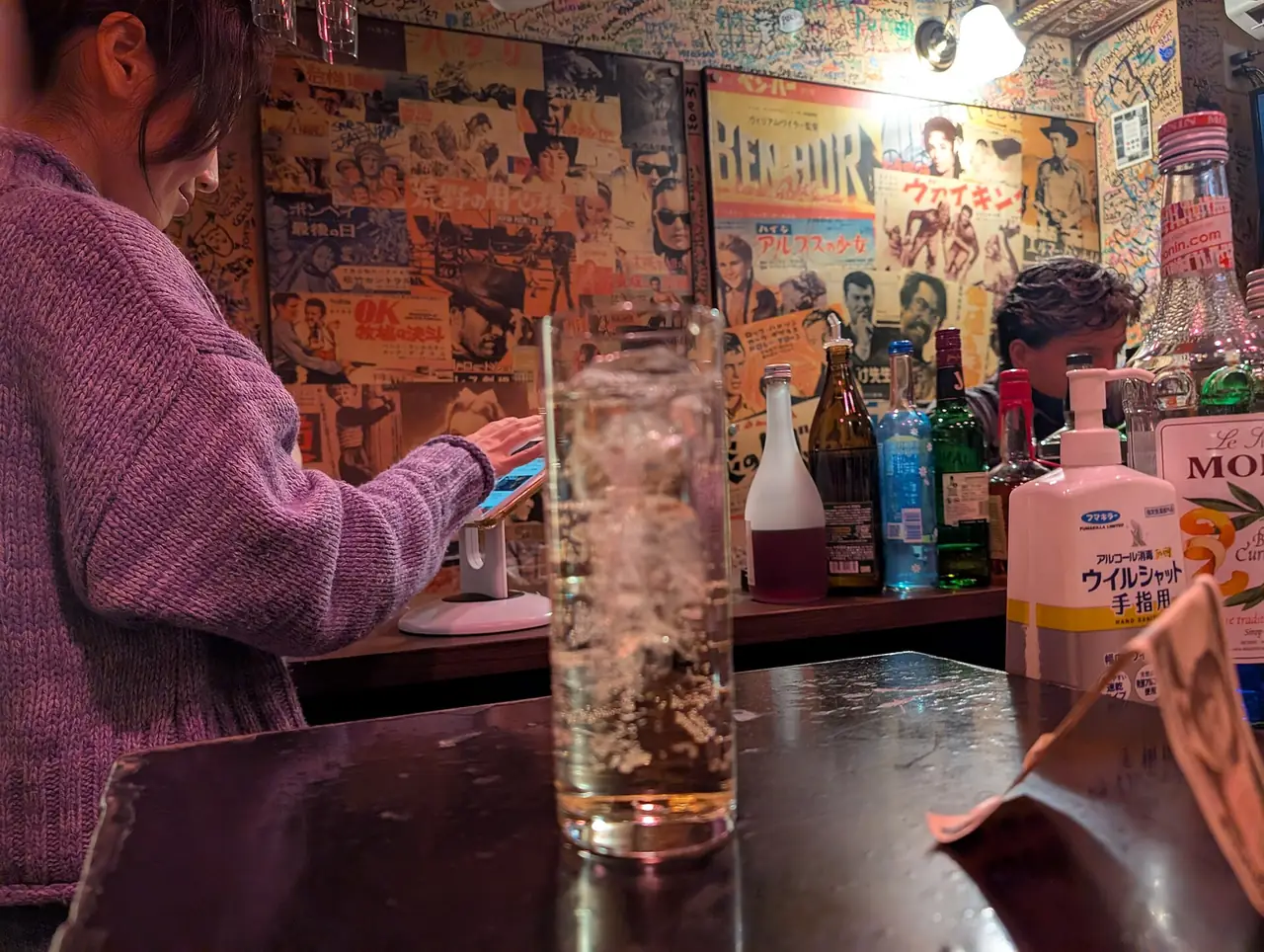
The neighborhood bars beyond the well-known specialists run on relationships. Finding them takes Japanese, and walking in without an introduction can feel awkward. The language barrier is real. Those evenings exist, but getting one depends on who you know.
The guide value proposition: access, not hand-holding
A guide who knows the whisky bars gets you in. Translating is the smaller part of it.
They know which bars have room tonight and know the owners personally. They can ask for bottles that aren't on the regular menu, and they can get you a seat at a bar that would turn away a stranger walking in off the street.
What helps is someone who has been drinking at Zoetrope for years and can introduce you to Horigami-san as a friend of a friend. That's what makes a guide worth it.
For Zoetrope and Aloha Whisky, the easiest specialist bars to walk into, a guide is optional. Deeper into Tokyo's whisky scene, a guide is how you get through the door. If you're thinking about a guided whisky evening, our nightlife tours can be customized around bar access. That includes Standing Room Only, which focuses on the drinking culture most visitors never find.
A Night in Practice
Where to go, when, and what it costs.
What an evening costs (real numbers)
On a budget (one specialist bar, half-pours), expect ¥6,000-10,000 total ($40-65). That covers the cover charge, three to five half-pours of interesting bottles, and maybe a simple snack. You'll taste things you can't get outside Japan and still have change.
A moderate night (one specialist bar, more exploring) runs ¥10,000-15,000 total ($65-100) for the cover charge, six to ten half-pours from standard to rare, and food. For most whisky fans this is the right level, with plenty of range and no excess.
Going premium (rare bottles, several bars) means ¥15,000-25,000+ ($100-165+). Vintage pours and Karuizawa (if there's any) add up fast. It's still far cheaper than buying bottles at auction prices.
These numbers assume specialist bars with fair prices. Watch for card minimums too: Zoetrope needs ¥8,000 before you can pay by card.
There's no tipping in Japan. Cover plus drinks is the whole bill.
Timing: when bars open and when they're at their best
Most specialist bars open between 5pm and 6pm. Zoetrope opens at 5pm and closes at 12:15am. Aloha Whisky opens at 6pm and closes at 11:30pm. Star Bar Ginza opens at 5pm.
Early evening (5pm-7pm) is quietest. You're more likely to get a seat and the owner's attention, and to have a conversation nobody's rushing.
Prime time (8pm-10pm) is busiest. Office workers finish for the day, the bars fill up, and seats get scarce.
Late evening (10pm+) depends on the bar. Some stay packed, others empty out as the last trains get close. Yamanote Line trains run until around 1am.
If you're serious about the whisky, go early. The bars are small and the good seats go fast.
Neighborhoods that cluster well (Shinjuku vs. Ginza vs. Ikebukuro)
Shinjuku: Zoetrope is in Nishi-Shinjuku, a 6-minute walk from the west exit of Shinjuku Station. That puts you near Golden Gai's tiny bars and the yakitori alleys of Omoide Yokocho, so if you want to pair whisky with broader Tokyo nightlife or izakaya food tours, Shinjuku makes it easy. There's plenty going on at night, and it's less formal than Ginza.
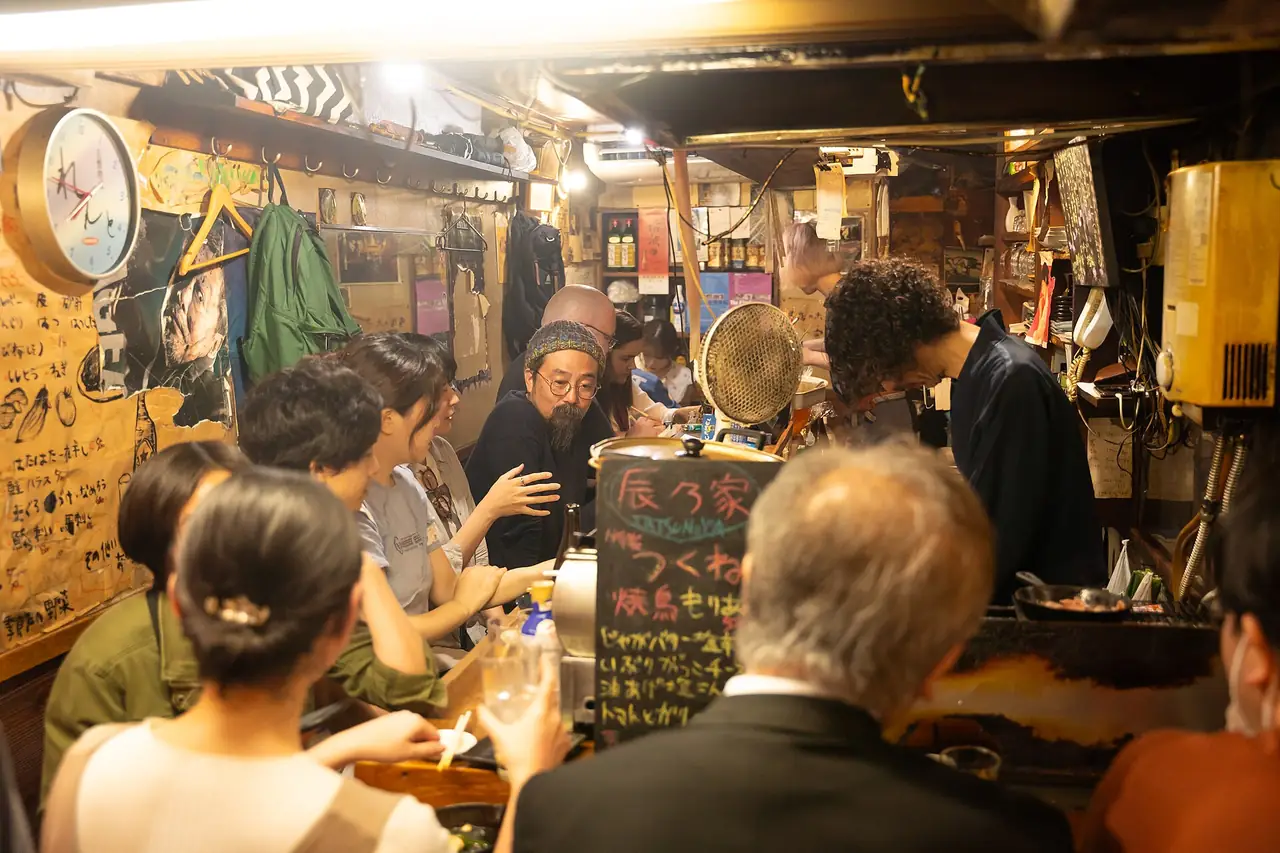
Ginza: Star Bar Ginza, Samboa Bar Ginza, and several other specialist bars are all in the same district. It's upscale. Cocktail bars are the main thing, with whisky bars tucked into basements. People dress up more.
Ikebukuro: Aloha Whisky is here, 7 minutes from the west exit. There aren't many other whisky bars nearby compared with Shinjuku or Ginza, so plan Ikebukuro as a one-bar evening, not the start of a crawl.
Shinjuku to Ikebukuro is 8 minutes on the Yamanote Line, with trains every 2-4 minutes. Doing Zoetrope in Shinjuku and then Aloha Whisky in Ikebukuro is easy, and the train is quicker than walking between some bars in the same neighborhood.
Where Hinomaru One Fits
For a milestone birthday or anniversary, a whisky bar can be the evening part of a full day of celebrating. Our milestone birthday guide shows how to plan an 8-hour day around one person's interests.
Our guides know specialist bar owners. They know who has room tonight and which bottles are open, and they can introduce you as a friend instead of a stranger. If you want to go past Zoetrope and Aloha Whisky into bars that don't take walk-ins, that's the access we give you.
Hinomaru One runs customized private Tokyo tours for first-time and seasoned travelers, at a pace that never feels rushed.
Photo credits
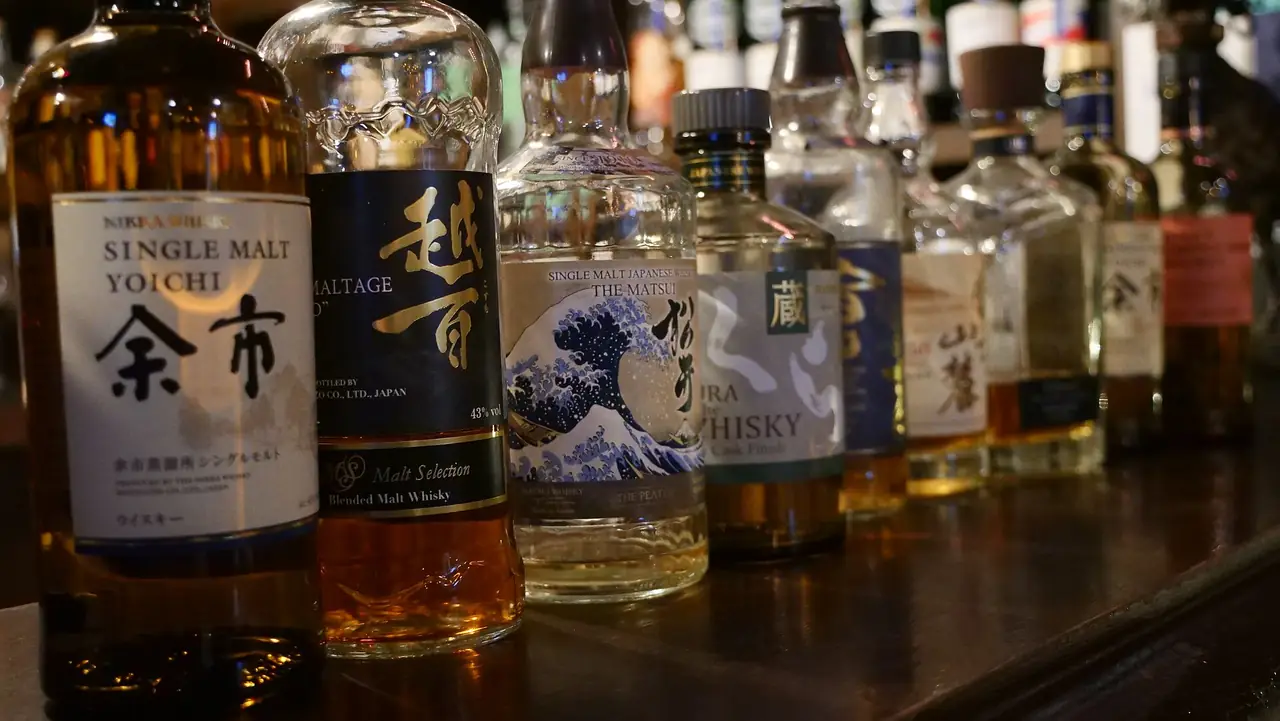
- Row of Japanese whisky bottles including Nikka Yoichi lined up on a bar counter: Culture Japon / Wikimedia Commons, CC BY-SA 4.0, resized
- A whisky highball on the counter of a tiny bar in Golden Gai, Shinjuku: Cory Doctorow / Wikimedia Commons, CC BY-SA 2.0, resized
- Diners packed around a small yakitori counter in Omoide Yokocho, Shinjuku: Dick Thomas Johnson from Tokyo, Japan / Wikimedia Commons, CC BY 2.0, resized


.jpg)