Uncover common etiquette blunders, transit pitfalls, and cultural missteps to ensure a smooth, respectful journey.
Japan travel mistakes usually come from applying Western assumptions to a system that runs on different logic.
Not all mistakes in Japan are equal. Some wreck your trip through poor planning. Others cause genuine offense. Many are minor and easily forgiven.
This guide distinguishes between mistakes that break your logistics, mistakes that violate cultural norms, and "mistakes" that locals don't actually care about. The goal isn't perfection—it's knowing which mistakes to actively prevent and which ones not to stress over.
Japan is remarkably tourist-friendly despite its reputation for complex etiquette. Most cultural missteps result in polite correction, not offense. But poor planning can turn preventable issues into real problems.
High-Stakes Logistical Mistakes
These aren't cultural errors—they're planning failures that cause trip disruption.
Booking Too Late for Peak Seasons
Japan has predictable peak travel periods when hotels and trains sell out months in advance. Knowing Japan's peak travel seasons and major holidays helps you plan booking windows:
| Period | Timing | Advance Booking Required |
|---|---|---|
| Cherry blossom season | Late March–early April | 4-6 months (good options gone by 2-3 months) |
| Golden Week | Late April–early May | 3-6 months |
| Obon | Mid-August | 3-6 months |
| New Year | Late December–early January | 3-6 months |
Note that spring in Tokyo extends well beyond cherry blossoms—May offers ideal weather, 14 hours of daylight, and dramatically lower crowds once Golden Week ends.
Obon sits in the middle of Japan's most challenging travel season. The summer in Japan guide covers why August requires different planning—heat management, festival access that rewards the discomfort, and regional escapes when cities become oppressive.
These aren't soft recommendations. By the time most travelers start planning, available accommodation is limited and expensive. Learn more about when and where to book accommodation and trains.
Misunderstanding JR Pass Coverage
The JR Pass is valuable but has significant gaps. Understanding which trains and lines the JR Pass covers prevents budget surprises.
| Coverage Status | What's Included |
|---|---|
| Partial coverage: base fare included, express surcharge requires supplementary ticket | Nozomi and Mizuho bullet trains (fastest shinkansen)All subway systems (Tokyo Metro, Toei Subway, others)Private railways (Odakyu, Keio, Tokyu, dozens more) |
| Covered | Most JR trains (Hikari, Sakura, Kodama shinkansen)JR local and express trainsTokyo Yamanote Line and similar JR urban lines |
Budget separately for subways and private lines. These costs add up, especially in Tokyo where extensive subway travel is unavoidable.
Carrying Insufficient Cash
Japan modernized quickly, but cash infrastructure persists in specific contexts:
Cash typically required:
-
Temples and shrines
-
Small restaurants and traditional eateries
-
Local markets
-
Rural areas
-
Some trains and buses
-
Street food vendors
Reliable ATMs for international cards:
| ATM Type | Locations | Availability | Notes |
|---|---|---|---|
| 7-Eleven (Seven Bank) | 40,000+ locations including 7-Eleven and FamilyMart | 24/7 | Most reliable option |
| Japan Post Bank | 20,000+ post offices | Limited hours | Closed nights/weekends at smaller offices |
| Family Mart / Lawson | Select stores | Varies | Check for compatible card logos |
Regular Japanese bank ATMs rarely accept foreign cards. Carry ¥10,000-20,000 minimum. Many travelers underestimate how often they'll need cash. For comprehensive budgeting guidance, see how much cash to carry and where to budget.
Skipping Mobile Connectivity
Getting lost in Kyoto without internet turns charming alleyways into frustrating mazes. Navigation, translation, real-time transport info, and restaurant lookups all require connectivity.
Options include pocket WiFi rental or SIM cards. Waiting until arrival limits choices and wastes time.
Choosing Accommodation Far from Stations
Tokyo summers are humid. Winters are cold. Dragging luggage 15 minutes from the nearest station compounds daily. Station proximity isn't about convenience—it's about preserving energy for actual sightseeing. For more on navigating Tokyo's transport system, see this detailed Tokyo transportation guide.
Cultural Mistakes That Actually Matter
These behaviors genuinely offend or disrupt. Learn them.
Chopstick Taboos
Two actions carry serious funeral associations:
Vertical chopsticks in rice (tatebashi): Placing chopsticks upright in a rice bowl mimics funeral offerings where rice is presented to the deceased this way. It's exclusively associated with death. Locals react strongly.
Passing food chopstick-to-chopstick (hashi-watashi): This directly mirrors the Buddhist funeral ceremony where family members pass cremated bone fragments using chopsticks. The visual similarity triggers immediate discomfort.
What to do instead:
-
Use chopstick rests when provided
-
Place chopsticks horizontally across your dish when finished
-
Place shared food on a plate for others to pick up with their own chopsticks
Other chopstick rules:
-
Don't point, stab, or wave chopsticks around
-
Don't lick them
-
Don't use them to pull dishes closer
Train Behavior
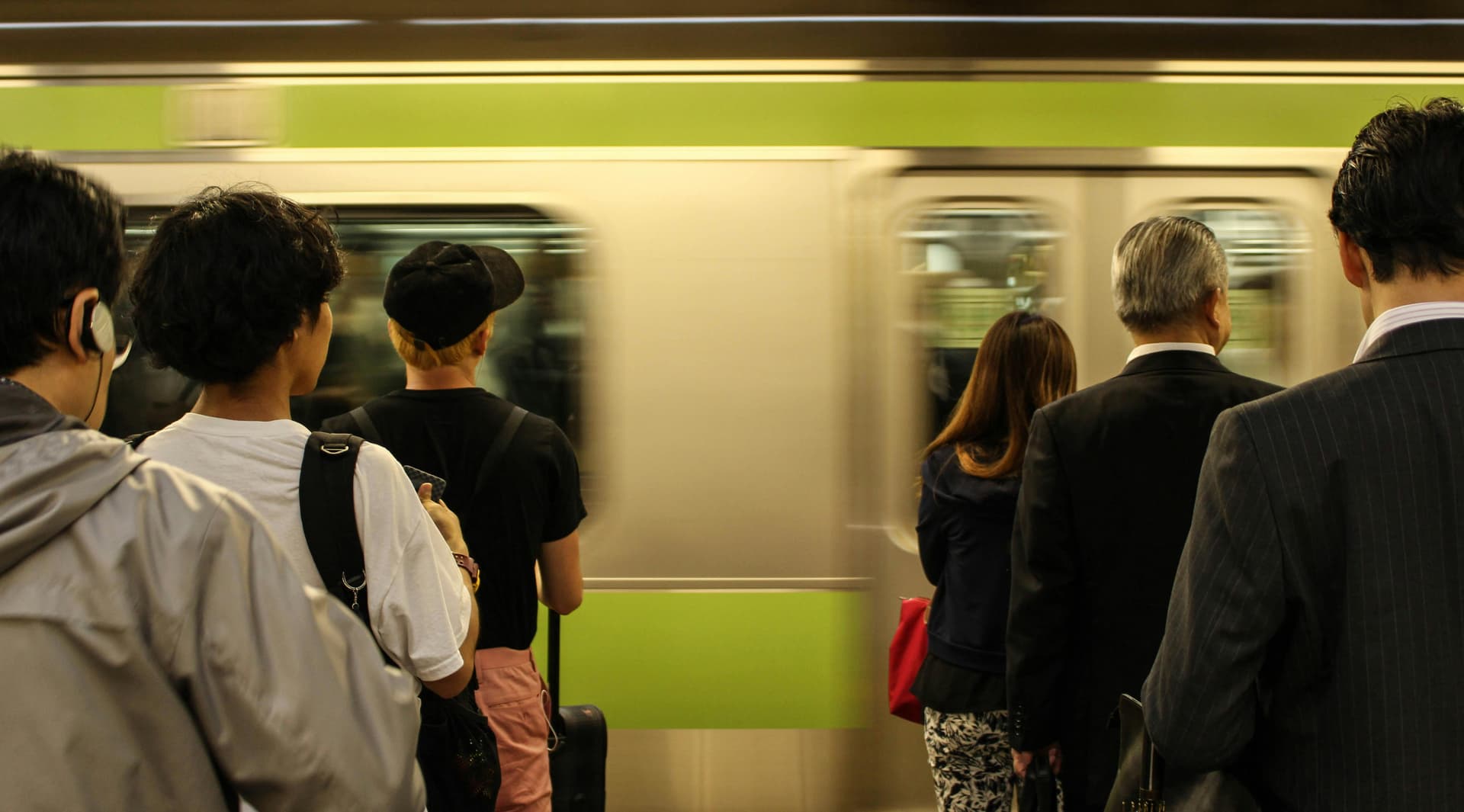
Japanese trains maintain sanctuary-like quiet:
-
No phone calls (texting is fine)
-
Keep conversations low
-
Avoid eating on commuter trains (long-distance shinkansen is different)
This isn't optional etiquette—it's enforced by social pressure. Locals will stare. Some may politely correct you.
Shoes and Spaces
| Visual Cue | Action | Common Locations |
|---|---|---|
| Shoe racks at entrance | Remove shoes | Homes, some restaurants, temples |
| Others removing shoes | Remove shoes | Follow the crowd |
| Tatami mat rooms | Remove shoes | Traditional spaces |
| Genkan (elevated floor area) | Remove shoes | Some restaurants, traditional buildings |
| Slippers provided inside | Remove shoes | Traditional accommodations, some venues |
| No cues, shoes everywhere | Keep shoes on | Most restaurants, shops, streets |
Follow visual cues. When uncertain, observe others or ask.
Onsen and Public Bath Protocols
Mandatory rules:
-
Wash thoroughly at shower stations before entering communal baths
-
No swimsuits (nude bathing required at traditional onsen)
-
Small towel for modesty while walking, but never in the bath water
-
Keep hair out of water
Breaking these rules affects other bathers and will result in correction.
Photography Boundaries
Generally acceptable:
-
Public streets and outdoor spaces
-
Exterior shots of temples/shrines
-
Landscapes and cityscapes
Ask permission first:
-
Inside temple/shrine buildings
-
Private shops and restaurants
-
Photographing people directly
Often prohibited:
-
Sacred objects or ceremonies
-
Some shrines have complete photography bans
Signs indicate restrictions. When in doubt, ask or observe others.
For travelers who find these layered cultural norms overwhelming, a guide navigates cultural nuances in real-time, preventing mistakes naturally through local knowledge.
If managing both logistical planning and cultural navigation simultaneously feels overwhelming, a guided experience might make sense for your first visit. Many travelers find that having a guide removes the anxiety of mistake-prevention while deepening cultural understanding.
Low-Stakes Mistakes (Don't Stress)
These "rules" are flexible or locals understand tourists don't know them.
Language Barriers
Speaking English is fine. Efforts to use basic Japanese phrases are appreciated, but not required. Tourist areas have extensive English support. Gestures and translation apps work.
Nobody expects perfect Japanese from tourists.
Bowing
Tourists aren't expected to master bowing etiquette. A simple head nod or slight bow shows respect and is well-received. Deep formal bows aren't necessary.
Locals understand you're learning the culture.
Tipping
Tipping is not practiced in Japan and can cause confusion:
Why tipping doesn't exist:
-
Service excellence is considered professional duty, not transactional
-
Workers receive fair salaries
-
"Omotenashi" (wholehearted hospitality) means service is given from professional pride
-
Additional payment suggests the worker needs money, which can embarrass them
What to do:
-
Say "Arigatou gozaimasu" (thank you)
-
Pay the stated price
-
Don't leave coins on the table
Rare exceptions: High-end ryokan attendants (nakai-san) or private guides who work extensively with international clients may accept tips if given discreetly in an envelope. But this is optional, not expected.
For Tokyo specifically, the complete tipping guide covers service charges you'll see on bills, otoshi charges at izakaya, and the envelope protocol for the rare situations where gratuities are appropriate.
Escalator Sides
-
Tokyo: Stand left, walk right
-
Osaka/Kansai: Stand right, walk left
Locals follow this strictly during rush hour. Tourists observing the pattern blend in smoothly. But if you get it wrong once, nobody will confront you.
Just observe and follow the flow.
Eating While Walking
Context-dependent:
-
Festivals and specific food districts: Acceptable and common
-
Quiet residential streets or formal areas: Less common
This isn't a hard rule. You'll see locals doing both depending on context. If you're eating takoyaki at a festival, nobody cares. If you're eating convenience store food while walking through a quiet temple district, it reads as slightly inconsiderate—but not offensive.
Mistakes That Reveal Themselves (Situational Guidance)
Many situations signal the correct behavior if you pay attention.
When Shoe Removal Is Unclear
Look for:
-
Shoe racks or cubbies at entrances
-
Step-up sections (genkan)
-
Others' shoes arranged at the door
-
Slippers provided just inside
If you see any of these, remove shoes. When genuinely uncertain, ask staff or observe other customers.
Restaurant Ordering Without Japanese
Available solutions:
-
Many restaurants have photo menus or plastic food displays
-
English menus exist in tourist areas
-
Point and gesture works
-
Translation apps help—but only with reliable data access, which public WiFi doesn't provide.
-
Staff will often try to help non-verbally
Don't assume language will be a barrier. Most visitors navigate this fine.
Dealing with Trash When Bins Are Scarce
Japan's trash system is complex (recycling categories vary by municipality). Public bins are surprisingly rare.
What locals do:
-
Carry trash until they find appropriate bins
-
Dispose at convenience stores (which have trash/recycling stations)
-
Keep a small bag for carrying trash
Don't:
-
Leave trash on train seats or public spaces
-
Put trash in random bins hoping it's correct
When uncertain about disposal, hold onto it. Convenience stores are everywhere.
Gift-Giving Contexts
| Situation | Gift Expected? | Notes |
|---|---|---|
| Business situations | Yes | Bring small gifts from your home country |
| Staying at someone's home | Yes | Omiyage (small gift) appreciated |
| Extended guide/host interactions | Optional but appreciated | Shows gratitude for personal service |
| Casual service interactions | No | Not expected or necessary |
| Standard hotels | No | Service already included |
| Restaurants and shops | No | Payment covers service |
If you want to give a gift, simple presentation matters more than expense. Wrap it or use a gift bag.
Regional and Seasonal Variations
Japan isn't culturally uniform.
Tokyo vs Kansai Differences
| Aspect | Reality |
|---|---|
| Escalator convention | Real difference: Tokyo stands left, Osaka/Kansai stands right |
| Dialect | Real difference: Kansai has distinct dialect and proud regional identity |
| Formality levels | Overstated: Professional contexts similar across regions |
| Service standards | Overstated: Consistently high everywhere |
| Basic etiquette | Overstated: Core rules apply across all regions |
The escalator convention is the most visible practical difference tourists encounter.
Urban vs Rural Expectations
| Aspect | Rural Areas | Major Cities |
|---|---|---|
| English support | Limited signage and staff English | Extensive English in tourist zones |
| Cash dependency | High - cards rarely accepted | Increasing card acceptance |
| Convenience | Fewer options | Abundant convenience stores, services |
| Cultural norms | More conservative | More flexibility with minor variations |
Adjust expectations based on where you're traveling.
Seasonal Considerations
| Season | Months | Key Considerations |
|---|---|---|
| Summer | June–September | High humidity June-July (rainy season), typhoon season August-October (peak in September), intense heat |
| Winter | December–February | Cold but dry, snow in northern regions, holiday closures around New Year |
| Spring | March–May | Cherry blossom crowds late March–early April, Golden Week crowds late April–early May, otherwise mild |
| Fall | September–November | Comfortable temperatures, fall foliage in November, typhoon risk early fall |
Plan activities and booking timing around these patterns.
![Booking Platform for Japan: How to Book Hotels, Timing & Insider Tips [2026]](/_next/image?url=%2Fimages%2Fe2522b331cdf.jpg&w=1920&q=75&dpl=dpl_8YuCq6wwwJXW7NvKEEZmVxnXJwMZ)